3-Day Cruise Vacations: Best Routes, Ships and Homeports
A three-night cruise can be a brilliant reset, but it is not three full vacation days. You usually board one afternoon and leave early on the fourth morning, so route, homeport, and ship choice matter more than they would on a longer sailing.
First, know what “3-day cruise” means
Cruise lines sell overnight voyages by the number of nights, not the number of calendar dates touched. A three-night itinerary normally begins on day one, includes three nights onboard, and returns on the morning of day four.
Embarkation afternoon is shortened by check-in, safety procedures, unpacking, and sailaway. Disembarkation morning is transportation time, not a bonus resort day, so the usable vacation is closer to two full days plus two partial days.
That can still be excellent value when the port is easy to reach and the ship fits your priorities. It feels much less efficient after two flights, a hotel night, long transfers, and a rushed trip home.
The best 3-day cruise routes
Florida to The Bahamas
This is the deepest pool of short-cruise choices, with Miami, Fort Lauderdale, and Port Canaveral serving routes to Nassau, cruise-line private destinations, or both. Schedules change, but the basic appeal is warm-weather access and short sailing distances.
A two-port itinerary gives you more time ashore but leaves little quiet ship time. A route with one port and one sea day makes the vessel more important and can feel calmer, although weather can dominate a private-island plan.
Royal Caribbean currently markets three-night weekend escapes and shows the live mix on its official weekend-cruise page. The ships assigned to short routes can range from compact older vessels to attraction-heavy newer ships, so never assume duration predicts ship quality.
Long Beach to Ensenada
For Southern California residents, a Baja cruise can be far easier than flying to Florida. Carnival currently lists three-day Ensenada options from Long Beach on its Baja Mexico page, but departure dates and assigned ships should be checked live.
This route trades tropical Bahamas water for a walkable Mexican port, food, wine-country excursions, and Pacific weather. The first and last hours can be cool even when inland California is hot, so a light layer earns its suitcase space.
Long Beach is not the same terminal as the World Cruise Center in San Pedro. Confirm the exact terminal before booking parking, a hotel, or a rideshare pickup.
Other seasonal short routes
Three-night cruises sometimes appear from Galveston, New York-area ports, San Juan, European ports, and during ship repositioning. These can be useful for local travelers, but they are not dependable enough to build a timeless guide around one named ship or weekly schedule.
Check whether an unusual short sailing is a normal round trip, a one-way repositioning, or a segment with special document rules. A cheap fare loses its charm quickly when the return city requires an expensive flight.

Choose the homeport before the cruise line
On a three-night vacation, ground logistics can consume a shocking percentage of the trip. Start with the ports you can reach safely and affordably, then compare the viable ships and routes.
Miami
Miami offers a large selection and excellent air service, but airport, downtown, Miami Beach, and PortMiami are separate locations. Traffic and event weekends can turn a short transfer into an expensive one, so choose a hotel for port access rather than a vague “Miami” label.
Fort Lauderdale
Port Everglades is close to Fort Lauderdale’s airport, which makes it especially attractive for a short fly-in cruise. Terminal assignments vary across the large port, so walking from an airport hotel with luggage is not a sensible plan.
Port Canaveral
Port Canaveral is often marketed as Orlando, but the cruise terminals sit roughly 45 miles east of the city and airport. That transfer can work smoothly, yet it belongs in the budget and timing from the beginning.
Pairing the cruise with theme parks changes the trip from a quick getaway into a longer Florida vacation. That may be worthwhile, but it removes the simplicity that makes a three-night cruise appealing.
Long Beach
Long Beach is the logical West Coast choice for many Southern California drivers. Parking convenience can outweigh a slightly cheaper Florida fare once airfare, hotel, and airport transfers are added.
Three ships to shortlist
Use these ship and route listings as planning examples. These examples connect the ship name to the correct departure port, but availability, port order, and sailing schedules can change before you book.
Utopia of the Seas from Port Canaveral: my active first-timer pick
Royal Caribbean’s three-night Utopia of the Seas itinerary sails round trip from Port Canaveral to Nassau and Perfect Day at CocoCay. Shortlist it for a first-timer who wants to sample a big resort ship and a private beach destination in one weekend.
The concrete tradeoff is that both full days are port days on this route. You get two different stops, but fitting in the ship’s pools, shows, slides, and restaurants requires choosing favorites instead of attempting everything.
Make CocoCay the main outing and keep Nassau flexible, with an early return if ship time is the priority. Before paying, choose the actual three-night departure in Royal’s calendar and reserve the onboard experiences you care about once your booking allows it.
Remember that “Orlando” in the listing means Port Canaveral, not a downtown Orlando terminal. For a flight arrival, the airport-to-port transfer and a pre-cruise hotel belong in the comparison with Miami or Fort Lauderdale ships.
Disney Wish from Port Canaveral: my Disney-focused family pick
Disney lists a November 6–9, 2026 Disney Wish sailing from Port Canaveral visiting Nassau and Castaway Cay. This is the specific ship and itinerary I’d compare for a family whose main wish list is Disney entertainment and time on Castaway Cay.
Choose it because those experiences matter to the family, then compare the final fare for everyone’s ages and the correct cabin occupancy. A two-person lead price tells a family of four very little about what the reservation will actually cost.
The tradeoff is the compressed schedule: three nights means only two full days for both ports and the ship. Protect the evening entertainment and one priority activity per child, then let a lower-priority excursion go instead of making every day an appointment calendar.
This example calls at Castaway Cay, not Lookout Cay at Lighthouse Point. Read those names carefully when comparing another Disney sailing, since a different private destination changes the beach day you are buying.
Carnival Radiance from Long Beach: my Southern California drive-to pick
Carnival’s October 22, 2027 three-day Carnival Radiance listing is a three-night round trip from Long Beach with a sea day and Ensenada. Start here for a Southern California traveler who can drive to the terminal and wants a casual short escape.
The sea day gives this itinerary breathing room for the ship’s casual food, comedy, and pool time. The tradeoff is geographic: you are buying a Pacific coast getaway with Ensenada, not warm Bahamas beach water or a cruise-line island.
Compare parking plus fuel with a Florida flight, hotel, and transfers before reacting to the difference in cruise fare. Saving most of a travel day can be more valuable than switching to a flashier ship for just three nights.
Book transportation to Carnival’s Long Beach terminal; do not substitute the Los Angeles World Cruise Center in San Pedro. If that example date is inconvenient, search the same ship and homeport for another confirmed three-night departure rather than assuming every Radiance sailing has this duration.
How to choose between the three
Pick Utopia for an activity-heavy first taste of cruising, Disney Wish for a family that specifically values Disney, and Radiance when Long Beach is your practical local port. For a quieter first cruise, I’d favor the sea-day pattern or compare a four-night upgrade before deciding on a ship with two busy port days.
These are useful named starting points, not a claim that three ships cover every available short cruise. Keep MSC, Norwegian, and Celebrity in your search when the dates and homeport fit, then require the same clear ship name, number of nights, and actual route before comparing prices.
Which cruise line fits your three nights?
Royal Caribbean for a ship-first weekend
Royal Caribbean is strongest when pools, shows, active attractions, and private-destination facilities are central to the trip. A large modern ship can pack impressive variety into three nights, but it can also leave you feeling that you barely learned the layout.
Check what is included and what needs a reservation, waiver, or extra fee. On a short sailing, missing the preferred show or dining time matters more because there is no second sea day to try again.
Carnival for a social, casual getaway
Carnival often suits friends, couples, and multigenerational groups who want comedy, deck activity, casual food, and a lively atmosphere. Weekend departures can feel more celebratory than midweek cruises, which is fun for one traveler and noisy for another.
Study the exact ship instead of judging the entire line. Refurbishment, cabin inventory, pool layout, and specialty venues can differ substantially even when two cruises visit the same port.
MSC for flexible value and Ocean Cay
MSC currently promotes three- and four-night Bahamas cruises, including Ocean Cay on many schedules, through its official weekend-cruise listings. The line can be price-competitive, but its fare tiers, dining style, and multinational onboard atmosphere deserve a careful comparison.
An Ocean Cay overnight or late stay changes the experience by extending beach time beyond a standard daytime call. Exact port hours are sailing-specific and weather-dependent, so inspect the day-by-day itinerary rather than assuming every MSC short cruise includes the same stay.
Disney for a premium family celebration
Disney’s short Bahamas cruises concentrate character experiences, family entertainment, rotational dining, and private-destination time into a manageable vacation. The fare is often higher than mainstream competitors, so the best fit is a family that will use those distinctive inclusions.
Disney currently advertises three- and four-night tropical getaways from Florida on its official short-cruise page. Compare ship and destination carefully because Castaway Cay and Lookout Cay are different places, not interchangeable labels for “Disney island.”
Norwegian and Celebrity for selected dates
Norwegian and Celebrity can offer brief sailings, but availability is more seasonal or deployment-dependent than the core Florida weekend programs above. They are worth searching when dates, loyalty benefits, or a particular ship matter more than weekly frequency.
A rare short itinerary may also attract experienced cruisers sampling a new vessel. That can create a different atmosphere and price pattern from an ordinary weekend run.
One port, two ports, or a sea day?
A two-port schedule maximizes variety and works for travelers who want to be ashore both full days. It also creates two early mornings, two all-aboard deadlines, and very little time to enjoy daytime ship facilities.
One private-destination day plus one sea day is my balanced choice for a first short cruise. You get a beach-focused outing and enough ship time to understand what you paid for.
One city port plus one sea day is better for travelers who prefer food, history, or independent wandering over a managed resort environment. Nassau and Ensenada both reward a plan, because aimless port-area browsing rarely shows their strongest side.
Private destinations are operationally simple but not immune to wind or rough water. A missed call has an outsized effect when it represents half of the planned vacation.
The real cost of a three-night cruise
Short cruises can advertise very low fares because the cabin is only one part of the spend. Taxes and port expenses, gratuities, transportation, parking, a hotel, drinks, Wi-Fi, dining, and excursions may exceed the base fare.
Compare the final cabin total, not the per-person lead price. The lowest price may assume double occupancy, exclude a particular fare feature, or apply only to one date and guarantee category.
- Round-trip transportation to the homeport
- One pre-cruise hotel night for anyone flying
- Taxes, port expenses, and daily crew gratuities
- Drinks, specialty dining, Wi-Fi, photos, and arcade spending
- Excursions or private-destination upgrades
- Travel insurance appropriate to the total nonrefundable cost
A drinks package can be particularly deceptive on a short cruise because every legal-age adult in a cabin may have to buy one under line rules. Use the principles in these cruise money-saving tips and compare realistic consumption, not a challenge to “get your money’s worth.”
Do not fly in on embarkation morning
A direct early flight can look safe until weather, a maintenance issue, or a missed connection erases the margin. The ship is not obligated to wait for an independently delayed passenger.
Arrive the day before, even though the hotel can make a cheap cruise less cheap. That one night protects the entire three-night purchase and lets embarkation begin without a sprint.
On the return, allow time for the ship to clear, immigration, baggage collection, terminal traffic, and airport security. A scheduled docking time is not a promise that you will stand at an airline gate 60 minutes later.
Choose a cabin for sleep, not status
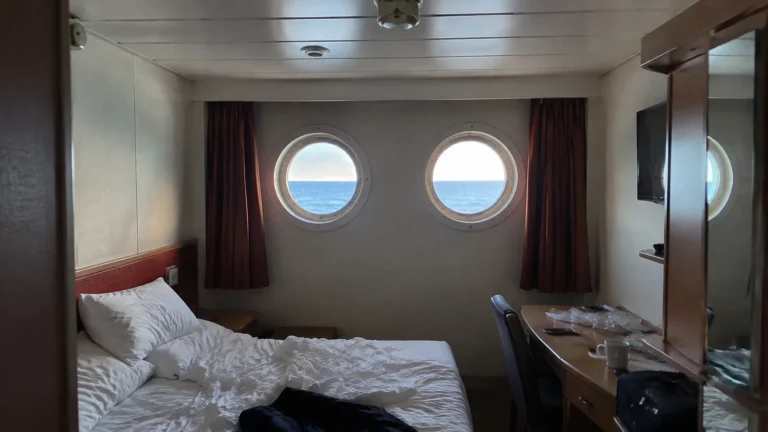
Three nights rarely justify stretching the budget solely for extra square footage, especially on a port-heavy route. An inside cabin can be excellent value when you plan to spend almost every waking hour elsewhere.
Location still matters because late-night venues, crew doors, and early pool-deck setup can disrupt a large share of a brief trip. Check the deck plan using this cabin-location framework before accepting the cheapest assigned room.
A balcony earns its premium for a couple who wants private morning coffee or a quiet retreat from a busy ship. It is less compelling when the schedule has two long port days and the group plans to socialize until bedtime.
Make the first afternoon count
Complete online check-in, download the app, and reserve any available entertainment or dining before arrival. Once onboard, put carry-ons down, confirm safety requirements, and learn the route between your cabin, dining room, and main venues.
Do not spend the whole first afternoon touring every deck. Pick one lunch, one pool or lounge, and one evening plan, then let the rest remain a vacation rather than a scavenger hunt.
If a specialty restaurant or headline show is nonnegotiable, reserve it for the first two nights. Saving everything for night three leaves no recovery plan after a time change, weather issue, or schedule conflict.

Pack like the trip is actually short
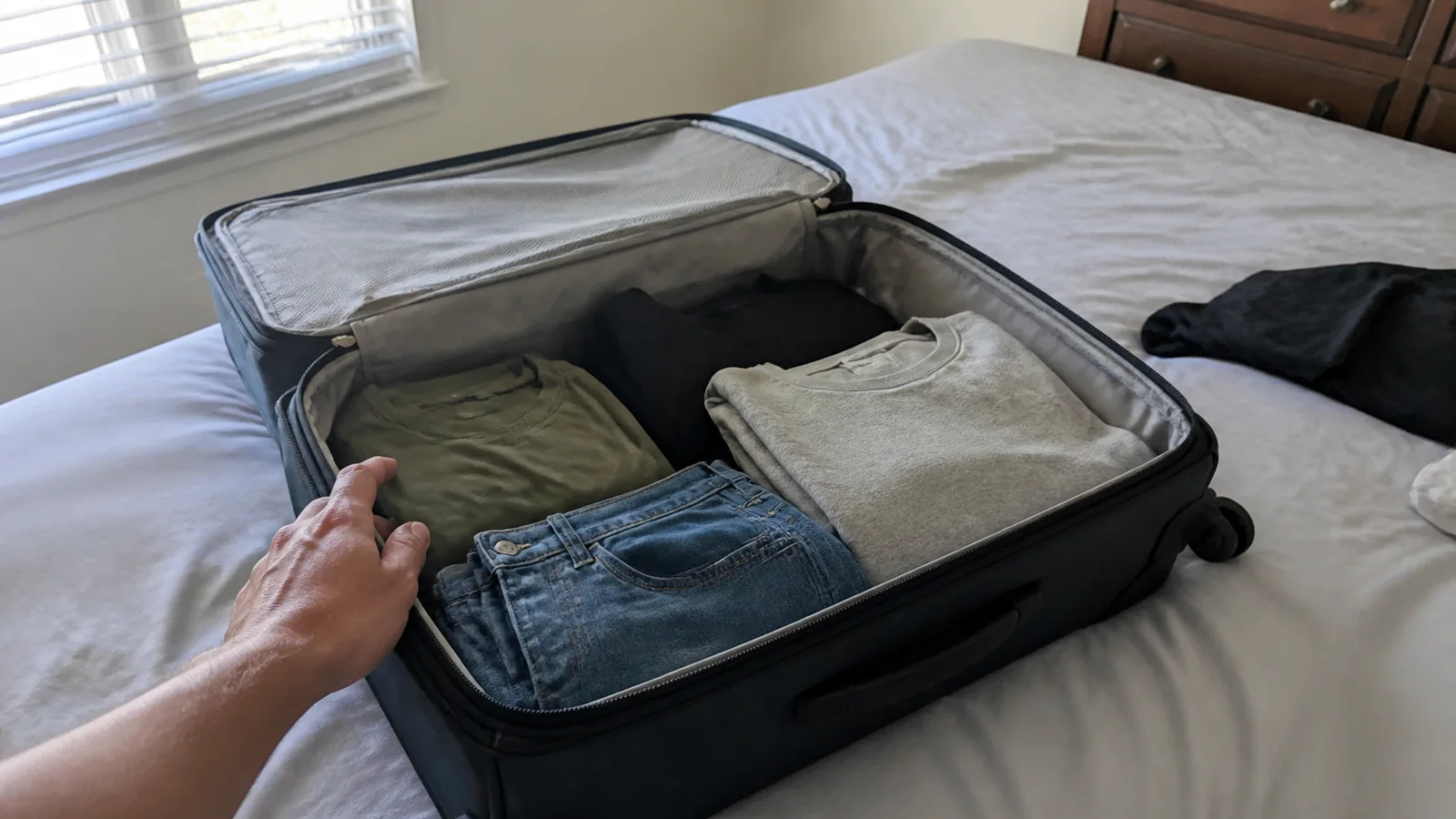
A carry-on can handle most three-night warm-weather cruises and keeps disembarkation simple. Pack documents, medication, swimwear, walking shoes, a light layer, sun protection, and two flexible evening outfits.
Check the line’s prohibited-items list before adding power strips, alcohol, or appliances. This modular cruise packing list helps trim the extras while protecting the items that can derail a trip.
Keep medicine, documents, electronics, and anything needed before dinner in your hand luggage. Checked bags can arrive after you are ready for the pool.
Documents still matter on a short cruise
A three-night international itinerary is not exempt from passport and citizenship rules. Some U.S. citizens on qualifying closed-loop cruises can use proof of citizenship plus government photo identification, but age, nationality, route, and emergency air travel can change the answer.
Check the cruise line and current U.S. Customs and Border Protection cruise guidance before final payment. A valid passport is the most resilient document if an emergency requires flying home from outside the United States.
Who should book a three-night cruise?
Short cruises work beautifully for nearby residents, first-time cruisers, celebrations, and travelers testing a line before a major vacation. They also suit groups with limited shared time because three nights are easier to coordinate than a full week.
They are a weaker fit for travelers seeking deep cultural immersion, relaxed service, or a comprehensive ship experience. Crowds can feel concentrated, and the schedule offers little time to recover from poor weather or a missed port.
First-timers should use these first-cruise checks to understand gratuities, boarding, and port deadlines. A short sailing is simple once the logistics are respected, but it is not consequence-free.
When four nights are worth the upgrade
If a four-night cruise costs only modestly more after transportation, choose it. The extra day can add a sea day, a second port, or simply enough breathing room to enjoy the pool without skipping the destination.
The comparison should use total vacation cost and time, not just fare. Airfare, parking, and a pre-cruise hotel may be identical whether the ship sails for three nights or four.
My final recommendation
For the easiest three-night vacation, choose the closest practical homeport and an itinerary with one meaningful port day plus time to enjoy the ship. Pick the line for atmosphere, then the ship for facilities, and only then chase the lowest cabin price.
A three-night cruise succeeds through restraint. Arrive early, plan one priority per day, and leave a few attractions unexplored so the getaway feels like a vacation instead of a very efficient inspection.