25 Cruise Travel Tips From Booking to Disembarkation
A good cruise is less about mastering secret hacks and more about preventing a few expensive mistakes. Choose the right ship, protect the embarkation day, understand what the fare excludes, and treat the all-aboard time as a deadline rather than a suggestion.
These 25 cruise travel tips cover the decisions that matter from booking through disembarkation, including the tradeoffs glossy brochures tend to skip.
Before You Book
1. Choose the Ship Before the Brand
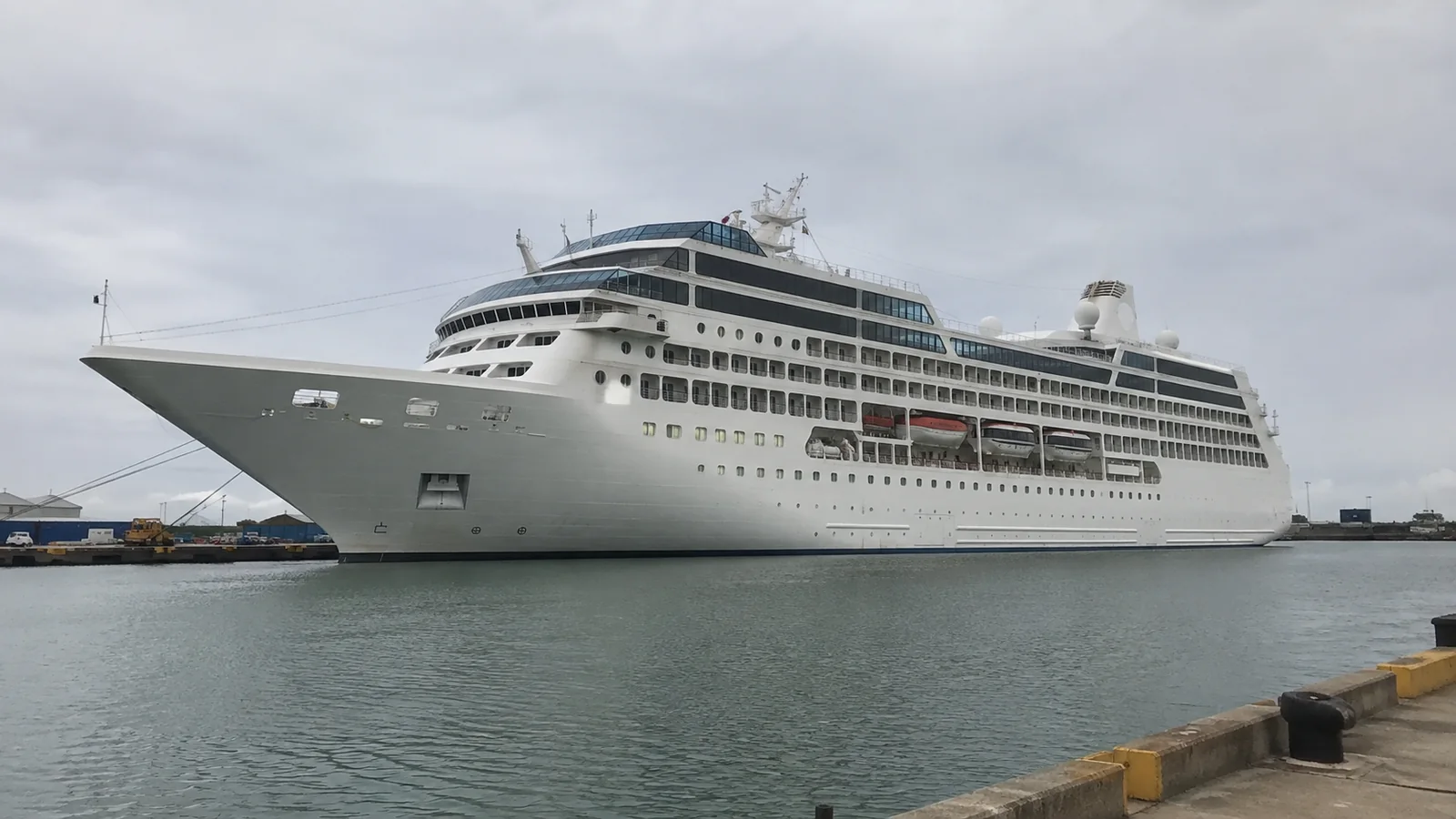
Two ships from one cruise line can have different cabin layouts, dining systems, kids’ spaces, accessibility features, and nightlife. Compare the exact vessel and its scheduled condition on your sailing date, not only the fleet’s newest ship.
Large resort ships work well for travelers who want constant choices, while small ships can trade spectacle for access, calm, or destination focus. Neither format is automatically better, but the wrong format can make a bargain fare feel costly.
2. Price the Whole Vacation
Add taxes and port expenses, gratuities, drinks, specialty dining, Wi-Fi, excursions, transportation, parking, hotels, and insurance before comparing cruises. A slightly higher fare can win if it includes the extras you would otherwise buy.
Read what “included” means for your exact rate because packages often exclude premium brands, room service, gratuities, or specific restaurants. Screenshot the promotion and final terms in case the marketing changes later.
3. Match the Itinerary to Your Energy
Consecutive port days reward active travelers but can become an early-alarm marathon. Sea days provide recovery and ship time, although they also increase pressure on pools, lounges, and paid venues.
Look at arrival windows, tender notes, distances from port to the advertised city, and the number of ships expected in port. Eight hours listed in “Rome” does not mean eight hours beside the Colosseum.
Tender ports add another variable because passengers transfer ashore in smaller boats instead of walking off at a pier. Mobility rules, weather, ticketing, and return lines can shrink the useful day, so verify the process before buying a tightly timed independent tour.
4. Read the Cancellation Rules
Deposit type, final-payment date, cancellation penalties, and change fees matter more than the headline discount. Record every deadline and ask what happens if the cruise line changes the itinerary, ship, or embarkation port.
Insurance is not one universal product. Compare covered reasons, medical limits, evacuation, preexisting-condition rules, supplier default, delay thresholds, and whether you need a separate policy rather than assuming a waiver covers everything.
5. Arrive Near the Port a Day Early
For a cruise requiring a flight or long drive, one pre-cruise night is my default. It costs money, but missing the ship can cost far more and may create immigration or port-access problems while you try to catch up.
Use the first-cruise planning sequence if you need the booking decisions in order. It keeps the ship, cabin, arrival, documents, and budget connected instead of treating them as separate purchases.

Documents and Health
6. Carry a Passport Book When You Can
Some U.S. citizens on qualifying closed-loop cruises may use citizenship evidence and government photo identification, but exceptions depend on itinerary and traveler. CBP explains the Western Hemisphere rules, while the cruise line and every destination can impose additional requirements.
The U.S. State Department strongly recommends a passport book because an emergency flight home can require it even when the original sailing did not. Check validity, blank pages, visas, names, and requirements for minors well before final payment.
7. Keep Critical Documents Offline
Save the cruise confirmation, passport copy, insurance policy, emergency contacts, hotel, transfers, and excursion details to an offline folder. Carry paper backup for anything that must work when a phone is dead, wet, lost, or disconnected.
Copies do not replace originals at the border. Store originals securely, share an emergency copy with a trusted person at home, and never put essential documents in checked luggage.
8. Plan Medical Needs Before Sailing
Bring enough medication for the voyage plus a delay cushion, using labeled containers and documentation appropriate to the destinations. Ask the cruise line about refrigeration, sharps disposal, oxygen, dialysis, dietary needs, and accessible equipment before booking when any feature is essential.
CDC’s cruise health page recommends destination-specific health checks, routine vaccination review, soap-and-water handwashing, and discussing motion-sickness medicine with a clinician when relevant. Report significant gastrointestinal or respiratory symptoms to the ship’s medical team instead of trying to protect a perfect vacation schedule.
9. Know What Ship Medical Care Costs
The onboard clinic is not a replacement for a full hospital, and ordinary U.S. health coverage may not work at sea or abroad. Ask your insurer about onboard care, foreign providers, evacuation, reimbursement paperwork, and payment required upfront.
Cabin and Packing Decisions
10. Study the Decks Above and Below
A cabin near an elevator can be wonderfully convenient, while one under a pool deck, gym, galley, theater, or late-night venue may hear operational noise. Connecting doors, accessible routes, lifeboat obstructions, crew spaces, and service corridors can matter more than deck number.
The cruise cabin checklist explains how to verify the sailing-era deck plan and exact category. No cabin location is universally bad because mobility, motion sensitivity, sleep, and budget change the recommendation.
11. Pack an Embarkation-Day Bag
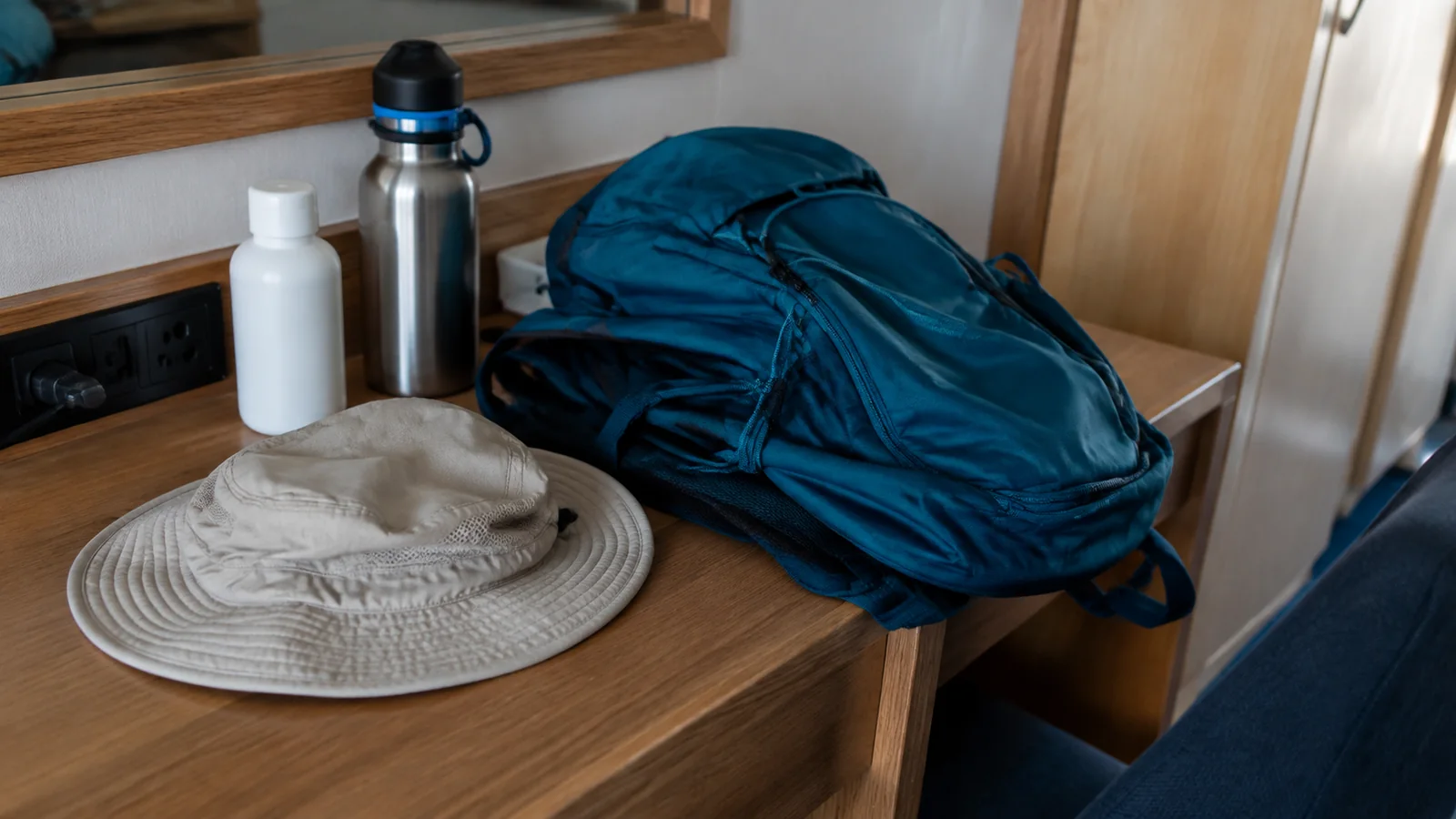
Checked bags may reach the cabin hours after you board. Keep identification, medication, valuables, electronics, sunscreen, swimwear, a change of clothes, and anything needed before dinner in a bag you can carry yourself.
Do not overfill it because you may hold that bag until cabins open. A compact layer and refillable bottle are usually more useful than several speculative outfits.
Travel companions should divide one essential outfit and basic toiletries between suitcases. A delayed bag then becomes an inconvenience instead of the loss of everything one person packed.
12. Verify Prohibited Items
Cruise lines commonly restrict heating appliances, weapons, candles, surge protectors, and certain alcohol, but exact lists differ. Read your line’s current policy rather than trusting packaging that says an accessory is “cruise approved.”
Embarkation Day
13. Complete Check-In Early
Use the cruise line’s app or website to complete required information, choose an arrival window, add a payment method, and download documents when check-in opens. Recheck the terminal address because large port cities may have multiple cruise facilities.
14. Put the Phone in the Right Mode
Connect to the ship’s Wi-Fi according to onboard instructions, then verify cellular and roaming settings before departure. The FCC warns that international roaming can be expensive, and automatic app updates or background data can generate charges without deliberate browsing.
Download the cruise app, maps, books, music, and authentication backups on land. Airplane mode does not prevent you from turning Wi-Fi back on, but confirm the settings after every restart.
15. Learn the Ship in Zones
Find the cabin, muster station, main dining room, buffet, theater, medical center, and a quiet outdoor space first. Remember whether your cabin is forward, midship, or aft, then use art, carpet, or venue signs instead of memorizing every deck.
16. Attend the Safety Drill Correctly
Modern muster procedures may combine an app or cabin video with an in-person station check. Complete every required step promptly and do not assume watching other passengers is enough.
Life Onboard
17. Check the Daily Program Each Evening
Hours, reservations, time changes, dress suggestions, and port instructions can shift. Mark one must-do and two flexible options instead of building a schedule that requires sprinting from breakfast to trivia to a show.

18. Review the Onboard Account
Check charges during the cruise, not only on the final night. Fixing an incorrect drink, excursion, or gratuity charge is easier before a long guest-services line forms.
19. Reserve What Would Disappoint You
Book a limited-capacity show, specialty meal, spa time, or excursion early if missing it would affect the trip. Leave the rest open because weather, fatigue, and new friends can change the day.
20. Use Handwashing, Not Theater
Wash with soap and water before eating and after restroom use, follow crew directions, and stay in the cabin if medical staff instructs isolation. Sanitizer is useful in some situations, but it does not make shared serving utensils or sick-day concealment harmless.
21. Find Quiet Away From the Pool
Promenade decks, libraries, observation lounges, and less-advertised outdoor areas often provide more calm than the main pool. Explore shortly after boarding, then return when sea-day crowds concentrate around the obvious venues.
Port-Day Cruise Tips
22. Know Ship Time and Local Time
Follow the ship’s announced time and all-aboard deadline, which may not match the phone’s automatic local time. Photograph the port information and set an independent return deadline with a generous buffer.
23. Understand Independent Excursion Risk
Independent tours can be smaller and cheaper, but the ship usually has no obligation to wait when a private operator returns late. Compare cancellation terms, tender priority, travel distance, local transport, emergency contacts, and the next port before deciding.
24. Carry Less Ashore
Take the required identification, ship card, one payment backup, water, weather protection, medication, and port contact details. Leave unnecessary documents and valuables secured aboard, subject to the destination’s entry rules.
Disembarkation
25. Protect the Final Morning
Confirm luggage deadlines, tag color, breakfast hours, meeting point, customs instructions, and ground transportation the night before. Keep tomorrow’s clothes, shoes, medication, documents, and chargers out of any bag collected from the hallway.
Do not book a tight flight simply because the ship’s published arrival looks early. Clearance, gangways, luggage, immigration, traffic, and airport security all sit between docking and the gate.
A printable cruise planner can keep confirmation numbers, deadlines, and port details together without scheduling every minute. The goal is to automate the fragile details, then leave the enjoyable parts room to breathe.

Bottom Line
The best cruise travel tips protect documents, time, health, and money before they become emergencies. Book the right ship, arrive early, carry a passport book when possible, watch the onboard account, and return from port well before all-aboard.
Everything else is personal preference. A well-planned cruise should feel flexible onboard because the consequential decisions were handled on land.