15 Underrated Vacation Spots in the USA Worth the Trip
The best underrated U.S. vacation spots are not necessarily empty or secret. They are places that deliver a memorable trip without demanding the same reservations, prices, or patience as America’s headline destinations, provided you understand the drive, season, and one honest drawback before booking.
What Counts as an Underrated Vacation Spot?
I am using “underrated” to mean a destination that deserves more attention for a specific kind of trip. Several places below are busy on summer weekends, but they remain practical alternatives to better-known neighbors and are easy to underestimate when planning a national vacation.
Choose by the experience you want, then check the logistics. A remote desert park, ferry-only island, small food city, and lake district cannot be compared by one generic “best” score.
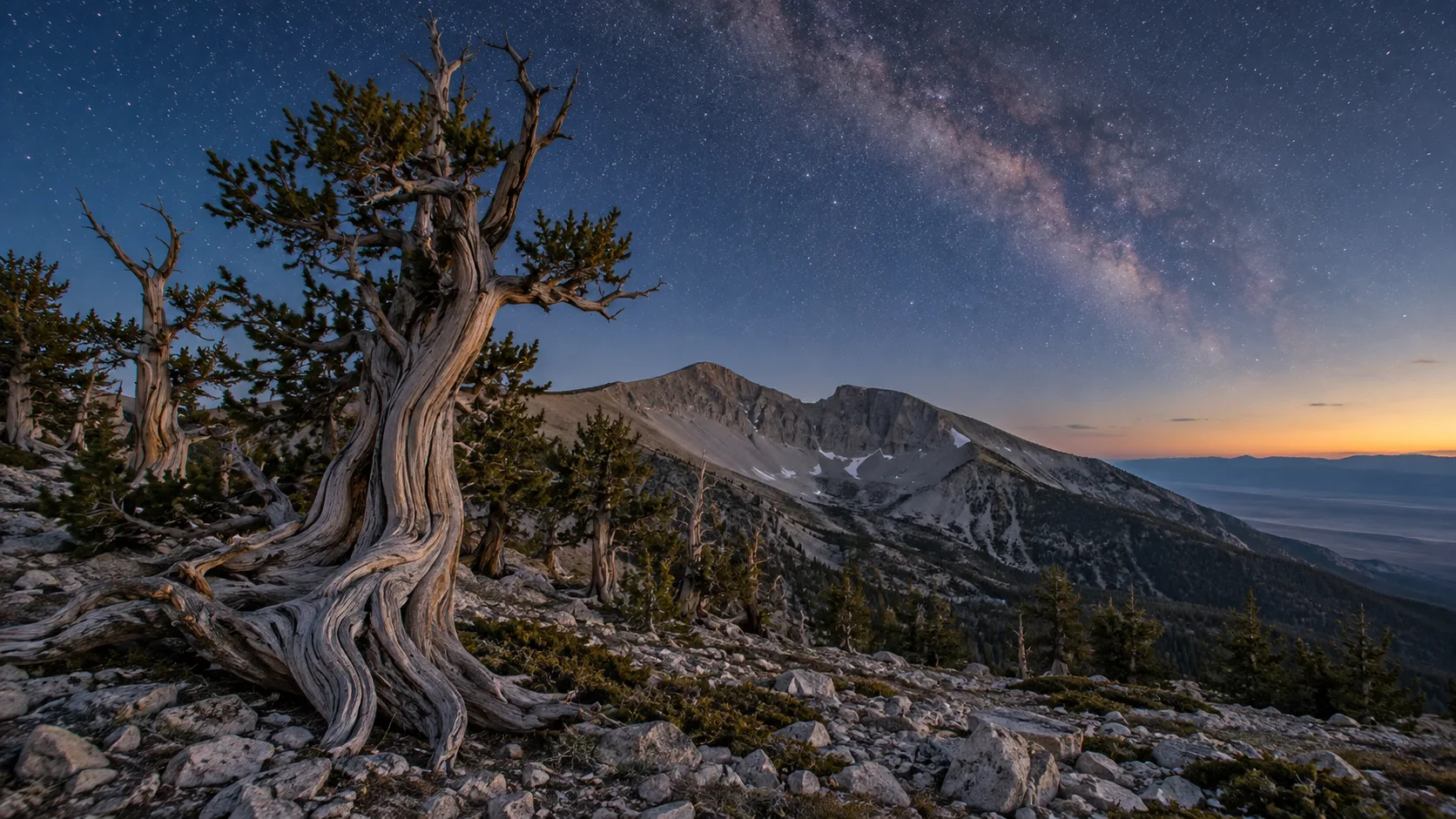
1. Great Basin National Park, Nevada
Best for: Dark skies, high-elevation hiking, caves, and travelers who do not mind a long drive.
Great Basin packs bristlecone pines, alpine terrain, desert, and Lehman Caves into a park many Las Vegas visitors never consider. It feels genuinely remote, and that remoteness is both its appeal and its biggest planning problem.
The National Park Service highlights stargazing, hiking, and fishing, but weather and seasonal road access determine what is realistic. Reserve a cave tour early, stay in Baker or Ely, fill the gas tank before the final approach, and give the park two nights rather than a hurried detour.
2. Chiricahua National Monument, Arizona
Best for: Striking rock formations, quieter trails, and a southern Arizona road trip.
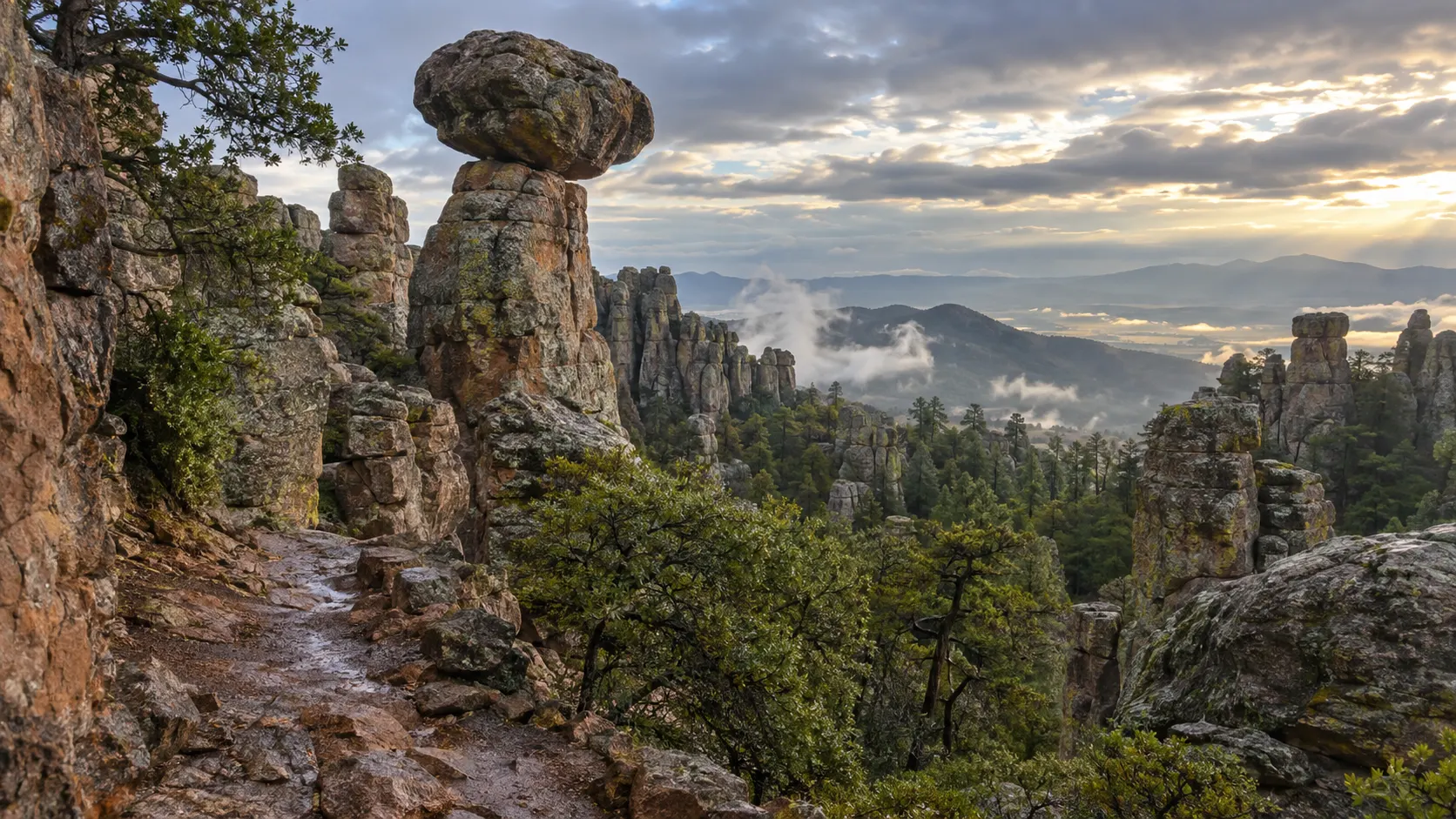
Chiricahua’s balanced rocks and tall volcanic pinnacles create a landscape that looks nothing like the cactus postcards many travelers expect from Arizona. The scenic drive gives non-hikers a satisfying overview, while longer trails weave through the rock formations.
There is no lodge, restaurant, or gas station inside the monument, so Willcox is the practical base for most visitors. Summer heat and monsoon storms can complicate exposed hikes, while winter snow and ice can affect the higher road and trails.
3. Silver City and the Gila, New Mexico
Best for: Art, history, hot springs, and forest country without Santa Fe prices.
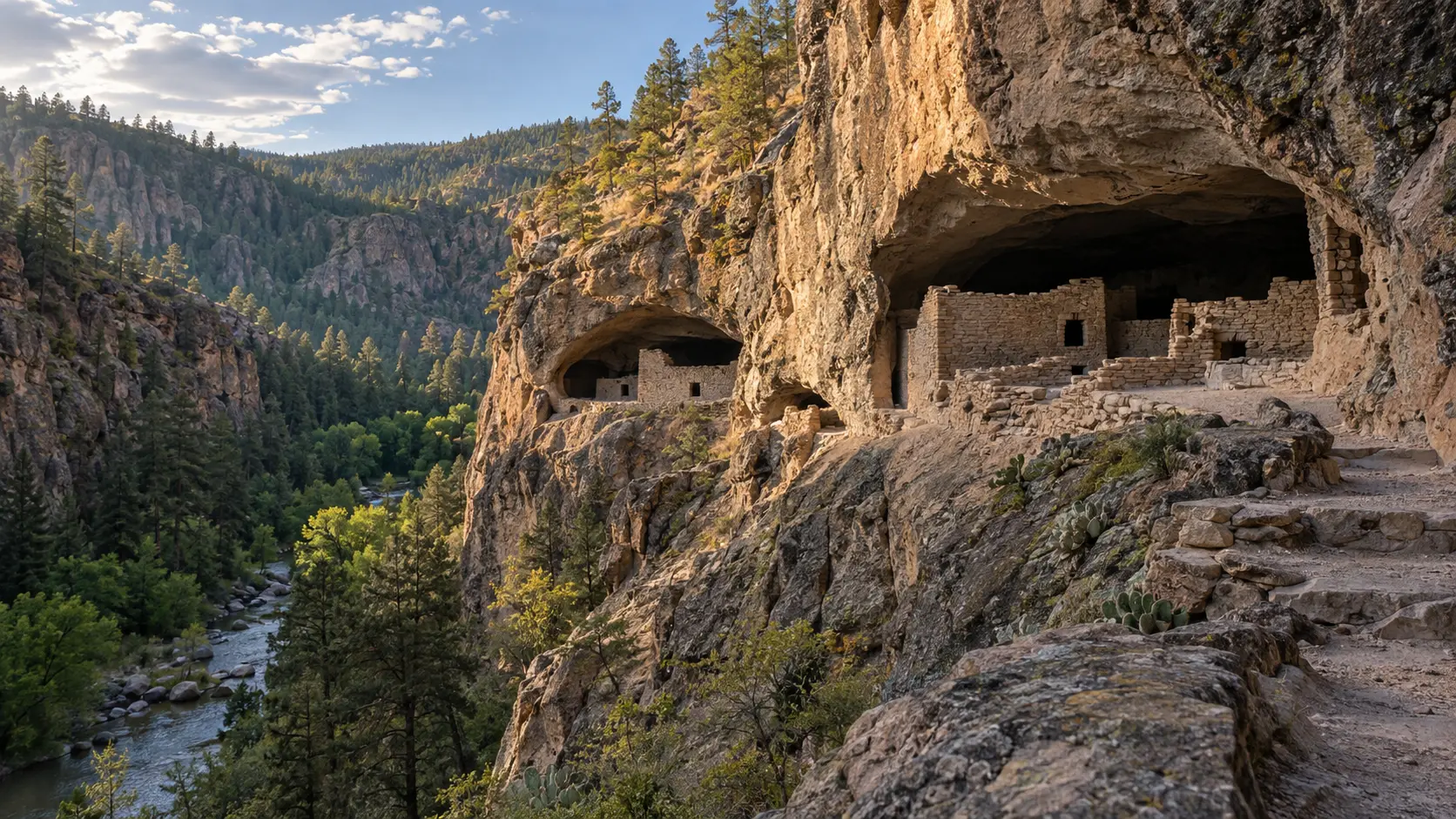
Silver City gives you an independent downtown, galleries, local restaurants, and access to the vast Gila National Forest. The signature day trip is Gila Cliff Dwellings National Monument, where a short trail reaches ancient rooms built into natural caves.
The road to the cliff dwellings is paved but slow and winding, so distance on the map understates the day. Stay two or three nights, keep fuel above half a tank, and do not schedule a long onward drive after the monument closes.
4. Steens Mountain, Oregon
Best for: Big empty views, wildlife, photography, and capable road trippers.
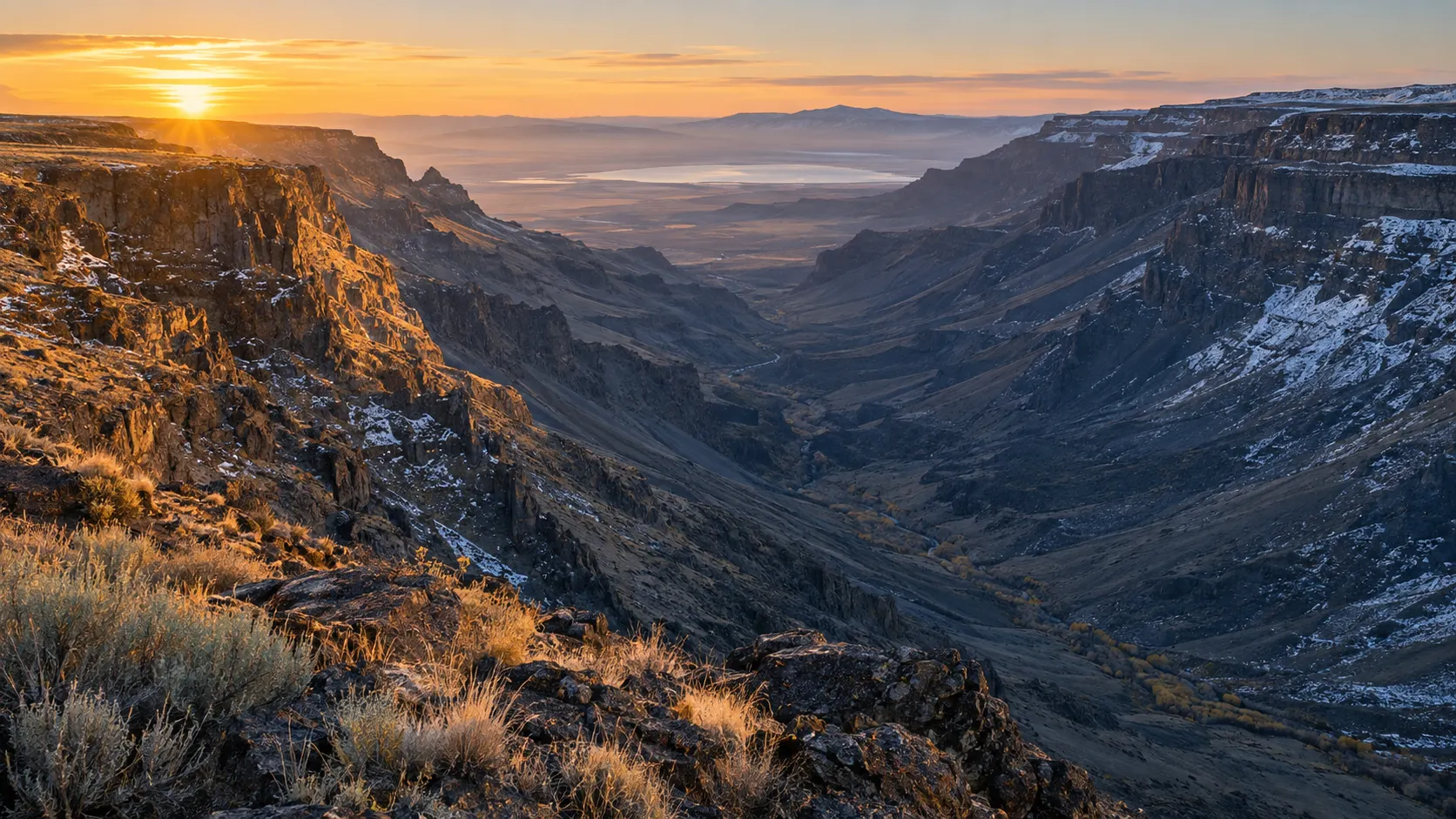
Steens Mountain rises above Oregon’s high desert with deep glacial gorges and immense viewpoints. Nearby Frenchglen and the Malheur National Wildlife Refuge make the area rewarding for birders, while the Alvord Desert on the east side adds a completely different landscape.
This is a remote, seasonal trip with limited fuel, food, lodging, and cell service. The high loop road is generally a summer and early-fall proposition, and dust, rough surfaces, wildfire smoke, or early snow can change the plan.
5. Mendocino Coast, California
Best for: Sea cliffs, redwoods, small towns, and a cooler California escape.
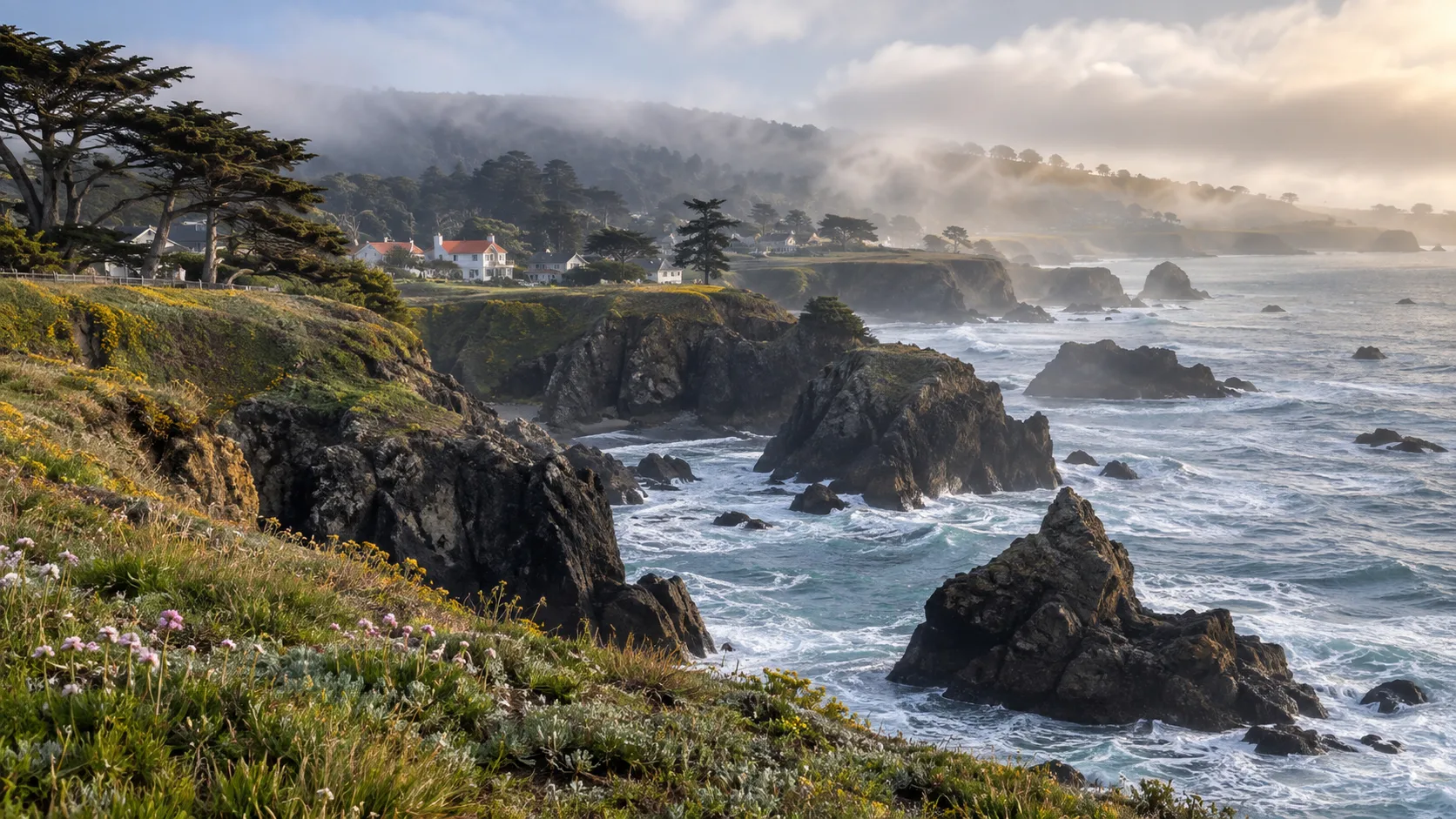
Mendocino and Fort Bragg pair headland walks and rugged beaches with gardens, galleries, and nearby redwood forest. Compared with a packed San Francisco itinerary, the coast creates room for slow mornings and weather-led stops.
It is not a quick beach add-on because Highway 1 is winding and conditions can affect travel. Prices climb on weekends, ocean water stays cold, and fog may erase the postcard view, so book at least two nights and judge the trip by the landscape rather than guaranteed sunshine.
6. Theodore Roosevelt National Park, North Dakota
Best for: Wildlife, badlands, scenic drives, and an uncrowded western road trip.
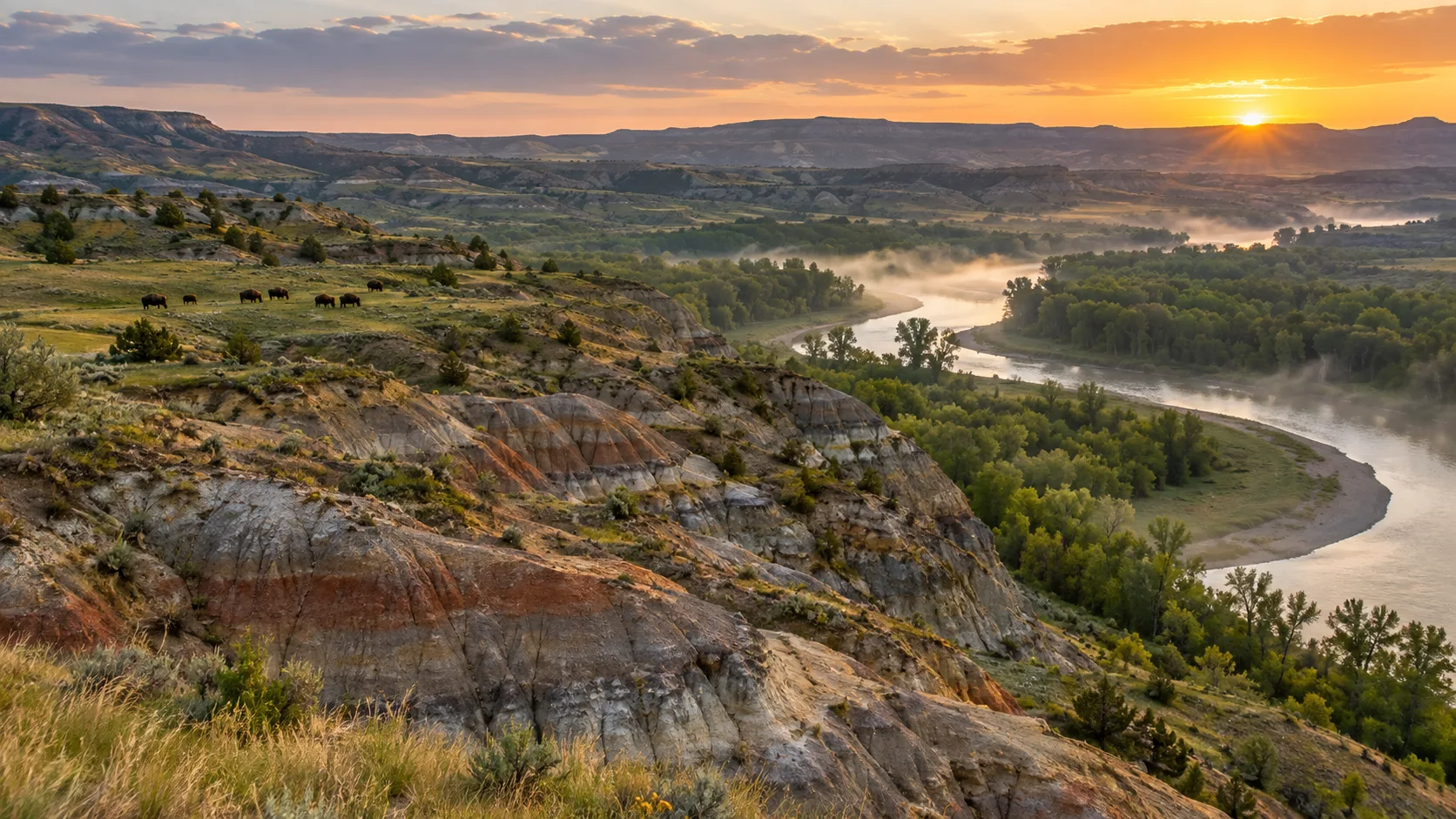
Painted badlands, prairie dog towns, bison, and the Little Missouri River give this park a strong identity of its own. Medora is the easiest base for the South Unit, while the North Unit rewards travelers willing to drive farther.
The park has three separate units and no restaurants or hotels inside, and winter can bring road closures from snow and ice. Check current road conditions, never approach wildlife, and allow two full days if you want more than overlooks.
7. Nebraska Sandhills
Best for: Open-road solitude, prairie scenery, paddling, and night skies.
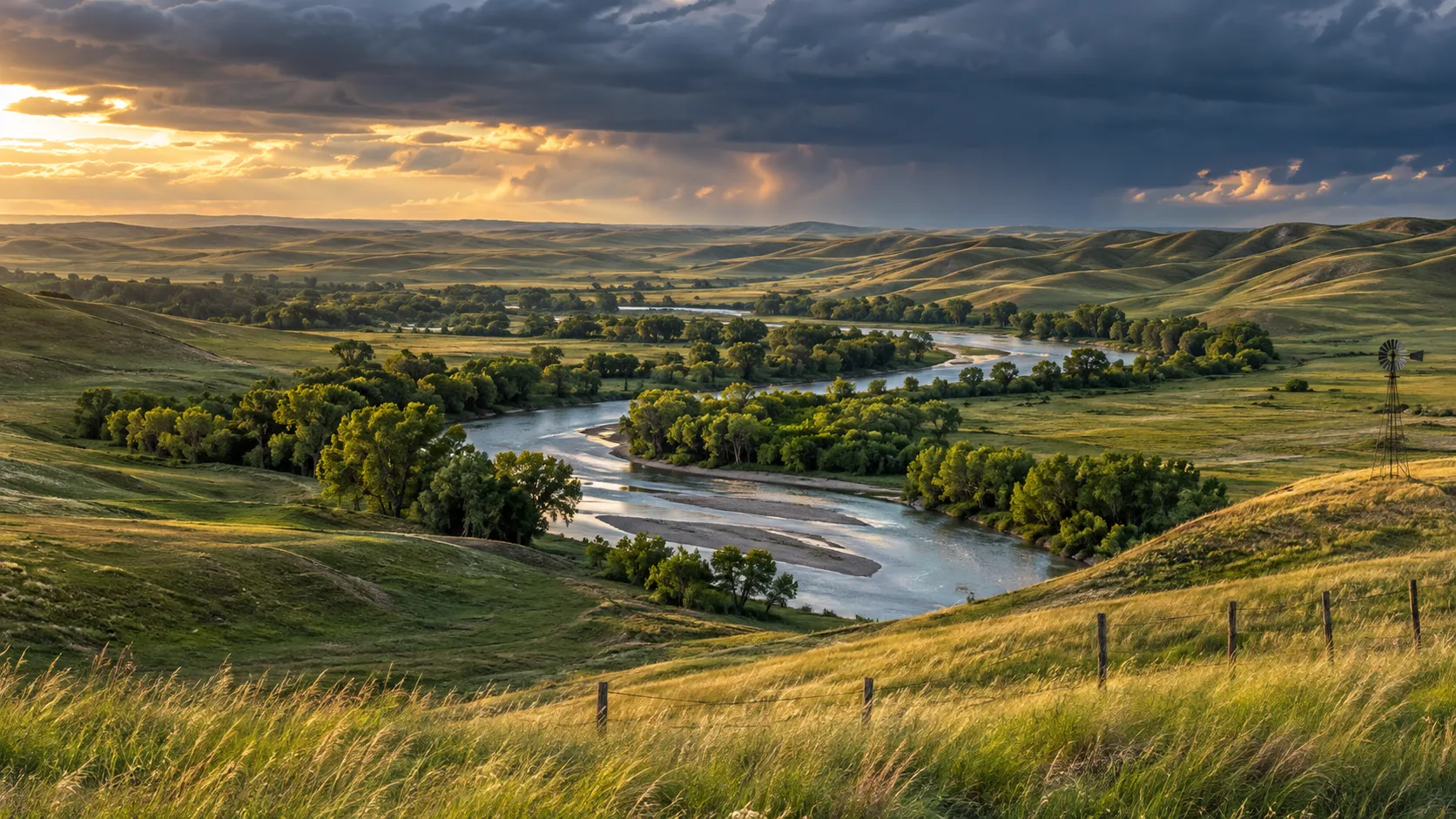
Nebraska’s Sandhills replace dramatic peaks with grass-covered dunes, winding rivers, ranchland, and an enormous sky. The region is subtle at first and then wonderfully absorbing, especially along the Sandhills Journey Scenic Byway and around Valentine.
Plan around a float on the Niobrara River, a waterfall walk, stargazing, or a ranch stay instead of expecting constant roadside attractions. Towns and services are far apart, summer storms can be severe, and a car is essential.
8. Bayfield and Apostle Islands, Wisconsin
Best for: Lake Superior, sailing, kayaking, lighthouses, and a small harbor town.
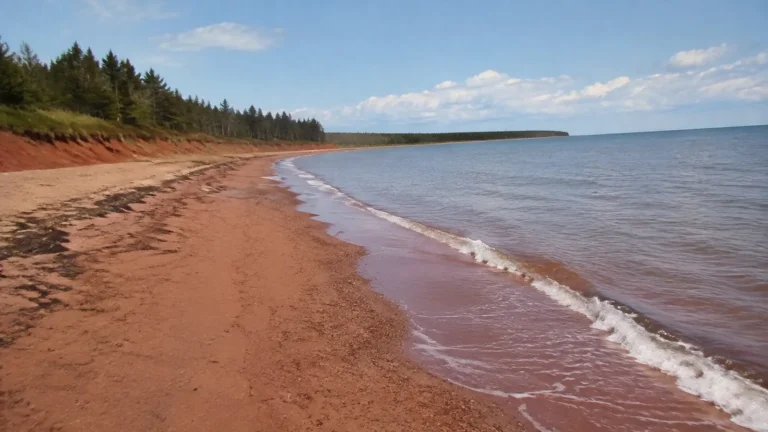
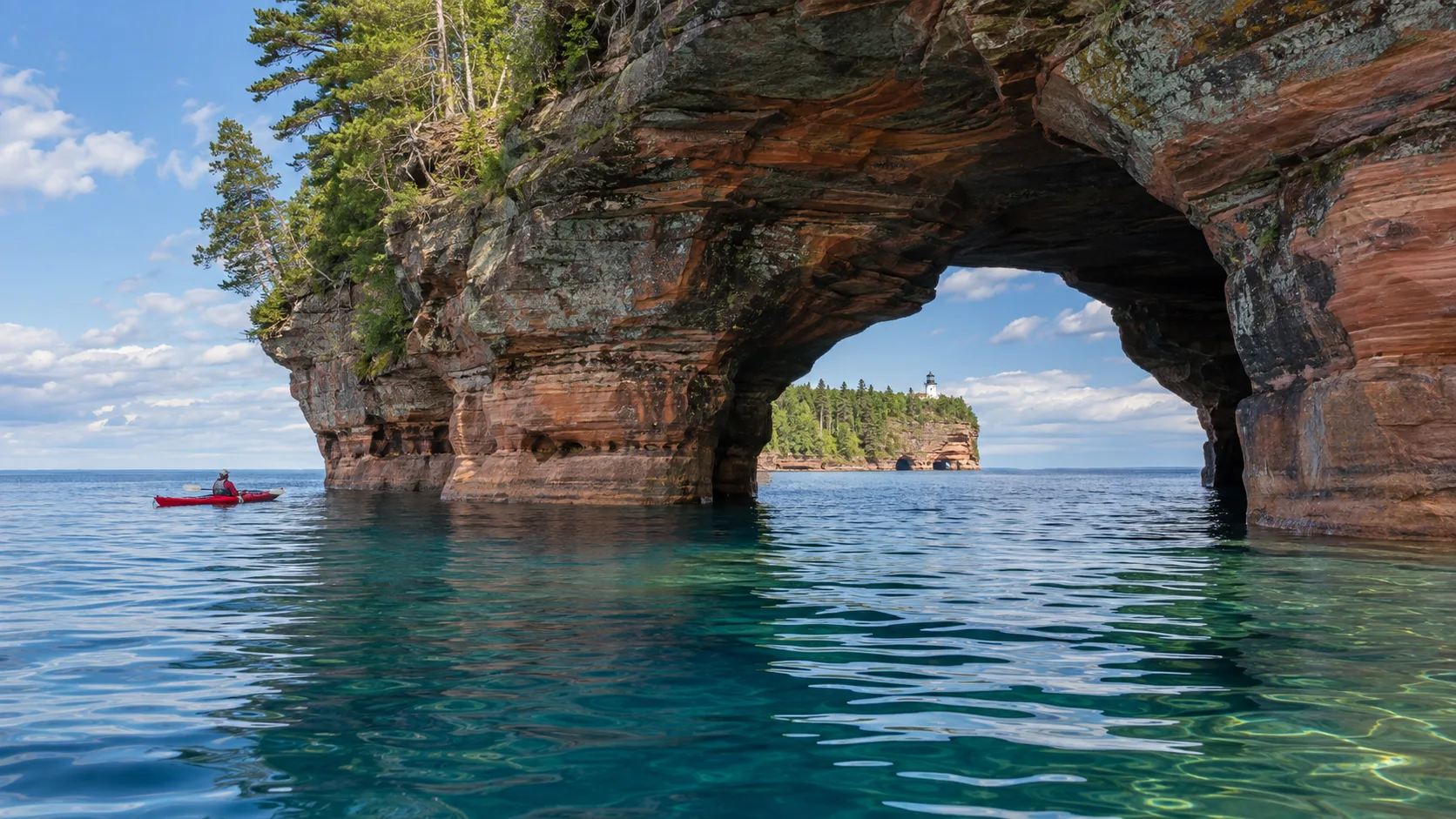
Bayfield is the launch point for Apostle Islands National Lakeshore, where red cliffs, beaches, forest, and historic light stations spread across a serious body of freshwater. A sightseeing cruise gives first-timers the easiest island overview, while guided kayaking belongs on a calm-weather day.
The National Park Service warns that conditions change rapidly and notes reduced services outside the primary June-through-August season. Build in a weather backup, respect Lake Superior’s cold water, and use this northern Wisconsin trip plan to connect Bayfield with inland waterfalls and towns.
9. The Driftless Area, Wisconsin and Iowa
Best for: Bluff drives, small towns, paddling, cycling, and farm-to-table weekends.
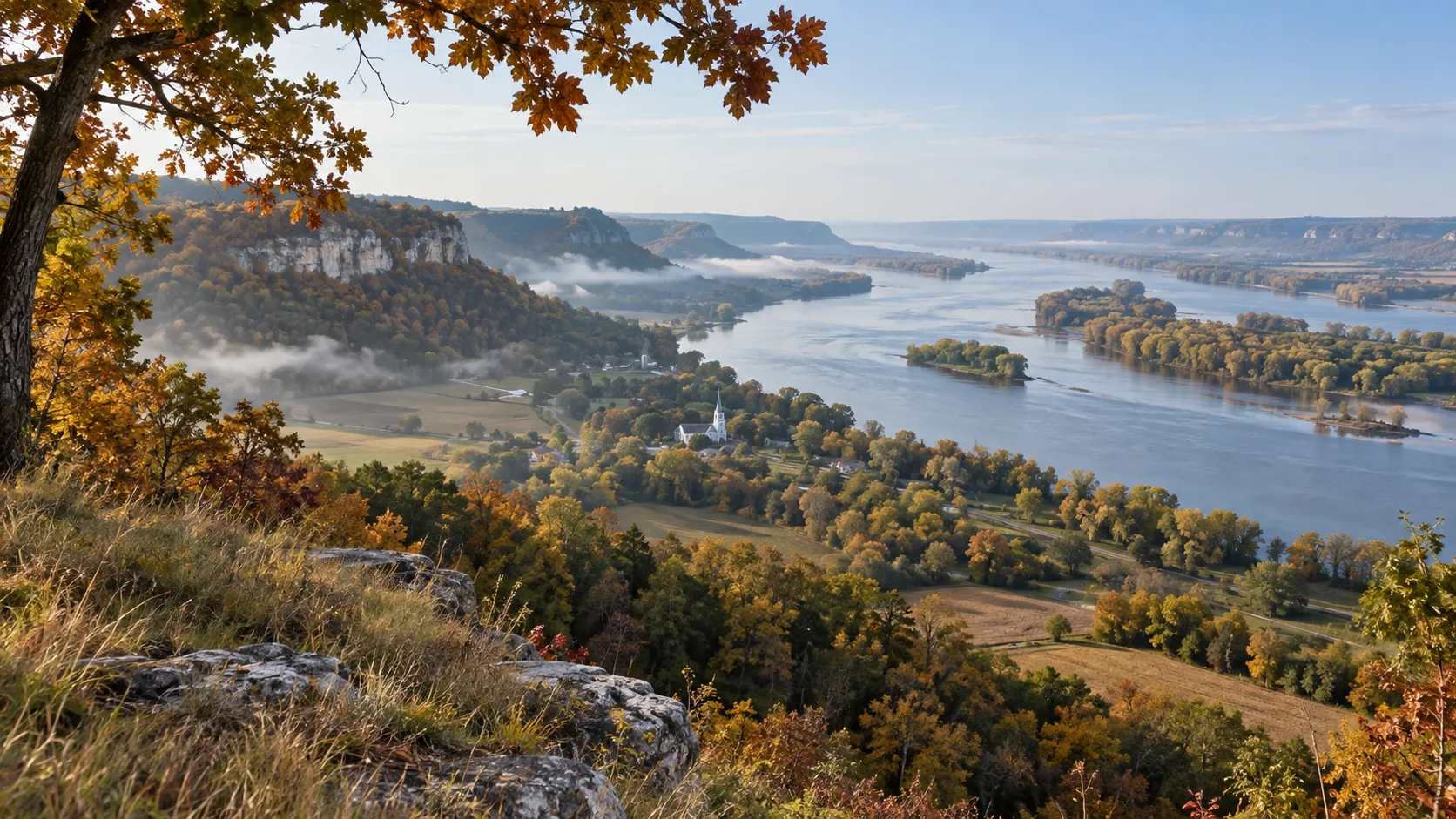
The Driftless Area’s ridges, limestone bluffs, trout streams, and river valleys feel unlike the flatter Midwest stereotype. La Crosse, Viroqua, Decorah, and the Mississippi River towns give you several useful bases rather than one overloaded attraction center.
This region is best with a car and a loose route because scenic roads are slow and cell coverage can fade in valleys. Spring can flood low areas, summer is humid, and fall weekends book quickly, but two or three nights make an easy Upper Midwest escape.
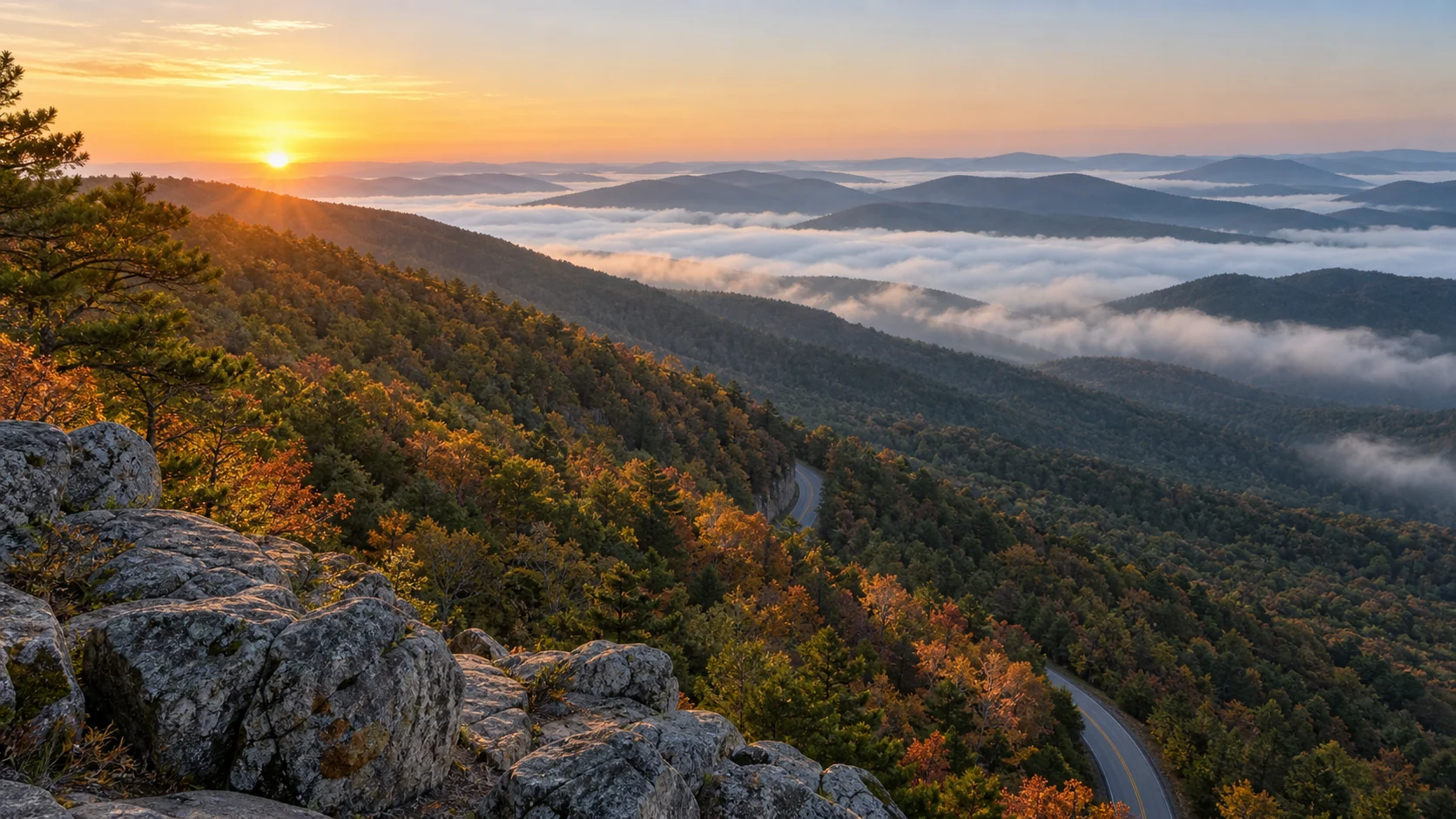
10. Ouachita Mountains, Arkansas and Oklahoma
Best for: Forest drives, lake time, mountain biking, and a low-key cabin weekend.
The Ouachitas run east to west, creating forested ridges and scenic roads that feel more mountainous than many first-time visitors expect. Mena works for the Talimena Scenic Drive, while Hot Springs adds architecture, bathhouse history, and more dining.
Choose one side of the region instead of spending the weekend crossing it. Fall color is popular, summer is hot and humid, and mountain roads deserve extra time after storms or in low visibility.
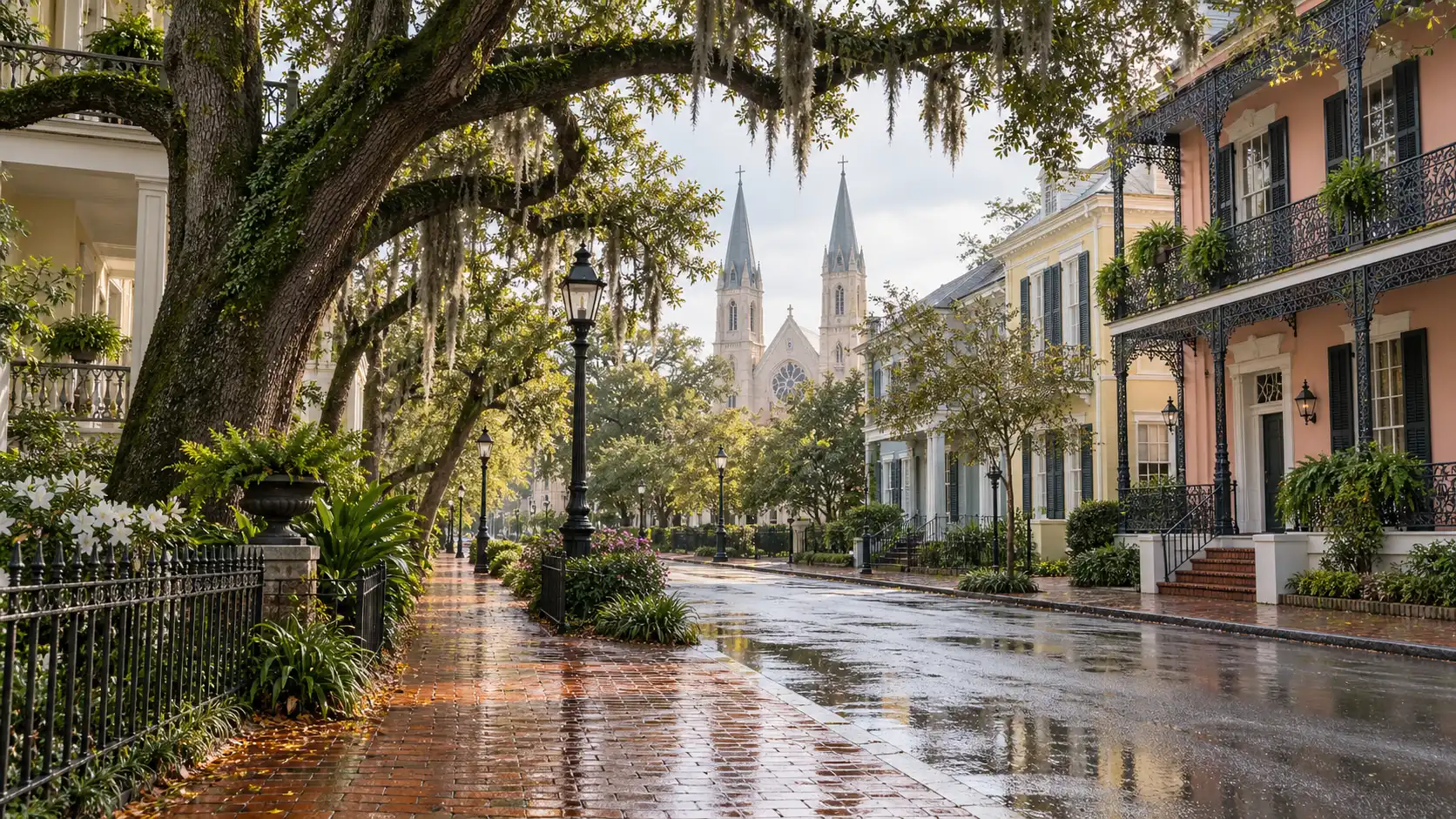
11. Mobile, Alabama
Best for: Gulf Coast food, architecture, museums, and a city break with beach options.
Mobile offers a walkable historic core, live oaks, seafood, maritime history, and a Carnival tradition older than many visitors realize. It is a stronger destination than a one-night stop on the way to Gulf Shores.
Spend a day downtown, add the USS Alabama Battleship Memorial Park or Africatown heritage sites, then choose Dauphin Island or the eastern shore for a coastal day. Summer brings heat, humidity, thunderstorms, and hurricane risk, while winter and spring are more comfortable for walking.
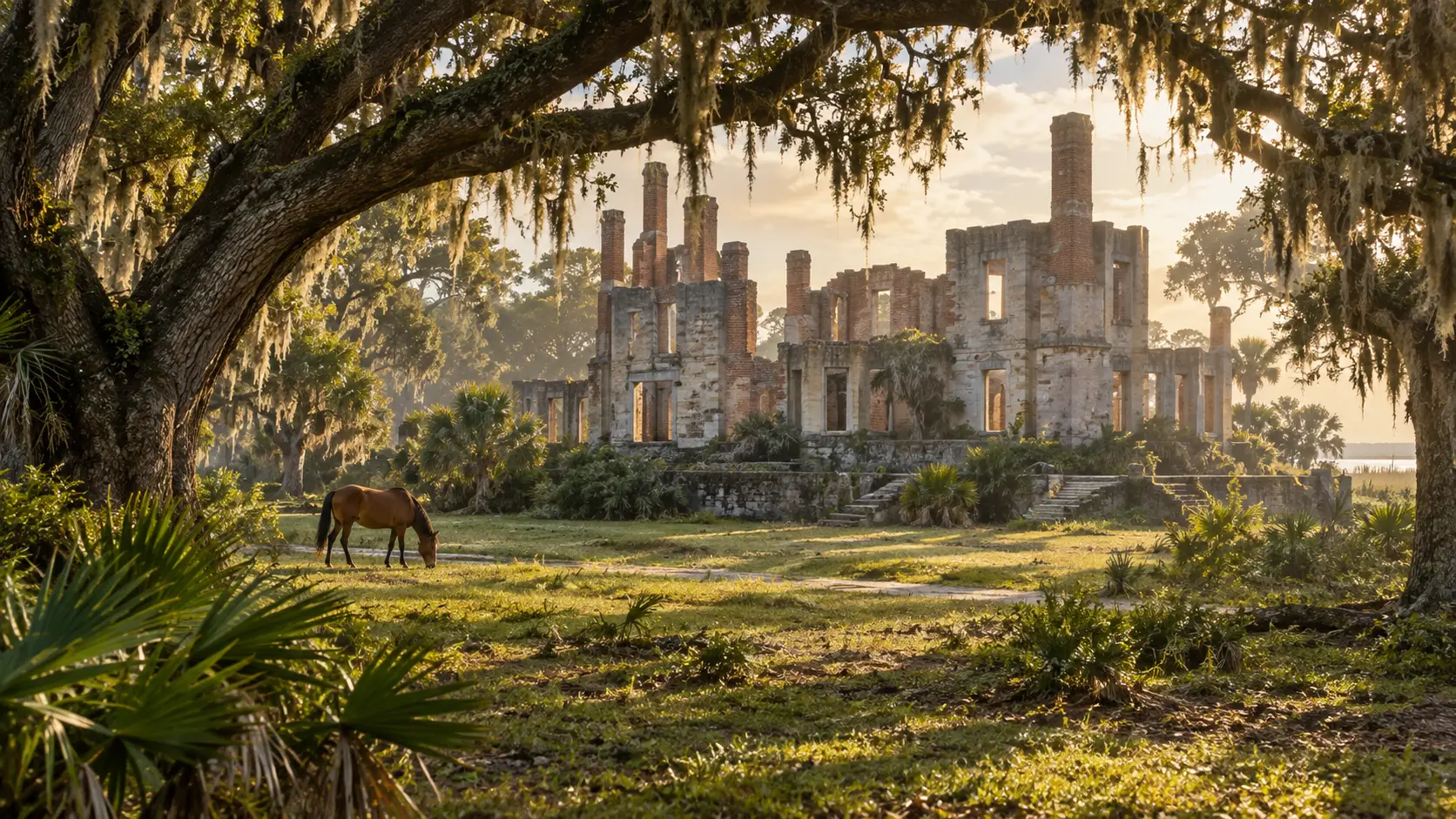
12. Cumberland Island and St. Marys, Georgia
Best for: A wild barrier-island day, beaches, maritime forest, and historic ruins.
Cumberland Island feels removed from the resort coast because there are no shops or restaurants waiting after the boat arrives. Dungeness ruins, broad beach, live-oak forest, and long sandy roads reward visitors who bring what they need and accept a fixed schedule.
The island is accessible only by private boat or passenger ferry, and the park tells visitors to reserve ferry and bike space, arrive one hour before departure, and bring food, water, sun protection, and insect repellent. Base in St. Marys and treat the return boat as immovable.
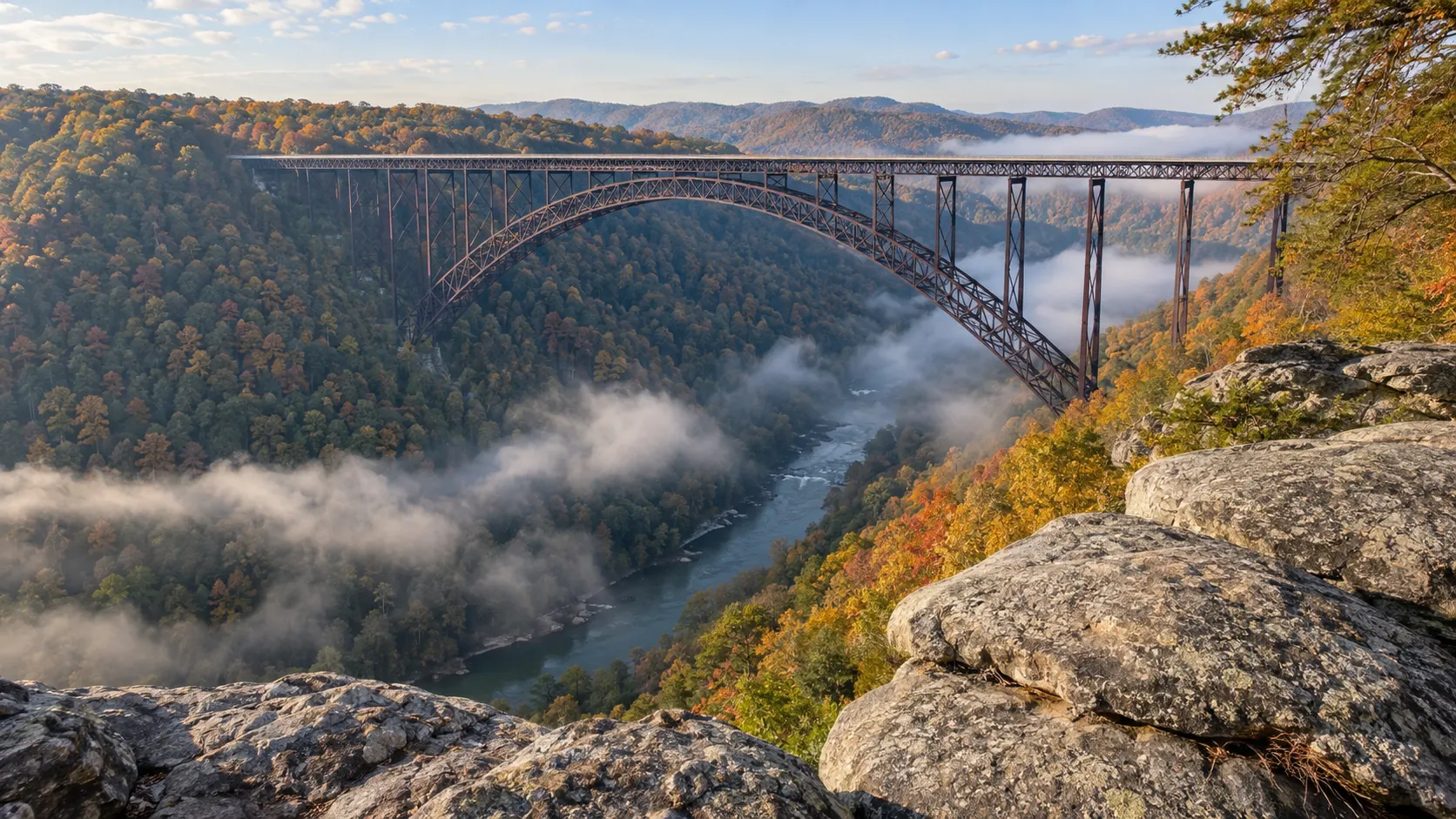
13. New River Gorge and Fayetteville, West Virginia
Best for: Hiking, rafting, climbing, bridge views, and an active long weekend.
New River Gorge combines an immense steel bridge, forested canyon, rail and coal history, and adventure sports without forcing every visitor onto whitewater. Fayetteville supplies a compact base with outfitters, restaurants, and easy access to popular viewpoints.
The National Park Service suggests one-day plans for overlooks and history, then two or more days for deeper trails, biking, or nearby park sites. Summer is green and busy, fall color weekends fill early, and steep gorge roads make short map distances surprisingly slow.
14. Finger Lakes, New York
Best for: Waterfalls, wineries, lake views, food, and a flexible couples trip.
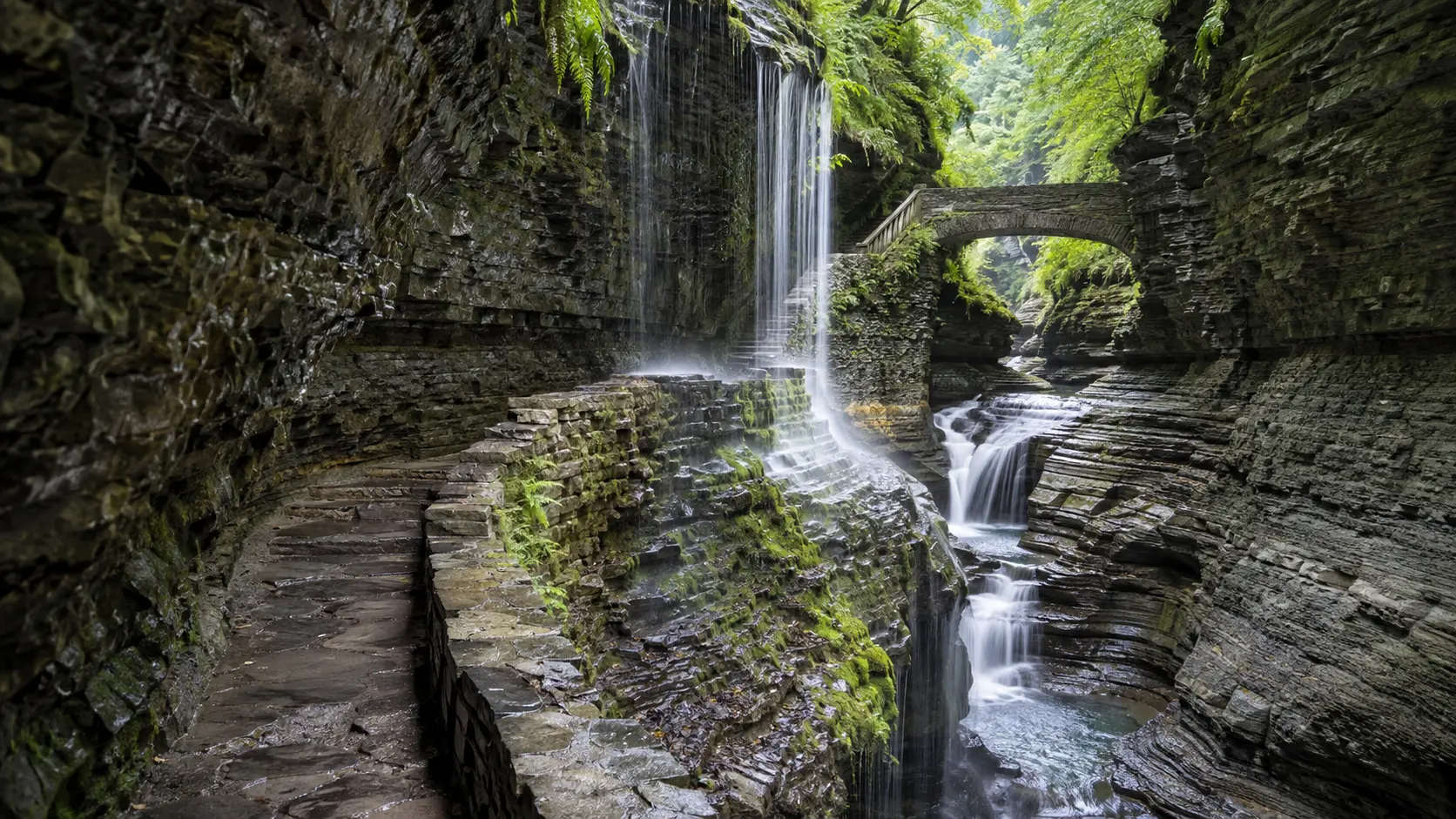
The Finger Lakes are known, but many travelers still treat them as a quick winery stop rather than a complete vacation region. Ithaca, Watkins Glen, Geneva, and Corning each create a different trip, from gorge hikes and museums to tasting rooms and lakefront meals.
Do not attempt every lake in a weekend. Choose one base for two or three nights, reserve a driver or tour for tasting days, and expect popular gorge trails to be crowded in summer and affected by ice or seasonal access in colder months.
15. Erie and Presque Isle, Pennsylvania
Best for: Freshwater beaches, cycling, sunsets, and an affordable family weekend.
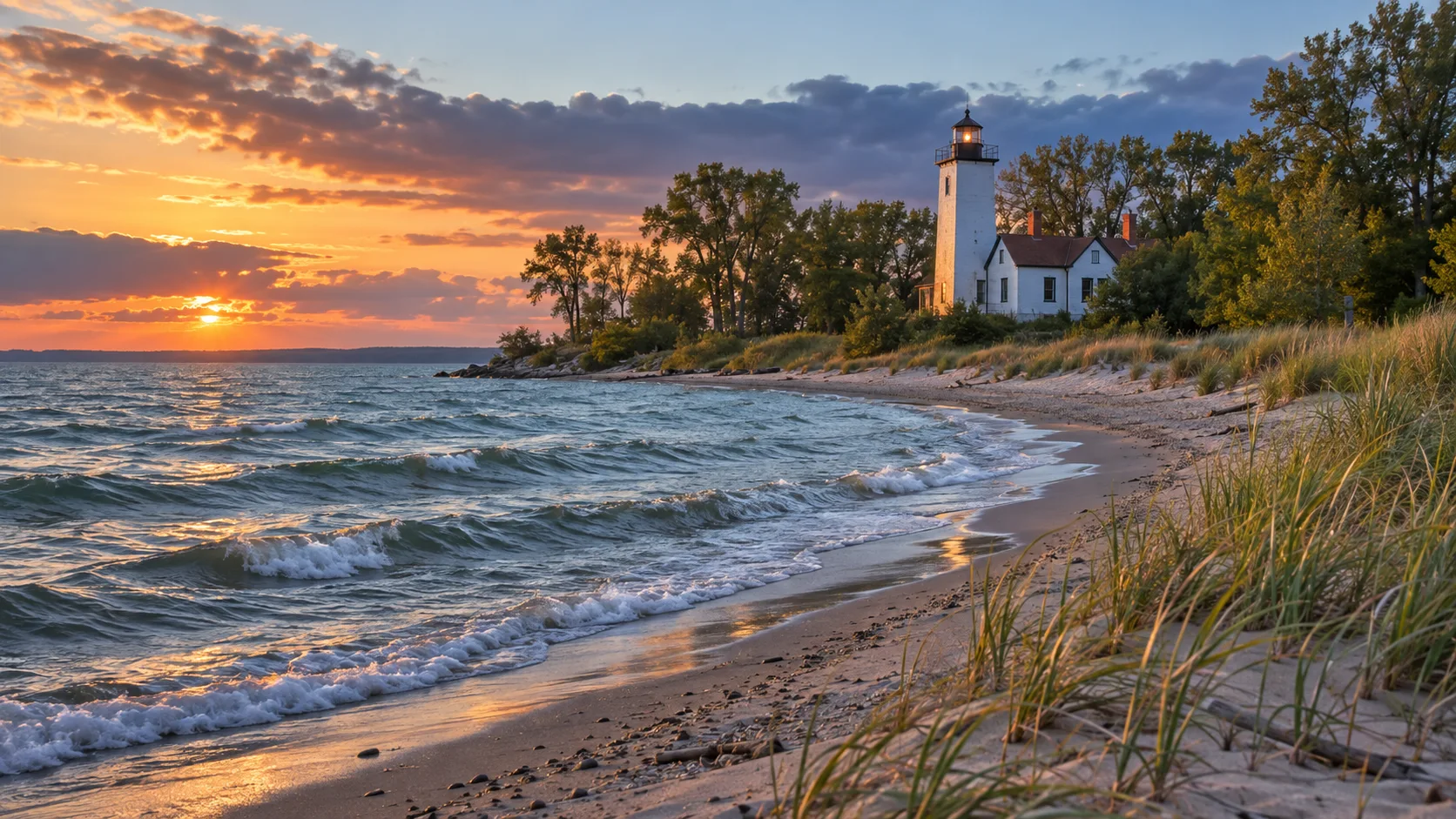
Presque Isle State Park curves into Lake Erie with beaches, lagoons, trails, birding, and sunset views, all minutes from the city. Erie adds museums, casual food, and enough rainy-day options to rescue a beach weekend when the lake does not cooperate.
Water quality, wind, waves, and guarded swimming areas can change by day, so follow posted conditions. Summer is the classic beach season, early fall is pleasant for biking, and winter lake-effect weather creates a completely different trip.
How to Pick the Right Underrated U.S. Destination
Choose Great Basin, Chiricahua, Silver City, or Steens Mountain when landscape and solitude matter more than dining variety. Pick Mendocino, Bayfield, Cumberland Island, or Erie for water, keeping in mind that cold lakes and ocean weather are not interchangeable with a guaranteed beach day.
Theodore Roosevelt, the Nebraska Sandhills, and the Ouachitas are best with a car and an appetite for long views. Mobile, Fayetteville, and the Finger Lakes fit travelers who want outdoors plus a useful food and lodging base.
For a group, decide who will drive, what everyone can comfortably spend, and whether the trip still works in rain. These U.S. road trip ideas for friends can help shape the shared route without making every hour a group vote.
How to Keep an Underrated Trip Affordable
- Travel Sunday through Thursday when lodging demand is lower.
- Stay in the gateway town instead of the most scenic village.
- Reserve only the access point that can sell out, such as a cave tour or ferry.
- Carry food and water in remote regions, but spend locally when businesses are open.
- Price gas, rental cars, parking, ferries, and tours before calling a room rate cheap.
Remote does not always mean inexpensive, because fewer rooms and longer drives can erase the savings. Use these practical travel-planning tips to protect the budget, especially when cancellation rules or seasonal closures could force a change.
Do Not Turn “Underrated” Into “Unprepared”
Smaller destinations may have limited rental inventory, medical services, late-night food, public transportation, and cell coverage. Download maps, carry a spare layer and water, keep fuel in the tank, and verify current park alerts before the last service town.
Respecting a place also means resisting the urge to market every quiet trail as a secret. Stay on durable surfaces, follow fire and wildlife rules, make reservations where required, and spend money with local guides and businesses.
My Shortlist for a First Trip
Choose Theodore Roosevelt for wildlife and road-trip scenery, Bayfield for a summer harbor getaway, Mobile for food and history, or New River Gorge for an active weekend. Great Basin is the standout for travelers willing to trade convenience for night sky and mountain silence.
The right underrated vacation spot is not the emptiest pin on a map. It is the place whose strengths match your trip and whose drawbacks you are prepared to handle.