Best Minnesota Outdoor Activities for Every Season
Minnesota rewards travelers who choose the right landscape for the right season. Paddle country, Lake Superior cliffs, prairie, city lakes, and serious winter trails all fit inside one state, but distance and weather make a focused plan far better than a frantic checklist.
How to Choose Your Minnesota Outdoor Trip
Start with one region and two anchor activities. Minneapolis to Duluth is about 155 miles, but the North Shore continues another 150 miles toward Canada, while Voyageurs and the Boundary Waters require more time, gear, and advance planning.
For a first summer visit, pair Duluth with two or three North Shore parks. Choose Cuyuna for a biking weekend, the Boundary Waters for a true wilderness trip, Voyageurs for a boat-centered national park, or the Twin Cities when you want outdoors without giving up restaurants and easy transportation.
1. Hike the North Shore Waterfalls
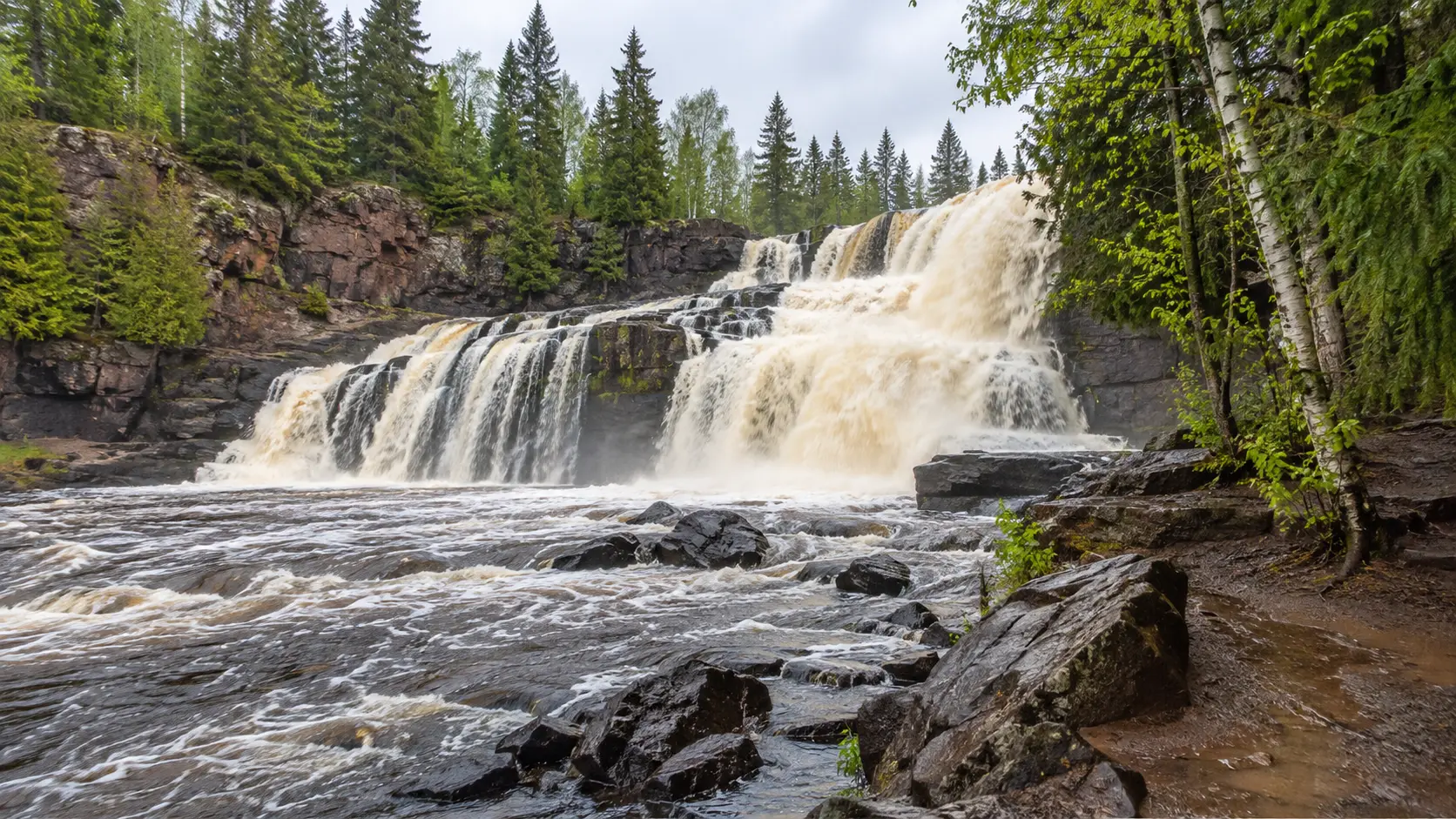
Highway 61 northeast of Duluth is Minnesota’s strongest outdoor road trip. Gooseberry Falls delivers quick waterfall access, Tettegouche adds rugged Lake Superior overlooks and the High Falls of the Baptism River, and Temperance River squeezes through a dramatic gorge.
Spring runoff makes waterfalls powerful but trails muddy, summer brings the easiest conditions and biggest crowds, and late September can add fall color. Winter ice is beautiful, but traction devices and conservative route choices matter around steep, glazed rock.
Do not try to stop at every waterfall between Duluth and Grand Portage in one day. This Duluth and North Shore waterfall plan helps narrow the route, and two nights along the shore keeps the drive from becoming the main activity.
2. Walk a Section of the Superior Hiking Trail
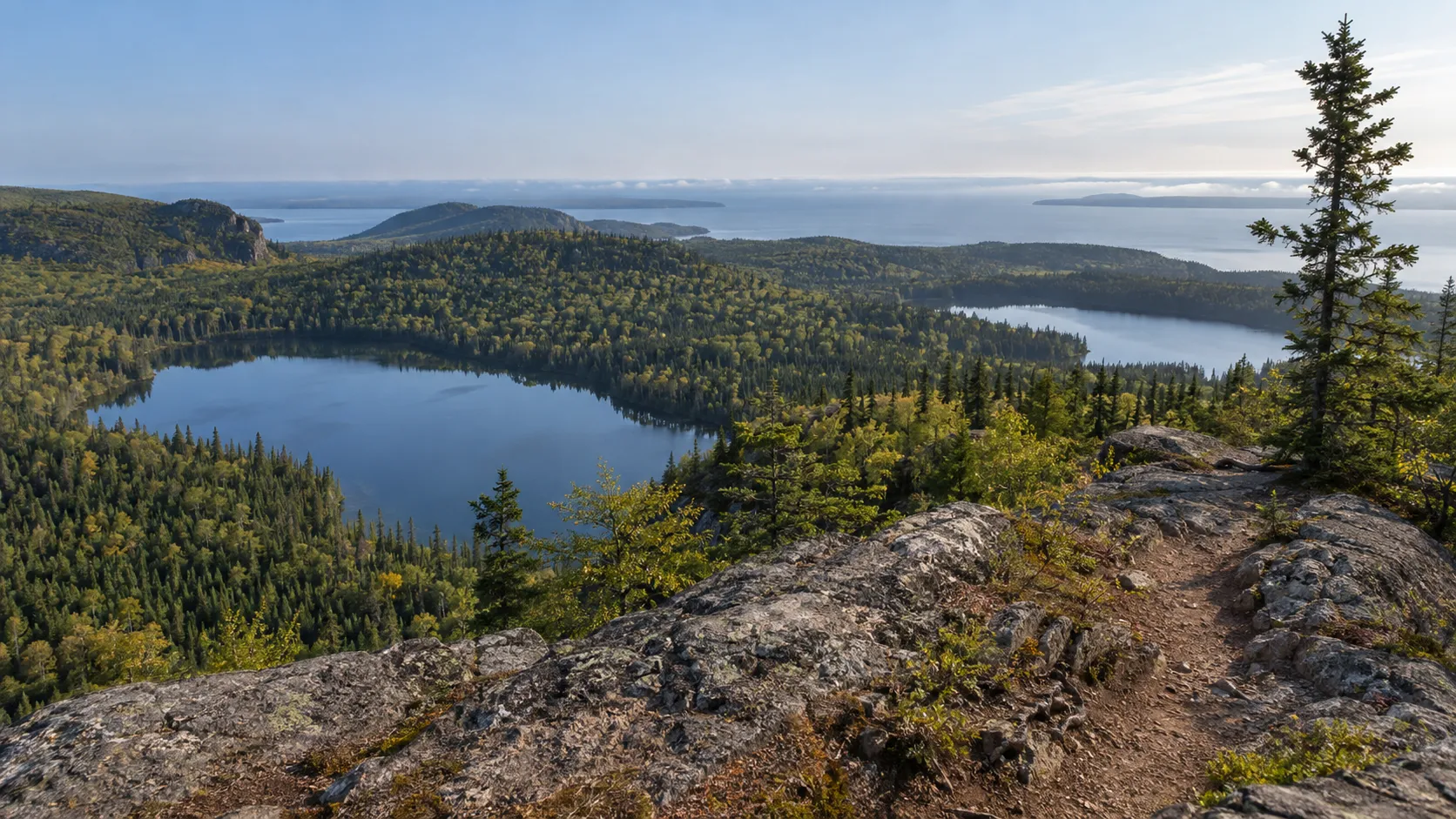
The Superior Hiking Trail gives day hikers access to ridgelines, forests, river valleys, and Lake Superior views without committing to a full backpacking trip. Choose a loop or arrange a shuttle for a point-to-point section, because a trailhead map can hide how far apart the road crossings really are.
Roots, rocks, wet boardwalks, and elevation changes make mileage slower than many visitors expect. Carry water, layers, navigation, and a headlamp even for a day hike, then turn around early if a storm or fading light changes the plan.
3. Canoe the Boundary Waters
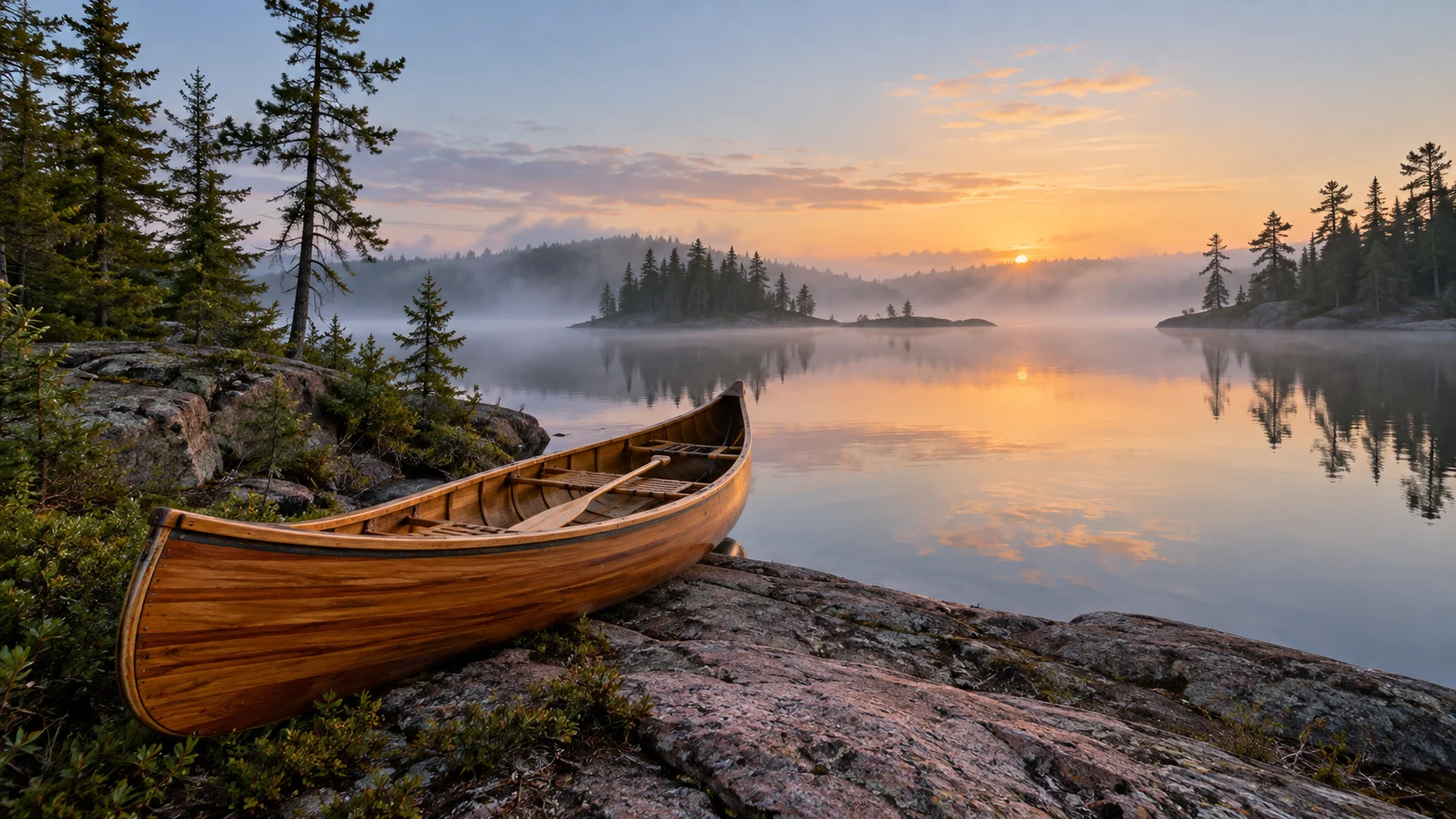
The Boundary Waters Canoe Area Wilderness is the state’s defining backcountry experience, with lake routes connected by portages rather than roads. It is best for travelers who want quiet, self-sufficiency, and several days outdoors, not a casual afternoon paddle with a coffee stop nearby.
A permit is always required, and quota permits are required from May 1 through September 30 for overnight paddle, hiking, and motor trips as well as motorized day use. Entry points have limited quotas, so reserve early or work with an outfitter that can match the route to your group’s skills.
First-timers should rent a lightweight canoe and complete gear package, then choose modest daily mileage and short portages. Wind can pin a canoe to shore, cold water can turn a capsize into an emergency, and cell service should never be the safety plan.
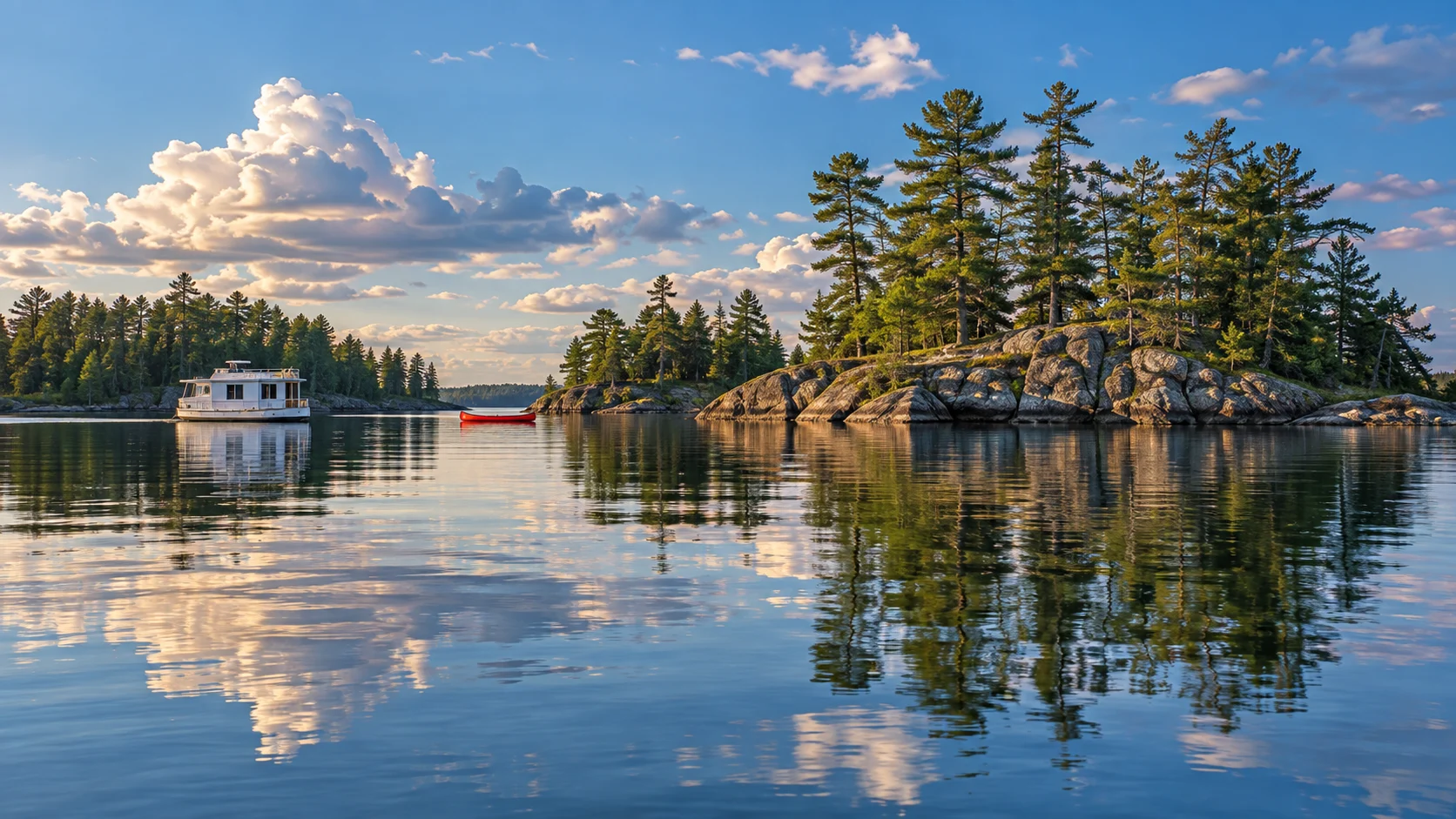
4. Explore Voyageurs National Park by Water
Voyageurs is not a drive-through national park with a scenic road connecting its highlights. Its big lakes are the route, and most summer campsites require a private boat, water taxi, or rental craft.
The National Park Service says all camping types require a reservation or permit, and all but a small number of primitive sites require watercraft in summer. If you do not want to pilot a boat, book a ranger-led tour, local guided trip, or shoreline lodging and use the visitor areas for shorter walks.
Summer is easiest, while fall offers color and fewer insects with colder nights and less predictable service. Lakes can stay ice-covered into May, so a calendar date alone does not prove the water is navigable.
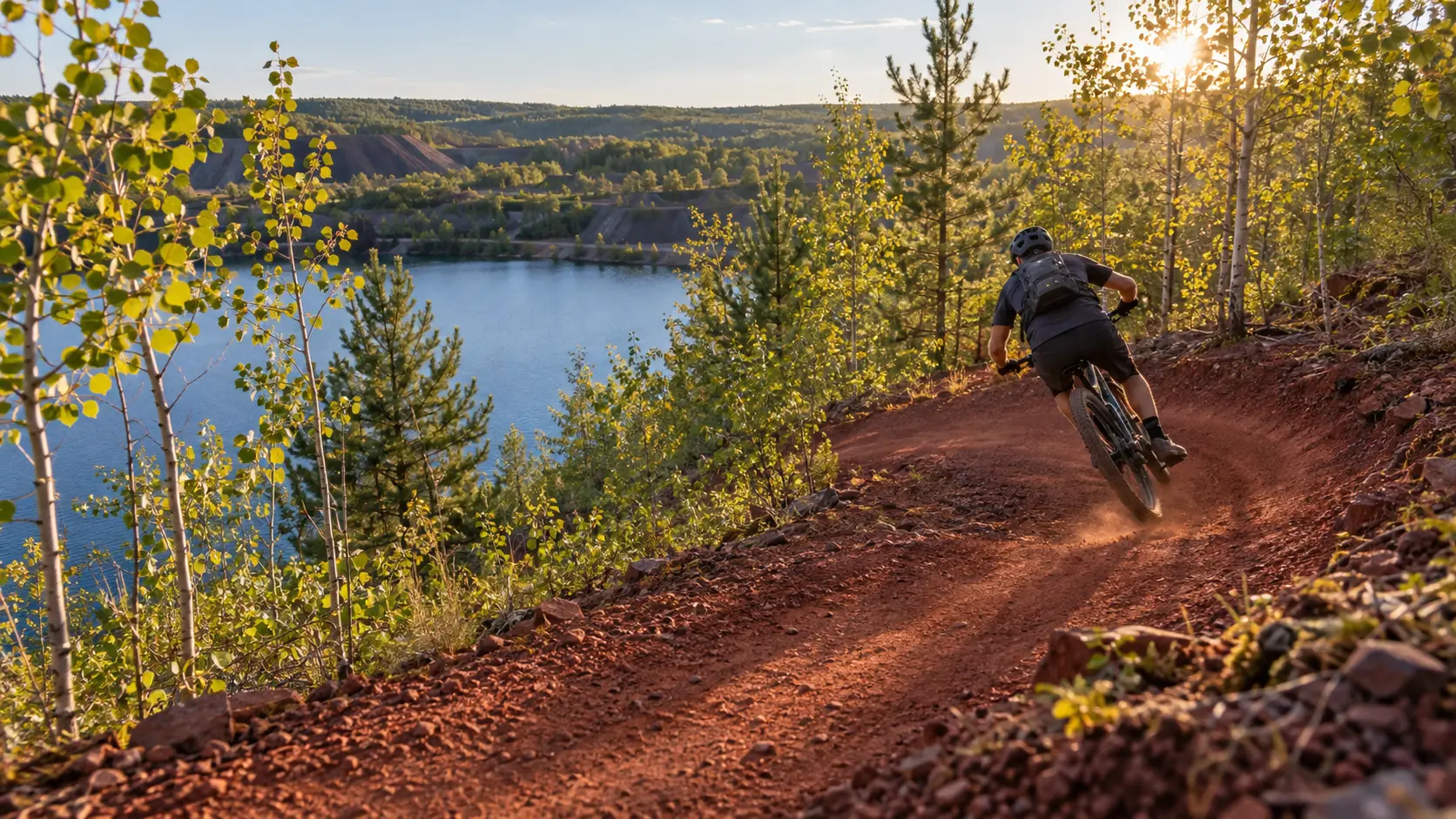
5. Mountain Bike at Cuyuna
Cuyuna Country State Recreation Area turned former iron-mining land into one of Minnesota’s best bike destinations. Red dirt, forest, mine-lake views, and trails from beginner-friendly flow to technical features make it worth a dedicated weekend near Crosby.
The Minnesota DNR describes a roughly 50-mile mountain bike system across nearly 800 acres. Rent locally if you are flying, ask which trail color fits your actual ability, and check conditions because riding saturated trail damages the surface.
Non-riders still have good options here, including the paved Cuyuna Lakes State Trail, paddling on clear mine lakes, hiking, and snowshoeing. That range makes Cuyuna especially useful for groups whose enthusiasm for singletrack is not equal.
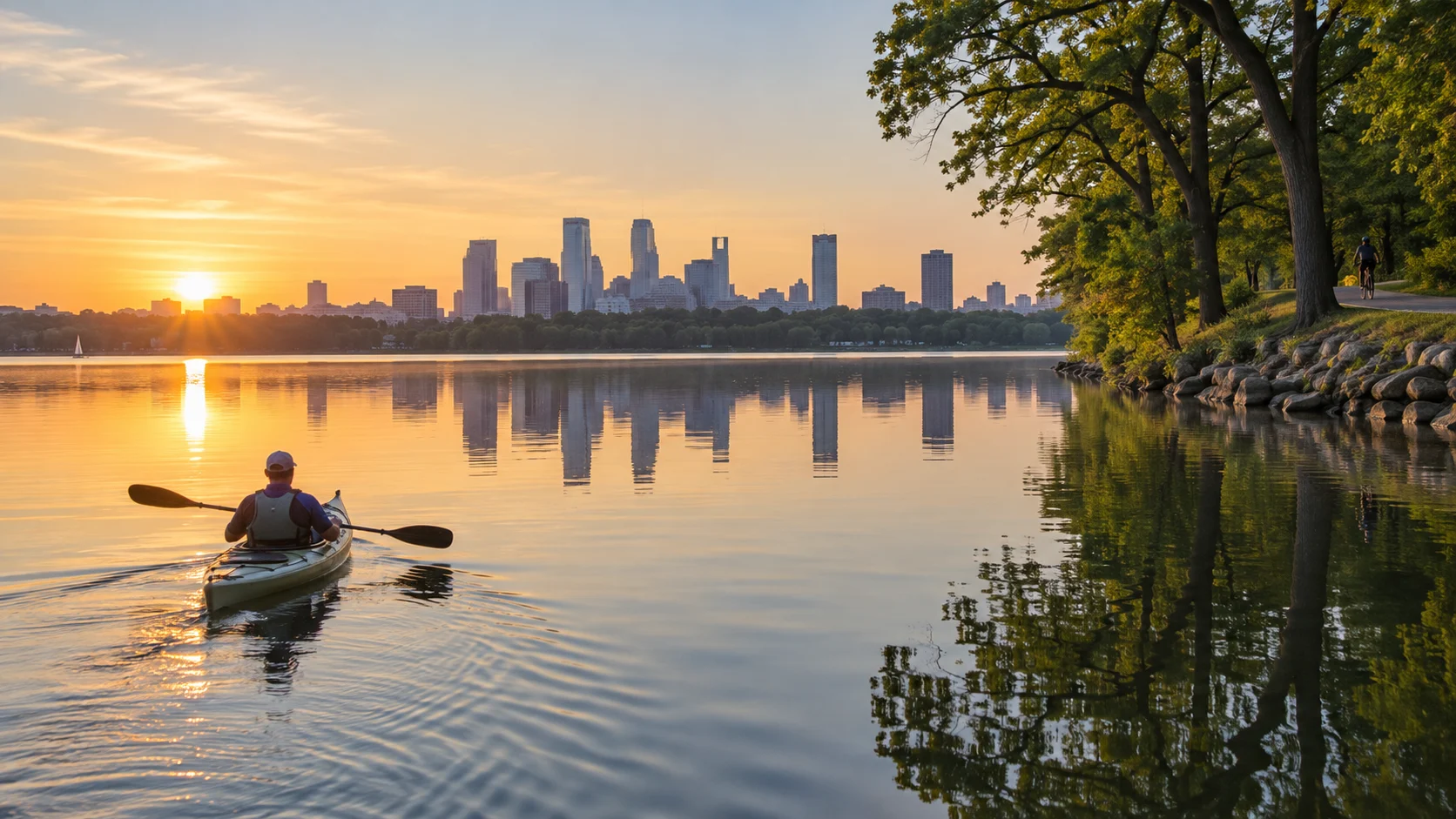
6. Paddle or Bike the Minneapolis Chain of Lakes
Minneapolis is the easiest place to add outdoors to a city trip. Walk or bike around Bde Maka Ska, Lake Harriet, and Lake of the Isles, or rent a paddlecraft when concessions are operating and wind is manageable.
The lakes are popular rather than wild, which is exactly the advantage. You can fit a morning ride, swim, or paddle around museums and meals, and many ideas in this list of free Twin Cities activities work without specialized gear.
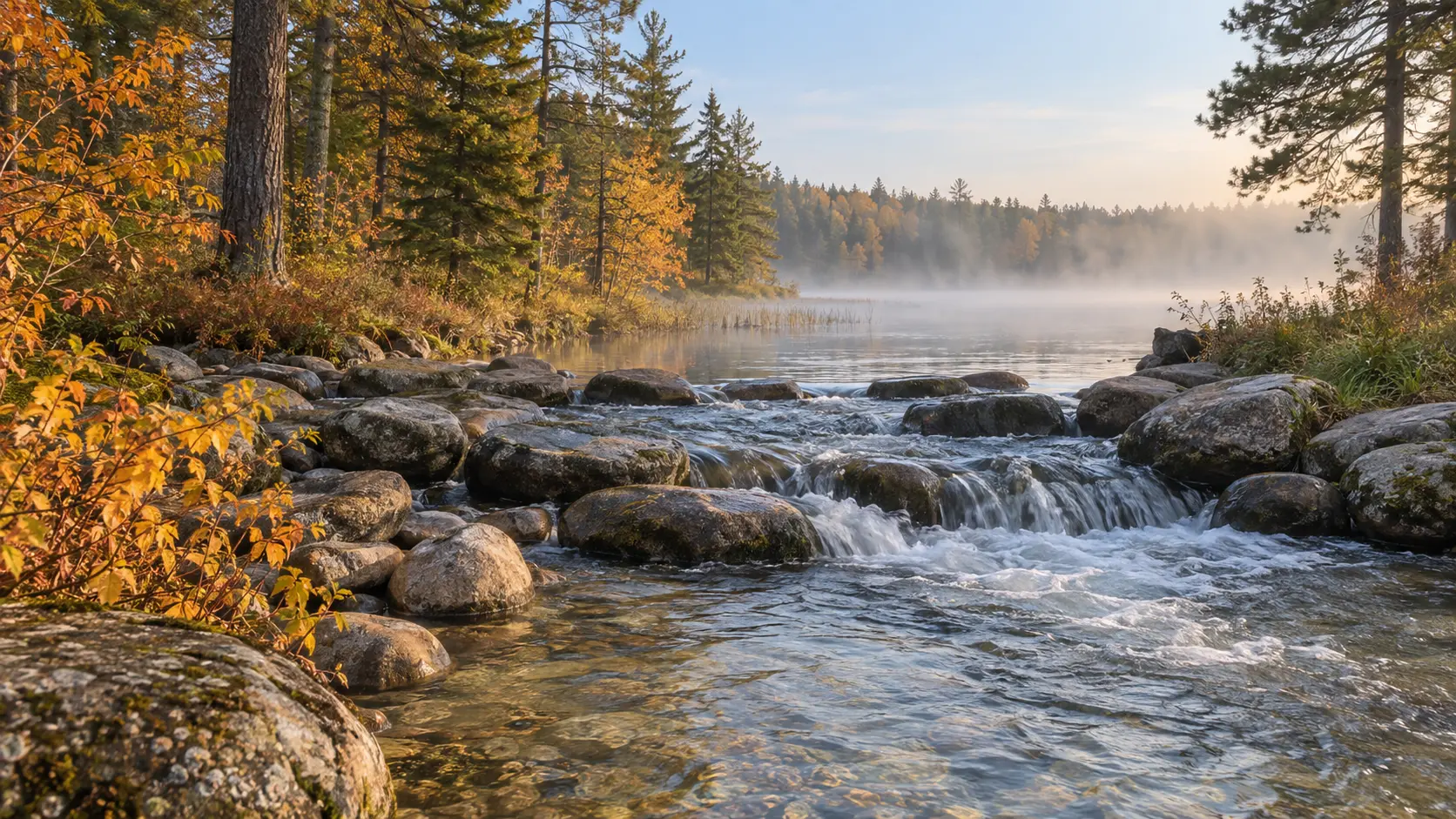
7. See the Mississippi Headwaters at Itasca
At Itasca State Park, the Mississippi begins as a narrow stream visitors can cross on stones when conditions allow. The headwaters are the headline, but the better day includes old-growth pine, a bike ride, a lake paddle, or a longer forest trail.
Itasca is about 220 miles northwest of Minneapolis, so it works best as an overnight or part of a northern Minnesota route. It is a poor add-on to a rushed North Shore weekend because the cross-state drive eats the time you hoped to spend outside.
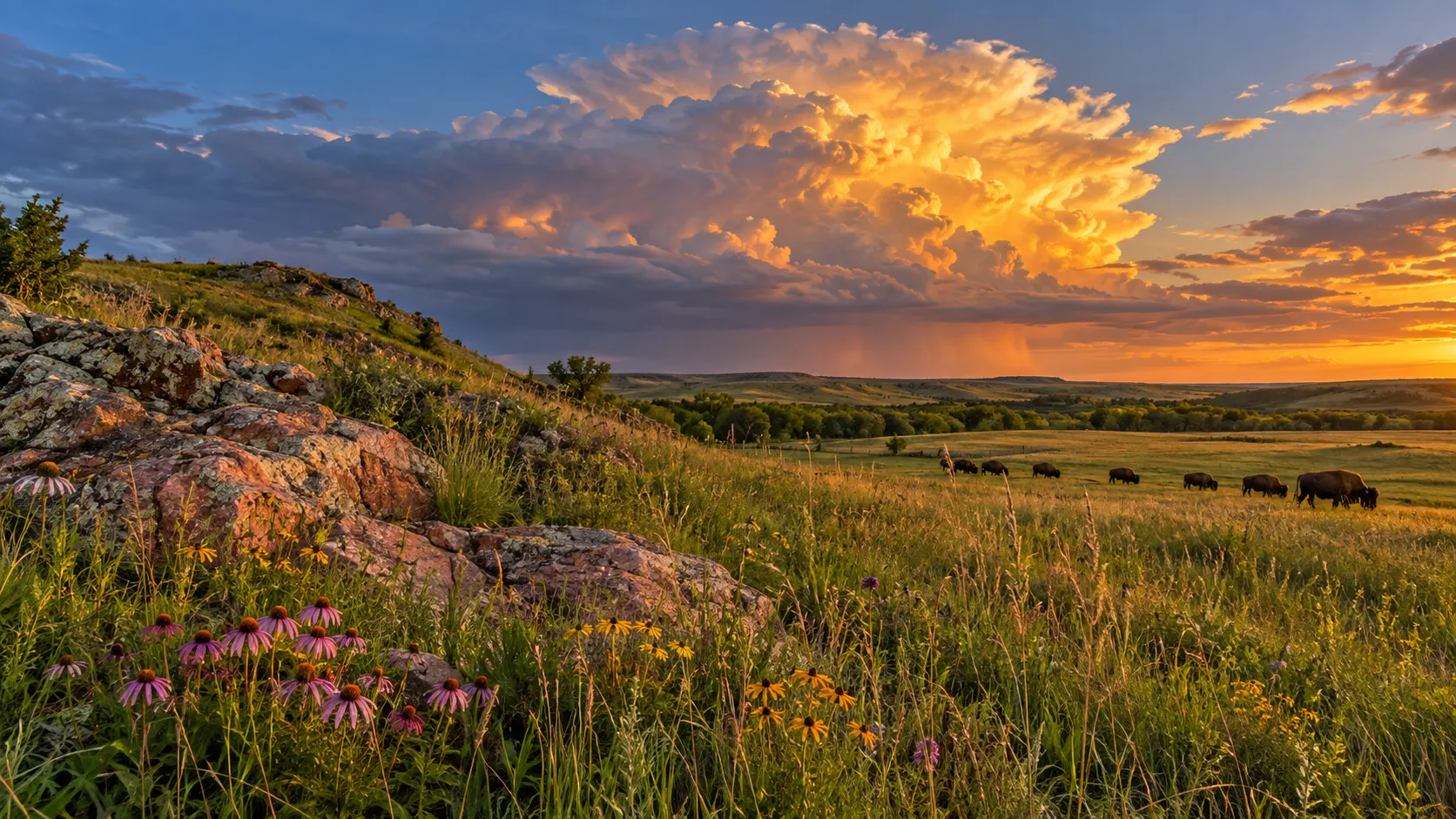
8. Chase Prairie Sky at Blue Mounds
Southwestern Minnesota trades pine and bedrock coast for tallgrass prairie, quartzite cliffs, broad horizons, and bison viewing at Blue Mounds State Park. Come for hiking, birding, wildflowers, and sunsets that feel much larger than the modest trail mileage suggests.
Prairie offers little shade, so summer heat and wind deserve respect. Spring and fall are generally more comfortable, while ticks and rapidly changing thunderstorms make long pants, repellent, and a weather check sensible.
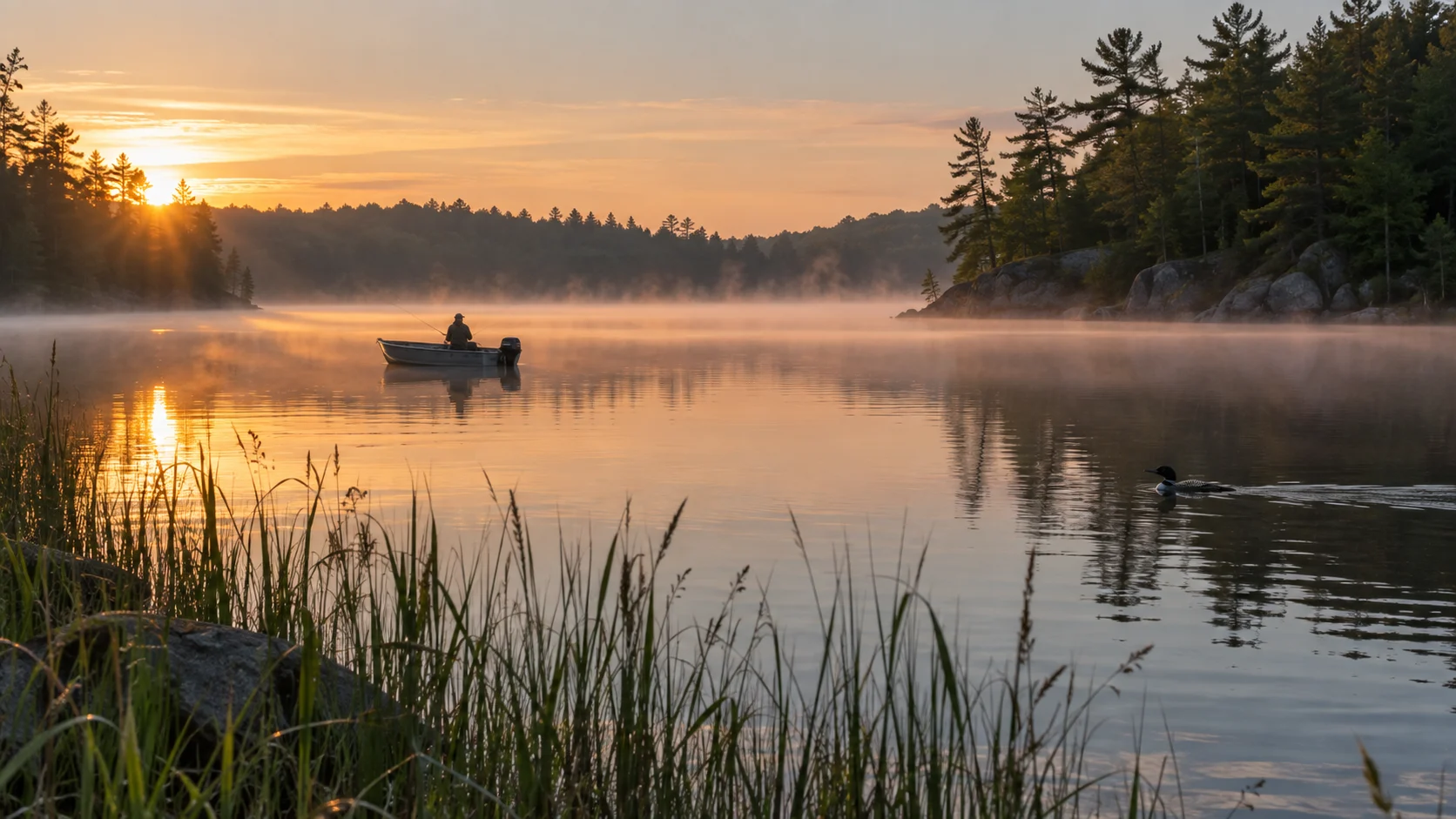
9. Fish a Minnesota Lake
Fishing can be as simple as casting from a public pier or as involved as a guided walleye trip. Mille Lacs, Leech Lake, Lake of the Woods, Rainy Lake, and thousands of smaller waters all offer different access, regulations, and seasonal patterns.
Most anglers age 16 through 89 need a license unless an exemption applies, and limits can be specific to the lake and species. Check the Minnesota DNR fishing regulations and licensing information for the exact water and date rather than relying on an old screenshot.
A guide is worthwhile when nobody in the group has a boat or local knowledge. Confirm whether rods, bait, life jackets, fish cleaning, and rain gear are included before comparing prices.
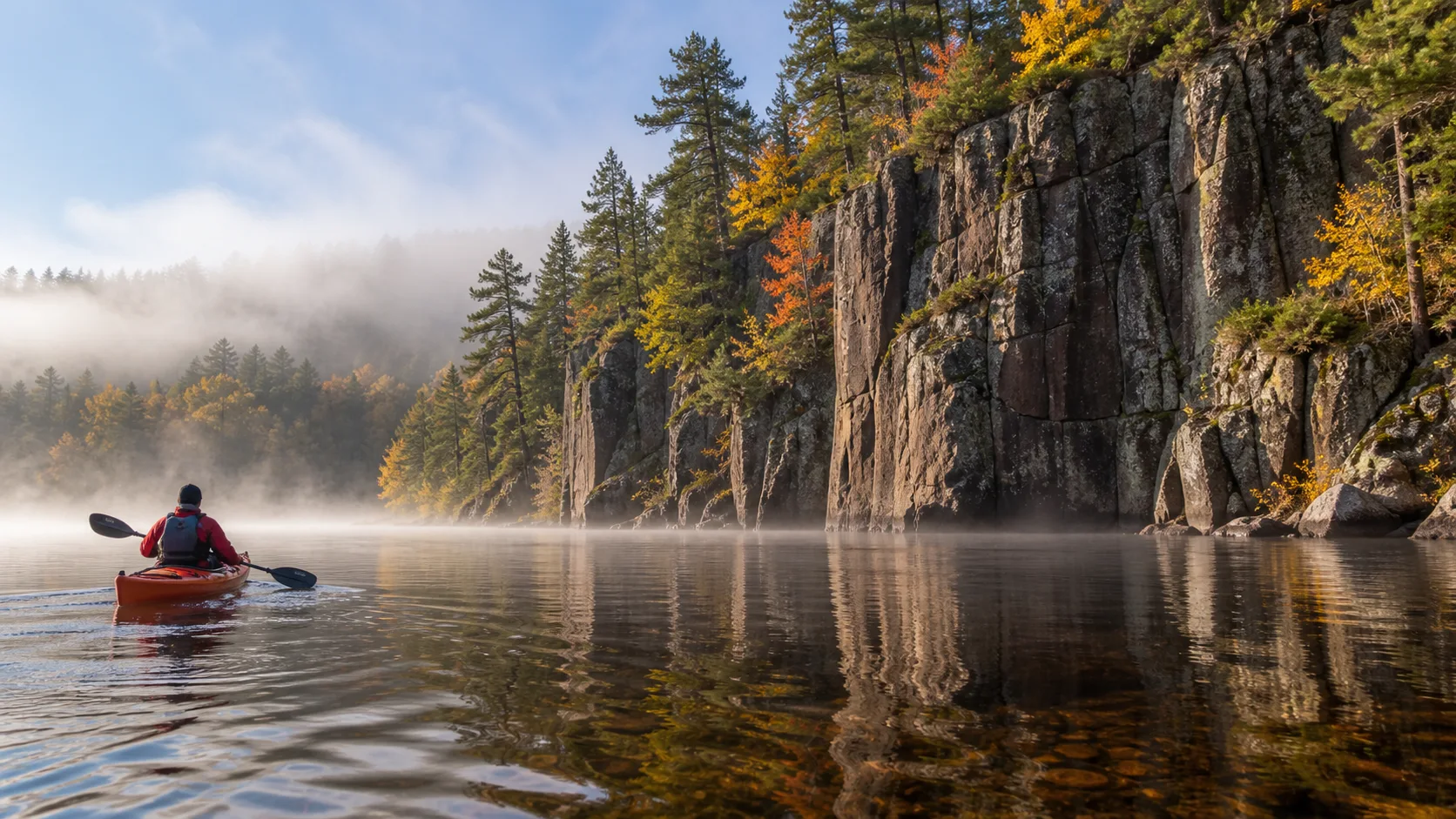
10. Paddle the St. Croix River
The St. Croix offers a gentler river day within reach of the Twin Cities, with wooded banks, islands, and sandbars on suitable sections. Outfitters can handle boats and shuttles, removing the least charming part of a one-way paddle.
Choose distance by current, wind, and experience rather than advertised hours. Wear a properly fitted life jacket, secure phones and keys, carry drinking water, and never assume a broad, calm-looking river is shallow or harmless.
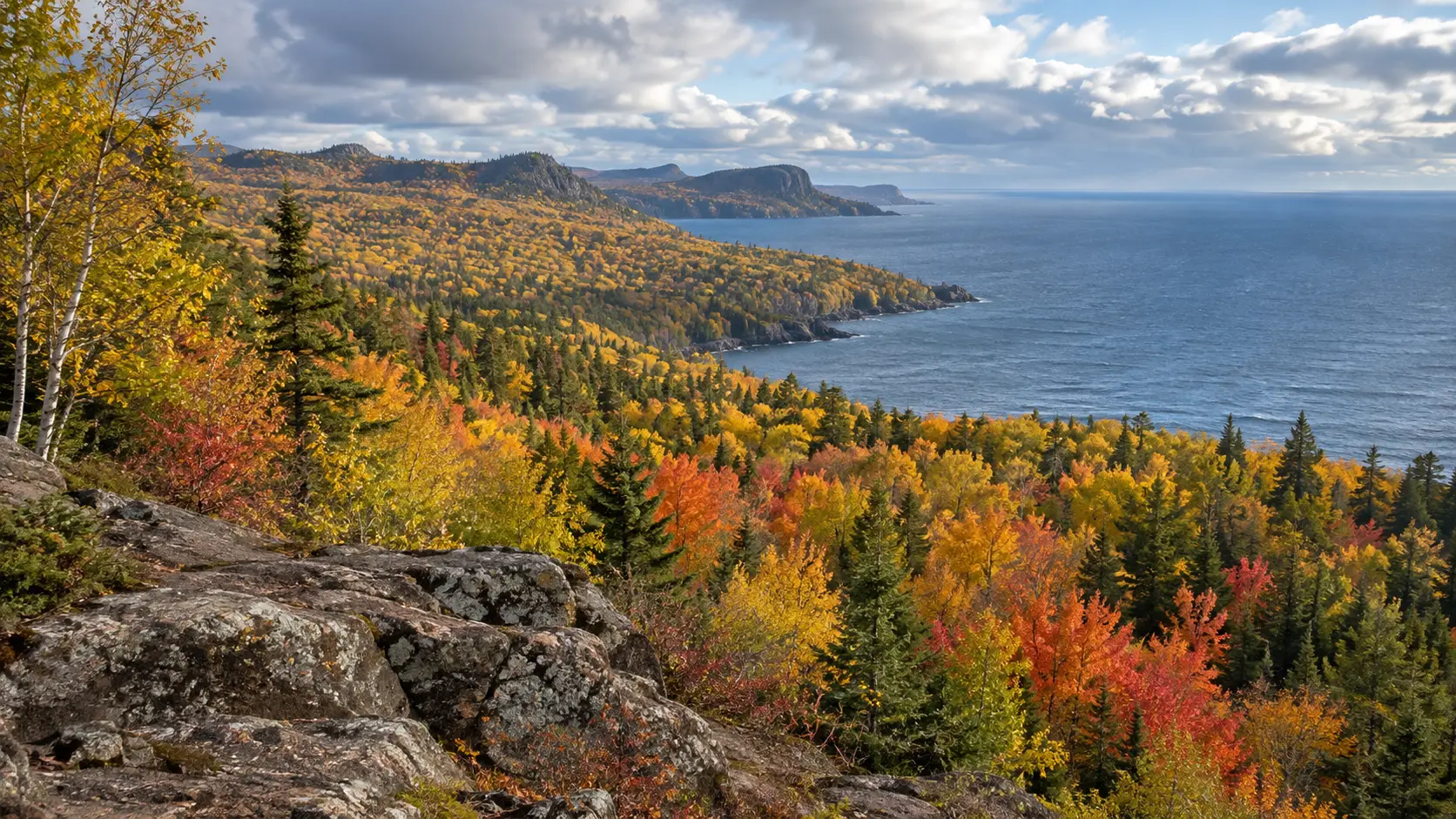
11. Hunt for Fall Color Without Chasing a Perfect Date
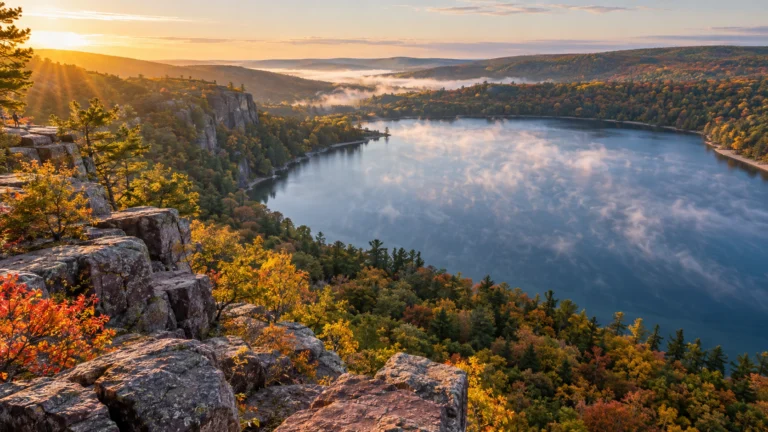
Minnesota’s color season moves from the north and higher country toward the south, but temperature, rainfall, wind, and individual tree species keep it unpredictable. Build the trip around strong trails and towns, then treat peak color as a bonus.
The North Shore is spectacular but busy on autumn weekends, so reserve lodging early and start hikes in the morning. Central lake country and the Mississippi River bluffs can be better choices when the coast is full or color has already passed in the far north.
12. Cross-Country Ski and Snowshoe
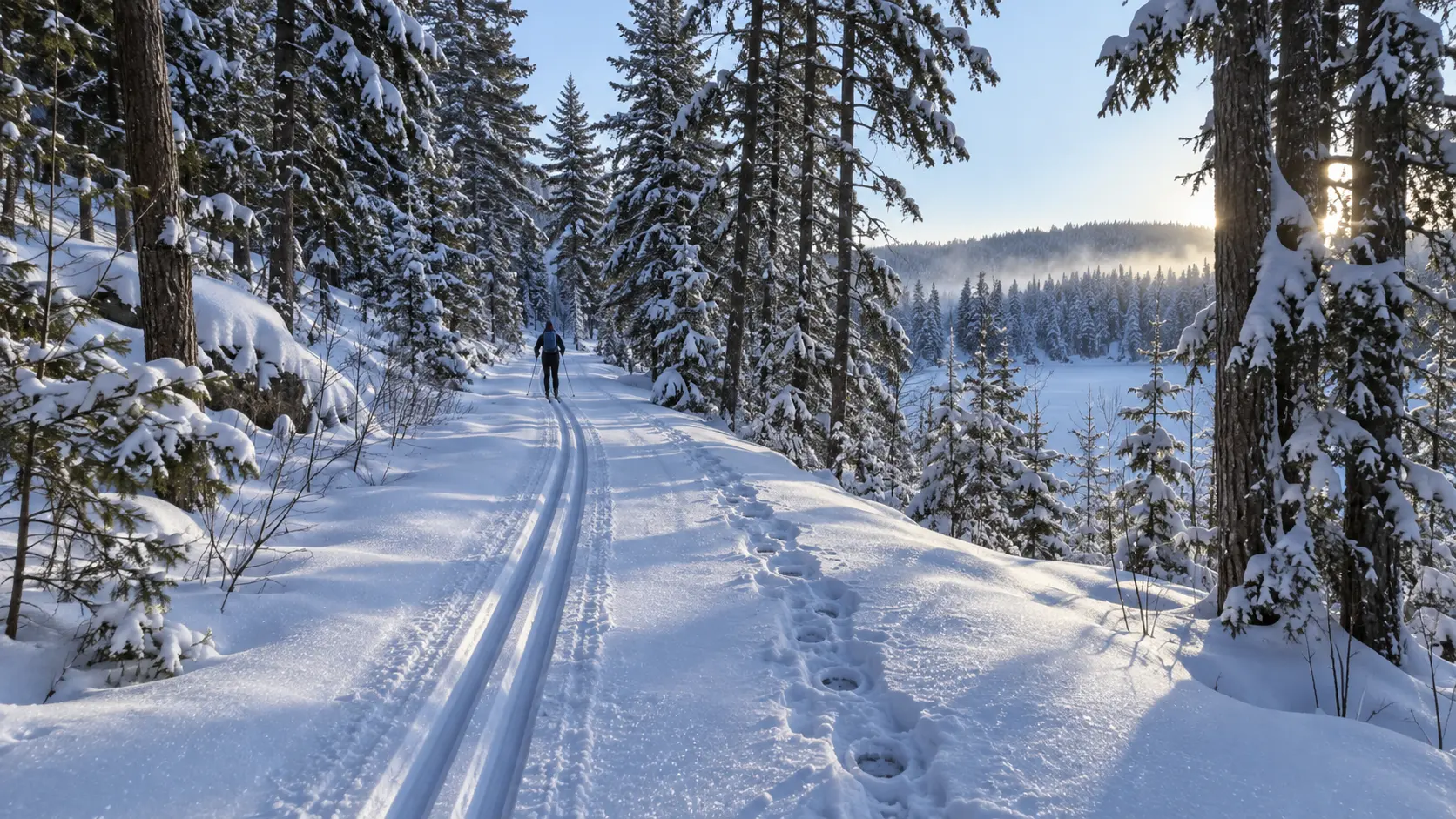
Winter is not Minnesota’s off-season; it is a different recreation system. Groomed ski trails, snowshoe routes, fat-bike trails, and warming shelters turn a cold weekend into a real trip when you choose equipment and clothing for the forecast.
Beginners should rent classic skis at a park or trail center with groomed, mostly level loops. Dress in breathable layers, start slightly cool, carry dry mittens, and avoid cotton that stays wet after you sweat.
13. Try Ice Fishing, Carefully
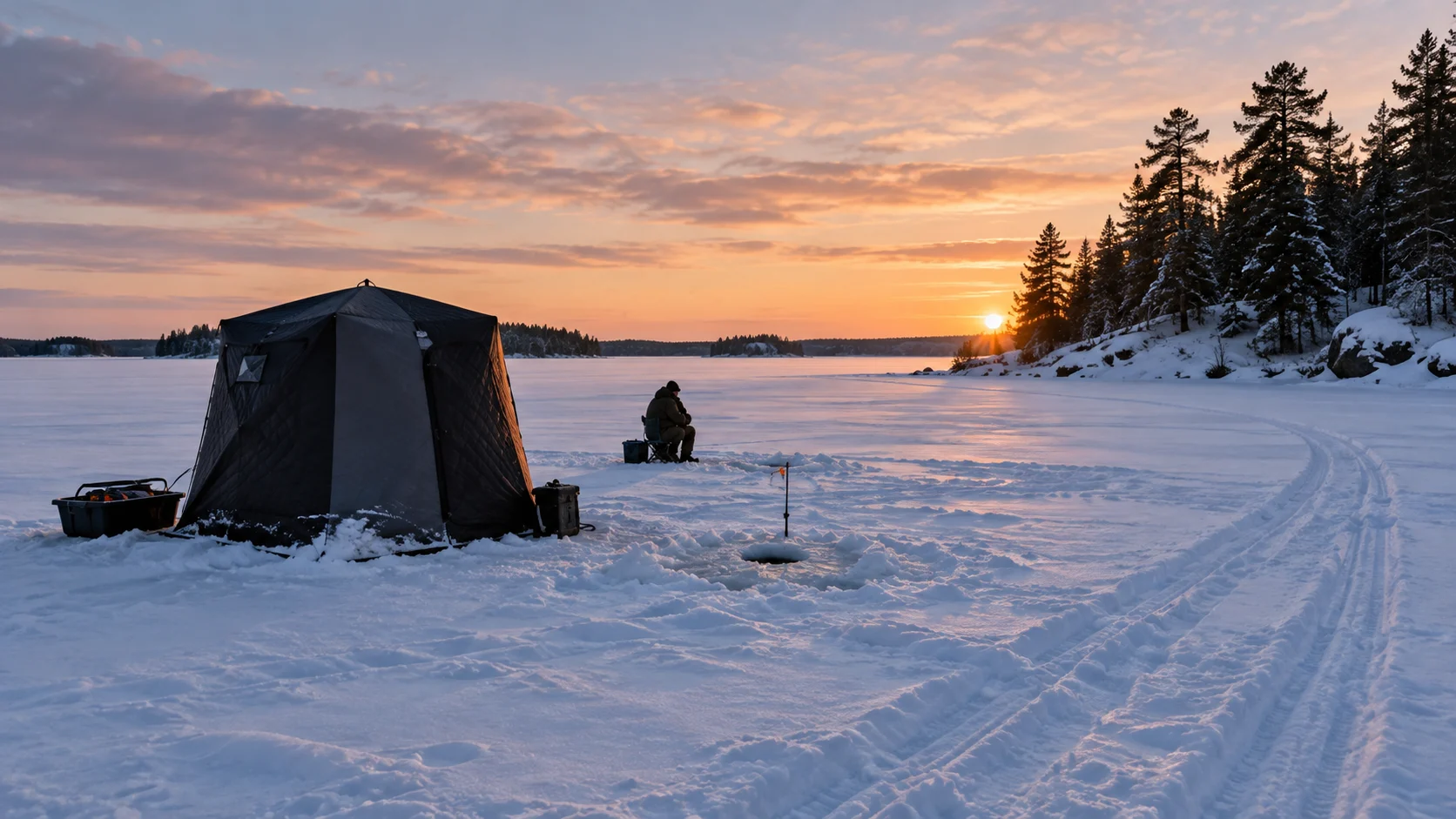
A heated fish house and local guide make ice fishing far more approachable than walking onto an unfamiliar lake with borrowed gear. Guides can supply tackle, explain the day’s rules, and choose access based on current conditions.
Ice is never completely safe, and thickness can vary within a few feet because of current, springs, snow cover, and changing temperature. Follow current local access reports, ask the resort or guide about conditions, and never treat another vehicle’s tracks as proof.
14. Watch Wildlife With Realistic Expectations
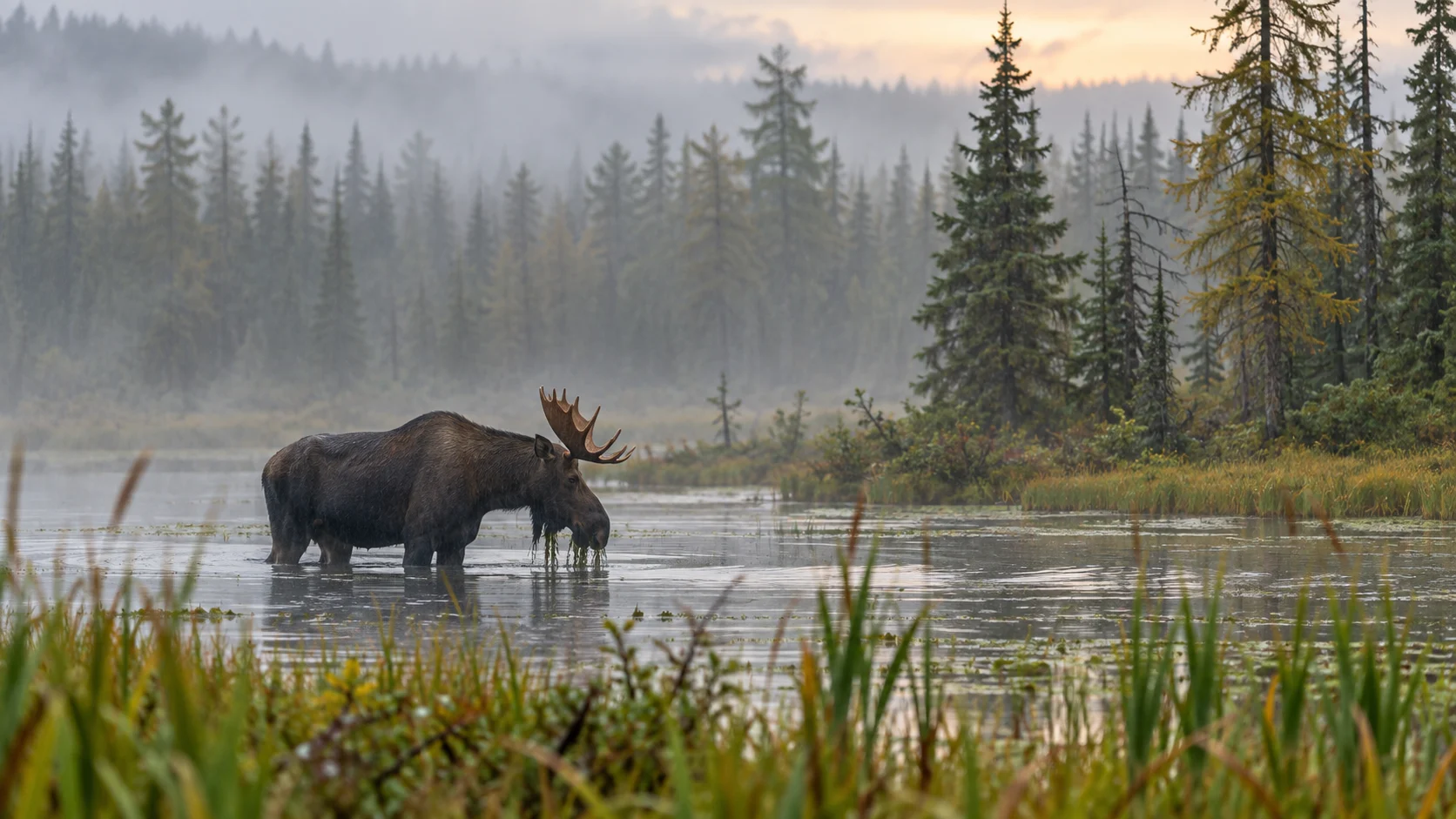
Loons, eagles, migrating waterfowl, deer, and smaller wildlife are far more reliable than a bucket-list moose or wolf sighting. Bring binoculars, move quietly, keep distance, and choose dawn or dusk only when the trail and driving conditions remain safe.
Never stop in a traffic lane or approach an animal for a photo. Store food properly in bear country, keep dogs controlled, and follow park rules even when social media suggests a closer view is normal.
When to Visit Minnesota for Outdoor Activities
Late May through June
Waterfalls run strongly, days are long, and summer services reopen, but cold lake water, mosquitoes, and muddy trails are common. It is excellent for hiking and paddling only when your clothing and route match the conditions.
July through August
This is the easiest window for swimming, boating, camping, and family trips, with the widest range of services. Expect humidity, thunderstorms, insects, and competition for popular campsites and North Shore lodging.
September through October
Cooler air and changing leaves favor hiking, biking, and scenic drives, while nights become genuinely cold in the north. Some rentals and tours reduce schedules after Labor Day, so confirm operations instead of assuming summer hours.
December through March
Reliable snow is never guaranteed on a specific weekend, but northern Minnesota generally offers the best winter odds. Check trail grooming, highway conditions, wind chill, and daylight before leaving, then keep a non-ice backup activity.
Minnesota Park Fees and Practical Planning
Vehicles entering most Minnesota state parks need a permit. The DNR lists a $7 one-day permit and a $35 year-round permit, while camping reservations and activity-specific permits cost extra.
Buy access before reaching a remote park because office hours and cell service vary. Download maps, tell someone your route, carry more water and warm clothing than a city forecast suggests, and check alerts for fire, smoke, flooding, construction, or trail closure.
If this is part of a broader drive, a Great Lakes road trip can connect Minnesota’s North Shore with Wisconsin and Michigan. Give Lake Superior its own weather margin, because fog, wind, and cold water do not care how tidy the itinerary looks.
The Best Minnesota Outdoor Activity for You
Choose North Shore hiking for the biggest scenery with easy road access, Cuyuna for an active long weekend, the Boundary Waters for wilderness, and Voyageurs for boating. Pick Minneapolis for a flexible city-and-nature mix, Itasca for families and first-time park visitors, and groomed winter trails when cold weather is the point.
The smartest Minnesota trip does less and stays outside longer. One region, one weather backup, and one activity worth planning around will beat a statewide sprint in every season.
Three specific outings to start with
For a North Shore hike, I would begin with the Oberg Mountain Trail from the Onion River Road trailhead near Tofte. The Forest Service describes a roughly three-mile moderate outing, so allow two hours or more for the climb and the Lake Superior, Oberg Lake, and forest overlooks.
This loop connects with the Superior Hiking Trail system, but I would avoid adding an unfamiliar through-hike on a first visit. For a longer day, choose an out-and-back along the signed main trail only after checking the current Superior Hiking Trail map, setting a turnaround time and returning to the same vehicle.
For a beginner-friendly paddle in suitable conditions, use the Interstate Parks-to-Osceola Landing route on the St. Croix, listed by NPS as 6.6 miles and three to four hours. Launch from the arranged Interstate State Park access near Taylors Falls and take out at Osceola Landing, reserving a shuttle or spotting a second car before you enter the water.
I would book the Taylors Falls outfitter’s Osceola shuttle trip for the simplest logistics, confirming the precise launch and last pickup time. High water, wind, cold water, and spring conditions can make an easy-rated route unsuitable, so use the operator’s current assessment and wear a fitted life jacket.
For winter, I would choose the 1.2-kilometer Sugar Bush Trail at Carver Park Reserve, accessed from the trailhead building with ski rentals available. Three Rivers rates it least difficult, making this a more specific first outing than choosing an unfamiliar long loop.
Book a lesson if you have never skied, reserve equipment, and allow 60 to 90 minutes for a first session including practice. Check the required ski pass and daily grooming report before leaving, since the winter route is unavailable in summer.
For a lower-pressure snowshoe alternative, use the designated snowshoe paths near Richardson Nature Center in Hyland Lake Park Reserve, choosing a short out-and-back based on the day’s map. Snowshoes do not belong on groomed ski tracks unless signs explicitly allow them, and bare ground is a reason to switch to walking rather than damage a closed winter trail.