Isle Royale National Park Guide: Ferries, Camping and Routes
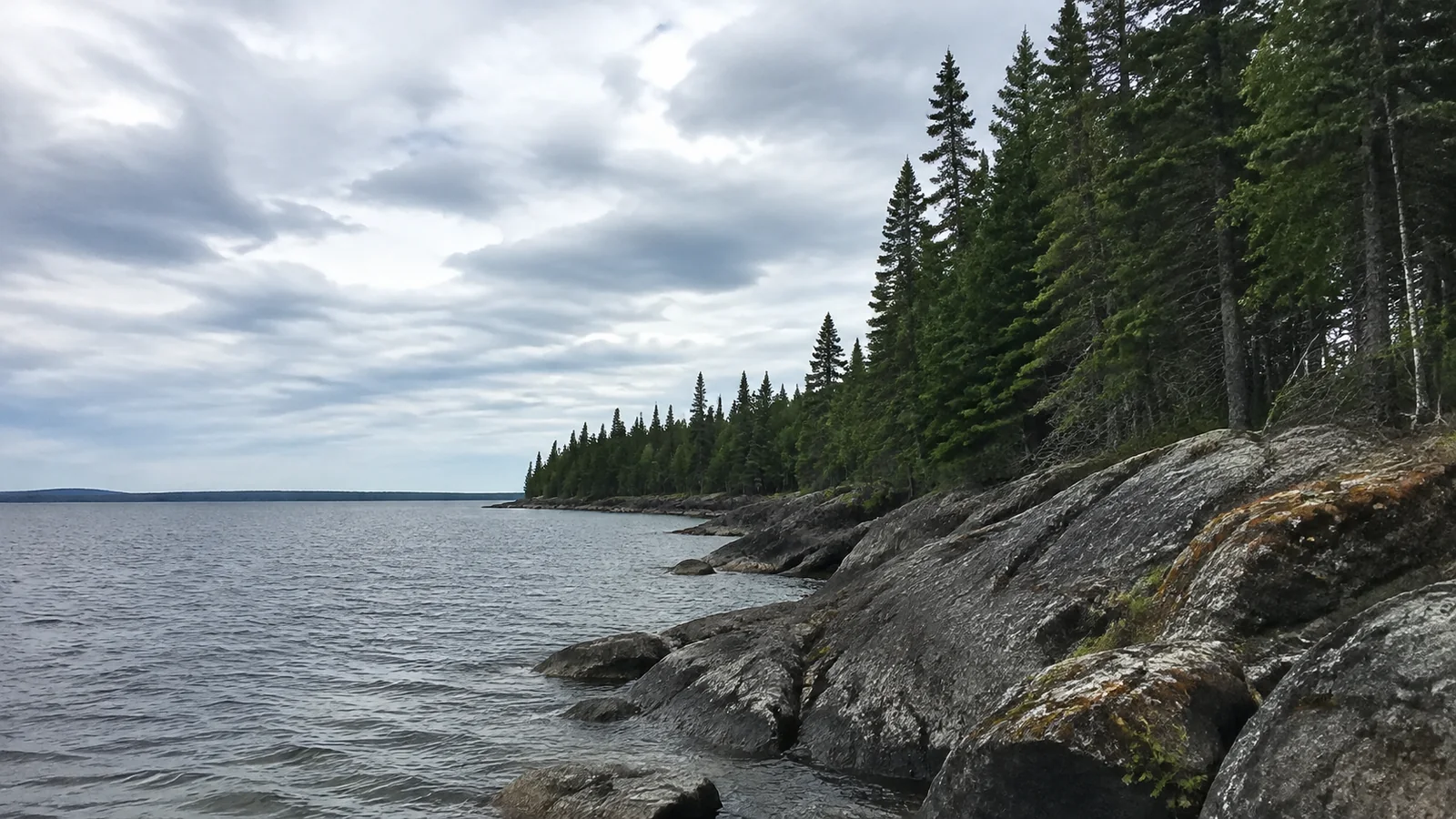
Isle Royale is the national park that makes you earn the arrival. No road reaches this Lake Superior archipelago, transportation can lose a day each way, and weather edits plans without apology, but patient travelers get quiet trails, rocky shores, inland lakes, and genuine wilderness.
Is Isle Royale National Park Worth Visiting?
Yes, for hikers, paddlers, wildlife watchers, and travelers who can give the park at least three nights. It is a poor match for a rushed checklist trip, spontaneous lodging search, or anyone unwilling to accept ferry, seaplane, weather, and campsite uncertainty.
The island is in Michigan, but Lake Superior makes the route feel more like a small expedition than a normal park drive. Ellie’s Great Lakes road-trip itinerary can help position the mainland travel without pretending Isle Royale is a quick roadside detour.
Start With Rock Harbor or Windigo
Choose Rock Harbor for the Easiest First Visit
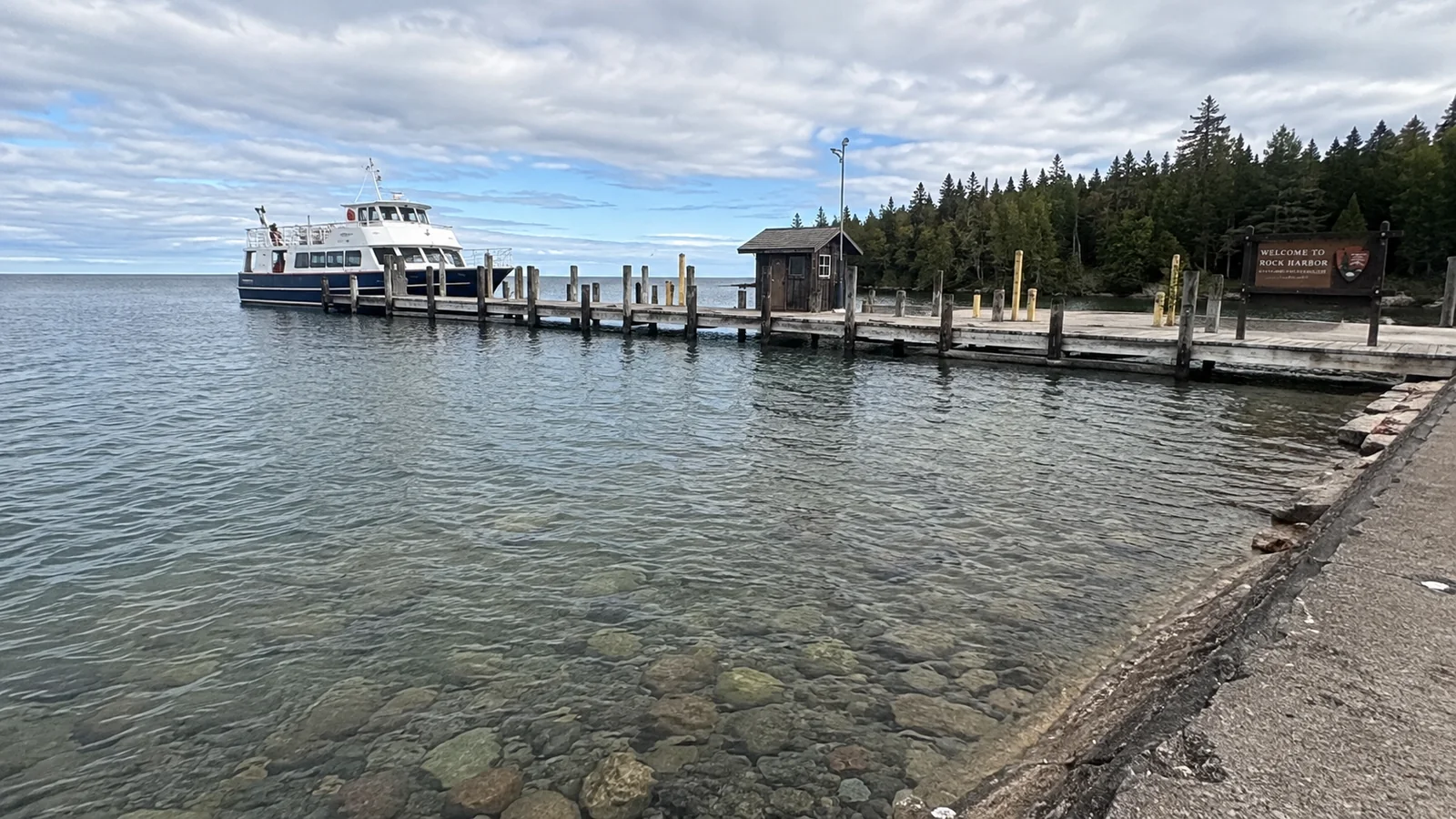
Rock Harbor on the northeast end has the broadest visitor infrastructure, including the lodge complex, store, ranger contact, trails, and boat-based sightseeing options when operating. It is the logical first base for travelers who want a room, housekeeping cabin, or campground rather than a full backpacking traverse.
The popular Rock Harbor area can feel busy around vessel arrivals, and the lodge does not turn the island into a full-service resort. Confirm meals, store hours, water, room amenities, boat schedules, and luggage handling before packing.
Choose Windigo for a Quieter West-End Base
Windigo serves the southwest end with a visitor area, campground, limited seasonal services, and access to trails toward Huginnin Cove, Feldtmann Lake, and the Greenstone Ridge. It works well for repeat visitors, west-end backpacking routes, and travelers arriving from Grand Portage.
Its smaller service footprint makes supply assumptions especially risky. Verify lodging availability, store operation, fuel, water, programs, and onward transportation for the exact date.
How to Get to Isle Royale
The National Park Service says public ferries and seaplane service generally operate from mid-May into September, while the park closes to all visitors from November 1 through April 15. Use the NPS transportation overview as the starting point, then book directly with the operating carrier.
Transportation is not an afterthought because seats, baggage, canoes, kayaks, parking, and connections can sell out or require separate reservations. Build the vacation around confirmed island arrival and departure before buying nonrefundable mainland rooms.
Ranger III From Houghton, Michigan
The park-operated Ranger III runs primarily between Houghton and Rock Harbor, with limited Windigo service on selected dates. The 2026 NPS schedule lists an approximately six-hour Lake Superior crossing each way and no one-day round trips.
This route suits travelers who value a substantial ship, more baggage flexibility, and an Upper Peninsula departure. Check-in is well before sailing, and transporting a canoe, kayak, or motorboat adds rules and earlier arrival requirements.
Private Ferries From Copper Harbor and Grand Portage
Isle Royale Queen IV connects Copper Harbor with Rock Harbor, while Voyageur II and Sea Hunter III operate from Grand Portage, Minnesota, on different island routes. The NPS ferry list links the current operators, but each controls its own schedule, fare, baggage, cancellation, and parking details.
Grand Portage can be efficient for Windigo, and Voyageur II can support point-to-point hiking plans around the island. A faster advertised crossing does not automatically mean a shorter travel day after the drive, border-area geography, check-in, and overnight before departure are included.
Seaplane From Michigan or Minnesota
A seaplane saves hours on the water and offers remarkable perspective when visibility cooperates. It also costs more, has stricter baggage and weight limits, and remains exposed to wind, fog, and cascading delays.
Do not connect a seaplane to a same-day commercial flight without a large buffer. Confirm which mainland base and island landing apply, because Rock Harbor and Windigo are not interchangeable terminals.
Current Wolf-Related Campsite Closures
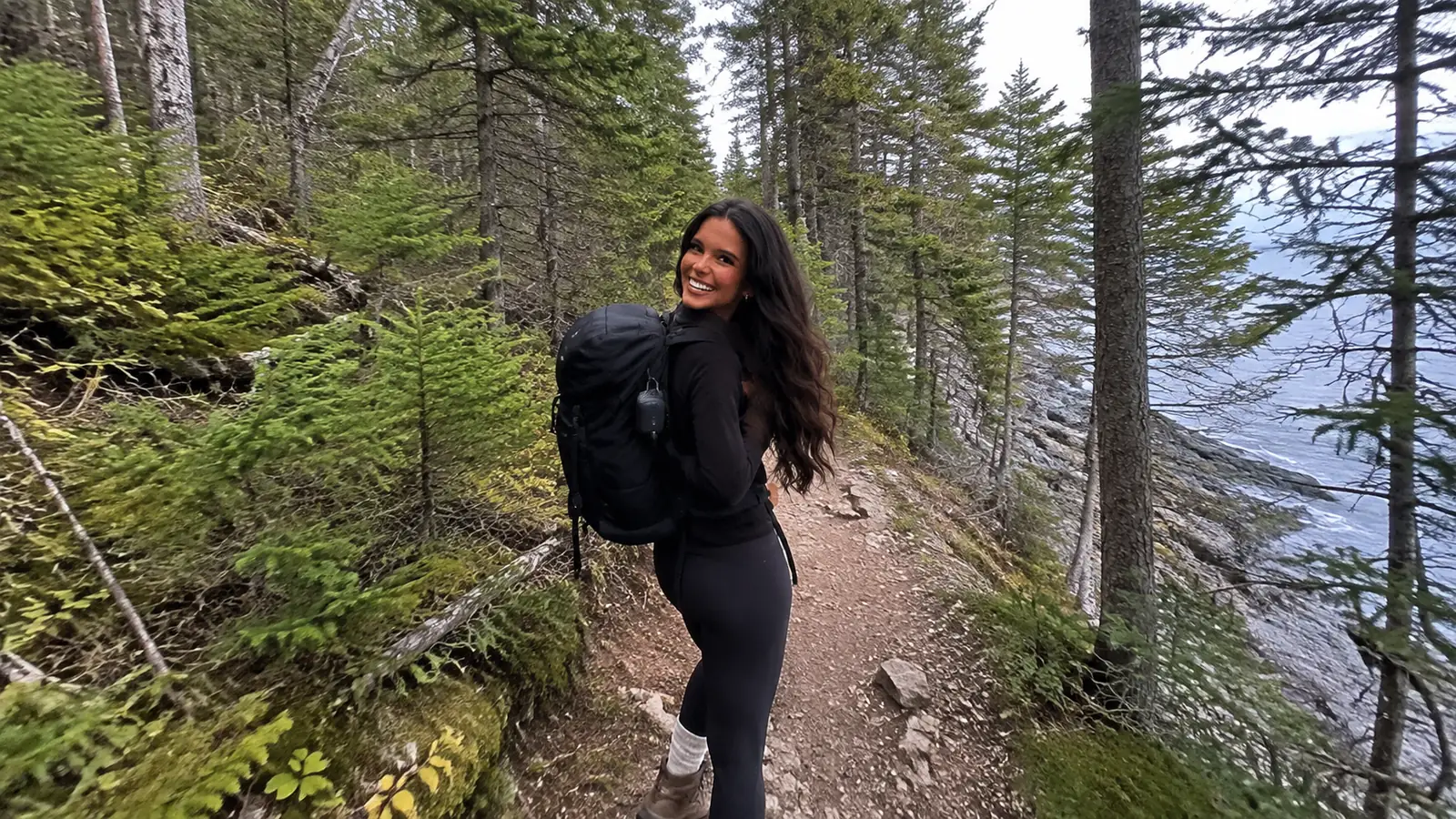
For the remainder of the 2026 season, NPS has prohibited tents, group camping, hammocks, and nearby off-trail camping at Three Mile, Daisy Farm, Moskey Basin, and Caribou Island because of continued wolf activity. The park’s August 28 closure notice says shelters at those campgrounds remain open.
This is a live safety change, not a colorful wildlife footnote. Anyone traveling in 2026 must rebuild the itinerary around legal accommodations and check park alerts immediately before departure.
Future visitors should not assume the same closure will remain, disappear, or return in the same form. Wolves are wild, shelters are not reservations for small parties, and seeing an animal is never guaranteed.
How Many Days Do You Need?
Three nights is my practical minimum for a first Rock Harbor stay because ferry schedules and weather already consume substantial time. Four or five nights create room for a delayed outing, a longer hike, and one day when simply sitting beside Lake Superior is the correct plan.
A one-night visit is vulnerable to transportation disruption and offers little beyond the immediate landing area. A seven- to ten-night trip suits a full backpacking route, but only after distances, campsite limits, resupply, and exit transportation align.
- Three nights: lodge or base-camp introduction near Rock Harbor
- Four to five nights: deeper day hikes, paddling, or a short backpack
- Seven to ten nights: experienced backpacking traverse with contingencies
If sleeping outdoors is the deciding question, Ellie’s backpacking versus hiking comparison helps separate the desire for long trails from the desire to carry a complete home. Isle Royale rewards both, but they require different reservations and risk tolerance.
Camping Permits, Entrance Fees, and Campsites
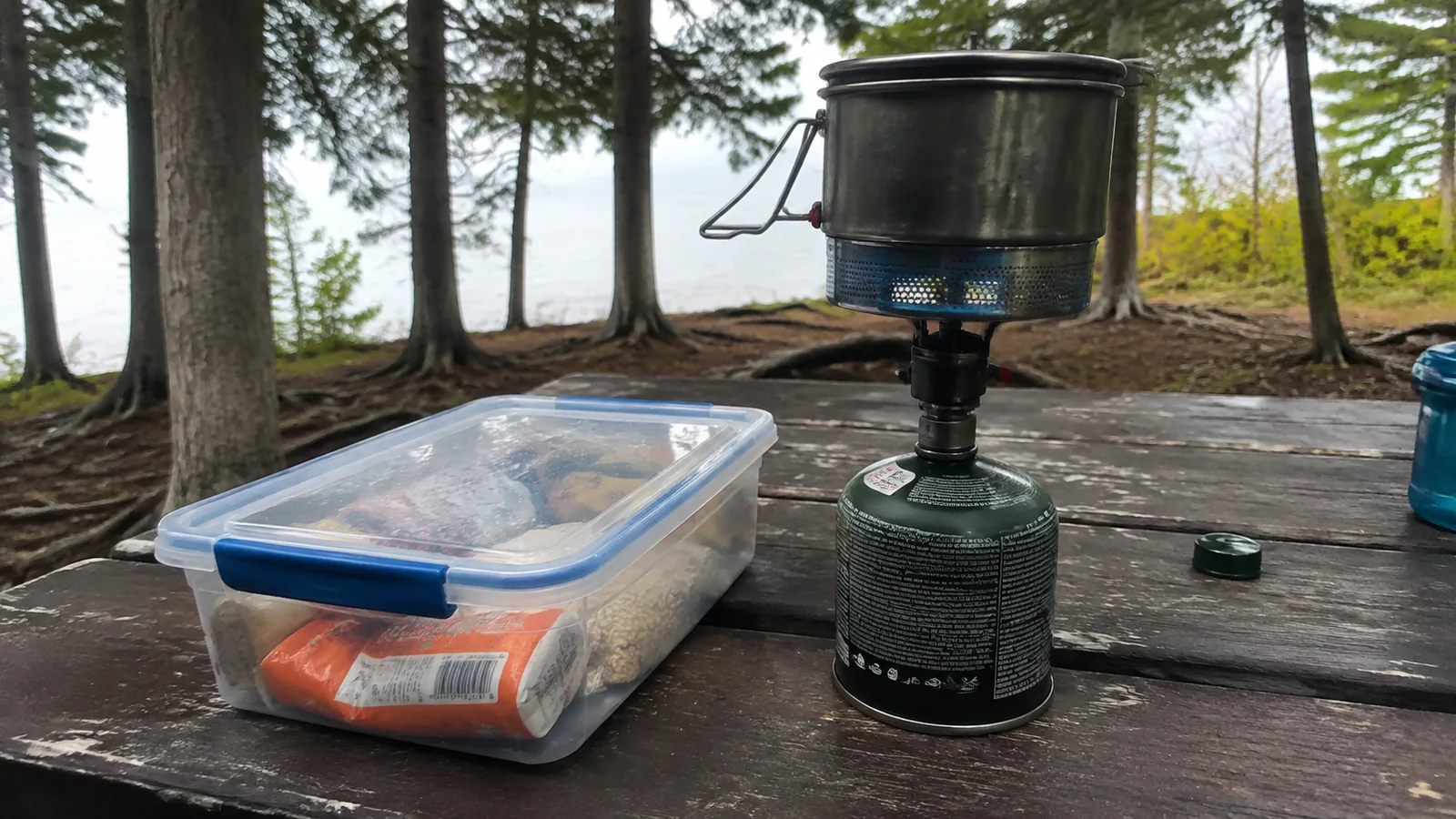
Every overnight stay requires a permit, whether at a campground, off-trail zone, dock, or anchor. The NPS permit page separates small parties of one to six people, groups of seven or more, off-trail camping, and boaters.
Small-party camping permits carry no additional charge beyond the required park entrance fee, while larger groups need advance reservations and a group permit. Pay the current entrance charge through the official system and bring proof or the applicable federal pass.
Most individual campsites and shelters are first come, first served, subject to stay limits and current closures. A permit itinerary does not guarantee a specific shelter, so carry a legal tent unless an active restriction requires a different plan.
Camp only in authorized locations and never create a backup site because the campground looks full. Follow the food-storage instructions given by rangers, keep a clean camp, and secure scented items as directed.
Lodge Stay Versus Backpacking
Rock Harbor lodging is the gentlest introduction because it replaces shelter competition, stove meals, and a heavy pack with a fixed base. It remains seasonal, scarce, and expensive enough that booking transportation without confirmed lodging is backwards.
Backpacking creates access to ridges, inland lakes, and quieter camps, but trail mileage understates the challenge. Roots, rock, mud, elevation, pack weight, heat, rain, and limited exits slow even fit hikers.
A hybrid trip can work beautifully: spend a night near arrival, backpack for two or three nights, then return before the outbound vessel. Preserve one night near the departure end so a sore ankle or storm does not become a missed ferry.
Best Things to Do on Isle Royale
Day Hike From Rock Harbor
Stoll Trail toward Scoville Point provides a manageable introduction to rocky shoreline, forest, and exposed Lake Superior views. Conditions and personal pace determine whether the full loop or a shorter out-and-back is the better first-day choice.
Walk to Three Mile or Daisy Farm
The Rock Harbor Trail links shoreline campgrounds and can support either a day hike or backpacking route. In 2026, current wolf-related tent restrictions materially change overnight use at several of these locations, so do not copy an old itinerary.
Hike Greenstone Ridge
Greenstone Ridge forms the island’s major high route and belongs in a multi-day plan, not a casual promise about moose views. Water planning, heat exposure, campsite spacing, side-trail mileage, and evacuation difficulty matter more than the headline distance.
Paddle Protected Water
Experienced paddlers can explore bays and inland lakes, while guided or rental options may operate from developed areas. Lake Superior is cold and capable of rapid wind, wave, and fog changes, so open-water paddling requires proper sea-kayak skills, immersion clothing, navigation, and conservative judgment.
Ellie’s Lake Superior kayaking overview explains why a sunny shore forecast does not erase cold-water consequences. Confirm boat transportation, portages, permits, and rental limits before travel.
Join a Ranger Program or Sightseeing Boat
Programs and boat tours add natural, mining, lighthouse, and cultural history without requiring a full backpack. Schedules are seasonal and weather-dependent, so treat them as reservations to verify rather than guaranteed daily attractions.
Moose, Wolves, and Wildlife Etiquette
Isle Royale’s predator-prey research makes moose and wolves famous, but neither species performs on request. Most visitors will not see a wolf, and a moose encounter can become dangerous when people crowd, follow, or block its route.
Give every animal space, control food and scented items, and follow current ranger instructions. Never approach for a photograph, and never leave gear accessible because an animal has already shown interest.
Ticks, mosquitoes, black flies, gulls, and small animals deserve planning too. Carry repellent, a head net when seasonally useful, bite care, and secure food rather than packing only for glamorous mammals.
Weather, Water, and Packing
Lake Superior can make an island day cooler, wetter, windier, and foggier than the mainland forecast suggests. Pack insulating and waterproof layers, sun protection, warm sleep gear, and dry storage even in midsummer.
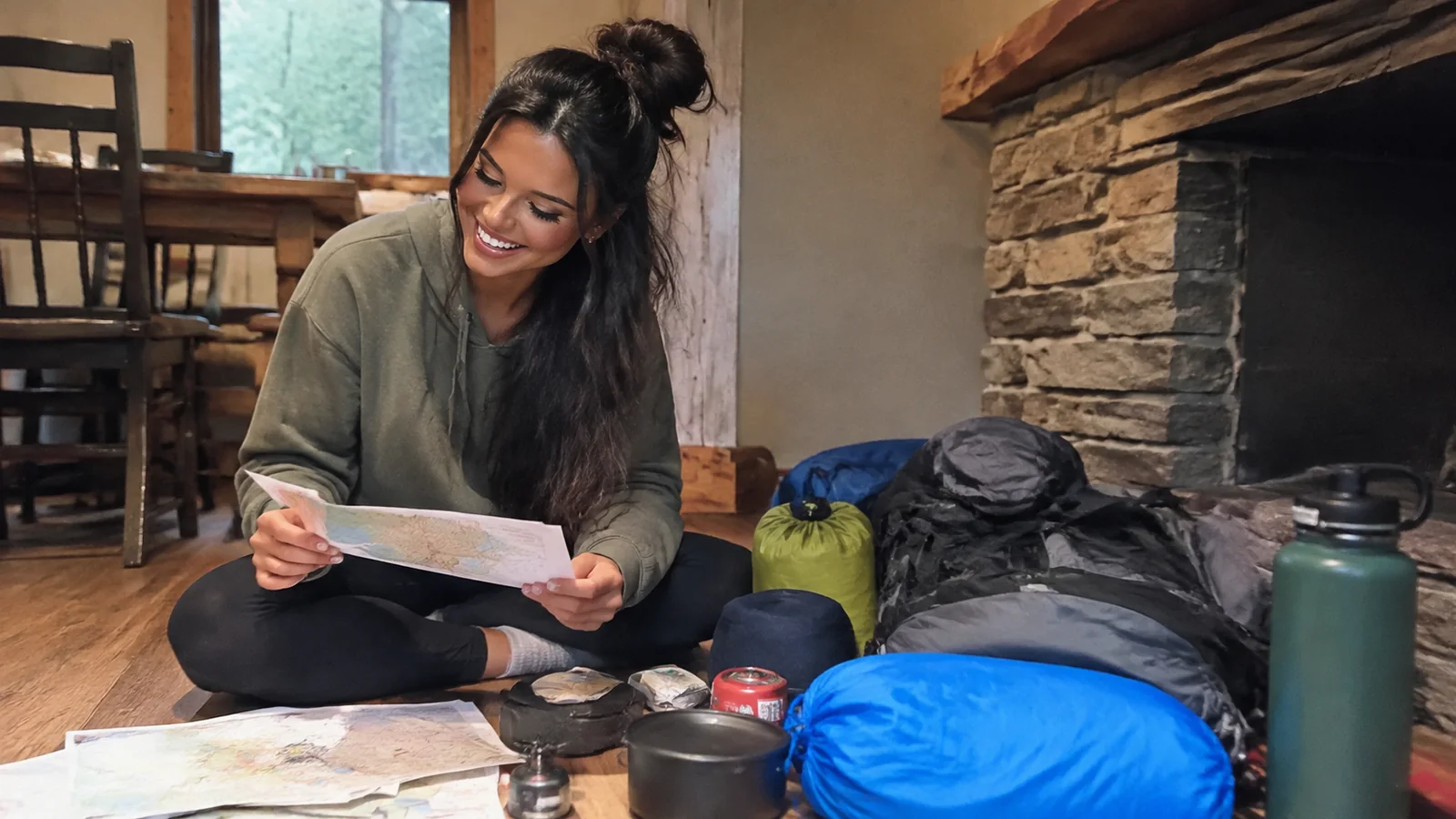
- Paper map, compass, and offline route information
- Broken-in footwear plus blister care
- Water treatment and enough carrying capacity
- Rain shell, warm layer, hat, and dry sleep clothing
- Headlamp, backup power, and emergency communication plan
- Required medications plus delay margin
Do not count on normal cellular service, restaurant hours, replacement equipment, or same-day rescue. Tell a mainland contact your route and overdue protocol, then leave the same plan with the permit system.
A Practical Four-Night First Trip
Travel to the mainland gateway one day early and stay near the departure point. Take confirmed transportation to Rock Harbor, settle in, attend orientation, and use arrival day only for a short nearby walk.
Use day two for Stoll Trail, day three for a ranger-led or boat-based activity, and day four for a longer hike adjusted to weather. Sleep at Rock Harbor the final night and depart with no cross-island transfer that morning.
Backpackers can adapt the same four nights into a short out-and-back or point-to-point route only after confirming legal camps, stay limits, boat connections, and current closures. A loop that looks elegant on paper may be a poor choice when ferry days do not match.
Two named walking plans that fit the transport
For a Rock Harbor base, I would use the Stoll Memorial Trail to Scoville Point as the main day hike. The full figure-eight route is about 4.2 miles, so allow three to four hours with rests and carry water, rain gear, and a map even though you are returning to the lodge area.
Walk out from Rock Harbor on the marked trail, use the linking paths to shorten the loop if footing becomes tiring, and keep the exposed point optional in strong wind. The Tobin Harbor side is generally easier underfoot than the rocky Rock Harbor side, and the meeting of sheltered woods and open Lake Superior is the detail I would slow down to enjoy.
For a short backpacking alternative, begin and end at Windigo, with a first and final night at Washington Creek and one middle night at Huginnin Cove, subject to the ranger-approved permit and campground limits. That protects the boat connection and avoids relying on the east-end campgrounds affected by the current tent restrictions.
The NPS Huginnin loop totals about 8.2 miles including the Windigo approach, so plan two hiking days of roughly four miles each, with the exact split depending on the chosen side and campsite. Rocks, roots, wet boardwalks, and a loaded pack make this a beginner backpacking route for prepared hikers rather than an easy paved stroll.
As checked September 5, the current NPS closures prohibit tent and hammock camping at Three Mile, Daisy Farm, Moskey Basin, and Caribou Island through the end of the 2026 season, while their shelters remain open. I would not base a novice itinerary on finding an available shelter, and I would have rangers recheck the entire Windigo plan and food-storage requirements before departure.
If either backpacking day feels too ambitious, choose a base stay instead, with the 1.2-mile Windigo Nature Trail as a shorter walk or Rock Harbor lodging for more services. Windigo and Rock Harbor are different transport endpoints, so the accommodation decision must come before booking the boat or seaplane.
Who Should Skip Isle Royale?
Choose another park if transportation cost overwhelms the budget, motion sickness makes a long crossing miserable, or the trip cannot tolerate a weather delay. Travelers needing predictable medical access, paved mobility routes, broad dining choice, or daily housekeeping should investigate exact Rock Harbor services before committing.
Families can have a wonderful visit, but every child needs cold-water supervision, trail stamina, insect tolerance, and a correctly sized life jacket for boating. The island is not a place to discover that the group hates ferries, tents, or limited menus.
My Isle Royale Recommendation
For a first trip, choose Rock Harbor, arrive on the mainland a day early, and stay three to five nights. Confirm transportation first, lodging or legal camps second, then design a flexible activity plan around those immovable pieces.
Isle Royale is beautiful because it resists convenience, but that resistance is not permission to improvise the safety details. Check current alerts, carry delay margin, and let the weather shorten a day before it ruins the entire trip.