South Sea Cruises: How to Choose the Right South Pacific Route
A South Pacific cruise can mean a lagoon day in Bora Bora, a village visit in Fiji, or six sea days on a transpacific crossing. The right choice starts with the route, not the prettiest island photo, because weather, flights, port access, and onboard atmosphere change dramatically across this enormous region.
First, decide what “South Sea cruise” means to you
Travel listings use South Seas and South Pacific loosely. Before comparing fares, list the three experiences you most want: easy beach time, snorkeling, Polynesian culture, volcanic scenery, small islands, a resort-style ship, or restful days at sea.
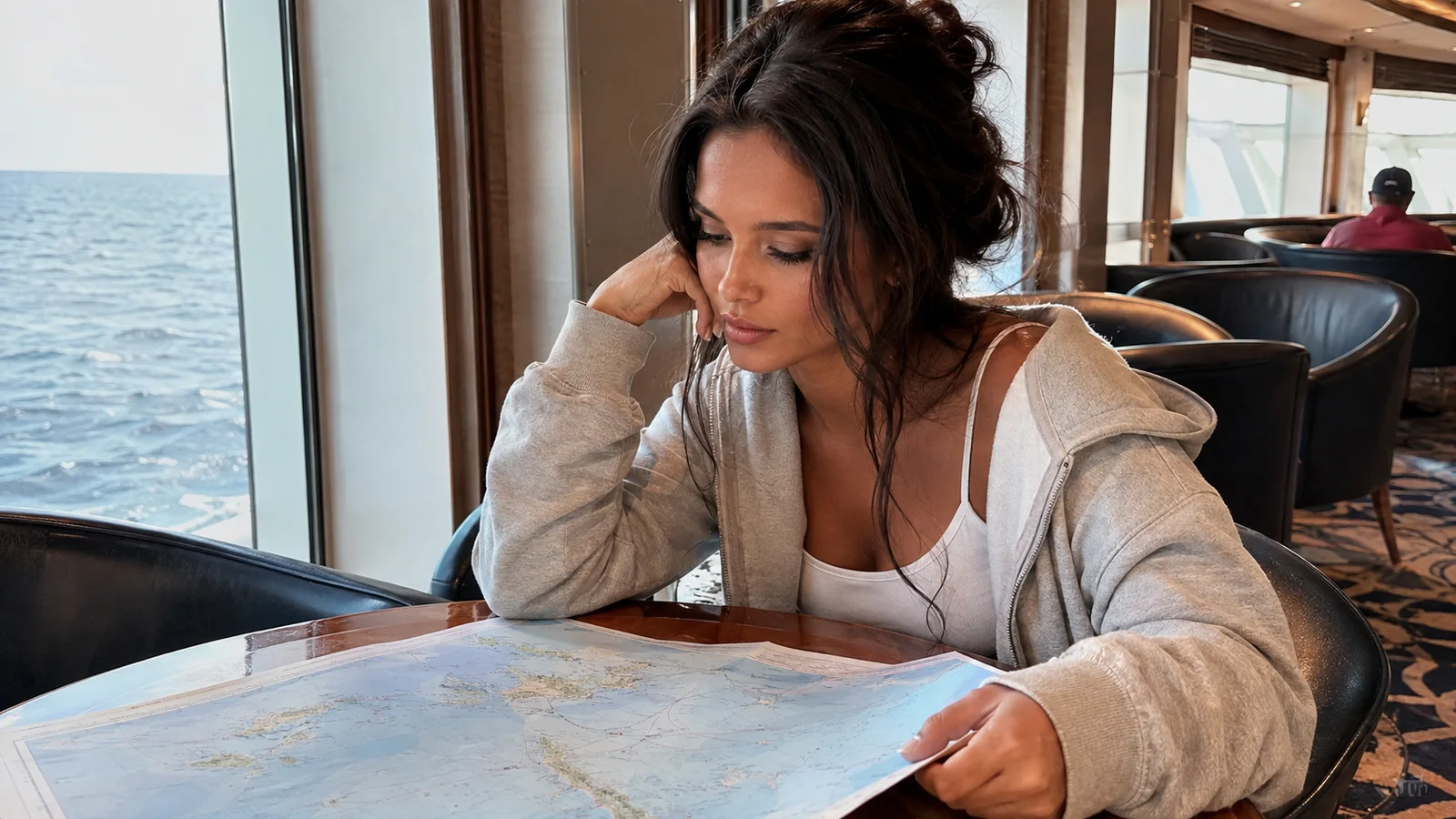
Then look at the map and count actual island days. A 14-night itinerary with several long crossings may visit fewer islands than a seven-night cruise beginning in Tahiti.
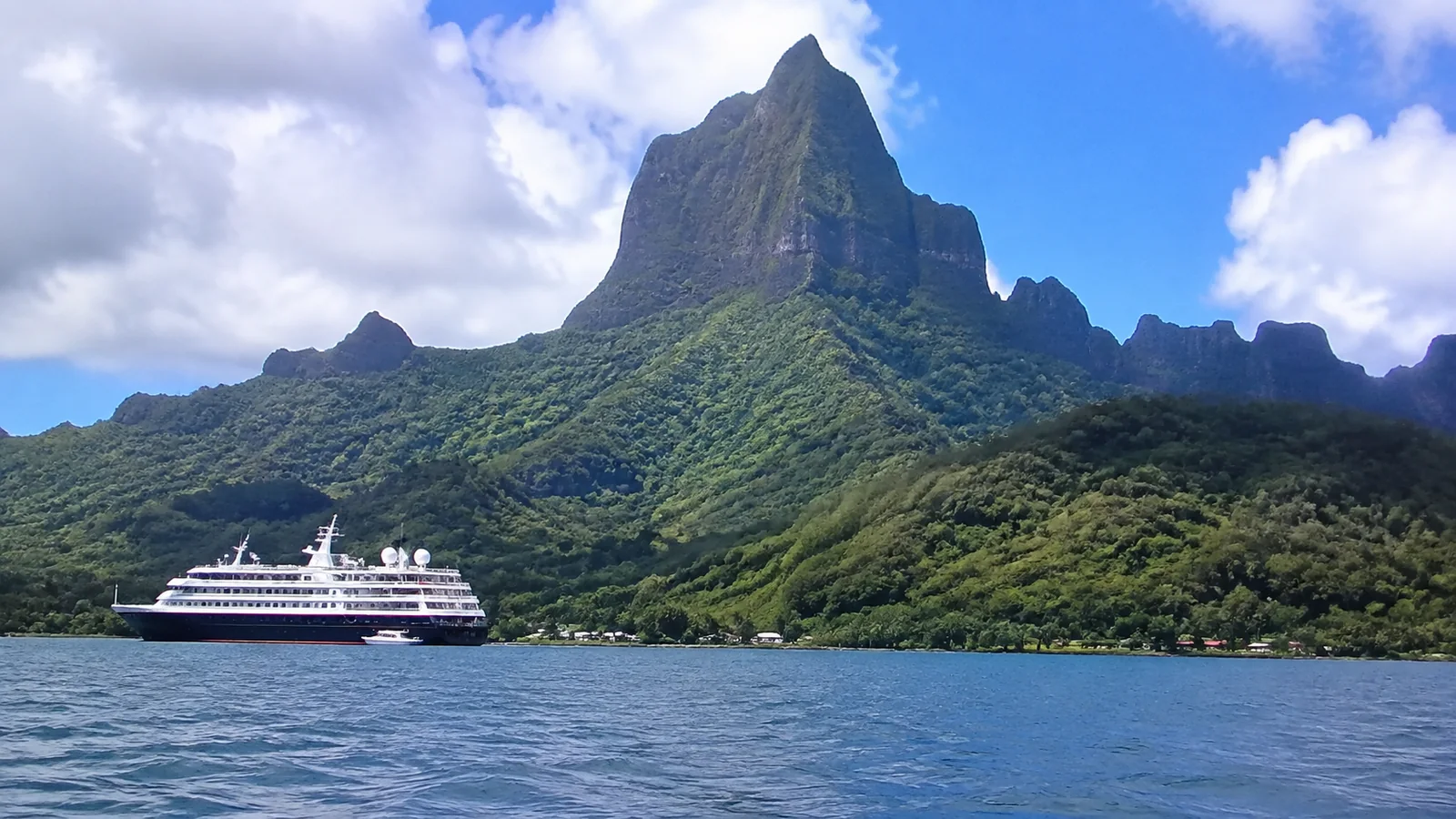
- French Polynesia: Best for dramatic Society Islands, lagoons, and itineraries centered on Tahiti, Moorea, and Bora Bora.
- Fiji: Best for a mix of larger ports, smaller islands, village calls, reefs, and easier pre-cruise resort stays.
- Vanuatu and New Caledonia: Often paired with Australia departures, making them practical for travelers who want a mainstream ship and fewer separate regional flights.
- Samoa, Tonga, and the Cook Islands: Reward travelers who accept more sea time, tender uncertainty, and fewer backup options ashore.
- Transpacific routes: Best for sea-day lovers who value the voyage itself more than maximizing ports.
If one particular island is nonnegotiable, do not book a cruise solely for that call. Tender ports and weather-sensitive passages can be changed or canceled, so build an itinerary that still feels worthwhile without its headline stop.
The five main South Pacific cruise styles
1. Tahiti round-trip cruises
These sailings concentrate on French Polynesia, commonly linking Tahiti with Moorea, the Leeward Islands, and sometimes the Tuamotus or Marquesas. They minimize open-ocean repositioning and give lagoon lovers the strongest ratio of island time to total vacation days.
The tradeoff is airfare to Papeete, which can erase an attractive cruise fare. Add at least one pre-cruise hotel night, airport transfers, meals ashore, and any inter-island extension before comparing the total with an Australia-based itinerary.
Small ships can reach places that large resort ships cannot, but “small” does not automatically mean informal or inexpensive. Check cabin size, included water activities, excursion structure, dining choices, accessibility, and whether a marina platform requires climbing ladders.
2. Fiji-centered cruises
A Fiji sailing can combine Port Denarau or Suva with the Mamanuca, Yasawa, or more remote island groups, depending on ship size. It is a good match for travelers who want beach and reef time alongside cultural visits rather than one repeated resort day.
Read each port description carefully because “Fiji” can mean a developed terminal, a wet landing, or a tender to a small community. Mobility, surf, and local infrastructure matter more than the mileage shown on a map.
Do not confuse a multi-night South Pacific cruise with a day-cruise operator that uses similar wording. Confirm the ship name, embarkation point, number of nights, cabin category, and what the fare actually includes before paying.
3. Australia to New Caledonia and Vanuatu
Round trips from Sydney or Brisbane often offer the simplest resort-ship version of the South Pacific. They can suit families and first-time cruisers who want familiar entertainment, broad dining choices, and no separate flight from Australia to a small island embarkation port.
The itinerary may include several sea days and only a few island calls. Port Vila, Lifou, Mystery Island, or Noumea can deliver very different days, so compare shore access instead of treating every stop as interchangeable.
Political conditions, infrastructure repairs, weather, and berth availability can alter regional deployment. Check the cruise line’s current itinerary and official travel advice again before final payment, not just when booking.
4. Hawaii to the South Pacific
One-way sailings between Honolulu and Tahiti, Australia, or New Zealand trade frequent flights for more time at sea. They work beautifully for travelers who enjoy slow mornings onboard and are comfortable arranging open-jaw airfare.
They are a poor shortcut for anyone who gets restless after one sea day. Count consecutive sea days, not simply total sea days, and inspect the ship’s indoor spaces in case wind or rain closes exposed decks.
5. Australia or New Zealand repositioning cruises
Long repositioning voyages may add Fiji, Tonga, Samoa, French Polynesia, or New Caledonia between major gateways. Per-night fares can look tempting, but one-way flights, visas, laundry, internet, drinks, and weeks away from home change the real price.
These routes are best for schedule-flexible travelers who like the ship as much as the destinations. Use the cruise floor-plan screening method before committing to a long voyage, because cabin location matters more after several consecutive sea days.
Four real products that deliver very different trips
These operator-published examples were checked September 5, 2026. I would compare their island-to-sea-day balance before looking at cabin upgrades, since that balance decides how much time you actually spend ashore.
For lagoon time: m/s Paul Gauguin, Tahiti and the Society Islands. The seven-night round trip from Tahiti visits Huahine, Taha’a, Bora Bora, and Moorea, concentrating the week within one island group rather than using days on a long ocean crossing.
I would choose this for a couple whose priority is lagoons and Polynesian island scenery, with tender trips and water activities forming part of the experience. The fare includes onboard meals, many beverages, and gratuities, but do not assume every shore excursion or scuba dive is included.
For cultural visits and a small-ship Fiji week: Blue Lagoon Cruises. Its seven-night Escape to Paradise begins and ends at Port Denarau, with daily island or village activity around the Mamanucas and Yasawas rather than scheduled full ocean sea days.
The current fleet page identifies MV Yasawa Princess II, and the operator reserves the right to substitute vessels. The route includes village visits, Nanuya Lailai beach time, and a traditional lovo meal, making it my first comparison for travelers who want Fijian cultural experiences woven into the week.
Blue Lagoon’s inclusions cover daily meals, tea, coffee, filtered water, and many scheduled activities, with selected drinks rather than an unlimited bar throughout the cruise. Small boats and beach landings require more mobility than walking down a large pier, and diving is an extra-cost activity.
For family convenience from Australia: Anthem of the Seas. Royal Caribbean’s nine-night Sydney round trip lists Port Vila, Mystery Island, and Nouméa, with five full sea days between the three destination calls.
I would choose it for a family who wants a familiar large-ship routine and plenty to do while sailing, especially if Sydney is easy to reach. Core dining and entertainment are part of the fare, while excursions, specialty dining, and many drinks are extra; Mystery Island also requires a tender rather than a guaranteed pier landing.
For sea-day lovers: Anthem’s Honolulu-to-Sydney crossing. The published 18-night transpacific example lists Papeete, Moorea, Raiatea, and Tauranga, separated by sea-day blocks of five, six, and three days.
I would choose this only if reading, shows, and shipboard routines during long stretches at sea are part of the attraction. It is a one-way trip with an International Date Line crossing, so verify the actual arrival date and flight plan rather than adding nights to your departure date by hand.
The crossing gives you four destination calls across a much longer vacation, while the Tahiti and Fiji options concentrate on island days. That is why I would pay attention to the route’s daily schedule before treating a low price per night as better value for someone who mainly wants beach time.
When is the best time for a South Pacific cruise?
For many travelers, May through October is the easiest starting window because conditions are often cooler and less humid across much of the tropical South Pacific. That is a regional tendency, not a promise of cloudless skies or calm water.
The Australian Bureau of Meteorology identifies the South Pacific tropical cyclone season as November through April and notes that systems can still form outside it. Activity also varies by year and location, so the phrase “cyclone season” does not mean every sailing encounters a storm.
May through October
Choose this period if lower humidity and a reduced cyclone risk matter more than the warmest possible water. Trade winds can make exposed crossings breezy or choppy, and southern islands can feel cool after sunset.
July and August often overlap with school holidays in major source markets. If you want a quieter ship or lower airfare, compare May, June, September, and October while checking the specific island’s rainfall pattern.
November through April
These months can bring warmer water, lush landscapes, humidity, heavier showers, and cyclone disruption risk. A lower fare may be worthwhile for a flexible traveler with insurance, but not for someone planning a once-only wedding, fixed island event, or tight same-day flight connection.
Cruise lines can change course for safety, and a storm far away may still affect swell or port operations. Buy coverage that addresses weather disruption and missed connections, then read the exclusions rather than assuming the word “comprehensive” settles it.
Wildlife and water conditions
Whale, manta, shark, dolphin, and turtle encounters depend on island, season, sea state, regulation, and luck. Treat wildlife calendars as probability windows and choose operators that maintain distance and do not promise contact.
Diving visibility and snorkeling access can differ even between neighboring islands. Ask about current, entry method, minimum age, certification, medical requirements, and a bad-weather alternative before paying for a water excursion.
For a broader month-by-month framework, compare these dates with the best cruise timing by destination. It helps separate school-calendar pricing from the weather pattern that actually matters on your route.
Match the island group to your priorities
Pick the Society Islands for iconic lagoons
Tahiti is the air and cruise gateway, while Moorea and Bora Bora deliver the mountain-and-lagoon scenery many travelers picture. Choose this region when water activities and scenery matter more than bargain pricing.
Some calls use tenders, and popular lagoon trips can sell out. Reserve the excursion you would be most disappointed to miss, but keep another island day unstructured so the vacation does not become a sequence of departure times.
Pick the Tuamotus for reefs and a smaller-scale feel
Low atolls offer a different landscape from volcanic islands and can appeal strongly to divers and snorkelers. They also have limited port infrastructure, which makes swell, current, and tender operations decisive.
Travelers with limited mobility should ask how passengers transfer between ship and tender, whether there are steps at the landing, and how far excursions walk on uneven ground. “Easy” in a sales description may describe exertion, not the boarding process.
Pick Fiji for variety
Fiji works well when one traveler wants reefs and another wants markets, villages, scenery, or a resort day. Longer itineraries can reveal much more than a single port call.
Respect community protocols on village visits and follow the host’s guidance on clothing, photography, gifts, and ceremonies. A lightweight layer that covers shoulders and knees earns its space in the bag.
Pick Vanuatu or New Caledonia for an Australia-based cruise
These routes can reduce the complexity of flying to a small-island departure port. They still require international travel documents and should never be treated as an extension of an Australian domestic vacation.
Noumea is more urban than a private-island beach call, while outer-island stops may have minimal facilities. Decide whether you want city access, an organized beach transfer, or independent exploring before judging the itinerary.
Pick Samoa, Tonga, or the Cook Islands for a less hurried route
These islands make the most sense on an itinerary where you welcome sea days and accept fragile port calls. Flights and backup transportation can be limited, so arrive early and avoid a same-day connection to the ship.
The International Date Line can also rearrange the calendar. Check hotel dates and flight arrival dates independently rather than assuming a flight that departs Tuesday lands Tuesday.
Entry rules need a passport-by-passport check
A cruise line’s online check-in is not an immigration ruling. Requirements depend on nationality, passport type, where you embark, every country visited, air transits, and whether you plan to go ashore.
For example, New Zealand Immigration states that most travelers need an NZeTA or visa, and specifically addresses passengers arriving by cruise ship. Do not assume staying onboard removes a document requirement.
For French Polynesia, the U.S. State Department’s country information for U.S. travelers currently lists passport and visa conditions, including a limitation on certain emergency passports. That guidance was checked September 4, 2026 and can change before your sailing.
Australia, Fiji, Tonga, Samoa, Vanuatu, New Caledonia, and the Cook Islands each apply their own rules. Check official immigration pages using the exact passport you will carry, then confirm the cruise line’s stricter boarding-document policy.
The Australian government’s current cruise planning advice is also a useful reminder that visas, insurance, medical access, severe weather, and shore safety require separate attention. U.S. travelers should pair it with the State Department page for each destination.
How to compare the real cost
Start with a door-to-door total, not the advertised cabin fare. South Pacific airfare can cost more than the cruise, and small embarkation ports often need extra hotel nights.
- Base fare and taxes
- International and regional flights
- One or two pre-cruise hotel nights
- Airport, hotel, and port transfers
- Excursions, especially boats and diving
- Drinks, specialty dining, gratuities, and internet
- Travel insurance and medical evacuation coverage
- Laundry for long itineraries
- Post-cruise hotel required by flight timing
A small ship with activities included can beat a cheaper mainstream fare once tenders, lagoon tours, and transfers are added. The reverse can also be true if you want a large cabin, evening shows, children’s programming, and only one paid excursion.
Price the vacation twice: once with the minimum you would genuinely enjoy and once with every likely extra. If the second number creates stress, shorten the itinerary or choose fewer high-cost islands rather than hoping you will ignore every appealing excursion.
Choose a ship that works on sea days
Ship size affects entertainment, dining, pools, tender loading, and which islands can be reached. A large ship provides more onboard choice, while a small ship may deliver closer access and a more destination-focused schedule.
Check whether pools are shaded, the promenade is protected from wind, and there is enough indoor seating. On a long crossing, those details matter more than a water slide used once.
Families should verify children’s club ages and operating hours for the exact sailing. Couples looking for a quieter celebration can compare the tradeoffs in these honeymoon cruise styles without assuming “luxury” always means private or child-free.
Plan shore days for tenders and island time
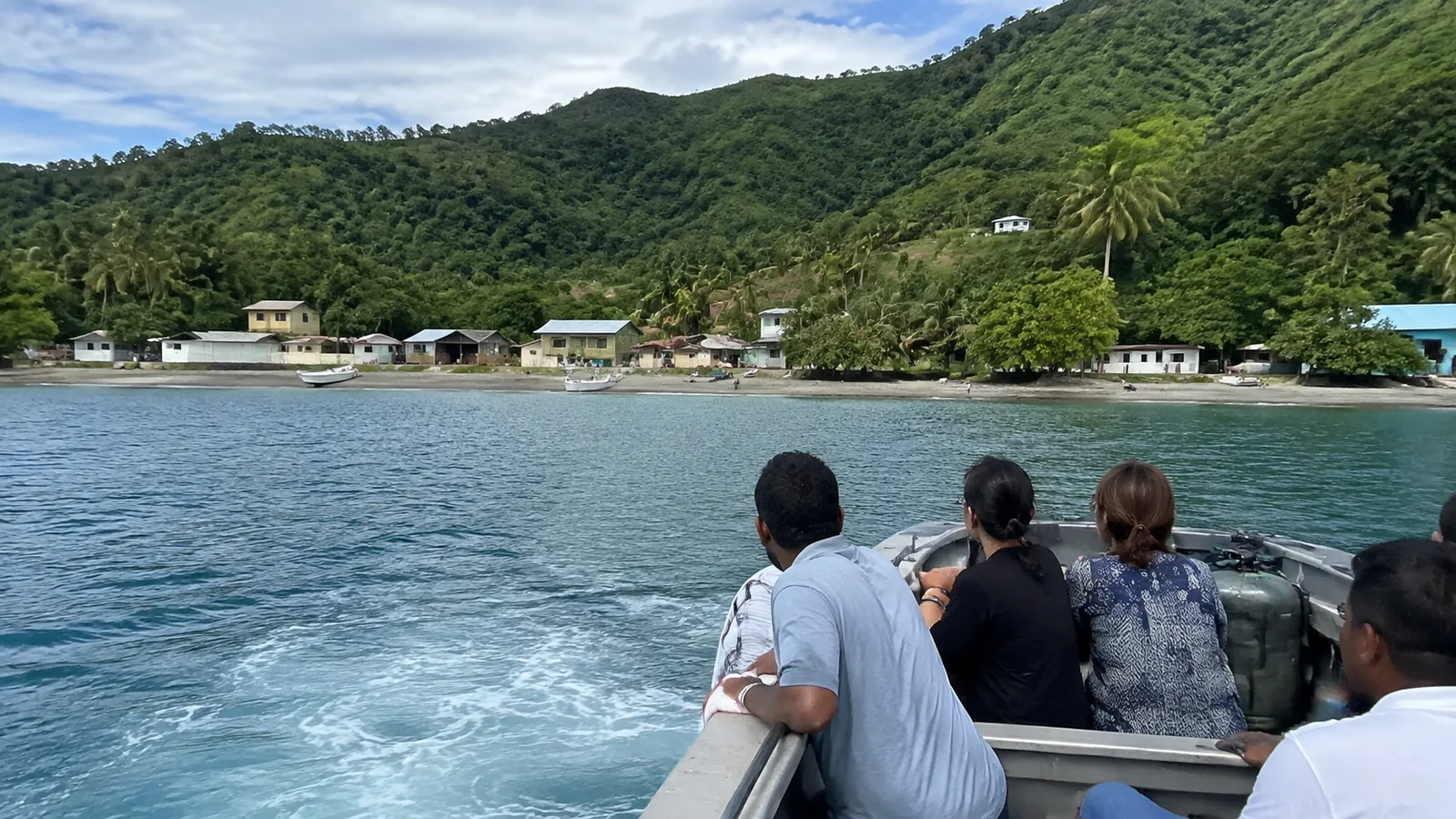
Many South Pacific ports lack a pier suitable for the ship, so guests transfer to smaller boats. Tender operations can be delayed by swell even under blue skies, and independent tours need a generous return margin.
Ship time and local time may differ. Photograph the daily schedule, confirm the all-aboard time in ship time, and ask an officer if your phone has changed time zones automatically.
Bring local currency only where useful, plus a card and small emergency reserve. Connectivity can be intermittent, so save addresses, tickets, meeting instructions, and the ship’s port-agent contact offline.
Do not remove coral, shells, sand, plants, or cultural objects. Follow biosecurity declarations honestly, since island ecosystems are especially vulnerable to pests carried on shoes, food, and outdoor gear.
Pack for heat, rain, wind, and respect
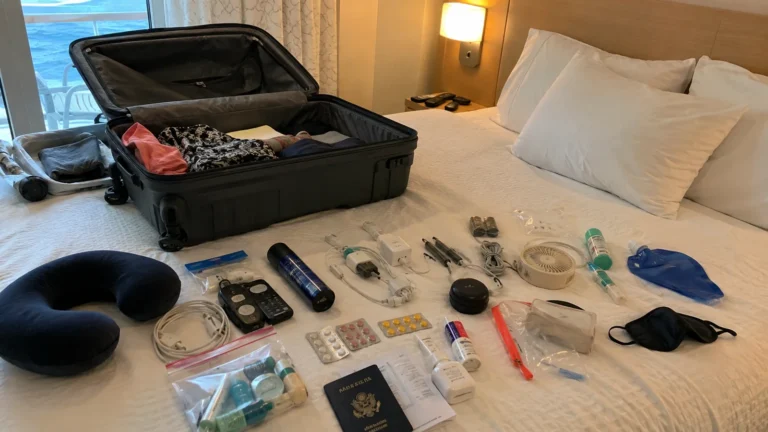
Build around quick-drying swimwear, sun protection, a compact rain layer, a light sweater, secure sandals, and walking shoes with traction. A reef day and a breezy dining room can require completely different layers within two hours.
Pack prescription medication in the original labeled containers and bring more than the itinerary requires. Medical services can be limited on small islands, and an itinerary change may delay the return.
A rash guard reduces sun exposure and is more dependable than trying to reapply sunscreen while snorkeling. Follow local rules on sunscreen ingredients and never label a product harmless to reefs solely because its packaging says “reef safe.”
The adaptable list in this cruise clothing planner can be adjusted for tropical ports and cool sea days. Leave enough room for a modest layer used during village, church, or community visits.
South Pacific cruise planning timeline
Before paying a deposit
- Map every port, tender, and consecutive sea day.
- Price international and open-jaw flights.
- Check passport expiration and likely visa or travel-authority needs.
- Review insurance for cyclone, medical, and missed-connection coverage.
- Confirm mobility requirements with both ship and excursion providers.
At final payment
- Recheck the itinerary and official travel advice.
- Apply for required permissions within their valid windows.
- Reserve scarce water excursions and accessible transfers.
- Book flexible hotels before and after the cruise.
- Save a cancellation or rerouting plan.
In the final week
- Check weather without treating a long-range model as certainty.
- Download documents and port-agent contacts.
- Confirm ship time, baggage rules, and transfer pickup.
- Pack documents and medication in a carry-on.
- Accept that safe itinerary changes are part of ocean travel.
My clearest recommendations
Choose a Tahiti round trip if lagoons are the priority and the flight cost fits comfortably. Choose a Fiji-centered route for island variety and cultural visits, or an Australia round trip for the easiest mainstream-ship experience.
Choose May through October if reducing humidity and cyclone exposure matters most, with the understanding that wind and rain remain possible. Choose November through April only when warmer conditions or pricing outweigh the added disruption risk for you.
Most importantly, choose a cruise you would still enjoy after one canceled tender port. That single test protects the vacation better than chasing a supposedly perfect ship, month, or island.