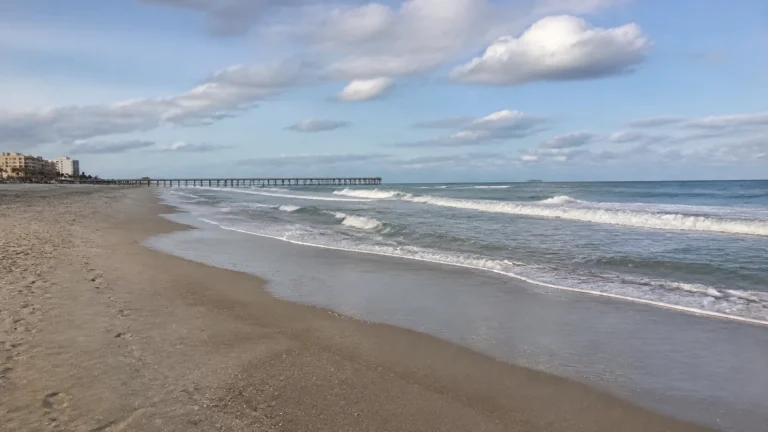
16 Beautiful East Coast Vacation Spots for Every Season
The most beautiful East Coast vacation spot depends on what you want outside your window. Acadia delivers granite cliffs and spruce-covered islands, Charleston pairs pastel streets with marsh light, the Outer Banks stretches into wild dunes, and Miami brings color, warm water, and late nights, so start with your season and travel style.
How to choose your East Coast vacation spot
The eastern United States is not one climate or one kind of coast. Maine can be cool and foggy while South Florida is hot and humid, and hurricane, snow, fall-color, swimming, and mosquito seasons all pull the ideal calendar in different directions.
Before falling for a photograph, decide which version of beautiful you mean:
- Rocky coast and hiking: Acadia or coastal Maine
- Classic summer beach town: Cape Cod, Cape May, or the Outer Banks
- Architecture and food: Newport, Charleston, or Savannah
- Museums and city energy: New York, Philadelphia, or Washington
- Mountain scenery: Shenandoah and the Blue Ridge Parkway
- Warm winter escape: Miami, the Florida Keys, or Saint Augustine
I would rather give you 16 distinct trips than rank a harbor against a mountain and pretend number one is scientific. Every place below includes the traveler it suits, the season I would shortlist, and the catch worth knowing before you book.
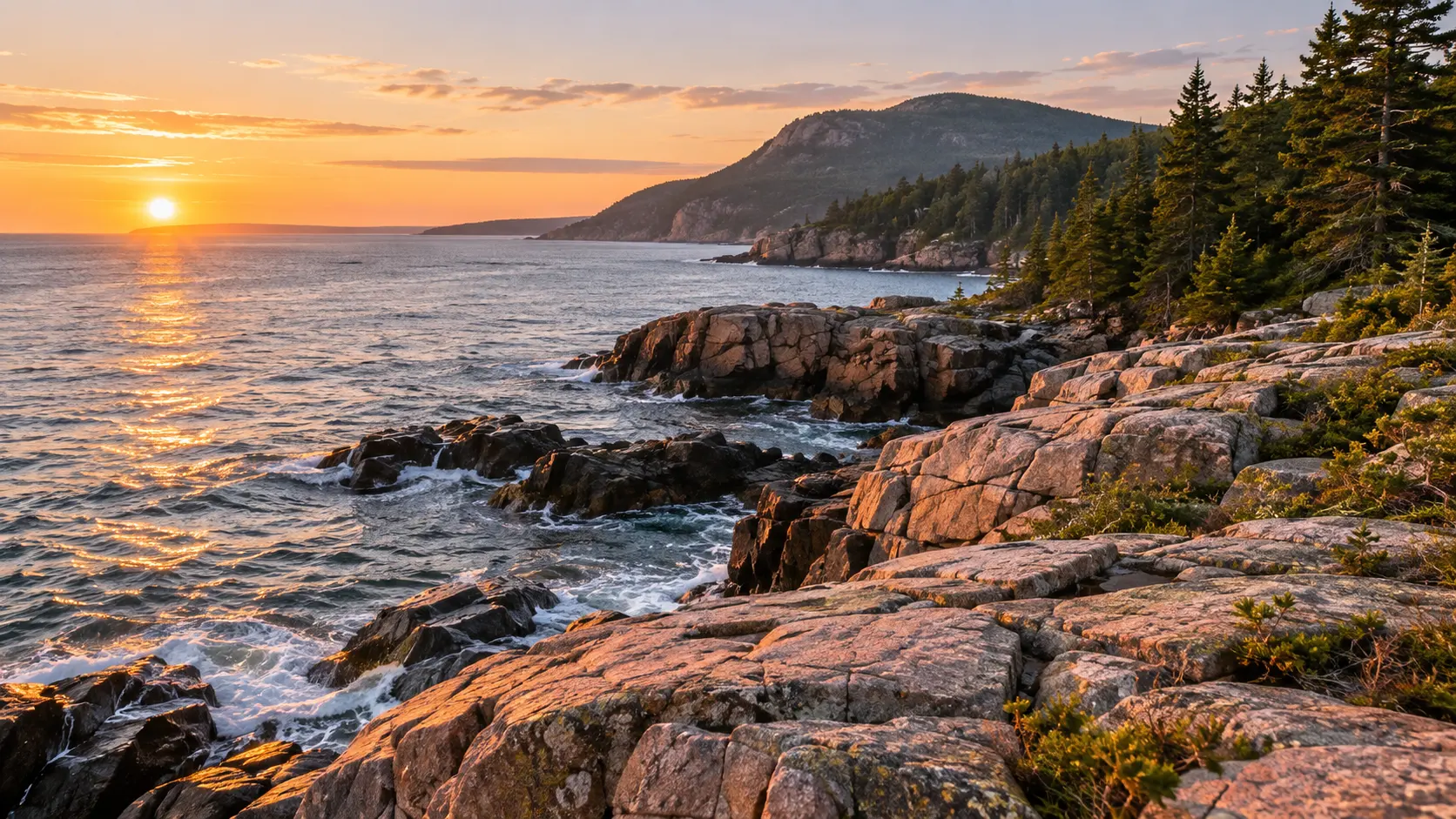
1. Acadia National Park and Mount Desert Island, Maine
Acadia is the East Coast at its most dramatic, with pink granite, dark evergreens, glacial lakes, carriage roads, and Atlantic views packed onto Mount Desert Island. Bar Harbor supplies restaurants and lodging, while quieter island villages offer a softer base.
Choose Acadia for hiking, cycling, paddling, tide-pool viewing, and sunrise rather than a sandy-beach vacation. The official Acadia trip-planning page should be your final check for seasonal roads, parking, shuttles, campground details, and any timed vehicle reservation.
Best fit: Active couples, outdoorsy families, and fall road trips. Know first: Summer and foliage weekends are busy, weather changes quickly, and ocean water stays cold.
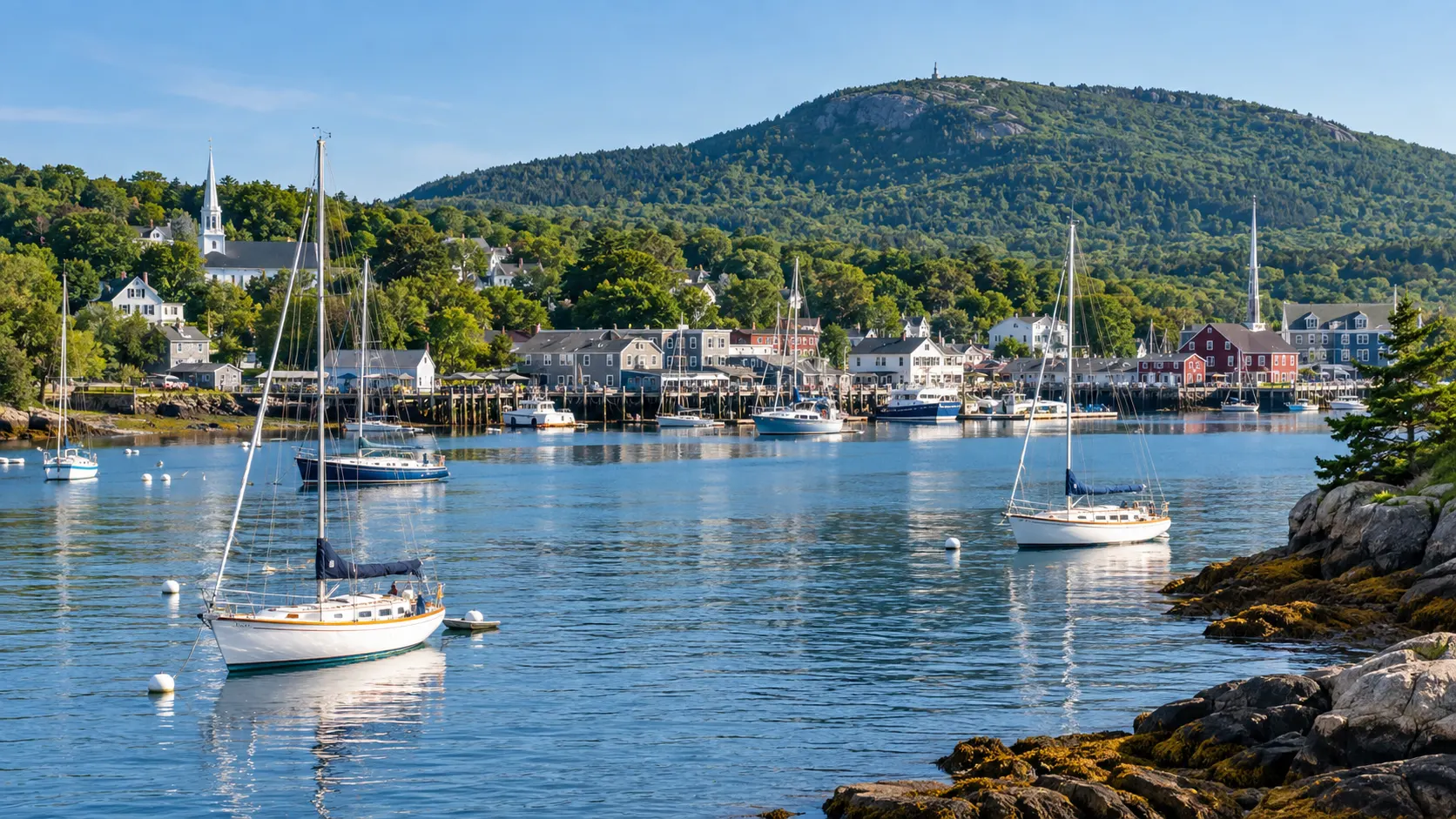
2. Camden and Maine’s Midcoast
Camden places a sailboat-filled harbor below wooded hills, giving you sea and mountain scenery in one tidy frame. Rockland’s museums, nearby lighthouses, small towns, and Penobscot Bay cruises make the wider Midcoast worth several days.
This is the gentler Maine choice when you want coastal drives, galleries, seafood, and moderate walks rather than an all-day national-park itinerary. Late spring through fall is the easiest window, though fog and rain can be part of the mood at any time.
Best fit: Couples, art lovers, sailors, and relaxed road-trippers. Know first: A car makes regional exploring much easier, and summer lodging books early.
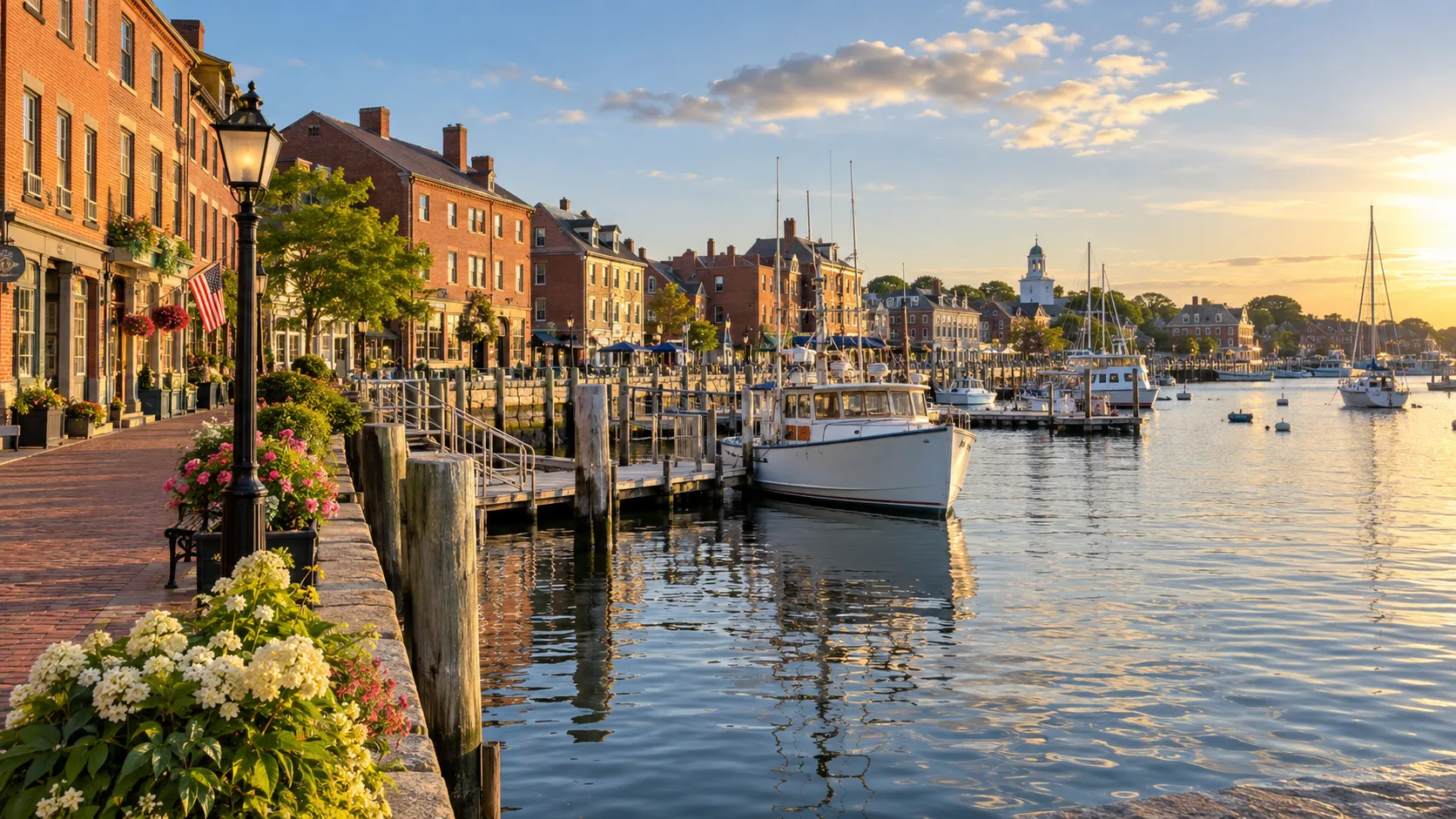
3. Portsmouth and the New Hampshire Seacoast
Portsmouth has brick streets, historic homes, a working riverfront, independent shops, and a compact restaurant scene. Add the beaches and rocky shoreline around Rye and New Castle for a weekend that feels coastal without requiring a long peninsula drive.
The New Hampshire shoreline is short, so this is a mix-and-match destination rather than one endless beach. Summer brings swimming and crowds, while fall is lovely for cool walks and an inland foliage extension.
Best fit: Long weekends, couples, and travelers combining coast with the White Mountains. Know first: Beach parking is limited and often managed by local rules.
4. Cape Cod, Massachusetts
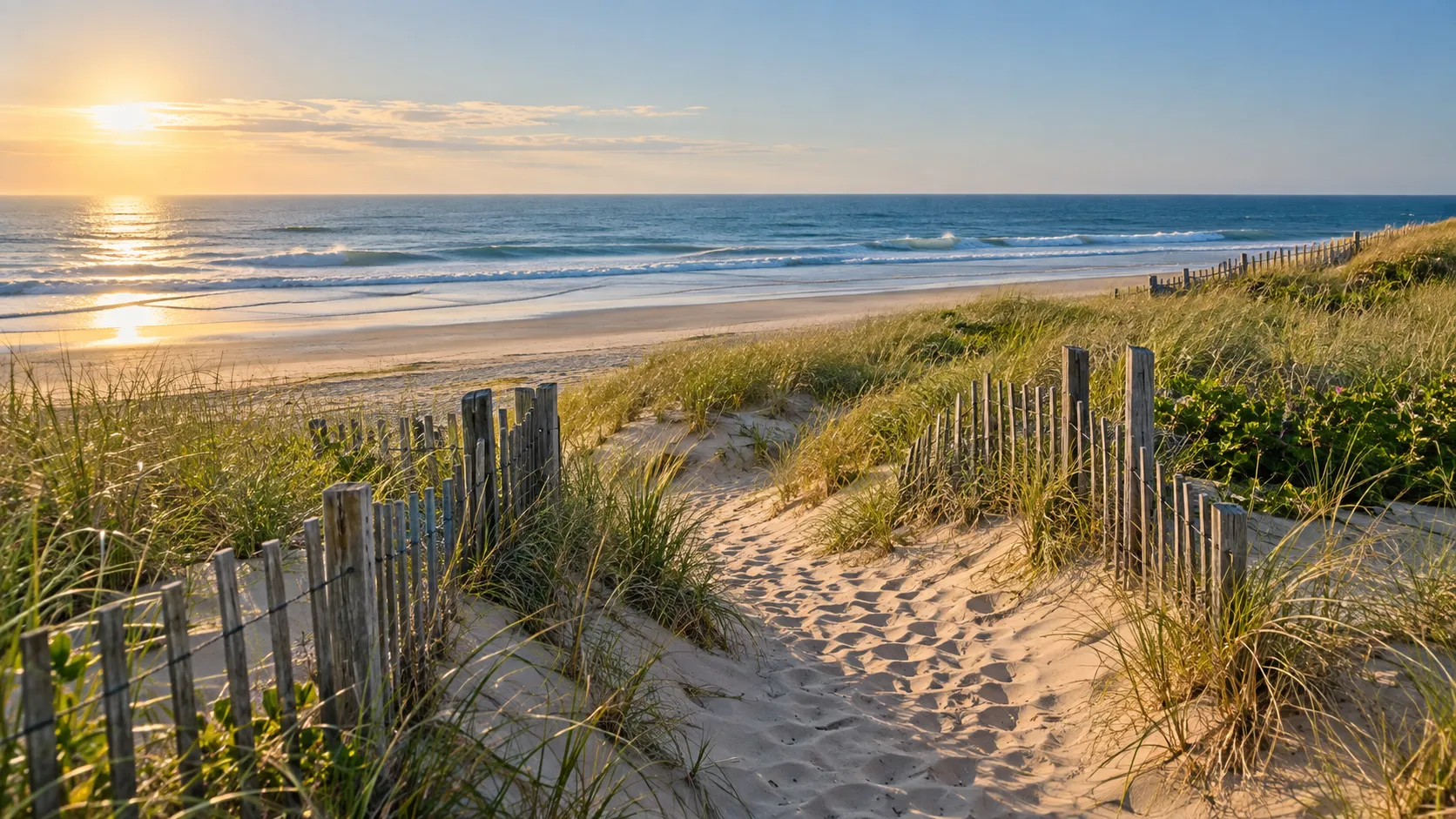
Cape Cod earns its reputation with dune-backed Atlantic beaches, calmer bay shores, kettle ponds, bike trails, harbors, and villages that each have a different personality. Provincetown feels artsy and energetic, Chatham is polished, and the Outer Cape gives you the strongest sense of open coast.
Cape Cod National Seashore protects beaches, trails, historic structures, and sensitive habitat along the Outer Cape. Check the official seashore planning page for current beach access, fees, safety notices, and seasonal services.
Best fit: Families, beach lovers, cyclists, and multigenerational rentals. Know first: Summer traffic and Saturday rental turnovers can consume hours, so stay in the area you most want to enjoy.
5. Newport, Rhode Island
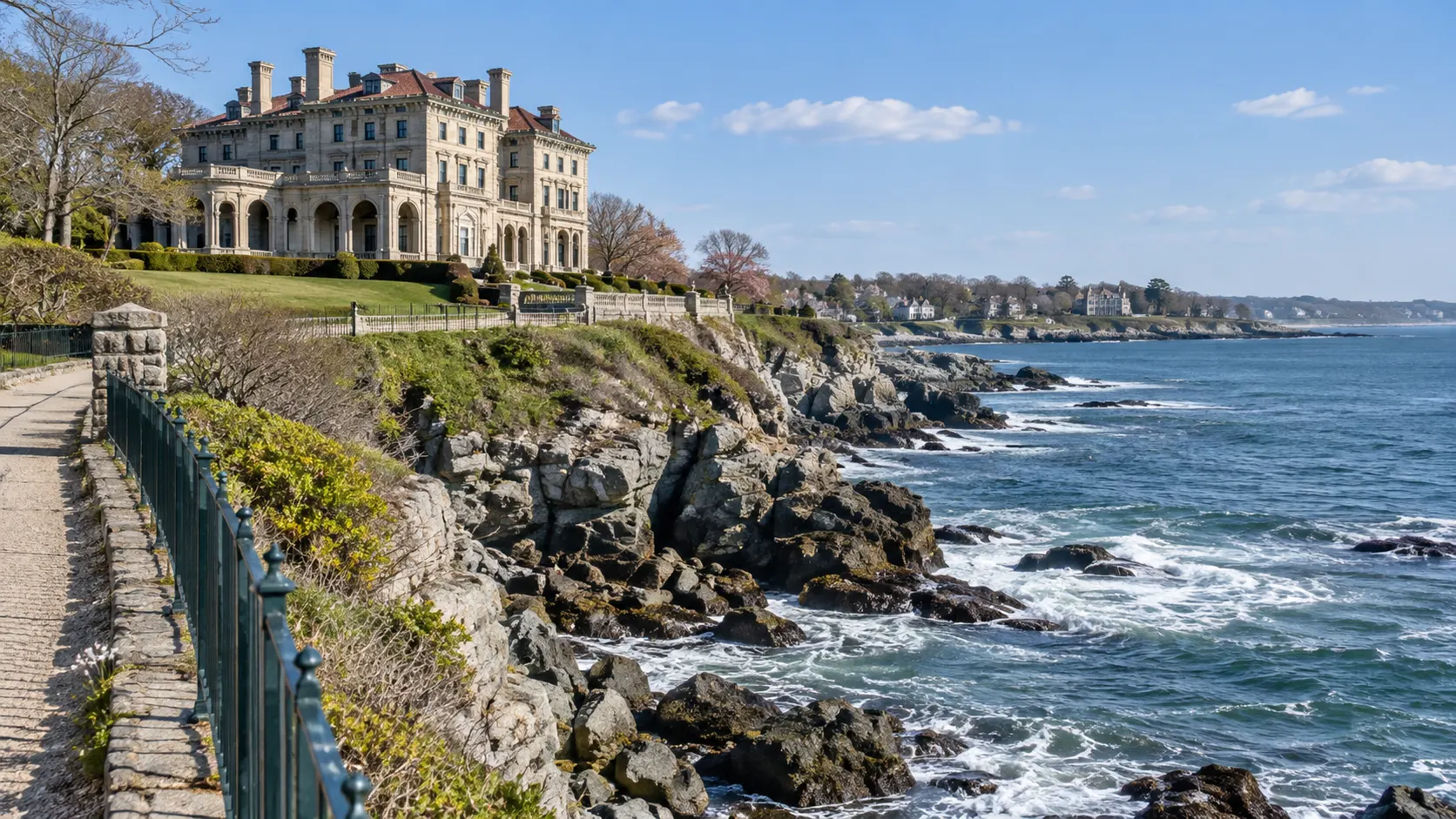
Newport mixes Gilded Age architecture, sailboats, ocean cliffs, and a walkable historic center in a way few East Coast towns can. Tour one mansion, walk a section of the Cliff Walk when conditions allow, then leave time for the harbor instead of turning the day into a checklist.
Late spring and early fall offer the best balance of weather and manageable crowds. Summer is lively and beautiful, but lodging, parking, restaurant reservations, and event weekends demand more planning.
Best fit: Romantic weekends, architecture fans, and travelers who like scenery with polished dining. Know first: The Cliff Walk can close in sections after storm damage, so verify access locally.

6. New York City, New York
New York’s beauty is human-made and gloriously restless: bridges, brownstones, skylines, parks, museums, theater marquees, and neighborhoods that change character within a few subway stops. It is the obvious choice when your ideal vacation combines art, food, walking, and the feeling that the day could go anywhere.
Build each day around one neighborhood cluster rather than ricocheting across the city. Spring and fall are comfortable for walking, winter can be festive, and summer rewards early starts plus strategic air conditioning.
Best fit: First-time city breaks, food trips, theater weekends, and car-free travel. Know first: Hotel room size, mandatory fees, transit work, and attraction reservations deserve attention before arrival.
7. Cape May, New Jersey
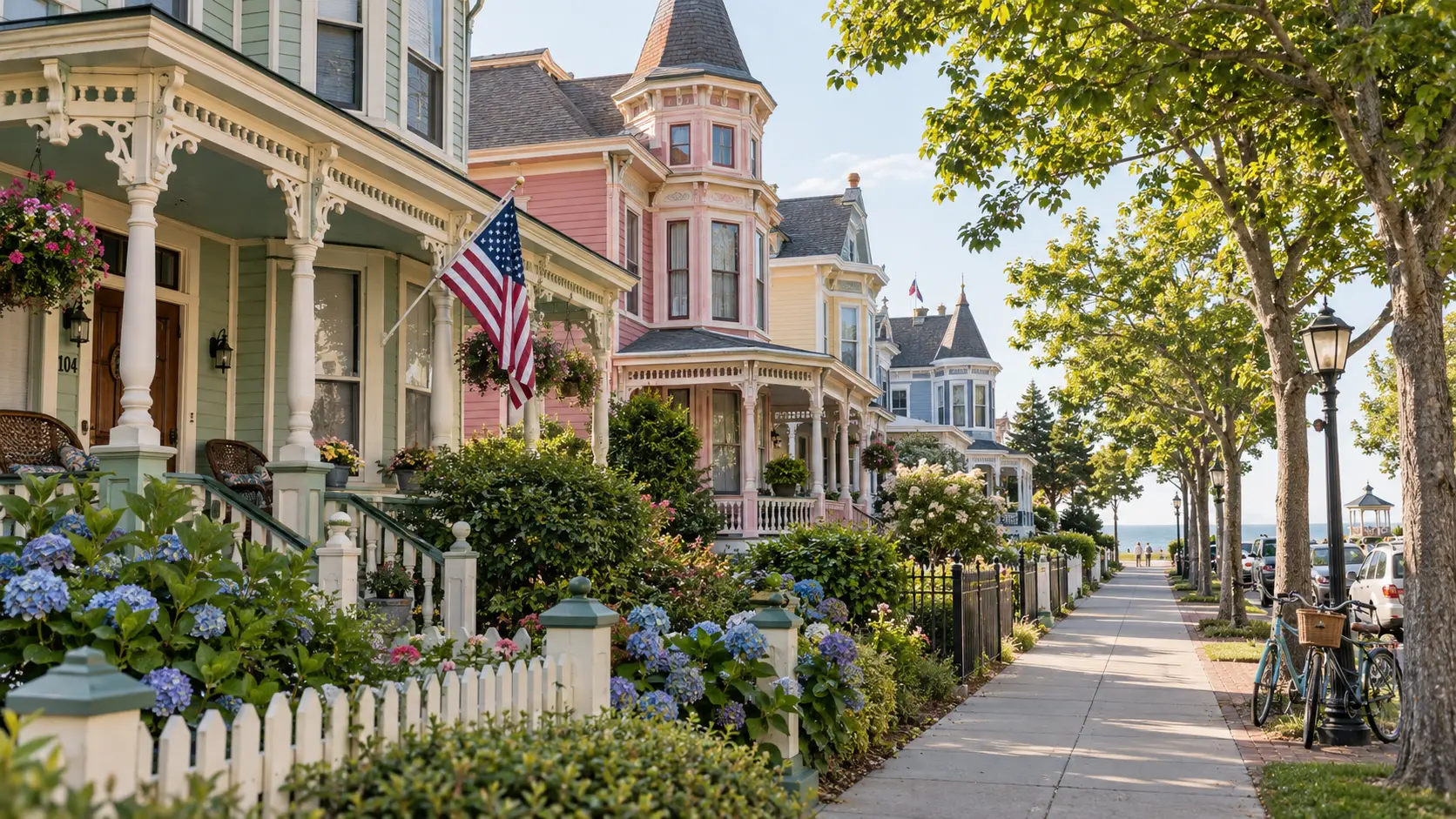
Cape May combines a broad beach with one of America’s most distinctive collections of Victorian-era architecture. The town feels prettiest in the soft hours, when porch-lined streets, gardens, and painted facades are easier to notice without midday traffic.
Beach days dominate summer, while spring and fall bring bird migration, cooler walks, and a quieter restaurant scene. It works as a contained weekend, although a car helps if you want nature areas beyond the historic core.
Best fit: Couples, birders, and families wanting a traditional beach town. Know first: Beach access, parking, and business hours can be seasonal.

8. Philadelphia, Pennsylvania
Philadelphia belongs on a beautiful East Coast list for its layers: gracious squares, rowhouse blocks, murals, river trails, grand civic buildings, and neighborhoods shaped by centuries of migration. History is a major draw, but the city is much more fun when you pair it with markets, art, parks, and dinner outside the most touristy blocks.
The central areas work well without a car, and two or three days can feel satisfying without being rushed. Spring and fall are especially pleasant, though major events and holiday weekends can raise hotel prices.
Best fit: History lovers, food travelers, museum weekends, and train-based trips. Know first: Attractions use separate ticketing systems, so do not assume one historic-area reservation covers everything.

9. Washington, D.C.
Washington is most beautiful early in the morning, when the monuments have room to breathe and the light catches the Potomac, Tidal Basin, and long ceremonial vistas. Beyond the National Mall, neighborhoods, waterfronts, gardens, embassies, and nearby trails make the capital a much broader vacation than a civics lesson.
Many Smithsonian museums do not charge admission, although timed passes may still be required for certain museums or exhibits. Spring blossoms are famous but crowded, while fall often gives you comfortable walking weather and fewer school groups.
Best fit: Families with older children, museum lovers, and budget-conscious city breaks. Know first: Security procedures, timed entry, and distances across the Mall slow a packed itinerary.
10. Assateague Island, Maryland and Virginia
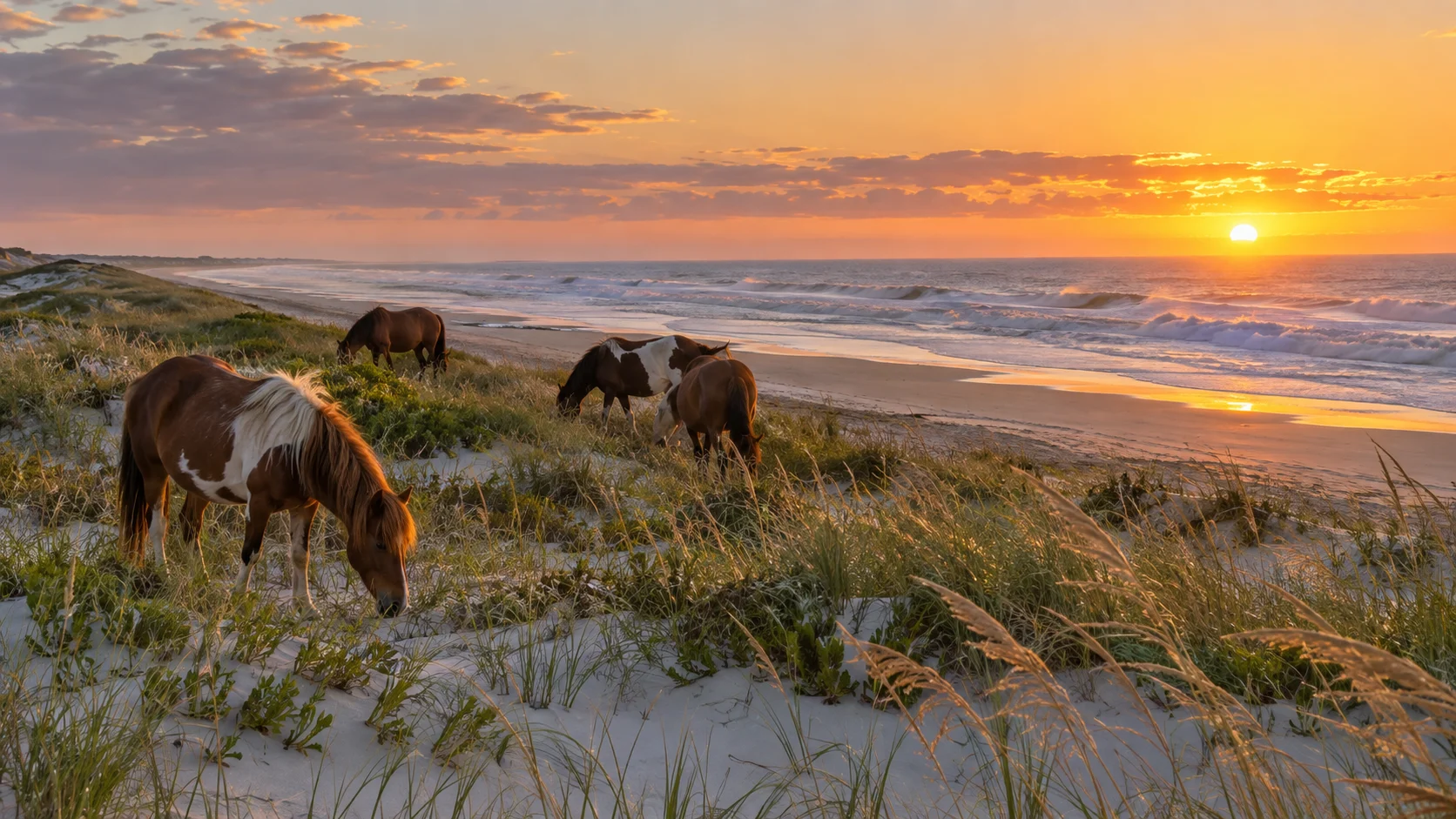
Assateague is a barrier island of beaches, dunes, salt marsh, maritime forest, and free-roaming horses. It feels wonderfully wild compared with the developed resort towns nearby, but the animals are wildlife rather than photo props.
The National Park Service manages the Maryland side alongside other agencies, while Virginia access and operations differ. Use the official Assateague planning page for current camping, swimming, insect, vehicle, pet, and wildlife-distance information.
Best fit: Campers, paddlers, birders, and beach lovers who value nature over nightlife. Know first: Heat, biting insects, storms, and exposed campsites can be intense, and feeding or approaching horses is dangerous.

11. Shenandoah National Park and the Blue Ridge, Virginia
Shenandoah trades salt air for layered blue ridges, waterfalls, forest trails, and Skyline Drive overlooks. It is an easy nature add-on from Washington, but the park deserves more than a rushed scenic lap if hiking and quiet are the point.
Continue south on the Blue Ridge Parkway only with realistic drive times because the route is slow, winding, and vulnerable to weather or construction closures. The parkway’s official conditions and planning pages are essential before building an overnight route.
Best fit: Fall foliage, hiking weekends, scenic drives, and cabin stays. Know first: Popular trailheads fill, cellular service can be weak, and mountain weather is not the same as the city forecast.
12. The Outer Banks, North Carolina
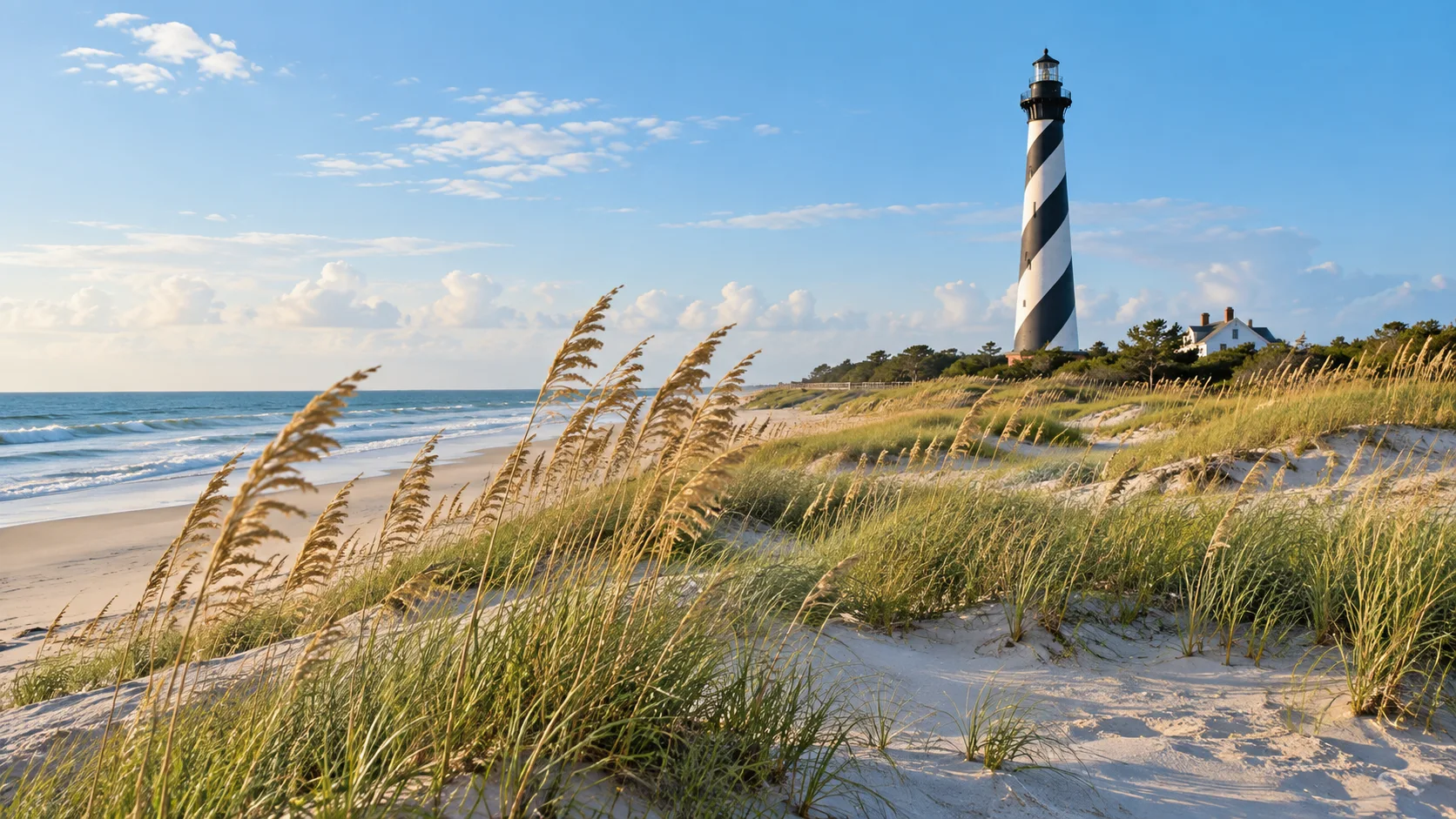
The Outer Banks stretch into a long ribbon of dunes, beaches, sounds, maritime history, wildlife habitat, and towns with very different levels of development. Corolla and Duck feel different from Hatteras and Ocracoke, so choosing “the Outer Banks” is only the beginning.
My guide to the lighthouses of the Outer Banks helps organize the coast into practical clusters. Do not try to connect every lighthouse in one day because ferries, summer traffic, climbs, closures, and island distances quickly take over.
Best fit: Beach houses, families, fishing, lighthouse trips, and quiet shoulder seasons. Know first: Hurricane risk, rip currents, ferry logistics, and grocery distance vary sharply by island.
13. Charleston and the South Carolina Lowcountry
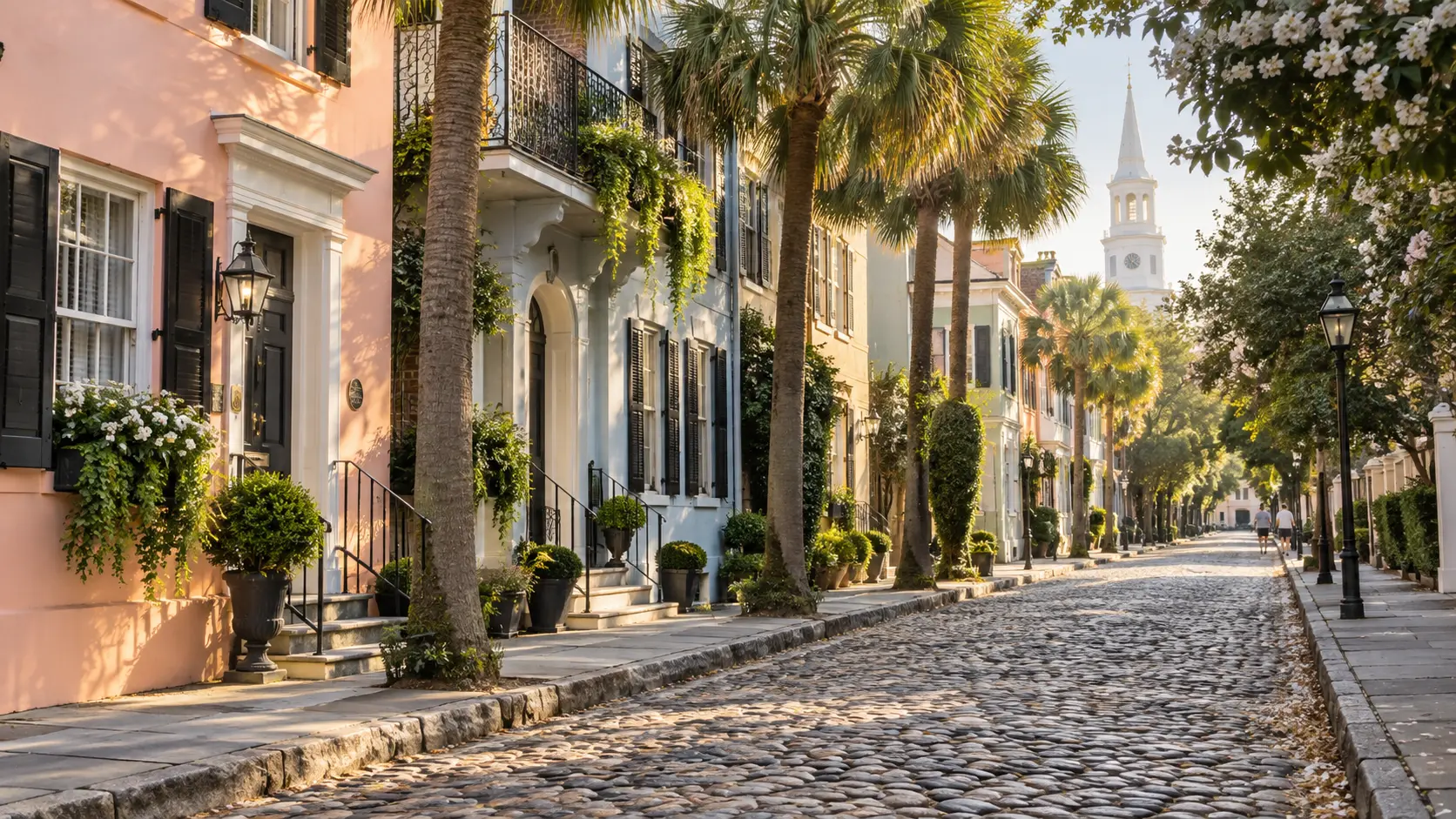
Charleston’s beauty comes from shaded streets, historic buildings, church steeples, gardens, and the broad tidal landscape surrounding the peninsula. Food is a major pleasure here, but the city’s history includes slavery and the wealth built from it, which deserves more than a romantic carriage-tour gloss.
Combine the walkable core with one carefully chosen beach, historic site, or marsh outing rather than spending the whole trip in traffic. Spring is gorgeous, fall is gentler, and summer brings serious heat, humidity, and storm risk.
Best fit: Food weekends, architecture, history, and couples trips. Know first: Flooding can affect low streets even on sunny days, so check local conditions and parking.
14. Savannah and the Georgia Coast
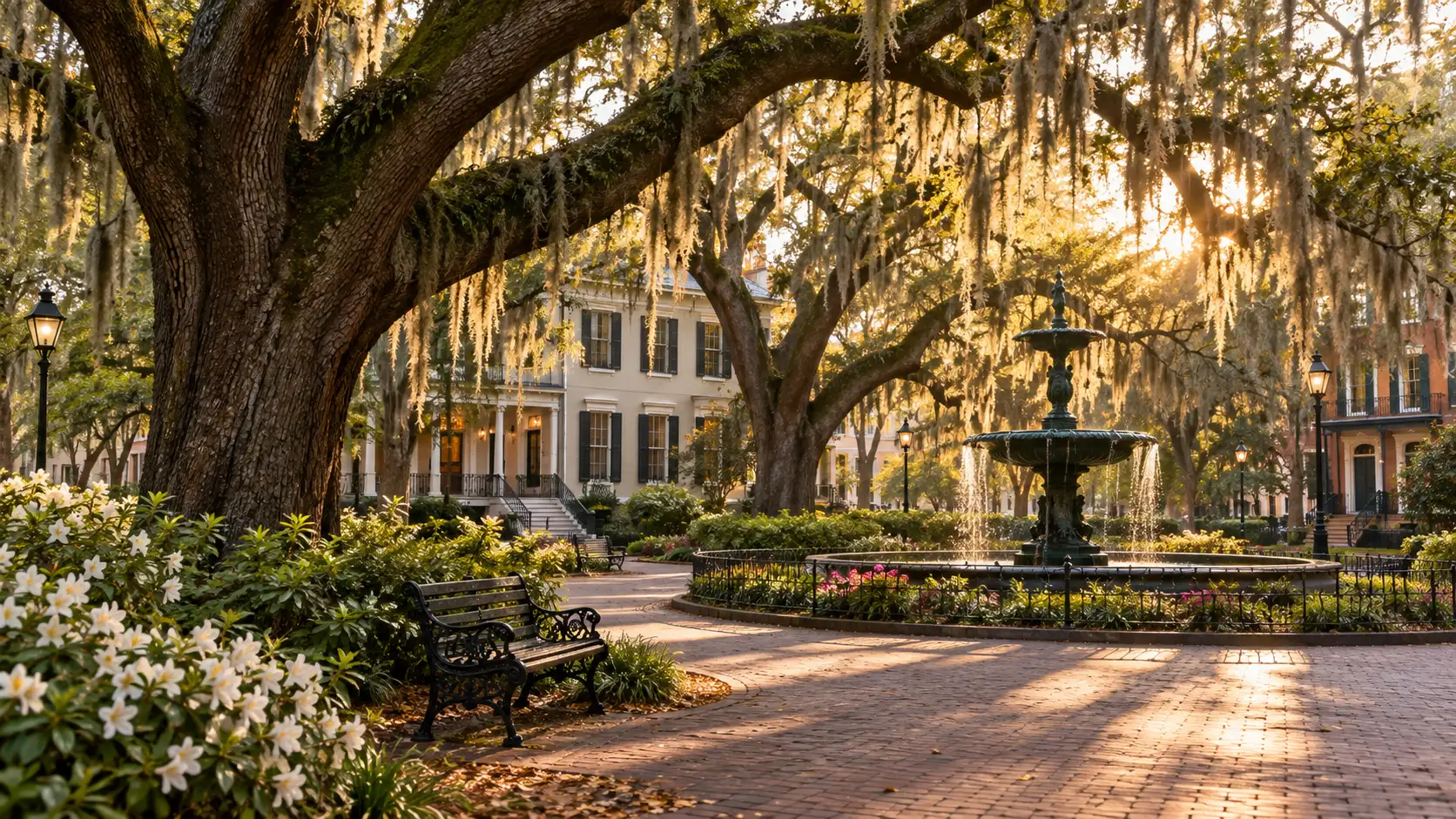
Savannah’s live oaks, squares, ironwork, and layered streets create one of the East Coast’s most atmospheric city walks. The riverfront is lively, but the quieter squares and residential blocks are where the city becomes more than a weekend backdrop.
Add Tybee Island for beach time or choose a separate coastal stay when the ocean is the priority. Savannah is beautiful year-round, though spring demand is high and summer heat can turn a charming stroll into a determined march between cold drinks.
Best fit: Walkable weekends, architecture, food, and easy city-plus-beach combinations. Know first: Historic surfaces, steps, heat, and nightlife noise can affect accessibility and hotel choice.
15. Saint Augustine, Florida
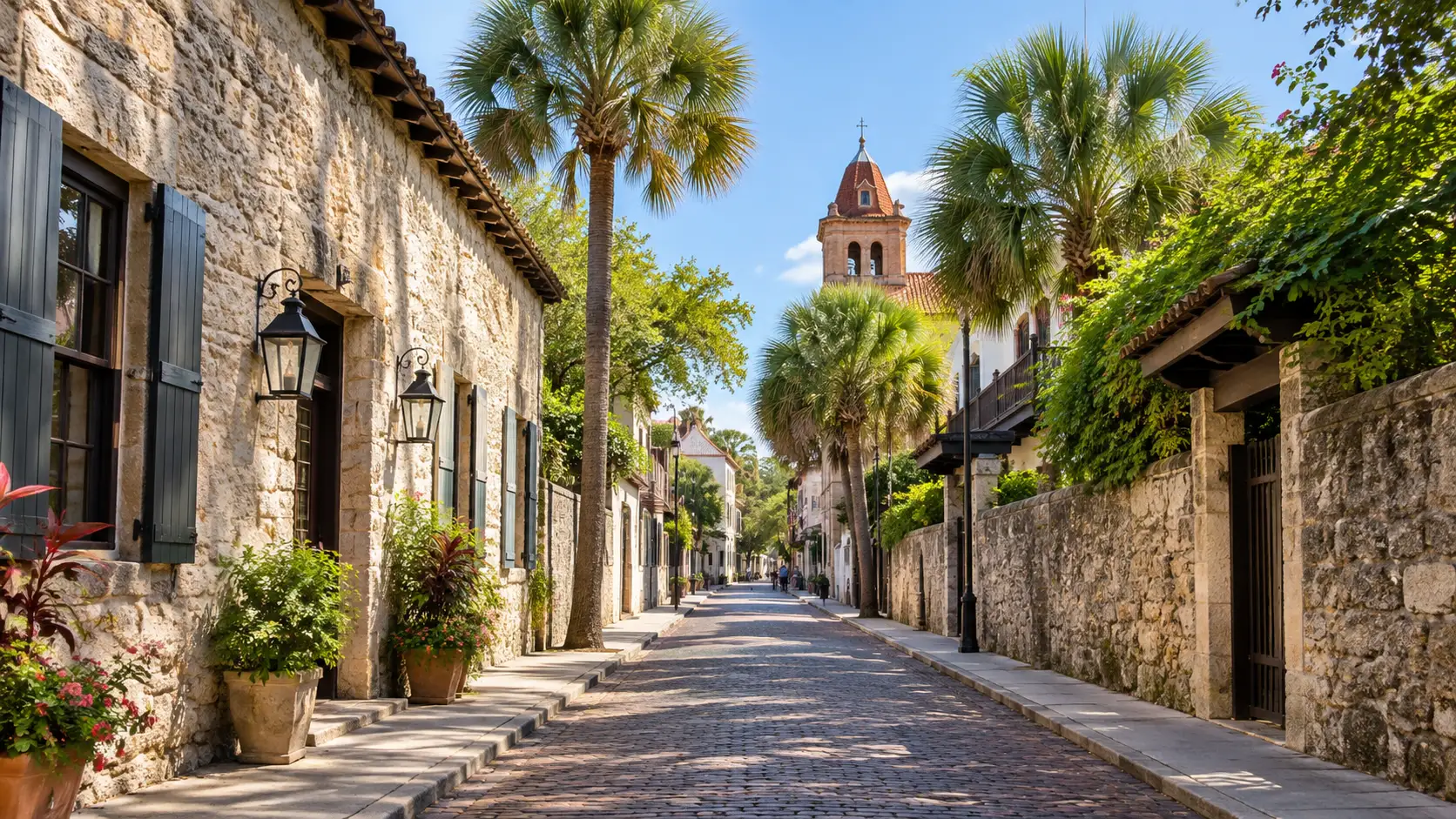
Saint Augustine brings together a walkable historic core, coquina walls, waterfront views, old streets, and Atlantic beaches a short drive away. It is a smart Florida option when you want history and atmosphere alongside sunshine rather than a resort-only trip.
Winter and spring are comfortable but popular, while summer is hot, humid, stormy, and busy with families. Stay near the historic district if evening walks matter, or nearer the beach if sand and water are the daily priority.
Best fit: Families, history weekends, and travelers pairing a town with beach days. Know first: Parking and pedestrian crowds can be frustrating at peak times.
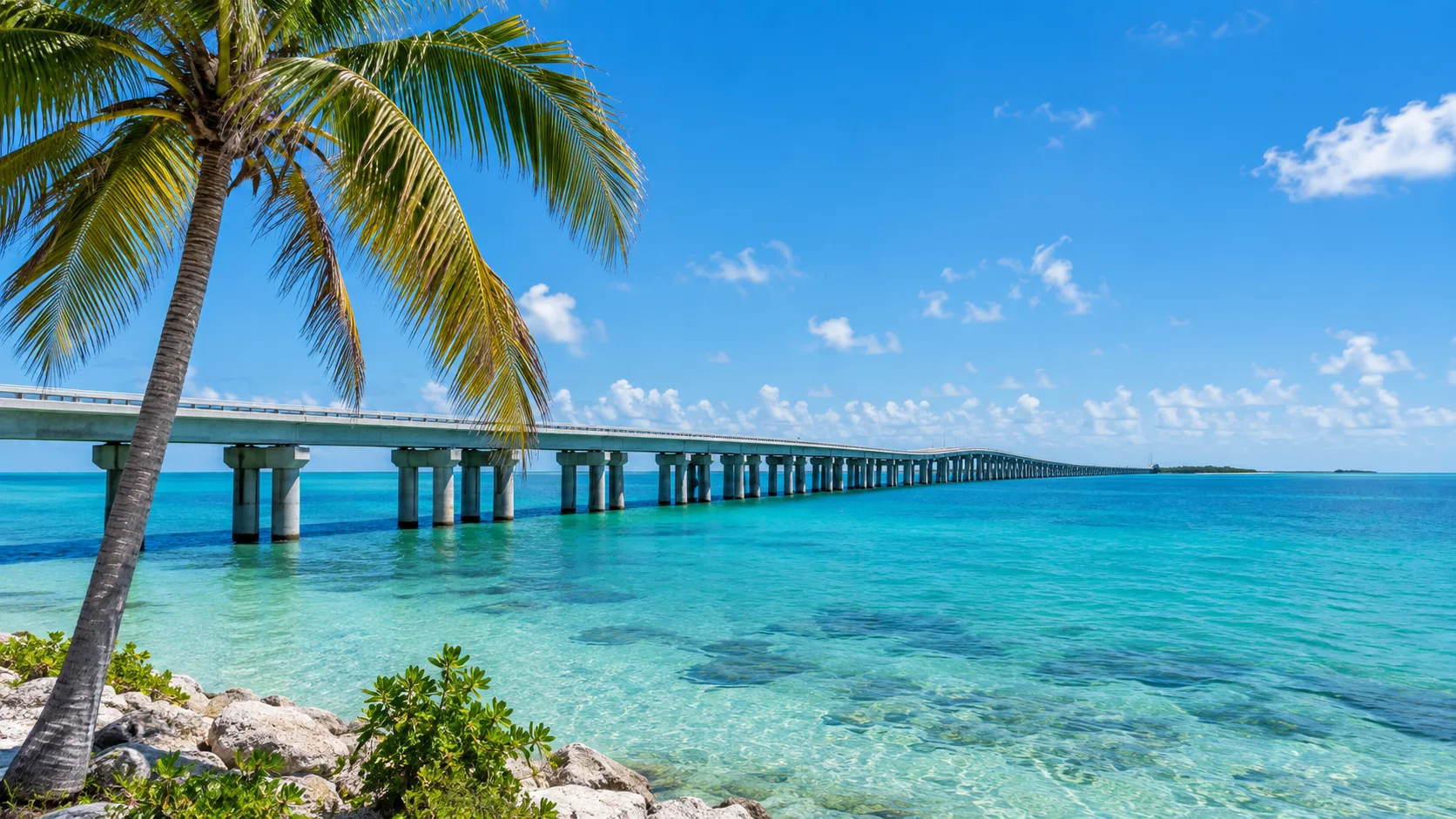
16. Miami and the Florida Keys
Miami gives you Art Deco geometry, tropical color, Biscayne Bay, international food, beaches, and a city pulse that continues long after sunset. The Florida Keys slow the scenery into mangroves, bridges, shallow turquoise water, fishing towns, and a road trip that feels far from the mainland.
Do not squeeze Miami, the entire Overseas Highway, and Key West into one rushed weekend. Choose a city-and-beach break or a Keys road trip, then leave room for traffic, weather, and stops that looked unimportant on the map.
Best fit: Winter sun, nightlife, food, snorkeling, and scenic drives. Know first: Hurricane season, heat, expensive lodging, reef conditions, and long drive times require flexible planning.
A worthy bonus: Dry Tortugas National Park, Florida
Dry Tortugas is a remote national park of open water, coral reefs, birdlife, and massive Fort Jefferson roughly 70 miles west of Key West. There is no road, so ferry, seaplane, or private-vessel access controls the entire day.
The National Park Service planning page should be checked for closures and current conditions, while my detailed Dry Tortugas guide explains why transportation must be booked before the rest of the plan. This is a spectacular add-on, not a casual drive from a Key West hotel.
Best East Coast spots by season
Spring
Shortlist Washington, Charleston, Savannah, Shenandoah, Cape May, and Saint Augustine. Expect festival dates, blossoms, and school breaks to create price spikes even when the general season sounds quieter.
Summer
Choose Maine, Cape Cod, Newport, New Hampshire, Assateague, or the Outer Banks for classic coast time. Book lodging and essential transportation early, but keep weather and water conditions flexible.
Fall
Acadia, Maine’s Midcoast, the Hudson-to-Blue Ridge corridor, Philadelphia, and New York shine in fall. Foliage does not follow a guaranteed calendar, so build the trip around a place you will enjoy even if the leaves are early or late.
Winter
Miami, the Keys, Saint Augustine, Savannah, and Charleston offer the strongest chance of mild weather, though cold snaps still happen. Northern cities can be lovely and cheaper outside holidays if you are comfortable with short days and possible snow.
How to turn this list into a real itinerary
Pick one anchor destination for a short trip and no more than two neighboring regions for a week. East Coast traffic, bridges, ferries, beach parking, and mountain roads make mileage a terrible stand-in for travel time.
Use my collection of practical travel tips to compare transport, weather, reservations, and total cost. A beautiful vacation feels far less beautiful when every day begins with repacking and a race for parking.
For a first trip, these combinations are especially workable:
- Five days: Acadia plus Maine’s Midcoast
- Four days: Boston gateway plus one Cape Cod base
- Three days: New York, Philadelphia, or Washington as a single city
- Seven days: Shenandoah plus a deliberate Blue Ridge section
- Five days: Charleston plus Savannah
- Seven days: Miami plus one or two Florida Keys bases
The bottom line
For raw coastal scenery, start with Acadia, Cape Cod, Assateague, or the Outer Banks. For beauty with restaurants and architecture close at hand, Newport, New York, Charleston, Savannah, Saint Augustine, and Miami make easier city-based escapes.
The best East Coast vacation spot is the one that fits your season, pace, and favorite kind of day. Choose one landscape you genuinely want to wake up to, leave space for weather, and let the coast be a vacation rather than a collection challenge.