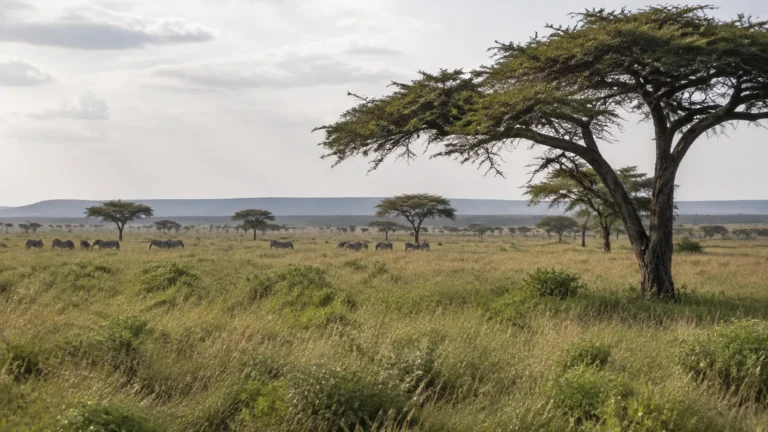
Egypt Travel Tips: Entry, Safety, Routes and What to Expect
Egypt is not a trip to improvise from a list of famous names. The right visa, a realistic Cairo and Nile route, heat-aware sightseeing, a trusted transport plan, and respect for local law will do more for your vacation than squeezing one more temple into an already punishing day.
Start With the Current Entry Rules
U.S. citizens currently need a visa and a passport valid for six months, with at least one blank page. A tourist e-Visa or qualifying visa on arrival may work for an ordinary vacation, but border crossing, passport type, nationality, work, study, and longer stays can change the answer.
Egypt’s official e-Visa portal lists eligible nationalities, documents, and fees, and asks applicants to apply at least seven days before departure. Print the approval and carry your itinerary and hotel details rather than trusting that a phone screenshot will settle every question.
Commercial sites imitate the official portal and may charge much more. Use the government domain, confirm every passport number and date before submitting, and remember that a visa does not guarantee admission.
The current U.S. State Department Egypt page says eligible U.S. travelers can also obtain a 30-day visa on arrival at Egyptian airports for a fee paid in U.S. cash. Rules and fees can change, so verify again before flying and never assume a land border offers the same process.
Read the Advisory Map, Not Just the Number
Egypt is currently Level 2, Exercise Increased Caution, due to terrorism, crime, and health concerns. The advisory says not to travel to Northern and Middle Sinai, Egyptian border areas, or the Western Desert except under the specific licensed-tour exception it describes.
Cairo, Giza, Luxor, Aswan, and the standard Nile corridor require normal serious planning, but they are not interchangeable with restricted desert and border regions. Check the map for every excursion, especially trips marketed vaguely as “desert,” “Sinai,” or “border” adventures.
Avoid demonstrations and political gatherings even if you are only observing. People have been detained for proximity to protests or for social-media content viewed as critical, and casual photography around security sites can create legal trouble.
Keep passport and visa copies accessible, leave your route with someone at home, enroll in alerts, and buy medical and evacuation coverage. Emergency and intensive care can be limited outside major cities, so insurance is practical planning rather than paperwork.
Choose an Egypt Route That Can Breathe
- Seven days: Cairo and Giza plus Luxor, using a domestic flight to protect time.
- Ten days: Cairo and Giza, Luxor, Aswan, and a three- or four-night Nile sailing.
- Two weeks: Add Alexandria, Abu Simbel, or a properly vetted Red Sea stay rather than another rushed inland transfer.
- History-first trip: Prioritize Cairo, Giza, Saqqara, Luxor, and Aswan.
- Relaxed trip: Pair a shorter archaeology route with a reputable Red Sea resort and licensed water operator.
Cairo to Luxor is not a casual road transfer to tuck between breakfast and check-in. Domestic flights and overnight trains each have baggage, comfort, delay, and schedule tradeoffs, so choose transport before reserving nonrefundable tours.
A Nile cruise normally links Luxor and Aswan, not Cairo and the pyramids. This distinction prevents one of the most common itinerary mistakes, and the site’s Nile cruise planning overview helps compare conventional vessels with smaller sailing styles.
Give Cairo and Giza Enough Time
Allow at least three nights for a first visit to Greater Cairo. One day can cover the Giza Plateau and a museum, while another belongs to historic Cairo, but traffic and security screening make four major attractions in one day unrealistic.
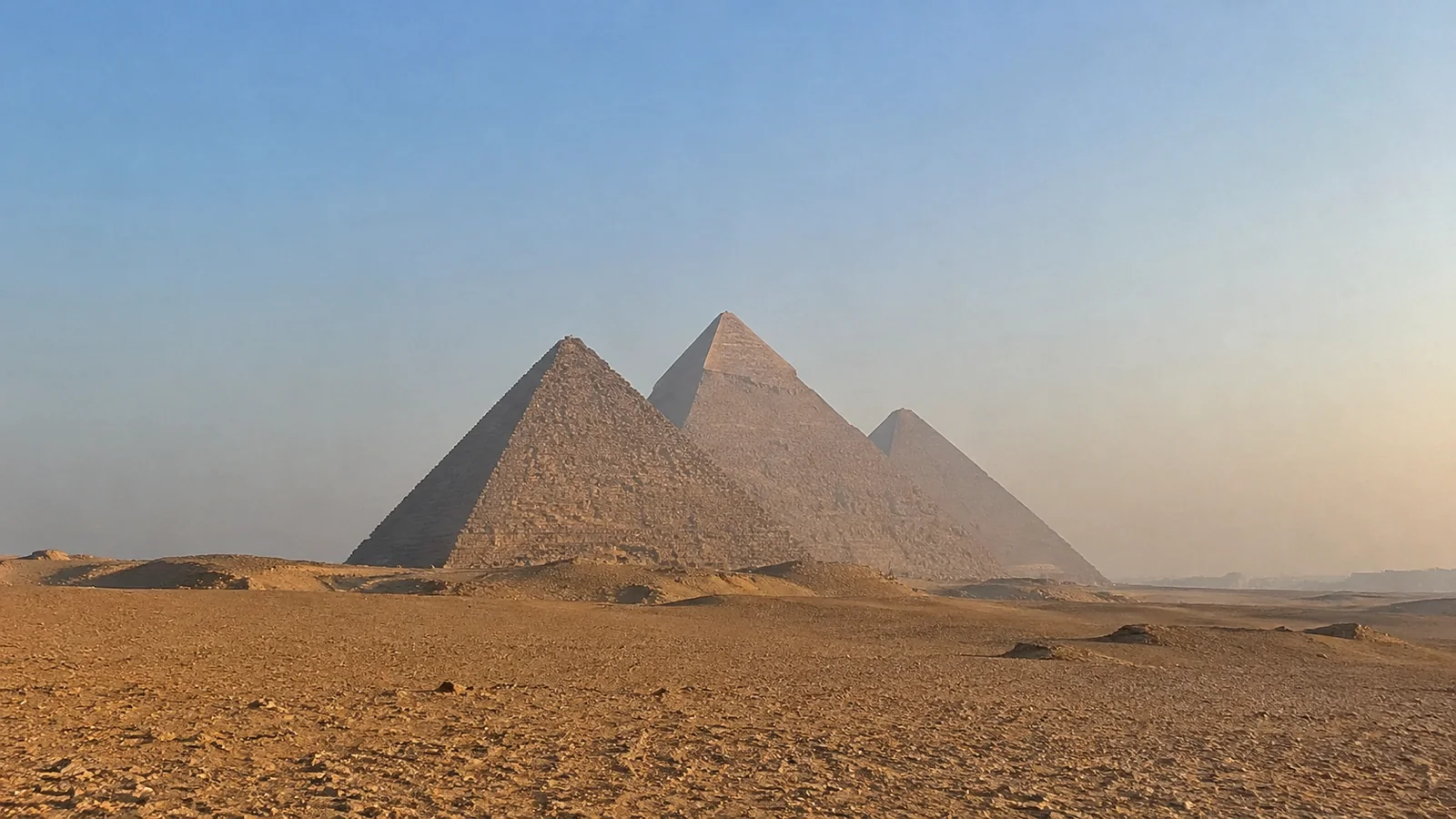
Visit Giza early for cooler air and a better margin before closing. The plateau admission and entry inside an individual pyramid are separate decisions, and neither includes a guaranteed camel ride, guide, or every vehicle transfer.
Use the Ministry of Tourism and Antiquities’ official monument ticket portal to check current opening times, foreign-visitor prices, and available tickets. Do not freeze an old online price into the trip budget when exchange rates and admission policies move.
Choose a museum by collection and location instead of trying to “do the Egyptian museums.” The Grand Egyptian Museum, Egyptian Museum in Tahrir, and National Museum of Egyptian Civilization are separate institutions, and display locations can change as collections develop.
Saqqara adds the Step Pyramid complex and a different archaeological story, but it consumes meaningful road time. Combine it with Giza only with a realistic vehicle and guide plan, not because both look close on a simplified map.
Plan Luxor by Bank and Temperature
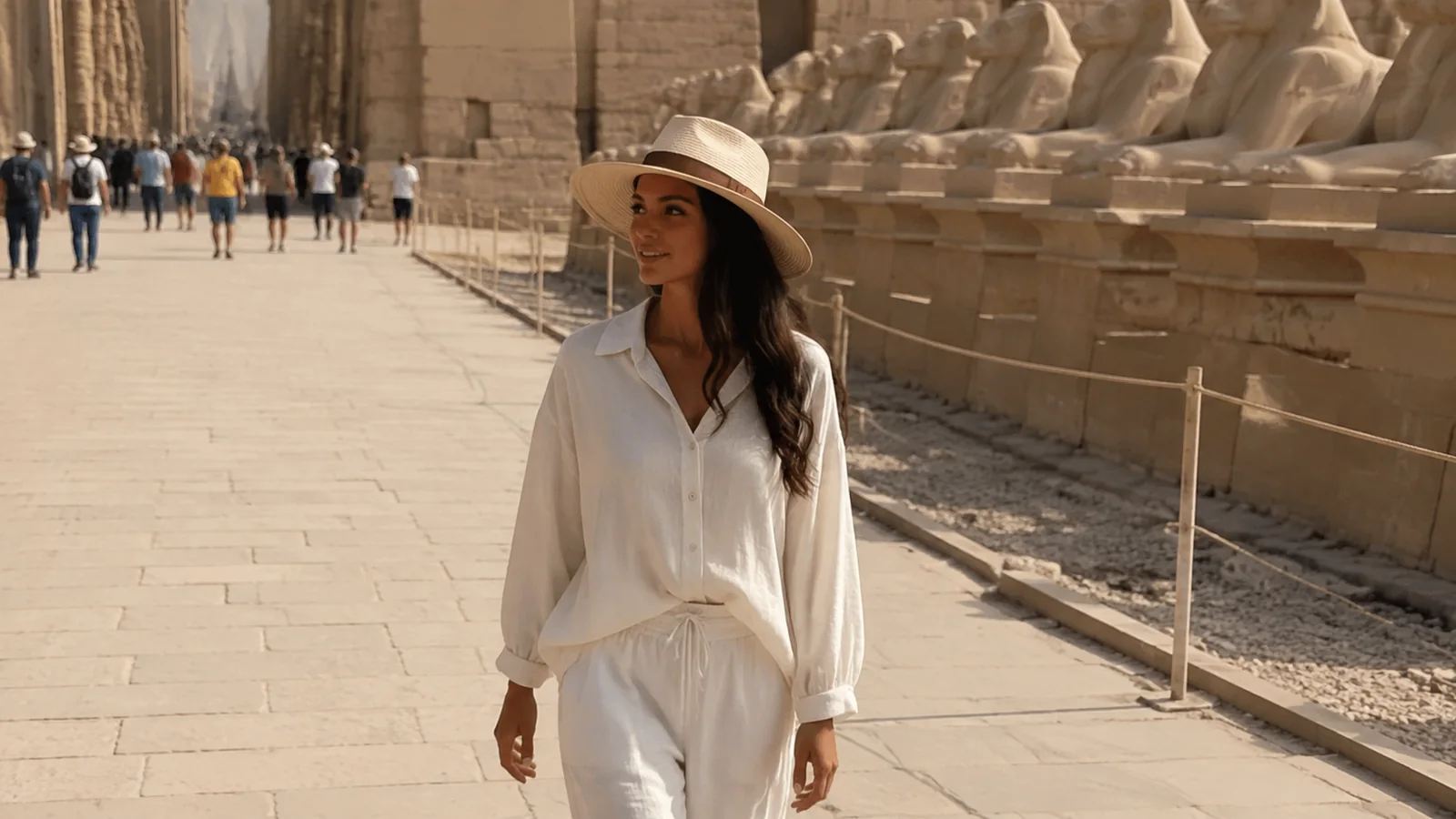
Luxor’s East Bank holds Karnak and Luxor Temple, while the West Bank includes the Valley of the Kings, mortuary temples, and tomb sites spread across a larger area. Grouping sights by bank cuts backtracking and saves energy.
Start a West Bank day early, carry water, and select tombs rather than racing through every available entrance. Tomb access rotates, special tombs may cost extra, and photography rules can differ by site or ticket.
Karnak deserves at least two unhurried hours for most history-focused travelers. Luxor Temple works well later when temperatures ease, but evening crowds and special events can alter the experience.
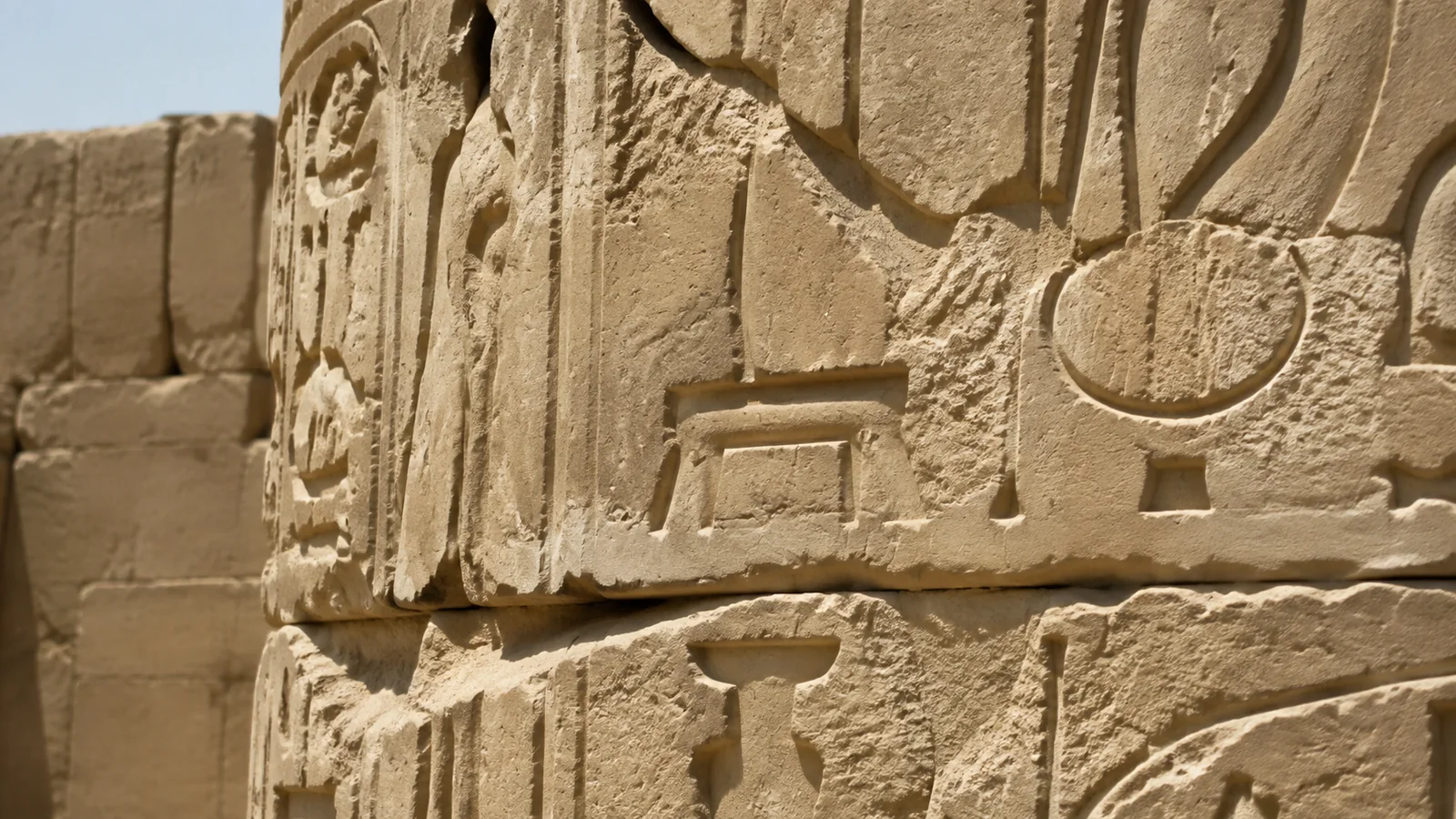
A licensed Egyptologist can add real value in Luxor, where similar-looking reliefs belong to different reigns and religious programs. Agree in advance on languages, entrance fees, transport, shopping stops, gratuities, and whether the guide enters every site with you.
Use Aswan as More Than a Cruise Endpoint
Aswan deserves at least two nights for Philae, the river islands, Nubian cultural experiences, and a slower Nile rhythm. It is also the practical base for Abu Simbel, which requires a very early road departure or a carefully timed flight.
A village visit should not turn homes and residents into scenery. Choose community-led experiences, ask before photographing people, pay agreed prices, and decline animal encounters that do not meet your welfare standards.
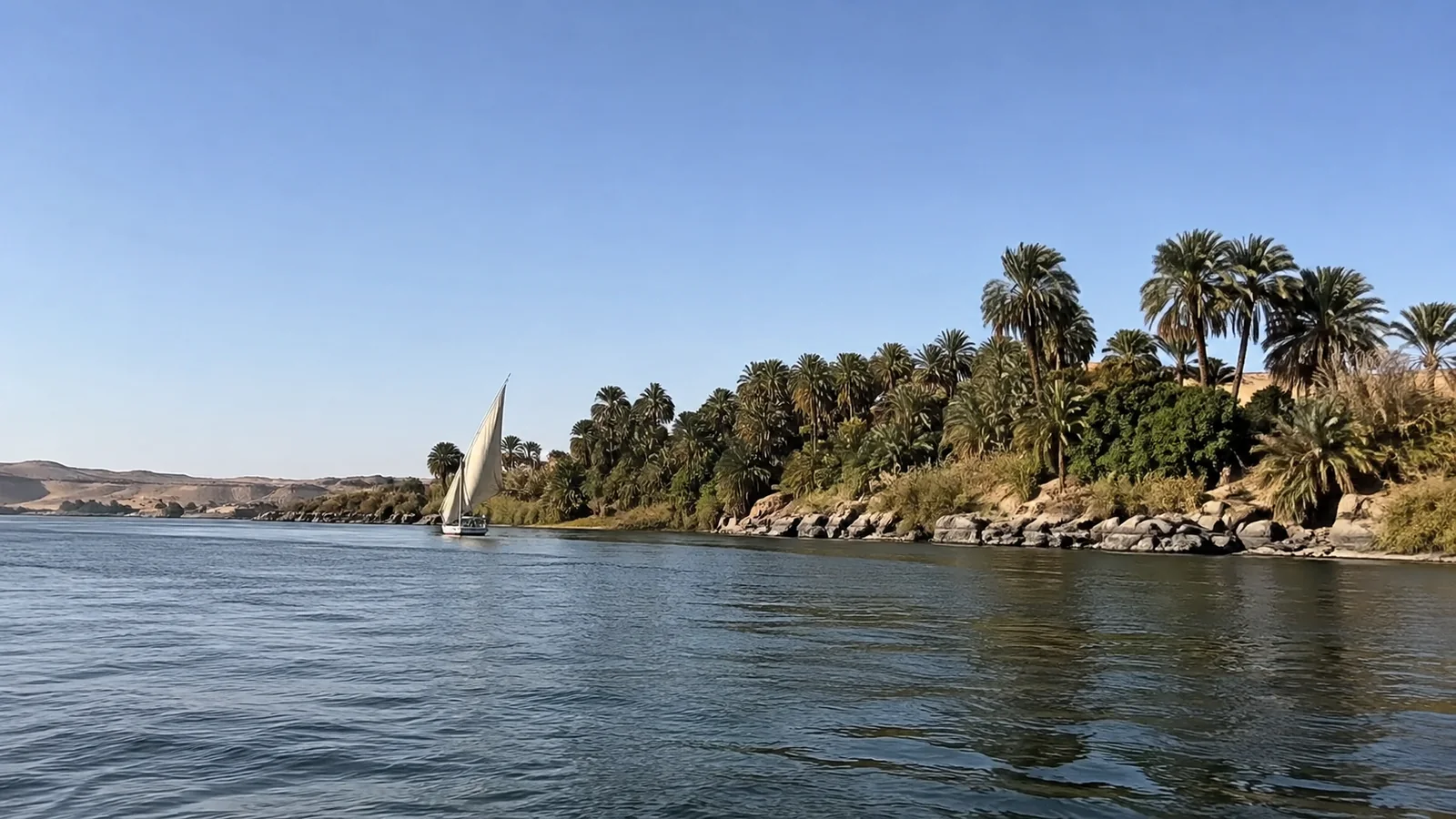
The official tourism site describes most Nile cruises as three- to seven-night sailings between Luxor and Aswan and outlines the corridor on its Egypt practical-information page. Exact port nights, included entrances, and guide arrangements still depend on the operator.
Choose Nile Boats by Operations, Not Chandeliers
Compare itinerary, inspection and safety practices, cabin location, engine noise, docking arrangements, guide group size, included drinks, Wi-Fi, and excursion timing. A polished lounge cannot compensate for unclear emergency procedures or an exhausting convoy of bus tours.
Dahabiyas usually carry fewer guests and can feel slower and more intimate, but sailing depends on wind and often a tug. Larger river vessels provide more facilities and predictable operations, while also bringing bigger groups and possible side-by-side docking.
Ask whether a “five-day” cruise means four nights, what happens on embarkation and disembarkation days, and which visits require extra payment. Also confirm whether Abu Simbel is included, optional, or absent, because that excursion materially changes the schedule.
Take Health and Heat Seriously
See a travel-health professional well before departure and bring a route, not only the country name. The current CDC Egypt traveler page covers routine vaccines, hepatitis A, typhoid, polio, rabies considerations, yellow-fever entry rules, food and water, animal exposure, and heat.
Drink sealed or appropriately treated water, use it for brushing teeth when advised, and be cautious with raw foods, unpeeled produce, ice, and food held lukewarm. Busy, clean-looking restaurants with high turnover are a better bet than a beautiful empty buffet.
Do not swim in untreated Nile or other fresh water because of schistosomiasis risk. Pools and designated Red Sea swimming areas are different, but beach flags, currents, boat conditions, and local instructions still control.
Summer temperatures can turn an ambitious archaeology day into a medical problem. Move key outdoor sights to early morning, schedule an air-conditioned break, drink steadily, replace salts sensibly, and recognize dizziness, confusion, nausea, and an unusual lack of sweating as warning signs.
Check Every Medication Before Packing
Keep medicines in original labeled containers and carry a doctor’s letter with generic names, dosage, condition, and amount. Ask the Egyptian embassy about controlled or uncertain medications because a legal prescription at home does not automatically make a drug legal in Egypt.
Do not bring cannabis, medical marijuana, CBD products, or casual recreational drugs. Penalties are serious, and “I bought it legally” is not a defense at an Egyptian border.
Leave Drones and Sensitive Photography at Home
The State Department states that visitors may not bring drones or satellite phones into Egypt, and confiscated equipment may not be returned. Leave the drone at home rather than counting on a permit arranged after arrival.
Do not photograph police stations, military areas, checkpoints, government buildings, security personnel, accidents, or infrastructure without clear permission. At archaeological sites and museums, obey the current sign and ticket because flash, tripods, video, or commercial equipment may be restricted separately.
Ask people before taking portraits, especially children, vendors, workers, and worshippers. A landscape that includes a checkpoint or sensitive building can still be a problem even when it was not your intended subject.
Prepare for Money, Tipping and Sales Pressure
The Egyptian pound is the local currency, and ATMs are useful in major visitor areas. Carry small notes for toilets, simple tips, and minor purchases, but avoid carrying more cash than the day requires.
Agree on the full price before accepting a camel, horse carriage, boat, photo, guiding service, or “free” gift. Ask whether the figure covers the entire ride, all passengers, return to the entrance, waiting time, and tip.
Baksheesh is woven into many service interactions, but it does not require surrendering control of the budget. Prepare small-note envelopes for drivers, guides, cruise staff, and porters, then follow the operator’s current policy instead of tipping randomly under pressure.
Cards may work at major hotels and official ticketing points, while cash remains useful elsewhere. Decline dynamic currency conversion and let your bank process the charge in Egyptian pounds.
Move Around With a Clear Transport Plan
Cairo driving is not a sensible rental-car experiment for most visitors. Use hotel transport, a reputable app-based service where operating normally, or a vetted licensed driver, and insist on seat belts when available.
Build large traffic buffers around flights, trains, and cruise embarkation. Online maps can be wrong around new roads and construction, and a ten-mile trip can take much longer than the distance suggests.
Overnight train categories, booking access, and foreign-passenger procedures can change. Confirm directly with the operator or a reliable Egyptian agency rather than building the entire vacation around an old timetable.
Dress and Act for the Setting
Lightweight clothing that covers shoulders and knees works for sun protection as well as modesty. Carry a scarf, remove shoes where instructed, speak quietly in active religious sites, and avoid scheduling mosque tourism during major prayers.
Resort clothing belongs at the resort, not automatically in a Cairo neighborhood, village, or place of worship. This is not about erasing personal style; it is about reducing unwanted attention and showing basic respect.
Ramadan changes meal availability, traffic, working hours, evening energy, and expectations around public eating or drinking. Travel remains possible, but current local schedules matter more than a standard itinerary copied from another month.
Women and Solo Travelers Need Direct Advice
Harassment of women, including unwanted comments and contact, is a documented concern. Choose visible pickup points, share vehicle details, avoid isolated platforms or streets after dark, and ask the hotel or tour company exactly how it supports a guest who needs help.
A private guide or driver can reduce logistical friction, but a uniform, badge, or online listing is not enough. Verify the company, keep your own route and phone service, and do not let anyone separate you from your documents.
Solo does not have to mean unsupported. Paying for structure on arrival, at Giza, or during late transfers can be a better use of money than a luxury room with no practical assistance.
Pack for Stone, Sand and Security Checks
- Breathable, modest layers and a warm piece for cool winter mornings
- Broken-in shoes with grip for dust, stone, steps, and uneven tomb paths
- High-SPF sunscreen, sunglasses, and a wide-brimmed hat
- Oral rehydration supplies and a personal travel-health kit
- A secure crossbody bag and small notes stored separately
- A power bank and Type C or F plug adapter
- Printed visa, hotel, insurance, prescription, and emergency details
Know Which Add-On Actually Fits
Jordan pairs naturally with Egypt for travelers focused on archaeology, but two complex border-and-flight systems still require buffer days. Compare the pace with these Jordan historical-site routes before adding Petra to an already crowded week.
A broader cruise can connect Egypt with Mediterranean and Middle Eastern ports, yet port names often hide long drives to major sights. The site’s cruise-port planning directory explains why berth, distance, operating hours, and all-aboard time must lead the decision.

My Bottom-Line Egypt Advice
Choose fewer regions, book the transport between them first, and reserve a licensed guide where the historical complexity or security context justifies one. Cairo plus Luxor is a complete first trip, while Cairo, Luxor, Aswan, and a Nile sailing need closer to ten well-planned days.
Recheck the visa, advisory map, health guidance, attraction tickets, and local restrictions immediately before departure. Egypt can be extraordinary, but it is most rewarding when preparation creates space for wonder instead of asking wonder to rescue weak logistics.