Morocco Travel Tips: Entry, Money, Safety and Routes
Morocco can feel wonderfully cinematic, but a good trip runs on practical details: the right passport validity, enough cash for small purchases, sensible transportation, and an itinerary that respects the distances. These Morocco travel tips will help you enjoy the medinas, coast, mountains, and desert without turning every day into a race.
Morocco entry requirements for U.S. travelers
U.S. citizens visiting as tourists do not currently need a visa for stays of 90 days or less. The State Department’s current Morocco summary lists a passport valid for at least six months at entry and one blank page, so do not gamble on a passport close to expiration.
Rules depend on nationality, passport type, and purpose of travel. Check the airline and the U.S. State Department’s Morocco information shortly before departure rather than relying on an old screenshot.
Carry your first lodging address and return or onward plans where you can reach them offline. A digital passport copy helps with reporting a loss, but it does not replace the physical passport at the border.
Do not overstay the 90-day admission. Current U.S. guidance warns that travelers who stay longer without arranging an extension may have to appear before a judge before leaving and could face a fine.
Leave the drone at home
Drones are prohibited without prior Moroccan government authorization and may be confiscated. Satellite phones are also tightly regulated, so neither belongs in a suitcase on the theory that airport officers probably will not notice.
Firearms, ammunition, religious materials, antiquities, some business equipment, large currency amounts, and high-value jewelry can also be regulated. Ask the appropriate Moroccan authority before travel when an item falls into a gray area.
Understand Moroccan money before landing
The Moroccan dirham, abbreviated MAD, is a controlled currency, but travelers have a limited cash allowance. The Office des Changes permits importing or exporting up to MAD 2,000 in Moroccan banknotes.
Exchange through a bank or authorized office and keep your receipts for converting unused funds back. I would change larger leftovers before departure while keeping a small amount for the final taxi or airport purchase within that allowance.
ATMs that accept U.S.-issued cards are available, particularly in cities. Use a machine attached to an open bank when possible, shield the keypad, and tell the bank about travel if its fraud system requires it.
Cards work at many hotels, larger restaurants, and established stores, but cash still matters in small cafes, markets, taxis, and rural areas. Keep a useful supply of smaller notes because a vendor may genuinely struggle to change a large bill.
When a card terminal offers to charge in U.S. dollars, choose dirhams and let your card network make the conversion. That home-currency option can hide an unfavorable exchange rate.
Tipping and bargaining without the awkwardness
Carry small notes for restaurant service, guides, drivers, porters, and personal services, then ask your host what is locally appropriate. In a souk, bargain politely only when you are genuinely interested, and walk away cheerfully when the price does not work.
Is Morocco safe for tourists?
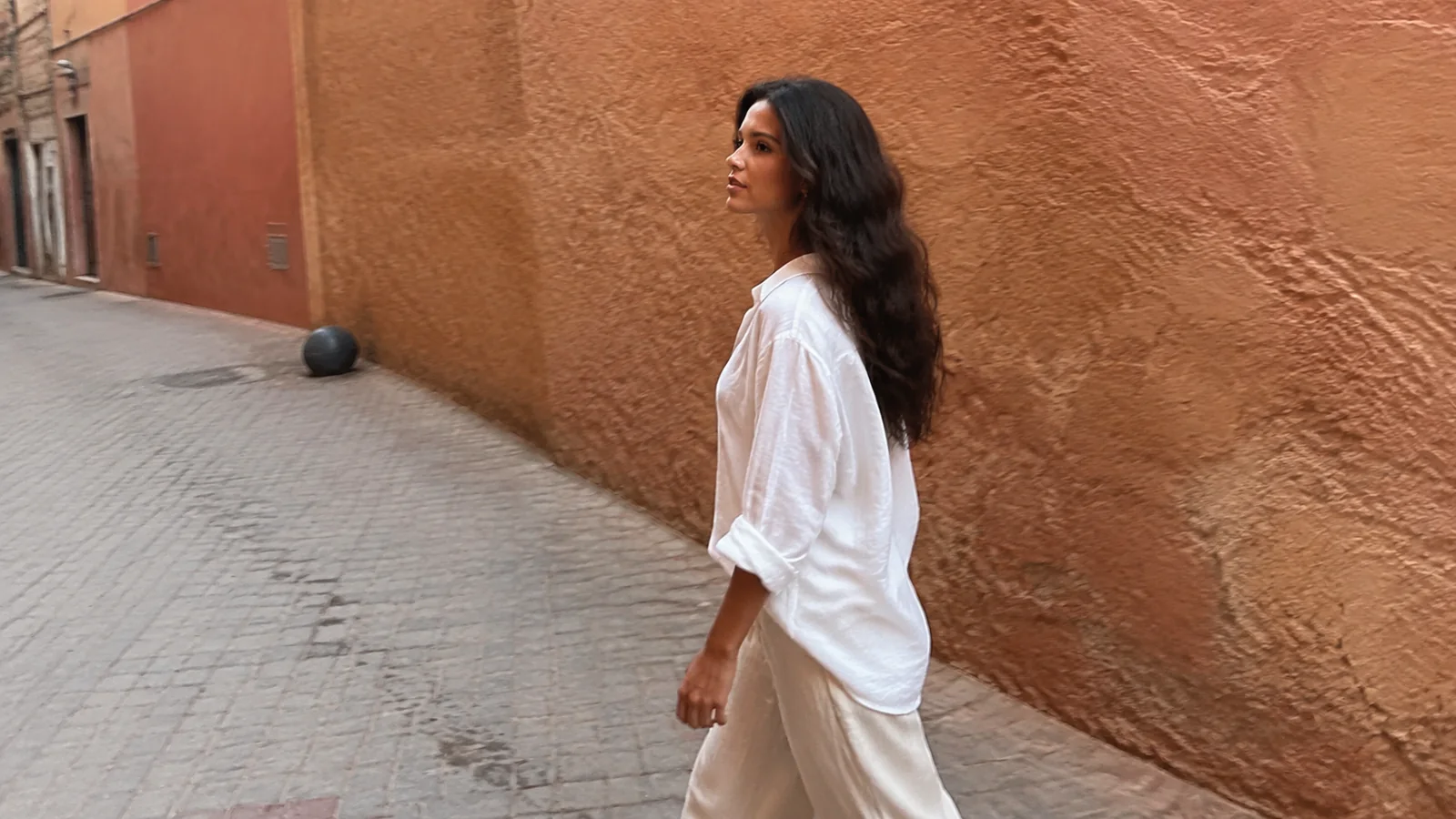
The U.S. travel advisory currently places Morocco at Level 2, exercise increased caution, due to terrorism. It notes that tourist sites, transportation hubs, markets, shopping malls, and government facilities can be potential targets.
That does not mean hiding in the hotel, but it does mean staying aware and avoiding demonstrations and crowds. Check local news when regional events raise tension, and give police activity plenty of space.
Petty theft is a more routine concern in crowded medinas, markets, and public transportation. Wear a crossbody bag toward the front, keep phones away from the road edge, and do not leave valuables on a restaurant chair.
Medina scams and unwanted helpers
A stranger may insist that a lane is closed, an attraction moved, or your lodging is impossible to find, then offer paid guidance. Keep walking toward a landmark, call the riad, or ask a uniformed official or established shopkeeper.
Book licensed guides when you want context and navigation. Confirm the price, duration, inclusions, shopping expectations, and meeting point in writing before the tour begins.
Women may experience persistent comments or unwanted attention, particularly in busy areas. Modest clothing can reduce attention in some settings but never makes harassment the traveler’s fault.
Local laws and cultural respect
Morocco is socially conservative even in tourist cities. Cover shoulders and knees for religious sites and traditional neighborhoods, save beachwear for the pool or beach, and follow posted access rules at mosques.
Public affection can attract unwanted attention, and same-sex sexual relations are criminalized. LGBTQ+ travelers should review current legal and safety guidance and make personal decisions with privacy in mind.
Alcohol is available in licensed venues, but public intoxication and careless behavior can cause serious problems. During Ramadan, eating discreetly and expecting modified business hours is simple courtesy, even though travelers are not generally expected to fast.
Choose the right Morocco itinerary
Marrakech and the High Atlas
Marrakech delivers gardens, palaces, food, shopping, and the full sensory whirl of the medina. Stay inside the old city for atmosphere or in a newer neighborhood for easier vehicle access and quieter evenings.
The High Atlas can be a refreshing counterpoint, but roads and trails may change after storms, snow, or repair work. Confirm access with lodging or a qualified local guide rather than treating every mountain village as a guaranteed day trip.
Fez and Meknes
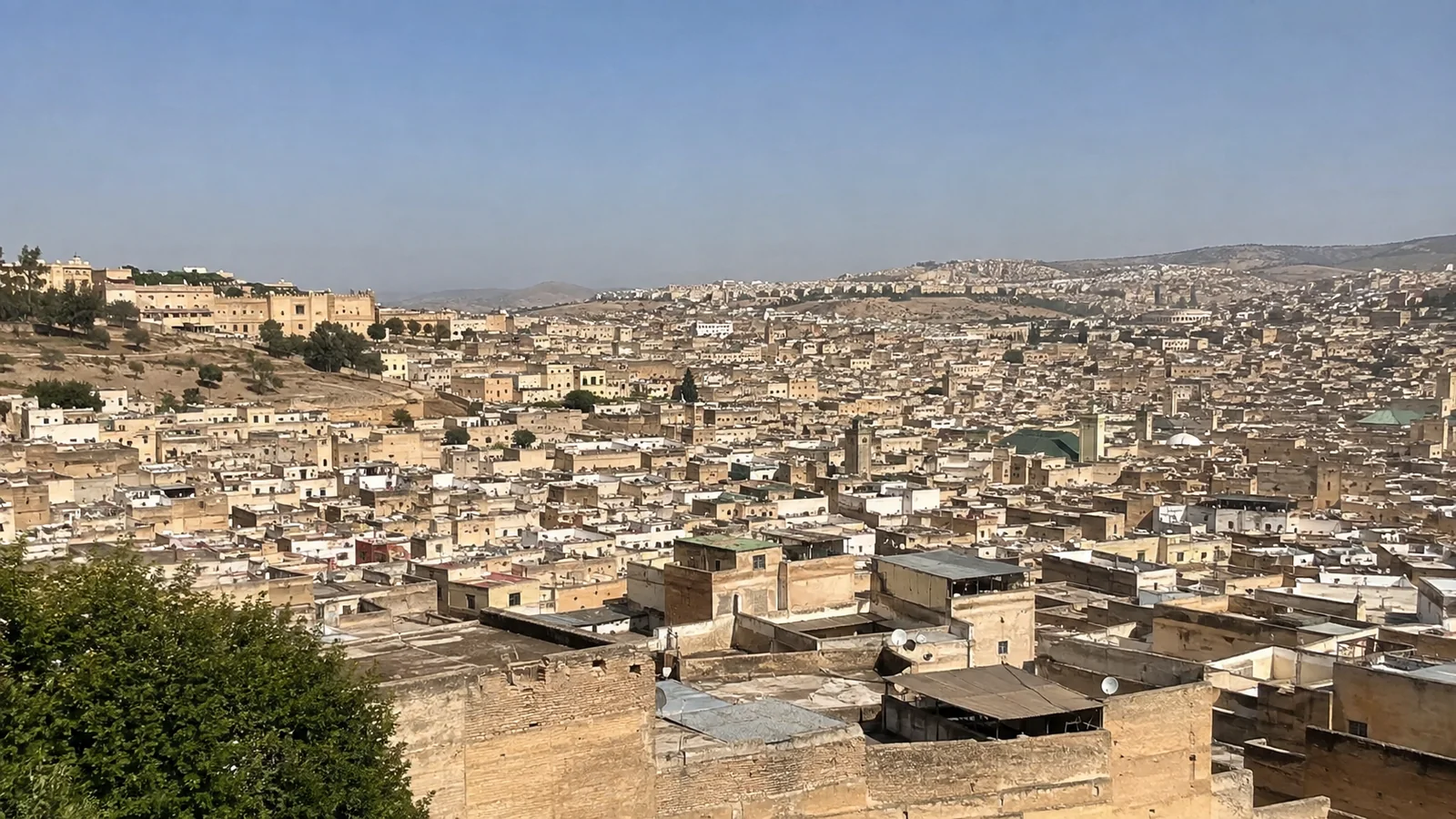
Fez rewards travelers who want craft traditions, architecture, and a medina that deserves unhurried attention. A licensed guide on the first morning can turn an intimidating maze into a place with stories and structure.
Rabat, Casablanca, and Tangier
Rabat feels calmer than Marrakech and combines museums, Atlantic views, historic sites, and the practical rhythm of a capital. Casablanca is Morocco’s major commercial center and transport hub, not simply a film set waiting to be found.
Tangier brings sea views, literary history, and quick rail access from the Atlantic corridor. It also pairs more naturally with Chefchaouen than Marrakech does, though the final leg to the blue city requires road transportation.
Essaouira and the Atlantic coast
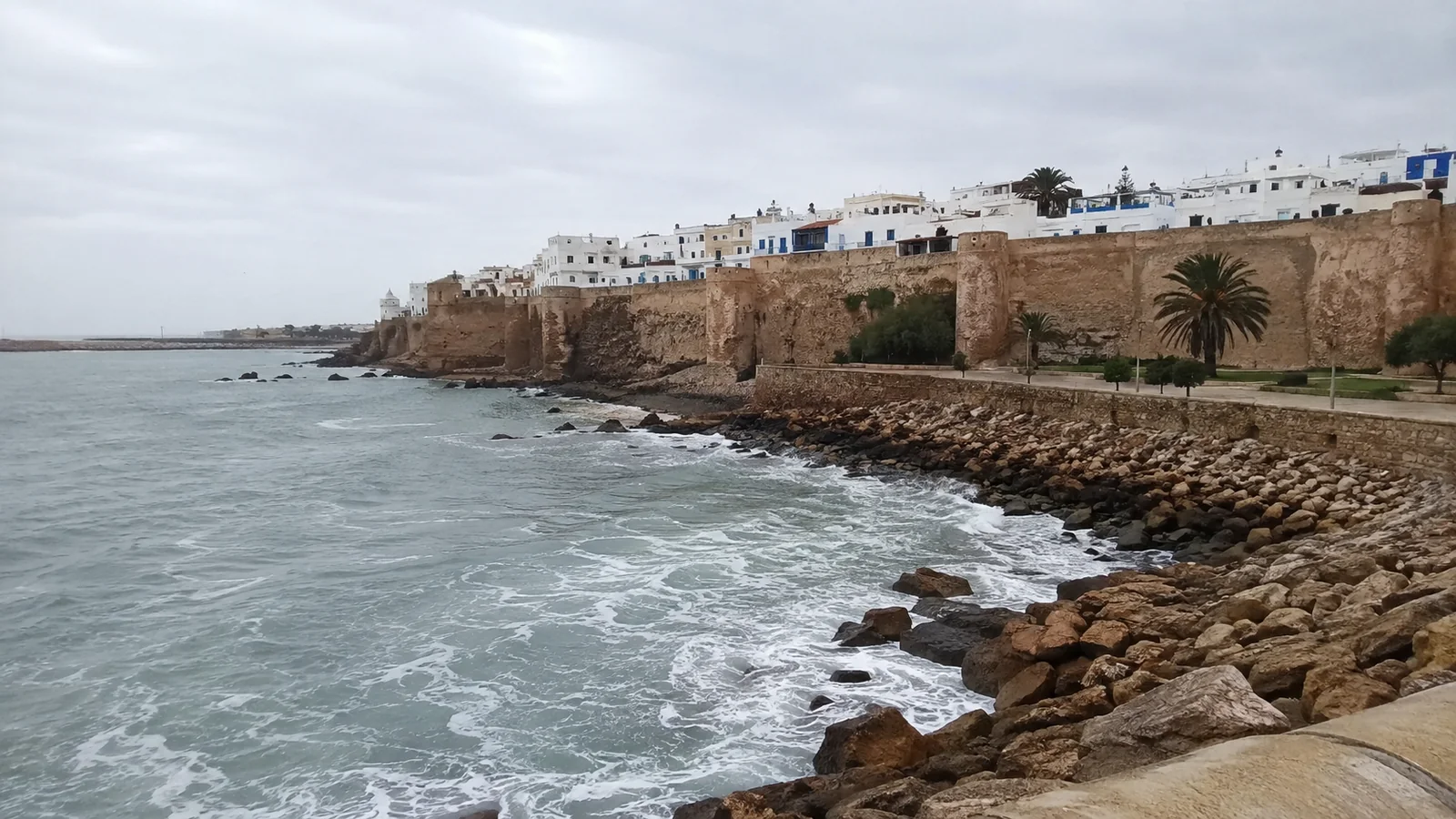
Essaouira offers a compact medina, ramparts, seafood, and a breezier pace. The wind can make the beach feel far cooler than an inland forecast suggests, so pack a light layer even in a sunny month.
Merzouga, Zagora, and the desert
A Sahara visit is not a casual add-on from Marrakech; reaching the desert requires long road hours and usually at least one overnight en route. Merzouga reaches the dunes of Erg Chebbi, while the routes through Zagora and M’Hamid create a different southern journey.
Ask exactly where a camp is, how guests reach it, whether bathrooms are private, and what happens during wind or extreme heat. “Luxury desert camp” describes a marketing category, not one consistent standard.
The Moroccan National Tourist Office is useful for comparing official destination regions. Treat it as inspiration, then verify live hours, road access, and reservations directly.
Train, bus, taxi, or rental car?
Trains are comfortable for many major-city routes, including the Tangier, Rabat, Casablanca, Fez, and Marrakech network. Check times and buy through the official ONCF ticket site, not a look-alike booking page.
Essaouira, Chefchaouen, and the desert gateways require a bus, taxi, tour, driver, or rental car for at least part of the trip. Reputable intercity buses can be an efficient choice, but leave margin for connections.
Petit taxis generally operate within cities, while grand taxis serve longer or shared routes. Ask the hotel about local practice, request the meter where applicable, or settle the price before departure.
Map times are optimistic once mountain roads, meal stops, construction, and viewpoints enter the day. A private driver costs more but can make a southern route far less exhausting.
Health, food, and water
Review the CDC’s current Morocco traveler guidance several weeks before leaving. Vaccine and medicine advice depends on health history, trip length, animal contact, and the exact regions on the itinerary.
Choose bottled or reliably treated water when local conditions call for it, including for brushing teeth. Eat food that is thoroughly cooked and served hot, and be cautious with raw produce you cannot peel or wash safely.
Do not pet dogs or cats, however charming they look around a cafe or hiking stop. Rabies treatment after an exposure is urgent, so wash any bite or scratch thoroughly and seek medical help immediately.
Heat and sun become serious quickly in inland cities and the desert, while mountain nights can be cold. Carry water, sun protection, and layers rather than packing for one postcard version of Morocco.
When to visit Morocco
Spring and fall often suit city touring and road trips, but there is no single perfect month for the whole country. Coastal wind, inland heat, mountain snow, and desert temperature swings can exist in the same week.
Ramadan moves earlier each solar year and can affect restaurant hours, alcohol availability, transportation demand, and evening energy. Confirm dates for the year of travel and build flexibility around the holiday rhythm.
Phones, language, and getting oriented
Arabic and Amazigh are official languages, with French widely used and Spanish more common in parts of the north. Download offline maps and translation, then save the riad’s pin, phone number, and nearest vehicle-access point because GPS can wobble among covered lanes.
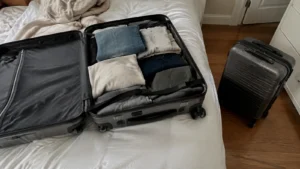
What to pack for Morocco
- Passport with sufficient validity and a blank page
- Copies of insurance, lodging, and onward travel details
- Two payment cards plus a small cash backup
- Secure crossbody day bag
- Comfortable closed-toe walking shoes
- Lightweight clothing that covers shoulders and knees
- Warm layer for coast, mountains, and desert nights
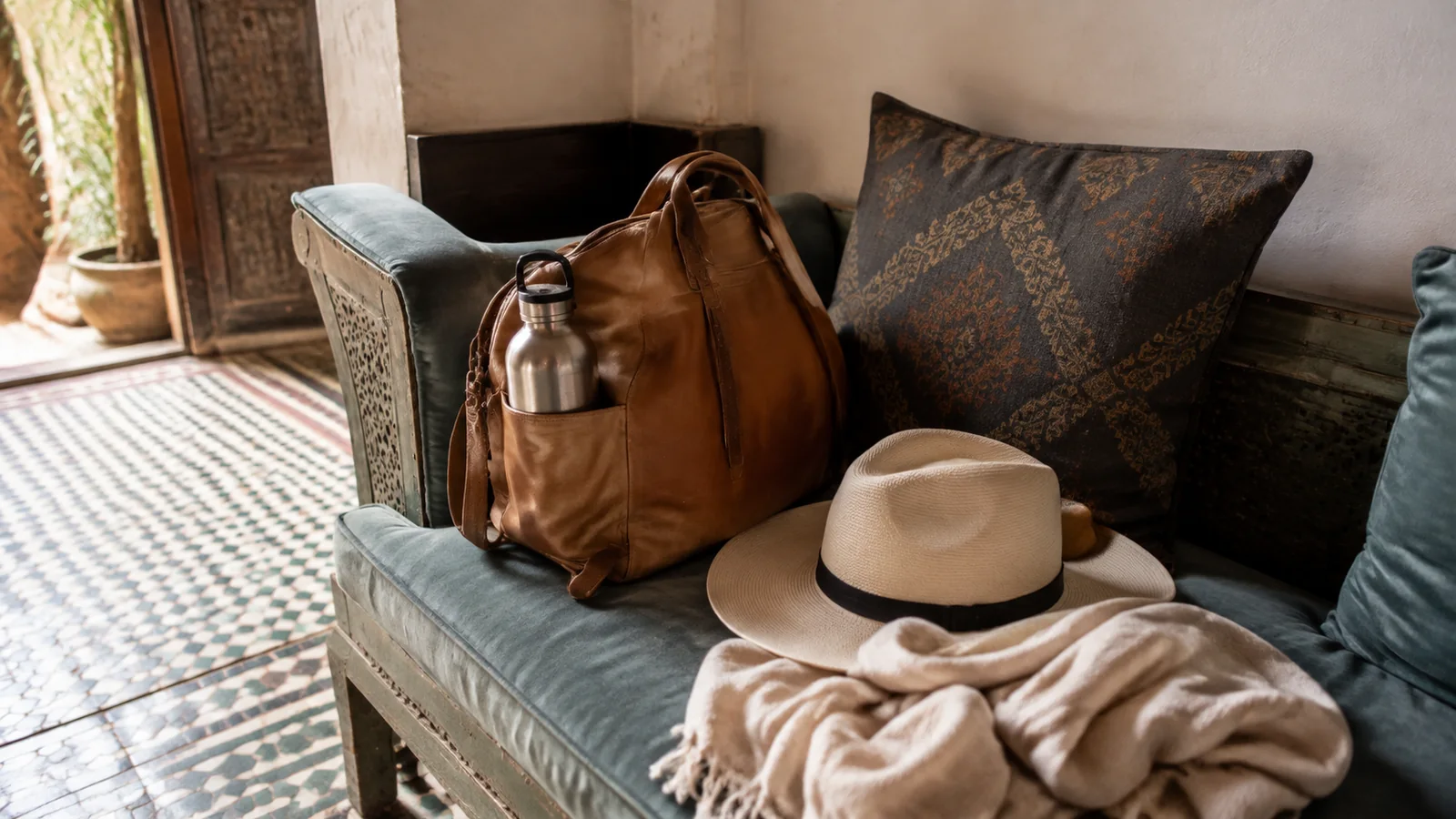
- Sun hat, sunglasses, sunscreen, and refillable bottle
- Personal medication in original packaging
- Portable charger and offline maps
If Morocco is part of a longer regional trip, these practical Istanbul travel tips help with another city where old streets reward preparation. These Egypt planning notes cover North African heat and cultural logistics, while these Africa cruise route ideas offer a slower alternative to packing several countries into one flight-heavy vacation.
Morocco travel FAQs
How many days do you need in Morocco?
Seven days can cover one major city plus the coast or mountains. Ten to fourteen days is kinder for combining Marrakech, Fez, the Atlantic coast, and a southern road trip.
Can you use U.S. dollars in Morocco?
Do not plan on dollars for everyday spending. Withdraw or exchange for Moroccan dirhams through legitimate channels and keep exchange receipts for converting leftovers.
Do you need a guide in the medina?
No, but a licensed guide can add valuable context and reduce navigation stress in Fez or Marrakech. Agree on the route, fee, timing, and shopping stops first.
Is Morocco easy to travel by train?
Train travel works well between several major cities, especially along the northern and Atlantic corridors. Coastal towns such as Essaouira, Chefchaouen, mountain villages, and desert areas need a road connection.
Final thoughts
Morocco becomes easier when you stop trying to collect every famous place. Choose a regional story, leave breathing room between cities, and let one medina, one landscape, and several very good meals carry the trip.
Bring the right documents, respect the cash economy, book safe transportation, and stay curious without surrendering your judgment. That balance leaves more attention for the details that make Morocco memorable: tiled courtyards, Atlantic wind, mountain roads, and mint tea poured with unmistakable flair.