Semester at Sea Guide: Eligibility, Costs, Credits, and Ship Life
Semester at Sea is a full academic term on a moving shipboard campus, not a cruise with occasional homework. It can be an extraordinary fit for a flexible, globally curious student, but only after credits, costs, health support, visas, access, and itinerary risk pass a careful test.
What Semester at Sea actually is
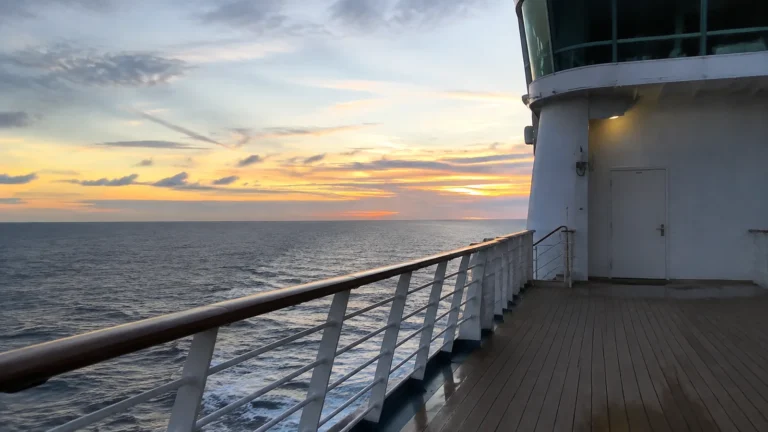
The Institute for Shipboard Education operates Semester at Sea, using the MV World Odyssey as a residential campus. Students take university courses during sea days and connect coursework with instructor-led field classes in port.
Voyages generally run more than 100 days and visit multiple countries across several continents. The route is broad rather than immersive in one host culture, which is the program’s greatest strength and its clearest tradeoff.
You gain a comparative view of many places, but you spend limited time in each. A student seeking deep language immersion, a local internship, or a semester inside one university system may prefer a land-based program.
Who is eligible?
There is more than one participant route, so do not apply undergraduate rules to a gap-year student or recent graduate. Every student participant must be at least 18 at embarkation under the current program criteria.
Traditional undergraduate students
The current undergraduate admission requirements call for full-time enrollment at a degree-granting institution, at least 12 completed postsecondary credits, good academic standing, and no disciplinary probation at embarkation. The preferred cumulative grade-point average is 2.5 on a 4.0 scale.
A GPA below 2.5 does not automatically end the conversation. The program may request an academic explanation and letter of recommendation for holistic review.
Gap-year students
Gap-year applicants must have completed secondary or high school by the voyage and be at least 18 at embarkation. The current preferred cumulative GPA is 3.0 on a 4.0 scale.
This is still an academic program, not a supervised teen tour. A student must be ready for college-level work, communal living, changing ports, and independent decision-making.
Recent college graduates
The recent-graduate route generally covers students who finished university within one year of the desired voyage. The current preferred undergraduate GPA is 3.0, and applicants outside the one-year window face additional review.
Recent graduates should confirm whether they need academic credit and how it will be recorded. Taking a class after graduation can affect financial, tax, loan, or enrollment questions that the home institution should answer.
International students
International applicants follow their relevant student category plus English-proficiency and document requirements. Students whose first language or language of instruction is not English may need an accepted proficiency exam.
Current U.S. visa status can also require coordination with the home institution. Semester at Sea states that it cannot sponsor an existing F-1 student visa if the student’s school will not continue sponsorship during the voyage.
Lifelong learners
Adults who are not seeking the student experience may apply through the separate Lifelong Learner program. Its cabins, rates, activities, and participation expectations differ from undergraduate admission.
Do not use a Lifelong Learner quote to estimate a student’s tuition or financial aid. The programs share a ship but not the same academic status or price structure.
Who awards the academic credit?
Colorado State University remains the academic home through the Spring 2028 voyage. The official partnership announcement says the University of San Diego becomes the university partner beginning in Fall 2028.
That transition matters for anyone planning several semesters ahead. Confirm the partner, transcript issuer, course catalog, and credit process for the exact voyage rather than relying on an older brochure.

How classes and credits work
Semester at Sea commonly offers 12 to 15 undergraduate credits, but the exact load and course rules belong to the voyage catalog. Fall 2026 students take four courses, including the required Global Studies course, for a 12-credit full-time load.
Each course other than Global Studies includes an in-country field class under the current structure. These are academic course components, not interchangeable sightseeing excursions.
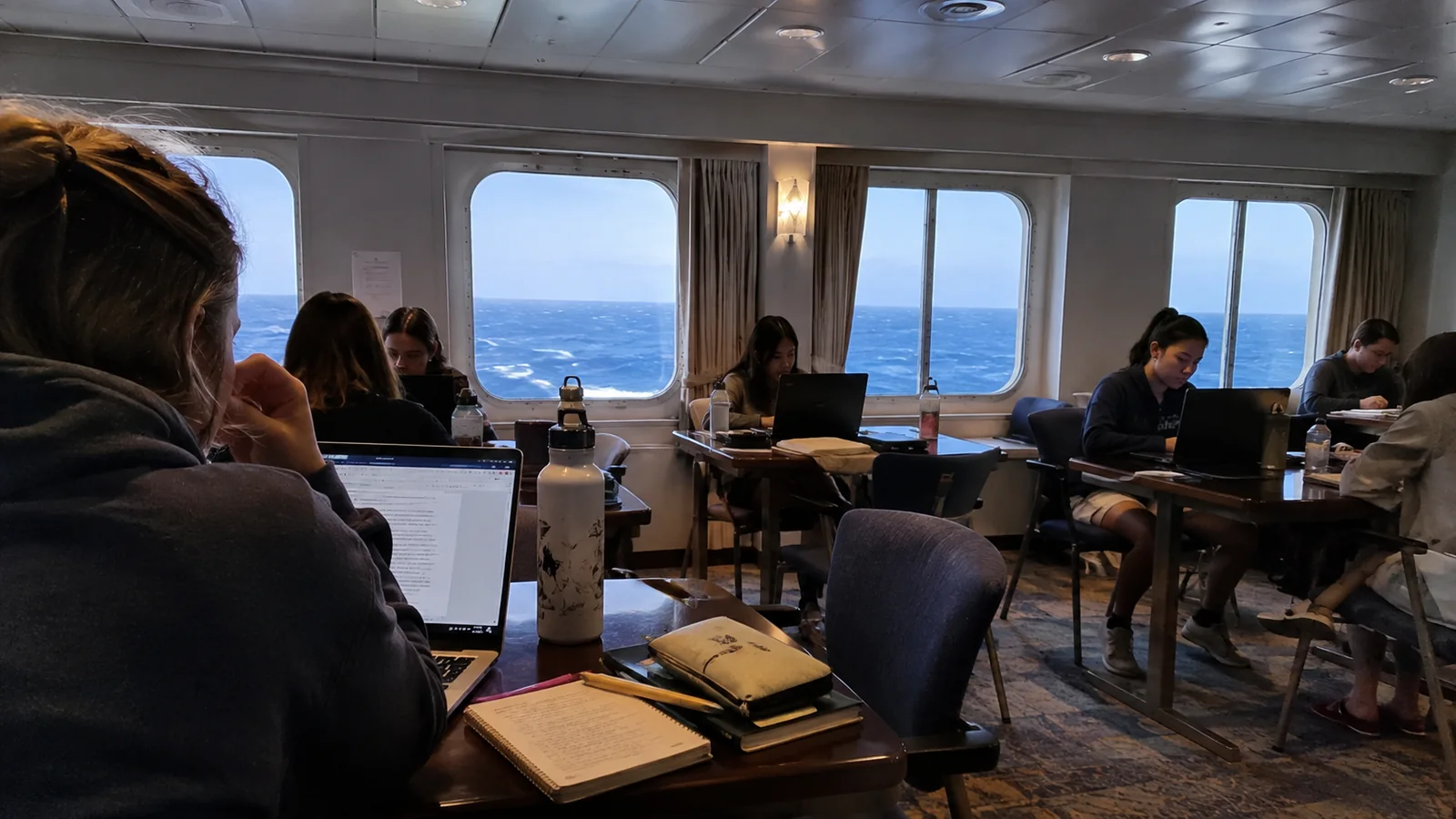
Classes meet on many days when the ship is sailing, including Saturdays and Sundays. Port days, sea days, A and B schedules, assignments, exams, and field classes replace the familiar Monday-to-Friday campus week.
This schedule rewards students who can shift quickly between concentrated study and intensive port time. Anyone expecting every sea day to feel like a pool day will be surprised.
Will the credits transfer?
Credit transfer is not automatic just because the transcript comes from the academic partner. Your home institution decides how each course applies to the degree, major, minor, elective requirement, residency rule, and GPA.
Get written preapproval from the registrar, academic department, and study-abroad office before paying a nonrefundable amount. Course registration is capacity-limited, so approve several backups rather than one perfect schedule.
Ask seven specific questions:
- Will the institution accept the academic partner’s transcript?
- How will each course satisfy degree requirements?
- Will grades transfer, or only credits?
- Does the semester preserve full-time status?
- Will scholarships, loans, athletics, or benefits continue?
- What happens if a desired course fills?
- Could the voyage delay graduation or a prerequisite sequence?
A beautiful itinerary cannot fix a missing prerequisite. Protect the degree plan first, then choose courses that make the destinations academically meaningful.
How much does Semester at Sea cost?
Program fees change by voyage and cabin, so use the current fee page rather than a graduate’s old total. For Fall 2026 and Spring 2027, the published student fees are $34,900 for standard cabins and $39,900 for premium cabins, subject to change and availability.
The Spring 2027 program-fee page is unusually helpful because it separates included costs from additional voyager expenses. Repeat that separation in your own budget.
What the published program fee includes
- Semester tuition and the voyage
- Cabin housing, onboard meals, and listed amenities
- Academic field classes tied to courses
- A shipboard email account and starter Internet package
- Comprehensive travel health insurance for the voyage
- Pre-voyage advising and onboard student-services staff
- An anticipated fuel fee and environmental impact offset
- Crew gratuities under the current fee description
Included travel does not mean every trip ashore is prepaid. Academic field classes are included, while optional field programs and personal travel can add thousands of dollars.
What you still need to budget
- Flights to embarkation and home from debarkation
- A hotel before embarkation and any required transfers
- Passport renewal, visas, photos, mailing, and appointments
- Textbooks and academic supplies
- Vaccinations, boosters, preventive medication, and medical appointments
- Laundry and between-meal food or drinks onboard
- Optional field programs and independent travel in port
- Phone service, upgraded Internet, shopping, and personal spending
- A possible additional fuel surcharge
Build low, middle, and high port budgets. The difference should come from optional experiences, not from pretending visas, laundry, or the flight home do not exist.
The program says all voyagers currently receive 100 megabytes per day in the starter Internet package. That is enough to demand careful habits, not enough to support constant streaming or dependable remote work.
Financial aid and scholarships
Financial aid can come through the home institution, Semester at Sea awards, outside scholarships, savings, or a combination. Whether federal, institutional, state, veteran, or private aid follows the student is an individual school decision.
Start with the home financial-aid office before assuming a published scholarship closes the gap. Ask how funds disburse, whether the program requires a consortium agreement, and what happens if the voyage dates cross billing periods.
Compare the net cost with staying on campus for the same term. Include tuition you would otherwise pay, housing, meal plan, transportation, and the academic progress preserved or delayed.
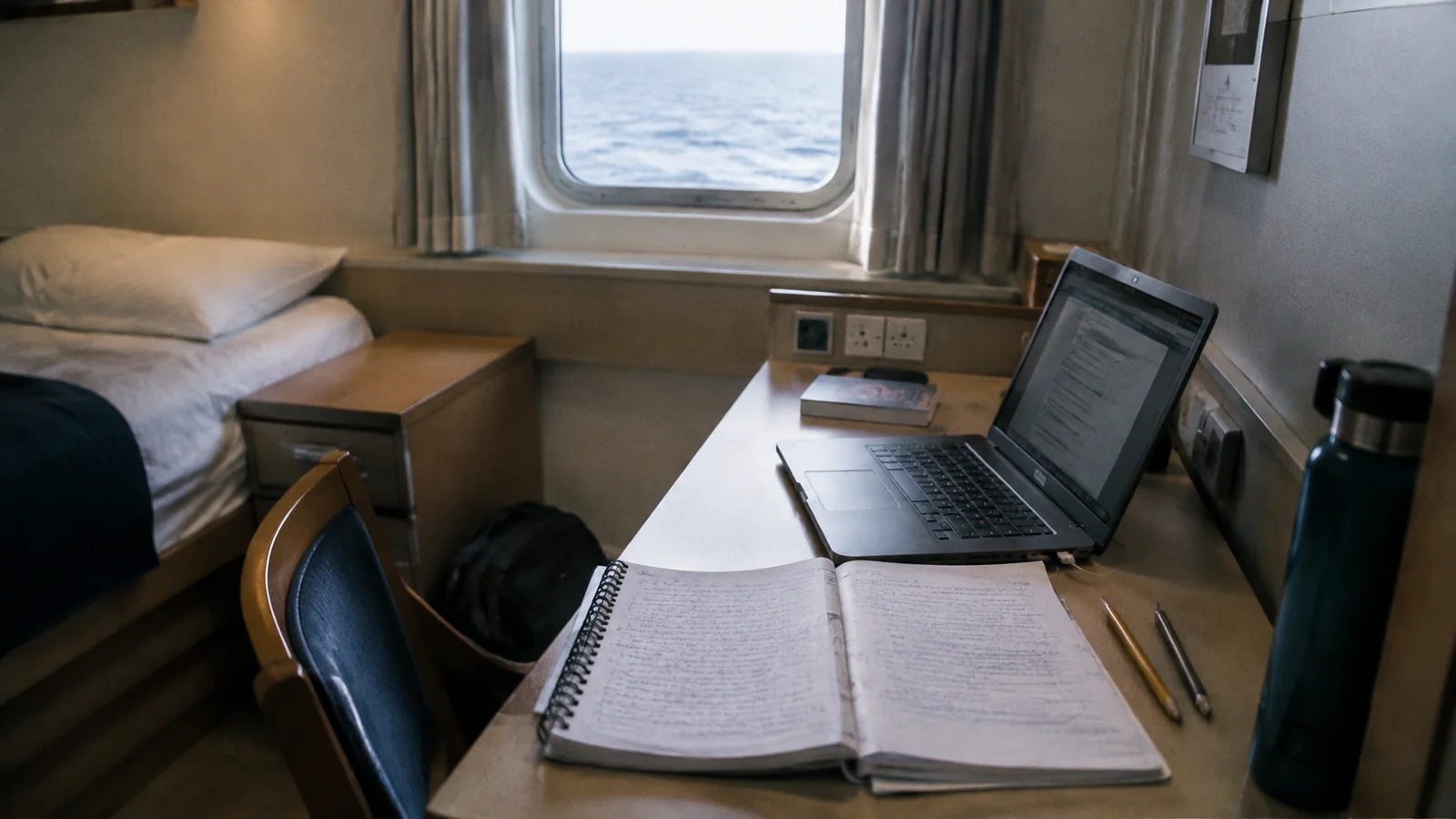
Life aboard the MV World Odyssey
The official ship profile describes a 1998-built vessel with berths for about 600 program participants, nine classrooms, a library and Academic Success Center, and a student union. It is a working residential campus with maritime operations underneath it.
Cabins include interior and exterior configurations, often shared. Roommate compatibility, storage, sleep, seasickness, and a lack of private space can matter more after six weeks than the initial ocean-view excitement.
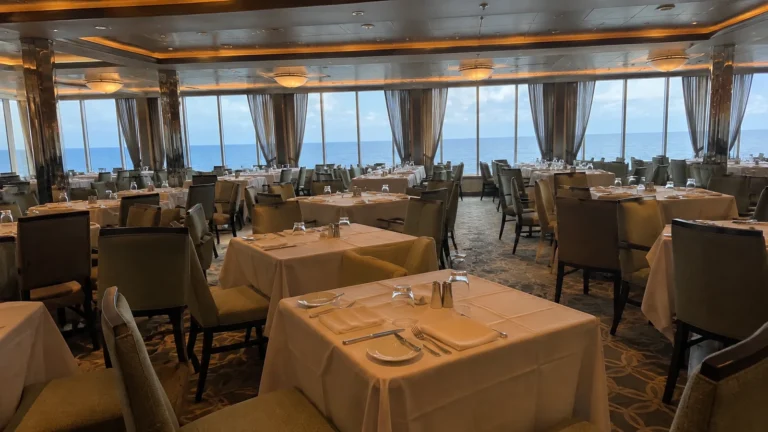
Students eat buffet-style meals onboard and live within a close community of peers, faculty, staff, Lifelong Learners, officers, and crew. Clubs and events add social life, but the program is not designed around conventional cruise entertainment.
Internet is limited and shared. Download readings, authentication backups, important records, maps, and contact information before embarkation, then keep offline copies on more than one device.
Motion is unavoidable on a ship. Anyone with a history of severe motion sickness should discuss the months-long exposure, medication effects, and academic consequences with a qualified clinician before committing.
Itineraries can change
The route should be treated as an academic plan, not a guaranteed checklist. Weather, health concerns, political unrest, port operations, maritime safety, or other events can change arrival dates, countries, and time ashore.
Semester at Sea says it identifies diversion ports and can adjust routes before or during a voyage. A changed itinerary can still support the program, but it may remove the country that first caught a student’s attention.
Apply only if the multi-country comparative experience is valuable without one specific port. Do not attach the entire fee to a single safari, landmark, family visit, or internship idea.
Passports and visas
Every voyager needs a passport meeting the program’s validity and blank-page rules. The current international-student guidance says the passport must remain valid for six months beyond the voyage and recommends the largest book available.
Visa needs depend on itinerary, nationality, residence, prior travel, and personal circumstances. According to the official visa guidance, students typically secure two or three visas individually while the Institute for Shipboard Education obtains some group visas.
The program supplies a Visa Guide and advising, but the voyager remains responsible for acquiring required visas. A missing document can prevent embarkation or entry even when another student with a different passport has no requirement.
Visa costs include more than the application fee. Budget photographs, document copies, certified records, mailing, travel to a consulate, and the possibility that a passport must be unavailable during processing.
International students holding another country’s student status should coordinate travel and reentry with their home institution. Semester at Sea participation should not be allowed to accidentally end a visa record needed after the voyage.

Health, insurance, and medical reality
Participants complete pre-voyage medical steps and must meet current clearance requirements. Vaccines and preventive medication vary with itinerary and individual health, so use the voyage portal and a qualified travel-health clinician.
The fee includes a travel health insurance plan and access to the shipboard clinic and mental health center under current terms. Coverage limits, exclusions, preexisting-condition rules, evacuation, and claims procedures still need to be read.
Shipboard care focuses on urgent care and temporary stabilization with limited supplies and medication. Extended psychiatric or psychological services are not available aboard, and local care quality varies by port.
Bring enough permitted prescription medication for the voyage plus a disruption buffer, using original labeled containers and supporting documents. Confirm legality in every destination because a lawful U.S. prescription can be restricted elsewhere.
Students managing chronic, mobility, dietary, or mental-health needs should discuss realistic continuity of care before paying. The question is not whether someone deserves to participate, but whether the moving campus can safely provide the specific support.
Accessibility and accommodations
Semester at Sea provides academic accommodations for documented disabilities, but ship and port access can impose physical limits. Current program information says wheelchair-accessible cabins are very limited and elevators may not always be accessible.
Gangway angle, tides, weather, tender boats, buses, cobblestones, and local infrastructure can prevent or complicate disembarkation. Some field classes or programs may not be accessible even when the cabin works.
Contact the program’s accessibility staff before applying or depositing, describe the exact functional need, and request a written feasibility discussion. Ask about emergency evacuation, bathroom layout, door thresholds, medication refrigeration, charging equipment, mobility-device storage, and an accessible version of every required field class.
Academic accommodation requests require documentation and lead time. Service animals may be considered case by case, while emotional support animals are not accommodated under the current program description.
Do not accept “we have an elevator” as a complete answer. The route from cabin to classroom, dining, lifeboat station, gangway, bus, and field site is the useful accessibility test.
How safety is managed
The program combines higher-education, maritime, and international-travel risk systems. Its safety information describes communication with U.S. State Department officials, membership in the Overseas Security Advisory Council, a contracted travel-health insurance plan, ship officers, and itinerary diversion planning.
These systems reduce and manage risk, but they do not eliminate illness, crime, political disruption, weather, injury, or shipboard emergencies. Students still need situational awareness, port briefings, buddy plans, and respect for local law.
The ship follows international maritime and port-state requirements under its operators. Students must attend drills and obey shipboard safety instructions even when those instructions interrupt class, sleep, or social plans.
The current health and safety overview is the right place to review the program’s framework before deciding. Families should also discuss how communication works when Internet and time zones limit immediate contact.
Independent travel in port
Port time mixes required field classes, optional program excursions, and permitted independent plans. The exact balance varies by country, schedule, academics, and current safety rules.
An independent weekend requires more maturity than a normal cruise excursion. Transportation, lodging, money, language, local law, health, and the return deadline all sit with the student.
Use the principles for first-time solo travelers: share plans, keep a backup route, limit impairment, protect documents, and know the address and emergency contact. The ship will not wait simply because a train was misunderstood.
What to pack
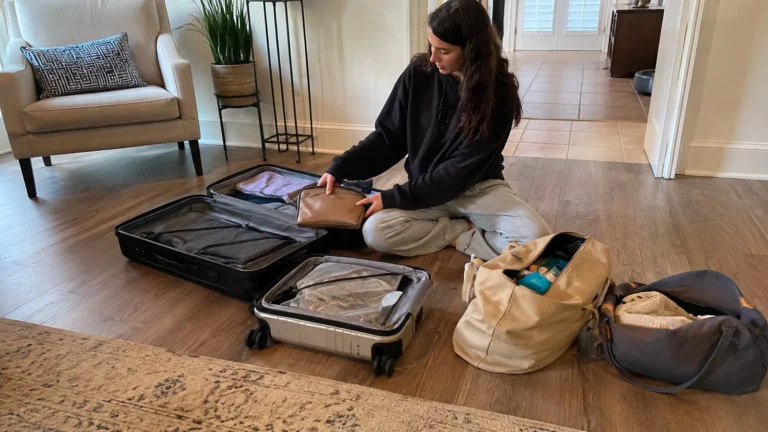
Pack for classroom life, formal or cultural visits, heat, rain, cooler decks, and multiple modesty standards. A compact mix-and-match cruise wardrobe is a useful starting point, then adapt it for academic and local requirements.
Storage is limited, laundry costs extra, and a 100-day itinerary crosses climates. Quick-drying repeatable clothing beats a different outfit for every country.
Bring a dependable laptop, offline backups, universal power planning approved by the program, prescription supplies, document copies, and a small day bag. Follow the voyage’s current prohibited-item and baggage rules rather than a former student’s packing video.
Use a structured 90-day planning timeline for passports, visas, health appointments, course approvals, payments, and packing. This voyage punishes paperwork left until the final week.

How to decide if Semester at Sea is worth it
It may fit if you:
- Want comparative learning across many countries
- Can handle communal living and limited privacy
- Adapt well when schedules and ports change
- Can secure written credit approval
- Have a realistic total budget and funding plan
- Can meet health, visa, and accessibility requirements
- Enjoy concentrated academics between intense travel days
Another program may fit better if you:
- Need deep immersion in one language or culture
- Require a laboratory, studio, clinical placement, or fixed internship
- Depend on continuous high-bandwidth Internet
- Need medical or mental-health services unavailable at sea
- Cannot risk an itinerary change
- Would lose essential degree progress or financial aid
- Prefer a private living environment
A practical application timeline
12 to 18 months before
Meet the academic adviser, registrar, study-abroad office, and financial-aid office. Compare the program with land-based alternatives and identify degree requirements that cannot move.
9 to 12 months before
Apply, review scholarship deadlines, check passport validity, and contact accessibility or health staff about known needs. Do not wait for acceptance to learn that a required course cannot transfer.
6 to 9 months before
Approve backup courses, build a complete budget, and follow visa instructions. Schedule medical and travel-health appointments early enough for follow-up.
3 to 6 months before
Complete clearance tasks, purchase flights under the program’s timing rules, and finalize funding. Download the changing itinerary and avoid nonrefundable personal plans that assume every port remains fixed.
Final 90 days
Confirm visas, course enrollment, prescriptions, insurance documents, emergency contacts, and arrival logistics. Recheck every deadline in the voyage portal.
Frequently asked questions
Is Semester at Sea a real college semester?
Yes, eligible students take university-backed courses and earn an official transcript through the voyage’s academic partner. The home institution decides how those credits apply to the student’s degree.
What ship does Semester at Sea use?
The current shipboard campus is the MV World Odyssey. It combines cabins and maritime operations with classrooms, a library, student union, dining, and other residential spaces.
How much does Semester at Sea cost?
Fees vary by voyage and cabin. Fall 2026 and Spring 2027 list $34,900 for standard cabins and $39,900 for premium cabins, plus significant additional expenses and possible changes.
Can any college student apply?
Students from many majors can apply, but they must meet the current admission, age, academic-standing, credit, conduct, health, and document rules. Home-school approval is a separate step.
Are the ports guaranteed?
No. The program can change ports and timing for weather, safety, health, political, maritime, or operational reasons.
Is Semester at Sea accessible?
Academic accommodations and some physical supports exist, but the ship, gangway, ports, and field programs have meaningful limits. Discuss the exact need with program staff before a financial commitment.
My recommendation
Semester at Sea is worth serious consideration when the student wants breadth, can protect degree progress, and remains excited after seeing the full budget and flexible itinerary. It is not a shortcut around academics or a 100-day cruise vacation.
Get credit approval, accessibility and health answers, visa responsibilities, and total cost in writing before the deposit becomes emotionally difficult to reconsider. If the program still fits after those five tests, the shipboard model may offer exactly the comparative education the student is seeking.