Cruising With Autism: Sensory Planning and Support
I would plan a cruise with an autistic traveler around their own preferences, communication, and support needs. A quiet cabin, predictable meal routine, and an easy way to leave an overwhelming activity can matter more than a ship’s list of attractions.
Some people love busy pool decks and shows; others prefer smaller spaces and a familiar schedule. Start with the person, then ask the cruise line what it can provide on the exact sailing.
The questions I would ask at home first
- Which parts of travel are enjoyable, and which are tiring or overwhelming?
- What helps with noise, crowds, unfamiliar food, waiting, or sudden changes?
- How does the traveler prefer to communicate and request a break?
- Which daily routines need to stay consistent?
- What support is required, and who will provide it throughout the trip?
Include the autistic traveler directly in planning whenever possible, using their preferred communication method. I would not assume a parent’s or companion’s ideal cruise is also the traveler’s ideal cruise.
Understand what an autism-friendly program means
Royal Caribbean describes autism-friendly services such as priority procedures, dietary accommodations, and youth-program adjustments. Its page separately identifies selected Autism on the Seas staffed cruises with additional support.
Those are different offerings. A ship having autism-friendly features does not mean every sailing includes extra specialist staff, respite sessions, or one-to-one support.
I would ask for the services available on the exact departure and whether any require a separate booking or fee. If a particular program is the reason for choosing the trip, confirm it before paying the final balance.
For adult travelers, ask about adult-relevant accommodations rather than accepting an answer focused entirely on the children’s club. Support needs do not disappear at the youth-program age limit.
Sensory bags are useful, but familiarity matters
Carnival’s KultureCity sensory information describes trained staff, onboard sensory resources, and the process for discussing accommodations. Check availability and request procedures for the sailing.
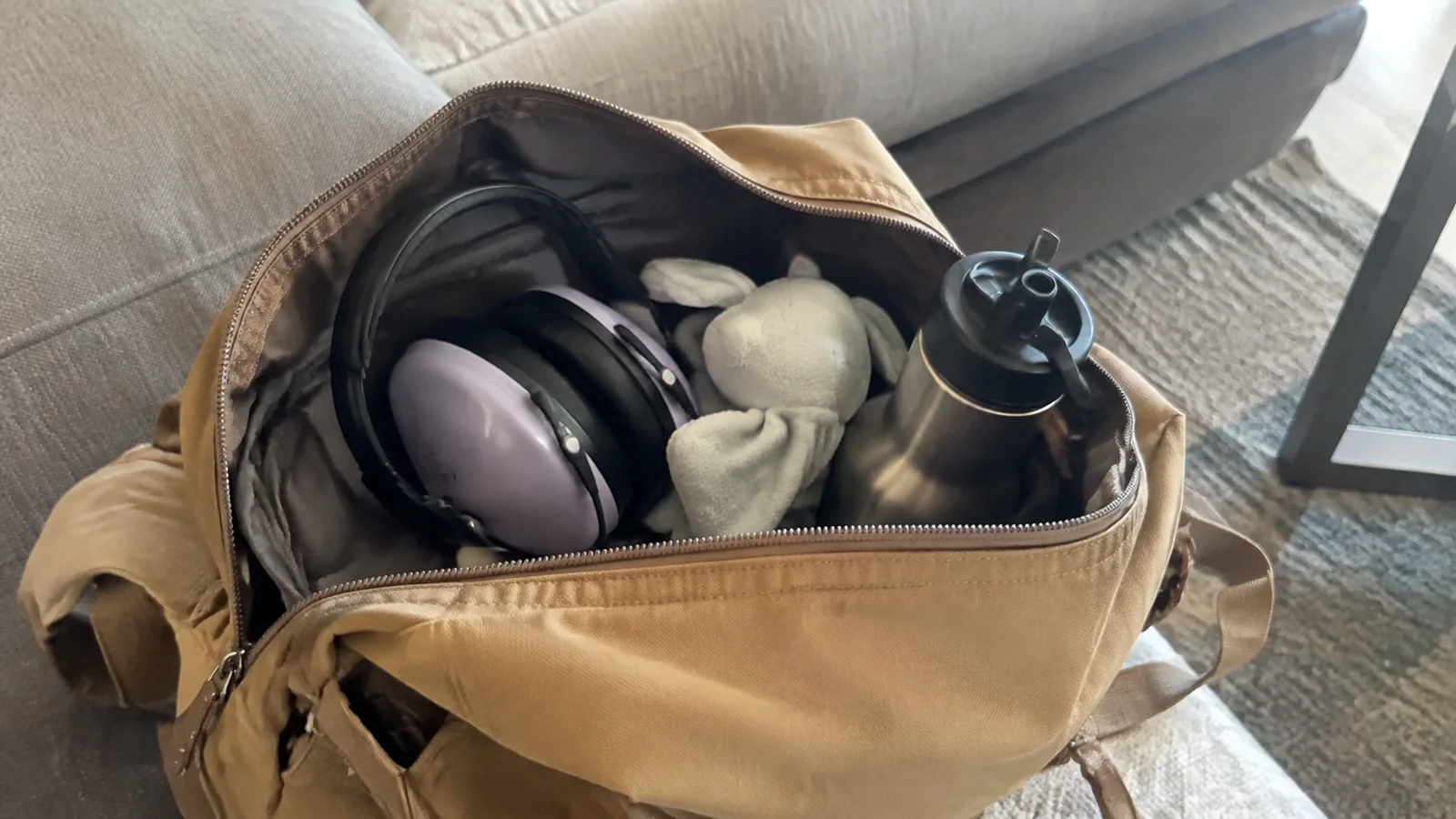
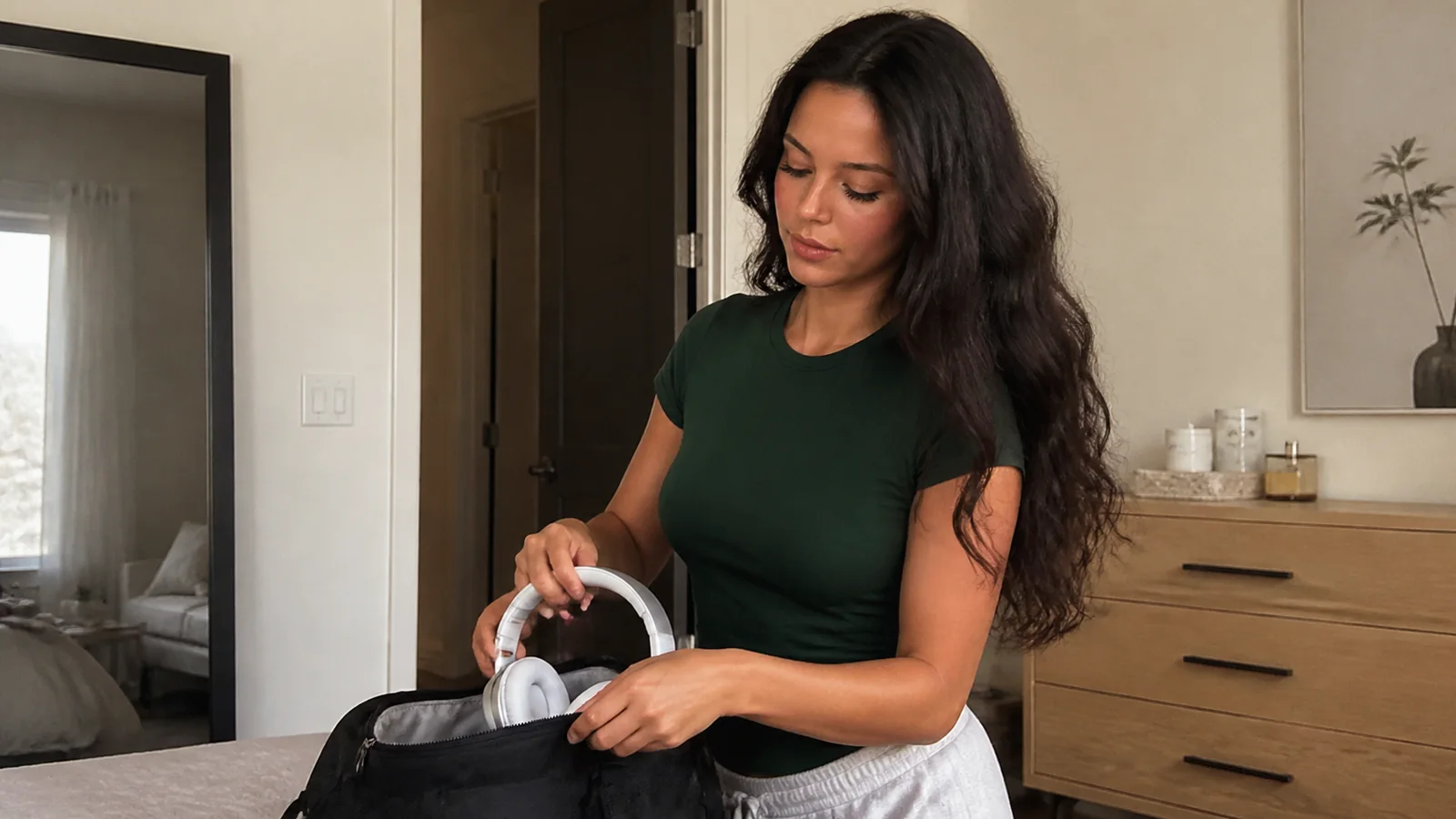
I would still bring the headphones, comfort items, or communication tools the traveler already uses. An unfamiliar loan item may not feel or work the same way as the trusted one at home.
Pack a practical backup for anything whose loss would seriously disrupt the trip. That might mean a spare charging cable, an offline copy of a communication board, or another familiar set of ear protection.
Choose what the traveler finds helpful rather than filling a bag with products labeled “sensory.” More objects do not automatically create a better support plan.
Contact accessibility staff with concrete requests
Norwegian’s additional-assistance guidance invites discussion of cognitive, intellectual, and developmental needs through its Access Desk. It asks for advance notice, with different lead times for interpreters and other requests.
Describe the situations that need support: a quieter check-in wait, clear written instructions, a private safety briefing if offered, or a particular dining arrangement. A diagnosis alone does not tell staff which change would help.
Ask what is confirmed, what is subject to availability, and who to contact onboard. Save the answer in a short note that a traveling companion can find when necessary.
If the line cannot provide something essential, arrange appropriate independent support or consider a different trip. I would not plan around crew quietly taking on personal care that is outside their role.
Choose the cabin as a reliable retreat
If noise is difficult, compare cabins with accommodation above and below rather than rooms under a pool deck or beside a busy entertainment venue. Inspect the actual ship’s plan rather than assuming the same deck number works across a fleet.
My cabin-selection guide explains how to identify likely noise sources. I would choose the room based on the traveler’s priorities, including access, light, and the route to preferred spaces.
An inside room may suit someone who likes darkness, while an oceanview may suit someone who wants daylight and orientation. Neither is universally the better autism-friendly category.
Ask about lighting controls, curtains, connecting doors, and the bedtime layout when several people share a room. A sofa bed opening across the only comfortable sitting area can change how useful the room feels in the evening.
Shorter routes can reduce the day’s demands
A quiet cabin at the far end of the ship may require long walks through busy spaces. I would compare that tradeoff with a room closer to a useful elevator or dining venue.
Use the ship’s floor plan to map likely routes between the cabin, meals, activities, and gangway. Identify an alternative route if an atrium or shopping area feels overwhelming.
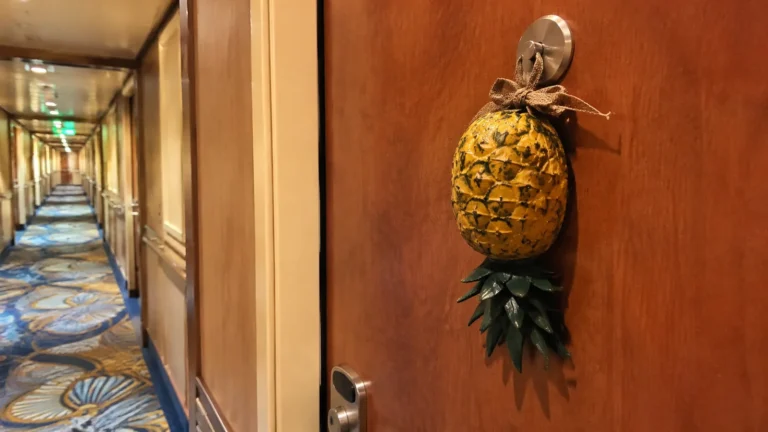
After boarding, explore the essential routes at a comfortable pace. Photograph landmarks if that helps the traveler recognize turns and find the room.
Do not assume every quiet-looking lounge stays quiet all day. Check the daily program for music, games, or private events before choosing it as a regular retreat.
Prepare for check-in and the safety briefing
Terminals can involve queues, security screening, unfamiliar announcements, and a delay before cabin access. Explain the likely sequence using words, pictures, or another format the traveler prefers.
Ask the cruise line about available boarding assistance and where to report for it. A priority arrangement may shorten some waits without eliminating every queue.
Keep familiar supplies and essential medication in the carry-on. Checked luggage should not hold the only item needed to manage the first afternoon.
Safety procedures still need to be completed, so ask how the line can make instructions accessible. I would explain any support need early instead of waiting until a crowded briefing has already become difficult.
Build a flexible visual or written schedule
A simple daily plan can make unfamiliar activities easier to anticipate. Include meals, rest, a chosen activity, and how to request a change.
I would mark uncertain items as possibilities rather than promises. Weather, port times, and entertainment schedules can change, and a plan should allow for that without making the whole day feel broken.
Prepare a preferred alternative for a missed port or canceled activity. Ask the traveler which substitute they would actually enjoy instead of choosing a consolation activity on their behalf.
Some people prefer a detailed schedule; others find it restrictive. Use the level of detail that helps the individual rather than assuming every autistic traveler wants the same format.
Dining should feel predictable enough to enjoy
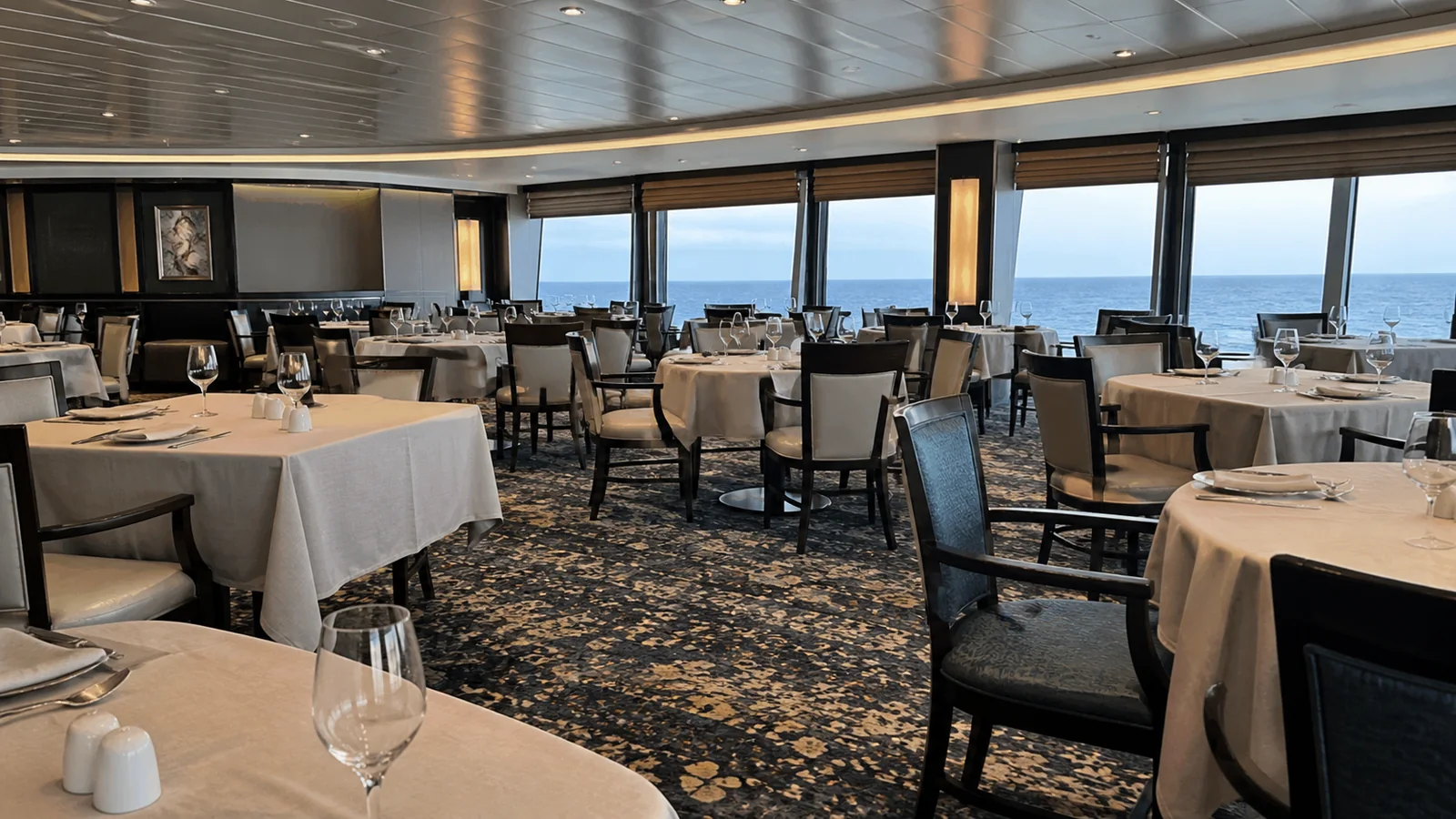
Discuss familiar foods, textures, presentation, meal timing, and any medical dietary requirements with the dining team. Keep allergy or celiac requests distinct from preferences so staff understand the preparation needs.
Ask whether a consistent table, earlier meal, or less busy location is possible. I would favor a workable dining routine over trying a different restaurant every night.
A buffet offers visual choice but can also involve noise, queues, and competing smells. A seated meal may be calmer for one traveler and more demanding for another who dislikes a long service.
Bring permitted familiar snacks for travel delays and check food-import rules before carrying them ashore. Do not assume the ship will stock a particular brand or accept every food brought from home.
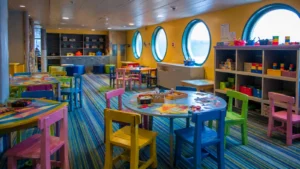
Youth programs require an individual conversation
Ask about group size, activities, toilet-training rules, medication procedures, and how staff contact parents. Describe the child’s communication and support needs in practical terms.
Clarify what staff can and cannot provide, including personal care and individual supervision. A general autism-friendly statement should not be interpreted as a guarantee of one-to-one attention.
I would arrange a brief introduction or visit if the program offers one and the child wants it. Participation can start small, with permission to leave rather than an expectation to complete a whole session.
My family cruise comparison can help identify suitable ship features. The right children’s program is one that fits the child, not simply the one with the longest opening hours.
Ask about the sensory experience of shows
A show description may not mention flashing lights, haze, loud bass, sudden darkness, or audience participation. Ask guest services or the entertainment team about the features relevant to the traveler.
Choose seating and an exit route that allow a comfortable departure if needed. I would rather leave a show early than turn finishing it into a test of endurance.
For someone who loves energetic entertainment, keep those activities in the plan. Sensory planning should support enjoyment, not automatically remove every lively experience.
Allow recovery time if a busy event is tiring even when it is enjoyable. An afternoon rest can make a favorite evening activity possible.
Port days need a manageable return plan
Ask about transport noise, waiting, bathrooms, crowd levels, and the ability to return early. A small private outing may offer more flexibility than a long group tour, but the actual operator needs to confirm it.
Tender ports add another boat, queue, and transfer to the day. Explain that sequence in advance and decide whether the outing is worth those extra demands.
I would start with one chosen activity and leave room for breaks. Staying aboard can also be a good vacation day if the traveler prefers the ship while it is less crowded.
If communication or separation is a concern, agree on a practical plan that respects the traveler’s autonomy. Share only the information staff or companions need to provide the agreed support.
My preferred approach
I would book the ship and support arrangements that fit the autistic traveler, then keep the daily plan flexible enough to respond to how the trip feels. A successful cruise is one the person can enjoy on their own terms, including the choice to repeat a favorite activity, take a break, or skip something everyone else wants to do.