Northern Lights Cruises: How to Choose a Route Without a Sighting Guarantee
A northern lights cruise gives you dark-water horizons and multiple nights beneath the auroral zone, but it never gives you control of the sky. The smartest choice is a route you would love even under clouds, with enough darkness, outdoor access, and repeated viewing chances to make an aurora sighting genuinely possible.
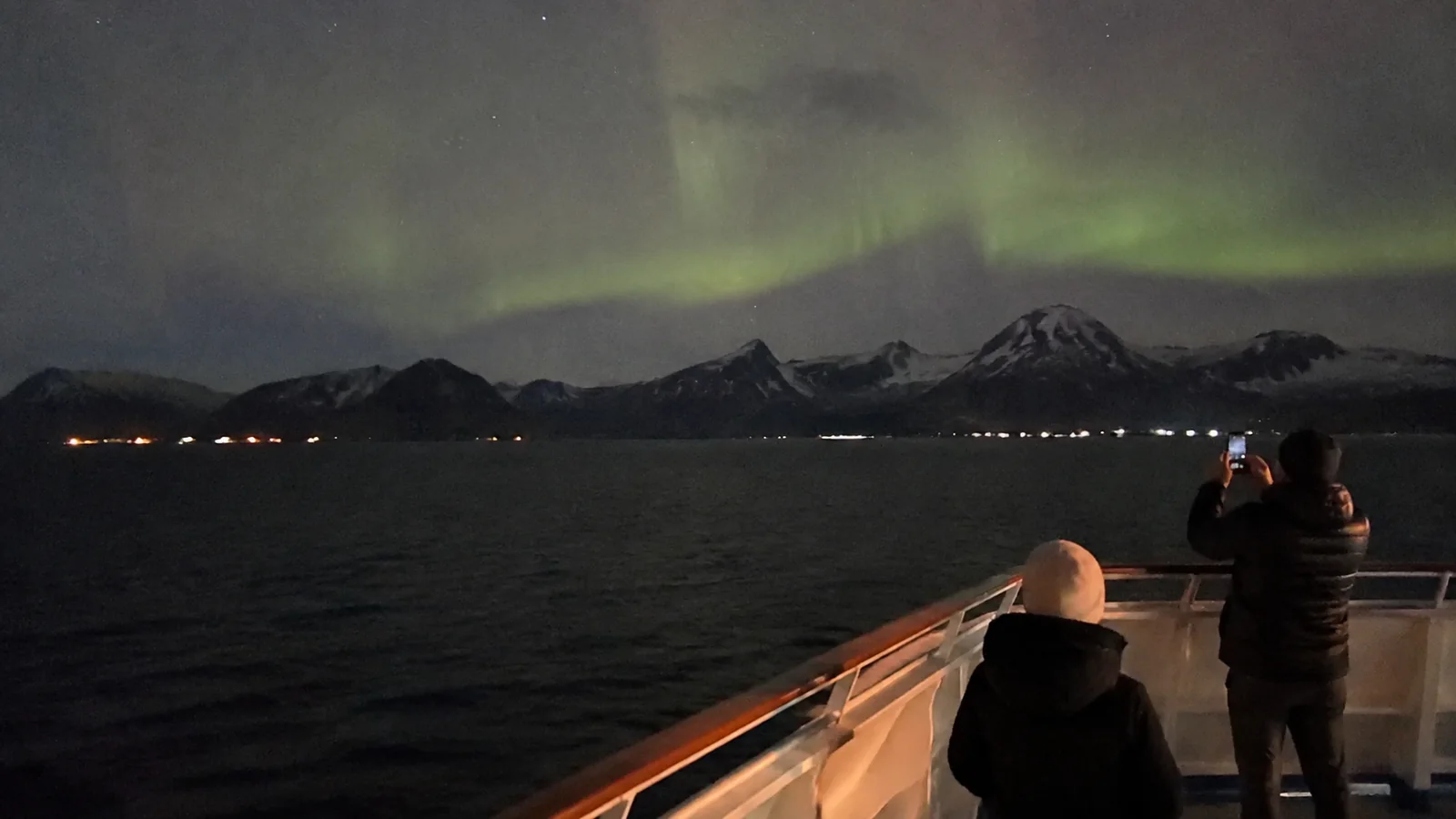
No northern lights cruise guarantees a sighting
A visible aurora requires solar activity, the right position beneath the auroral oval, darkness, and an opening in the clouds. Miss any one of those ingredients and the ship can sail through a perfectly good itinerary without passengers seeing the lights.
That reality should shape the whole purchase. Choose the coast, ports, ship style, and season first, then compare how well each voyage helps you respond when the sky does cooperate.
My rule is simple: if you would feel the trip was ruined after seven cloudy nights, do not make a cruise your only aurora plan. Add land nights or pick a voyage whose daytime experience is worth the fare by itself.
Best northern lights cruise routes
Northern Norway offers the most developed winter cruise pattern, while Iceland, Greenland, and Alaska create narrower seasonal opportunities. They are not interchangeable versions of the same trip.
A coastal service calls at working communities on a fixed transport route. An expedition voyage prioritizes remote places and flexible operations, while a mainstream cruise typically offers more entertainment and a shorter shoulder-season window.
1. Norwegian Coastal Express: the strongest all-around choice
The Norwegian coastal route between Bergen and Kirkenes is the easiest northern lights cruise to recommend for most travelers. It runs through northern Norway in the dark season, calls at many coastal communities, and offers a full journey of repeated nights rather than one aurora excursion.
Visit Norway’s official Coastal Express guide describes a six- to seven-day one-way trip and a 12-day round trip with as many as 34 ports. Hurtigruten and Havila Voyages both serve the route, but their ships, fares, schedules, meal plans, and booking terms differ.
This is a working coastal service as well as a visitor experience. Some calls happen for only a few minutes, cargo and local passengers come aboard, and the same port may appear by day in one direction and at night on the return.
Best for: Travelers who value Norway’s winter coast, small communities, and frequent port calls as much as aurora watching. The round trip creates more nights, while a one-way sailing is easier to combine with Tromsø or another land stay.
Honest drawback: The Norwegian coast gets clouds, wind, and winter weather, and the fixed schedule keeps moving even when another inland area has clearer sky. This is not an overland aurora chase that can drive hours toward a gap in the cloud.
What an “aurora promise” really means
Some Norwegian operators advertise a Northern Lights Promise on qualifying departures. That is a contractual second-chance offer, not a guarantee that nature will perform on your original cruise.
For example, Hurtigruten’s current Northern Lights Promise terms apply to specified voyages of at least 11 days between September 20 and March 31. A qualifying sighting must be recorded by deck officers and announced onboard, while the remedy is a select future coastal voyage subject to detailed restrictions.
Read the current rules before booking because eligible dates, voyage length, cabin category, redemption deadline, taxes, flights, hotels, and cash-value exclusions can change. A “free return” can still leave you paying substantial travel costs.
2. Norway expedition cruises: more lectures, fewer routine calls
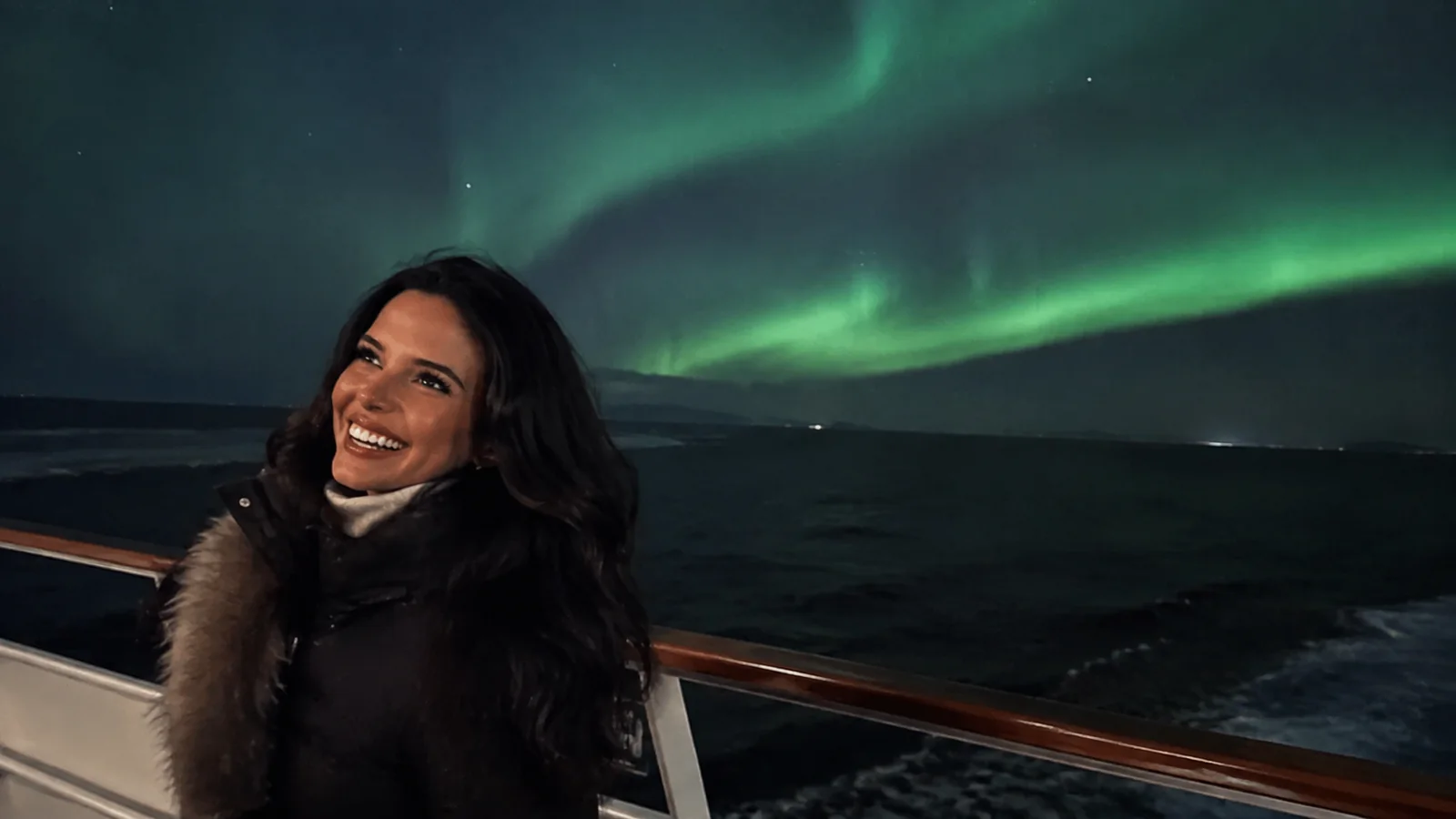
Expedition-style Norway sailings may visit the North Cape, Lofoten, Tromsø, Svalbard gateways, or less conventional coastal stops. They often include an expedition team, science content, and more organized outdoor observation than a resort-style ship.
The tradeoff is price and itinerary variability. Weather, sea state, daylight, and local conditions may alter landings or replace a planned call, and a smaller vessel can feel livelier in rough water.
Best for: Curious travelers who want natural history and flexible exploration, not a packed entertainment schedule. Our explanation of small-ship cruising formats will help you separate expedition ships from yachts and conventional small ocean ships.
Honest drawback: An expensive expedition badge does not improve solar activity or remove cloud. Judge the voyage by its staff, route, included activities, cabin comfort, and weather policies rather than aurora photography alone.
3. Iceland cruises: excellent destination, limited true winter choice
Iceland sits beneath the auroral zone and has a long dark season, but the cruise calendar creates a mismatch. Many circumnavigation and port-intensive voyages sail during bright summer months, while relatively few ocean cruises operate through the heart of winter.
Look for late-August, September, early-October, or early-spring itineraries that include real nighttime hours. A Reykjavík hotel stay before or after the cruise creates an extra chance and makes it possible to join a land tour that can seek clearer conditions away from city light.
The Icelandic Meteorological Office combines auroral activity with darkness and cloud cover on its official aurora forecast. Its map is a useful reminder that a modest activity forecast under clear sky can be more promising than high activity behind solid cloud.
Best for: Travelers who want waterfalls, geothermal landscapes, volcanic scenery, and interesting ports even if the lights stay hidden. Use our Iceland cruise-port planner to judge the daytime route.
Honest drawback: North Atlantic weather can change quickly, and a ship cannot simply drive across Iceland to find a clear patch. Many itineraries marketed around Iceland still spend bright-season nights at sea.
4. Iceland and East Greenland expeditions: remote fall adventure
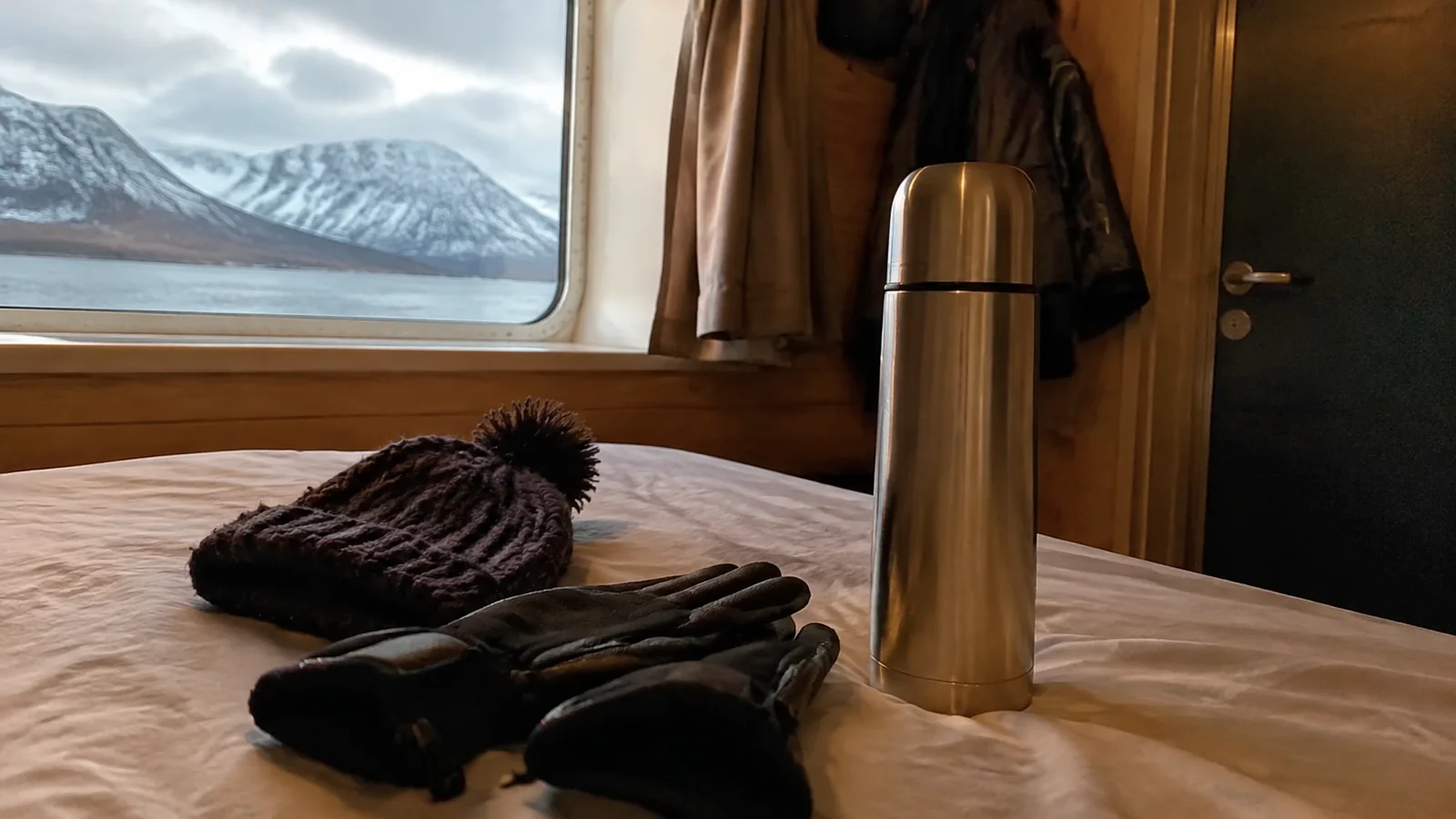
Some expedition ships pair Iceland with East Greenland in late August, September, or early October. These sailings can combine increasingly dark nights with dramatic fjords, small settlements, Zodiac operations, and remote landscapes.
This is an expedition first and an aurora opportunity second. Sea ice, wind, fog, swell, and local conditions can change the route, and a scheduled landing is never as firm as a conventional cruise-port call.
Visit Greenland’s official northern lights guidance identifies August and September opportunities in several regions. The actual cruise overlap is narrow because the darkest winter months are not the normal ocean expedition season.
Best for: Travelers who want Greenland enough to accept itinerary changes and expedition costs. Pick a departure with several dark nights, then verify the operator’s experience, included gear, landing policy, medical requirements, and evacuation coverage.
Honest drawback: Remoteness magnifies disruption and medical risk, while open ocean crossings can be rough. Aurora is possible, not the justification for ignoring insurance exclusions or physical requirements.
5. Late-season Alaska cruises: a lucky bonus
Alaska’s main cruise season and its dark season overlap only near the edges. Late-August and September sailings can offer a sighting, but May through July nights are generally too bright at useful northern latitudes.
Southeast Alaska also has a cloudy maritime climate. A one-way Gulf itinerary plus several nights near Fairbanks creates a stronger plan than expecting one round-trip Inside Passage cruise to do all the work.
Our honest guide to the northern lights on an Alaska cruise explains exact seasonal and route tradeoffs. Choose Alaska for glaciers and ports, then regard the lights as a thrilling bonus.
Best for: Travelers already planning an Alaska cruise who can sail late in the season. It is not the best global choice for a dedicated winter aurora cruise.
How to compare northern lights cruises
Start with nights, not destination labels. Count how many hours will be truly dark at each latitude, how many consecutive nights you get, and whether you can add land time before or after sailing.
- Route: Favor repeated nights beneath the auroral oval over one brief northern call.
- Season: Avoid summer midnight-sun dates when aurora is the priority.
- Cloud pattern: Coastal routes can be cloudy even when geomagnetic activity is strong.
- Outdoor access: Ask which decks stay open overnight and whether sheltered viewing exists.
- Alerts: Confirm how passengers opt into announcements and whether alerts reach every cabin.
- Ship lighting: Ask whether there is a designated low-light observation area.
- Daytime value: Make sure ports, scenery, and onboard programming justify the trip without a sighting.
- Terms: Read any promise, credit, rebooking, or cancellation policy word by word.
A balcony is comfortable, but it can face the wrong direction and neighboring lights may interfere. I would prioritize broad public-deck access over paying a large premium solely for a private viewing space.
Best month for a northern lights cruise
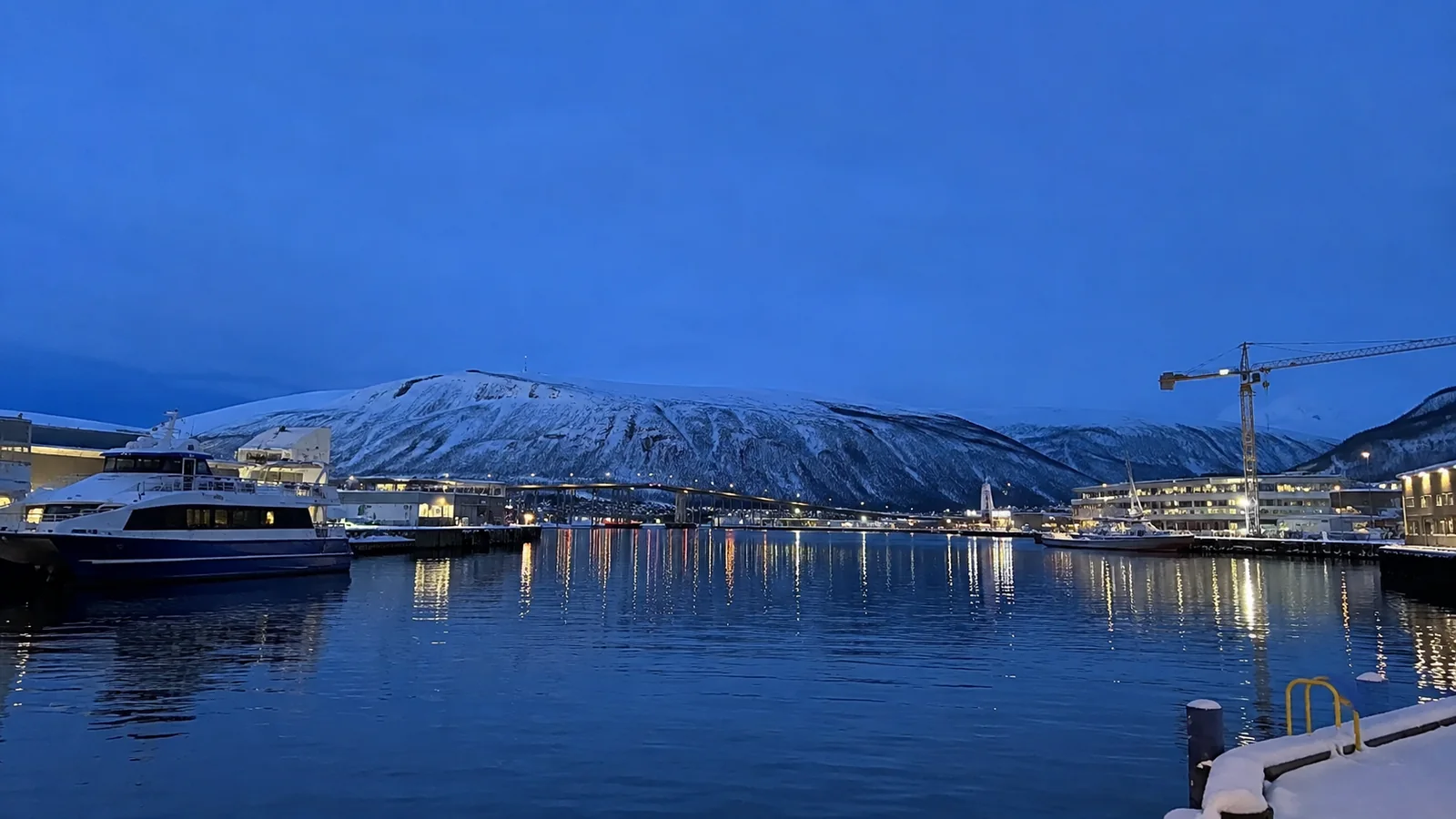
September: Best for combining aurora possibility with Alaska, Iceland, Greenland, or early Norway itineraries. You gain milder conditions but less darkness than midwinter.
October: Strong for northern Norway and occasional late expedition routes, with rapidly lengthening nights. Atlantic and coastal weather remains a major variable.
November through January: Long darkness makes Norway the clearest cruise choice. Short daylight can limit sightseeing, winter storms can alter plans, and other Arctic cruise regions have little or no conventional service.
February and March: Norway combines substantial darkness with returning daylight for scenery and excursions. Spring equinox statistics can be favorable, but no calendar date creates certainty.
There is no universally lucky moon phase or magic date. A bright moon can soften faint aurora contrast, yet it can illuminate snowy landscapes and does not stop a strong display.
How to understand the aurora forecast
The Kp index measures global geomagnetic activity from 0 to 9, but it is not a percentage chance for your ship. High-latitude routes can see aurora at modest Kp, while a high Kp forecast is useless beneath a cloudy sky.
NOAA’s official aurora viewing guidance says activity is often strongest within an hour or two of midnight, with a wider window during stronger events. Exact timing becomes more useful close to the night than it is months before departure.
Pair the space-weather forecast with the local meteorological service’s cloud map and the ship’s current position. Then go outside and look, because a narrow clearing or faint arc may not trigger a dramatic app notification.
Onboard viewing without making yourself miserable
Locate the safest open deck during daylight and ask how overnight closures are communicated. Wind, spray, ice, rough seas, and navigation needs always outrank a passenger’s preferred photo angle.
Dress in a moisture-managing base layer, warm midlayer, windproof and waterproof shell, hat, gloves, warm socks, and shoes with grip. Standing still on a moving ship feels much colder than walking through a port.
Dim your phone, turn off the flash, and shield your eyes from fixed lights without blocking a walkway. Give your night vision time to adjust because faint aurora may first look like a pale gray arc.
For photographs, steady the phone or camera safely and use night mode or a wide lens with a longer exposure. Never place a tripod where it creates a trip hazard, and remember that cameras often record more color than the human eye.
Should you add a land stay?
Yes, if the aurora is one of the trip’s main goals. Three nights in Tromsø, Alta, Fairbanks, or Reykjavík give you extra attempts and access to guides who may travel away from local cloud or artificial light.
A land tour still cannot promise activity or clear skies, but a vehicle has more flexibility than a ship following a commercial route. Book enough time to recover from the cruise, especially when excursions run late into the night.

Which northern lights cruise is best for you?
Choose the full Norwegian Coastal Express for the best balance of repeated dark nights, scenery, and established winter operations. Choose a Norway expedition voyage when education and remote exploration matter more than conventional cruise entertainment.
Choose Iceland and Greenland in early fall when the expedition itself is the dream, with aurora as a possible extra. Choose late-season Alaska only when glaciers and ports remain the real reason for traveling.
Across every route, the winning strategy is the same: meaningful daytime experiences, several dark nights, clear-sky awareness, easy outdoor access, and realistic expectations. The northern lights do not owe any ship a performance, which is exactly why seeing them feels so extraordinary.