Small-Ship Cruising: How to Choose the Right Trip
Small-ship cruising can take you closer to cliffs, villages, wildlife, and quiet harbors, but “small” is not one vacation style. A 60-passenger expedition vessel, a sailing ship, and a 900-guest boutique cruiser have very different cabins, motion, schedules, and price tags, so the ship matters as much as the map.
What counts as a small cruise ship?
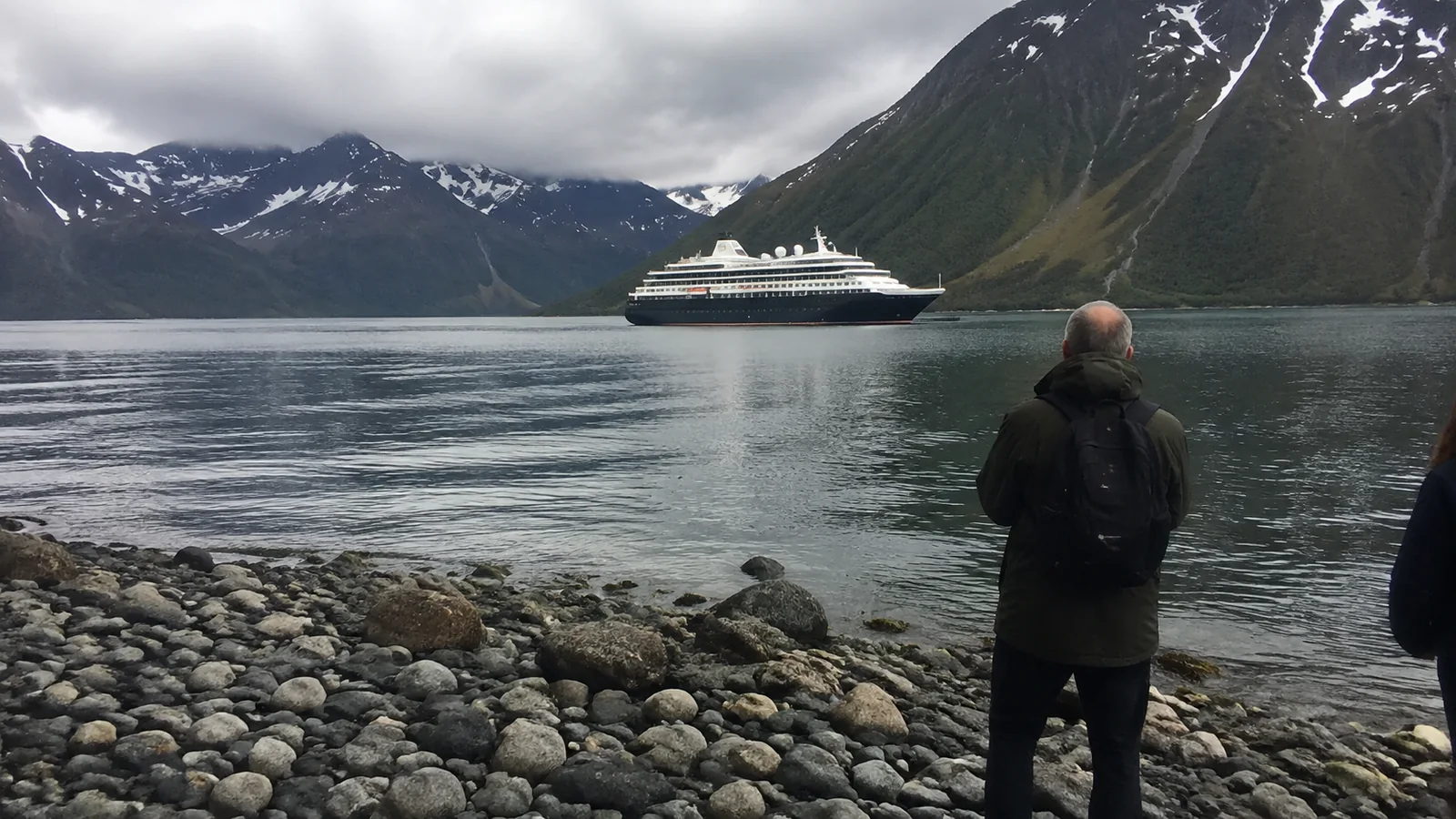
There is no universal passenger cutoff for a small ship. Some travelers mean fewer than 100 guests, while cruise companies may use the label for vessels carrying several hundred or even close to 1,000.
Capacity alone is not enough. Draft, length, tender setup, ice rating, stabilizers, public spaces, staff, and local port rules determine where a ship can go and how it operates.
Always check the exact ship and sailing date rather than relying on a fleet-level promise. Sister ships can have different cabins, equipment, accessibility, and passenger capacity.
The main small-ship cruise styles
Five real ships I would compare first
This shortlist was checked against operator information in September 2026, and capacities describe the ships rather than a guaranteed passenger count on your departure. I would compare the actual itinerary and inclusions alongside the size.
- Ship/operator and capacity: National Geographic Quest, Lindblad/National Geographic: 100 guests
- Best fit: Alaska wildlife, naturalists, and active shore exploration
- Consequential tradeoff: The expedition focus matters more than evening entertainment or a large pool deck
- Ship/operator and capacity: PONANT Le Bougainville: 184 guests
- Best fit: Boutique hotel comforts on a small ocean ship
- Consequential tradeoff: More refinement costs money, and port access can still involve tenders
- Ship/operator and capacity: Windstar Wind Star: 148 guests
- Best fit: Greek-island sailing with a comfortable dining and cabin experience
- Consequential tradeoff: A sailing yacht has fewer large-ship amenities and motion can still be noticeable
- Ship/operator and capacity: Star Clippers Star Flyer: 166 passengers
- Best fit: Tall-ship atmosphere and time on deck under sail
- Consequential tradeoff: Compact cabins, stairs, and a sailing-focused daily rhythm need to appeal to you
- Ship/operator and capacity: American Cruise Lines American Eagle: 100 guests
- Best fit: U.S. coastal towns and staying close to land
- Consequential tradeoff: This is a different destination experience from remote polar or tropical expedition cruising
For a first wildlife trip, I would start with Quest in Alaska because the guide-led activities are the reason to book. For relaxed sailing I would compare Wind Star first, while Le Bougainville would lead my list when cabin comfort and a polished hotel feel matter most.
Star Flyer is the choice I would make specifically to enjoy the tall ship, rather than simply because its passenger count is low. American Eagle makes more sense when the U.S. coast itself is the draw and I want small-port days without organizing an international flight.
Expedition ships
Expedition vessels prioritize destination access, naturalists, lectures, and outings by inflatable boat or kayak. Polar ships may carry specialized navigation and safety equipment, while tropical expeditions may focus on wildlife, reefs, rivers, and remote islands.
Weather, sea, wildlife, permits, and safety determine the daily plan. The itinerary is an intention rather than a guaranteed list of landings.
Boutique ocean ships
Boutique ships often feel more like compact traditional cruise ships, with restaurants, lounges, a pool or spa, and port-heavy itineraries. They may reach smaller harbors while retaining more familiar hotel comforts than a rugged expedition vessel.
The tradeoff is that “boutique” does not automatically mean intimate service, included excursions, or casual dress. Read the line’s actual program and fare terms.
Yacht-style ships
Yacht-style cruises emphasize marina access, outdoor decks, water sports where permitted, and a relaxed atmosphere. Some are motor yachts, while others simply borrow yacht language for design and scale.
A marina platform may be closed because of weather, local rules, water quality, or port operations. Never book only for one toy shown in a brochure.
Sailing ships
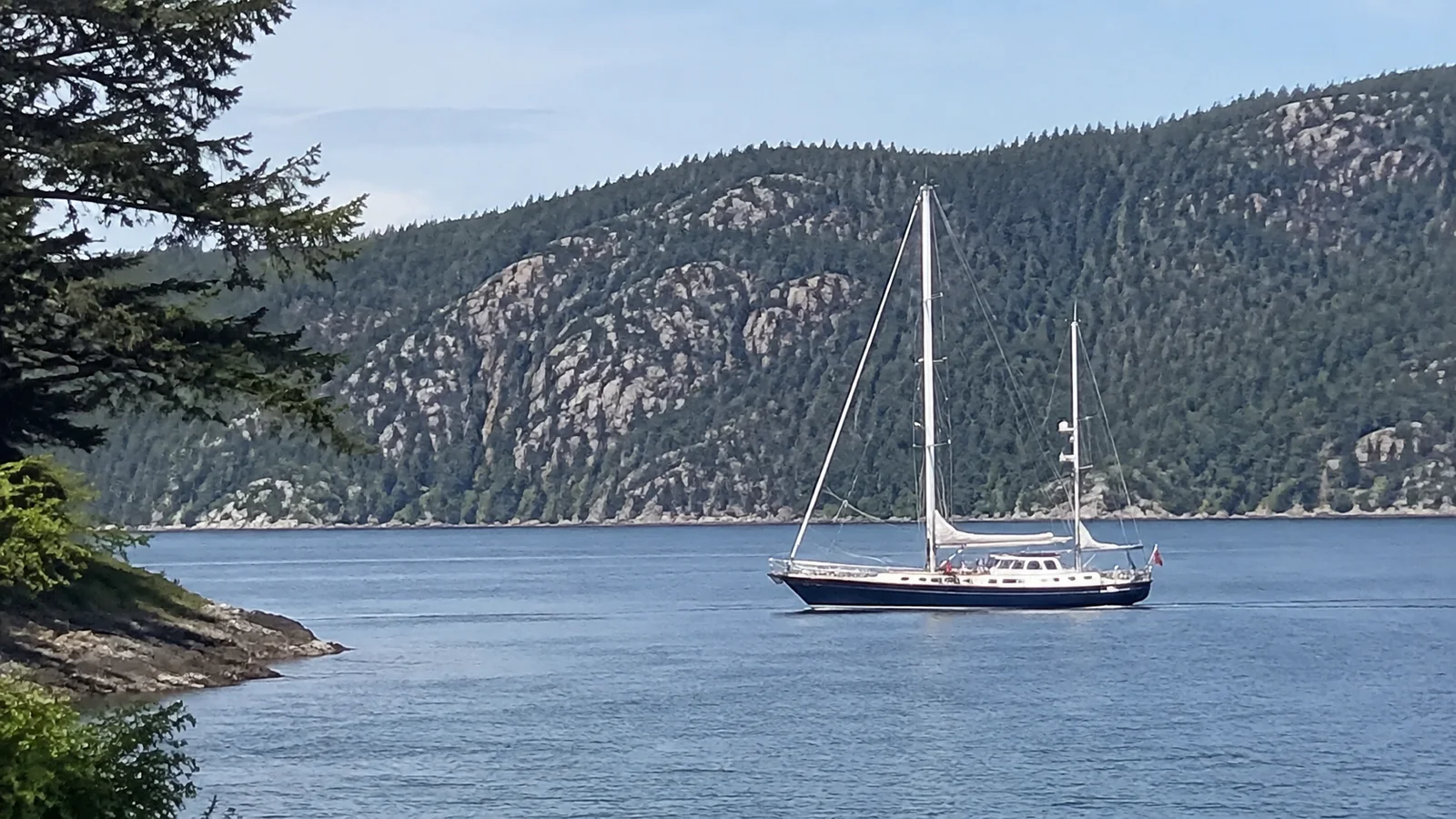
True or assisted sailing vessels add romance and a strong connection to wind and sea. Engines still play a practical role, and sails may not be raised on every leg.
Cabins and bathrooms can be compact, stairs may be steep, and motion may feel more pronounced. The reward is atmosphere, not a promise of silent travel under canvas all week.
River and coastal vessels
River ships, barges, and coastal vessels belong in the broader small-ship family but solve different travel goals. Rivers offer close scenery and town access, while coastal ships may navigate island chains, inland passages, or shallow harbors.
Locks, river levels, tides, bridges, and port restrictions can reshape these routes. A bus transfer may replace part of a river itinerary when water is too high or low.
Where small ships have an advantage
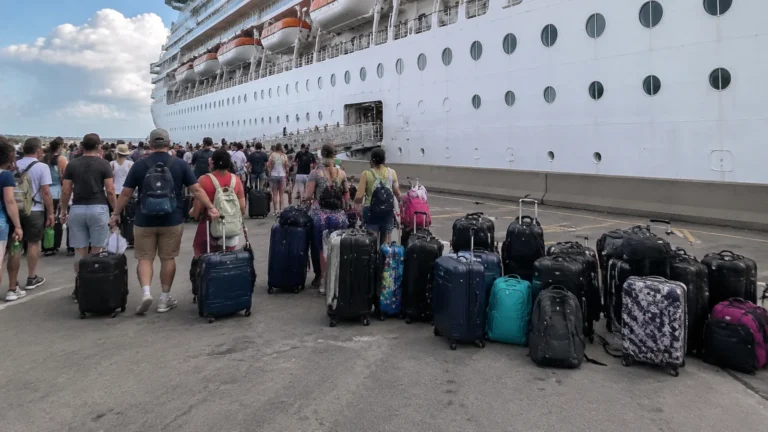
A smaller vessel may enter harbors that cannot handle the largest ships and can place fewer passengers into a community at once. Embarkation, tenders, and returning aboard may also feel simpler.
Expedition teams can divide guests into small activity groups and react to wildlife or weather. On some routes, the bridge, galley, or behind-the-scenes spaces feel more connected to the passenger experience.
None of those advantages is automatic. A small ship can still arrive beside other vessels, use busy tender piers, or operate a tightly controlled schedule.
The honest drawbacks
Small ships usually offer fewer restaurants, bars, pools, shops, entertainment venues, and medical resources. A dining room closure or noisy lounge matters more when there is no second option.
They may move more in rough water despite stabilizers, especially on exposed crossings. Travelers prone to motion sickness should discuss prevention with a clinician before departure.
Elevators may be absent, hallways narrow, gangways steep, and tender boarding physical. Some expedition landings involve wet feet, slippery stones, uneven ground, or stepping between moving boats.
Fares can look high, particularly when compared with an entry-level cabin on a mass-market ship. Value depends on what is included, not the number printed at the top of the booking page.
Small ship does not mean uncrowded everywhere
A vessel with 200 guests can feel wonderfully calm at sea and crowded when everyone wants the same observation deck. Zodiac loading, mudrooms, lectures, and popular excursions can create pinch points.
Ask how shore groups are divided, how many landing craft operate, and whether activities repeat. The guest-to-guide ratio matters more than a glamorous photograph of one empty beach.
How to compare cabins
Look beyond square footage to bed orientation, storage, window type, ventilation, noise, and bathroom layout. A porthole near the waterline feels different from a balcony several decks higher.
Check what sits above, below, and beside the cabin, including anchors, engines, lounges, crew doors, and tender machinery. These cruise cabin location tips help spot problems that a pretty rendering hides.
On expedition ships, the best cabin may be the one near the mudroom and least likely to make you queasy, not the largest suite. A balcony can be lovely but may see limited use in cold, windy conditions.
Dining and entertainment expectations
Some small ships serve excellent regional menus, while others prioritize simple meals that fit a demanding expedition schedule. Dietary needs require advance discussion because storage and alternative kitchens are limited.
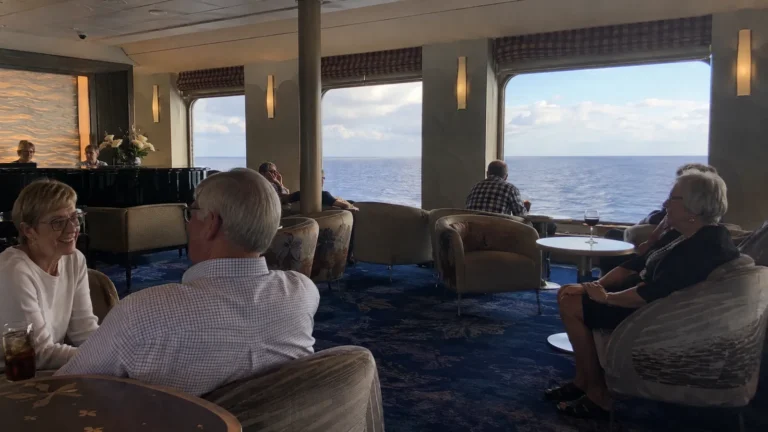
Entertainment may mean a naturalist lecture, local musician, documentary, pianist, or conversation in the lounge. If Broadway-style shows, a casino, comedy club, and late-night dancing make a cruise fun for you, choose a ship that actually provides them.
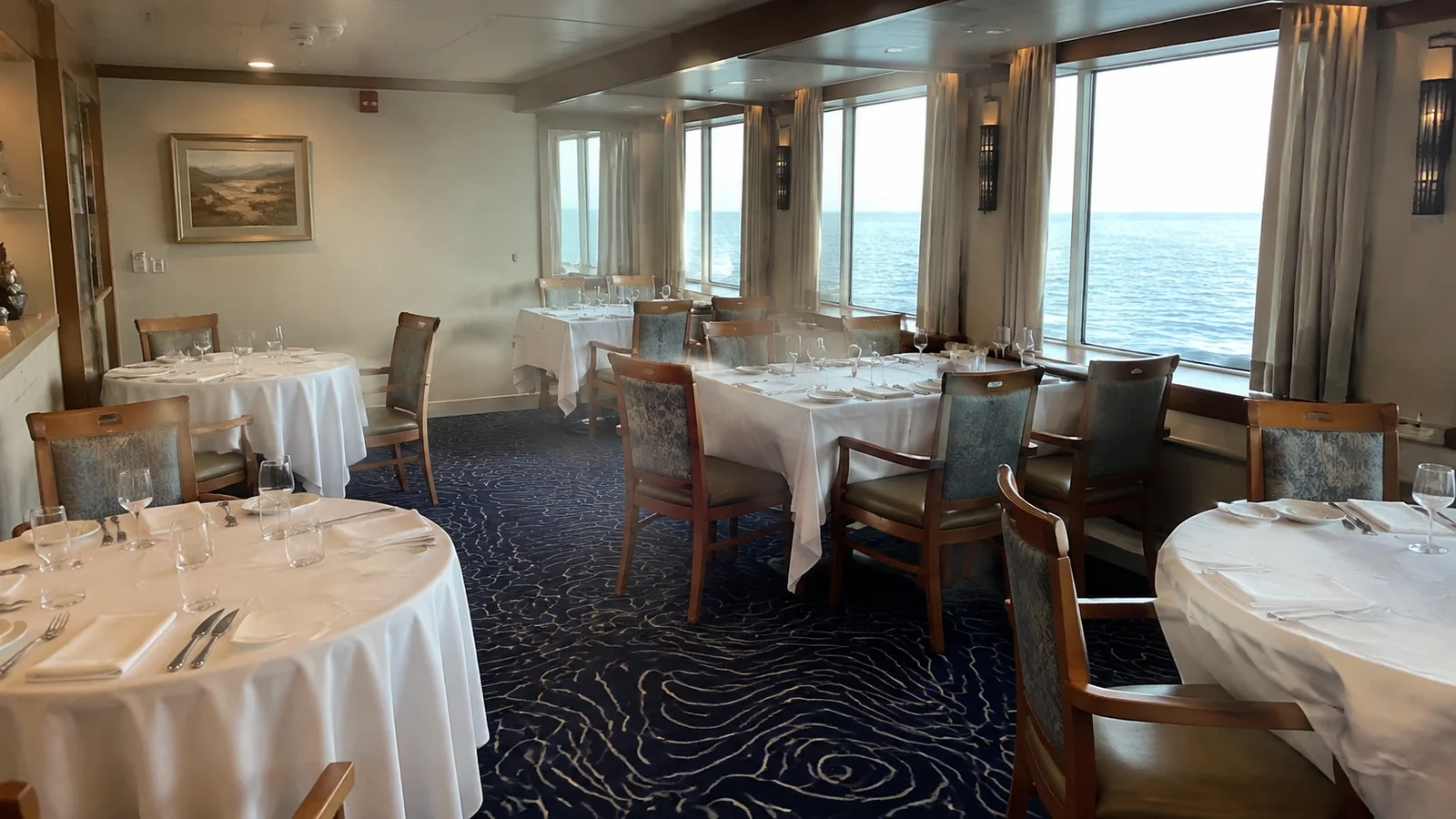
Open seating encourages conversation with other guests, but communal dining is not everyone’s dream. Ask whether tables for two, room service, or alternative dining are genuinely available.
Expedition landings and activity levels
Read the physical requirements for every included activity. Getting into a Zodiac may require stairs, a firm sailor’s grip, and balance while the boat moves.
Wet landings can mean stepping into water and walking across sand, stones, snow, or surf. Waterproof boots may be supplied, rented, or entirely your responsibility.
Activity groups often range from gentle walks to faster hikes, but availability depends on staffing and conditions. Ask what happens if you cannot land and whether scenic cruising remains available.
For Antarctica, review the International Association of Antarctica Tour Operators’ visitor briefings before sailing. Biosecurity, wildlife distance, group size, and landing rules are operational requirements, not optional etiquette.
Itinerary flexibility is part of the ticket
Small ships can change course to seek safer water, wildlife, better weather, or an available berth, but that freedom also means a desired port may disappear. Captains and expedition leaders make final safety decisions.
Choose a region rather than one single landing when possible. If missing a particular village would ruin the trip, a land itinerary may provide more control.
Read what compensation, if any, applies when weather or port authorities alter the schedule. Cruise contracts typically allow broad itinerary changes.
What is included in a small-ship fare?
Possible inclusions include excursions, expedition equipment, transfers, drinks, specialty dining, gratuities, Wi-Fi, park fees, and charter flights. Possible extras include all of those same items.
Build a line-by-line trip total that covers hotels, internal flights, mandatory transfers, visas, insurance, gear, beverages, tips, and optional activities. A higher fare with meaningful inclusions can cost less than a cheaper fare with expensive daily add-ons.
Check the cancellation schedule and supplier-default protection before paying a large deposit. Smaller operators may have different financial protections and payment terms from global cruise corporations.
Passport, insurance, and medical planning
Carry a passport that meets every country on the itinerary, even when a closed-loop route appears to accept another document. The U.S. State Department’s cruise guidance recommends a passport because an evacuation or unexpected port can require it.
Buy insurance that covers the full trip value, medical treatment, evacuation, repatriation, remote destinations, and every planned activity. Confirm whether the policy pays providers directly or expects reimbursement later.
A small infirmary cannot offer the care of a hospital, and remote evacuation can be delayed or impossible in bad weather. Bring adequate prescription medication in original packaging plus a safe delay reserve.
Health and seasickness
The CDC’s cruise health guidance covers motion sickness, respiratory illness, stomach illness, vaccines, and destination-specific preparation. Review it well before sailing rather than experimenting with a drowsy medication on embarkation day.
Wash hands with soap and water, particularly before eating and after using the bathroom. Hand sanitizer is useful but does not replace thorough washing for every pathogen.
Report vomiting, diarrhea, fever, breathing trouble, or injury promptly. Hiding symptoms to protect a landing can expose others and delay care.
Accessibility questions to ask in writing
Ask for doorway widths, elevator coverage, bed height, bathroom photos, shower configuration, gangway limits, tender transfer method, and wheelchair storage. “Accessible” on a marketing page is too vague.
Confirm whether the ship can accommodate a full-time wheelchair user during emergencies and which ports require tenders. A cabin may work perfectly while most landings do not.
Also discuss hearing loops, captioning, refrigeration, oxygen, service animals, allergies, and dietary requirements. Obtain the cruise line’s answer in writing before final payment.
Who loves small-ship cruising?
Small ships fit travelers who value destination time, guides, lectures, wildlife, scenery, and conversation over dozens of onboard attractions. They also suit people comfortable with changing plans and meeting the same fellow guests repeatedly.
Families need to verify minimum ages, room capacity, children’s programming, and activity restrictions. A ship that welcomes children may not entertain them in the way a large family ship does.
Solo travelers should compare single supplements, dedicated cabins, roommate matching, and social structure. Couples should consider whether communal meals and group outings match the vacation they picture.
Where small ships shine
Alaska’s narrow channels and wildlife-rich coast, the Galápagos, Antarctica, the Arctic, coastal Norway, the Mediterranean, and remote Pacific islands are natural small-ship regions. Great Lakes, New England, and river routes provide closer-to-home alternatives.
Each destination changes the ship requirements. Polar ice capability, warm-water marina equipment, river draft, and open-ocean stability are not interchangeable features.
These Antarctica cruise planning tips explain one expedition-heavy route, while these Great Lakes cruise ideas show a completely different small-port style.
Questions to ask before booking
- How many passengers will this exact sailing carry?
- Is the trip expedition, boutique, yacht, sailing, river, or a hybrid?
- Which ports require tenders or wet landings?
- What activities are included, capacity-limited, or extra?
- What does the fare exclude?
- How does the ship handle motion and rough crossings?
- What are the cabin’s exact measurements and noise risks?
- What mobility and medical support is available?
- What happens when weather changes the itinerary?
- Which flights, hotels, transfers, or gear are mandatory?
Use these cruise booking questions to pressure-test the details before paying. A good specialist should answer with the exact ship and itinerary rather than repeating fleet adjectives.
Small-ship cruise FAQs
Are small cruise ships safer in rough seas?
Not automatically. Hull design, stabilizers, route, speed, weather, and individual motion sensitivity all matter, while a smaller vessel may move more than a large resort ship.
Are small-ship cruises all luxury cruises?
No. The category includes simple expedition vessels, working-style coastal ships, sailing boats, river craft, premium ships, and very luxurious yachts.
Do small ships spend more time in port?
Many run destination-heavy schedules, but port time varies by berth, tide, distance, permits, and itinerary. Compare arrival and departure times for the actual sailing.
Final thoughts
The best small ship is not the fewest passengers or the highest fare. It is the vessel whose physical demands, cabin, guiding, inclusions, and approach to schedule changes fit the way you genuinely travel.
Pick the format first, then the destination, ship, and cabin. That order makes it much easier to find intimacy without accidentally booking discomfort.