Iceland Cruise Ports: Pick the Right Shore Day
An Iceland cruise can deliver a capital city, volcanic islands, waterfalls, fjords, and geothermal landscapes without unpacking twice. It can also tempt you into booking four different “complete Iceland” bus tours, each starring a windshield and the same brave granola bar.
Choose the itinerary before the cruise line
The best Iceland sailing is not automatically the one with the most port names. Compare usable hours, overnight stays, tender ports, scenic cruising, and whether the route gives Reykjavík, Akureyri, Ísafjörður, and a smaller community distinct jobs.
- First Iceland trip: Reykjavík plus Akureyri and one Westfjords or Eastfjords call
- Nature-heavy trip: Longer calls that fit Golden Circle, Lake Mývatn, and Dynjandi outings
- Independent walkers: Miðbakki Reykjavík, Akureyri, Seyðisfjörður, and Heimaey town days
- Expedition travelers: Smaller ports and flexible landings, with more weather dependence
- Hot-spring priority: One reserved regional bath, not a rushed soak in every port
A port count hides important differences between a full day, a five-hour call, and an overnight that begins with embarkation procedures. Before paying, place each arrival, departure, and likely all-aboard time on one page.
Four rules that prevent missed ships
- Use the ship’s time. A phone can display a different zone or update late.
- Distinguish departure from all-aboard. Passengers are usually due back well before sailing.
- Confirm dock or tender. Tender queues reduce the hours actually available ashore.
- Protect the return. Weather, tunnels, one-lane bridges, and road incidents need margin.
The cruise line’s daily program controls your boarding instructions, even when a public schedule shows another time. Iceland’s port association provides a useful Cruise Iceland planning overview, but the ship remains the final source for your call.
Reykjavík cruise port
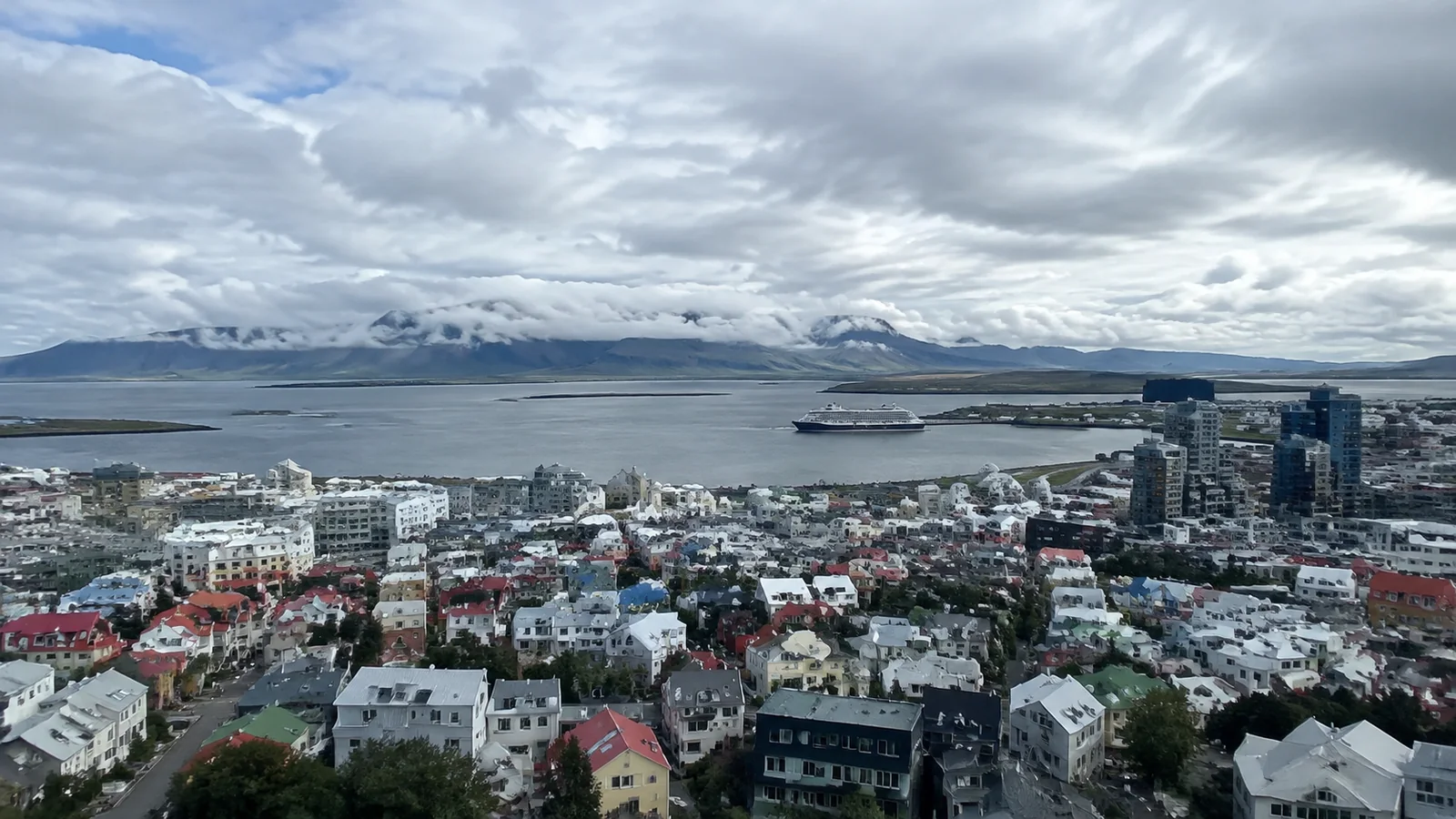
Reykjavík calls can use Skarfabakki, Miðbakki in the Old Harbour area, or a berth in neighboring Hafnarfjörður. Check the official Reykjavík cruise-arrival guide and your ship’s notice because the transport plan changes with the pier.
If you dock at Miðbakki
Miðbakki puts passengers beside the Old Harbour and within a comfortable walk of central sights. Harpa, the waterfront, Reykjavík Art Museum, Hallgrímskirkja, shopping streets, museums, and food stops can form a resilient independent day.
This is the rare Iceland call where doing less can reveal more. A city walk plus one museum and a public pool gives weather shelter without sacrificing Reykjavík to bus-window sightseeing.
If you dock at Skarfabakki
Skarfabakki is east of the compact center and usually requires a shuttle, public bus, taxi, tour pickup, or a longer walk. Confirm whether the cruise line supplies transport and where the return stop is located.
Do not copy directions written for Miðbakki simply because both addresses say Reykjavík. Photograph the stop name and ship berth before leaving.

Best Reykjavík excursions
The Golden Circle combines Þingvellir, the Geysir geothermal area, and Gullfoss, but it is a substantial road day rather than a quick loop around town. It fits a long call with a cruise-timed tour and sensible stops, not a late arrival or abbreviated last day.
Reykjanes and Blue Lagoon can work when roads, volcanic conditions, tickets, transfer, and ship time all align. Use the Iceland hot-springs comparison to choose a soak without treating a confirmed opening as permanent.
Best city day: Old Harbour, Hallgrímskirkja, one museum, lunch, and a pool. Best long excursion: Golden Circle with a reputable cruise-aware operator.
Akureyri cruise port
Akureyri sits at the head of Eyjafjörður and commonly offers direct pier access near town, although the assigned berth still matters. The Port of Akureyri cruise schedule is useful for expected traffic, while the ship confirms the day’s gangway.
Stay in Akureyri
A town day can connect Hof Cultural Center, central streets, Akureyrarkirkja, the botanical garden, museums, cafés, and the swimming pool. The climb toward the church and garden is manageable for many visitors but deserves time and sturdy shoes.
Forest Lagoon is across the fjord and needs reserved entry plus transport. It is a better fit than Lake Mývatn when the goal is one comfortable soak rather than a broad regional tour.
Goðafoss and Lake Mývatn
Goðafoss is the simpler regional objective and can be paired with selected north Iceland stops. Lake Mývatn adds geothermal landscapes and considerably more road time, so choose a tour designed around the exact call.
Trying to combine Goðafoss, every Mývatn feature, a long lunch, and a lagoon can turn the day into scenic attendance-taking. Select two or three priorities and ask how long the itinerary spends outside the vehicle.
Best short call: Akureyri town or Goðafoss. Best long call: A focused Mývatn route with return protection.
Ísafjörður cruise port
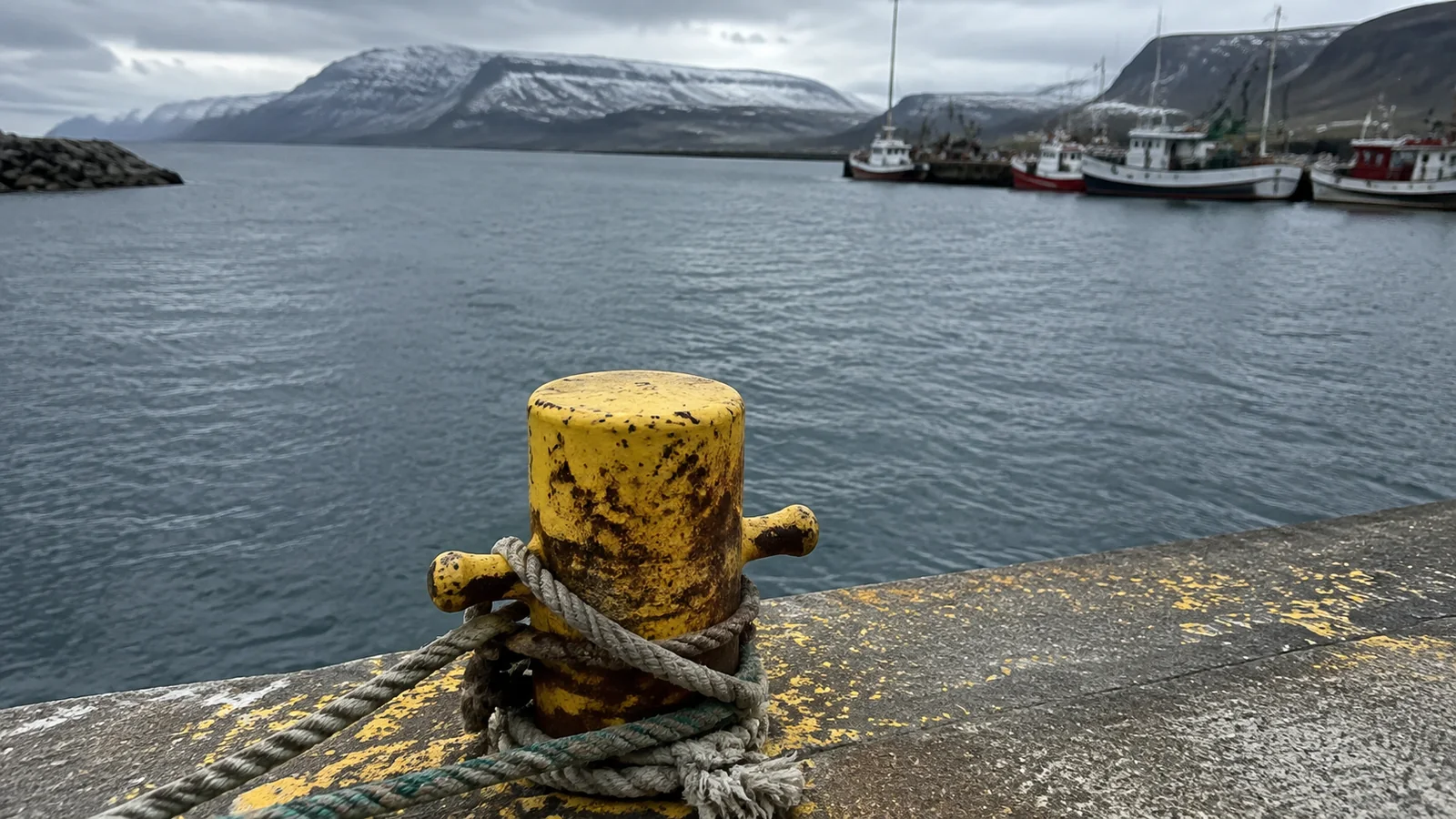
Ísafjörður is the Westfjords hub for Dynjandi waterfall, fjord drives, kayaking, local history, and small-village excursions. Expanded pier capacity allows more ships to dock, but anchoring and tendering remain possible depending on vessel, traffic, and conditions.
Dynjandi requires a plan
Dynjandi is a magnificent tiered waterfall reached by a long road journey through Westfjords terrain and tunnels. Reserve reliable transport in advance, verify the pickup point, and leave a generous return margin.
The path rises beside multiple cascades and can be wet, uneven, and slippery. Travelers with limited mobility should ask exactly how much can be seen from the lower area and where the vehicle stops.
Stay local when the call is short
Ísafjörður offers a compact old-town walk, regional museums, cafés, and close views of the surrounding mountains. A short call or delayed tender day is not a failure simply because Dynjandi remains on the map.
Best long excursion: Dynjandi with port-timed transport. Best low-risk day: Town, maritime history, food, and a short guided activity nearby.
Seyðisfjörður cruise port
Seyðisfjörður sits deep in an Eastfjords valley, with colorful historic buildings, the blue church, arts spaces, waterfalls, and short walks close to the harbor. The port is also a working ferry gateway, so pay attention to vehicle traffic and restricted areas.
The mountain road over Fjarðarheiði connects the town with Egilsstaðir and can face fog, wind, or difficult conditions. Check official status before accepting a self-drive or distant tour plan, even in the nominal summer season.
Best independent day: Town architecture, local art, food, and a condition-appropriate walk. Tradeoff: Inland excursions surrender the easy charm of the port itself.
Grundarfjörður cruise port
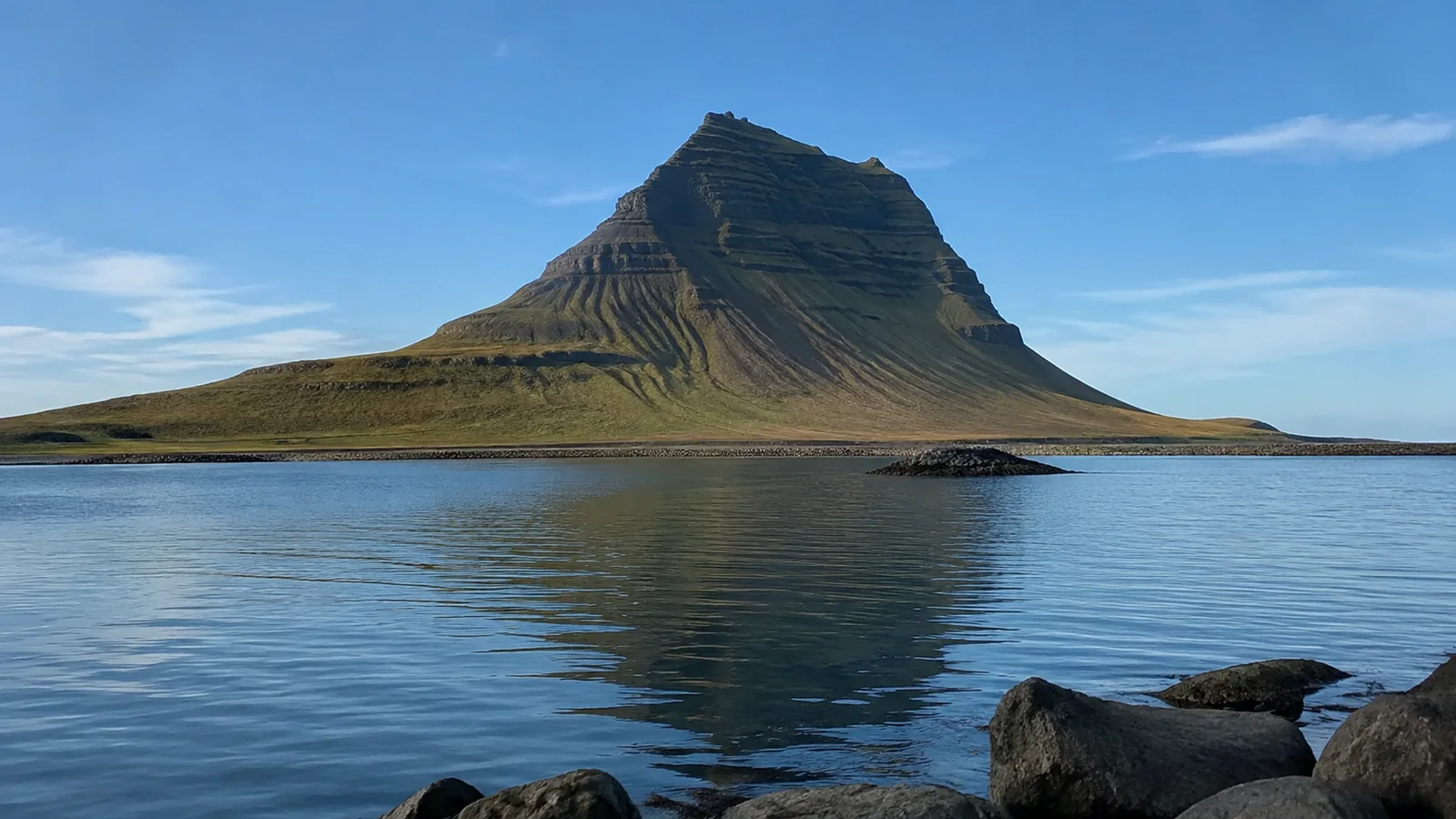
Grundarfjörður is the Snæfellsnes call most associated with Kirkjufell, the sharply profiled mountain just outside town. Docking or tender arrangements vary, and a crowded call can strain limited local vehicles and tours.
Kirkjufell is not a casual summit hike for cruise visitors; enjoy established viewpoints and follow closures and parking rules. A full Snæfellsnes circuit includes long distances, so a shorter peninsula sampler is safer on an ordinary call.
Lighthouse seekers can compare regional possibilities in this Iceland lighthouse guide, then choose only those that fit the actual pier and road time. Best fit: A reserved small-group peninsula outing or a relaxed town and Kirkjufell plan.
Heimaey, Westman Islands
Heimaey tells Iceland’s volcanic story through Eldfell, the 1973 eruption landscape, Eldheimar museum, harbor, and dramatic sea cliffs. Some ships dock and others tender, so never assume a smooth first departure ashore.
A town and Eldheimar day is resilient, while an Eldfell hike requires suitable weather, footwear, and enough climbing time. Puffin viewing is seasonal and wildlife never signs a performance contract with the cruise line.
Boat and rigid-inflatable tours face wind and sea limitations that can cause cancellation. Best short call: Eldheimar and town; best active call: Eldfell or a weather-approved boat trip, not both at a sprint.
Djúpivogur cruise port
Djúpivogur is a small Eastfjords community where a harbor walk, local art, historic buildings, birdlife, and the outdoor Eggin í Gleðivík installation can fill a gentle call. Larger ships may tender, making the usable day sensitive to sea conditions.
Long excursions toward glacial lagoons consume substantial road time and should be booked only when the published duration fits comfortably. Staying close is especially attractive when several Iceland ports already include long bus tours.
Best fit: Slow exploration and local culture. Tradeoff: Distant headline landscapes require more time than the port’s small scale suggests.
Húsavík cruise port
Húsavík is closely associated with whale watching and GeoSea, but wildlife trips remain weather-dependent and sightings are never guaranteed. Reserve directly with a cruise-compatible departure and allow for gear fitting, safety briefing, and the walk back.
Families should review age, height, mobility, and warm-clothing rules for the exact boat. The broader whale-watching cruise overview helps set expectations without turning possibility into certainty.
Best fit: One whale-watching trip or GeoSea plus town. Tradeoff: Wind can cancel the activity that motivated the call.
Book ship tour or independent excursion?
Choose the cruise-line excursion when
- The destination is far from port or reached through limited roads.
- The call is short, tenders are possible, or return margin is narrow.
- A mobility need requires one accountable provider.
- Weather could force rapid timing or route changes.
Choose an independent operator when
- The company names the ship, berth, pickup, and guaranteed return process.
- The cancellation terms address missed and weather-canceled calls.
- The group size, walking level, and stops are clearer than the ship option.
- You retain enough margin without relying on the final possible tender.
Ask what “port pickup” means, because it might be beside the gangway, outside a secure gate, at a shuttle stop, or downtown. Save the operator’s Icelandic phone number offline and carry the port agent details from the ship’s program.
Weather, roads, and clothing
Icelandic summer can deliver cold wind, rain, bright sun, and calm within one call. Check SafeTravel Iceland and the official road conditions before any independent journey.
- Waterproof shell and rain pants for exposed excursions
- Warm midlayer, hat, and light gloves even in summer
- Supportive waterproof footwear with good grip
- Small daypack with a waterproof ticket and phone pouch
- Water, medication, and a snack for long road tours
- Binoculars used without approaching or disturbing wildlife
Umbrellas struggle in Icelandic wind and can become tiny airborne regrets. Layers work better because buses may be warm while viewpoints feel sharply colder.
Budget without booking the same day repeatedly
Place every proposed excursion into a simple category: major landscape, wildlife, town, museum, or geothermal bath. If three expensive tours are mainly waterfall drives, keep the one with the best regional fit and make another port a walking day.
Reykjavík, Akureyri, Seyðisfjörður, and Heimaey can all support satisfying local plans. Free walking does not mean zero spending, but lunch and museum admission usually cost less than a full-day bus seat.

Final Iceland cruise checklist
- Confirm every berth, tender, arrival, departure, and all-aboard time.
- Reserve one top excursion per region, with a backup local plan.
- Check cancellation terms for a missed or weather-altered port.
- Download tickets, maps, operator contacts, and ship agent details.
- Recheck road and weather alerts on the morning of each call.
- Return earlier than the final acceptable minute.
The strongest Iceland cruise lets each port do what it does best. Give Reykjavík the capital or Golden Circle, Akureyri the north, Ísafjörður the Westfjords, and at least one small port the dignity of not becoming another race to a bus.