Multigenerational Cruises: How I Would Plan a Family Trip
I would plan a multigenerational cruise around suitable cabins, manageable travel days, and one shared gathering each day. Grandparents, parents, teens, and younger children can enjoy the same ship without following the same schedule.
My first priority would be making the trip workable for the least flexible needs, then giving everyone room to choose their own activities.
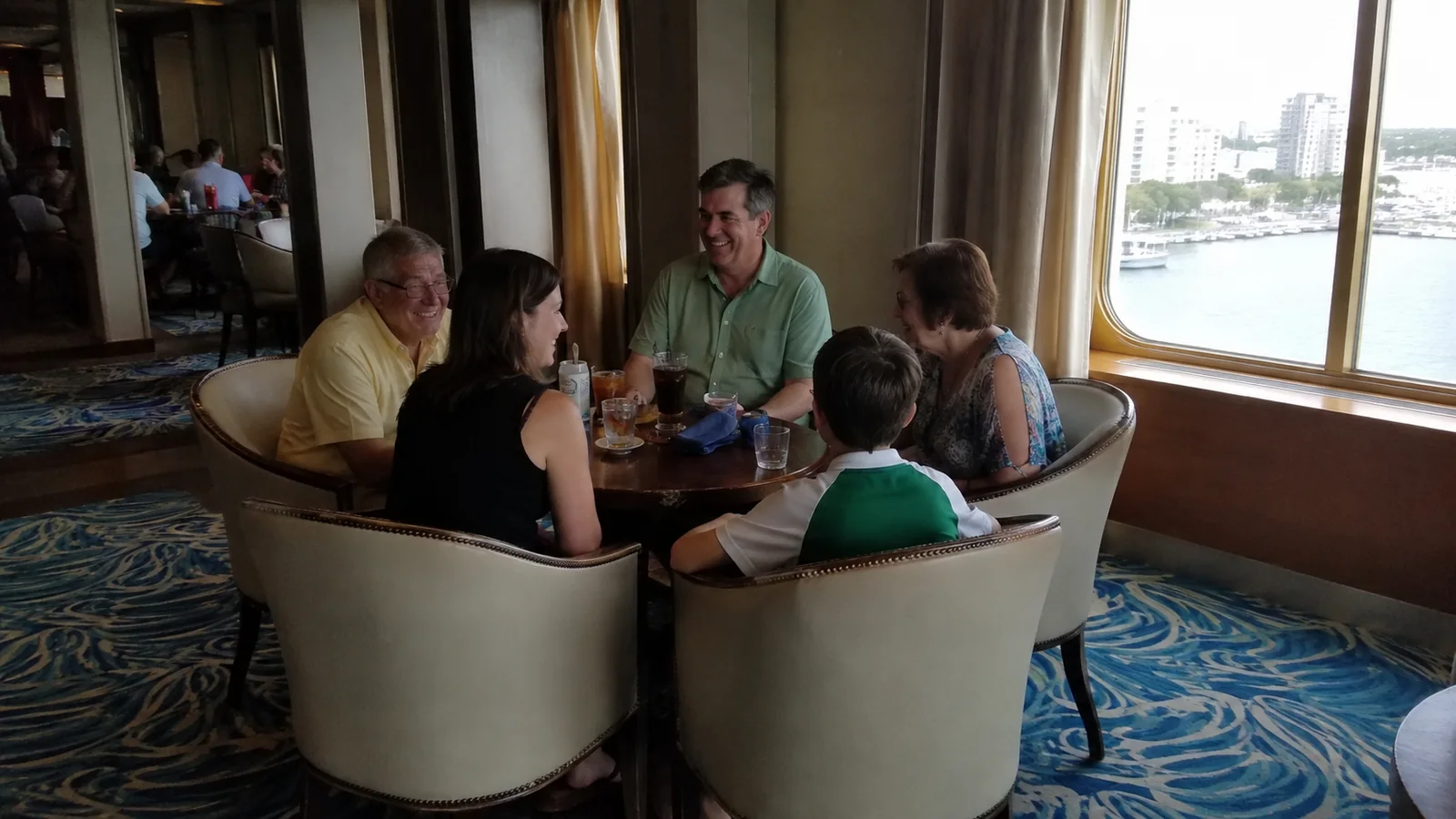
Start with needs that can rule out a ship
Before comparing waterslides or restaurants, I would ask each household about its budget, available dates, mobility, sleep, and childcare needs. I would collect sensitive details privately, not in a family group chat.
A ship that works for an energetic seven-year-old may offer little usable drop-off care for a two-year-old. A cabin that looks spacious in a photograph may not provide the bathroom or turning space someone needs.
I would ask people what they need without assuming that age answers the question. An older relative may want the strenuous excursion, while a younger adult may need a slower pace.
My family cruise comparison helps with the children’s side of the decision. I would give equal weight to the adults’ comfort and interests.
The shortlist should satisfy the essential needs first. A bonus attraction cannot compensate for a room or route that a family member cannot use comfortably.
Choose an easy travel route before the newest ship
I would compare flights, driving time, hotel nights, and transfers for every household. A new ship is less appealing if reaching it creates a difficult connection for half the family.
For travelers flying in, I would normally plan an arrival at least the day before embarkation. The right extra margin depends on available replacement flights and the consequences of a delay.
I would not require everyone to take the same flight if separate routes are simpler. Meeting at the hotel can be easier than adding a connection merely to travel together.
Accessible transfers, child seats where needed, and space for luggage or mobility equipment need direct confirmation. “Private van” does not tell me whether the vehicle suits the whole group.
Each household would keep its own travel documents and confirmation details. The organizer can coordinate the plan without holding everyone’s passports or making every airline decision.
Set a baseline budget that people can comfortably accept
I would ask for a realistic total-trip budget, not just a cabin fare limit. Flights, hotels, transfers, gratuities, excursions, and optional packages can change what a family can afford.
Then I would choose a shared baseline and let people upgrade privately. One household can buy a balcony or drinks package without making that the expected standard for everyone.
If someone is paying for relatives, I would write down what the gift includes. Covering the cruise fare is different from covering every onboard purchase and port-day expense.
I would also decide which shared activities are optional before money is collected. A family photograph or group dinner should not become a surprise bill for someone who already stretched their budget.
For a complicated booking, I would consider an advisor who can manage individual reservations and link the group. My guide to cruise booking methods explains what I would ask about service and fees.
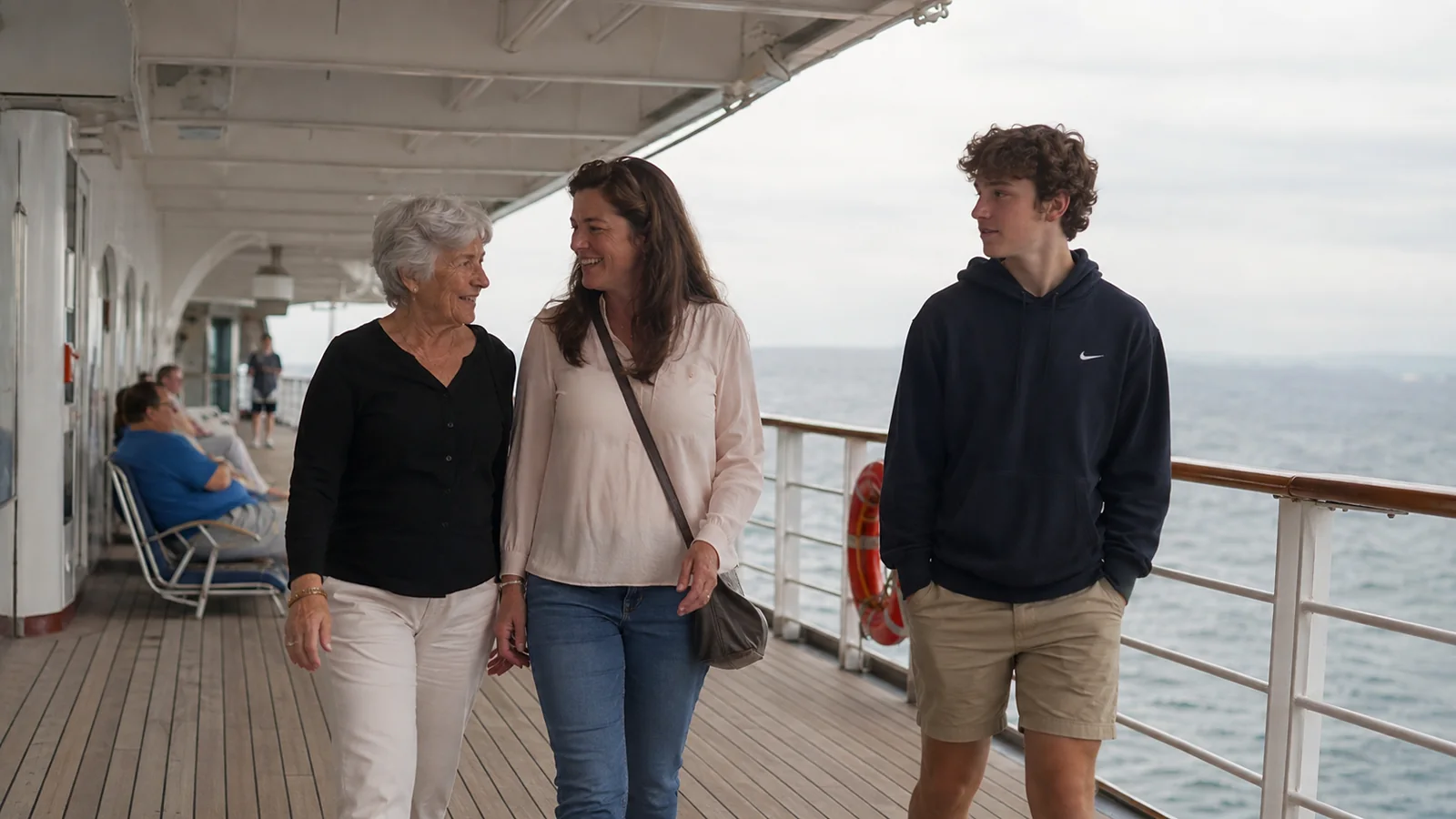
Nearby cabins can be better than identical cabins
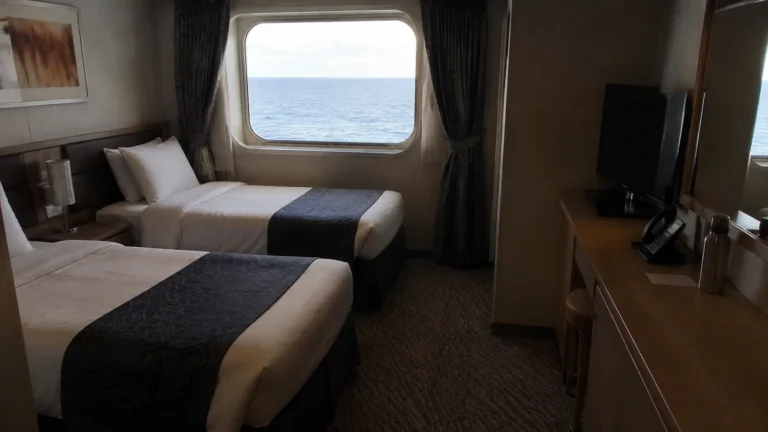
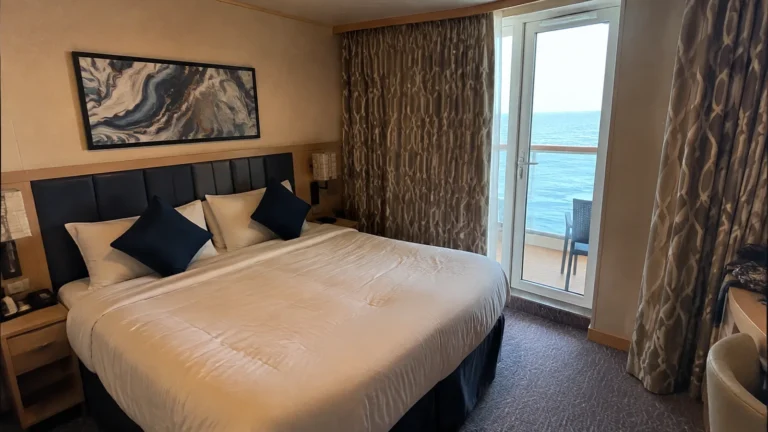
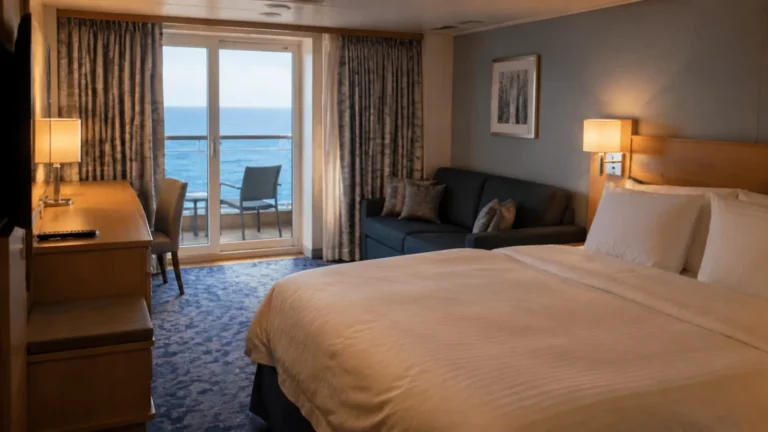
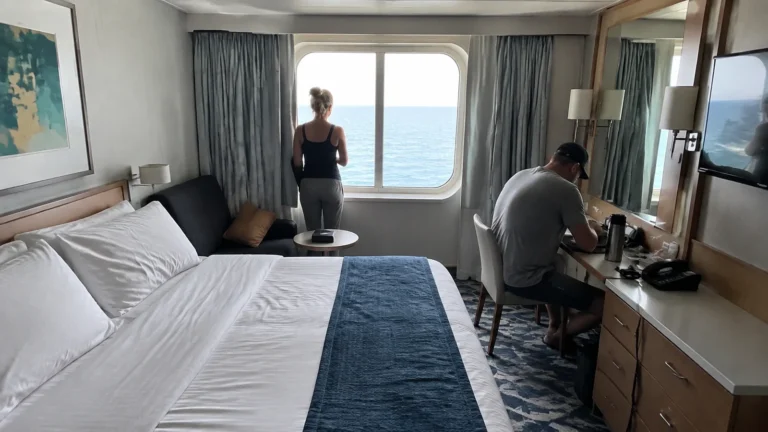
I would choose rooms according to how each household sleeps and moves around the ship. Everyone does not need the same category or deck to enjoy a family trip.
Connecting cabins can help parents with children when both rooms are booked together. For adult relatives, nearby non-connecting rooms may provide a better balance of help and privacy.
I would verify the actual connecting-door symbol. Adjacent rooms are not necessarily connected, and a balcony-divider request is not a substitute for an internal door.
For a traveler with limited walking, I would prioritize a manageable elevator route. I would not place them at the far end of a corridor simply to keep all the family’s rooms in one row.
The Royal Caribbean accessible-stateroom guidance is an example of the room-specific information worth checking. The relevant line’s accessibility team should confirm the features needed for the actual traveler.
I would use my deck-plan guide to compare what sits above and below each room. A convenient family cluster is less useful if it places a light sleeper beneath a busy public venue.
Make dinner the easy reunion
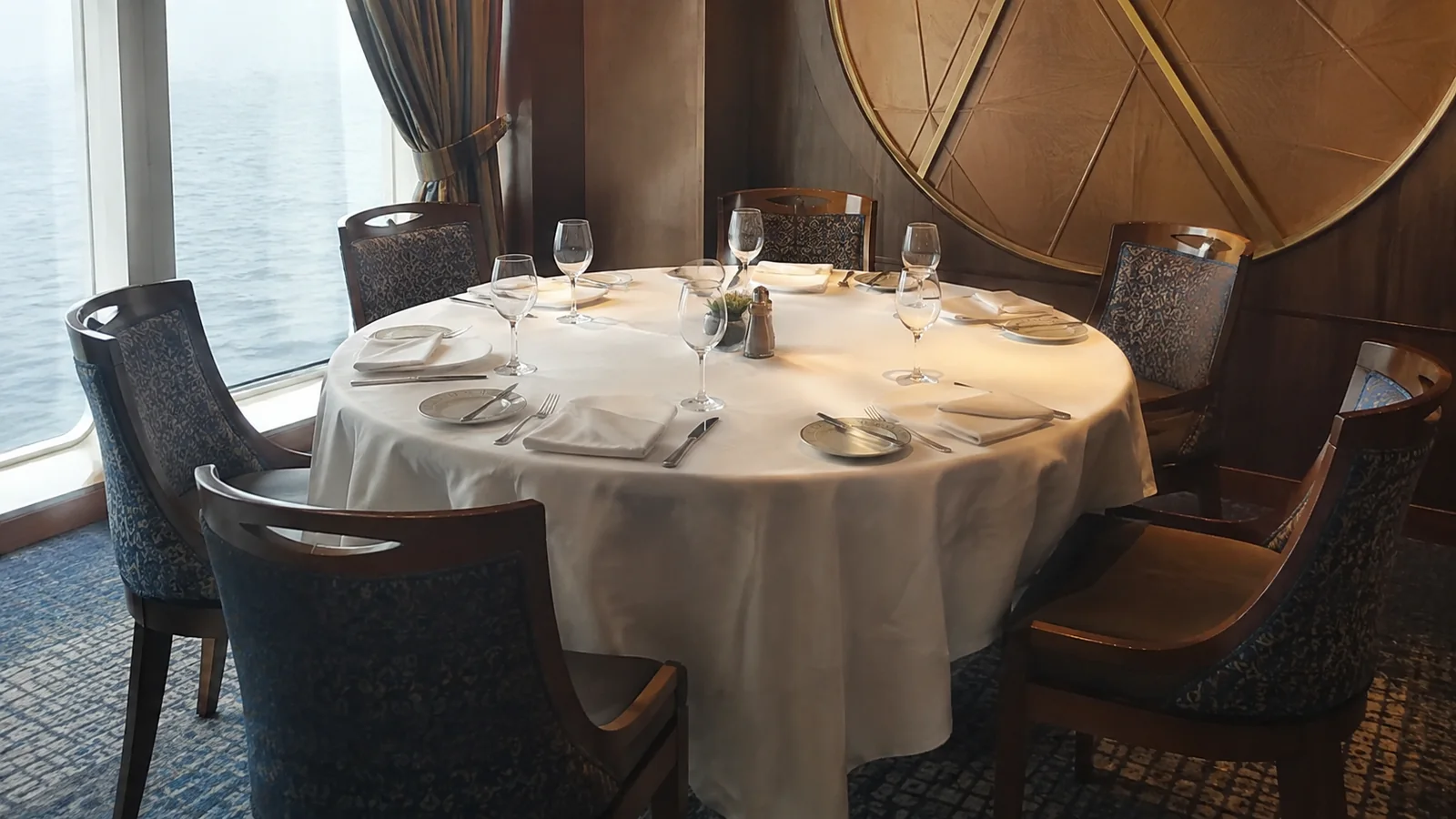
One dependable dinner can give the family a shared point without controlling the whole day. I would choose a time that works for the youngest child’s routine and the adults’ normal pace.
Fixed dining can simplify the reunion when the group wants the same arrangement nightly. Flexible dining can work when port days and naps vary, but I would still arrange the larger gatherings early.
Separate bookings usually need to be linked or coordinated for seating requests. I would use the cruise line or advisor to make that request, then confirm the result after boarding.
Royal Caribbean’s group reservation information explains the separate arrangements for dining and activities. I would not assume that buying cabins together reserves a table or a private event.
For a large party, I would accept nearby tables when that is the practical option. I would also allow someone to skip dinner without requiring a family debate.
Do not promise childcare before checking the exact service
Youth clubs can give children and adults time apart, but age ranges, registration, hours, and drop-off policies differ. I would check every child’s eligibility individually.
A parent-attended playroom is not a nursery reservation. A teen lounge also does not necessarily provide the same check-in and release controls as a younger children’s club.
Norwegian’s current youth-program information says Guppies drop-off is unavailable and Splash Academy is not offered while the ship is docked or anchored. That is the kind of operational detail I would check before adults reserve a port excursion without the children.
I would register early and keep a backup family activity. Eligibility and registration do not mean every desired session has unlimited capacity.
If grandparents want to babysit, I would agree on the specific time and responsibilities. I would not treat their presence as an automatic childcare arrangement.
Give each age group some control
I would ask teens to choose one activity or port plan that interests them. A little ownership makes shared family events easier to enjoy.
For younger children, I would leave space for a nap, a familiar snack where permitted, and a quieter activity. A full schedule can become exhausting before the evening meal.
Adults who want a spa appointment, casino visit, or early night should be able to make that choice. The point of sharing a ship is that different days can still end with dinner together.
I would choose one short group photograph session early in the trip. Trying to assemble everyone after a long excursion is a harder way to get the same picture.
The cruise-line comparison can help identify the broader atmosphere, but I would inspect the exact ship’s offerings before promising any particular activity.
Split excursions by pace when the interests diverge
I would not force one tour to serve a stroller, a wheelchair user, an active teenager, and a relative who dislikes long bus rides. Smaller groups can choose outings that suit them and still share stories later.
Before booking, I would check walking distance, stairs, surface conditions, transport access, bathrooms, shade, and time away from the ship. A label such as “easy” does not answer every accessibility question.
For someone using a mobility device, I would confirm the actual vehicle and boarding method with the operator. Tendering and changing sea conditions can add another limitation.
Each subgroup would carry the port contact, required identification, and the correct all-aboard time. I would set a return target with room for ordinary delays rather than plan to reach the pier at the deadline.
I would also make staying aboard a legitimate option. A relative who needs rest should not feel responsible for changing everyone else’s excursion.
Assign child supervision clearly
I would name the responsible adult whenever a child changes groups. “Everyone is watching” is too vague for a pool, busy deck, or unfamiliar port.
At the water, I would use an explicit handoff when adults take turns. A conversation, phone call, or drink order should not silently transfer responsibility.
For teens with permission to move around independently, I would agree on boundaries, meeting times, and what to do if messaging fails. I would check the ship’s rules as well as the family’s preferences.
Children would know which cabin or meeting point to use if plans change. I would keep the instructions simple enough to remember without opening an app.
Use a communication plan that survives a dead phone
I would choose one daily meeting time and one physical location that everyone can find. That creates a fallback when notifications fail or a phone battery runs down.
Before buying internet, I would check what the ship’s app can do without a paid plan. App messaging, internet access, and cellular service are different products and can have different requirements.
I would avoid placing private medical details, passport images, or payment information in the group chat. People need the shared plan, not every document behind it.
Each household would nominate a contact person for routine changes. Urgent problems would go to the ship’s appropriate staff or emergency process, not wait for a family chat to reach agreement.
A simple family plan I would send before departure
- Each household’s arrival plan and booking contact.
- The shared dinner request and meeting location.
- Which activities are optional and which costs are shared.
- Child-supervision arrangements, including explicit babysitting times.
- How to communicate aboard and where to meet without a phone.
- The correct contact for payment, accessibility, and excursion questions.
I would keep the note short and let each household manage its own packing and paperwork. My packing checklist can cover those individual preparations.
Questions families usually need to settle
Should all the cabins be on one deck?
I would prefer suitable rooms with manageable routes over one perfect cluster. Nearby decks can work well when the elevator bank and meeting place are clear.
Is a suite the best choice for a large family?
Only if the actual beds, bathrooms, privacy, and price suit the group. I would compare separate rooms before assuming that one expensive suite provides better rest.
Should the organizer collect everyone’s payments?
I would prefer each household to pay the cruise line or established advisor directly. That keeps invoices, changes, and cancellation responsibility clearer.
How much should the family do together?
I would start with one shared gathering a day and add only the activities people genuinely want. A successful family cruise leaves everyone with some choice and a dependable way to reconnect.