Lake Superior Fishing Charters: Ports, Seasons and Booking Tips
A Lake Superior fishing charter is not one standard trip with interchangeable docks. Choose Minnesota, Wisconsin, Michigan, or Ontario first, then match the port, season, target species, boat, and regulations to your group before anyone starts shopping for a heroic fish photo.
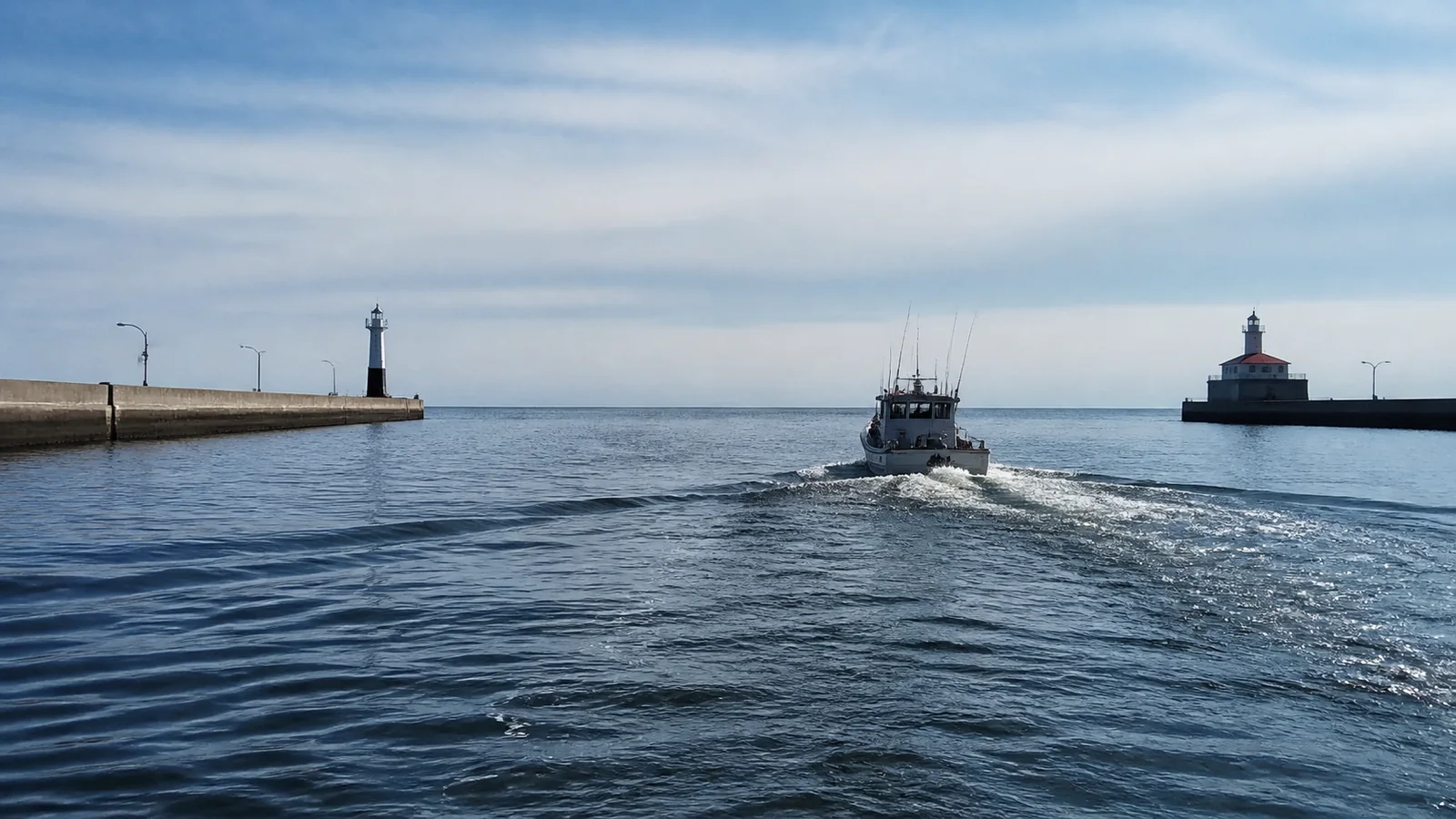
Start with the port, not the captain’s biggest catch
Lake Superior spans three U.S. states and Ontario, with hundreds of miles between practical charter bases. A boat’s home port determines its normal fishing grounds, travel time to structure, local weather exposure, and the rules governing your catch.
- Duluth or Two Harbors, Minnesota: Convenient for Twin Cities travelers and first-time North Shore trips
- Grand Marais, Minnesota: A smaller harbor farther up the North Shore with a vacation-town setting
- Bayfield or Ashland, Wisconsin: Best for combining fishing with the Apostle Islands or Chequamegon Bay
- Marquette or Munising, Michigan: Strong Upper Peninsula bases with open-lake and nearshore possibilities
- Keweenaw Peninsula, Michigan: A more remote choice for anglers prioritizing Lake Superior over city amenities
- Thunder Bay area, Ontario: A Canadian trip requiring Ontario licensing and border planning
Do not book a charter in one port because you saw a report from another. Even nearby-looking harbors may fish different depths, reefs, bays, and management units, and Lake Superior is much larger than a road map makes it feel.
Which Lake Superior port fits your trip?
Duluth and Two Harbors for the easiest Minnesota plan
Duluth offers the broadest lodging and restaurant base at the lake’s western end, while Two Harbors moves the vacation up the North Shore. These ports work well for beginners, families, and groups pairing a half-day charter with waterfalls around Duluth and the North Shore.
Minnesota’s summer creel survey tracks lake trout, Chinook salmon, and coho salmon from Duluth toward Hovland. Its Lake Superior fishing report is updated weekly during the survey season, making it more useful than a trophy picture without a date.
Ask whether the captain normally fishes the open lake, nearshore water, or the St. Louis River on your date. A river-focused walleye trip and a deep-water lake-trout troll leave from the same metro area but require different expectations.
Grand Marais for a quieter North Shore base
Grand Marais suits travelers already planning to stay along Minnesota’s northeastern shore. The smaller-market tradeoff is fewer backup boats and less schedule flexibility, so book early and keep a weather-cancellation day available.
A long drive from Duluth does not guarantee better fishing; it changes the water and vacation setting. Confirm departure harbor, parking, start time, drive time from your lodging, and whether the trip remains practical after an early-morning fog or road delay.
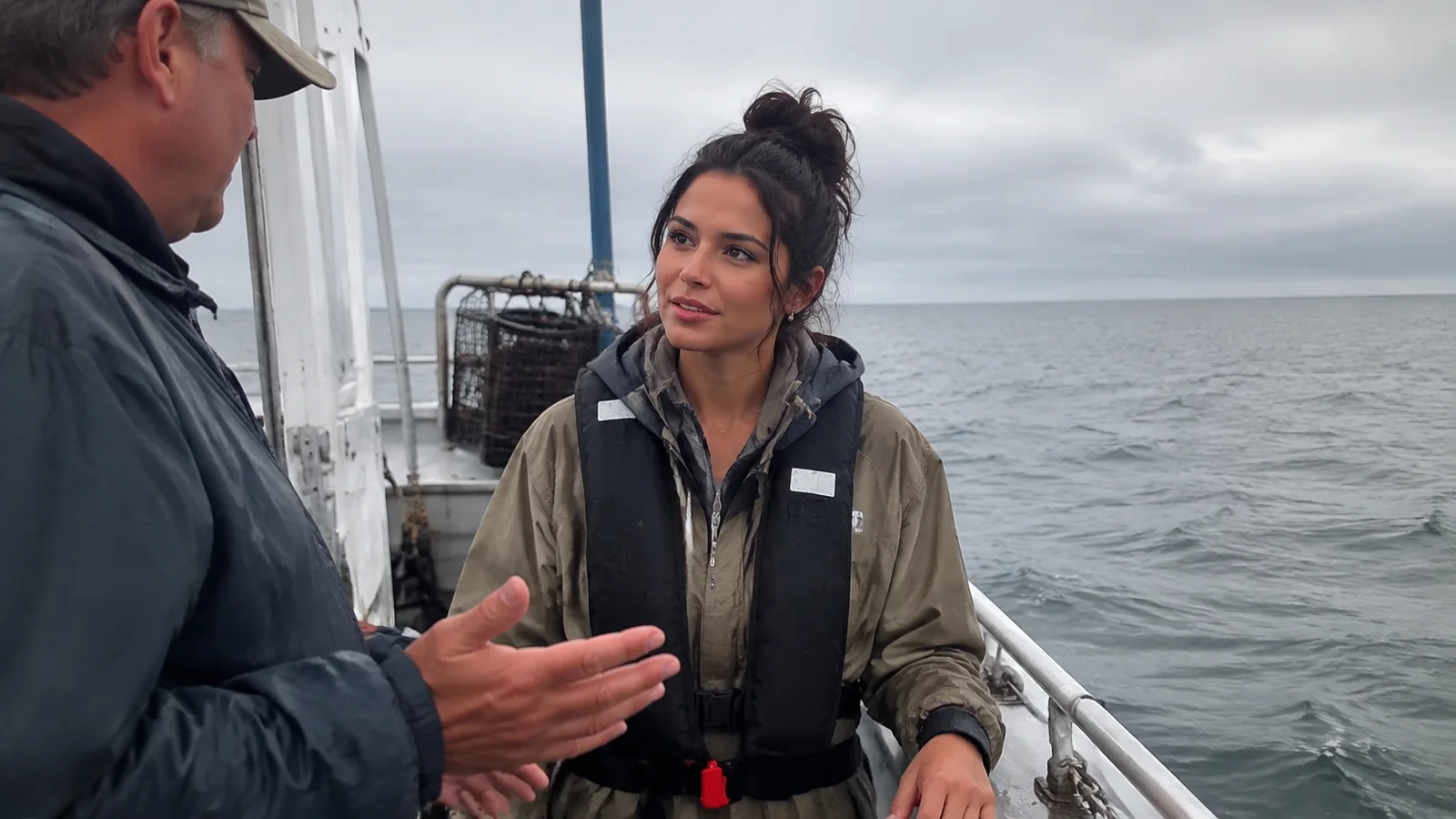
Bayfield and Ashland for Wisconsin variety
Bayfield is the natural base for travelers combining a charter with the Apostle Islands, while Ashland faces Chequamegon Bay. Wisconsin DNR describes lake trout as the main summer target in the lake proper and identifies a broader bay fishery that includes coho salmon, brown trout, whitefish, walleye, perch, and smallmouth bass.
That does not mean every species is available to every charter on every date. Ask what the boat has actually targeted during the previous week, what depth and travel time are involved, and which backup plan the captain prefers when wind blocks the first choice.
The islands make a beautiful backdrop, but they create route and forecast decisions rather than a shelter guarantee. If you add a separate paddle day, use this Apostle Islands kayaking planner because charter-boat conditions do not establish safe kayak conditions.
Marquette, Munising, and the Keweenaw for an Upper Peninsula trip
Michigan’s Lake Superior coast rewards travelers willing to build the vacation around the Upper Peninsula. Marquette has more city services, Munising pairs naturally with Pictured Rocks, and Keweenaw ports place the lake at the center of a quieter, longer road trip.
Some offshore reefs and management units have special lake-trout rules. Michigan changed possession limits for Stannard Rock and Big Reef in 2026, which is exactly why last year’s blog post should never outrank the current Michigan regulations.
An offshore destination may require a longer run and may be the first plan canceled when conditions deteriorate. Ask whether travel time counts inside the advertised charter duration and whether the captain substitutes nearshore fishing, reschedules, or refunds when the intended grounds are unsafe.
Thunder Bay and northwestern Ontario for a Canadian trip
Ontario charters make sense for travelers already visiting Thunder Bay or Canada’s north shore, not as a casual border hop from a distant U.S. port. Nonresidents generally need an Outdoors Card and the appropriate fishing license, with sport and conservation options carrying different limits.
Ontario offers an eight-day nonresident license, but travelers should verify eligibility, zone, species, season, and possession rules on the provincial license page. Also settle passports, currency, phone roaming, fish transport, and border declarations before the trip.
Match the season to your expectations
There is no single week when every port and species peaks. Ice, water temperature, bait movement, wind, and recent weather influence where captains fish, while state or provincial seasons can limit what may be targeted or kept.
Spring
Early open-water trips often focus closer to shore as trout and salmon use colder surface water. Spring can offer shorter runs and active fish, but launch conditions, floating debris, fog, and very cold water make weather judgment crucial.
Summer
Summer provides the broadest vacation infrastructure and most predictable charter availability. As surface water warms, lake trout and salmon may be deeper, so downriggers and longer trolling patterns become part of the experience.
July and August are not automatically calm, and the water can remain cold even on a hot beach day. Reserve popular weekend dates early, especially when lodging supply is limited around Grand Marais, Bayfield, Munising, and the Keweenaw.
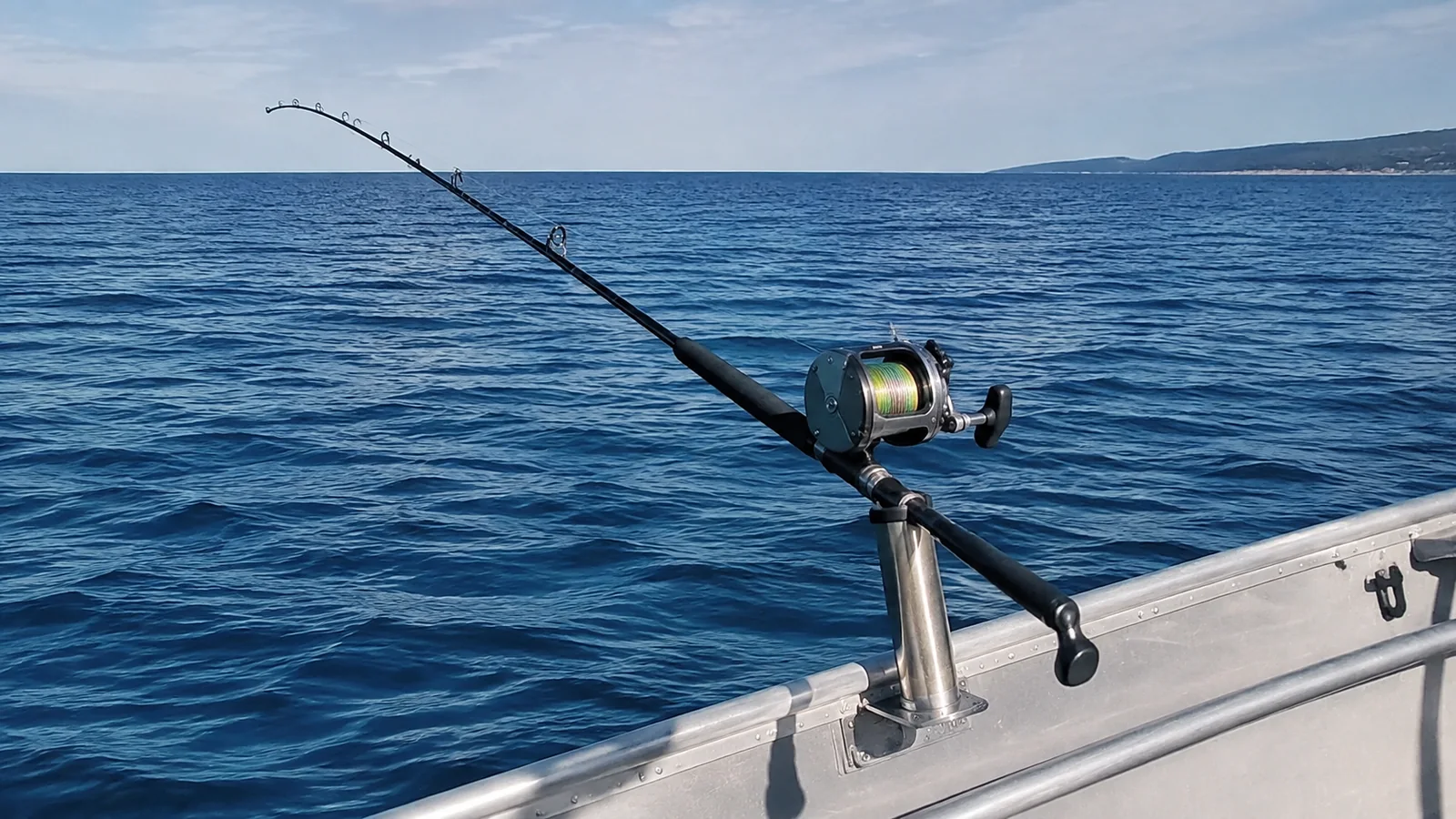
Fall and shoulder season
Fall can bring changing fish behavior, beautiful shore color, and more volatile marine weather. Some seasons close or quotas can trigger an early closure, so confirm both the captain’s operating calendar and the regulation on the morning of departure.
Wisconsin, for example, manages Lake Superior lake-trout harvest by quota and warns that its season can close before the scheduled end date. Check the live harvest status rather than treating September 30 as an unconditional promise.
Choose the right charter length
A half-day trip reduces cost and fatigue, which suits children, beginners, and groups testing their sea legs. It also leaves less time to reach distant water, change tactics, or recover from a slow first hour.
A full day gives the captain more options and serious anglers more fishing time, but eight hours on cold, rolling water is not everyone’s version of vacation. Ask whether the quoted duration runs dock to dock and how much of a normal trip is travel rather than lines in the water.
Private charters are common and can be a good value for a group, while shared trips lower the entry price for one or two people. On a shared boat, clarify how rods, turns, catch allocation, and gratuity work so everyone understands the arrangement before departure.
How to vet a Lake Superior charter
A polished booking page cannot answer every safety or comfort question. Contact the captain directly and expect clear, specific answers about credentials, vessel, operating waters, and cancellation policy.
- Is the captain properly licensed for passengers for hire in the waters fished?
- Does the business carry current commercial insurance?
- What is the boat’s length, passenger capacity, and covered or heated space?
- Is there an enclosed toilet, and can everyone reach it safely?
- Are child-size and adult-size life jackets carried and readily available?
- Are rods, tackle, bait, fish cleaning, and packaging included?
- What weather decision triggers cancellation, rescheduling, credit, or refund?
- Are fuel charges, dock fees, licenses, and gratuity inside the quoted price?
Families should ask for a realistic minimum age rather than assuming a legal maximum capacity means six children will enjoy the boat. Travelers with mobility concerns need details about dock slope, gunwale height, boarding assistance, cabin steps, seating, and restroom access.
Recent reviews can reveal communication and boat-condition patterns, but regulations and credentials need primary confirmation. Search the business name, verify the phone and departure location, and never send irreversible payment to a social-media account that cannot produce a written charter agreement.
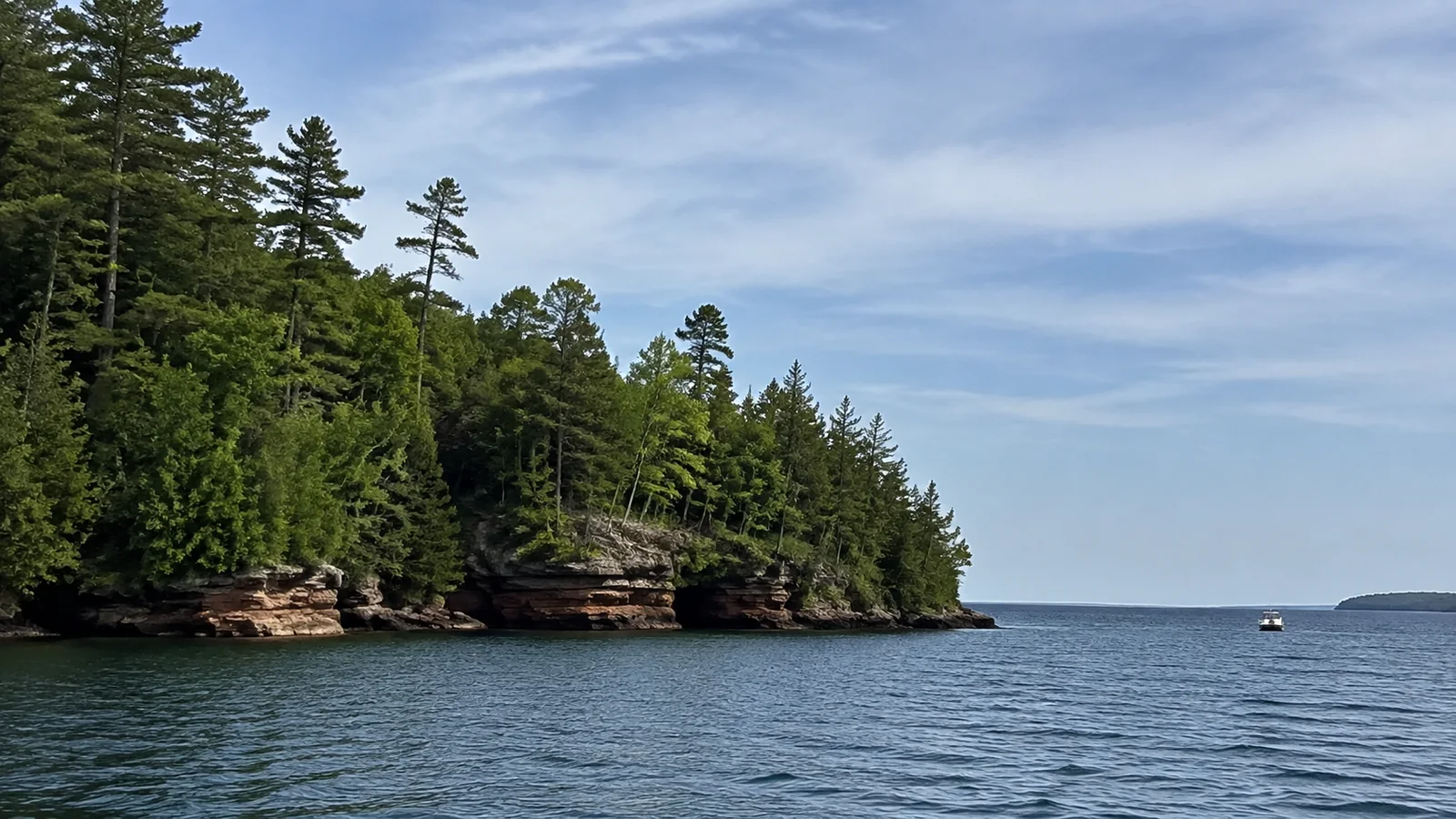
Licenses and catch rules are personal
A captain’s commercial authorization does not automatically replace each angler’s fishing license, stamp, or validation. Requirements depend on age, residency, jurisdiction, species, and trip type, so ask which documents every person must carry and verify the answer with the responsible agency.
Do not assume a Minnesota license follows the boat into Wisconsin, Michigan, or Ontario water. Ask exactly where the captain plans to fish and whether the boat ever crosses a jurisdictional boundary, then buy the correct credentials before boarding.
Size, bag, season, and possession rules can differ by species and management unit, and a daily limit is not a catch guarantee. Decide whether your group wants to keep legal fish, release them, or keep only enough for one meal, then tell the captain before the cooler fills.
Weather and cold-water safety
Lake Superior can build steep waves and fog quickly enough to erase a comfortable plan. The National Weather Service Lake Superior portal publishes zone forecasts and marine warnings, but the licensed captain makes the go or no-go decision for the vessel.
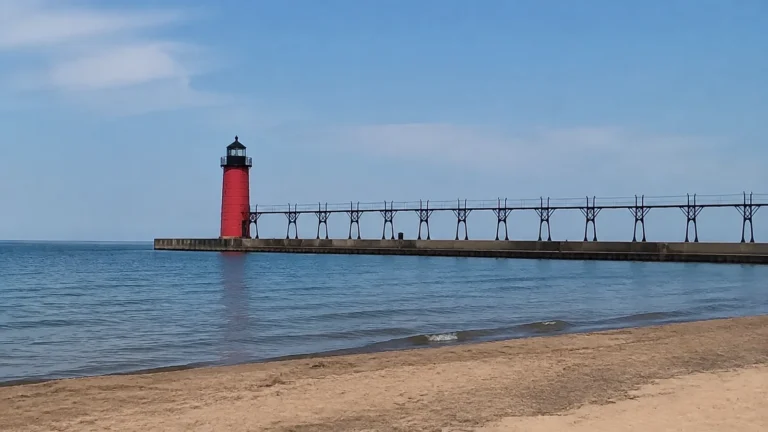
A cancellation for wind is evidence of judgment, not bad customer service. Protect the vacation with a flexible backup day and land plans such as the Lake Superior lighthouse route or an easy town day.
Wear the correctly fitted life jacket whenever instructed and keep it on if conditions or your swimming ability make that prudent. Tell the captain about medical needs, limited mobility, pregnancy, allergies, or a child’s swimming ability before departure, not while the boat is clearing the breakwater.
Exactly what to pack
- Government identification and required paper or digital fishing credentials
- Warm synthetic or wool base layer, even in summer
- Fleece or insulated midlayer and waterproof jacket
- Long pants and soft-soled, nonslip closed-toe shoes
- Brimmed hat, sunglasses with a retainer, and sunscreen
- Water, simple snacks, and any captain-approved medication
- Small soft-sided bag and waterproof phone pouch
- Cooler left in the car unless the operator requests it onboard
Avoid bulky hard luggage, glass containers, loose hooks, and expensive objects that cannot tolerate spray. If you are prone to motion sickness, discuss an appropriate remedy with a clinician or pharmacist in advance because many options work best before the boat moves and may cause drowsiness.
Plan the rest of the trip around uncertainty
Stay near the departure harbor the night before an early charter and verify the dock, time zone, parking, and check-in instructions. Lake Superior straddles Eastern and Central time zones, so “meet at 6” deserves one more question than it normally would.
A wider Great Lakes road trip benefits from two nights near the charter port. That buffer makes weather rescheduling possible and keeps one canceled morning from turning the entire vacation sour.
Three charter examples to start your search
I would start with these three operators because they cover Duluth, the Apostle Islands, and Marquette, with enough published boat information to compare them sensibly. These are researched options checked September 5, 2026, not claims that I have personally fished with the captains.
Duluth: Superior Pursuits offers four-, six-, and eight-hour trips aboard a 31-foot Tiara with seating and a marine toilet, carrying up to six guests. Fishing equipment and fish cleaning are included, and its Lake Superior outings target trout and salmon, making the four-hour option a reasonable first conversation for a family staying in Duluth.
I would ask whether the planned date favors lake trout, coho, or another seasonal target, and confirm the departure marina before choosing a hotel. Bring your own license, layers, drinks, and snacks, and ask whether the boat stays in Minnesota water or requires Wisconsin credentials for its planned route.
Red Cliff near Bayfield: Superior Sport Fishing publishes five-hour half-day and eight-hour full-day trolling trips for up to six people. Seasonal targets include lake trout, brown trout, coho, and Chinook salmon, and departure is from the Legendary Waters marina in Red Cliff, about three miles north of Bayfield, with free parking.
The operator’s boat descriptions list a private bathroom, fishing gear, fish cooler and ice, and indoor space, with heat and air-conditioning specifically listed for the 40-foot Y’Oar Nauti. I would choose this option when island scenery matters alongside fishing, then confirm which boat is assigned, cleaning and packaging charges, and whether a sightseeing upgrade changes fishing time.
Marquette: Hooked Up Charters offers four- and six-hour local trips targeting lake trout, salmon, brown trout, and steelhead, plus a separate offshore Stannard Rock product. Its FAQ says five guests maximum per boat in practice, with two to four ideal, private toilets on both boats, all fishing equipment supplied, and cleaning and bagging included.
I would choose the local four-hour trip for a first Upper Peninsula charter and discuss the longer offshore trip only after everyone understands the run, weather exposure, and current harvest rules. The company offers private trips rather than combining singles, so a solo traveler should compare the full private-boat price before assuming an advertised rate is per person.
Ask each operator for one written total covering your exact group, duration, licenses, fuel or dock charges, fish handling, and cancellation terms. A six-person capacity does not guarantee six people can fish simultaneously or move comfortably with mobility aids, so describe the group before paying.
Final advice
Pick the port for your itinerary, then choose a captain who communicates clearly about target species, credentials, weather, boat comfort, and money. Verify your own license and current rules with the correct government agency, even when the operator offers to help.
The goal is a safe day on an extraordinary lake, not a guaranteed cooler full of fish. When the plan respects jurisdiction, cold water, and changing weather, whatever bites becomes the bonus.