Best of Nova Scotia: A Realistic 10-Day Road Trip
Nova Scotia looks compact until every lighthouse, fishing village, beach, and bakery asks you to stop. The best trip is not a frantic lap of the province, but a coastal route with Halifax, the South Shore, the Bay of Fundy, and enough Cape Breton time to let the Cabot Trail be more than a windshield view.
What is the best of Nova Scotia?
For a first visit, the essential mix is Halifax, Peggy’s Cove, Lunenburg, the Annapolis Valley or Bay of Fundy, and Cape Breton Island. Add Kejimkujik when paddling, quiet forest, Mi’kmaw cultural learning, or dark skies matter more than collecting another seaside town.
That combination gives you urban history, working waterfronts, dramatic tides, hikes, seafood, beaches, and living cultures. It also requires at least eight days, with ten to twelve feeling much kinder.
A realistic 10-day Nova Scotia road trip
Days 1 and 2: Halifax
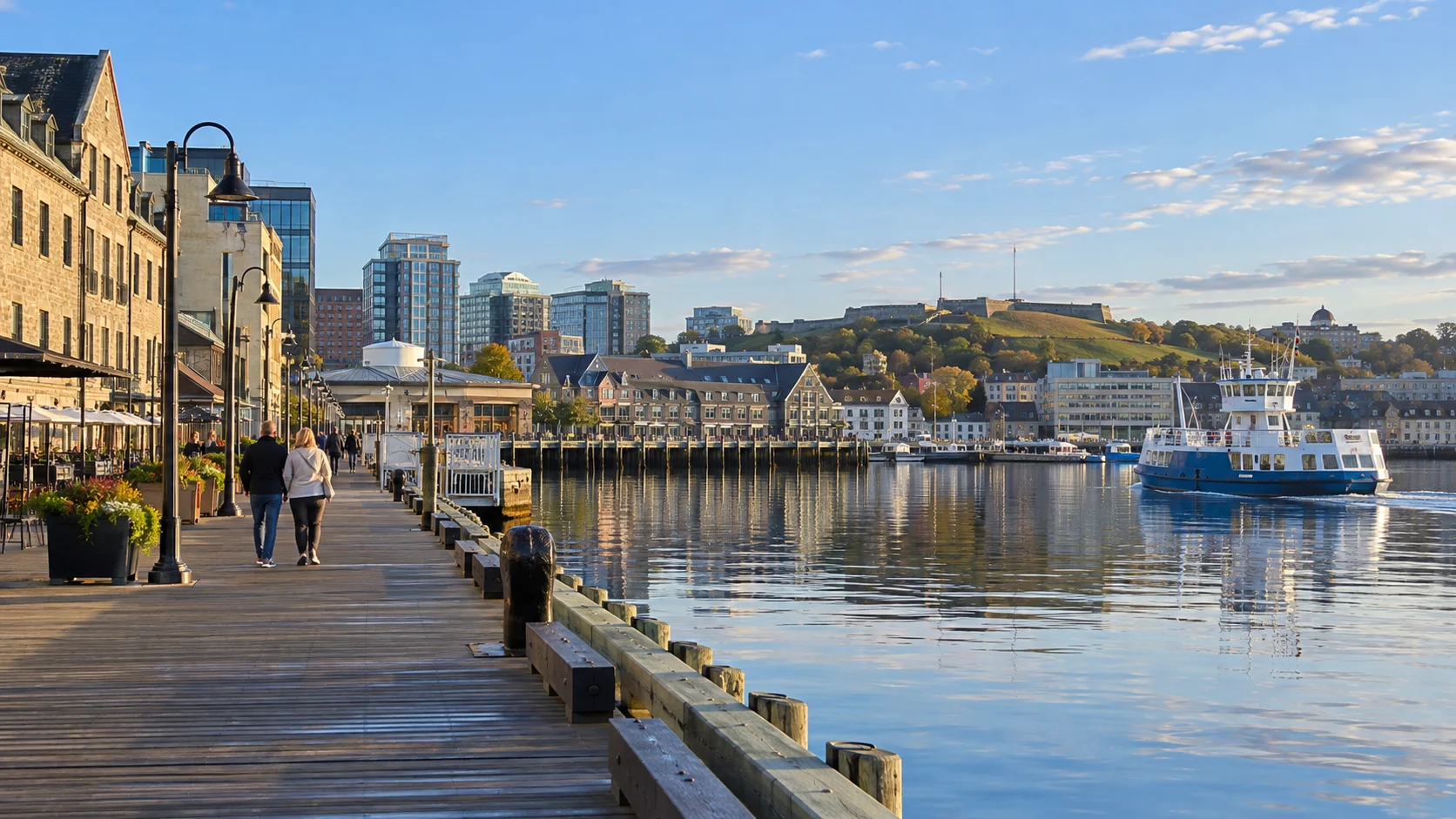
Start with two nights in Halifax so your first full day is not swallowed by an airport, rental counter, and grocery run. Walk the waterfront, ride the ferry to Dartmouth, visit a museum, and leave time for neighborhoods beyond the busiest boardwalk stretch.
The Halifax Citadel is useful context for the city’s military history and harbor position. Parks Canada’s current Citadel activities include exhibits, tours, living history, and the noon gun, with the fullest program typically operating seasonally.
Halifax is also the place to enjoy an unhurried dinner before rural schedules become part of the plan. Try local seafood if you eat it, but ask what is actually in season rather than treating “Atlantic” as a guarantee that every menu item was landed that morning.

Day 3: Peggy’s Cove and Lunenburg
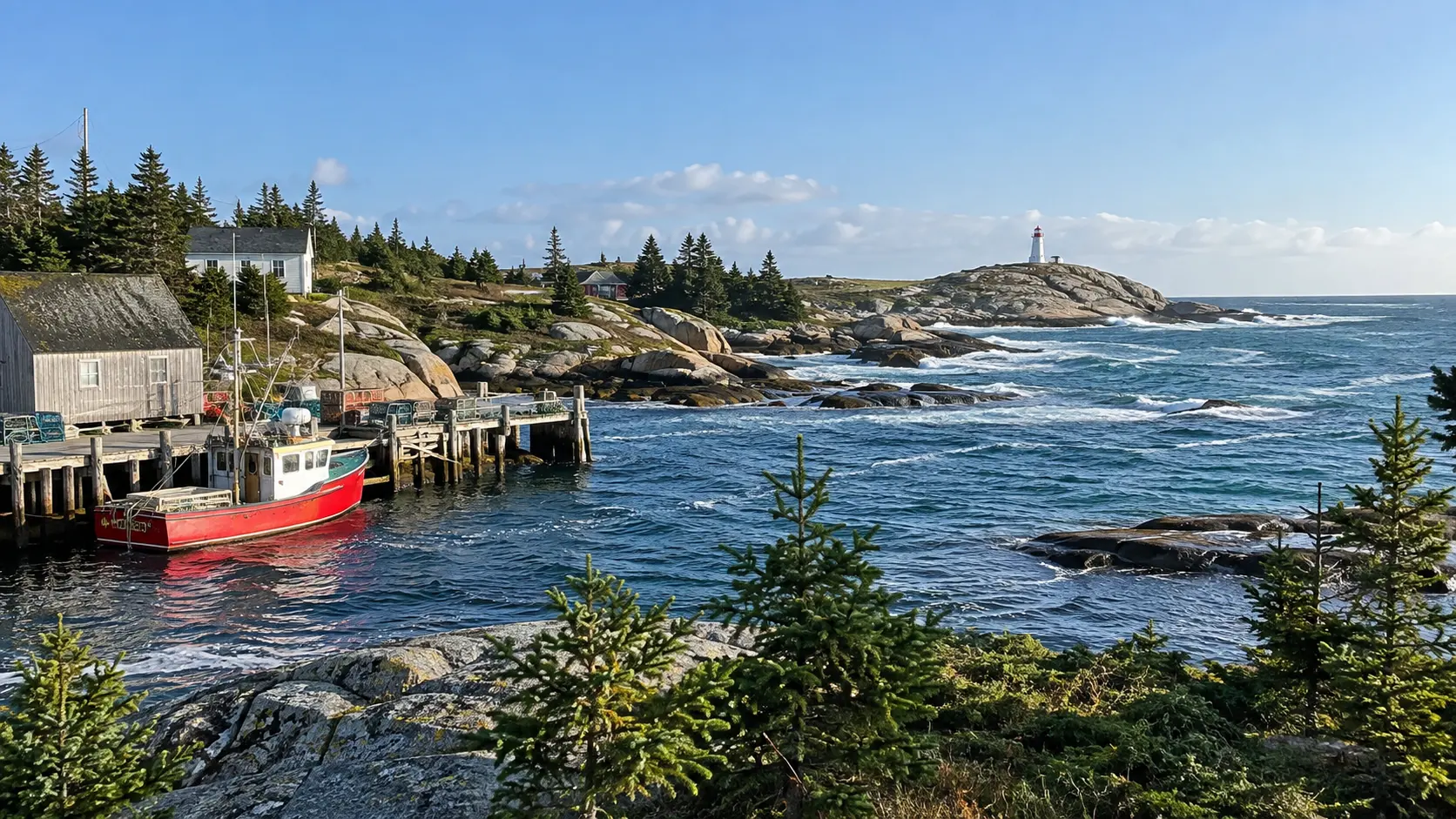
Leave early for Peggy’s Cove, where the lighthouse and granite shoreline are beautiful but the ocean is not a photo prop. Stay off dark, wet rocks, obey barriers and staff, and keep well back when waves or weather are rough.
Continue along the South Shore toward Lunenburg, stopping only when legal parking and time allow. Mahone Bay is an easy addition, while squeezing in every cove turns a scenic drive into a string of hurried exits.
Old Town Lunenburg is a UNESCO World Heritage Site recognized for its surviving British colonial grid and preserved wooden architecture. The UNESCO listing for Lunenburg gives the history behind those colorful streets, which deserve more than a quick harbor photograph.
Stay in Lunenburg or nearby rather than backtracking to Halifax. Walk respectfully because this is a living community, not a historical set built around visitor parking.
Day 4: South Shore or Kejimkujik
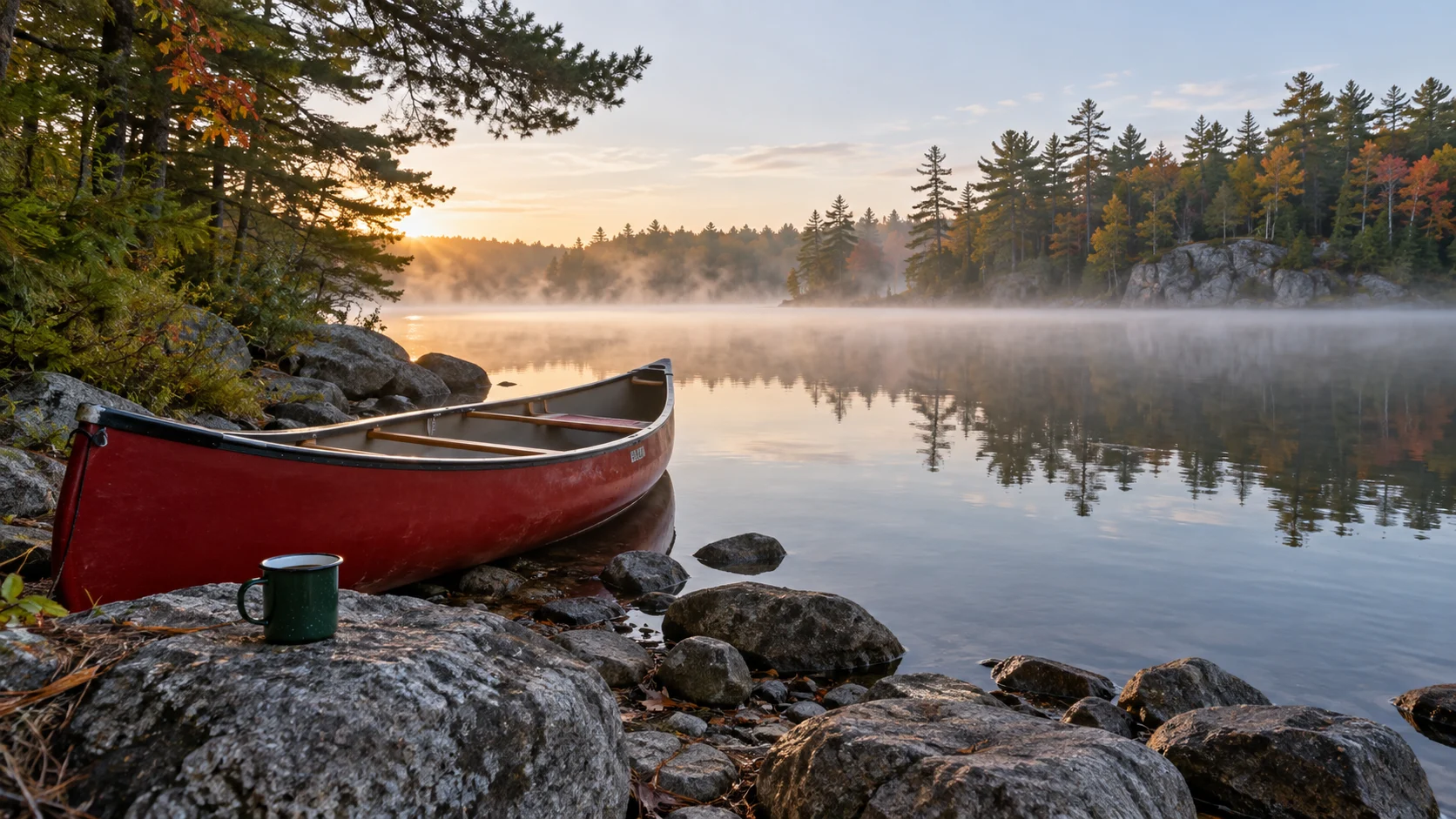
Choose coast or forest rather than pretending they are the same day. Beach lovers can continue toward Liverpool and the quieter shoreline, while paddlers and hikers can head inland to Kejimkujik National Park and National Historic Site.
Kejimkujik’s inland area has lakes, trails, camping, and opportunities to learn about Mi’kmaw culture and the landscape. Guided cultural experiences and petroglyph access vary, so check the current program instead of expecting to wander independently into sensitive places.
Kejimkujik Seaside is a separate day-use area about 58 miles from the inland park, not a beach attached to the campground. Parks Canada says the Seaside has free admission, no on-site camping, and enough trails and beach for a half or full day.
The coastal detour toward Ingomar and Shelburne suits travelers who prefer small communities to another national park stop. This Ingomar and southwest Nova Scotia overview helps set realistic expectations for services and access.
Day 5: Annapolis Valley and the Bay of Fundy
Drive toward Annapolis Royal, Wolfville, or another Annapolis Valley base, choosing your route according to where you slept. Gardens, historic sites, farms, wineries, and small towns offer a softer contrast to the exposed Atlantic coast.
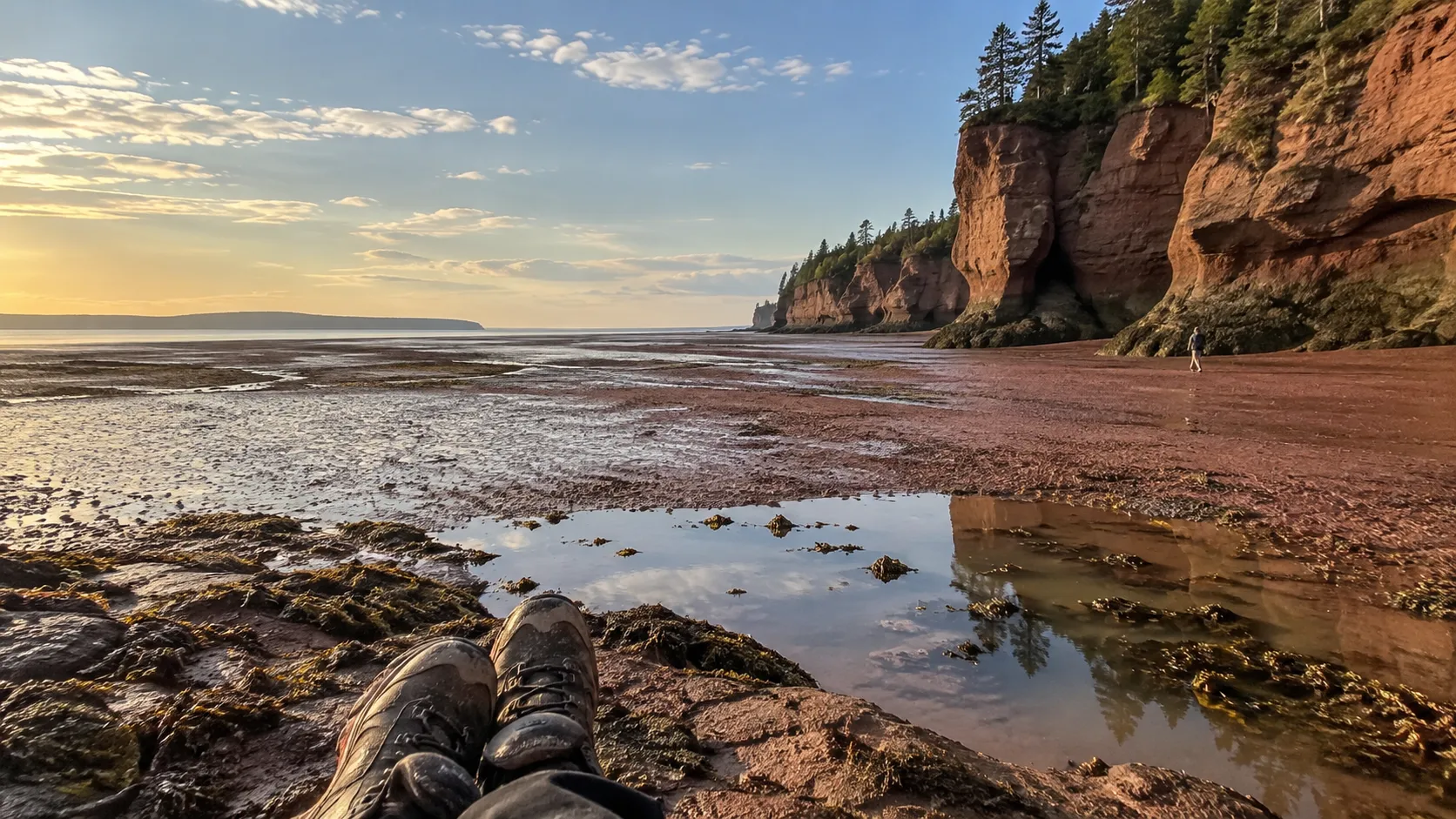
To experience the Bay of Fundy, plan around an official tide table rather than an approximate blog time. Burntcoat Head allows ocean-floor access around low tide when open and safe, while Hall’s Harbour and other communities reveal the vertical change around boats and wharves.
Nova Scotia’s official Bay of Fundy guide identifies Burntcoat Head as the site of the world’s highest recorded tides and stresses checking local tide schedules. Never remain below cliffs or far across exposed seabed as the incoming tide approaches.
If the Fundy coast is becoming the star of the vacation, New Brunswick deserves its own future trip instead of a panicked border dash. The Fundy Coastal Drive planning guide shows how the New Brunswick side works as a separate route.
Day 6: Drive to Cape Breton Island
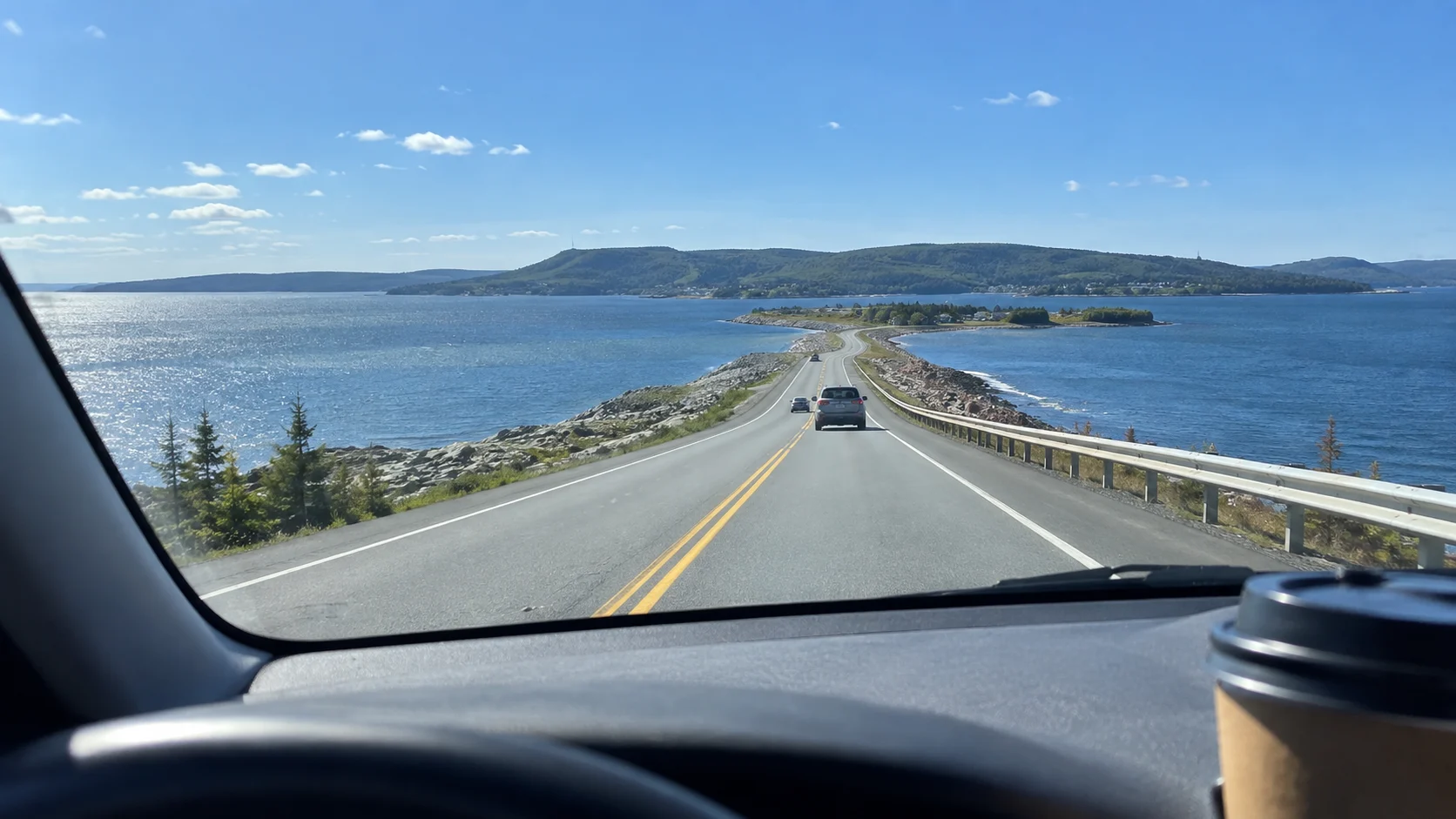
This is a transfer day, so break it with a meal, viewpoint, or cultural stop rather than adding a major hike. Baddeck makes a practical base near Bras d’Or Lake, while Chéticamp or Ingonish positions you closer to opposite sides of Cape Breton Highlands National Park.
Do not plan the entire Cabot Trail after driving from the Annapolis Valley. Fog, road work, wildlife, curves, and irresistible overlooks make map estimates an unreliable substitute for daylight.
Days 7 and 8: Cabot Trail and Cape Breton Highlands
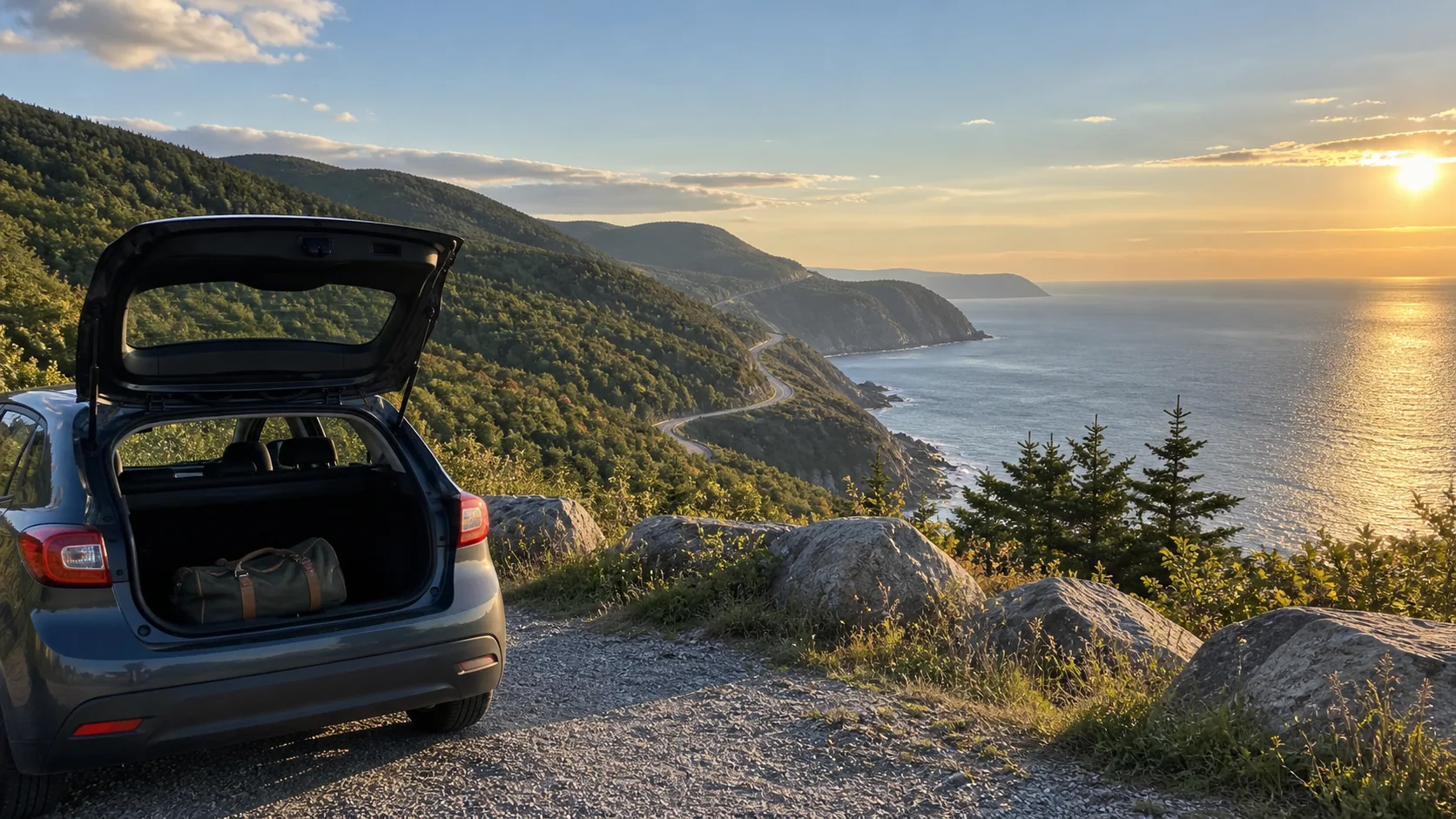
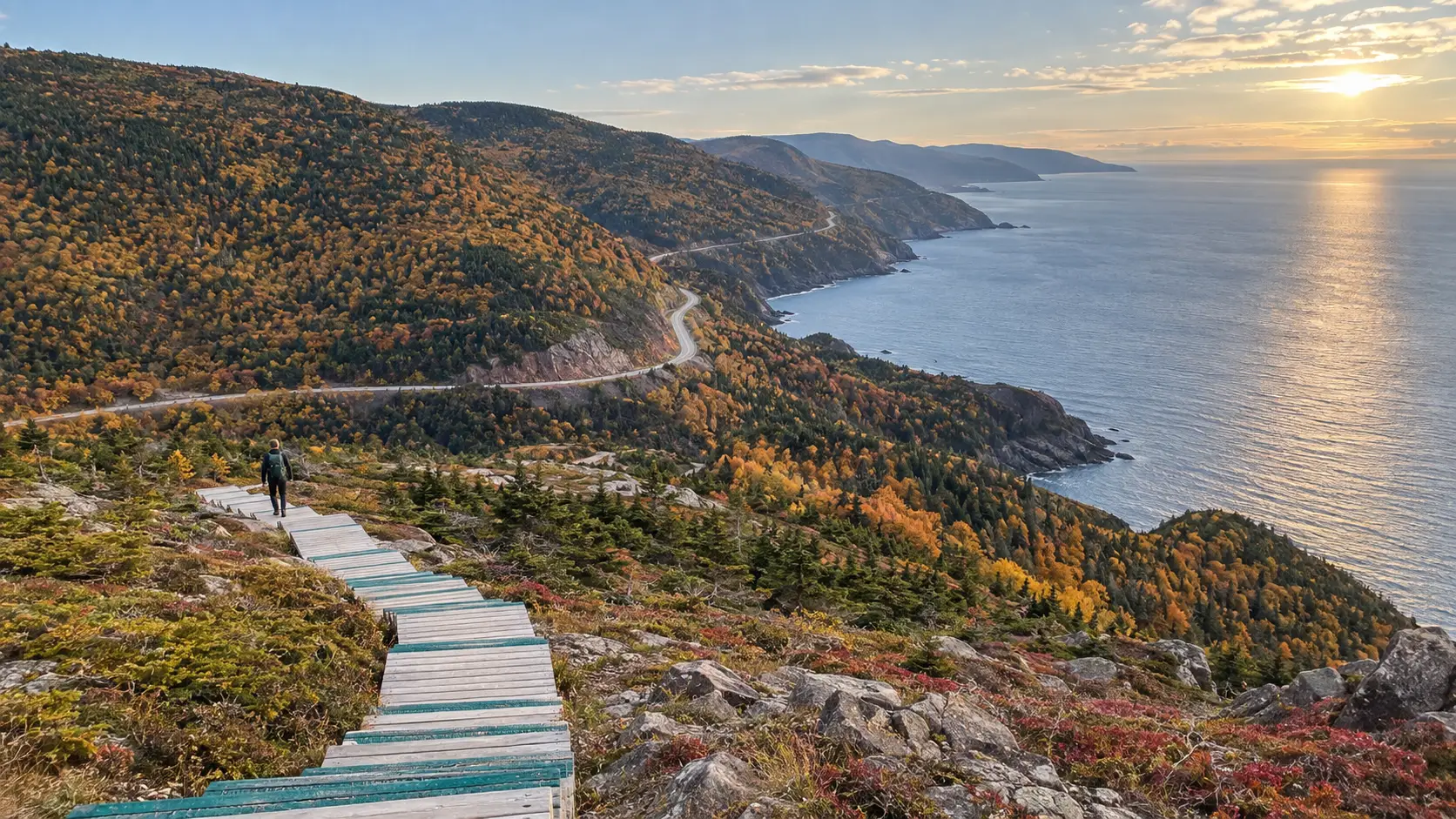
The Cabot Trail is a 185-mile scenic loop through communities and Cape Breton Highlands National Park. Give it two days, ideally sleeping on different sides, so one long lunch or fog bank does not ruin the schedule.
Skyline is the famous hike, with a four-mile out-and-back option taking about two hours according to Parks Canada. Peak-season parking reservations were required during part of 2026, so verify the exact current system on the official Skyline Trail page before arriving.
Do not chase wildlife for a closer picture, feed animals, or crowd a roadside sighting. Cape Breton has black bears, coyotes, and moose, and a calm animal is not permission to block its route.
Chéticamp introduces Acadian culture and food, while the east side connects naturally with Ingonish beaches and trailheads. Check opening dates because park facilities, restaurants, boat trips, and small accommodations can be strongly seasonal.
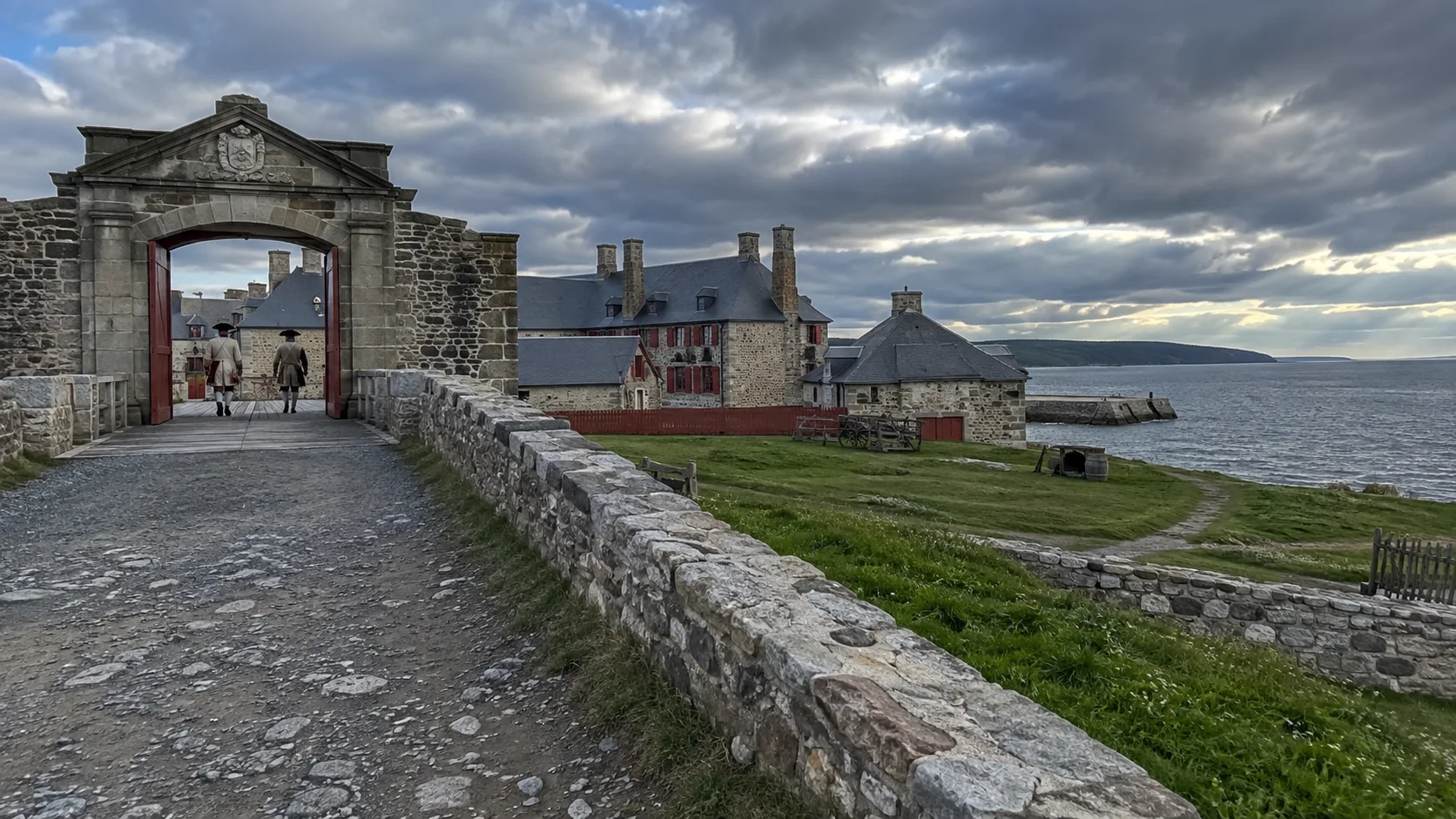
Day 9: Baddeck or Fortress of Louisbourg
Choose Baddeck for a gentler day around Bras d’Or Lake, or drive toward the Fortress of Louisbourg for a deeper historical visit. Louisbourg is not a quick add-on to northern Cape Breton, so check distance, operating season, and program hours before committing.
A music or cultural event can be more memorable than another viewpoint. Look for community ceilidhs, Gaelic programming, Mi’kmaw-led experiences, and local calendars, then approach each as culture rather than entertainment staged solely for outsiders.

Day 10: Return toward Halifax
Allow most of the day to return from Cape Breton, especially if your flight is the next morning. An overnight near Halifax or the airport protects the trip from road delays and saves a punishing pre-dawn start.
If you have twelve days, add one more Cape Breton night and one more South Shore or Fundy night. Nova Scotia rewards lingering much more than aggressive mileage.
The best Nova Scotia places by travel style
Best for a first-time visitor: Halifax and Lunenburg
These two places provide the easiest introduction to the province’s maritime history, architecture, food, and harbor life. They also work without the long Cape Breton transfer when your trip is only four or five days.
Best scenic drive: Cabot Trail
The Cabot Trail earns its reputation with cliffs, highlands, Gulf views, villages, and national park access. The mistake is driving all 185 miles as quickly as possible and calling that the experience.
Best for dramatic nature: Bay of Fundy
The tide makes the Fundy visit, so timing matters more than a huge attraction list. Seeing the same shore near low and high water tells the story far better than arriving once between them.
Best for quiet: Kejimkujik
The inland park offers forest, lakes, paddling, dark skies, and a slower rhythm, while its separate Seaside unit protects a wild Atlantic shore. It is the right choice when quiet observation sounds better than another lighthouse parking lot.
Best for a short trip: South Shore
With four days, use Halifax as a base and spend one night around Lunenburg rather than reaching Cape Breton. Peggy’s Cove, Mahone Bay, beaches, and fishing communities give you a proper coastal trip with much less time in the car.
When to visit Nova Scotia
June through October offers the broadest selection of visitor services, with July and August bringing warm-weather demand. June can be cool or foggy, while September often balances active services with a calmer feel.
October foliage makes Cape Breton especially popular, but peak color does not follow a guaranteed annual schedule. Some seasonal businesses close before or during fall, and weather can affect trails, ferries, and boat tours.
Winter and early spring suit a city-focused or deliberately quiet trip, not a summer itinerary copied into colder months. Expect reduced rural services, possible snow and ice, and changing access at parks and historic sites.
Driving tips
- Watch for wildlife, especially around dawn, dusk, and forested roads.
- Refuel before remote coastal stretches or late evening drives.
- Download maps because cell coverage can weaken in rural areas.
- Use legal pullouts instead of stopping on a curve for photographs.
- Check ferry status before building a route around a crossing.
- Leave room for fog, road work, and slower scenic sections.
A broader Canada road trip framework can help if Nova Scotia is one portion of a longer journey. Resist connecting distant provinces just because the country looks tidy on a booking screen.
What to eat and how to order thoughtfully
Lobster, scallops, haddock, chowder, oatcakes, and donair are common Nova Scotia associations, but quality and availability vary. Ask where seafood came from, respect posted market prices, and remember that a working wharf is not automatically a restaurant district.
Travelers who do not eat seafood will still find bakeries, farm markets, pubs, cafes, and increasingly varied city dining. Rural hours can be short, so carry snacks and avoid assuming dinner will be available after a sunset stop.
Practical planning
Reserve popular summer lodging and rental cars early, especially around Cape Breton and small South Shore communities. Compare cancellation terms because storms, ferry disruptions, and flight changes can alter a route.
Pack a waterproof shell, warm layer, sturdy walking shoes, insect repellent, sun protection, and a reusable bottle. Coastal wind can make a mild forecast feel cold, while wooded trails bring ticks and mosquitoes.
Check Canadian entry requirements for your nationality and transportation method before departure. Travelers crossing by road should also verify rental-car permission, insurance coverage, and any border rules that apply to the full itinerary.
Nova Scotia FAQs
How many days do you need?
Ten days is a strong first trip for Halifax, the South Shore, Fundy, and Cape Breton. With seven days, choose either Cape Breton or the South Shore and Fundy rather than cramming both.
Do you need a car?
A car is not necessary for central Halifax, but it is the easiest way to follow this route. Organized day tours can cover major sights, although they offer less flexibility around weather and small communities.
Is Nova Scotia expensive?
Costs rise quickly with summer lodging, rental cars, fuel, and restaurant meals. Save by traveling outside peak weeks, mixing restaurant meals with groceries, and spending time at free coastal viewpoints and walks.
Can you see whales?
Whale-watching tours operate seasonally from several coastal areas, but sightings are never guaranteed. Choose a licensed operator with clear wildlife-distance practices, safety information, and a realistic cancellation policy.
Final thoughts
The best of Nova Scotia is not one perfect lighthouse or seafood roll. It is the combination of Atlantic villages, Fundy tides, living cultures, city history, and Cape Breton roads that keep asking you to slow down.
Give the province ten days if you can, book the scarce pieces first, and protect every route with a little empty space. That is where the unplanned bakery, fog-cleared overlook, and long harbor evening finally fit.