Ellenwood Lake Provincial Park: Camping and Beach Guide
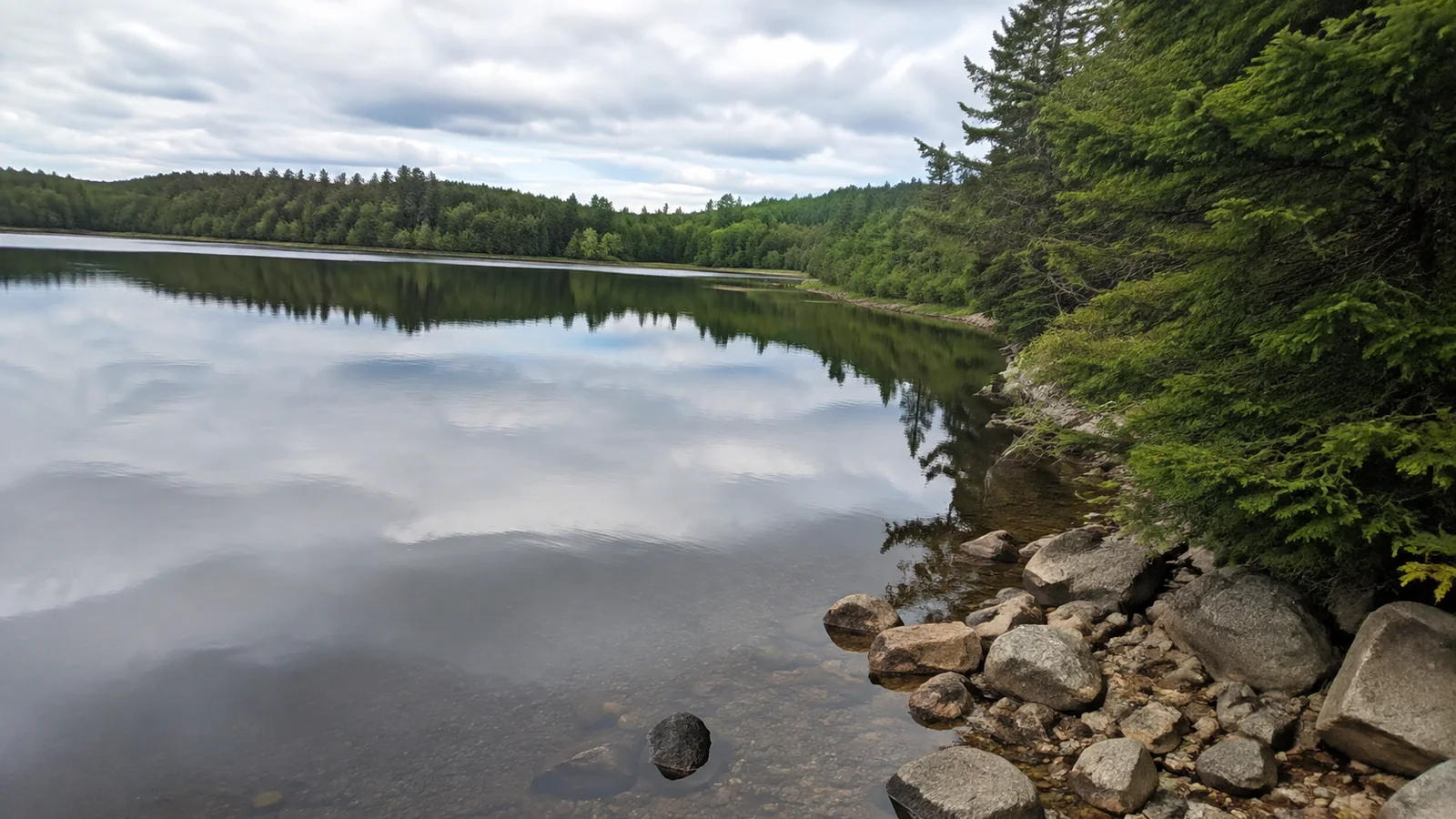
Ellenwood Lake Provincial Park is the kind of campground that quietly solves a whole vacation day. You can swim, paddle, fish, take a short woodland walk, cook at a shaded site, and wait for southern Nova Scotia’s stars without packing the family back into the car every two hours.
Is Ellenwood Lake Provincial Park worth visiting?
Yes, especially for campers who want a freshwater beach and wooded sites near Yarmouth. The park is also useful for day visitors because its picnic area, supervised summer swimming, change house, and boat launch are available outside the campground.
It is not a wilderness backcountry experience or a large hiking destination. Choose Ellenwood for relaxed lake time, family camping, paddling, and stargazing, then use the wider Yarmouth and Acadian Shores region for coastal walks and bigger sightseeing days.
Ellenwood Lake quick facts
- Location: Deerfield, Yarmouth County, Nova Scotia
- Setting: Approximately 280 wooded acres between lakes
- Camping: 61 unserviced, 21 serviced, and five walk-in sites
- Serviced sites: 30-amp electricity and drinking-water hookup
- Beach: Man-made freshwater beach
- Swimming: Seasonal lifeguard service, subject to change
- Trail: One-kilometer woodland trail, about 0.6 mile
- Other activities: Paddling, fishing, picnicking, and stargazing
The official Nova Scotia Parks page for Ellenwood Lake should be your final source for dates, campground details, alerts, and the current map. Its 2026 operating season runs from May 15 through October 12, but future seasons may differ.
Choosing the right campsite
Unserviced campsites
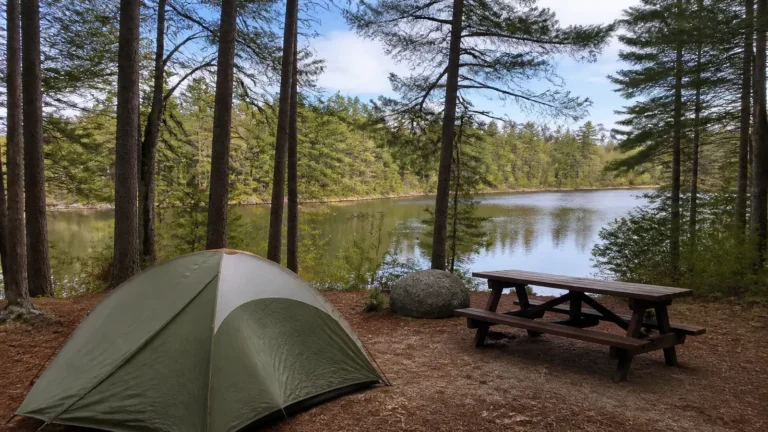
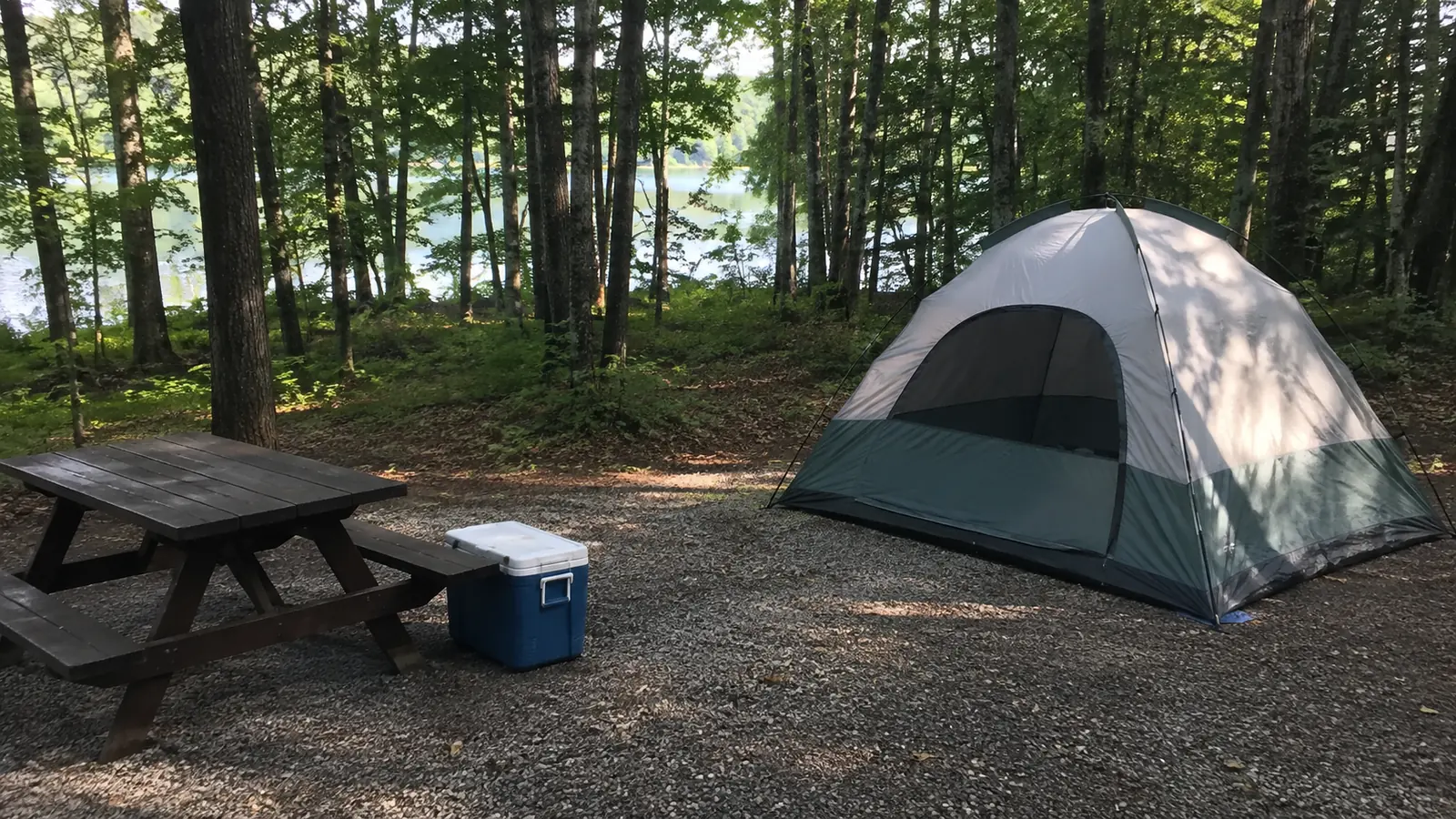
The 61 unserviced sites suit tents, small trailers, and campers who do not need a direct utility connection. Each is described with parking, picnic table, and campfire ring or grill, but site dimensions and ground conditions vary.
Check the reservation map for driveway length, equipment limits, shade, nearby toilets, and distance to the beach. “Wooded” can mean welcome privacy or a tight backing challenge depending on your rig.
Serviced campsites
The 21 serviced sites provide two-way hookups with 30-amp electrical service and drinking water. They do not promise sewer at the site, although the park lists a dump station.
These are the logical choice for an RV needing reliable power outside permitted generator hours. Confirm outlet position, hose distance, site grade, amperage, and equipment length before reserving.
Walk-in campsites
Five wooded walk-in sites create a quieter tent experience without becoming backcountry camping. The word “walk-in” does not tell you carrying distance, cart availability, or surface, so inspect the current map and ask the park directly.
Pack gear into a few manageable loads rather than bringing every car-camping luxury. Food storage, weather protection, and lighting matter much more than a decorative outdoor rug.
Accessible campsite
Site 42 is identified as accessible, and the park provides detailed facility measurements online. Travelers should still confirm the site’s current surface, slope, utility reach, picnic setup, and route to washrooms or beach for their specific needs.
Reservations, arrival, and checkout
Reserve popular summer weekends as soon as your dates are firm. Nova Scotia Parks accepts online and phone reservations, and its reservation page lists the current booking system, season dates, fees, and contact numbers.
A camping permit normally covers up to six people unless they are one family and includes one vehicle. The permit must be issued to an adult age 19 or older who stays at the site, and reservations cannot simply be handed to a different guest on arrival.
Current provincial rules set check-in at 2 p.m. and checkout at 1 p.m. Reconfirm those times on your confirmation because operational details can change.
Arriving after the office closes requires a plan, not optimism. Save the reservation, download the map, know the site number, and follow current self-registration instructions.
The beach and swimming
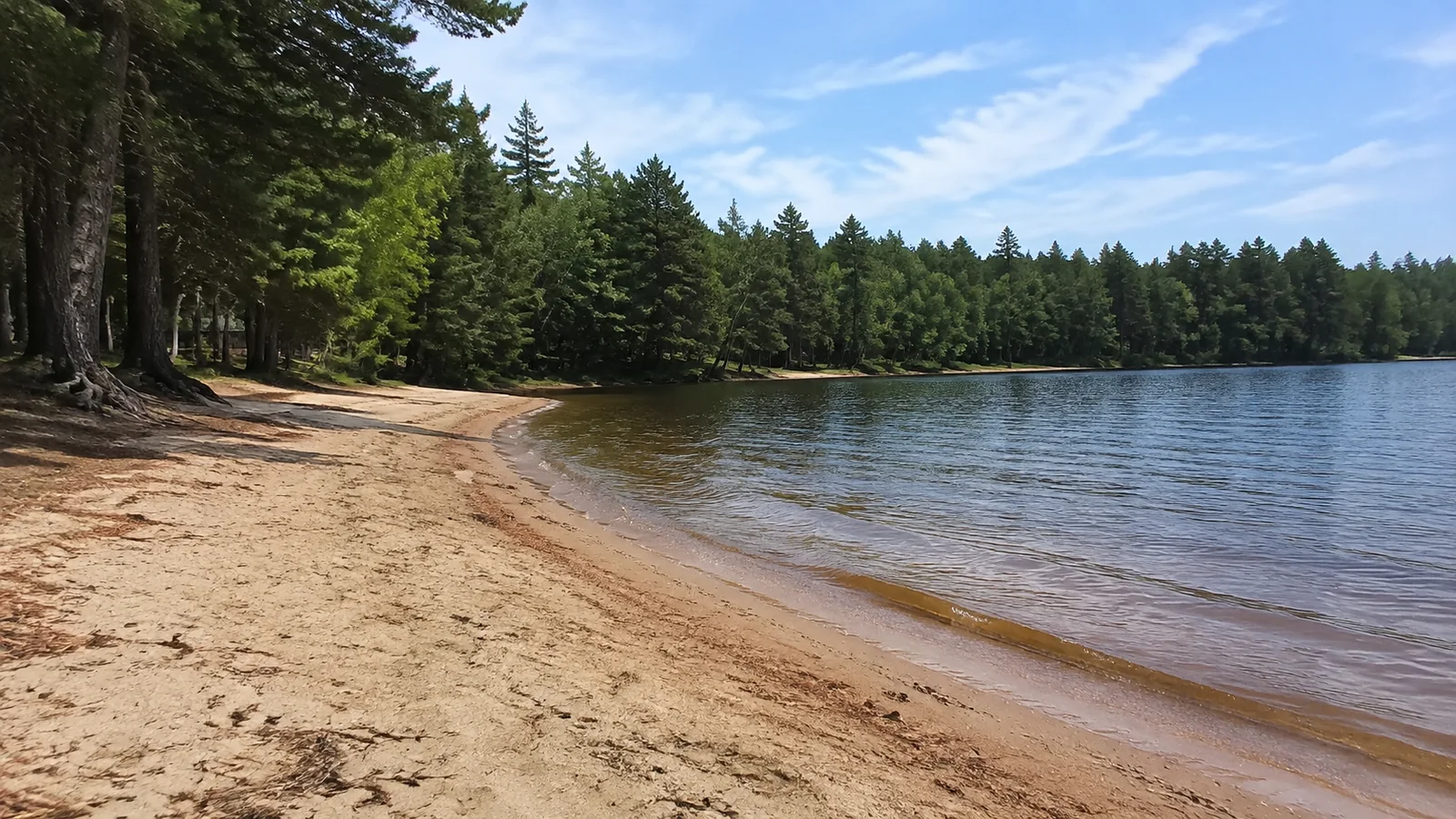
Ellenwood’s day-use area has a man-made freshwater beach, change house, picnic tables, shelter, parking, and nearby vault toilet. Lifeguard service is generally offered in July and August, but it is explicitly subject to change.
Only swim during posted supervision if lifeguard coverage is important to your group. Outside staffed hours, assess the water independently and keep children within immediate reach.
Freshwater lakes can still bring cold water, sudden depth changes, poor visibility, algae, weather, and underwater objects. Follow posted closures, never dive into unverified water, and leave during thunder.
The accessible beach mat can improve the route across sand, but it does not guarantee independent water entry. Ask about mat installation dates, width, endpoint, transfer needs, and accessible flotation policies before traveling.
Paddling and the boat launch
The public boat launch operates when the park is open, with on-site parking instructions and locked gates after closing. Paddlers and boaters must return with enough time to load gear and exit before the gate is secured.
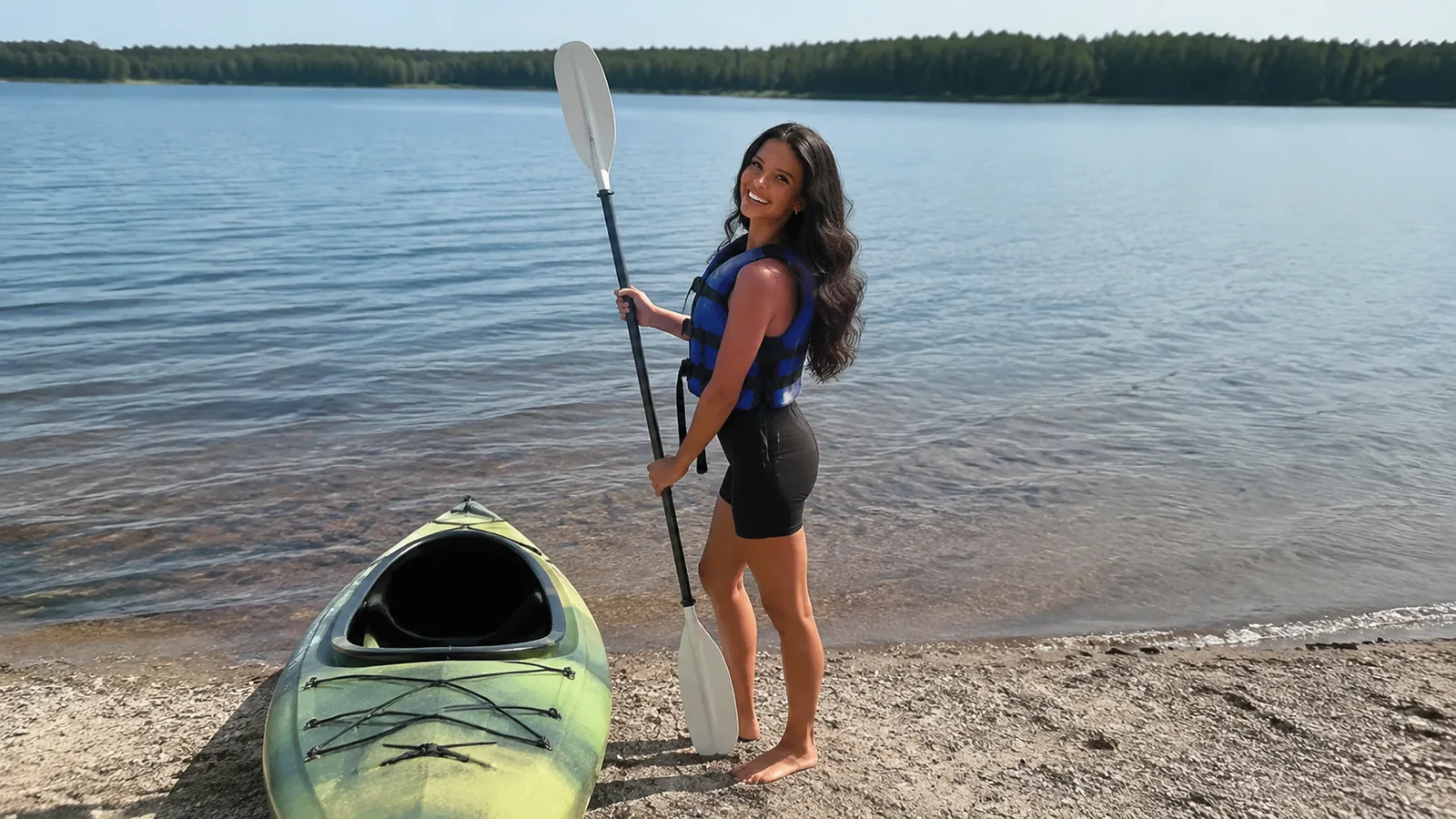
Wear a properly fitted personal flotation device, carry required safety equipment, and check wind and thunderstorms. A small inland lake can become unpleasant quickly when a loaded canoe meets gusts or cold rain.
Clean, drain, and dry watercraft and gear before moving between lakes to reduce invasive-species spread. Never dump bait, aquarium material, or bilge water into the park.
New paddlers can use this explanation of what makes kayaking difficult to assess balance, wind, clothing, and rescue skills before launching. Rental availability should be confirmed locally rather than assumed.
Fishing at Ellenwood Lake
Fishing is permitted with a valid Nova Scotia sportfishing license and compliance with current regulations. Species rules, open seasons, methods, and limits depend on water and date.
Use the provincial fishing information linked from the park’s official page and carry the required license. Never rely on another camper’s memory of last year’s limit.
Clean lines, hooks, bait containers, and food scraps from the site and shore. Lost tackle injures wildlife long after a weekend ends.
The woodland trail
The current park page lists a one-kilometer wooded trail, approximately 0.6 mile. Older tourism descriptions have listed a longer distance, so use the current trail map rather than planning from an old brochure.
This is a gentle campground walk for many visitors, not a guaranteed accessible path. Roots, mud, insects, downed branches, and seasonal maintenance can change the experience.
Wear closed shoes, check for ticks afterward, and carry a small light near dusk. Tell someone when you leave even on a short loop, especially if walking alone.
Stargazing
Ellenwood Lake lies within the Acadian Skies and Mi’kmaq Lands Starlight Reserve region, making the campground a strong base for dark-sky viewing. Clear weather and low local light matter more than a dramatic app forecast.
Let eyes adjust for 20 to 30 minutes, use a red light, dim screens, and keep campsite lighting directed downward. Quietly enjoying the sky is very different from lighting the whole loop for a midnight photo shoot.
Bring a chair, warm layer, and insect protection because clear nights can cool quickly. Never walk into roads, campsites, or waterfront edges while staring upward.
Facilities and accessibility
The park lists a comfort station with toilets, showers, knee clearance at sinks, grab bars, and a roll-in shower with a portable seat. Door widths, thresholds, gravel paths, and the park-office stairs are described on the official page, which is unusually helpful for detailed planning.
Vault toilets are distributed around the park, including accessible units near camper and day-use beaches. Drinking-water taps, a dishwashing station, waste sorting, firewood and ice sales, and a trailer dump are also listed.
Showers are reserved for registered campers under current rules. Day visitors should plan around change-house and toilet facilities without assuming access to the camper comfort station.
Campfires, generators, and quiet hours
Campfires are not permitted from 8 a.m. to 2 p.m., and daily burn restrictions are updated at 2 p.m. Fires are allowed only when the BurnSafe map permits them and only within the campsite grill provided.
Do not bring outside firewood because moving wood can spread destructive insects and disease. Buy locally through the park, and leave unused wood rather than carrying it to another region.
Generators may currently run from 9 a.m. to 1 p.m. and 4 p.m. to 7 p.m., while quiet time extends from 10:30 p.m. to sunrise. The full Nova Scotia Parks rules also cover alcohol, cannabis, drones, pets, visitors, vehicles, and waste.
Alcohol and smoking, including cannabis, are permitted only on rented campsites, not in day-use areas. Recreational drones and fireworks are prohibited within provincial parks.
Camping with dogs
Dogs must remain under control on a leash no longer than six feet, including at swimming areas. Owners must prevent excessive noise and remove waste.
Pets are not allowed in public structures or designated pet-free areas, although service animals are permitted. Bring a tether that does not reach neighboring sites, drinking water, towels, and a plan for keeping the animal cool.
A simple two-night plan
Arrival day
Set up, walk the campground, identify the nearest water and toilet, then take a short swim only if supervision and conditions suit. Eat early enough to settle dishes and food before dark.
Full day
Use the calmest part of the morning for paddling or fishing, then return for lunch and beach time. Walk the woodland trail later, cook dinner under current fire rules, and finish with low-light stargazing.
Departure day
Pack most gear before a final walk or swim and leave the site cleaner than you found it. A stop in Yarmouth or along the coast can extend the day without creating a rushed checkout.
Nearby things to do
Yarmouth adds museums, food, services, and a waterfront, while Cape Forchu offers a dramatic coastal lighthouse setting. Check opening times because visitor services and climbing experiences can be seasonal.
The Nova Scotia road trip itinerary shows how Yarmouth and the southwest fit with Halifax, the South Shore, Fundy, and Cape Breton. Ellenwood works best as the campground base for this corner, not as a rushed detour between distant icons.
Travelers exploring the quieter southwest coast can also use the Ingomar planning guide for realistic access and service expectations. Rural Nova Scotia becomes much more enjoyable once fuel, food, and business hours stop being afterthoughts.
What to pack
- Rain protection and warm layers
- Insect repellent and tick-removal tool
- Sun protection and refillable water bottles
- Personal flotation devices for paddling
- Red-light flashlight for stargazing
- Food-storage bins and dishwashing supplies
- Electrical and water equipment rated for your serviced site
- Downloaded campground and trail maps
Ellenwood Lake FAQs
Can day visitors use the beach?
Yes, the day-use beach, picnic area, change house, and boat launch are listed for non-camper use. Vehicle access and lifeguard coverage can vary, so follow current signs.
Are there electrical campsites?
Yes, 21 current sites have 30-amp electricity and drinking-water hookup. Sewer is not listed at individual sites, but a central dump station is available.
Is the beach supervised?
Lifeguard service is generally provided in July and August, subject to change. Verify the daily staffed hours and never interpret an empty chair as supervision.
How long is the trail?
The current Nova Scotia Parks page lists one kilometer, about 0.6 mile. Use the downloadable park map because older descriptions may show a different distance.
Final thoughts
Ellenwood Lake is a practical, low-key campground where the best day barely needs an itinerary. Choose the right site, reserve early for summer, respect fire and generator rules, and let lake time lead.
The beach, paddle, short trail, and dark sky make an easy rhythm for families and quiet campers alike. Save the big driving for one coastal outing, then come back before sunset and enjoy the reason you booked a wooded site.