Washington, DC Guide: Plan a Smart First Trip
Washington, DC can be wonderfully affordable and oddly exhausting at the same time. Admission is free at many headline sights, but the Mall is enormous, security lines are real, and one enthusiastic museum choice can quietly swallow an afternoon.
Start with the decisions that shape the trip
- First visit: Stay three or four nights and protect one major museum per day.
- History focus: Reserve the Capitol, National Archives, and Library of Congress before adding extras.
- Museum focus: Choose two Smithsonian priorities, then leave room for a smaller gallery.
- Family trip: Alternate seated or interactive stops with outdoor time and an early dinner.
- Weekend escape: Pick one side of the Mall plus one neighborhood, not the whole federal city.
DC belongs among the most rewarding East Coast vacation spots, but it is not a checklist contest. A good plan groups sights geographically and lets security, weather, and tired feet have a vote.
How many days do you need in Washington, DC?
Three full days give a first-time visitor the Mall memorials, two major museums, Capitol Hill, and one neighborhood beyond the monuments. Four or five days create space for the National Zoo, Georgetown, more Smithsonian collections, or a day trip.
Two days can still work if you choose one government building, one museum, and a focused memorial walk. The city is compact on a national map and rather less compact when you are standing between the Capitol and Lincoln Memorial.
What to reserve before the trip
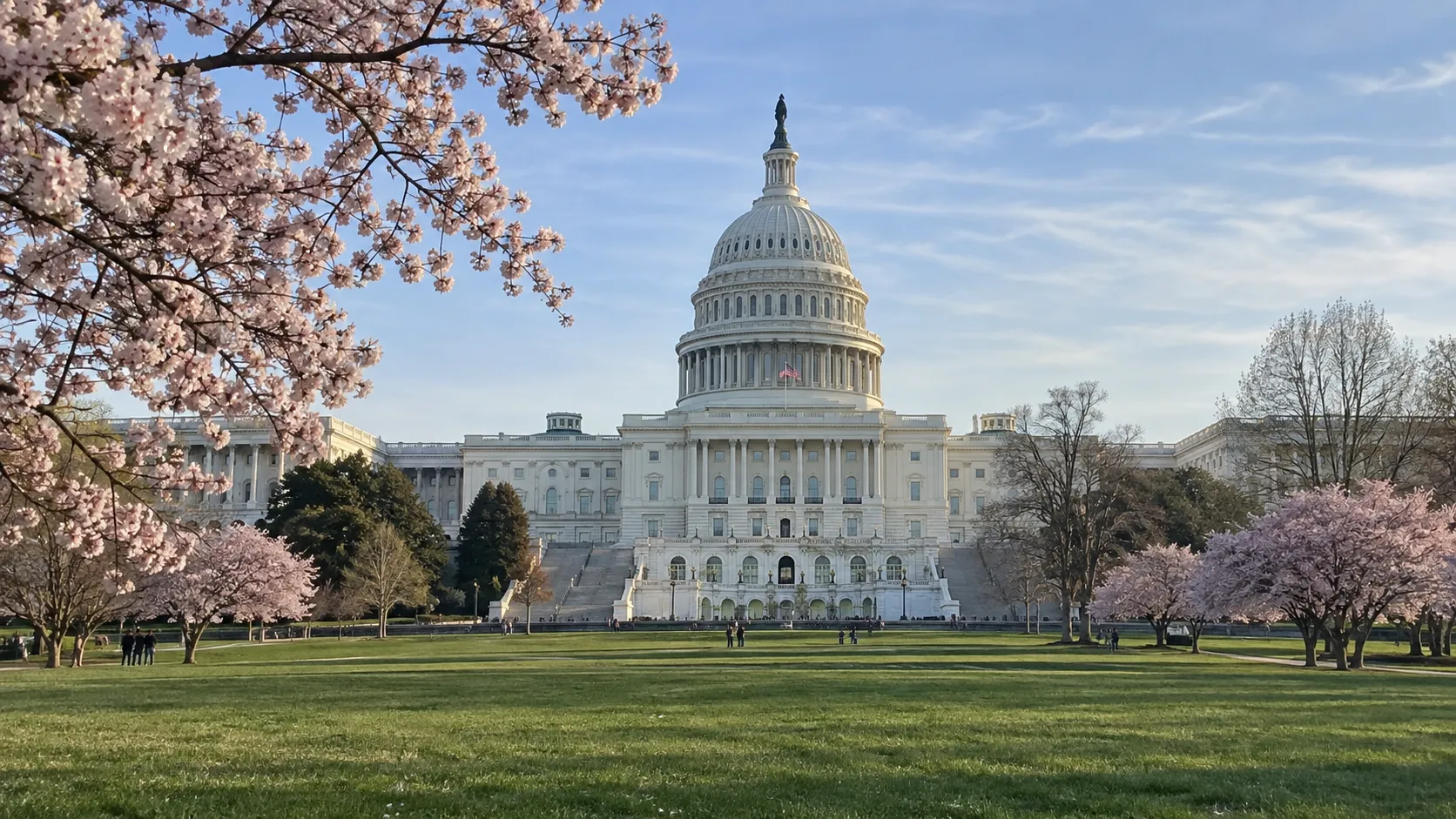
U.S. Capitol
Capitol tours are free, and limited same-day passes may be available, but reservations are recommended through the official Capitol Visitor Center. Every visitor passes through security, and the standard tour does not automatically include the House or Senate galleries.
Pair the Capitol with the Library of Congress and Supreme Court exterior because they sit close together. The Library’s Thomas Jefferson Building currently requires its own free timed-entry ticket, released on a separate schedule.
White House
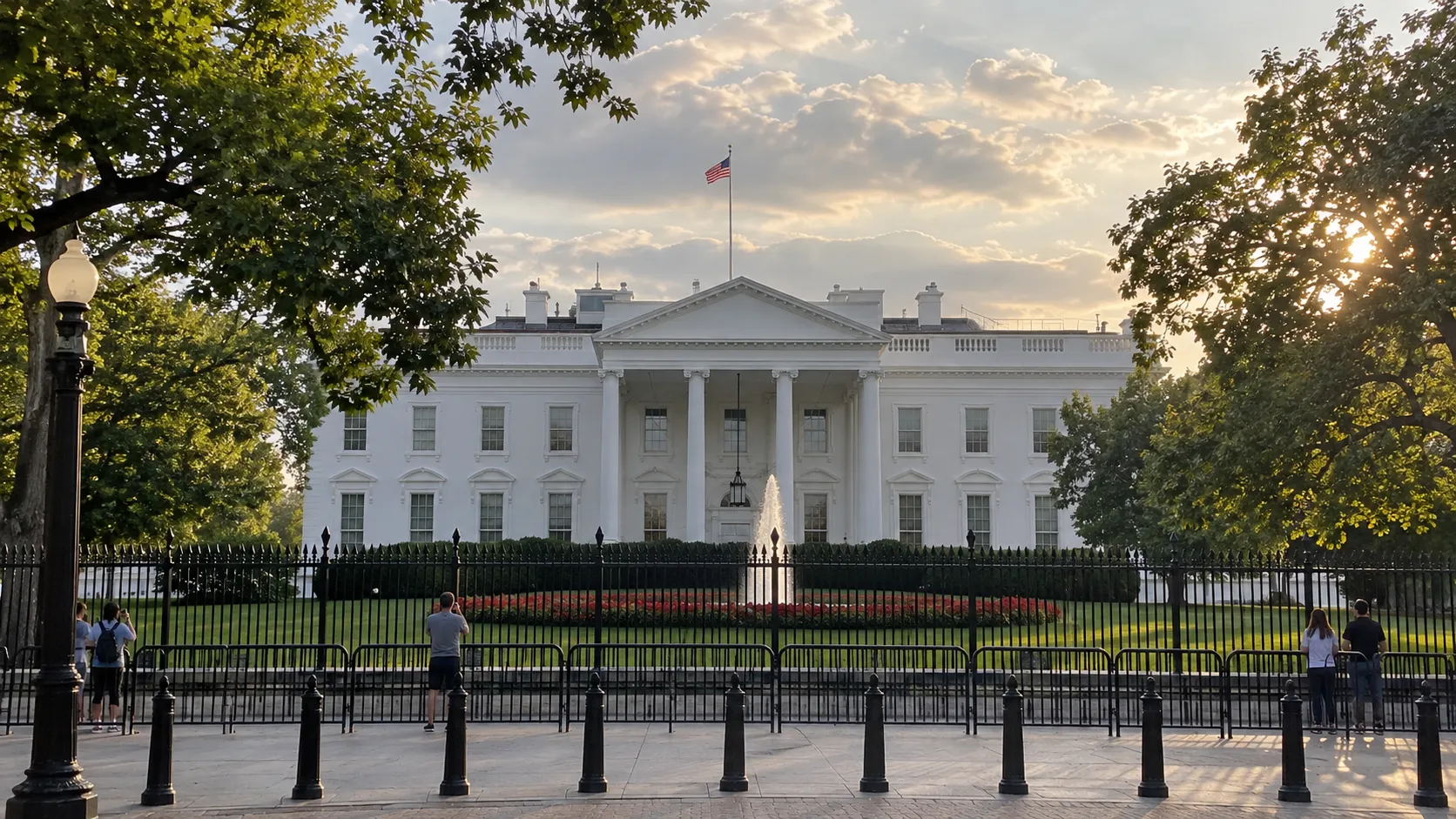
Public White House tours are free but require advance requests through a member of Congress for U.S. visitors. The official White House visit page currently accepts requests 7 to 90 days ahead and warns that tours can change with little notice.
Identity, security, and permitted-item rules are strict, so check them again shortly before the confirmed date. Do not construct an entire vacation around a request that has not become a confirmation.
Washington Monument
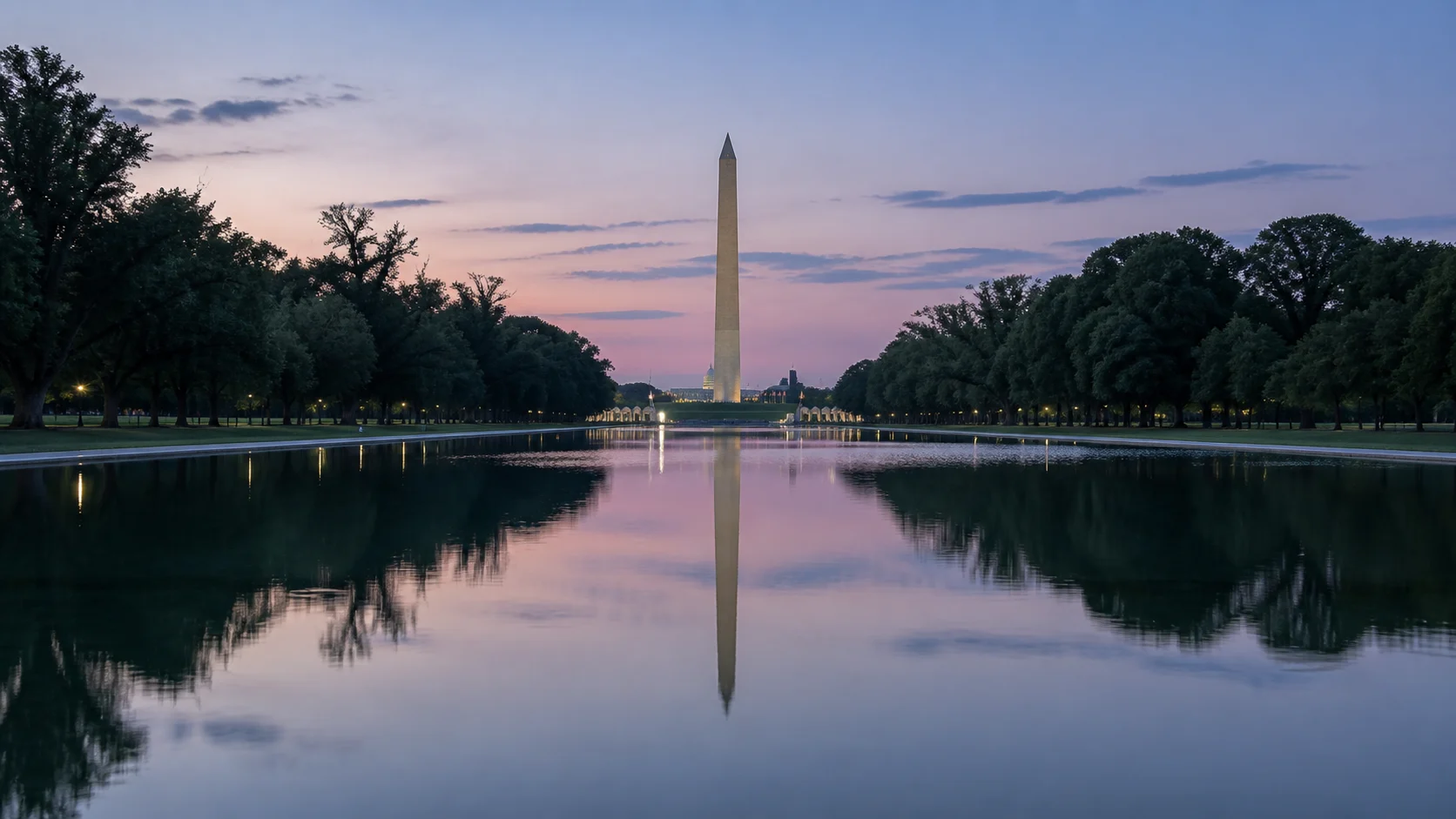
Timed tickets control elevator access to the Washington Monument, and popular dates can disappear quickly. Same-day possibilities and advance-release timing can change, so use the National Park Service ticket instructions rather than a resale listing.
Smithsonian museums
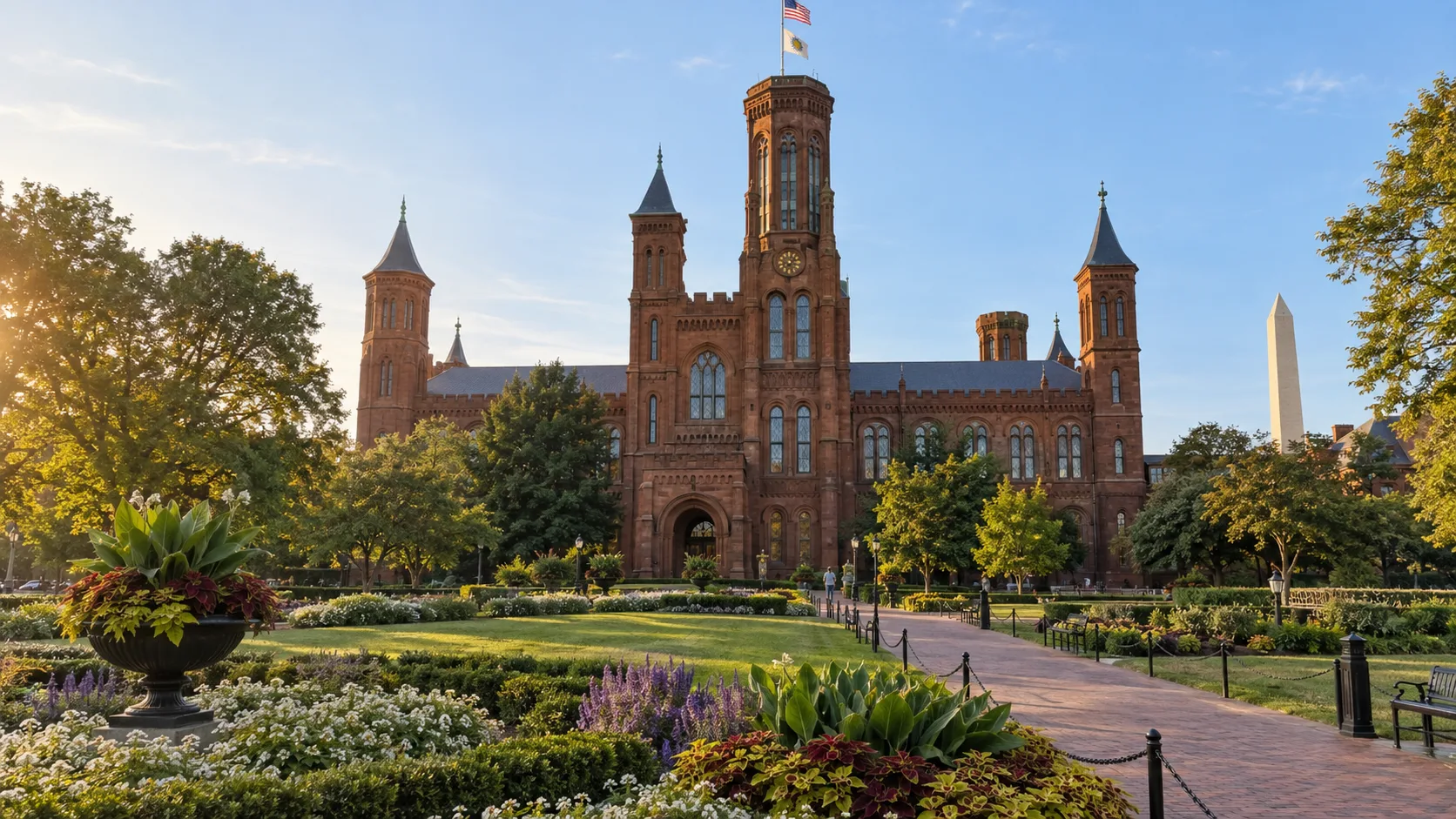
Smithsonian admission in Washington is free, but free does not always mean ticket-free. Check the individual Smithsonian museum pages because the National Air and Space Museum and National Museum of African American History and Culture currently require free timed-entry passes.
The National Museum of Natural History and National Museum of American History generally do not require passes for individual visitors. Requirements can change for renovations, special exhibitions, or peak periods, so confirm every priority museum separately.
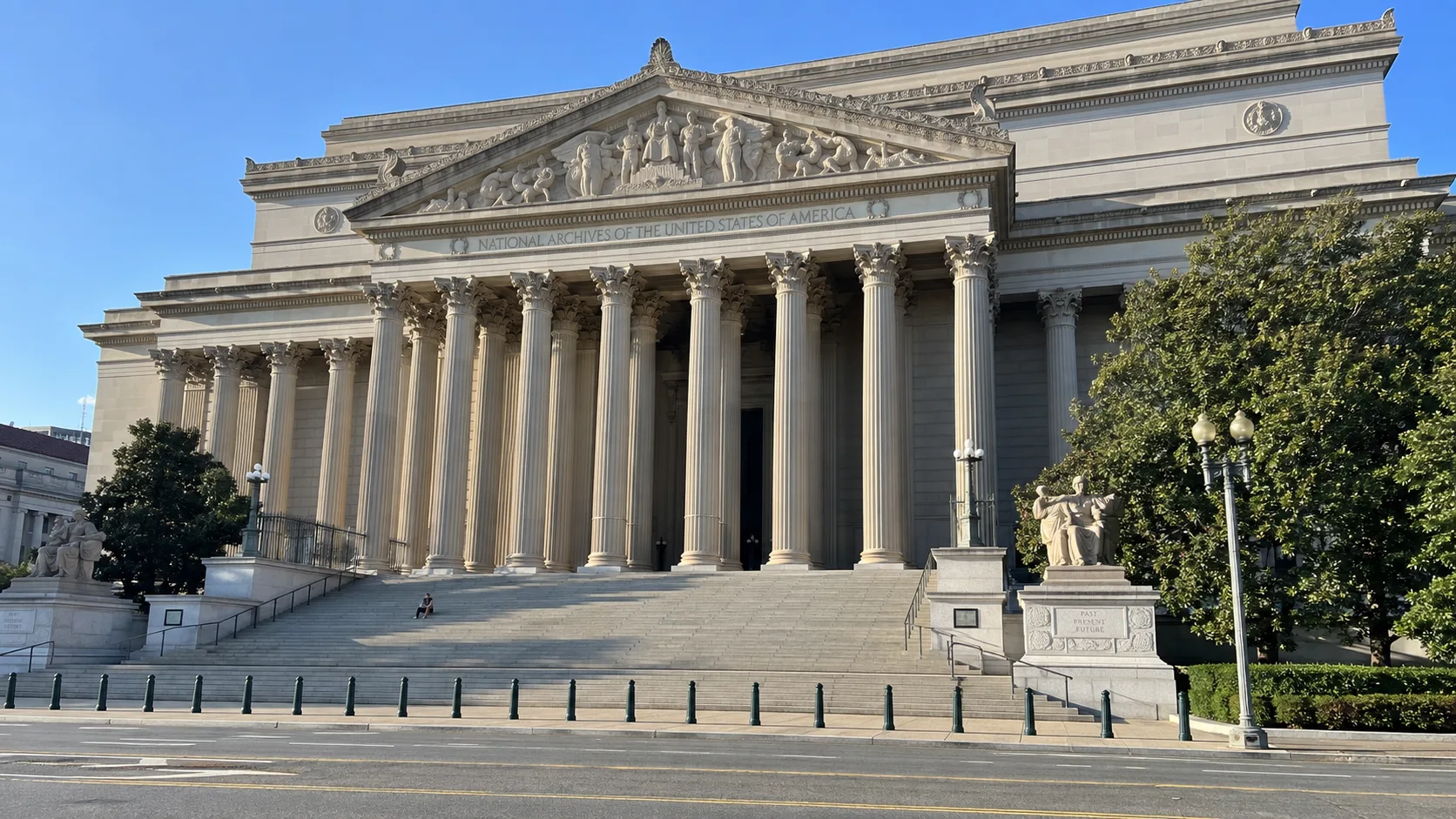
National Archives
Walk-ins are currently welcome at the National Archives Museum, where the Declaration of Independence, Constitution, and Bill of Rights are displayed. Optional reservations can reduce a long outdoor wait during spring, holidays, and other busy periods.
Build the National Mall by zones
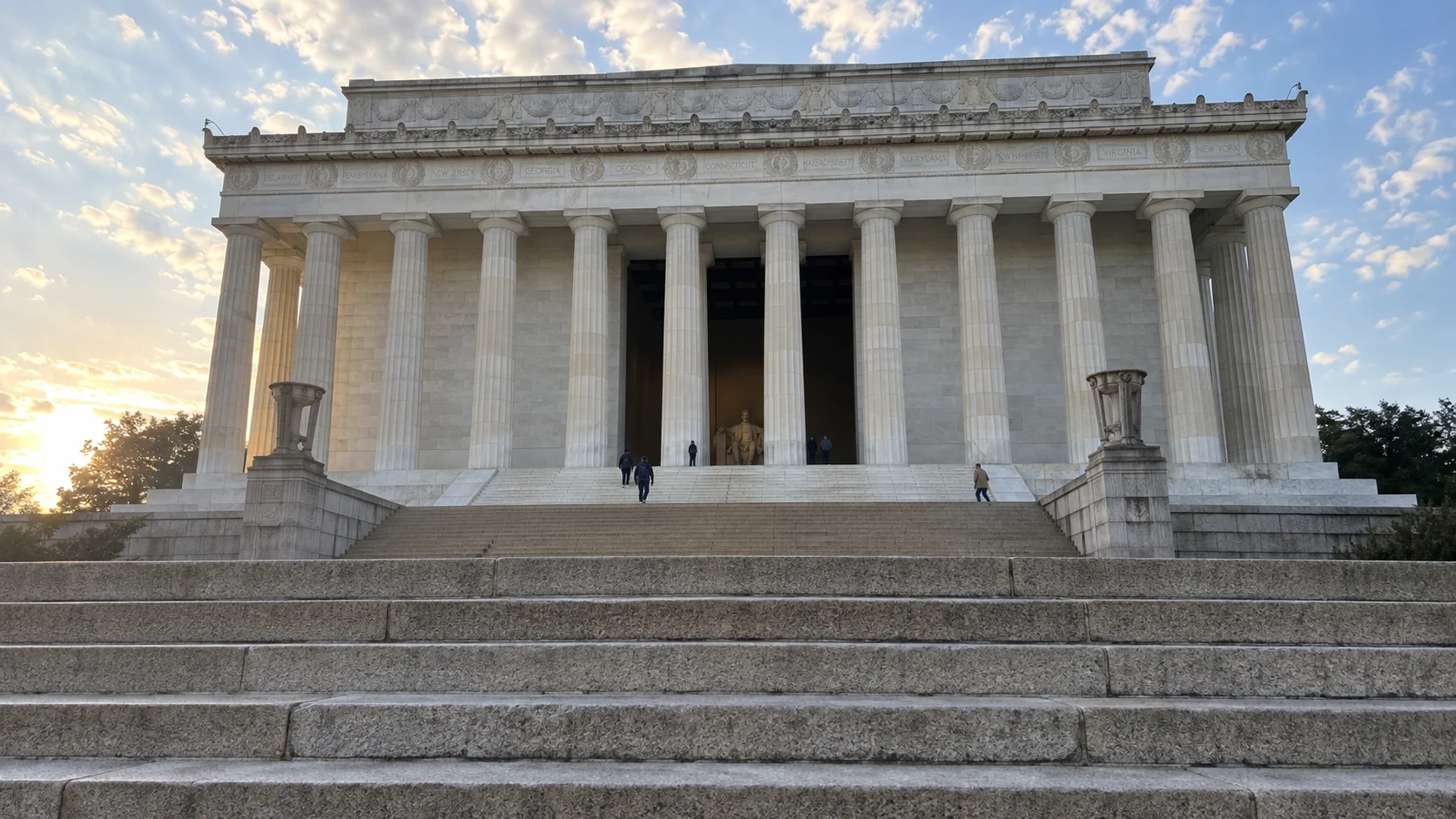
West: Lincoln and the war memorials
Begin at the Lincoln Memorial, then connect the Vietnam Veterans Memorial, Korean War Veterans Memorial, and World War II Memorial. These are places for reflection, not props, so keep voices low around ceremonies and personal tributes.
Most outdoor National Mall memorial sites are open 24 hours, although staffed hours, restrooms, construction, and specific facilities vary. Consult the National Park Service’s current conditions before an early or late visit.
Center: Washington Monument and museums
The central Mall places the Washington Monument between Smithsonian museums along Constitution and Independence avenues. Crossing the lawns repeatedly wastes energy, so select museums on the same side when possible.
An evening monument walk is cooler and beautifully lit, but it should complement daytime interpretation rather than replace it. Bring water and expect fewer open food and restroom options later at night.
East: Capitol Hill
The Capitol, Library of Congress, Supreme Court, U.S. Botanic Garden, and eastern Smithsonian buildings form a strong day. Eastern Market and Barracks Row can supply the neighborhood dinner that saves the trip from becoming three consecutive food-court lunches.
Choose museums by interest, not fame
- Air and space: National Air and Space Museum, with a required pass when current rules say so.
- American history: National Museum of American History or National Museum of African American History and Culture.
- Science and children: National Museum of Natural History.
- Art: National Gallery of Art, Smithsonian American Art Museum, or the National Portrait Gallery.
- Indigenous cultures: National Museum of the American Indian.
- Words and documents: Library of Congress, National Archives, or Planet Word.
Two large museums in one day is possible, but only if both are true priorities and the group enjoys sustained indoor time. One major museum plus a memorial zone usually produces a better day than collecting five gift-shop receipts.
Neighborhoods worth leaving the Mall for
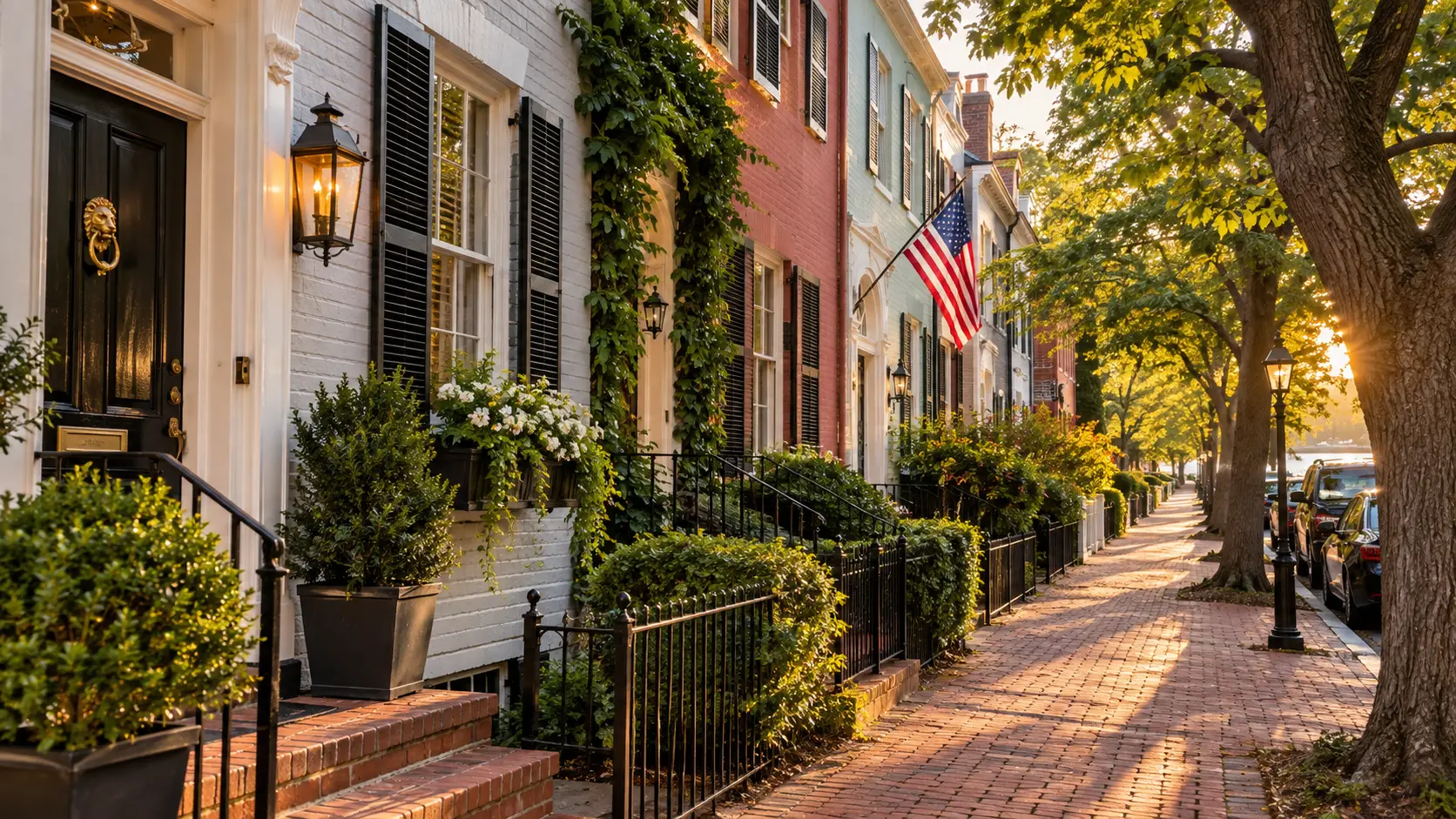
Georgetown
Georgetown offers historic streets, the C&O Canal, waterfront paths, shops, and restaurants. It has no Metrorail station, so arrive by bus, walking route, bike, taxi, or rideshare rather than hunting for a nonexistent subway entrance.
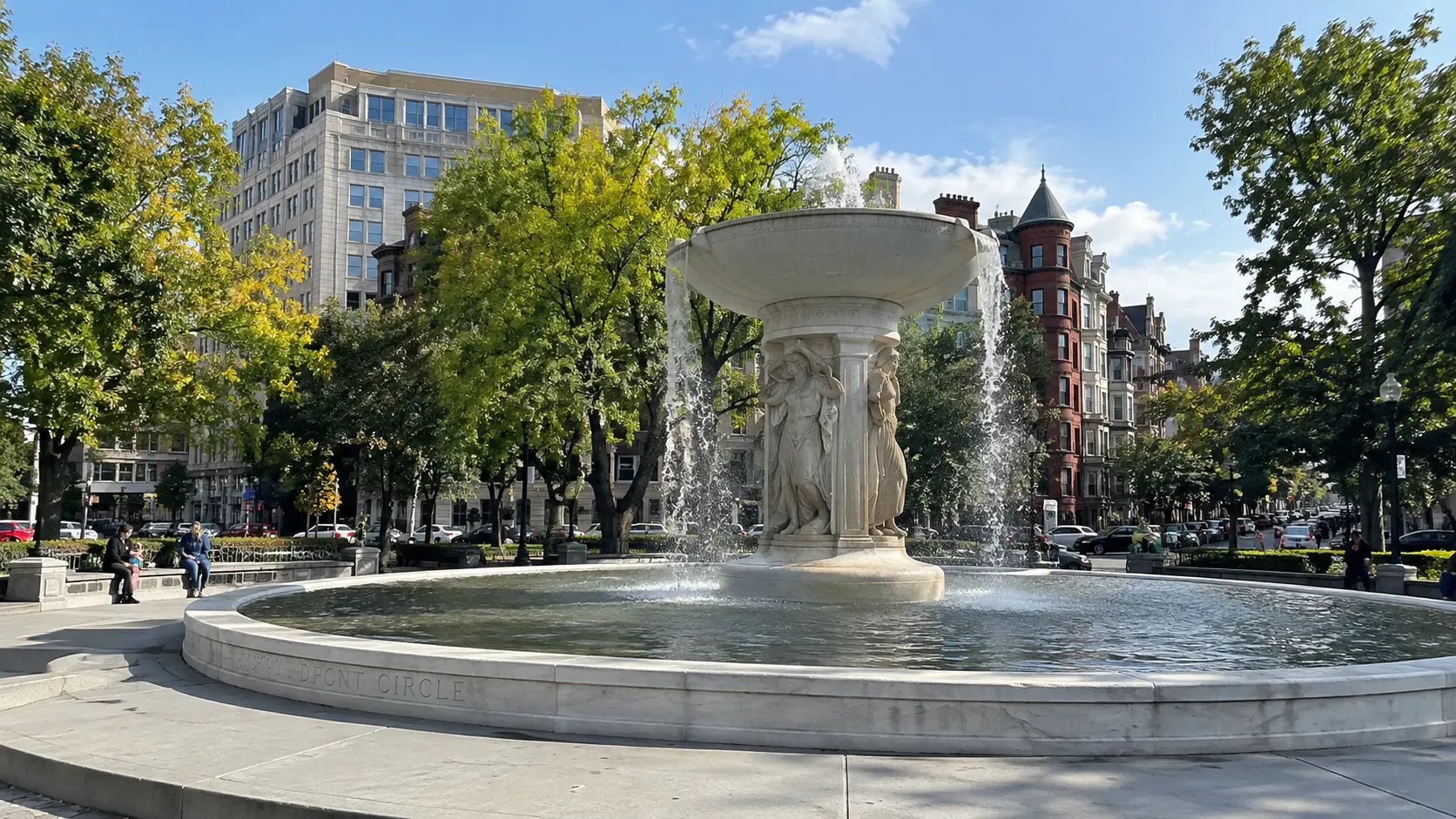
Dupont Circle
Dupont Circle is convenient for restaurants, embassies, galleries, and Red Line access. It suits travelers who want a lived-in neighborhood base while remaining close to the White House and downtown.
Penn Quarter and Chinatown
This central area works well for the National Archives, National Portrait Gallery, Capital One Arena, and several Metro lines. It is practical rather than peaceful, especially on event nights.
The Wharf and Navy Yard
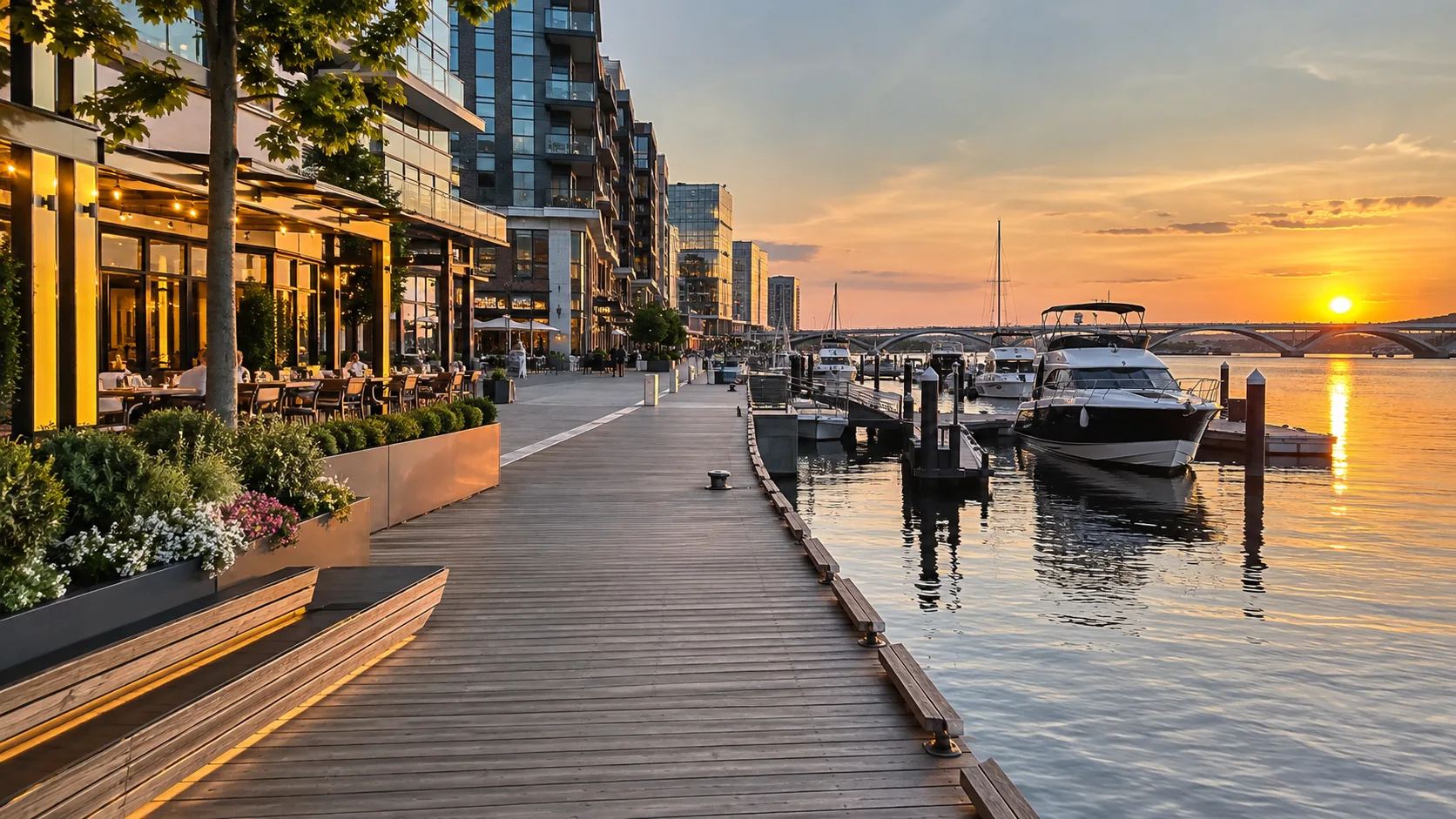
The Wharf combines waterfront dining and entertainment with access to the southern Mall, while Navy Yard places visitors near Nationals Park and the Anacostia Riverwalk. Both feel newer and livelier at night than the federal core.
Where to stay
- Penn Quarter: Best for first-time sightseeing and several Metro connections.
- Capitol Hill: Best for early Capitol plans and neighborhood evenings.
- Dupont Circle: Best for restaurants, character, and a central residential feel.
- The Wharf: Best for waterfront evenings, with a longer trip to some northern sights.
- Arlington: Often practical for DCA and Metro, but remember that it is in Virginia.
Compare total cost after hotel tax, breakfast, parking, and transit, not the room rate alone. DC can be one of the better-value North American city trips because of free attractions, but centrally located rooms are rarely the free part.
Getting around Washington, DC
Metrorail and bus
Metrorail is usually the simplest way to cover longer distances, while buses fill gaps such as Georgetown. Current Metro rules allow riders to tap a SmarTrip card or contactless bank card at the start and end of a rail trip, using the same payment method both times.
Check the WMATA airport and station guide plus service alerts before every fixed appointment. Weekend maintenance can turn a comfortable buffer into a speed-walking seminar.
Walking, biking, and driving
Walking is essential, but the Mall offers long exposed stretches with limited shade. Bikeshare can help confident riders, although busy roads, security closures, and docking availability require attention.
A rental car is usually more burden than benefit for a central stay because parking is expensive and street restrictions are complex. Rent one only for a specific regional outing, then verify garage height, overnight terms, and hotel fees.
Choosing a Washington airport
Ronald Reagan Washington National Airport, or DCA, connects directly to the Blue and Yellow lines and is closest to central DC. Washington Dulles International Airport, or IAD, has a Silver Line station but sits much farther from downtown.
Baltimore/Washington International Airport, or BWI, is in Maryland and usually requires rail plus a station or terminal connection. A low airfare there can still be a poor deal after late-night transport, extra time, and family fares are added.
A realistic three-day Washington, DC itinerary
Day 1: Memorials and one Smithsonian
Walk the Lincoln, Vietnam, Korean War, and World War II memorials in the cooler morning hours. Reserve one Smithsonian museum for the afternoon, then return to the Washington Monument area around sunset.
Day 2: Capitol Hill and documents
Take a reserved Capitol tour, then visit the Library of Congress on its separate timed ticket. Continue to the National Archives if energy allows, or save it for the next morning and have dinner near Eastern Market.
Day 3: A priority museum and a neighborhood
Spend the morning at the National Museum of African American History and Culture, Air and Space, Natural History, or another genuine priority. Choose Georgetown, Dupont Circle, the Wharf, or the National Zoo for the afternoon instead of circling the Mall again.
Travelers weaving DC into a longer drive can borrow stop-selection ideas from this United States friends road trip, while keeping the capital’s parking realities separate. Do not leave luggage visible in a vehicle between hotels.
Best time to visit
Spring brings cherry blossoms, school groups, changing weather, and high demand, while fall often offers comfortable walking temperatures. Peak bloom is a weather-driven forecast rather than a fixed annual appointment.
Summer can be hot, humid, and stormy, so schedule outdoor miles early and carry water. Winter is quieter outside holidays, but cold wind and occasional snow or ice can make the open Mall feel substantially larger.
Major demonstrations, federal events, holidays, and security activity can close roads or park areas with little relevance to an old itinerary. Check official conditions and transit alerts again during the trip.
What to pack
- Broken-in walking shoes, plus blister care
- A refillable bottle and compact snacks where permitted
- Sun protection and a light rain layer
- A portable battery for tickets, maps, and Metro alerts
- Government-compliant identification for any tour that requires it
- A small bag that meets the strictest reserved attraction’s rules
Do not bring prohibited items to a government tour and expect a nearby locker to rescue the morning. Review the exact building’s list, because security rules are not identical across the Capitol, White House, museums, and memorial facilities.
Washington, DC questions
Are the Smithsonian museums really free?
Smithsonian museums in Washington do not charge general admission, but some require free timed-entry passes. Special experiences, food, parking, and transportation can still cost money.
Can you walk everywhere?
You can walk extensively, but doing so exclusively wastes time and energy. Combine one geographic walking zone with Metro or bus for the next part of the day.
Is Washington, DC good with children?
Yes, particularly for school-age children with clear interests in space, animals, government, or history. Keep museum blocks short enough to preserve curiosity, and add playground, garden, or waterfront time.
Make room for the city beyond the symbols
The monuments deserve attention, but Washington becomes a better trip when a neighborhood meal, gallery, market, or waterfront walk joins the federal landmarks. Reserve the scarce experiences, group the rest by location, and let one museum be magnificent instead of making four museums blurry.