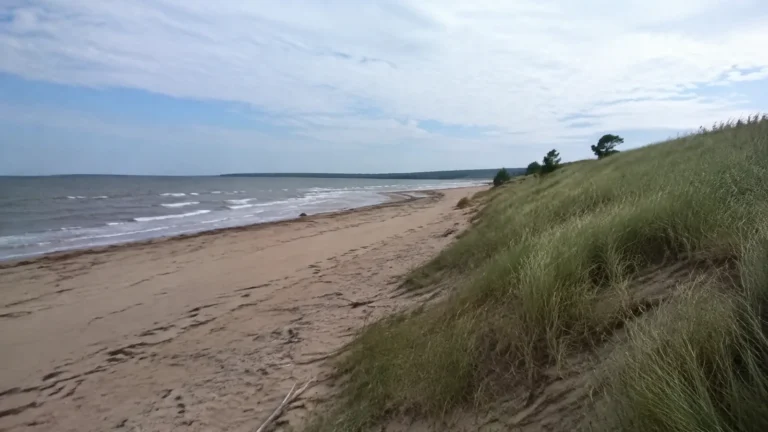
Ingomar, Nova Scotia: Beaches, Bases and Honest Planning
Ingomar is the kind of Nova Scotia place that rewards travelers who want salt air, quiet roads, and room to slow down. It is not a polished resort town or a checklist of ticketed sights, so a satisfying stay depends on choosing the right base, carrying supplies, and treating nearby beaches as wild coastal landscapes.
Understand Ingomar Before You Book
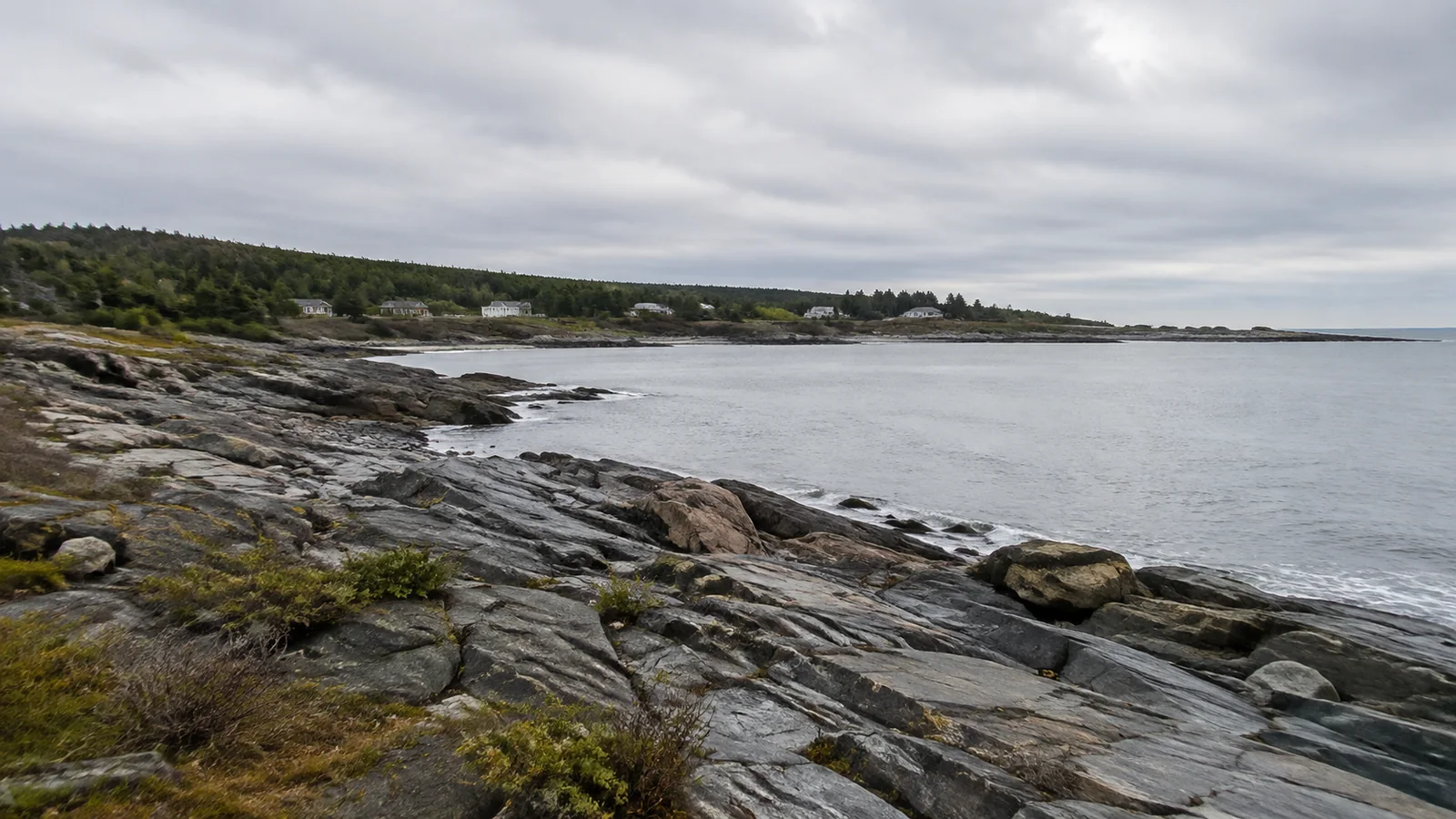
Ingomar is a small coastal community in Shelburne County on Nova Scotia’s South Shore. There is no compact visitor district to park in, no dependable lineup of restaurants, and no verified public lighthouse attraction in the community.
That distinction matters because an old description or an attractive map pin can make rural communities look more developed than they are. Come for a cottage stay, shore scenery, birdlife, and access to southwestern Nova Scotia rather than expecting an attraction-filled village.
- Best for: couples, families, photographers, birders, and road-trippers who enjoy quiet evenings.
- Not ideal for: travelers who want nightlife, a walkable restaurant scene, or a vacation without a car.
- Best trip length: two or three nights as part of a wider South Shore drive.
- Best base: a cottage with a kitchen, clear water access rules, and recent guest information.
At least one year-round cottage property is listed by Tourism Nova Scotia in Ingomar, which confirms that overnight stays are possible without treating the community as a conventional hotel hub. Check the current official accommodation listing, then verify rates, minimum stays, pet rules, heating, and waterfront access directly.
What to Do in Ingomar Itself
The pleasure here is mostly unstructured: watch changing light over coves, listen for shorebirds, photograph fishing wharves from public ground, and take an early drive before the roads get busier. It is a good counterweight to an itinerary packed with museums and famous waterfronts.
Do not assume every lane, wharf, beach path, or shoreline is public. Coastal communities are working places, and a view from the road does not create permission to park in a driveway, cross a lawn, walk onto fishing gear, or launch from private land.
If a rental advertises a beach, dock, kayak, firepit, or boat launch, ask whether the amenity is private to guests and whether tides limit its use. Also ask about life jackets, drinking water, garbage, laundry, cell reception, Wi-Fi, and the nearest open grocery store.
Choose the Right Nearby Beach
Roseway and Round Bay for a Wild Beach Walk
Roseway Beach is the strongest nearby choice when the goal is a long, quiet walk rather than concessions and organized activities. Tourism Nova Scotia describes an expansive sand beach, a wetland-to-ocean river channel, birding habitat, and protected piping plovers on its Roseway Beach listing.
The freshwater channel separating sections of Roseway and Round Bay may be passable around low tide, but that does not make every crossing safe. Water depth, current, weather, footwear, and the return tide all matter, so staying on one side is the sensible choice when conditions are unclear.
Use designated paths through dunes and give signed nesting areas generous space. Dogs, children, and photographers can disturb nearly invisible eggs or chicks even when no adult bird is obvious.

Sand Hills for the Clearest Day-Use Setup
Sand Hills Beach Provincial Park is a more straightforward pick when you want a recognized day-use park. Its official listing describes roughly 1.5 miles of white sand, picnic tables, change rooms, broad low-tide sand flats, and marked routes intended to protect the dunes.
This is still a natural beach, not a resort pool. Park services and seasonal opening dates can change, swimming may be unsupervised, and low tide can transform the experience from a narrow shoreline into a long walk across exposed sand.
Crescent Beach for a Lockeport Day
Lockeport’s Crescent Beach works well when paired with the town, lunch, and a waterfront walk. The curved strand is more than half a mile long and has a notable cultural footnote: its image appeared on Canada’s 1954 fifty-dollar bill.
Piping plovers can nest there in summer, which is a reason to follow ropes and signs rather than a reason to skip the beach. Combine it with the Lockeport walking trail only after confirming surface conditions and the return distance for everyone in the group.
Welkum Park for Freshwater
Welkum Park near Shelburne is the useful alternative when Atlantic water, surf, or wind makes an ocean swim unappealing. The Municipality of Shelburne lists a freshwater beach, picnic facilities, playground, floating dock, change rooms, seasonal toilets, and a Mobi-Mat on its facilities page.
Swimming is unsupervised, and a Mobi-Mat improves the route without guaranteeing that every feature works for every wheelchair or mobility device. Contact the municipality before relying on a specific accessible amenity.
Make Shelburne Your Culture Day
Shelburne supplies the history and town services that Ingomar does not. Its historic waterfront, museums, shops, and restaurants are better treated as a deliberate half-day or full day than as an afterthought squeezed between beach stops.
The official Shelburne overview highlights the Black Loyalist Heritage Centre in Birchtown, the waterfront, and The Islands Provincial Park. Check operating calendars separately because museums, tours, restaurants, and campgrounds can have limited shoulder-season hours.
The Black Loyalist Heritage Centre deserves enough time for the history rather than a quick photo stop. It interprets the experience of Black Loyalists who arrived in Nova Scotia after the American Revolution, including the nearby Birchtown community.
Shelburne is also the practical place to refuel, buy groceries, pick up cash, and adjust plans after speaking with local staff. Rural business hours can be shorter than search listings suggest, especially outside July and August.

Add Lockeport, Barrington, or Shag Harbour
Lockeport is the easiest pairing for travelers who want a small town and beach in one outing. Barrington is the more practical regional stop for services and provides access to additional coastal communities, while Shag Harbour has a seasonal museum devoted to the area’s famous 1967 UFO incident.
Do not try to collect all three plus several beaches in one day. Southwestern Nova Scotia looks compact on a map, but scenic roads, photo stops, meal hours, and slow-moving local traffic consume more time than the mileage suggests.
For a broader route, connect Ingomar with the lighthouse towns, working harbors, and cultural sites in this Nova Scotia trip overview. The community makes more sense inside a regional loop than as a long out-and-back day from Halifax.
Plan Around Tides, Wind, and Cold Water
Tide time affects exposed sand, river crossings, paddling, and the amount of usable beach. Use the Canadian Hydrographic Service’s Shelburne tide predictions as a regional planning reference, then confirm whether your exact cove or beach behaves differently.
A low tide printed on a phone does not guarantee a safe crossing or a firm walking surface. Build in a return margin and never strand bags, shoes, children, or pets on the far side of a flooding channel.
Atlantic water can remain cold even on a warm afternoon, and fog can erase familiar landmarks quickly. Nova Scotia’s coastal safety guidance warns about cold water, strong waves, currents, and storm surge, so enter only where conditions suit your actual swimming ability.
Wear a life jacket for paddling, tell someone the route, and keep the outing conservative when wind is blowing offshore. A sheltered cove at breakfast can become a difficult return after the afternoon breeze builds.
When to Visit Ingomar
July and August offer the simplest combination of longer daylight, open seasonal businesses, and family beach weather. They also bring more visitors, higher cottage demand, insects, and no guarantee of warm ocean water.
June and September can be wonderfully quiet for walking and photography, but fog, wind, cool evenings, rain, and reduced hours need a place in the plan. Pack a waterproof shell and warm layer even when the mainland forecast looks summery.
Late fall through spring suits travelers who genuinely want solitude and have a well-heated rental. It is a poor time to assume parks have washrooms, museums are open, restaurants serve daily, or untreated rural roads will be easy after a storm.
Check the Shelburne forecast, marine conditions, road notices, and attraction pages again the morning you leave. A flexible inland museum or town day is the best insurance against losing the trip to coastal weather.
Pack for a Rural Coastal Stay
- A waterproof jacket, warm mid-layer, quick-drying clothes, and a dry change.
- Closed-toe shoes for rough access plus sandals that will not wash off in current.
- Refillable water bottles, snacks, and enough groceries for one unplanned closed restaurant.
- Sun protection, insect repellent, binoculars, and a small flashlight.
- A paper or offline map, car charger, and downloaded reservation details.
- A compact first-aid kit and any medications that cannot wait for a distant pharmacy.
If the cottage has a kitchen, confirm what “fully equipped” means before shopping. A coffeemaker, grill, salt, oil, sharp knife, crib, or high chair should never be assumed from the word cottage.
Driving and Daily Logistics
A rental car is effectively essential, and the driver should arrive before dark on the first day. Rural turns, narrow shoulders, wildlife, fog, and unfamiliar driveway markers are harder to manage after sunset.
Download maps before leaving a larger town and keep the gas tank comfortably above empty. Do not base a departure-day airport run on the fastest navigation estimate because construction, weather, and a missed rural turn leave little recovery time.
A larger Canada road trip benefits from fewer bases and longer stays, and Ingomar is a good example. Unpacking for two nights gives you one weather adjustment day and makes the drive worthwhile.
A Relaxed Three-Day Ingomar Plan
Day One: Arrive and Settle In
Shop for groceries and fuel before reaching the cottage, then use the remaining daylight to learn the property boundaries and shoreline access. Keep the first evening unscheduled because a quiet meal and sunset are the point.
Day Two: Shelburne and Birchtown
Start with the Black Loyalist Heritage Centre, continue to Shelburne’s historic waterfront, and choose a museum based on current hours. Finish at Welkum Park or with a short trail only if daylight and weather remain comfortable.
Day Three: Beach and Lockeport
Choose one direction: pair Roseway with a quiet afternoon back at Ingomar, or drive to Lockeport for lunch and Crescent Beach. Sand Hills is a separate western outing toward Barrington, so I would not combine it with Lockeport in the same relaxed beach day.
If you are extending into Prince Edward Island, compare this wild South Shore coastline with the warmer-water expectations and protected dunes discussed in this Cavendish Beach planner. The two are complementary, not interchangeable beach experiences.
Accessibility, Children, and Pets
Rural beach access can involve soft sand, uneven paths, steep shoulders, and seasonal toilets. Ask about the distance from parking to shore, step-free cottage entry, bathroom layout, bed height, and emergency access instead of relying on an “accessible” label.
Families should choose one primary outing per day and carry dry clothes for children. Fast-changing water and unguarded beaches require close supervision even when the exposed flats look calm and shallow.
Pet-friendly lodging does not mean dogs can roam beaches or conservation zones off leash. Confirm park rules, nesting-season restrictions, tick prevention, and where a dog can be safely exercised without disturbing wildlife or neighbors.

Beach drives from an Ingomar base
These are approximate one-way planning allowances from central Ingomar, not measured live-traffic promises, and your rental’s actual driveway can change them. Save the route before leaving Wi-Fi and allow extra time for narrow local roads, fog, and a beach parking area that sits beyond the village name on the map.
- Outing: Roseway/Round Bay area
- Allow each way: About 15 to 25 minutes
- Pair it with: A two-hour beach walk and a relaxed return to Ingomar
- Outing: Shelburne and Welkum Park area
- Allow each way: About 25 to 35 minutes
- Pair it with: Waterfront history, groceries, and an inland freshwater stop
- Outing: Lockeport and Crescent Beach
- Allow each way: About 45 to 60 minutes
- Pair it with: Town lunch and one long beach visit
- Outing: Sand Hills Provincial Park near Barrington
- Allow each way: About 45 to 60 minutes
- Pair it with: Barrington services and the western coast
My clearest beach day is an out-and-back to Lockeport: leave Ingomar after breakfast, park at the signed Crescent Beach access, walk while the weather is comfortable, and have lunch in town before returning. If you want a shorter drive, use Roseway Beach’s public access instead and keep the river channel as a turnaround boundary rather than making a crossing part of the plan.
Is Ingomar Worth the Detour?
Yes, if you want a quiet base and are happy to drive to services, beaches, and historic sites. The payoff is not a famous landmark but the ability to experience a less-commercial stretch of Nova Scotia at a pace that suits the landscape.
Skip an overnight stay if your ideal day begins with a café downstairs and ends with several dinner choices on foot. In that case, base in Shelburne or another larger South Shore town and visit the Ingomar coast only where public access is clearly marked.