Canadian Rockies Road Trip: Banff, Jasper, and the Icefields Parkway
The hard part of a Canadian Rockies trip is leaving one impossibly blue lake knowing there is another waiting up the road.
I would give Banff, Lake Louise, the Icefields Parkway, and Jasper at least eight days, then build the route around current park access instead of pretending a famous lake or trail is automatically available forever.
The Eight-Day Canadian Rockies Route
- Day 1: Calgary to Banff
- Day 2: Banff National Park
- Day 3: Lake Louise and Moraine Lake
- Day 4: Lake Louise to the Icefields Parkway
- Day 5: continue the Icefields Parkway to Jasper
- Day 6: Jasper National Park
- Day 7: Jasper wildlife, lakes, and open trails
- Day 8: return, continue west, or use a weather buffer
Use two nights in Banff, one near Lake Louise, one along the Icefields Parkway, and three in Jasper for the eight-day route. That is seven nights, with the final day reserved for onward travel or a relaxed morning before leaving Jasper.
If you love huge national-park landscapes, my Yellowstone and Grand Teton road trip makes a natural U.S. comparison. The Rockies feel more linear, which makes the actual road between the parks a much bigger part of the experience.
Day 1: Calgary to Banff
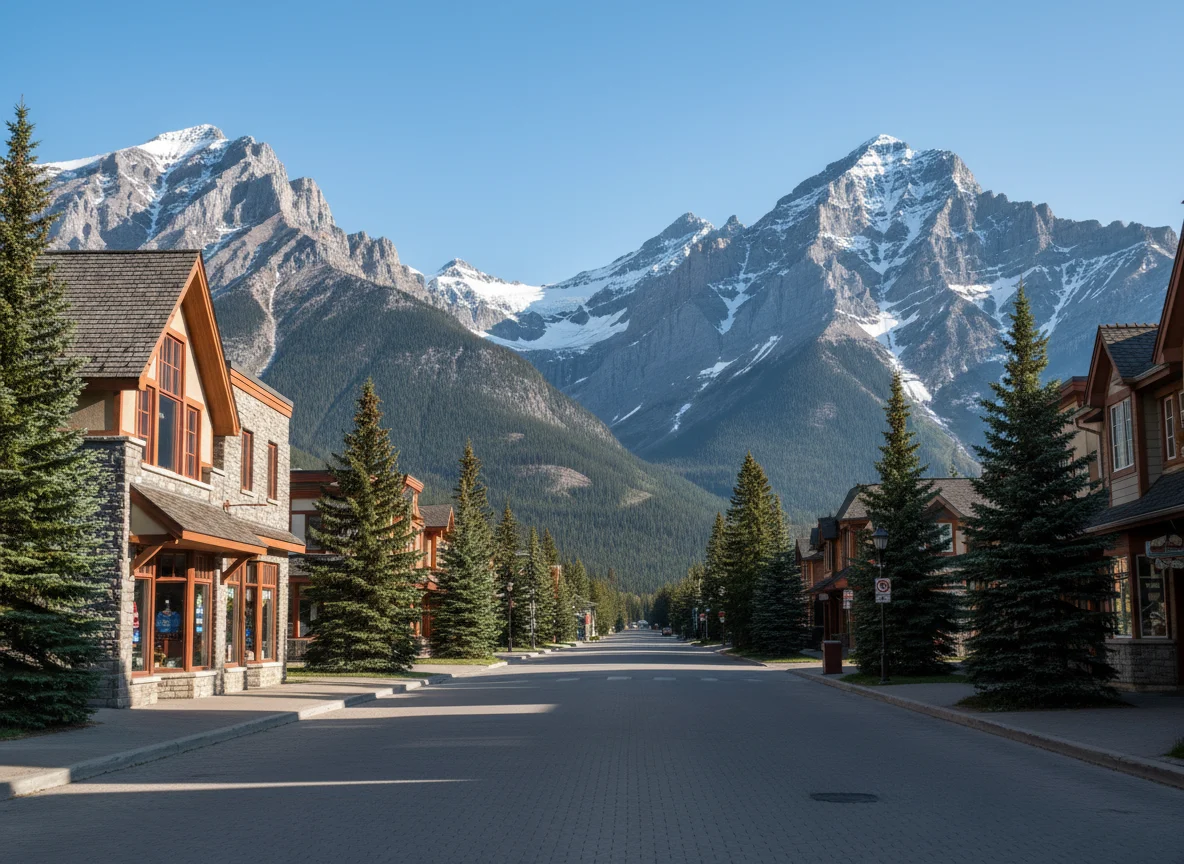
The drive from Calgary into the mountains is easy enough that I would keep arrival day simple. Reach Banff, park the car, walk town, and let your first mountain evening be an adjustment rather than a performance.
Get the park pass handled first
A valid national park pass is required when you stop in Banff National Park. Purchase it through Parks Canada or at an authorized location, then keep proof as directed for the length of your stay.
Use Banff transit when it helps
Parking pressure is real in peak season, and Banff has increasingly useful transit connections. If a bus or shuttle gets you where you want to go, I would choose that over spending vacation time circling a parking lot beneath perfectly nice mountains.
Day 2: Banff Without Trying to See Everything
Choose one mountain or lake-focused outing and one town or relaxation experience. Banff is not improved by visiting every viewpoint before lunch.
Pick one major outdoor plan
That could be a hike, scenic gondola, lake outing, or shorter walk depending on weather and ability. Check the Banff National Park site for current trail conditions, wildlife warnings, closures, and bulletins before leaving town.
Give yourself an easy evening
Banff is one of the rare national-park bases where dinner, shopping, and an evening walk can happen without another scenic drive. Use that convenience instead of treating the town as a bedroom between trailheads.
Day 3: Lake Louise and Moraine Lake
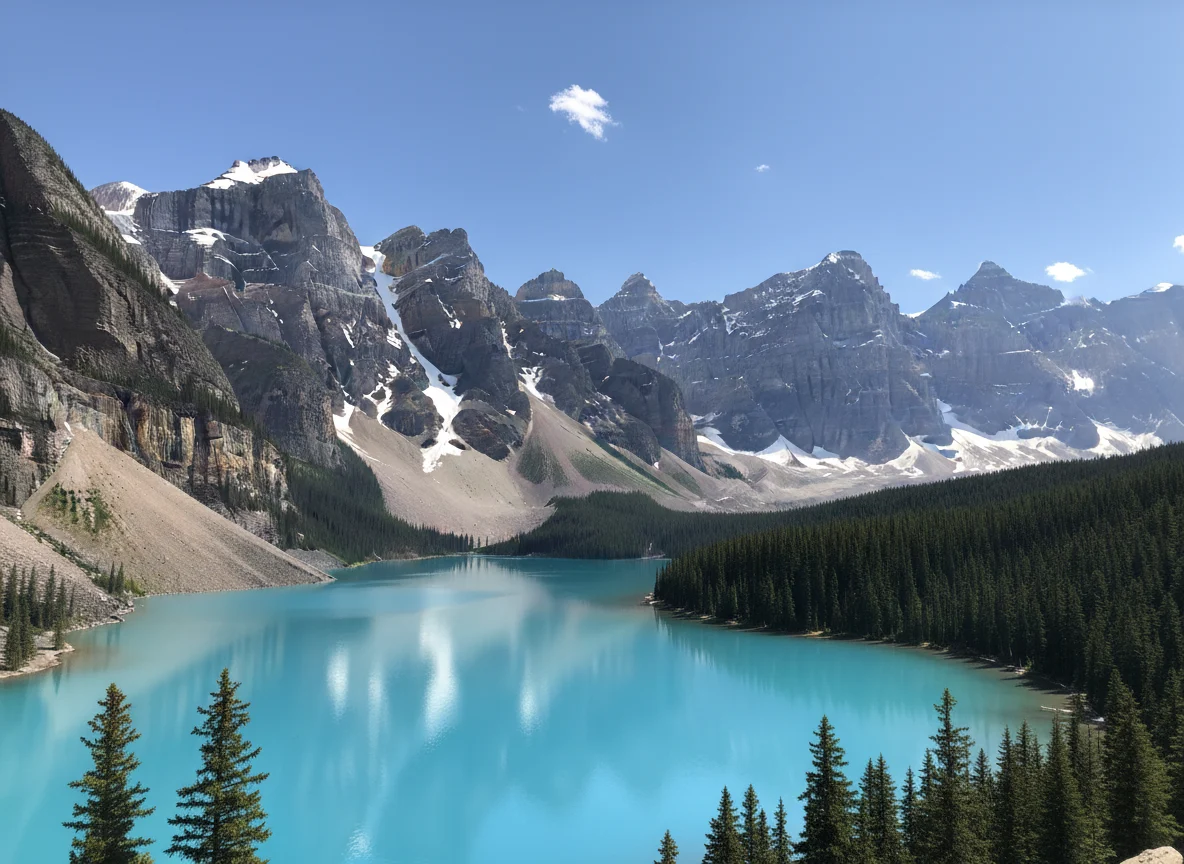
This is the day that requires the most advance transportation planning. Moraine Lake Road is closed to personal vehicles year-round, and Parks Canada strongly recommends transit or shuttle access for both famous lakes.
Reserve the shuttle
For 2026, Parks Canada shuttle reservations are required and operate to Lake Louise Lakeshore and Moraine Lake during their respective summer seasons. The current system releases some seats in advance and the remainder two days before departure, but I would always check the live Lake Louise transportation page because dates and procedures can change.
Do not build a future trip around driving to Moraine Lake because private-car access is not permitted. Lake Louise parking is also extremely limited, which is why I would reserve transit rather than gambling a vacation morning on a space.
See both lakes only if you have time to enjoy them
The shuttle connector makes visiting both possible on the same day during its operating season. I would still choose one meaningful walk or activity rather than spending the entire day in transportation queues.
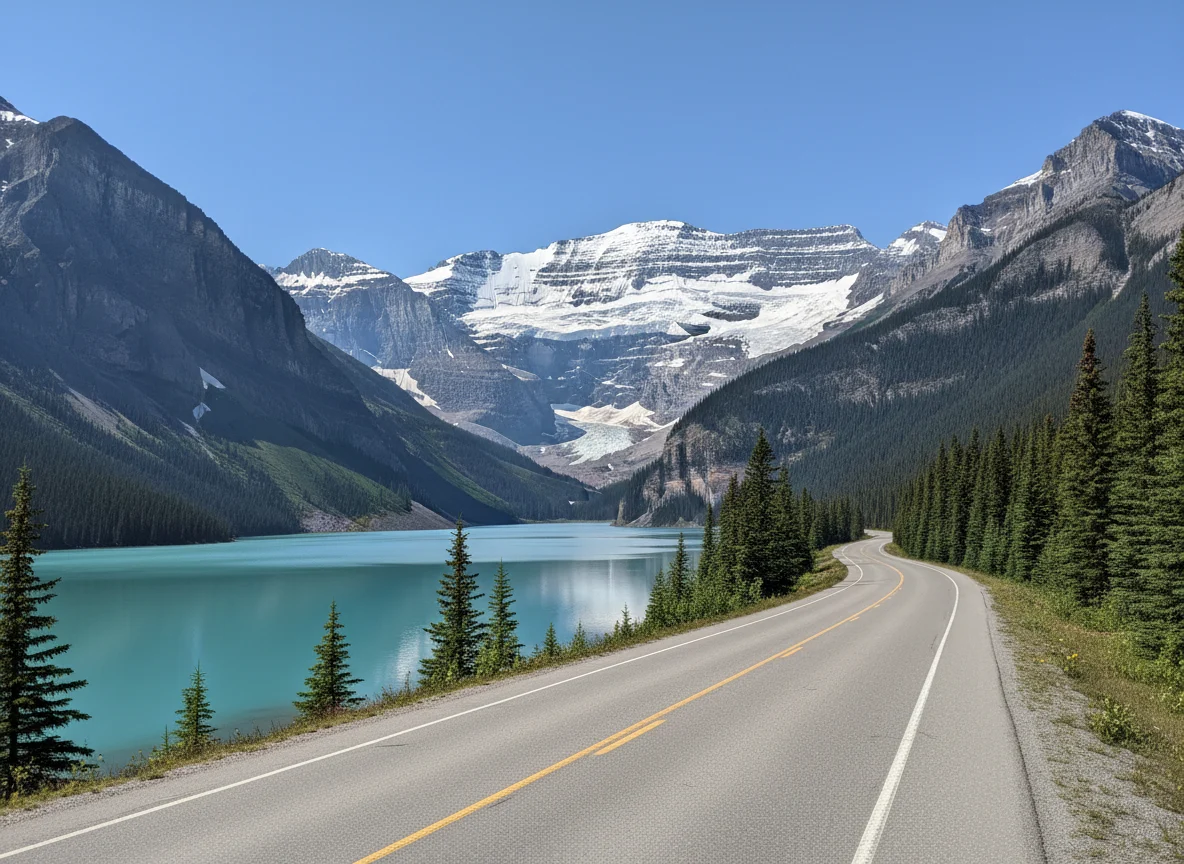
Day 4: Begin the Icefields Parkway
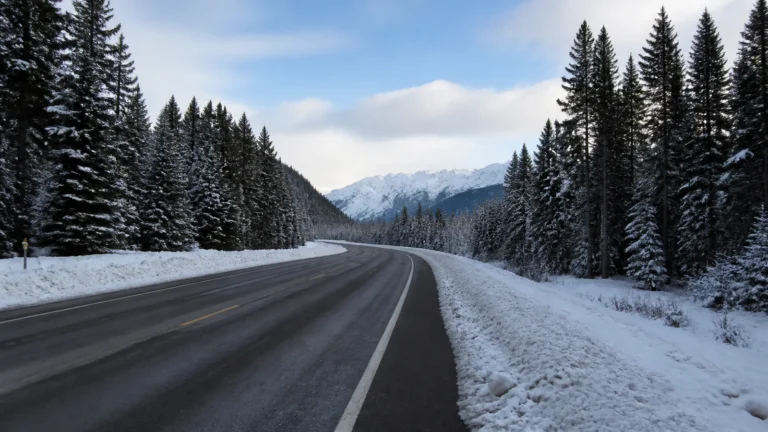
Highway 93 North between Lake Louise and Jasper is one of the best road-trip days in North America, and I would not drive the entire parkway in one hurried push if I could avoid it. Glaciers, waterfalls, lakes, valleys, and viewpoints keep stacking themselves along the road.
Fuel before you go
Services are limited along the parkway, cell coverage is inconsistent, and mountain weather can change quickly. Start with fuel, food, water, and downloaded maps rather than assuming the next cluster of buildings will behave like a normal highway exit.
Pick your stops based on conditions
Peyto Lake, glacier viewpoints, waterfalls, and shorter trails can all fit, but parking and weather vary. I would rather spend an hour at three beautiful places than spend twelve minutes at nine.
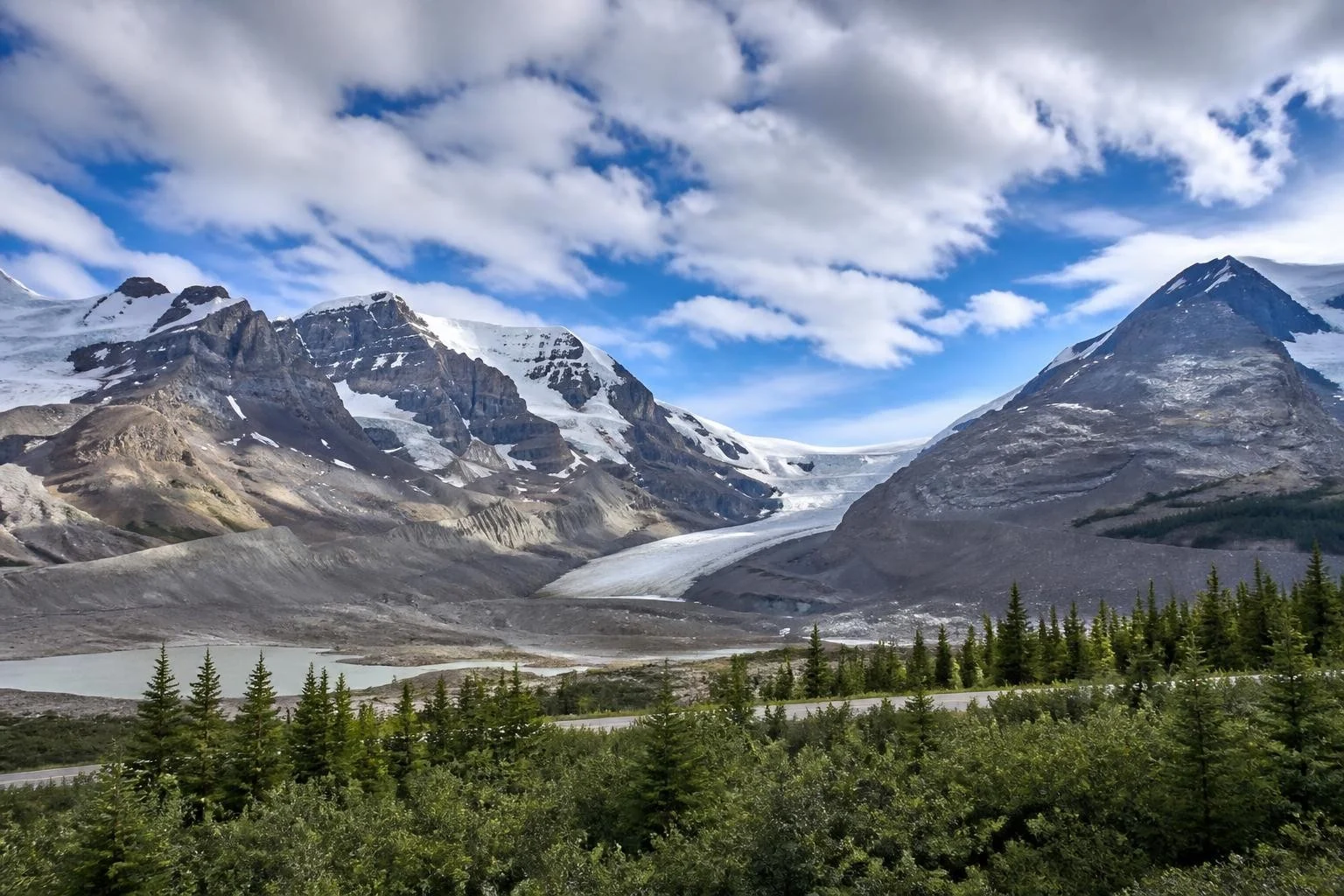
Day 5: Icefields Parkway to Jasper
Continue north and use today’s stops to balance whatever you skipped yesterday. The Columbia Icefield area and Athabasca and Sunwapta falls can all become substantial stops once you actually leave the car.
Check Alberta 511 before driving
Parks Canada directs visitors to 511 Alberta for the most current road information. The parkway can close for severe weather, avalanche risk, wildfire, or road incidents, and normal navigation apps are not always accurate.
Reach Jasper before dark
Wildlife is common and mountain roads become harder to read after sunset. I would rather miss one final pullout than turn the last hour into a tense drive.
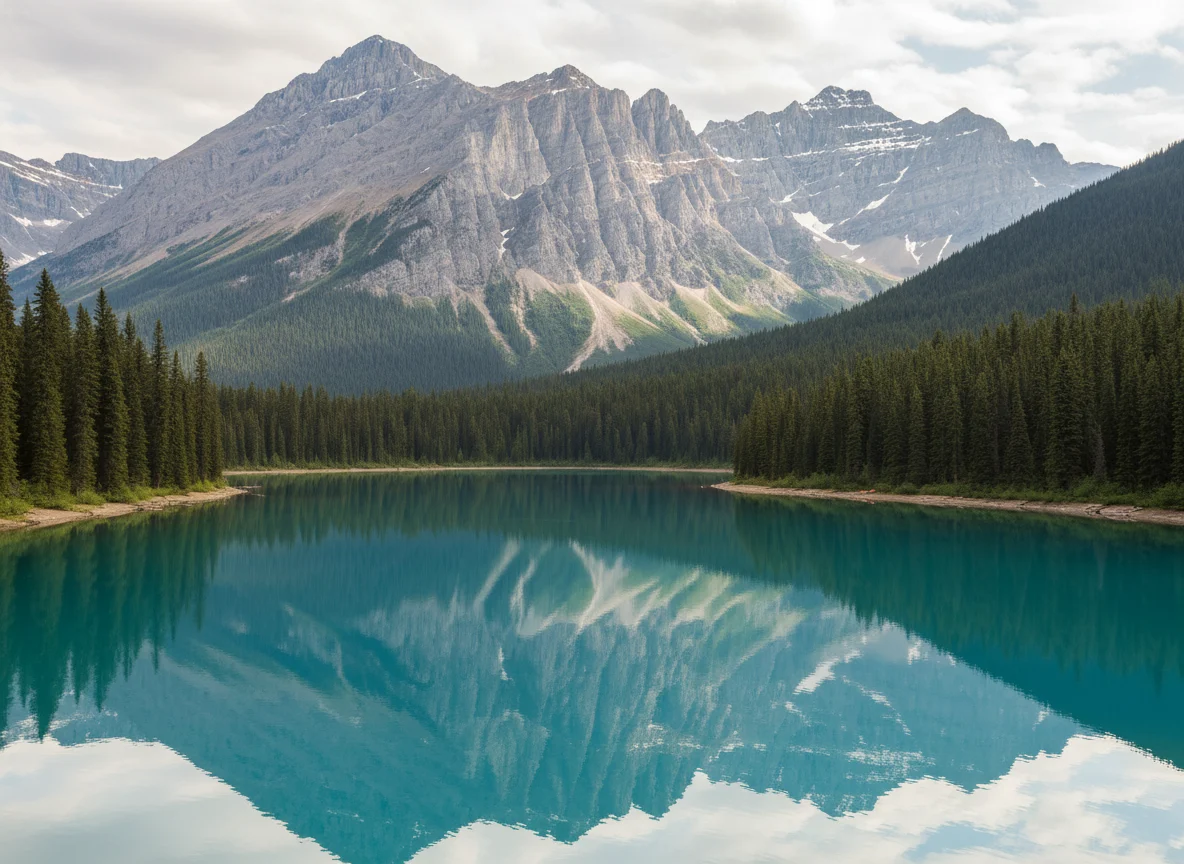
Day 6: Jasper National Park
Jasper is still recovering from the 2024 wildfire, which means a good itinerary in 2026 looks different from older travel posts. The majority of the park is open, while several specific areas remain closed for safety and rehabilitation.
Do not plan around Maligne Canyon or Cavell Road right now
Parks Canada states that Maligne Canyon and Cavell Road remain closed for the full 2026 season while slope stability and infrastructure work continue. Check the Jasper recovery page for future reopening information rather than assuming an old “must-see” itinerary still applies.
Choose an open lake or waterfall day
Athabasca Falls, Sunwapta Falls, Maligne Lake, and various designated trails remain possible depending on current conditions. Use Parks Canada’s open-and-closed map and trail report to choose the day.
This is not about avoiding Jasper because recovery is visible. It is about visiting responsibly, respecting closures, and supporting the community without wandering into wildfire-impacted areas that have not been declared safe.
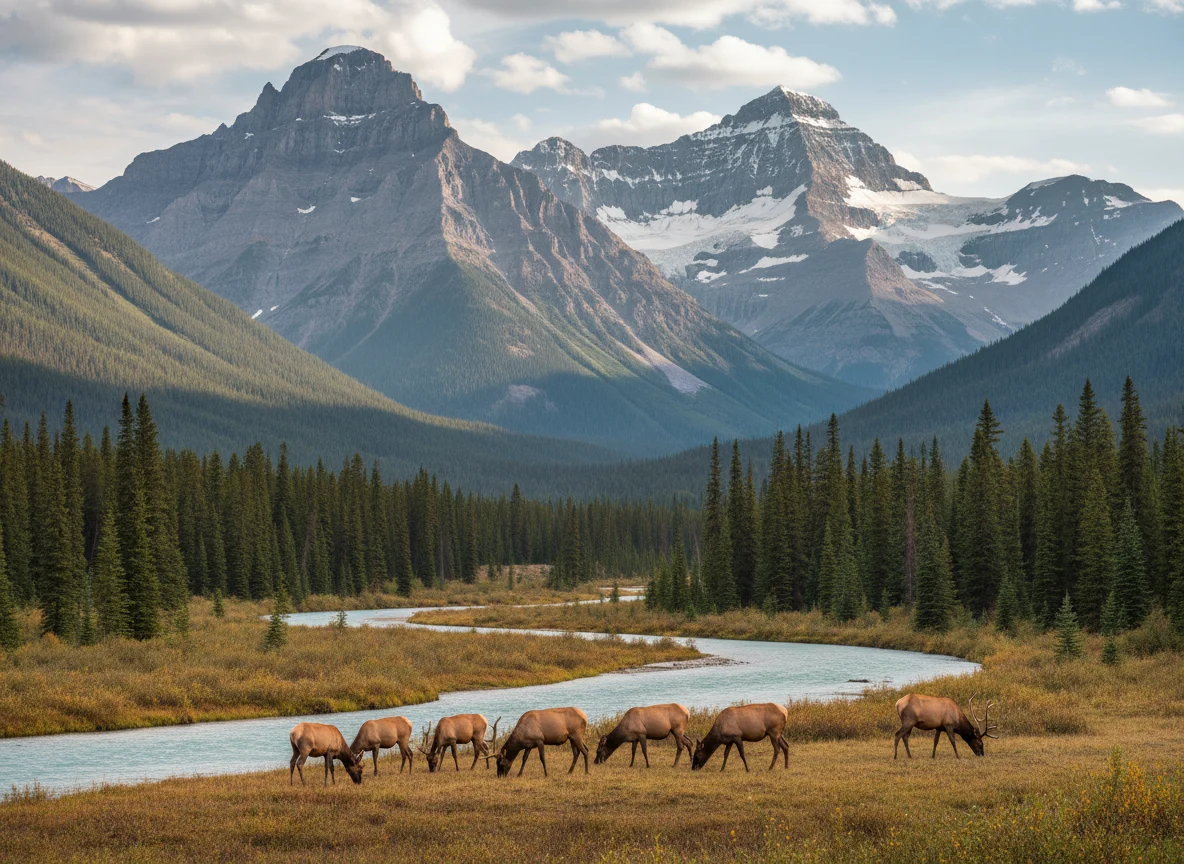
Day 7: Jasper Wildlife and Open Trails
Use your second full Jasper day for whatever conditions favor most. An easy lake morning, a current open trail, a scenic drive, or a wildlife-focused outing can all work.
Give wildlife a lot of space
Elk, bears, bighorn sheep, and other animals can appear close to roads and developed areas. Follow Parks Canada minimum-distance guidance and stay in your vehicle when stopping would create danger or a traffic jam.
Keep a Plan B
Trail warnings, bear activity, construction, or weather may change overnight. The best Jasper day is often the one you choose from current information over breakfast.
Day 8: Use the Buffer Well
If you are returning to Calgary, this is a long driving day and deserves an early start. If you are continuing toward Edmonton or British Columbia, use the morning for one final Jasper stop before leaving.
A weather buffer is especially valuable on an international mountain trip. I would not put a wintery high-country drive immediately before an inflexible long-haul flight if I had any way around it.
Where to Stay
Banff: best for a walkable base with restaurants and transit. Stay at least two nights and preferably three.
Canmore: a useful alternative outside the park if Banff pricing is extreme, though you will add driving. Compare total time and parking, not just the room rate.
Lake Louise: expensive but geographically helpful for the lake day and early Icefields Parkway departure. One night can reduce backtracking.
Jasper: stay three nights if possible. The town and park are recovering, so use current business and lodging information when booking.
Best Time for the Canadian Rockies
Summer
Summer brings the broadest trail, shuttle, and road access plus the biggest crowds. Lake Louise transportation should be part of your early planning.
September
September can bring cooler temperatures, changing larches at high elevation, and somewhat lighter family travel. Snow can arrive at any time in the mountains, so road and trail conditions still deserve daily attention.
Winter and early spring
The Icefields Parkway remains a serious winter road with avalanche-control and storm closures possible. This exact itinerary should be redesigned around winter travel rather than copied from summer.
What to Pack
- Warm layers and rain shell
- Hiking shoes
- Bear spray when appropriate, purchased and carried according to Canadian rules
- Offline maps
- Food and water for the Icefields Parkway
- Binoculars
- Small cooler
- Park and shuttle confirmations
My road trip tips cover the standard vehicle and packing pieces. The Rockies addition is planning transit for the most popular places rather than assuming having a rental car means you can drive everywhere.
Crossing the U.S.-Canada Border
Entry requirements depend on citizenship and status, so every traveler should verify current Canadian requirements before departure. Do not rely on a generic travel article to decide whether your documents are sufficient.
I would also confirm rental-car permission for international travel if you are picking up in the United States. Most major companies allow it under specific terms, but the contract you sign is what matters.
One Packing Guide I Would Use for This Route
My road trip packing list works well for the Rockies because one day can involve a warm town, a cold lake, rain, and a high-elevation viewpoint. Keep layers and water accessible instead of treating the trunk like long-term storage.
My Favorite Version
The eight-day route uses seven nights: two in Banff, one near Lake Louise, one along the Icefields Parkway, and three in Jasper. Reserve the parkway lodging early because choices are limited, or adjust the drive and move that night to Lake Louise or Jasper.
The Canadian Rockies are already enormous. You do not need an enormous to-do list to match them.