Isle Royale Backpacking: Routes, Permits and Logistics
Isle Royale backpacking starts before the first trail mile because your boat, permit, water system, and exit date all depend on each other. Build the route backward from confirmed transportation, keep daily mileage conservative, and carry enough margin for Lake Superior weather.
Is Isle Royale Right for Your First Backpacking Trip?
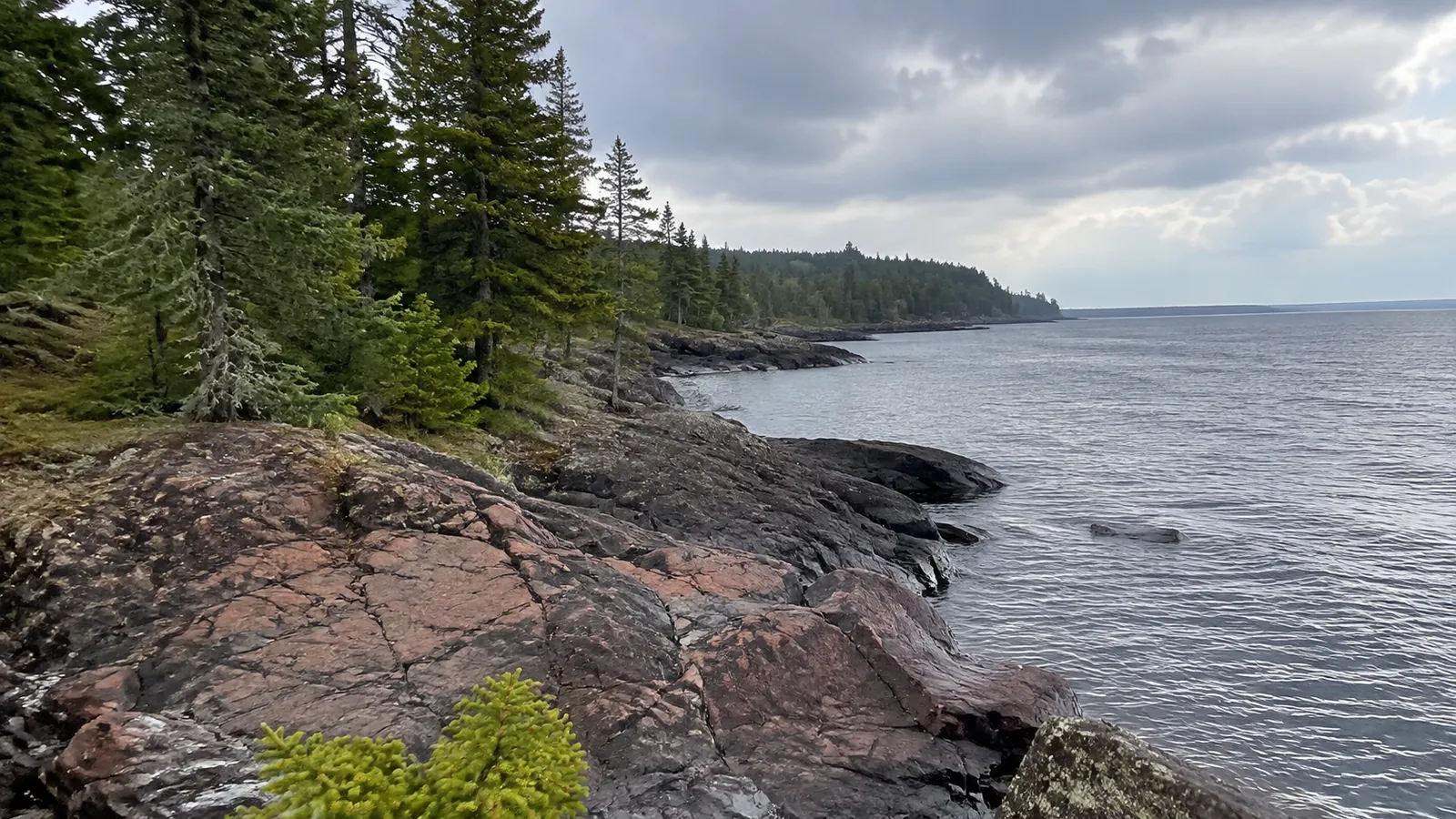
Isle Royale is quiet, beautiful, and logistically unforgiving. Trails can be rocky, muddy, overgrown, wet, or slow, while unreliable cell service and weather-delayed transportation make ordinary problems more serious.
A fit beginner with practiced gear, navigation, food storage, and water treatment can complete a short route near Rock Harbor or Windigo. A first-ever night in a tent should happen closer to a road before you commit to a remote island.
- Best first itinerary: three or four nights with short campground-to-campground days
- Best classic traverse: Greenstone Ridge with five to seven nights
- Best rugged challenge: Minong Ridge for experienced backpackers
- Best Windigo loop: Feldtmann Lake and ridge country
- Best planning rule: confirm the trip off the island before planning camps
Choose Rock Harbor or Windigo First
Rock Harbor anchors the developed east end and connects naturally with common Michigan departures. Windigo anchors the west end and works well with Grand Portage transportation, west-side loops, and one-way traverses.
The park’s official transportation page lists passenger ferries from Houghton, Copper Harbor, and Grand Portage, plus seaplane service from the Michigan mainland. Vehicles remain behind because there are no car ferries.
Every service has its own schedule, baggage rules, fuel rules, parking, cancellation terms, and island stops. Reserve early, then sleep near the mainland departure the night before because missing the boat can erase the entire itinerary.
Build Transportation Before the Trail Route
A same-port round trip creates a loop or out-and-back, while arriving at Windigo and departing Rock Harbor supports a full traverse. An island ferry drop or pickup can shorten a route, but it adds another weather-sensitive appointment.
Do not use crossing times from an old trip report. Schedules vary by season and year, and Grand Portage transportation may display Central Time while Isle Royale operates on Eastern Time.
Bring extra prescription medication, food, and warm clothing for a delayed departure. Seaplanes and ferries can both be held by conditions, and a fixed return flight from the mainland deserves at least one buffer night.
Backcountry Permits and Group Rules
Every overnight visitor needs the appropriate permit whether sleeping at a campground, dock, anchor, or authorized off-trail zone. Parties of one to six need a small-party permit, while groups of seven or more require advance group reservations and separate rules.
The NPS permit page explains that small-party campground sites are generally first-come, first-served and group sites are reserved. A permit is not a private campsite reservation for a small party.
Prepare a primary itinerary plus shorter and longer alternatives before arriving. Rangers can help align the permit with closures, stay limits, conditions, transportation, and expected campground pressure.
Display the issued permit as directed and follow each campground’s posted stay limit. Off-trail camping needs specific authorization and is not a shortcut around a crowded shelter area.
2026 wolf-related campground restrictions
For the remainder of the 2026 park season through October 31, tent and group sites plus hammock use are closed at Three Mile, Daisy Farm, Moskey Basin, and Caribou Island because of continued wolf activity. Shelters remain open at those campgrounds, but they are not privately reserved for small parties.
That restriction materially affects the popular Rock Harbor corridor and could change again. Open the park’s current conditions page before boarding and be ready to reroute rather than count on one first-come shelter.
Food, trash, and scented items must follow current animal-resistant storage rules everywhere. A bold wolf is not a photo opportunity, and protecting food protects both campers and wildlife.
Route 1: A Short Rock Harbor Trip
A short east-end route normally uses Rock Harbor Trail, Tobin Harbor connections, nearby ridges, and developed campgrounds to create an out-and-back or small loop. It suits first-time island backpackers because turnaround options and developed services are closer.
The 2026 tent restrictions make exact campground planning especially important. Use ranger guidance to select open legal sites, keep daily mileage modest, and never assume an open shelter will have space when you arrive.
Allow three or four nights instead of making every day a forced march. Roots, rock, mud, boardwalks, heat, and a full food carry can turn eight island miles into a much bigger day than eight city-path miles.
Route 2: The Greenstone Ridge Traverse
The Greenstone Ridge is the classic high route between the island’s ends, usually linked with trails to Rock Harbor and Windigo. Most backpackers should allow five to seven nights depending on campground choices, fitness, pack weight, transportation, and conditions.
Ridge sections can be exposed to sun and may place reliable water below camp or off the direct line. Carry enough capacity for the longest dry stretch confirmed by the current park map and ranger briefing.
A west-to-east plan can finish near more Rock Harbor services, while the opposite direction may fit transportation better. There is no universally correct direction once weather, ferry seats, and your strongest hiking days enter the calculation.
Route 3: Feldtmann Loop
The Feldtmann route forms a multi-night loop from the Windigo side through lakeshore, forest, and ridge country. It can work well for backpackers who want a complete trip without coordinating opposite-end transportation.
Do not mistake “loop” for “easy.” Daily distances between legal campgrounds, water availability, exposed ridge weather, and ferry arrival time should decide whether the route fits.
Route 4: Minong Ridge
Minong Ridge is the experienced-backpacker choice, with rugged footing, route-finding demands, longer isolated sections, and slower-than-expected travel. It is a poor rescue plan for a Greenstone itinerary booked beyond your skills.
Carry a current topographic map and compass, know how to use them, and build conservative days. GPS and a satellite communicator are valuable tools, but battery life and device failure cannot be your only navigation strategy.
Water Treatment Is Nonnegotiable
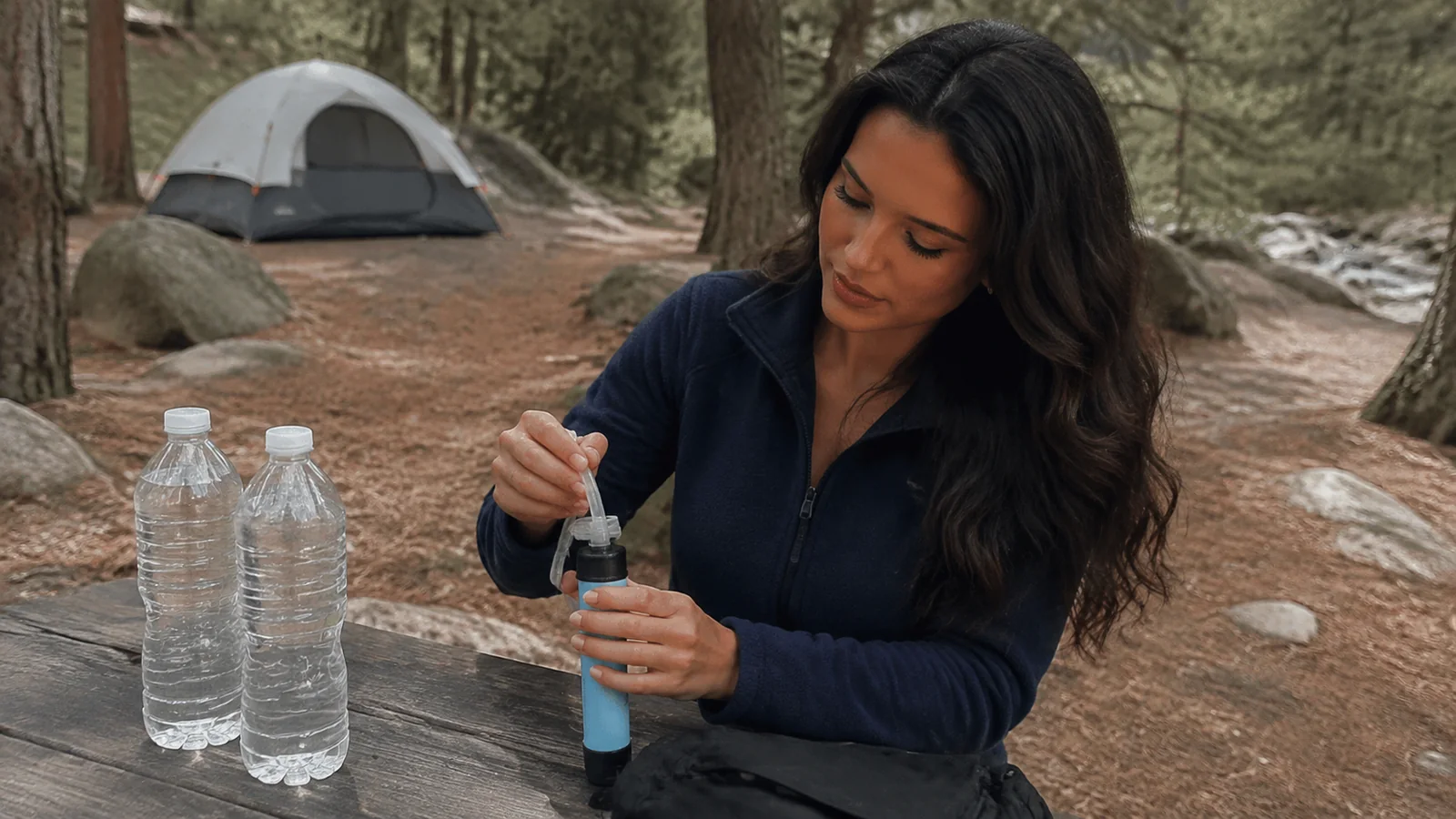
Clear lake water is not automatically safe. Isle Royale’s current backcountry water guidance calls for a virus-rated physical purifier, a filter rated 0.4 micron or finer followed by chemical or UV treatment, or a rolling boil for at least one minute.
A standard filter used alone may not meet the park’s stated method. Bring a complete primary system, a backup treatment, enough fuel if boiling is the fallback, and at least 2 quarts of carrying capacity per person.
Avoid water affected by harmful algal blooms because ordinary backcountry treatment may not remove toxins. Ask rangers about current sources and closures, and never build a dry-camp plan around an unverified puddle or seasonal creek.
Food, Fuel, and Resupply
Carry all essential meals and at least one delay day’s food rather than depending on small island stores. Rock Harbor and Windigo services are seasonal, inventories vary, and a route may not pass them when you need them.
Pack dense meals that match your cooking system and appetite, then test the menu at home. Bring an approved backpacking stove and confirm ferry or seaplane fuel restrictions before purchasing or packing canisters.
Cook, store food, and wash according to park rules, including every scented item. Never leave a pack, snack, toothpaste, fish, trash, or cooking gear unsecured because the current concern involves wolves as well as smaller animals.
Shelters, Tents, and Campgrounds
Three-sided shelters are useful against rain and insects, but availability is first-come for small parties and should never replace a tent in the packing plan. Carry a waterproof shelter that you can pitch at a legal tent site.
Campgrounds vary in shelters, tent pads, water access, docks, group sites, and stay limits. The park’s backpacking and camping hub should be checked against the current map for each night.
Outhouses are not stocked with toilet paper, so pack your own plus hand sanitizer. Carry out all trash and never burn foil, packaging, wipes, or food waste.
Weather, Bugs, and Trail Conditions
Lake Superior can create cold, wet, windy conditions even when mainland weather looks friendly. Pack a waterproof shell, insulating layer, dry sleep clothing, and a sleeping system suitable for the forecast plus a sensible margin.
Mosquitoes and black flies vary by season, location, wind, and year. Bring repellent, head protection, and clothing coverage without assuming a late-summer date guarantees relief.
Clean boots and gear before arrival to reduce invasive-species spread, then clean again when moving between Lake Superior and inland waters. Muddy trail braids damage vegetation, so stay on the durable route instead of widening it.
Wildlife Safety
Moose can injure people and need a wide escape route, especially cows with calves. Back away if behavior changes and never place yourself between an animal and cover.
Wolves generally avoid people, but current habituation concerns require strict storage and immediate compliance with ranger instructions. Do not follow, feed, call, surround, or use food to attract wildlife.
Emergency Planning
Cell service is unreliable, and evacuation can take considerable time. Carry a satellite communicator or personal locator beacon, leave a detailed itinerary with a trusted contact, and know the device’s limitations.
Build first-aid, blister care, repair supplies, and an exit decision into the plan. A knee problem on day two is easier to manage when the route includes bailout knowledge and the ferry is not tied to an immediate flight.
What to Pack
- Current map, compass, headlamp, and backup batteries
- Waterproof tent, sleep system, rain gear, and warm layers
- Complete NPS-compliant water treatment plus backup
- Two-quart minimum water capacity per person
- Stove, approved fuel, food, and an extra delay day
- First aid, blister care, repair kit, and insect protection
- Toilet paper, sanitizer, and trash bags
- Emergency communication and printed transportation details
Start with this general travel essentials list, then prioritize the park’s backpacking equipment over comfort extras. Weigh the finished pack with water and food, not while the consumable pockets are empty.
Common Isle Royale Backpacking Mistakes
- Planning the trail before reserving transportation
- Depending on a first-come shelter
- Using a basic filter without the park’s additional treatment
- Counting mainland hiking pace as island pace
- Booking an immediate flight after the ferry
- Ignoring campground closures and food-storage updates
- Taking a long traverse as a first backpacking trip
Route mileage, campground sequences, and dry sections
The distances below include campground approaches where the park specifies them, so they are more useful than comparing ridge-trail lengths alone. Check the linked current conditions again at permitting: on September 5, 2026, Island Mine’s stream was low, and the eastern Greenstone had a flagged beaver-flooding reroute.
- Route: Greenstone traverse
- Distance and time: Over 40 miles; usually five to seven nights
- Endpoints, camps, and water issue: Rock Harbor to Windigo or reverse; classic camps include Daisy Farm, Chickenbone, Hatchet Lake, South Desor, Island Mine, and Washington Creek, but Daisy Farm currently permits shelters only, so this historic sequence is not a dependable tent itinerary
- Route: Feldtmann loop
- Distance and time: About 30 miles; four nights/five days suits an intermediate backpacker
- Endpoints, camps, and water issue: Windigo, Feldtmann Lake, Siskiwit Bay, Island Mine, Washington Creek, Windigo; low Island Mine stream needs a specific water-carry plan
- Route: Minong Ridge
- Distance and time: Over 32 miles with campground spurs; four or five nights
- Endpoints, camps, and water issue: McCargoe Cove, Todd Harbor, Little Todd Harbor, North Desor, Washington Creek/Windigo; book a Voyageur II McCargoe drop-off or add the hike from Rock Harbor
The Feldtmann sequence breaks into about 8.5 miles to Feldtmann Lake, 10.3 to Siskiwit Bay, 4.4 to Island Mine, and 6.6 to Washington Creek, followed by the short walk to Windigo transportation. Those first two days are substantial with a loaded pack, so I would save this loop for someone who already knows how a ten-mile backpacking day feels.
The Minong sequence from McCargoe uses roughly 6.7, 6.8, 5.7, and 12.6 miles between the named overnight stops. That last North Desor-to-Windigo stretch is a long remote day with unreliable intermediate water, while difficult footing and navigation make even the shorter stages demanding.
On the Greenstone, refill at the lakes serving your chosen camps and carry for the full ridge stage, including the descent to the next source; do not count on a blue line on a map being a flowing stream. For the 2026 tent restrictions, I would choose the western beginner loop below or plan a ranger-reviewed interior alternative, instead of treating a first-come Daisy Farm shelter as a reservation.
A three-night beginner plan from Windigo
Book arrival and departure at Windigo on Days 1 and 4, and use Washington Creek on nights 1 and 3 with Huginnin Cove on night 2. Neither campground appeared on the park’s closure list when checked September 5, and the NPS Huginnin guide rates this as suitable for beginner backpackers who can handle roots, rocks, and navigation.
- Day: 1
- Walk and overnight: Windigo dock to Washington Creek, about 0.3 mile
- Practical plan: Permit briefing, fill potable water, settle into a legal first-come tent site or shelter
- Day: 2
- Walk and overnight: Washington Creek to Huginnin Cove via the west branch, allow roughly four miles
- Practical plan: Carry the day’s water and lunch; leave the afternoon for the cove
- Day: 3
- Walk and overnight: Huginnin Cove to Washington Creek via the east branch, roughly four to five miles
- Practical plan: Allow extra time for rocky footing and the lakeshore views, then refill at Windigo
- Day: 4
- Walk and overnight: Washington Creek to Windigo dock, about 0.3 mile
- Practical plan: Be ready at the carrier’s required check-in time, with no longer hike before departure
Use roughly nine miles as a planning allowance for the main loop: the NPS activity page lists 8.2 miles including its Windigo spur, while the older Windigo area map labels 9.4 miles for its dock-based route. The different starting points and campground approaches are why I would plan four-to-five-mile trail days rather than promise a precise GPS total.
This small-party plan uses only one consecutive night at each campground per visit and needs the overnight permit, but it does not reserve individual sites. Ask the ranger about space and legal alternatives before leaving Windigo, bring a tent rather than relying on a shelter, and treat Lake Superior water at Huginnin using the park’s current method.
My Isle Royale Backpacking Recommendation
For a first island trip, choose three or four nights from one end with no more than one ambitious day. Confirm legal open camps with a ranger, carry a tent even when shelters exist, and schedule a mainland buffer after the return.
The broader Isle Royale planning guide helps with the island beyond backpacking, while this list of remarkable national parks puts the effort in perspective. Isle Royale is worth the work precisely because it refuses to operate like a drive-up park.