What Is Denmark Famous For? 18 Things Beyond Hygge
Denmark is famous for hygge, bicycles, clean-lined design, Vikings, pastries, LEGO, and a remarkably livable capital. Those answers are true, but they flatten a country of more than 400 islands into candles and Copenhagen, so let’s put each famous Danish idea in its proper place.
What Denmark Is Most Famous For
Denmark’s reputation rests on a useful contrast: very old institutions beside confident modern design. Royal palaces, Viking monuments, wind turbines, harbor swimming, and bicycle lanes can all belong to the same day without feeling staged.
The country includes the Jutland peninsula and hundreds of islands, with Zealand, Funen, and Bornholm among the names travelers encounter most often. Greenland and the Faroe Islands are self-governing parts of the Kingdom of Denmark, but they are not interchangeable with Denmark as a European travel destination.
1. Hygge, Minus the Shopping Catalog
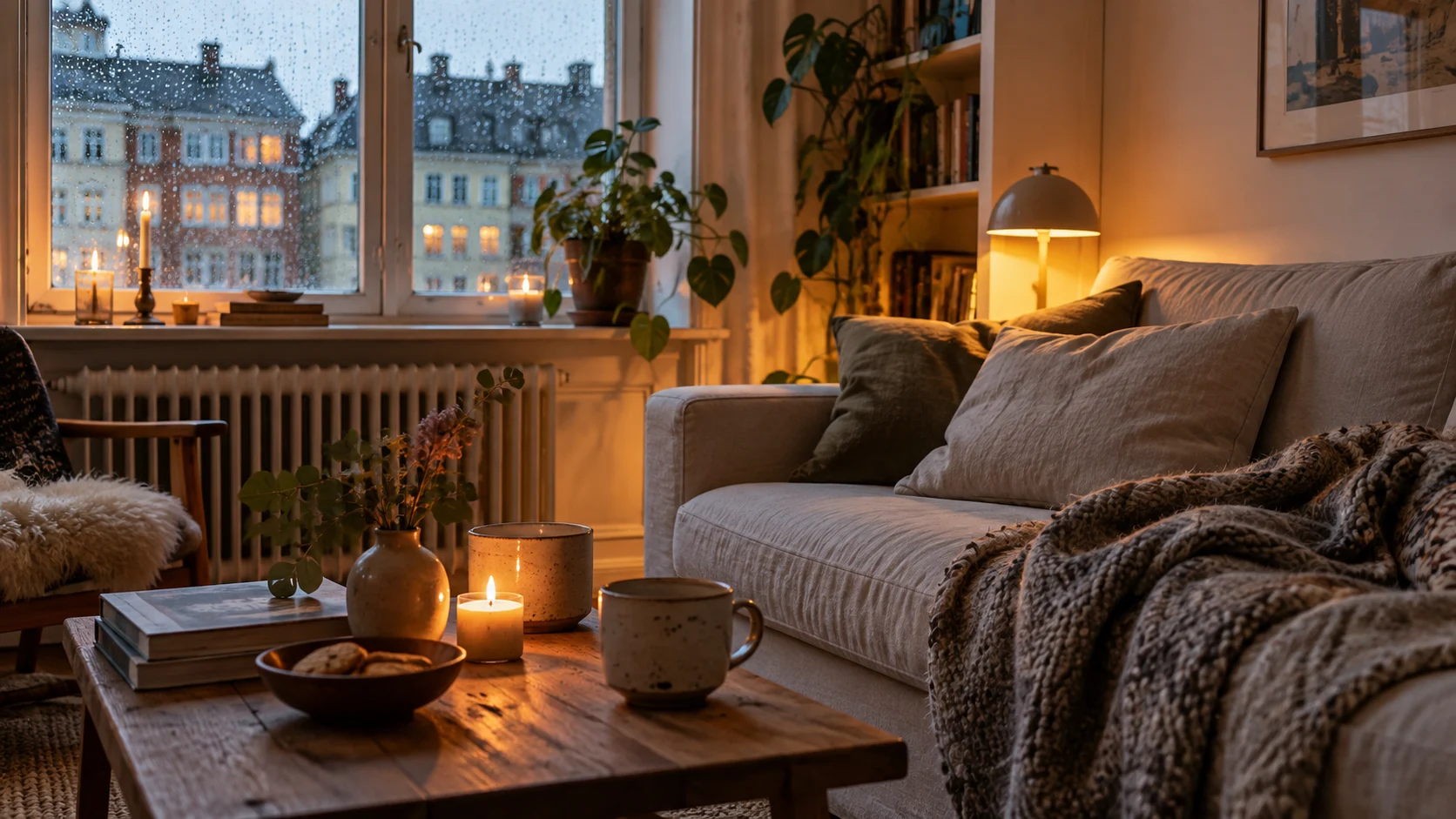
Hygge is the Danish habit of making ordinary time feel comfortable, calm, and companionable. It may involve candles and coffee, but the official Denmark.dk explanation of hygge is wider: a break from the daily rush, shared or enjoyed alone, built around simple pleasures.
You do not need to buy a beige blanket to understand it. A slow bakery breakfast, a board game during rain, or dinner that nobody hurries to leave tells you more than a gift shop does.
2. Bicycles as Transportation
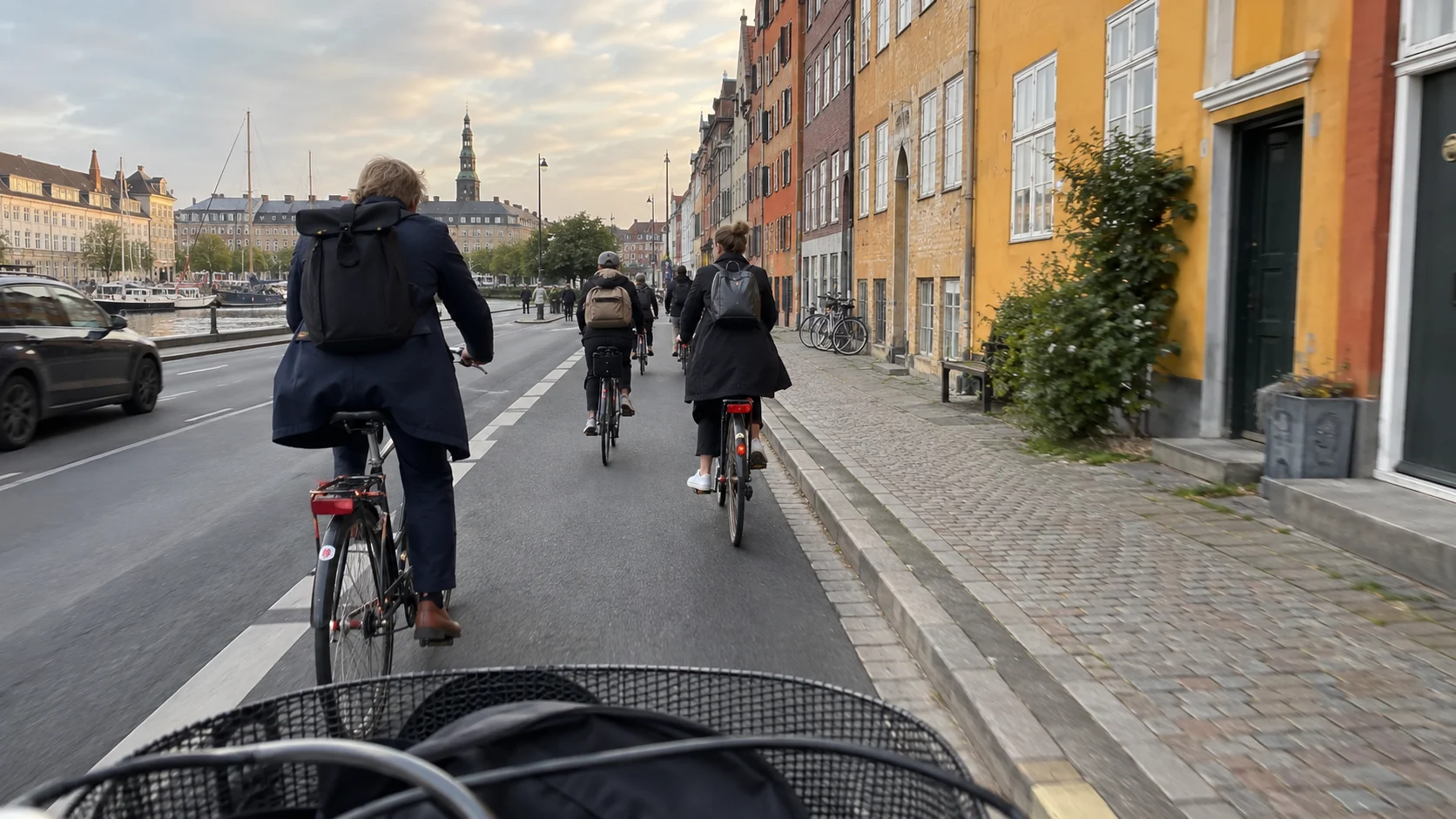
Copenhagen’s bicycle lanes are famous because cycling there functions as transport, not just recreation. Parents carry children, commuters ride in work clothes, and cargo bikes move groceries and deliveries.
The culture extends beyond the capital through signed national and regional routes, although surfaces, ferries, wind, and services vary. Use VisitDenmark’s national cycling route overview to choose a route, then check its current stages instead of assuming every scenic line is an easy day ride.
Visitors should stay out of cycle lanes when walking, signal before stopping or turning, and watch for riders before stepping off a curb. Renting a bike is rewarding for a confident urban cyclist and stressful for someone learning road etiquette in busy traffic.
3. Danish Design That Solves a Problem
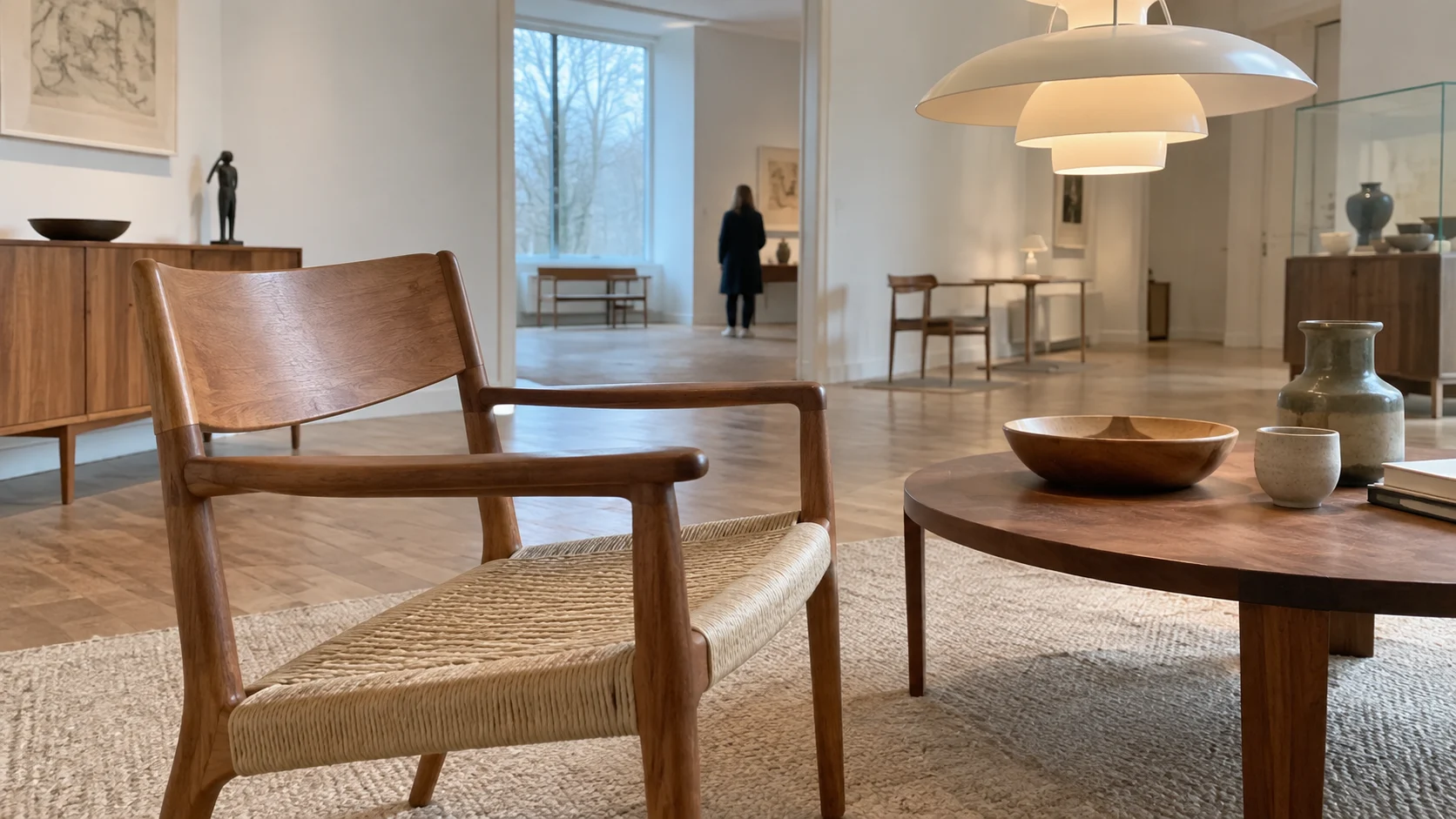
Danish design is known for restrained forms, useful materials, and objects that work in real homes. Furniture by names such as Arne Jacobsen, Hans Wegner, and Poul Kjærholm became international shorthand for midcentury Scandinavian style, while contemporary Danish architecture keeps pushing daylight, public space, and adaptive reuse.
The best design stops are not souvenir stores. In Copenhagen, pair Designmuseum Danmark with a walk through modern waterfront districts, then notice benches, lamps, signs, and transit interiors that make design part of daily life.
4. LEGO and Billund
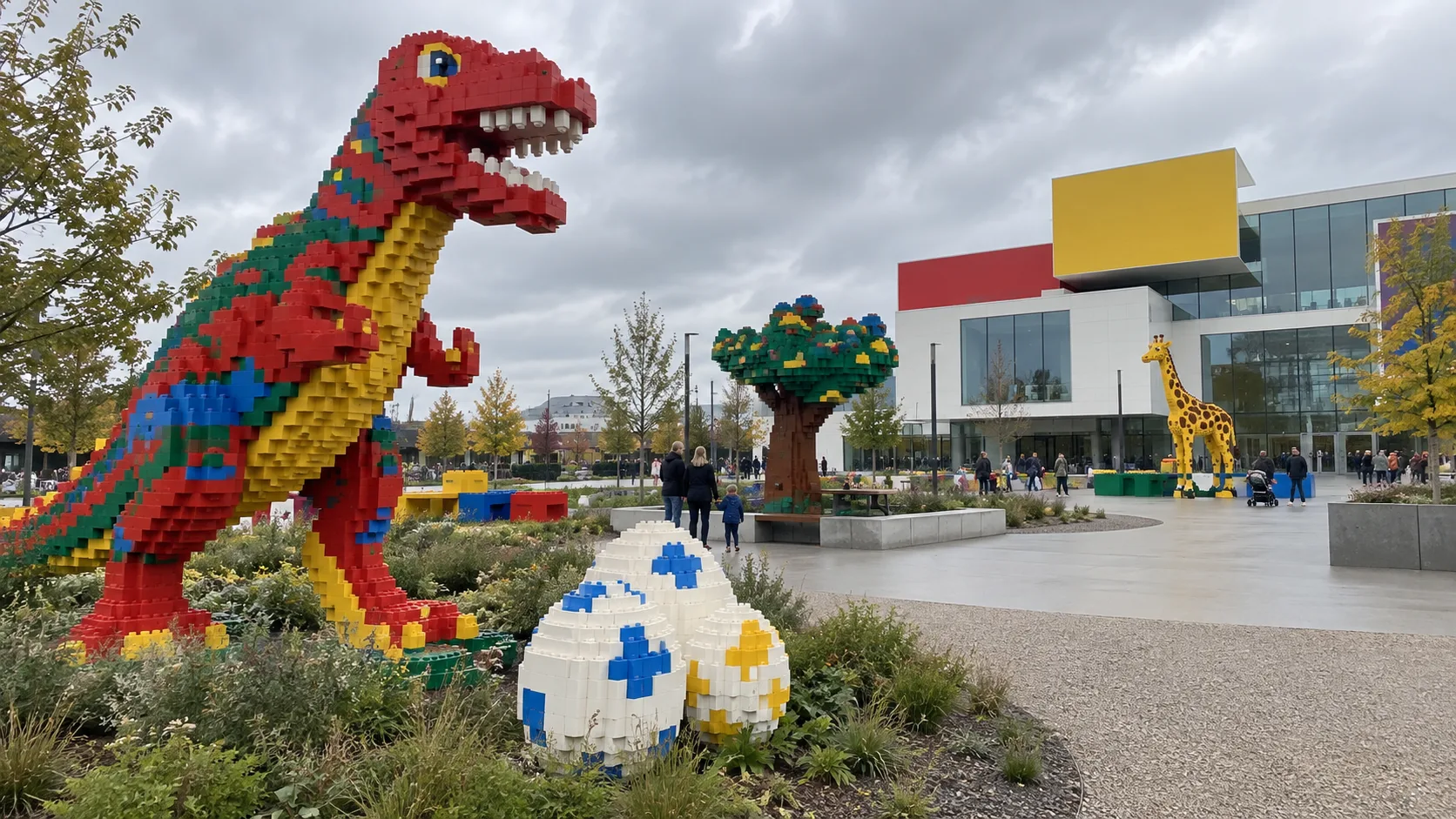
The LEGO story began in Billund, where carpenter Ole Kirk Kristiansen founded the company in 1932. The name came from the Danish words leg godt, meaning “play well,” according to the company’s official LEGO history.
Billund now draws families for LEGO House and LEGOLAND, but they are separate ticketed attractions with different experiences. LEGO House emphasizes hands-on creative play, while LEGOLAND is a seasonal amusement park with rides, shows, and model displays.
Billund is in Jutland, not a quick Copenhagen side trip. Give it at least one overnight, and preferably two if both attractions matter.
5. Vikings Without the Horned Helmets
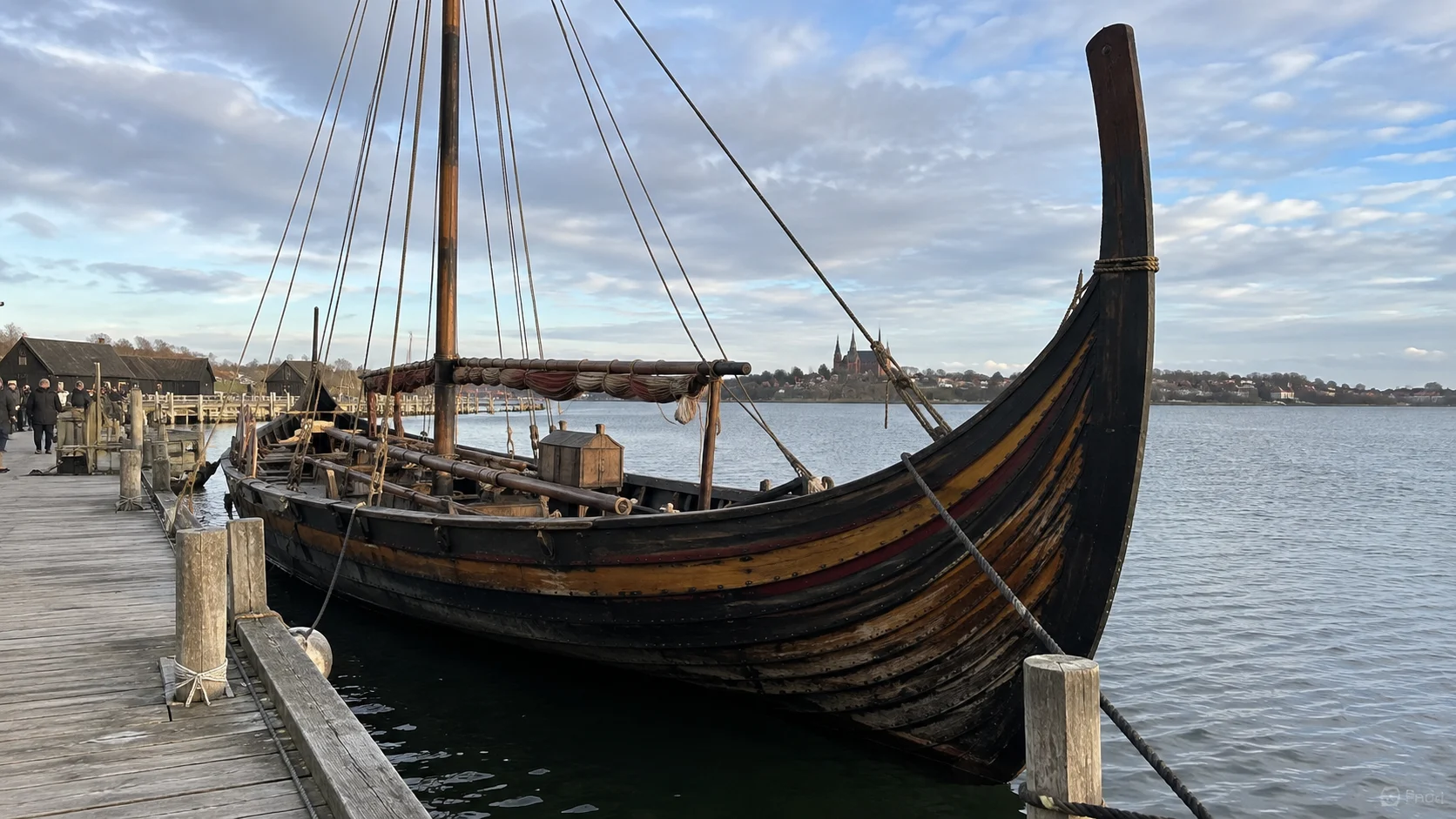
Denmark’s Viking history is real; the familiar horned battle helmet is a much later invention. Jelling’s rune stones and burial mounds, Viking Ship Museum in Roskilde, and reconstructed sites around the country turn the era into evidence rather than costume.
Jelling is especially important because its monuments document royal power and the transition toward Christianity. UNESCO includes the mounds, stones, and church on Denmark’s World Heritage list, while Roskilde is easier to add to a Copenhagen-based trip.
6. Hans Christian Andersen
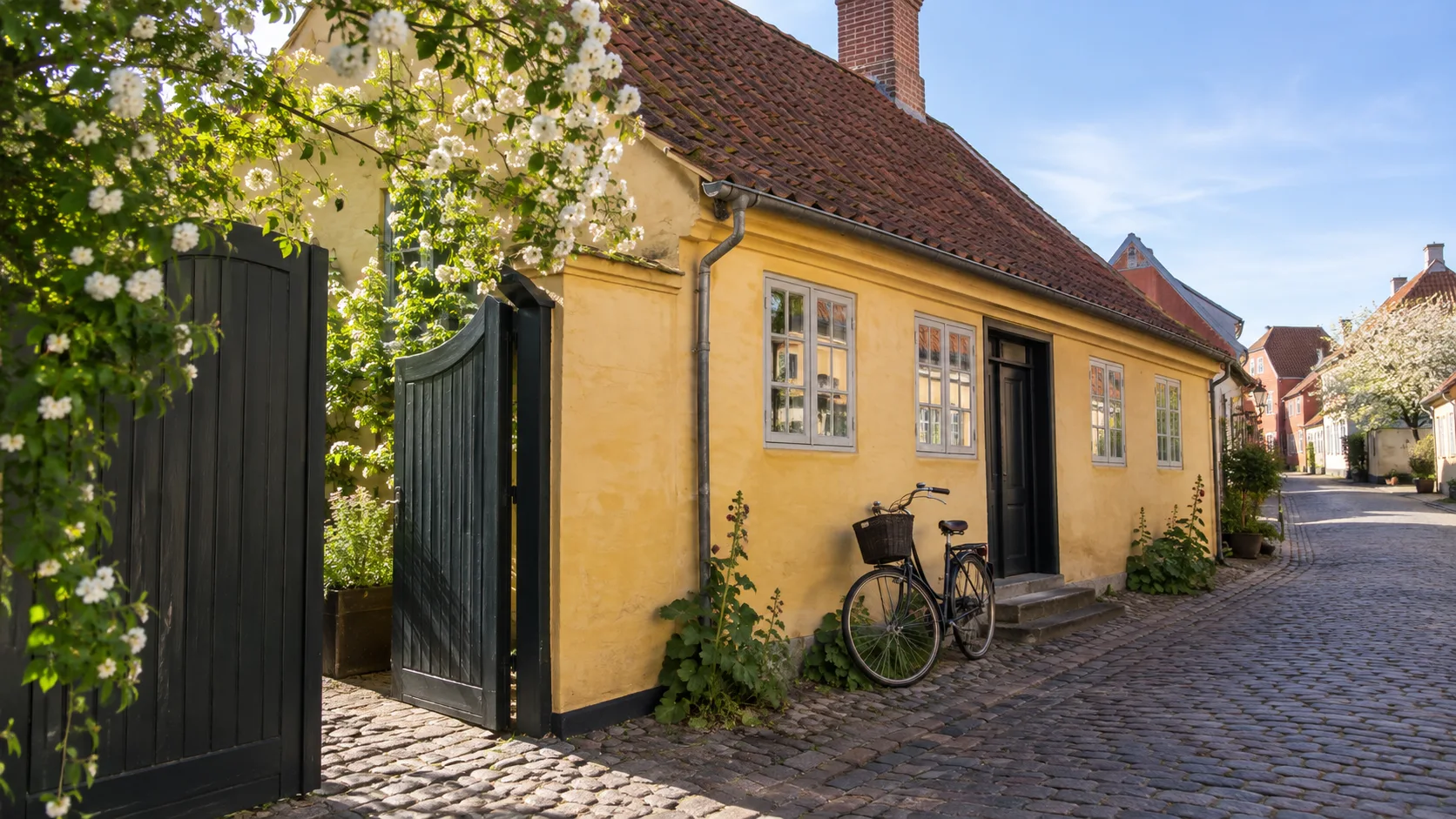
Hans Christian Andersen was born in Odense in 1805 and became famous for stories including “The Little Mermaid,” “The Ugly Duckling,” and “The Emperor’s New Clothes.” His work is more emotionally complicated than the softened versions many travelers met as children.
Odense on Funen is the strongest place to follow his life, particularly at the Hans Christian Andersen museum and through the older streets around it. Copenhagen’s Little Mermaid statue is a quick waterfront symbol, not a substitute for understanding the author.
7. One of Europe’s Oldest Monarchies
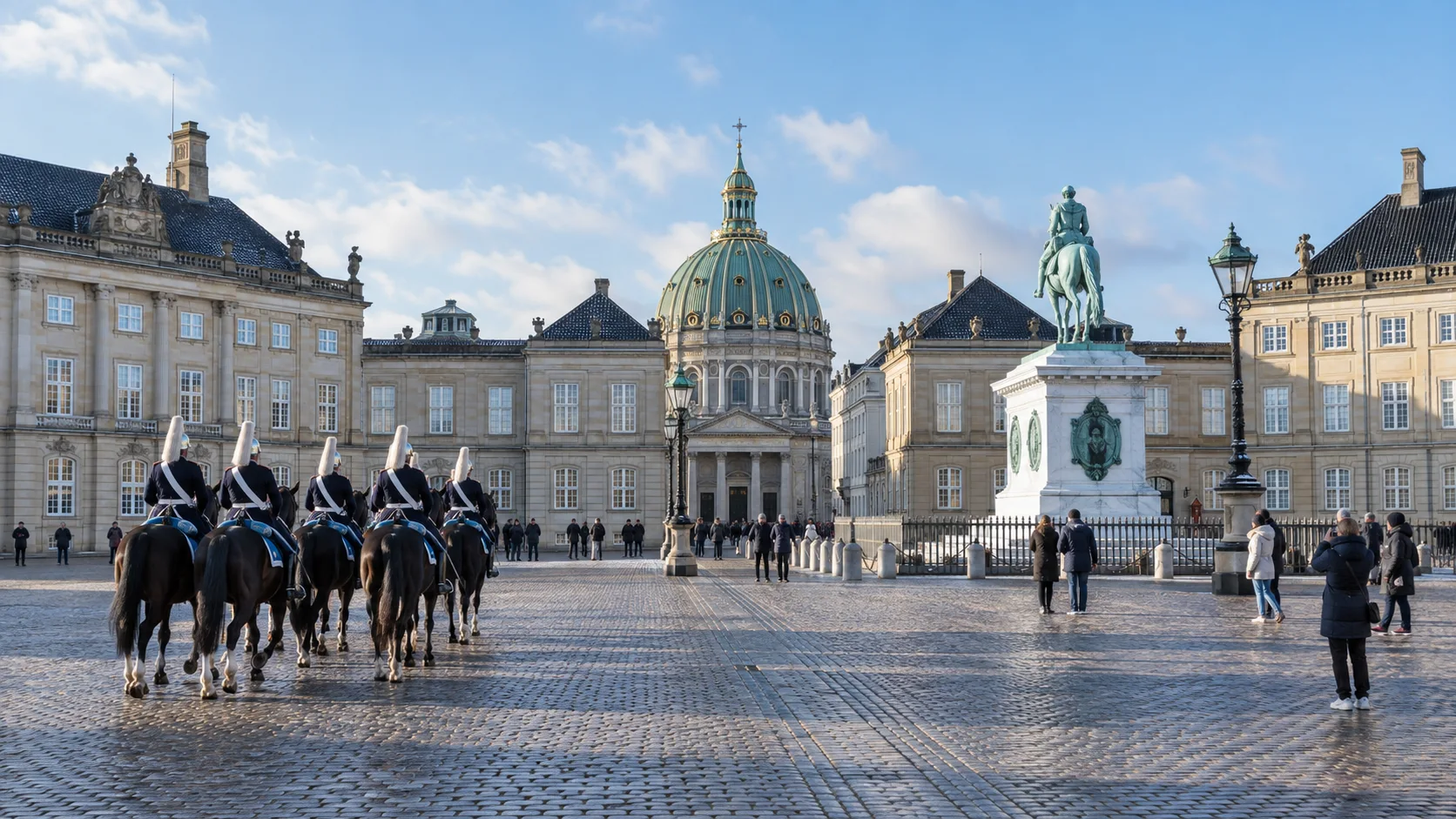
Denmark has a constitutional monarchy with a long royal line and a tightly limited political role. King Frederik X became sovereign on January 14, 2024, after Queen Margrethe II abdicated, as the official Danish monarchy overview records.
In Copenhagen, Amalienborg is the main royal residence and the daily guard change is the visible ceremony most visitors encounter. Rosenborg Castle displays crown jewels, while Frederiksborg in Hillerød delivers the grander palace setting for travelers with another half day.
8. Pastries That Danes Call Wienerbrød
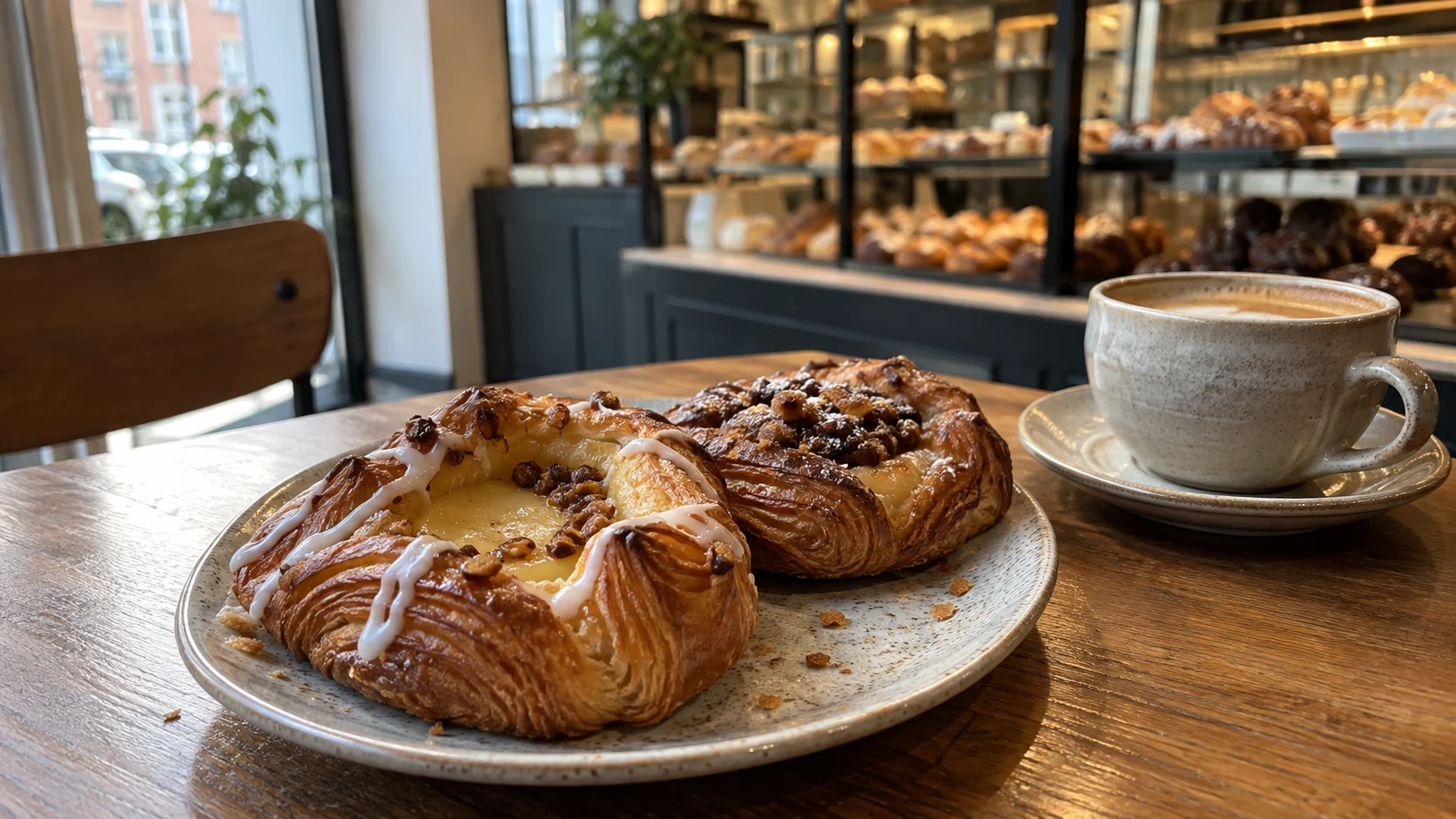
The spiral or layered pastry Americans call a Danish is called wienerbrød, or Viennese bread, in Denmark. The Danish version ranges from restrained morning pastry to glazed, filled showpieces, so “try a Danish” is not a single order.
A good bakery visit includes one laminated pastry and one simple bread or bun rather than four sugar-heavy choices. Popular Copenhagen bakeries can have long weekend lines, but a neighborhood shop often gives the more useful picture of everyday baking.
9. Rye Bread and Smørrebrød
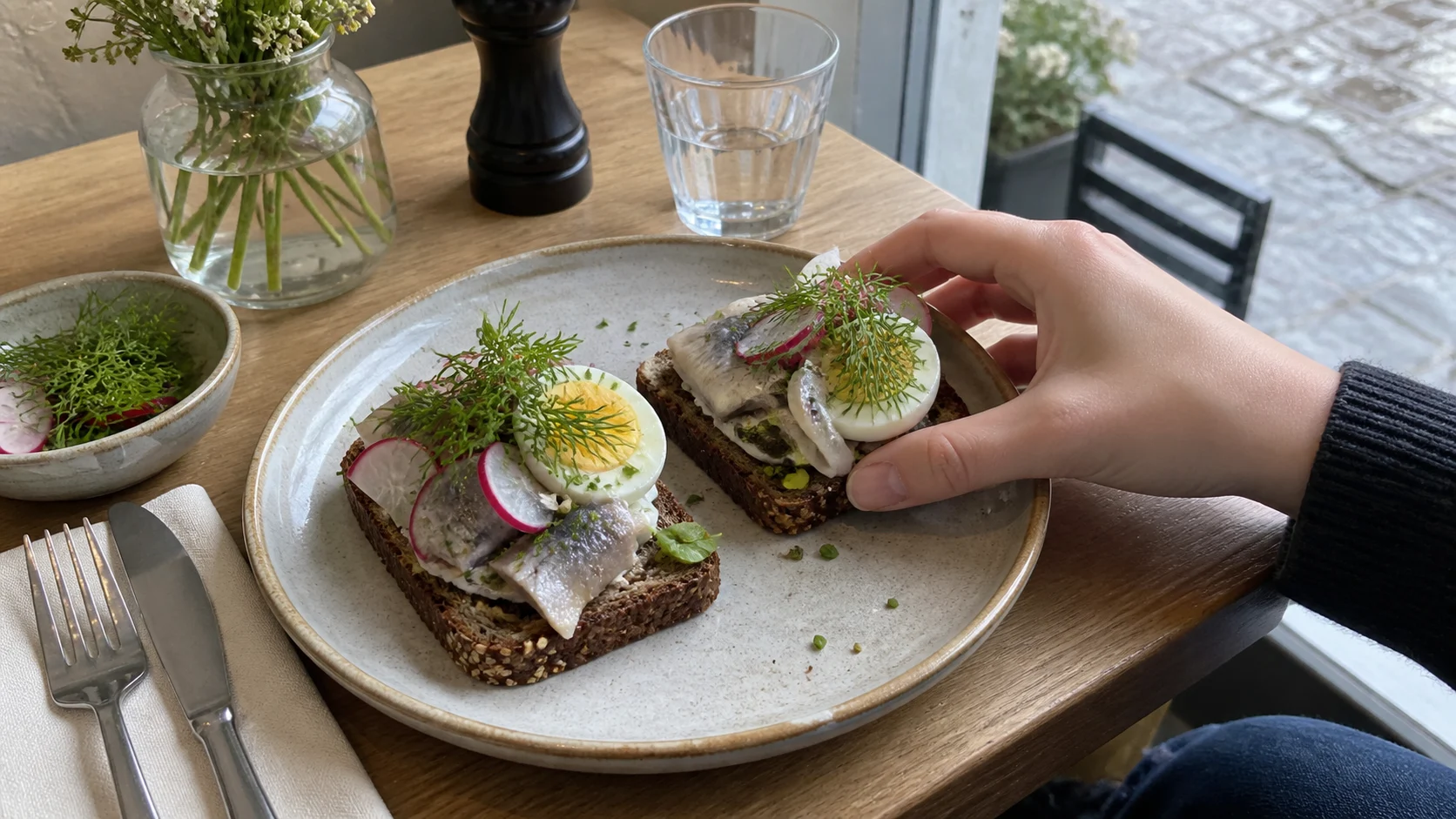
Dense rugbrød, or rye bread, underpins one of Denmark’s most recognizable meals: smørrebrød. These open-faced sandwiches may carry herring, egg, potato, roast beef, or other carefully layered toppings, and they are usually eaten with utensils.
A traditional lunch restaurant can be ceremonious and expensive, while a market counter can be quick and approachable. Order fewer pieces than your eyes suggest because heavily topped rye bread is much more filling than white sandwich bread.
10. New Nordic Cooking
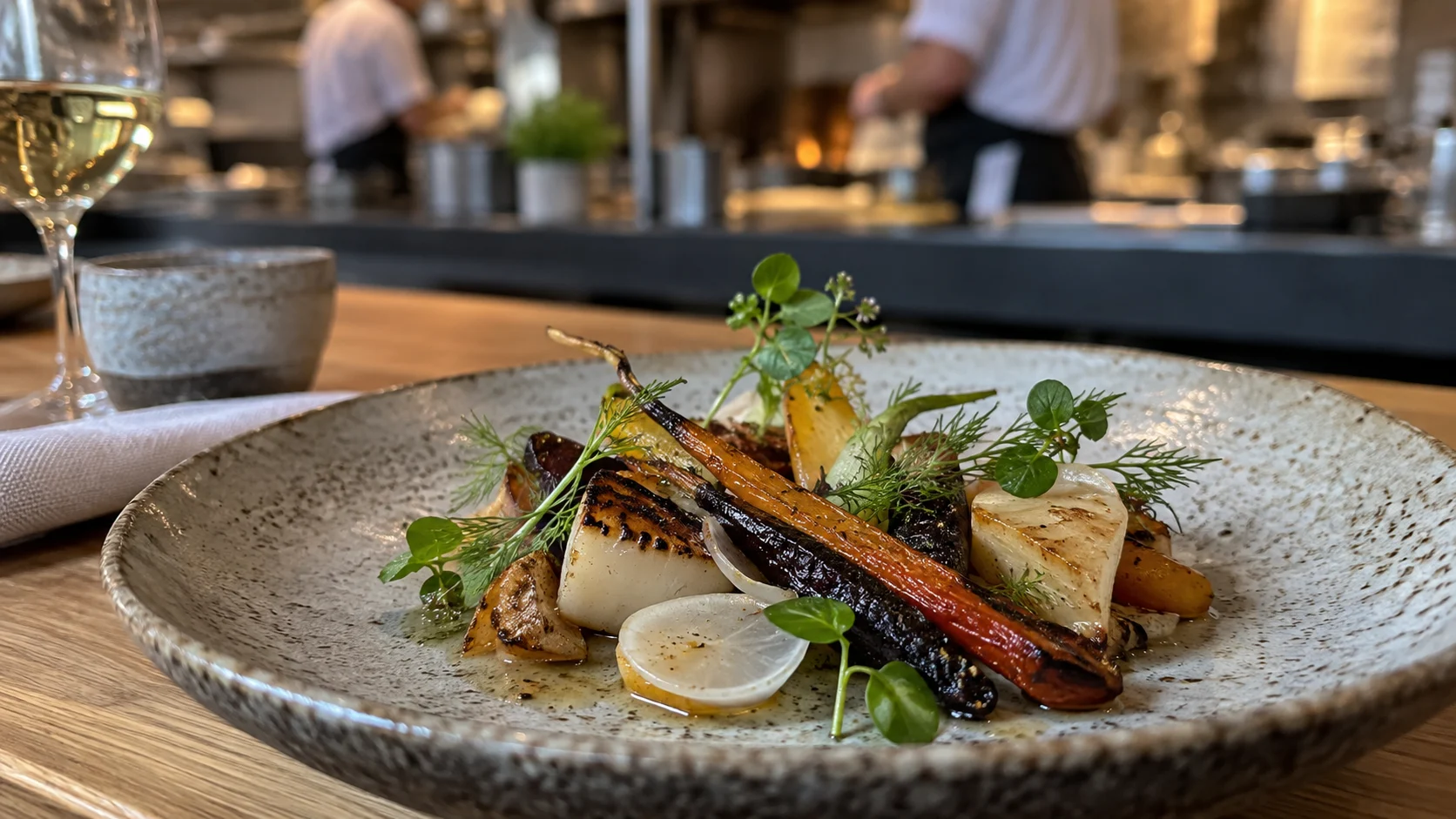
Copenhagen helped turn New Nordic cooking into a global movement through close attention to season, region, fermentation, foraging, and presentation. The idea reaches beyond one famous restaurant and now appears in bakeries, wine bars, vegetable-forward kitchens, and casual tasting menus.
Do not build the trip around a restaurant ranking that may change before arrival. Reserve one meal that genuinely fits the budget, then leave room for hot dogs, seafood, porridge, and bakery counters.
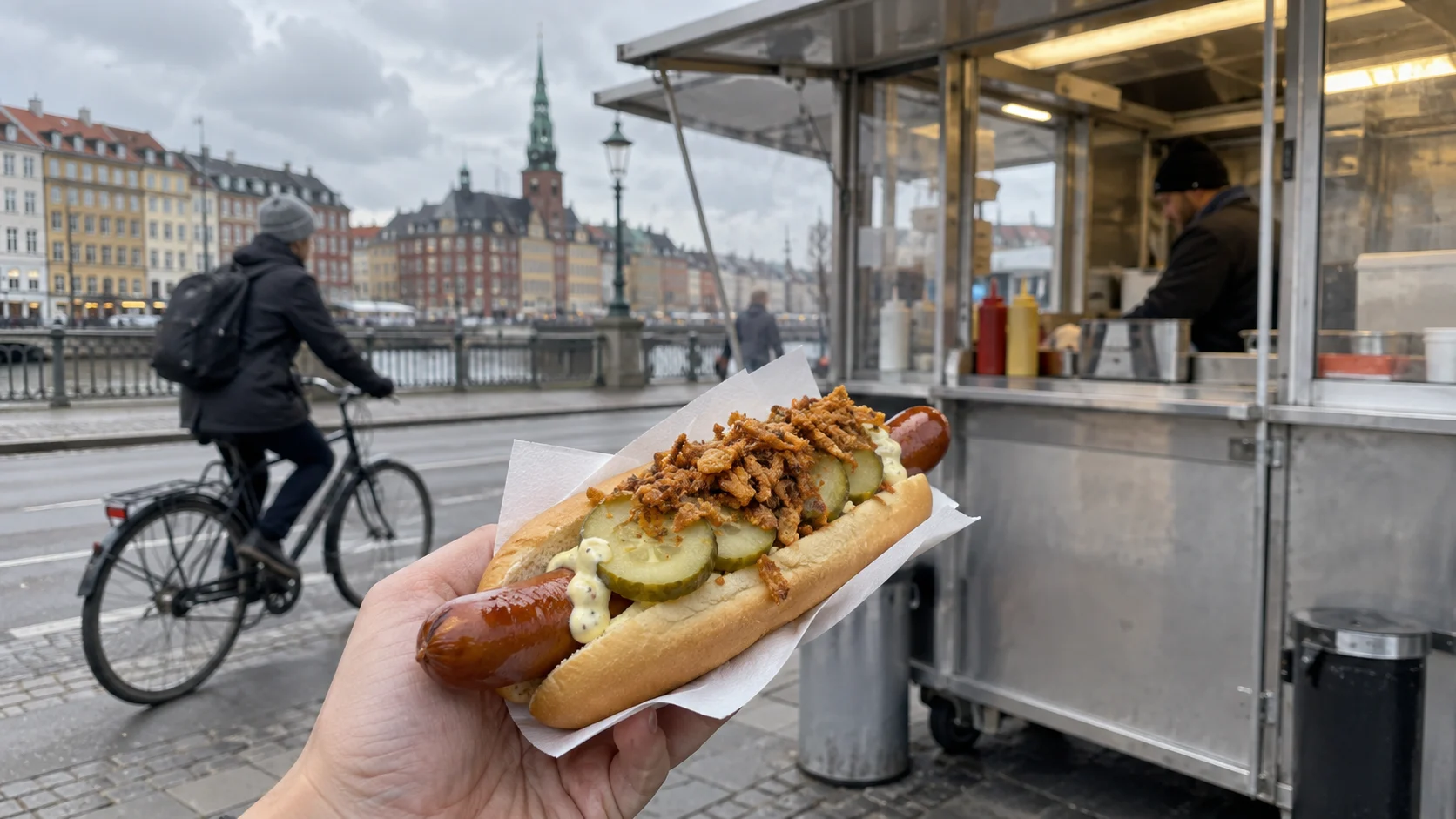
11. Pork, Hot Dogs, and Everyday Food
Denmark’s food identity is not all tweezers and tasting menus. Roast pork, meatballs, potatoes, fish, pickled ingredients, and red sausage from a street stand remain part of the picture.
A 2014 public vote selected crispy pork with parsley sauce as Denmark’s national dish, but no vote can summarize every household or region. Treat it as a traditional reference point, not the mandatory “authentic” meal.
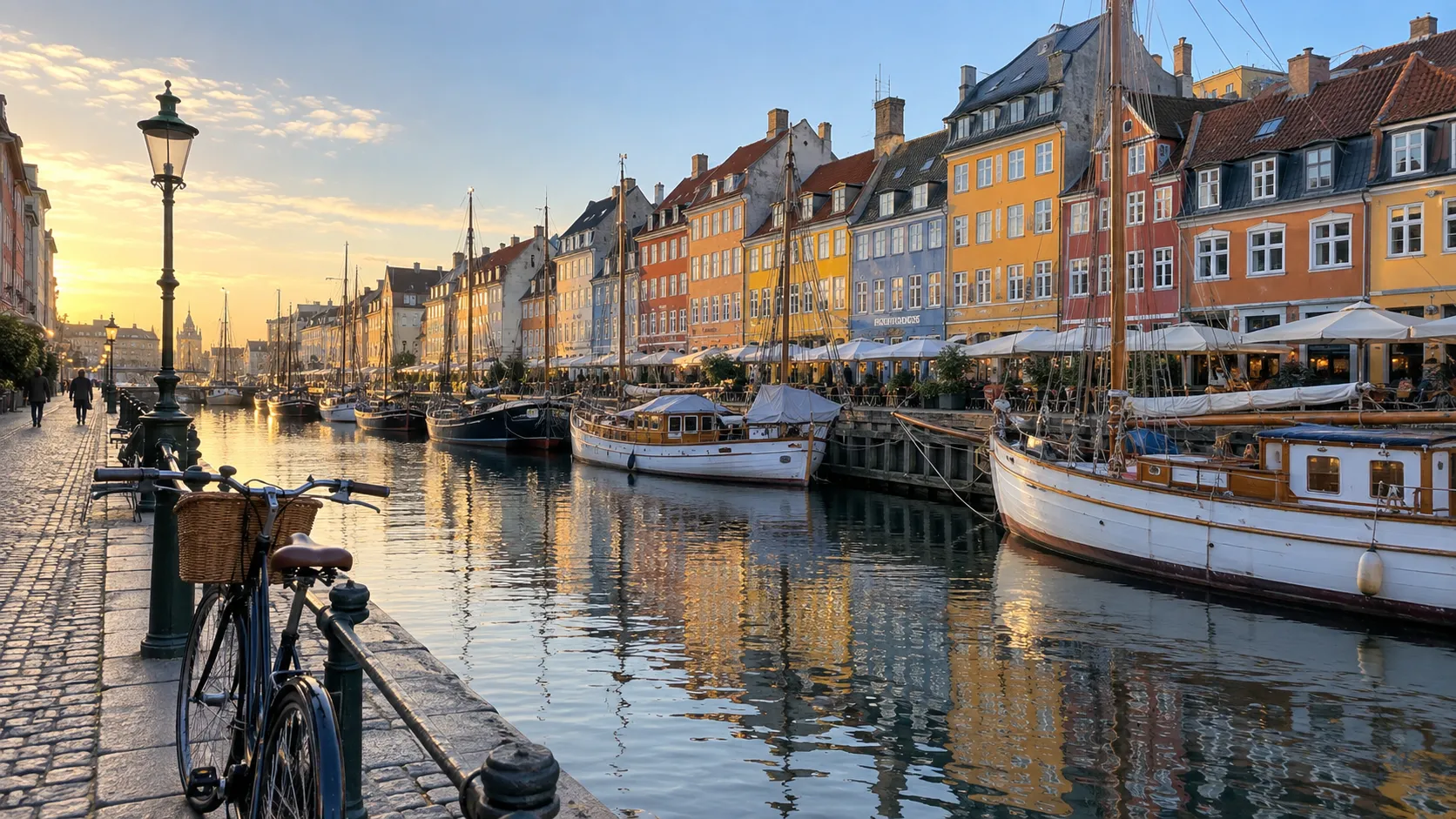
12. Copenhagen’s Harbor City
Copenhagen earns its fame through scale: big enough for museums, restaurants, and distinct neighborhoods, yet compact enough to connect many stops by foot, metro, bus, harbor boat, or bicycle. Nyhavn’s colored facades make the postcard, but Christianshavn, Nørrebro, Vesterbro, Frederiksberg, and the waterfront each tell a different story.
Tivoli Gardens adds an unusually central amusement park, while the harbor shows how industrial water can be remade as public space. Copenhagen also works well before or after a northern European sailing, especially when compared with the remote calls in this list of unusual European cruise ports.
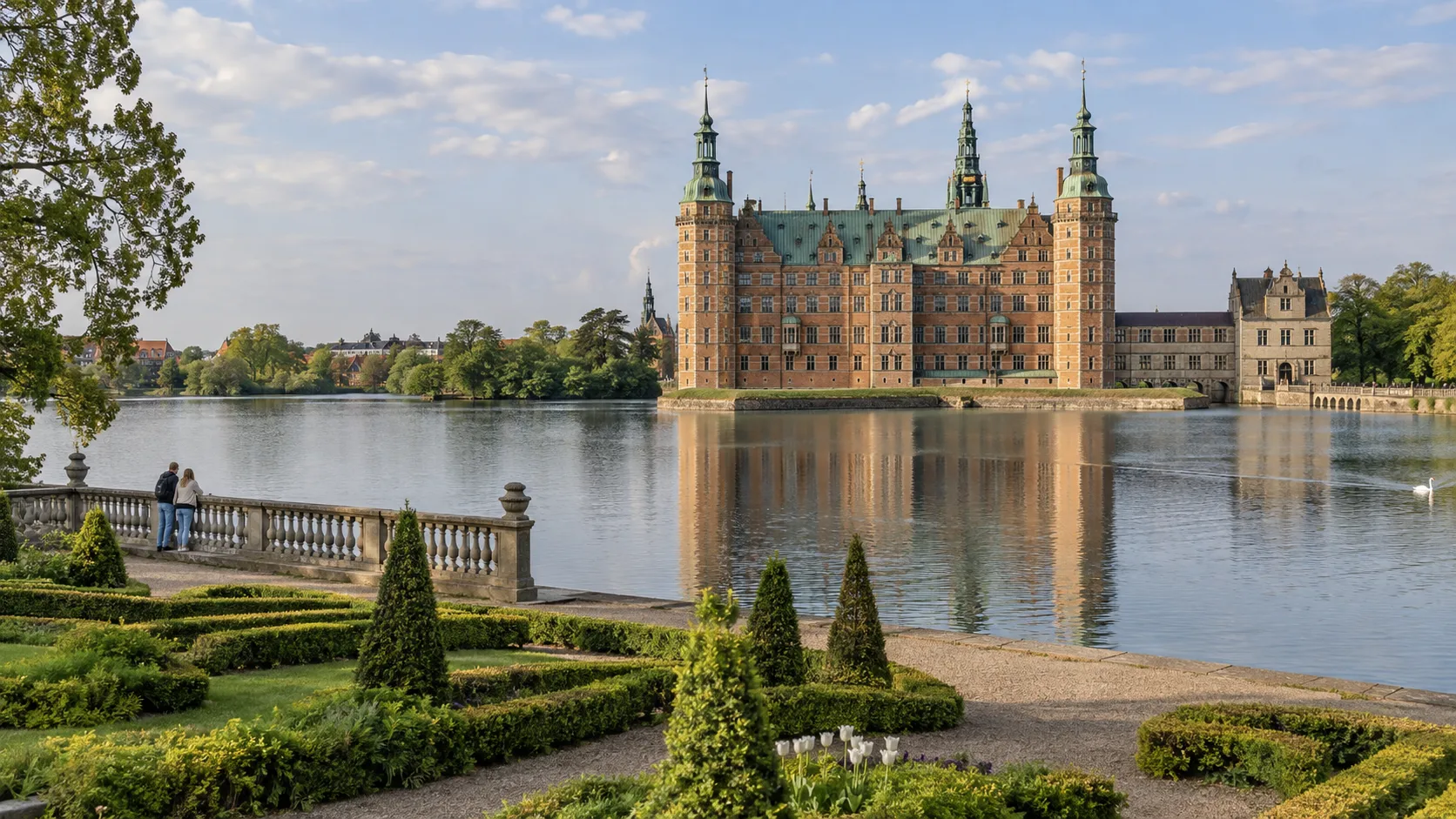
13. Castles Within Reach
Kronborg at Helsingør is famous as the setting associated with Shakespeare’s Hamlet, even though the play’s Elsinore is literary rather than documentary. The castle’s strategic position at the narrow Øresund also explains its real importance in controlling historic shipping.
Rosenborg is best for a compact Copenhagen visit, Frederiksborg for art and palace interiors, and Kronborg for maritime setting and theater connections. Trying all three in one day turns royal Denmark into a transit exercise.
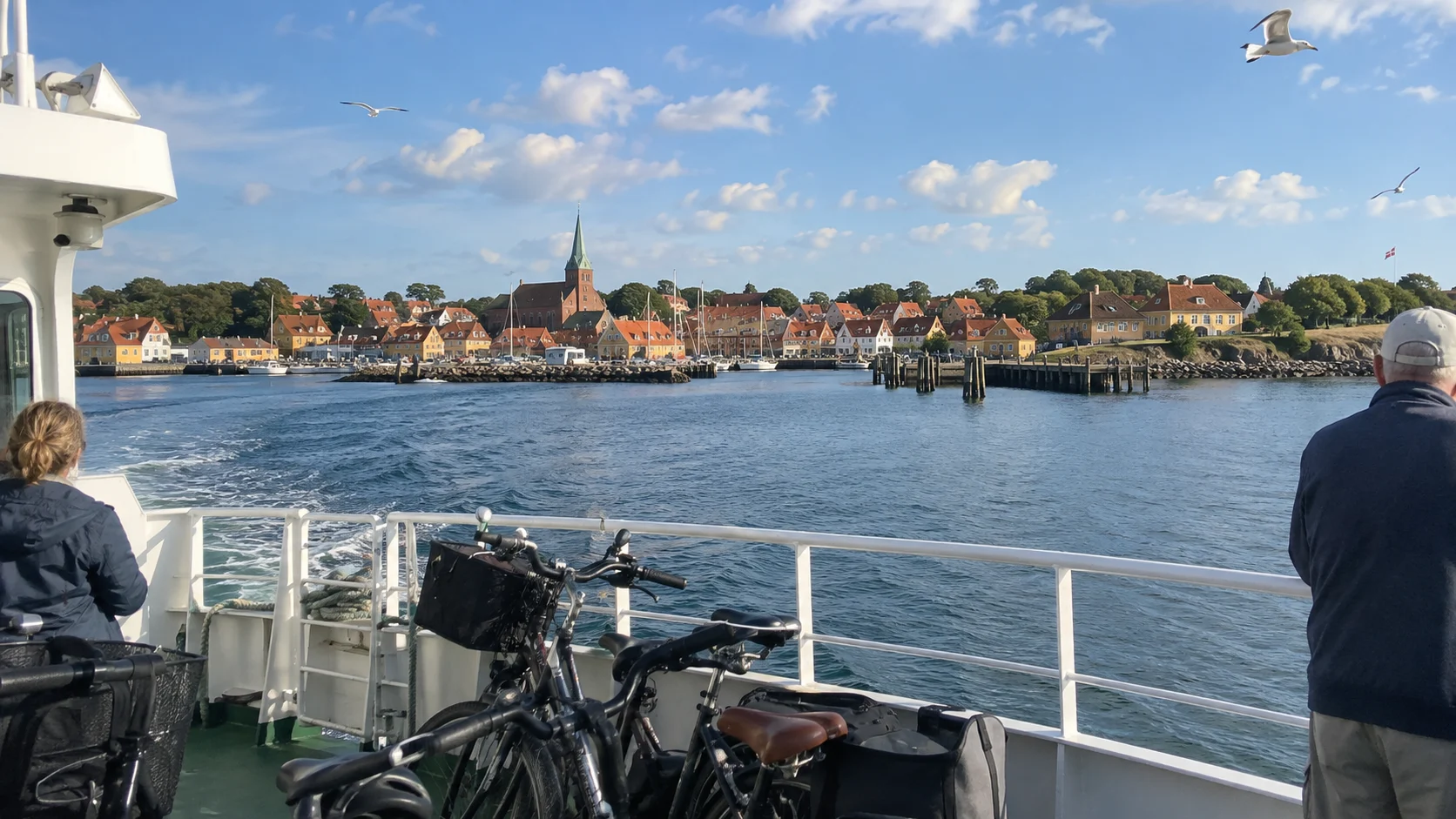
14. Islands, Ferries, and Coastal Towns
Denmark’s geography is maritime, and bridges do not connect everything. Ferries remain part of ordinary travel to islands and smaller communities, while beach towns, fishing harbors, and low coastal landscapes show a quieter country than the capital.
Bornholm rewards several nights with round churches, smokehouses, cycling, and Baltic coast, but its ferry or flight makes it a separate itinerary decision. Ærø and the South Funen Archipelago suit travelers who accept slower connections in exchange for smaller-scale charm.
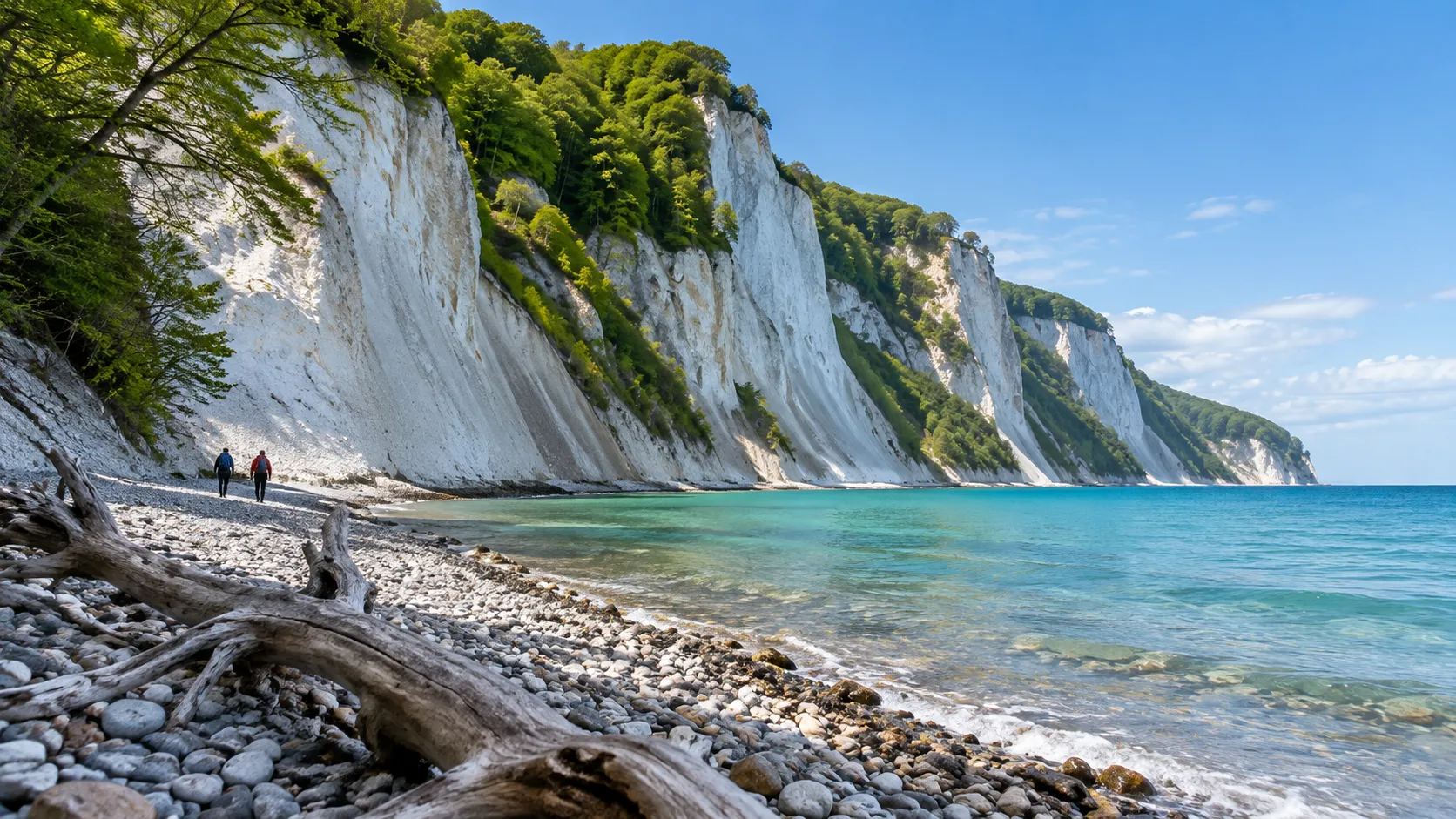
15. Møns Klint and a Surprisingly Wild Coast
Møns Klint’s pale chalk cliffs rise above the Baltic on the island of Møn, giving Denmark a landscape few first-time visitors expect. The area joined UNESCO’s World Heritage List in 2025, and Møn is also part of a UNESCO biosphere reserve.
VisitDenmark places Møns Klint at just under two hours south of Copenhagen by car, but the cliff stairs, wooded paths, parking, and return journey make it a full excursion. Check current trail closures and avoid the cliff edge or beach below unstable chalk after severe weather.
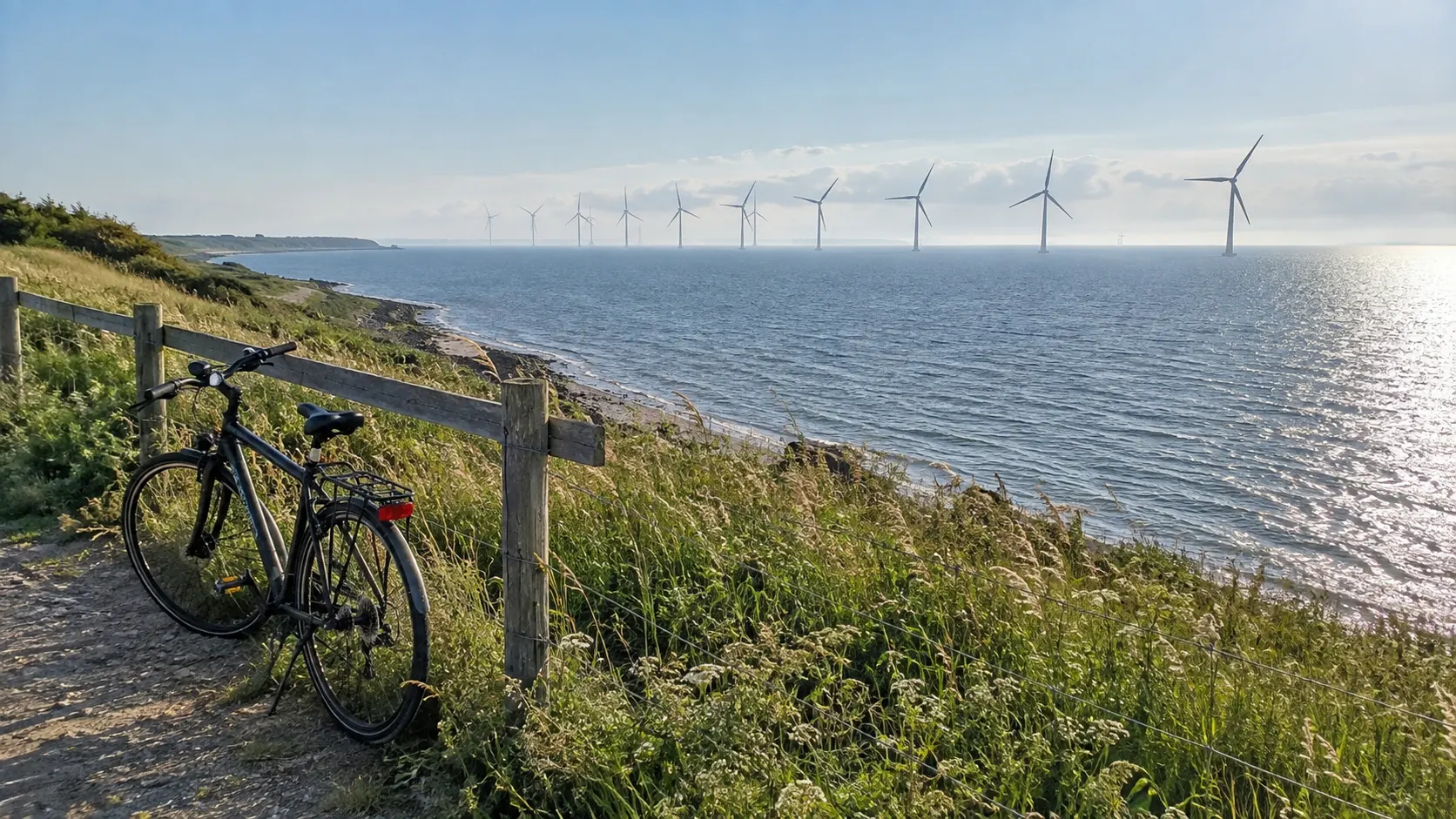
16. Wind Power and Practical Sustainability
Denmark is internationally associated with wind energy, district heating, cycling, and ambitious climate policy. Those systems matter because they affect streets, utilities, industry, and public investment, not because every Danish purchase is automatically sustainable.
Travelers still create impacts through flights, cruises, food, and consumption. Use public transport where it fits, stay longer rather than racing through, and question green labels that do not explain what is measured.
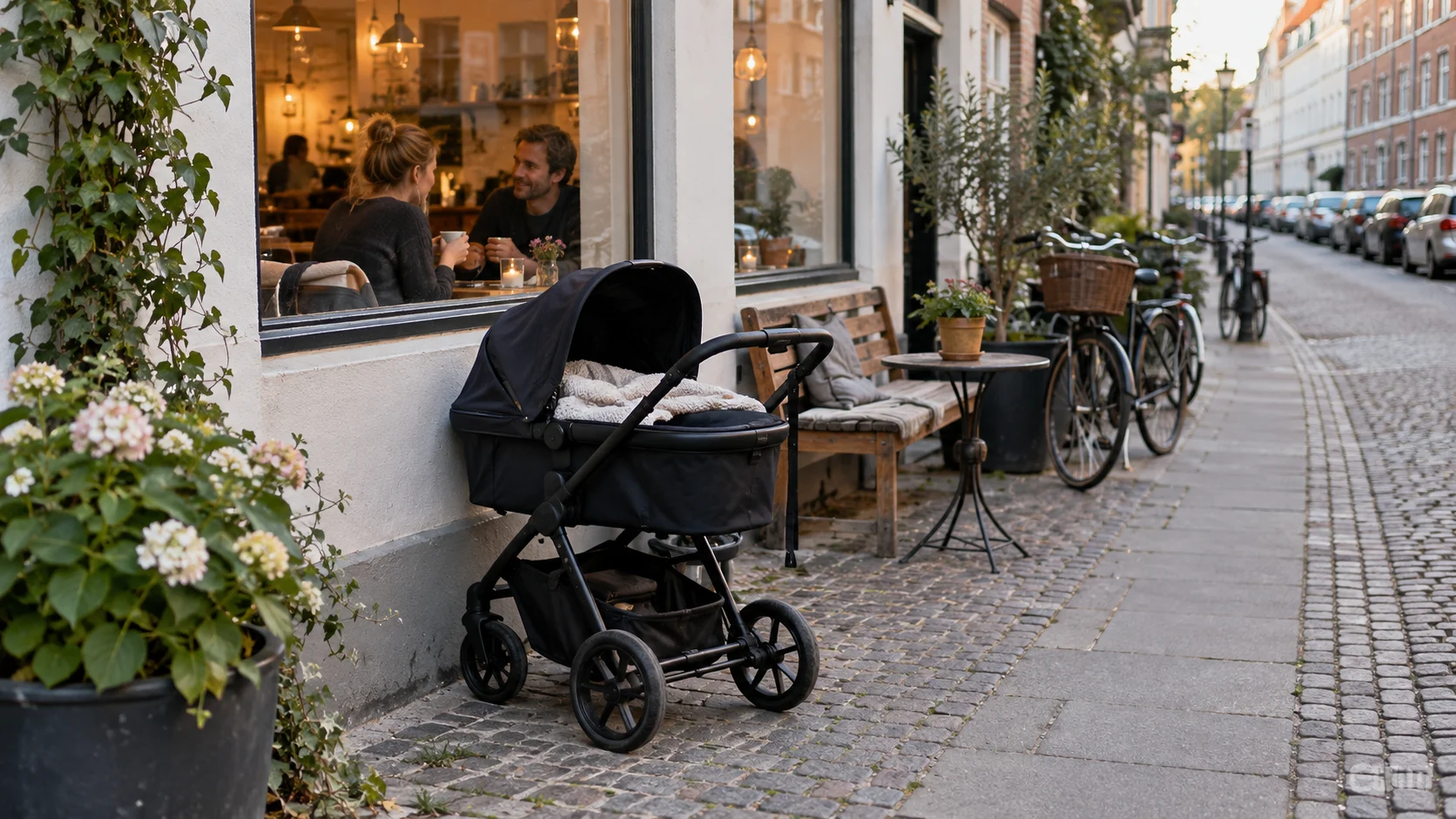
17. Trust, Welfare, and Work-Life Balance
Denmark is often praised for social trust, public services, worker protections, and work-life balance. Visitors notice orderly transport, well-used public spaces, and a generally informal social style, but a vacation is not enough evidence to declare any country effortless or universally happy.
Taxes, housing, immigration, inequality, and regional access remain real policy questions. Admire the systems without turning Danish people into characters in a lifestyle advertisement.
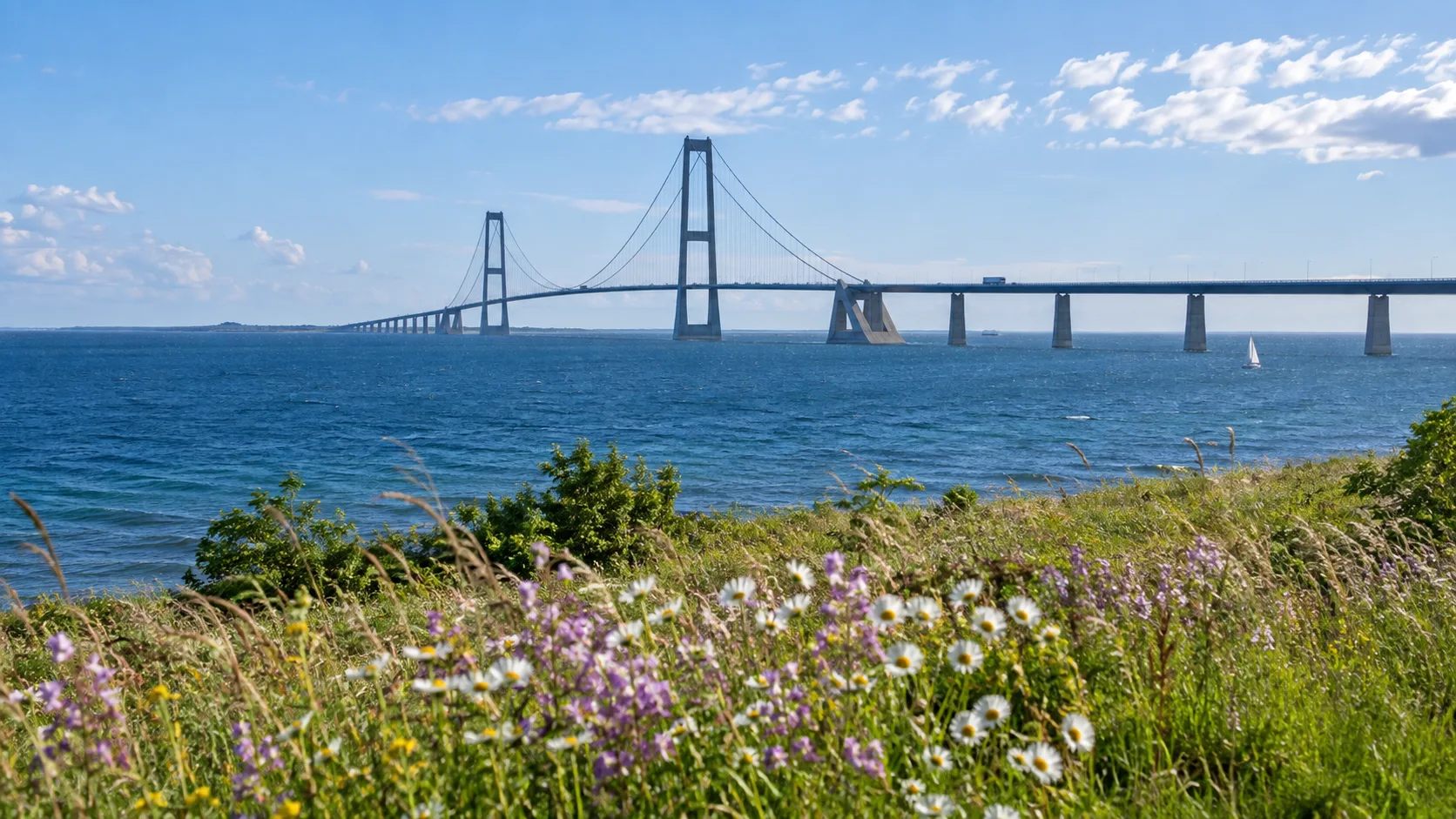
18. Bridges That Make the Map Work
The Great Belt link connects Zealand and Funen, while the Øresund link connects Copenhagen with Malmö, Sweden, by rail and road. These projects help explain how an island country functions and make a two-country city break unusually easy.
Crossing to Malmö is worthwhile when southern Sweden is genuinely part of the plan, not just for collecting another country. If Finland is next, this Finland culture primer helps prevent the common mistake of treating every Nordic country as interchangeable.
What Denmark Is Not Famous For, but Should Be
Aarhus deserves more first-trip attention for its walkable center, university energy, ARoS art museum, and Den Gamle By open-air museum. Aalborg, North Jutland’s dunes and light, South Funen’s islands, and the Wadden Sea all reward travelers who give Denmark more than a Copenhagen weekend.
The country is also stronger for children than its polished design image suggests. Playgrounds, interactive museums, beaches, short transit distances, and family facilities make planning easier, although restaurant prices and smaller hotel rooms can still pinch.
How to Turn the Famous List Into a Trip
Three days: Copenhagen essentials
Spend one day around the historic center, harbor, and a major museum; one around neighborhoods, food, and design; and one on a chosen castle or Roskilde trip. This pace fits a first visit without making every meal a reservation.
Late spring and early fall can balance daylight and city walking, while December brings lights and genuine indoor coziness with short, cold days. Copenhagen is also one of my strongest holiday getaway choices, provided the plan happens before major Christmas closures.
One week: Copenhagen, Roskilde, Odense
Give Copenhagen three nights, stop in Roskilde, and continue by train to Odense for Hans Christian Andersen and a gentler city rhythm. Add a castle only if it supports your interests rather than because another pin fits on the map.
Ten days: Add Jutland
Continue to Aarhus for two or three nights, then choose Billund for family attractions or North Jutland for coast and landscape. This route proves that Denmark is not a capital with an airport attached.
Practical Denmark Details
- Money: Denmark uses the Danish krone, not the euro. Cards are common, but check foreign transaction fees and keep a backup payment method.
- Language: Danish is the national language, and English is widely understood in tourism settings. Basic greetings still count as courtesy.
- Transport: Trains and buses cover the main cities well, while islands and rural sights may require ferries, careful connections, or a car.
- Weather: Wind and showers can matter in any season. Pack a light waterproof outer layer and shoes that tolerate wet streets.
- Timing: Summer brings long days and more visitors; winter brings short daylight, reduced seasonal hours, and a stronger indoor rhythm.
- Costs: Lodging and restaurant bills can be high. Bakeries, supermarkets, public transport, and one carefully chosen paid attraction per half day keep the budget under control.
The Honest Answer
Denmark is famous because it makes big ideas visible at human scale: design in a chair, history in a rune stone, mobility in a bicycle lane, and comfort around a table. Copenhagen gives the fastest introduction, but Odense, Aarhus, Billund, Møn, Bornholm, and Jutland are where the clichés become a country.
I would choose Denmark for travelers who enjoy cities, food, design, and history without needing dramatic mountains or bargain prices. Come for hygge if you like, but leave enough time to discover what cannot be packaged in a candle.