Alaska Weather in September: What Cruisers Should Expect
September in Alaska is cool, wet, and rapidly changing, but it is not one statewide forecast. Expect many cruise-port afternoons in the upper 50s, nights in the 40s, heavier Southeast rain, and much shorter days by month’s end, with quieter ports and lower prices possible in exchange for late-season uncertainty.
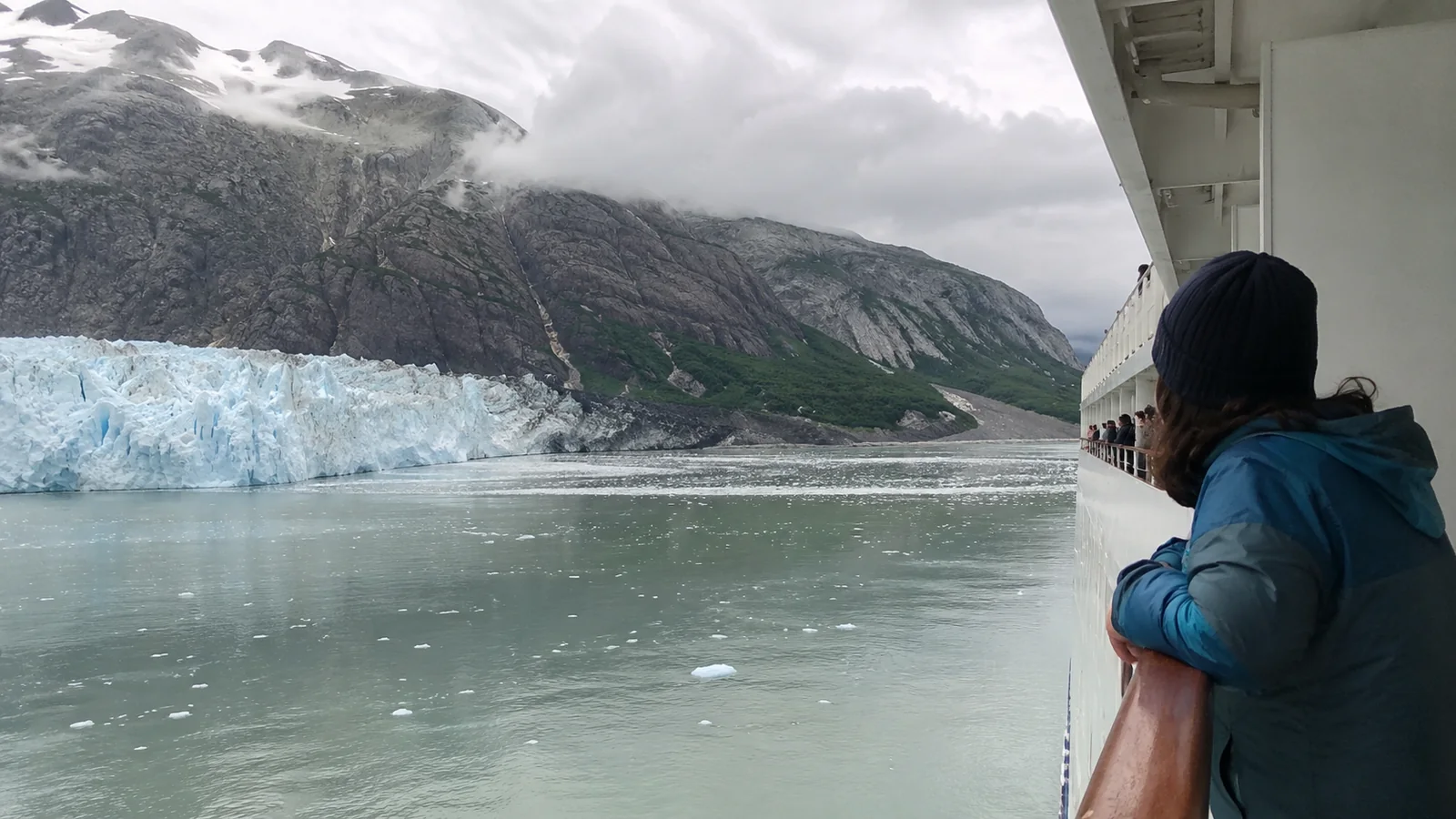
Is September a good month for an Alaska cruise?
September is best for flexible travelers who value thinner crowds and possible fare savings more than maximum daylight or the broadest excursion schedule. It is a weaker choice if steady rain would spoil your trip, you need one specific seasonal tour, or you want the warmest odds.
The first week feels different from the last week. Temperatures and daylight fall quickly, while some ships, tours, hotels, and visitor services begin finishing their Alaska season on dates that vary each year.
Search the exact sailing before comparing prices. A cheap final departure can become expensive if it needs awkward flights, a pre-cruise hotel, and limited transfers.
September Alaska cruise weather at a glance
NOAA’s official 1991–2020 climate normals give a planning baseline, not a forecast for your week. Airport stations can also differ from a dock, mountain, fjord, or glacier only a few miles away.
- Juneau: normal September high 56.1°F, low 44.1°F, and 9.15 inches of precipitation.
- Ketchikan: normal high 58.9°F, low 48.3°F, and 14.30 inches of precipitation.
- Sitka: normal high 57.9°F, low 48.5°F, and 11.69 inches of precipitation.
- Skagway: normal high 57.0°F, low 46.1°F, and 3.89 inches of precipitation.
- Anchorage: normal high 55.7°F, low 42.9°F, and 3.10 inches of precipitation.
These are monthly normal daily highs and lows, plus normal total monthly precipitation. They do not mean every day reaches the listed temperature, nor does 14.30 inches tell you exactly how many hours it will rain.
Why your route matters more than an Alaska average
Inside Passage and Southeast ports
Juneau, Ketchikan, and Sitka have maritime climates shaped by the ocean and steep coastal terrain. September is firmly wet season territory, with Ketchikan and Sitka especially likely to reward waterproof layers.
Rain can be mist, passing showers, or an all-day system. Low clouds may hide mountain views or alter flightseeing even when a walking tour operates normally.
Skagway and the upper Lynn Canal
Skagway sits in a pronounced rain shadow, and its 3.89-inch September normal is dramatically lower than Ketchikan’s. Lower rainfall does not promise a calm, dry port day because the long, narrow Lynn Canal can funnel wind.
Dress for a chilly breeze on the dock and a different climate across the White Pass. Elevation changes can turn cool rain near sea level into colder, wintry conditions farther inland.
Gulf of Alaska, Seward, Whittier, and Anchorage
A one-way cruise adds an open Gulf crossing and usually a transfer through Seward or Whittier. Anchorage normals help with a city stay, but they should not be substituted for coastal or mountain conditions on the transfer.
Southcentral Alaska is generally drier than the wettest Southeast ports, yet September storms can still disrupt boats, roads, and flights. Build a night of buffer before embarkation rather than making a long same-day connection.
How much daylight does Alaska have in September?
In Juneau, daylight shrinks from roughly 14 hours near September 1 to about 11.5 hours by September 30. The NOAA sunrise and sunset calculator can show your exact port and date, with observed times varying slightly because of terrain and atmospheric conditions.
That loss changes how a late sailing feels. Early September can still support a long evening walk, while a late-September departure needs more deliberate use of the hours between sunrise and sunset.
Darkness also creates a possibility of seeing the aurora, especially later in the month. Cloud cover, ship lighting, latitude, solar activity, and sleep timing make it a bonus rather than a reason to book a September cruise.
Rain, wind, and sea conditions
Bring rain protection for every September itinerary, even if a weather app shows cheerful icons before you leave home. Forecast confidence and timing change, and neighboring channels can have different wind and visibility.
Protected Inside Passage waters may be relatively smooth while an exposed Gulf of Alaska or outer-coast segment has swell. The National Weather Service’s Southeast Alaska marine page provides current wind and wave guidance, which is more useful near departure than a monthly sea-state promise.
If motion bothers you, choose a lower cabin near the ship’s midpoint and discuss medication with your clinician before traveling. Start your normal prevention plan before exposed water if the instructions call for it, rather than waiting until you feel ill.
Wind makes a glacier-viewing deck feel colder than the thermometer suggests. A hooded shell over an insulating layer works better than carrying an umbrella on a moving ship.

Will it snow on a September Alaska cruise?
Most precipitation at Southeast cruise docks is likely to fall as rain, especially early in the month. Snow becomes more plausible at elevation, inland, or during a late cold spell, and fresh snow may appear on surrounding mountains.
Do not pack heavy snow boots for an ordinary port itinerary unless an excursion specifically requires them. Waterproof walking shoes with traction handle wet pavement more comfortably and take far less suitcase space.
Could wildfire smoke affect September?
Wildfire smoke is possible, particularly on an Interior or Southcentral land extension, and wind can transport it well beyond the fire. It is not a reason to assume poor air for every September cruise.
Check the Alaska Department of Environmental Conservation’s wildfire smoke information and air-quality advisories close to departure. Travelers with heart or lung conditions should follow their clinician’s advice and may want a well-fitting respirator in the day bag.
What wildlife might you see in September?
Humpback whales, orcas, sea lions, seals, bears, eagles, and salmon may be present somewhere along an itinerary, but no species is guaranteed. Location, food, migration timing, weather, and the amount of searching time matter more than a broad month label.
The Alaska Department of Fish and Game notes that salmon spawning can concentrate bears and other wildlife along streams from July into November. Its seasonal wildlife overview is context, not a promise that a bear will appear beside a crowded port trail.
September tour schedules may taper even while animals remain. Confirm the exact operator, duration, vessel, minimum age, mobility requirements, and cancellation policy before choosing a cruise around one wildlife outing.
Carry binoculars and scan slowly instead of relying on a phone’s zoom. Follow the guide’s distance rules, never crowd a bear, and do not treat feeding or approaching wildlife as part of the experience.
What to wear in Alaska in September
Build a small system that can move from a heated ship to a wet dock to a windy glacier overlook. One enormous winter coat is less adaptable than three sensible layers.
- Base: quick-drying long-sleeve top or light merino layer.
- Midlayer: fleece, wool sweater, or light synthetic puffer.
- Outer layer: waterproof, wind-resistant jacket with a usable hood.
- Bottoms: comfortable pants, plus rain pants for exposed boat or hiking excursions.
- Feet: broken-in water-resistant shoes and several pairs of warm socks.
- Accessories: thin gloves, warm hat, brimmed cap, and a compact daypack cover.
Pack a second pair of walking shoes if you have room, since wet footwear may not dry overnight. A few zip-top bags keep a phone, medication, and spare socks protected in the day bag.
You still need sunglasses and sunscreen because water, pale skies, and glacier ice reflect light. The more detailed cruise clothing packing system can help you build outfits without doubling the suitcase.
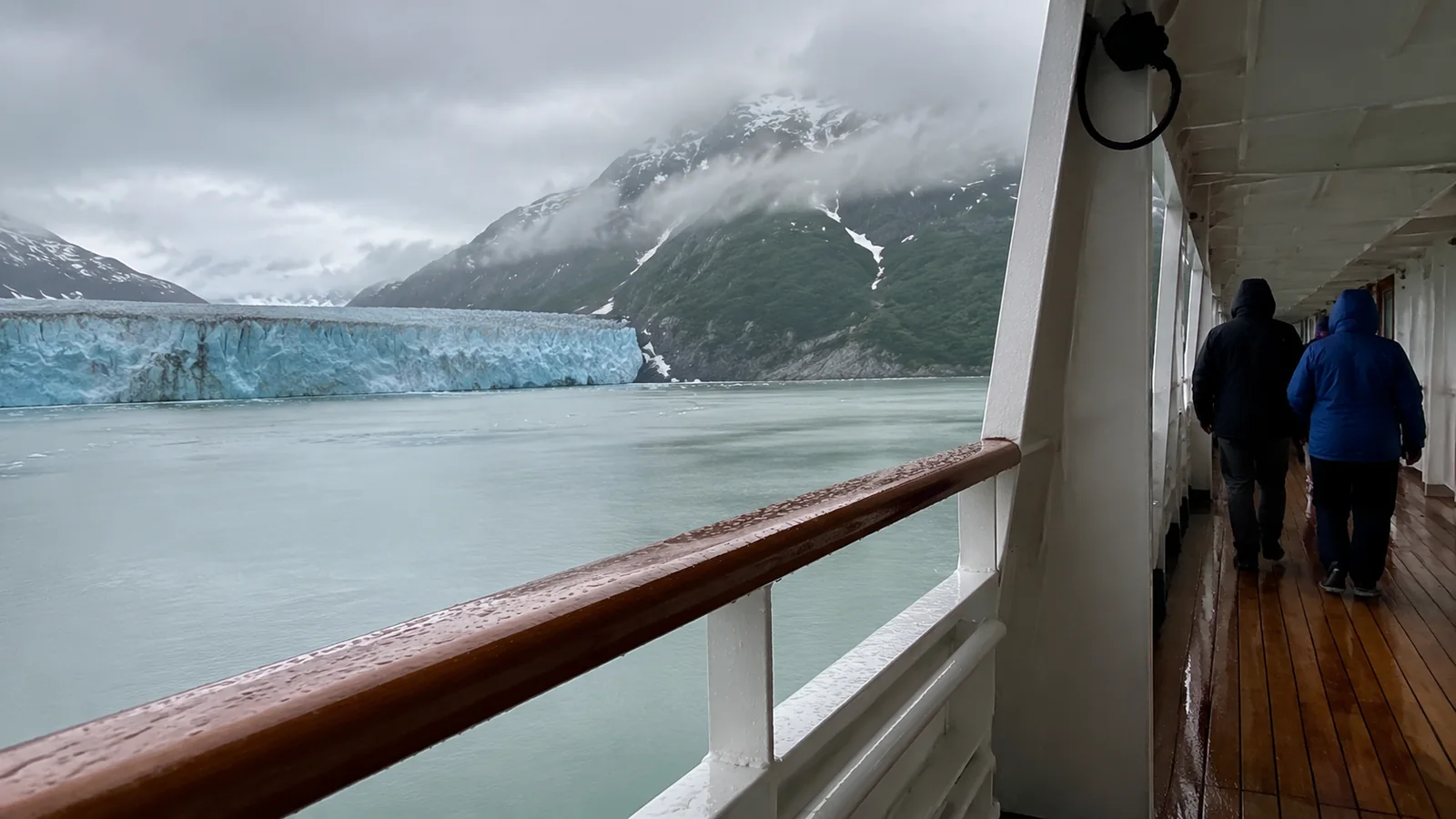
September excursions: what changes late in the season
Boat tours, flightseeing, rail trips, and glacier outings may operate in September, but availability is date-specific. Weather can cancel an excursion in any month, and late-season staffing or daylight can narrow the replacement choices.
Book the experience that would disappoint you most before sailing, then keep one easy independent backup in each port. A museum, food stop, or compact town walk can rescue a wet day without pretending it is the flightseeing trip you lost.
For independent tours, set your own return deadline well before all-aboard. September rain, traffic, tendering, and altered transportation schedules are poor ingredients for a last-minute sprint.
September prices and crowds
Late-season fares can be lower than midsummer, and family crowds often fall after school resumes. Savings are not automatic because flights, balcony inventory, single supplements, and last-night hotels can move in the opposite direction.
Compare the total trip price, including airfare, transfers, excursions, gratuities, drinks, specialty dining, and waterproof gear. A bundled deal may beat a low cruise-only fare if it includes something you were already buying.
Ports can feel calmer, but several ships arriving together still create busy streets and sold-out tours. Look at your line’s port times and the local ship calendar rather than trusting the label “shoulder season.”
Round-trip or one-way in September?
A round-trip Seattle or Vancouver sailing simplifies flights and keeps the trip centered on Southeast Alaska. It may include more exposed water west of Vancouver Island depending on route, so compare itineraries rather than assuming every round trip stays sheltered.
A one-way itinerary can reach Southcentral Alaska and pair naturally with a land trip. In September, that extra range also adds more weather zones, transportation pieces, and businesses nearing seasonal closing dates.
If Glacier Bay is the priority, verify it on the itinerary instead of assuming every Alaska cruise visits. The comparison of Alaska cruise lines by itinerary helps separate scenic access from ship amenities.
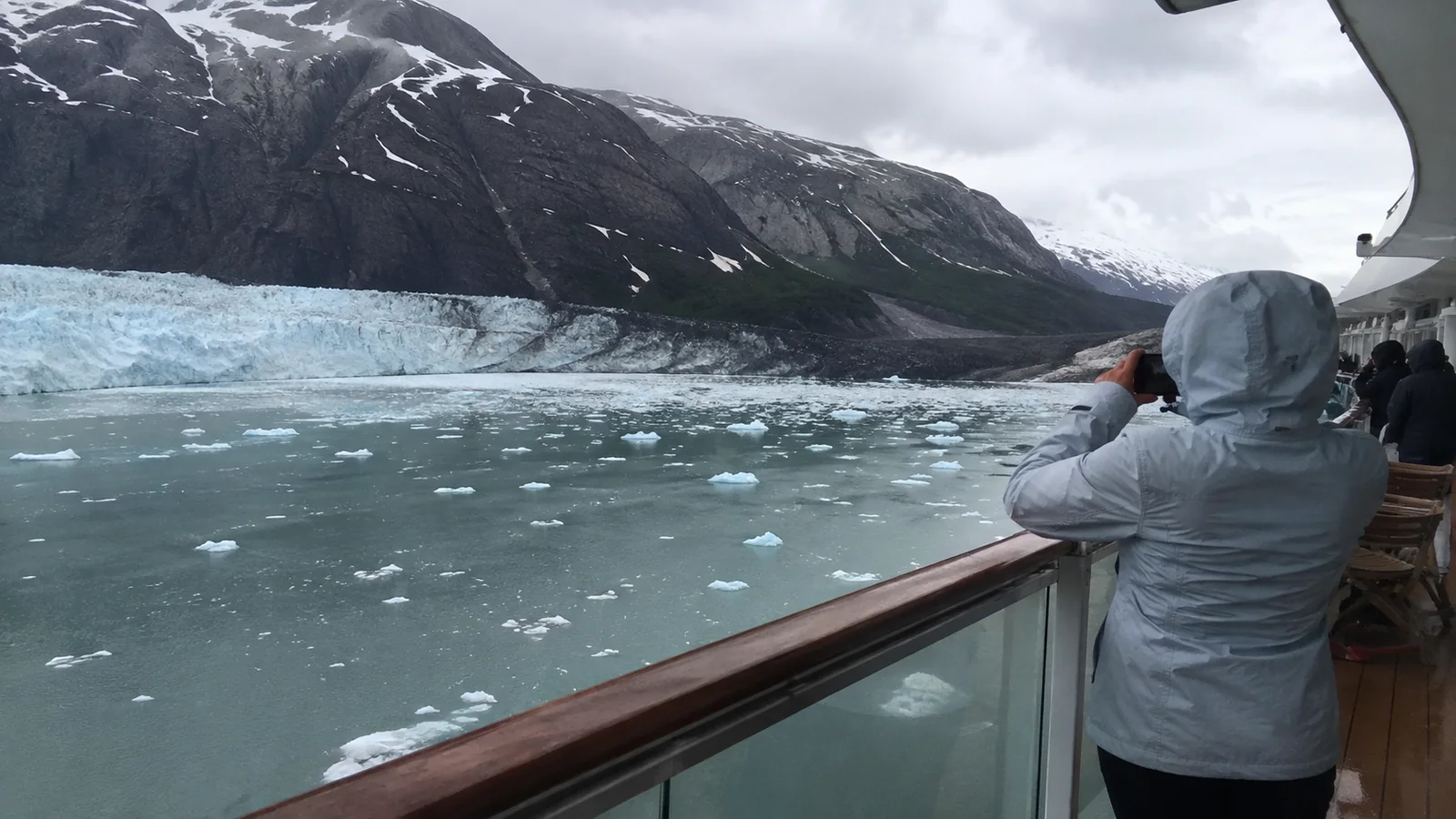
Who should choose early September?
Choose the first half of September if you want late-season value while preserving more daylight and a broader chance of seasonal operations. It is the best compromise for many travelers who can accept substantial rain.
Check each excursion rather than assuming “early” means peak-season hours. A small operator can finish before a cruise line does, and a route can change its last departure from year to year.
Who should choose late September?
Late September suits flexible adults who enjoy moody scenery, quiet evenings, and the possibility of a very good fare. It is not ideal for a first Alaska trip built around long daylight, a full land-tour menu, or guaranteed views.
Build two acceptable versions of each day, one for workable weather and one for low cloud or heavy rain. That approach makes a changed tour an adjustment rather than the collapse of your only plan.
How September compares with August
August is normally warmer, brighter, and somewhat drier in Southeast Alaska, although Ketchikan is wet in both months. September brings cooler averages and noticeably higher precipitation normals in Juneau, Ketchikan, Sitka, and Skagway.
August usually provides the broadest activity schedule but also stronger peak-season demand. September trades some operating certainty for potential value and a quieter feel.
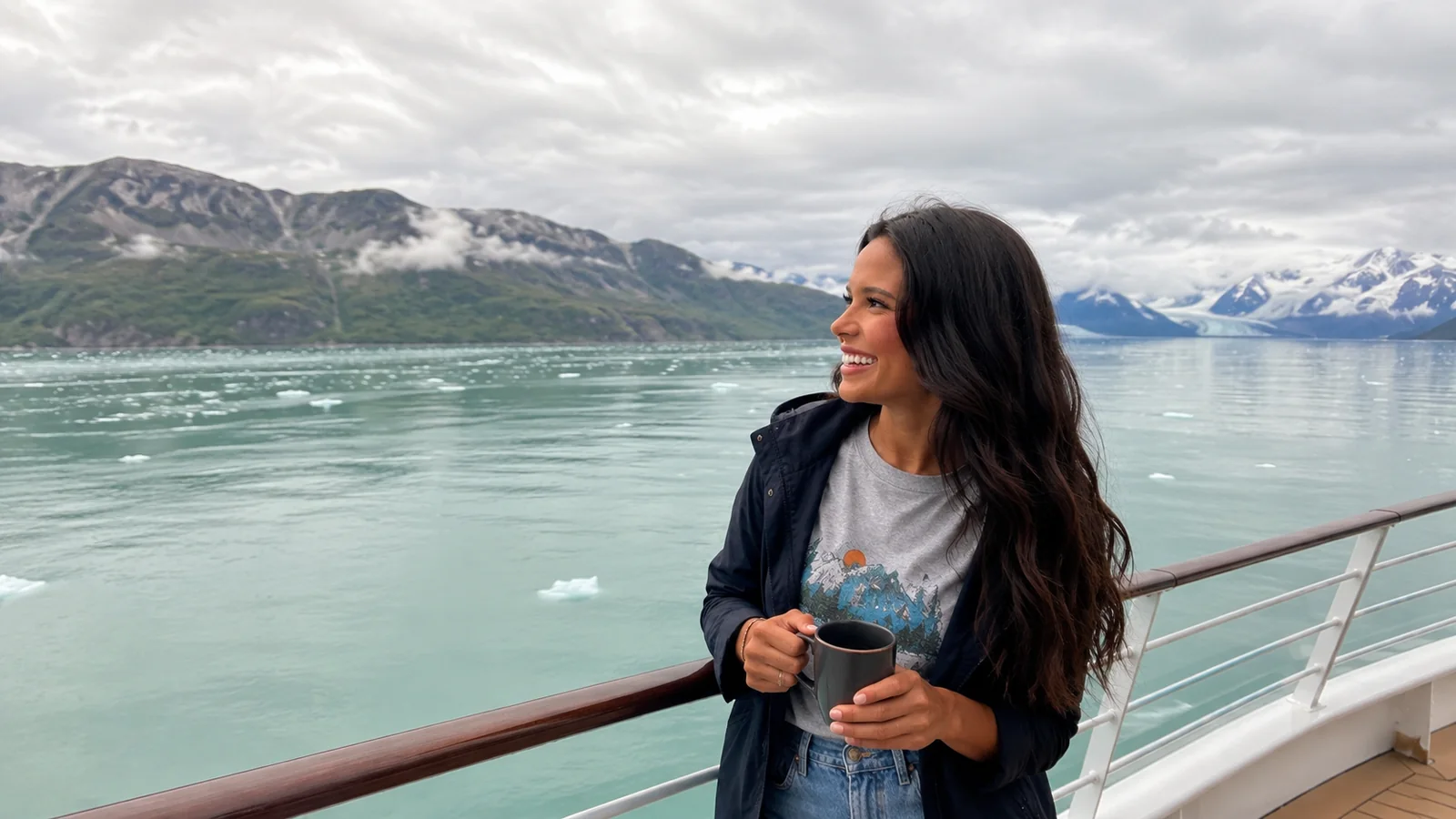
A practical September decision
Pick September when price and crowd level matter, you are comfortable touring in rain, and you can let wildlife and aurora sightings remain bonuses. Pick an earlier month when your happiness depends on long light, warmer odds, or one seasonal experience.
Before paying, compare small-ship Alaska options with mainstream routes, confirm every must-do tour on your actual date, and add a travel buffer. September can be excellent, but it rewards a plan built for change.