Monroe, Wisconsin Travel Guide: Cheese, Swiss Heritage and Trails
Monroe won me over in the span of one lunch: courthouse views through the tavern window, a brave bite of Limburger, and a cooler suddenly too small for everything I wanted to bring home.
This guide covers Monroe’s cheesemaking history, Swiss heritage, courthouse square, food, trails, and the choices that make the city worth more than a quick cheese stop.
Why Visit Monroe, Wisconsin?
Monroe is a rewarding small Wisconsin city for food lovers, history fans, cyclists, couples, and anyone who likes a downtown with a clear story. Cheese may be the headline, but Swiss traditions, a handsome courthouse square, trails, arts, and working producers give the city enough depth for far more than a shopping stop.
The city calls itself the Swiss Cheese Capital of the USA, but the appeal is broader than a slogan. You can learn how Green County’s cheese industry developed, shop for Wisconsin cheese, eat on the historic square, see the courthouse, and add a trail or brewery experience.
I recommend Monroe over New Glarus when you want deeper cheesemaking history and a less tourism-centered downtown. Choose New Glarus for concentrated Swiss-style architecture and its famous brewery, or Mineral Point when galleries and Cornish history are the priority.
My Wisconsin day trips guide helps sort those tradeoffs. Monroe works best when you like food and local history enough to let them anchor the day.
How Long Do You Need in Monroe?
Four to six hours is enough for the National Historic Cheesemaking Center, one cheese shop, and lunch on the courthouse square. A full day lets you add a brewery, arts, park, farm, or trail experience without turning every stop into a ten-minute transaction.
Stay overnight if you want a longer trail ride, an evening performance, a major festival, or a slower tour of Green County’s cheese producers. Two days also make it possible to add New Glarus or Mineral Point without shortchanging Monroe, which is especially useful on a broader southern Wisconsin road trip.
I recommend building the first visit around cheesemaking history and downtown, then choosing one additional experience based on your interests. Confirm any museum, production viewing, guided tour, or performance that matters to you, then let meals and shopping remain flexible.
Start With the National Historic Cheesemaking Center
The National Historic Cheesemaking Center is the best first stop because it explains why cheese matters here. Housed in a restored depot, the museum covers local cheesemaking history and includes equipment, exhibits, and the restored Imobersteg Farmstead Cheese Factory.
The National Historic Cheesemaking Center posts current operating information and special programs. The museum is seasonal, so do not build a winter or shoulder-season itinerary around it without checking first.
Allow about an hour for a focused visit, more if a guided experience or demonstration is available. Cheese enthusiasts will appreciate the details, while younger children may need a shorter visit followed by a park or snack.
My sister expected the museum to be a quick stop and ended up studying the copper cheesemaking kettles longer than anything on the square. Her surprise is why I recommend visiting before lunch, when the story can shape what you order and buy later.
I would not skip the museum and assume a cheese shop tells the same story. Buying cheese is fun, but the historical center gives the rest of the day useful context.
See Modern Cheesemaking at Alp and Dell
Alp and Dell Cheese Store connects directly to the Emmi Roth plant and has a public viewing hall where visitors may be able to watch cheesemaking. The experience depends on the production schedule, which means an open store does not guarantee active production behind the glass.
I learned that distinction on a visit with friends when the shop was lively but the production floor was quiet. We still left with excellent cheese, but I now call ahead whenever watching the process is the reason for going.
The official Alp and Dell listing recommends that larger groups call ahead and explains the viewing setup. I would call before a special trip if watching production is more important than shopping.
Use the stop to compare styles rather than buying the first familiar block you see. Ask staff for one approachable cheese, one local specialty, and one choice that will travel well to your next stop or home.
Bring a small cooler and an ice pack during warm weather. A car full of carefully selected cheese is a delight until it spends four hours heating in a sunny parking lot.
Walk the Historic Courthouse Square
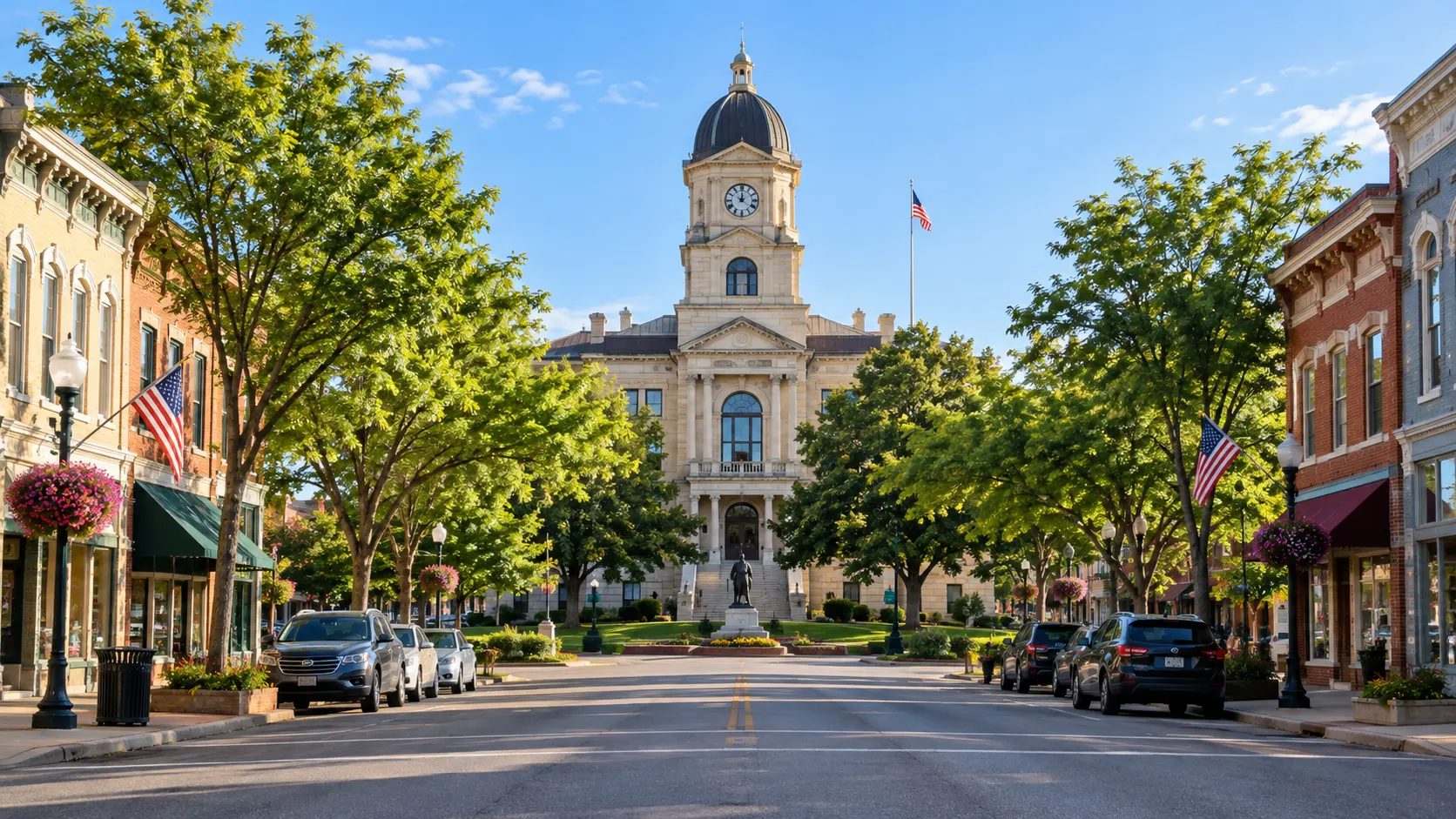
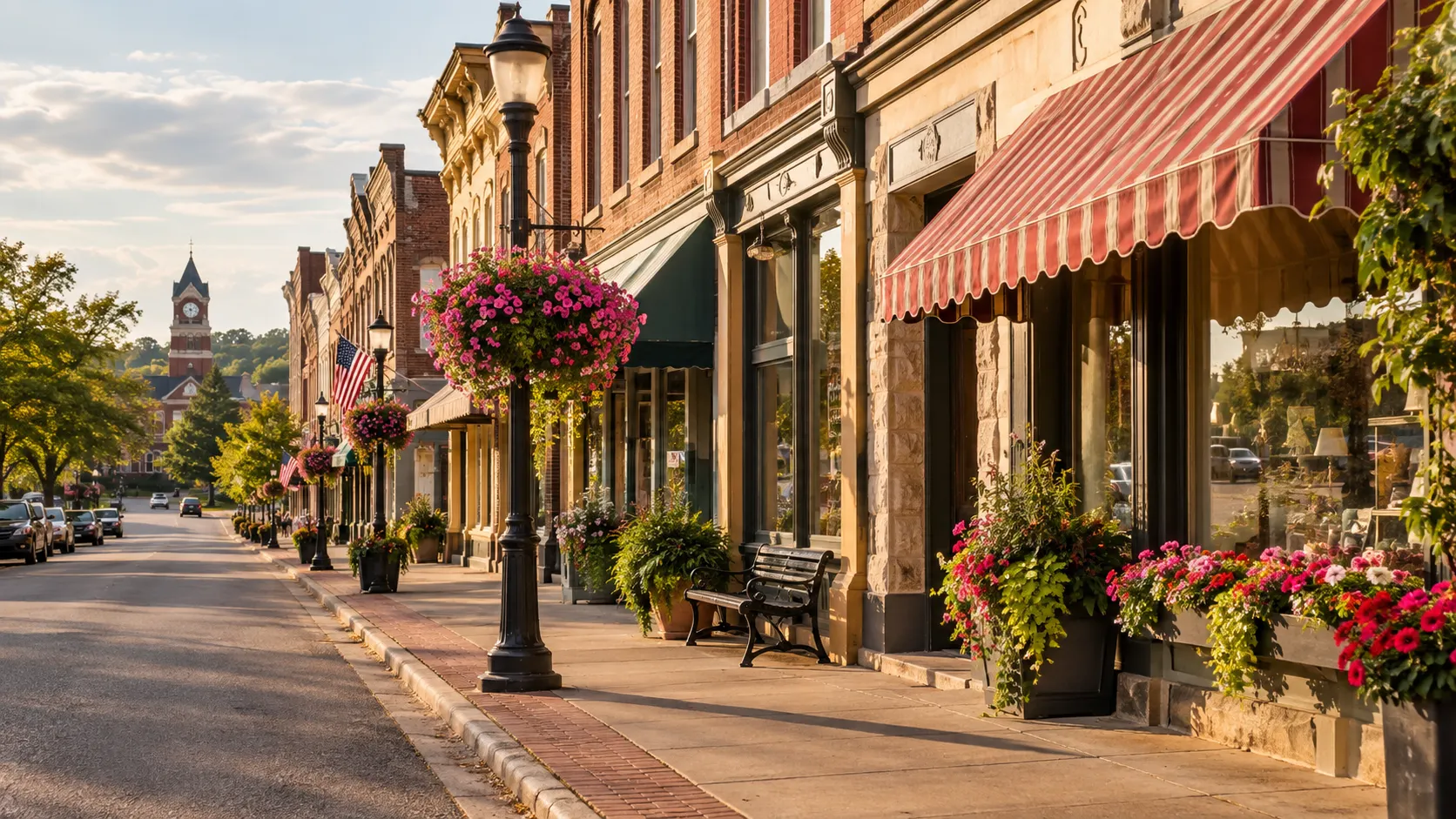
Downtown Monroe centers on the Green County Courthouse, with shops, restaurants, and civic buildings arranged around the square. The compact layout makes it easy to park once and explore on foot.
Use the self-guided materials and current merchant directory from Main Street Monroe. Guided historical walks, farmers markets, concerts, and public-art installations are seasonal, so check the live calendar rather than assuming an event happens every week.
Allow at least 45 minutes to circle the square, look at the courthouse exterior, and browse a few businesses. Architecture fans can spend longer, while food-focused visitors may prefer to move directly into lunch.
The courthouse may be open to visitors during appropriate hours, but it is a functioning government building. Follow security instructions, respect court business, and do not treat every interior space as a tourist exhibit.
Where to Eat in Monroe
Lunch should reinforce the reason you came. Baumgartner’s Cheese Store and Tavern on the square is the classic choice for a historic tavern atmosphere, cheese sandwiches, and the town’s most famous local flavor.
Limburger is the adventurous order, but nobody earns a medal for choosing a cheese they already know they dislike. I recommend sharing a taste if your group is curious, then ordering a sandwich you will genuinely enjoy.
Suisse Haus gives you another Swiss-leaning tavern option, while Pancho and Lefty’s suits diners who want a broader bar-and-grill menu. Restaurant hours and kitchens change, so check the business directly and keep a second downtown choice ready.
Cheese is central to Monroe, but a cheese-only day becomes heavy quickly. Add soup, salad, vegetables, or a lighter dinner, and carry water if a bike ride follows lunch.
The Green County tourism page for Monroe organizes current dining, shopping, museum, and trail options. It is more useful than an old restaurant roundup when deciding what is actually operating.
More Things to Do in Monroe
After lunch, choose the activity that best fits your group rather than trying to complete all of Monroe. A brewery tour, trail ride, historical walk, or arts stop can each fill the afternoon properly.
Option 1: Minhas Brewery and Distillery
Minhas operates a historic brewery in Monroe and offers tours when scheduled. The official Minhas Brewery website is the place to confirm tour availability, age policies, tasting details, accessibility, and tickets.
I would choose the brewery for adults interested in production history, not simply as another place to drink before driving. Designate a driver, pace tastings, and remember that tour schedules can change around production and private events.
Travelers who do not drink can still enjoy industrial history if the current tour content appeals to them, but confirm whether a nonalcoholic ticket makes sense. Families should check age rules before promising the stop to children.
Option 2: Badger State Trail
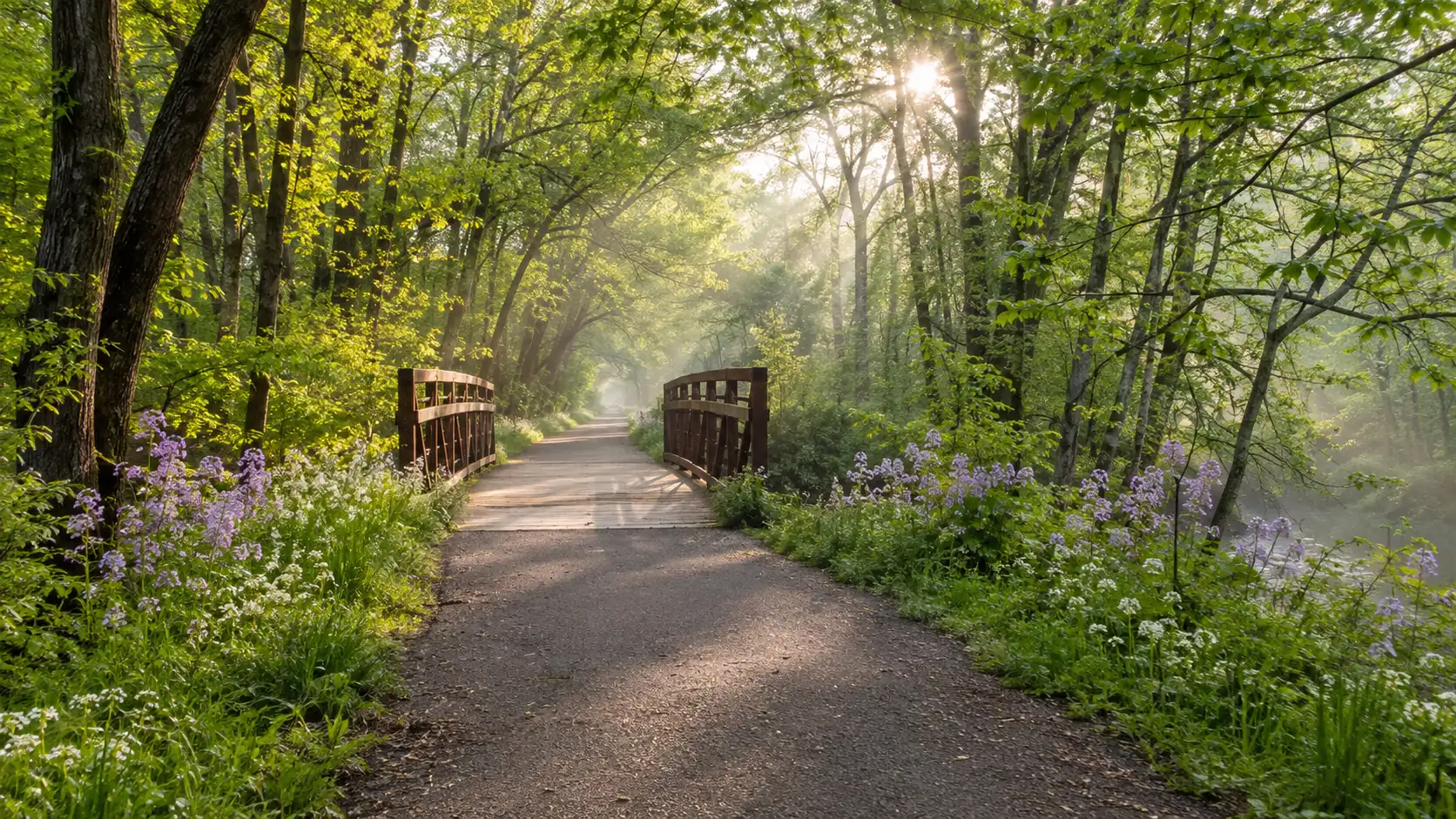
The Badger State Trail runs north and south through Monroe across south-central Wisconsin and toward the Illinois state line, making the city a logical base for an out-and-back ride. Its surfaces and permitted uses vary by segment and season, and a Wisconsin state trail pass may be required for bicyclists and skaters age 16 or older.
I recommend a short out-and-back from Monroe during a first visit instead of using the trail as long-distance transportation. Check the Wisconsin DNR’s Badger State Trail page for passes, surface information, closures, and the status of Stewart Tunnel.
Do not plan a tunnel ride without checking current conditions. Stewart Tunnel has had an extended closure, and detours or closed sections can materially change a route.
Bring water, a repair kit, lights, and the correct bike for the surface. An easy rail-trail outing is still a real ride once heat, wind, and a full lunch join the group.
Option 3: Monroe Arts Center and Downtown Galleries
The Monroe Arts Center offers exhibitions and scheduled performances, while downtown has additional galleries and creative businesses. This is the best afternoon plan for rain, heat, or anyone uninterested in beer and biking.
Check the exact exhibition and building hours before arriving because gallery and performance schedules differ. A show can justify staying into the evening, but buy tickets before structuring dinner around it.
Option 4: A Park Break
Monroe has 13 public parks and playgrounds, according to the City of Monroe visitor page. Twining Park is the largest and includes a playground, disc golf, sports courts, horseshoe pits, restrooms, and the Swiss-style bandshell.
This is the best decompression stop for families after the museum and lunch. Facilities and restrooms can be seasonal, so verify current access and follow posted park rules.
One of my Aussiedoodles once sat in front of the bandshell as if a performance should begin specifically for him, while the other investigated every interesting smell in the grass. That pause convinced me Twining Park is worth keeping in the plan when children or dogs need Monroe to stop being an all-indoor food tour.
Cheese Country Trail Is Not the Same as Badger State Trail
Monroe is also the eastern end of the 47-mile Cheese Country Recreation Trail, which runs west toward Mineral Point. Despite its cheerful name, this is a multiuse route with significant motorized ATV and UTV traffic.
I would not recommend it as the default casual family bike ride. Wisconsin’s official tourism information notes that some surfaces are not bike-friendly and suggests the Badger State and Sugar River trails as better nearby cycling choices.
The Cheese Country Trail can suit experienced riders who understand the surface, traffic, permits, and seasonal rules. Confirm conditions through the responsible county or trail authority before setting out.
Getting There, Parking and Getting Around
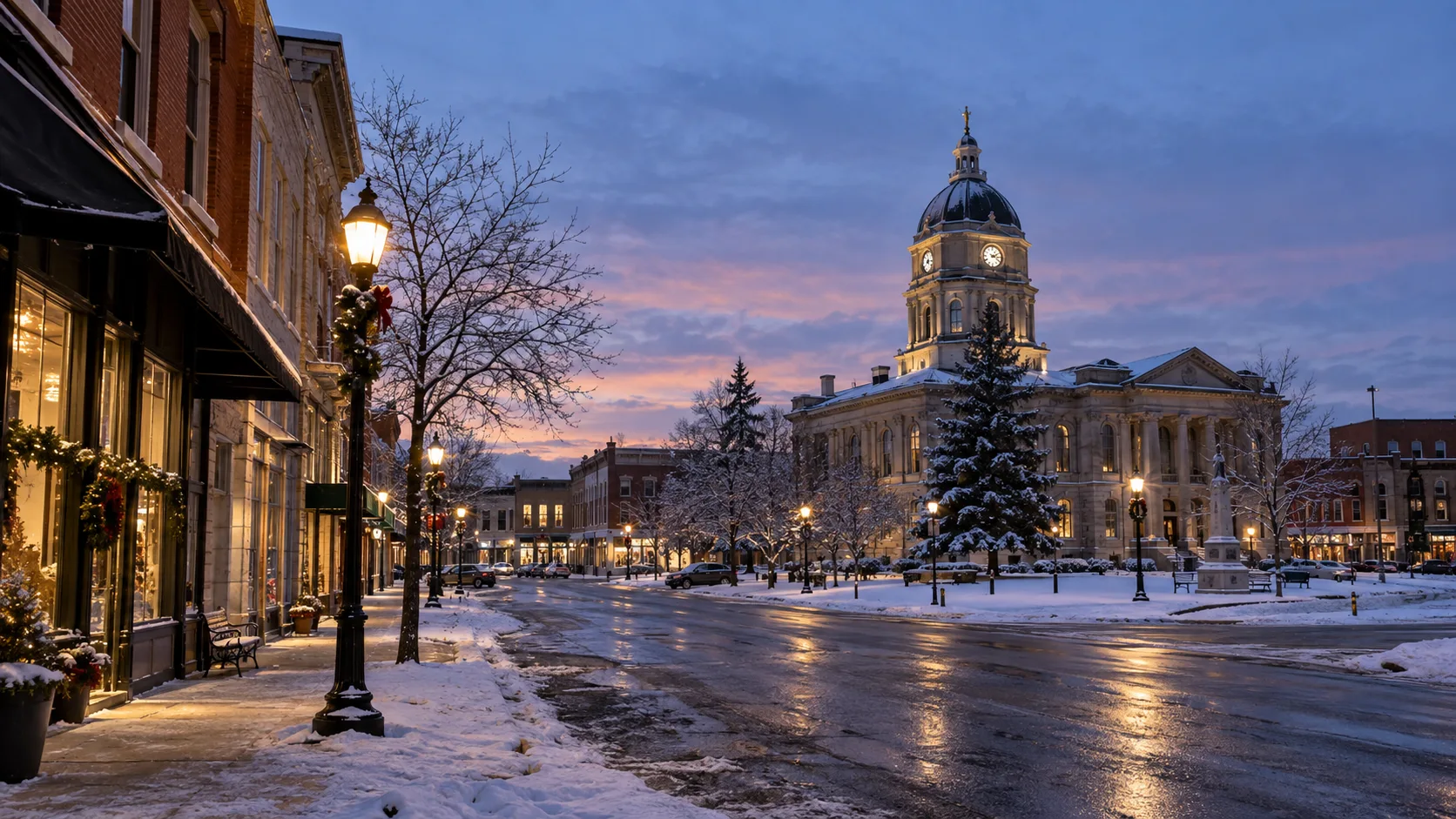
Monroe is best reached by car via southern Wisconsin’s state and county highways, with rural approaches that can be slower in snow, farm traffic, or roadwork. The courthouse square and surrounding downtown use street spaces and public parking areas, so read posted limits, avoid reserved private lots, and expect event days to change access.
The Cheesemaking Center, Alp and Dell, Minhas, Twining Park, and trail access are not all on one tiny block. A car is the practical connector, while downtown itself is best explored on foot.
I recommend arriving with a simple geographic order instead of bouncing between the square and the south side of town. Museum, cheese stop, downtown lunch, then one afternoon activity keeps driving minimal.
Monroe’s major festival and event weekends can be crowded enough to require a different strategy. If Cheese Days or another signature event is your goal, use official event parking and shuttle instructions and treat the festival as the entire day.
Accessibility and Low-Walking Options
A low-walking Monroe day can include the Cheesemaking Center, Alp and Dell, a meal on the square, and a scenic drive through town. Contact each attraction directly about entrances, restrooms, seating, and mobility-device access because historic buildings can have limitations.
The square is compact, but curb cuts, construction, winter snow, and the location of an available parking space affect the real distance. Drop off a traveler near the entrance when appropriate, then move the car to a legal space.
For trails, ask about surface and grade rather than relying on the phrase rail trail. The park is a safer flexible choice when someone needs benches, restrooms, or a shorter outing.
Off the Beaten Path: Local Finds Most Visitors Miss
Monroe’s best lesser-known stops deepen the Swiss and dairy story instead of pulling you toward unrelated roadside attractions. I recommend choosing one, because volunteer hours, production schedules, and special programs make these places better with a little intention.
Turner Hall’s Ratskeller and Bowling Lanes
Turner Hall is a nonprofit Swiss cultural center founded in 1868 and believed to be the only remaining Turner Hall of Swiss origin in the country. Its chalet-style building contains a traditional Ratskeller, grand hall, and retro eight-lane bowling facility, but each space follows its own dining, event, or reservation schedule.
I once expected a quick look and stayed because the building made Monroe’s Swiss identity feel lived-in rather than decorative. Check the current calendar before walking over from the square, and ask directly about accessible entrances or bowling availability if either matters to your group.
Chalet Cheese Cooperative
Just north of the city, Chalet Cheese Cooperative dates to 1885 and operates a retail store at its factory. It is especially notable as the country’s only producer of Limburger, along with Baby Swiss, Brick, Swiss, and smoked cheeses.
This is a shopping stop rather than a guaranteed factory tour, so call before driving out if you expect to see production. Bring a cooler, watch for rural driveways, and ask for a small piece of Limburger before committing your whole car to a large block.
Green County Historical Society Museum
The county historical museum occupies a former Universalist church near the square and collects local objects, photographs, and stories beyond the dairy industry. Its limited seasonal weekend hours make it easy to miss, but history-minded visitors may find it more personal than a larger formal museum.
Confirm opening hours before building the afternoon around it, and allow 30 to 60 minutes rather than assuming a full-day institution. My sister and I tend to split at small museums, with one of us reading every label while the other finds the volunteer with the best story, and this is exactly that kind of place.
Wegmueller Farm
Wegmueller Farm offers scheduled guided farm visits outside central Monroe, with livestock and a more direct look at modern Green County agriculture. Tours are seasonal and should be reserved or confirmed with the farm, since this is a working property rather than a public petting zoo with open drop-in access.
This is the best fit for families who want the cows and farm story behind the cheese, but it adds rural driving and about an hour of structured time. Wear closed-toe shoes, follow the host’s biosecurity and animal rules, and never wander onto farm areas outside the tour.
Best Time to Visit Monroe
Late spring through fall offers the broadest combination of museum access, trails, markets, and downtown events. Saturdays are lively, but they also bring more competition for restaurant tables and parking.
Winter can still make a good food-and-shopping day if the museum or tour you want is operating. Build around open businesses, road conditions, and an indoor attraction rather than assuming summer schedules continue.
Event weekends create a festive version of Monroe and a very different logistical day. Go because you want the event, not because you expect an ordinary quiet square with bonus music.
What I Would Skip
- A rushed Monroe and New Glarus combination: Each town is more satisfying with its own meal and main attraction.
- Buying perishable cheese without a cooler: Protect what you paid for.
- Assuming cheesemaking will be active: Production and public access follow different schedules.
- Casually biking Cheese Country Trail: Motorized use and surface conditions change the experience.
- Planning around Stewart Tunnel without checking: The long-term closure can affect Badger State Trail routes.
- Stacking a brewery tour after multiple tastings: Designate a driver or stay nearby so the rest of the visit remains safe.
Who Is Monroe Best For?
Monroe is strongest for cheese lovers, culinary travelers, small-town history fans, cyclists, couples, and groups that enjoy browsing an old courthouse square. It can be the focus of a day, an overnight food stop, or a distinctive chapter in a longer Wisconsin trip.
Travelers seeking a strenuous hike or a full day on the water should choose another destination. My Southern Wisconsin hikes guide has better trail-centered choices.
Monroe also fits naturally into a longer Driftless route with Mineral Point and Prairie du Chien, but those places require more than one day. My Wisconsin road trip guide shows how to give the region enough time.
Frequently Asked Questions
How far is Monroe from Madison?
Monroe is about 45 miles southwest of central Madison. Allow roughly one hour each way, then add time for construction, weather, and your exact starting neighborhood.
Can I visit Monroe and New Glarus in one day?
You can, but I recommend choosing one unless you only want a quick look at each downtown. Pairing them means giving up a museum, tour, trail, or relaxed meal.
Is Monroe good for children?
Yes when the day includes a shorter museum visit, cheese tasting, and Twining Park. Brewery tours, long historical programs, and adult-focused meals will not fit every child.
Do I need reservations?
Reserve any scheduled brewery, guided history, or special-event experience that matters to you. Cheese shopping and a casual square walk usually offer more flexibility, but confirm operating hours.
Can I tour a cheese factory?
Alp and Dell has a public viewing hall connected to a working plant, but visible production depends on the manufacturing schedule. The National Historic Cheesemaking Center explains the industry’s history and may offer special programs, so check both official sites.
Is Monroe dog-friendly?
Outdoor patios, parks, shops, museums, and production facilities each have different rules. Confirm every stop in advance and never leave a dog in a warm car while visiting a food or indoor attraction.
My Bottom Line
Start with cheesemaking history, shop for a few carefully chosen cheeses, eat on the courthouse square, and pick one afternoon activity. That plan gives Monroe a strong identity without making the day feel manufactured.
A strong Monroe visit combines a good story, a good lunch, and a cooler that leaves considerably heavier. Whether you stay for half a day or a weekend, the city is better when you treat its cheese culture as a living local industry rather than a novelty photo stop.