Early, Late or Anytime Cruise Dining: What I Would Choose
I would choose early dining for a predictable evening with children or early starts, and flexible dining for an itinerary with late port departures. Late dining suits travelers who want an unhurried afternoon and are comfortable finishing dinner close to bedtime.
The right choice starts with your daily schedule, not the idea that one seating gets better food.
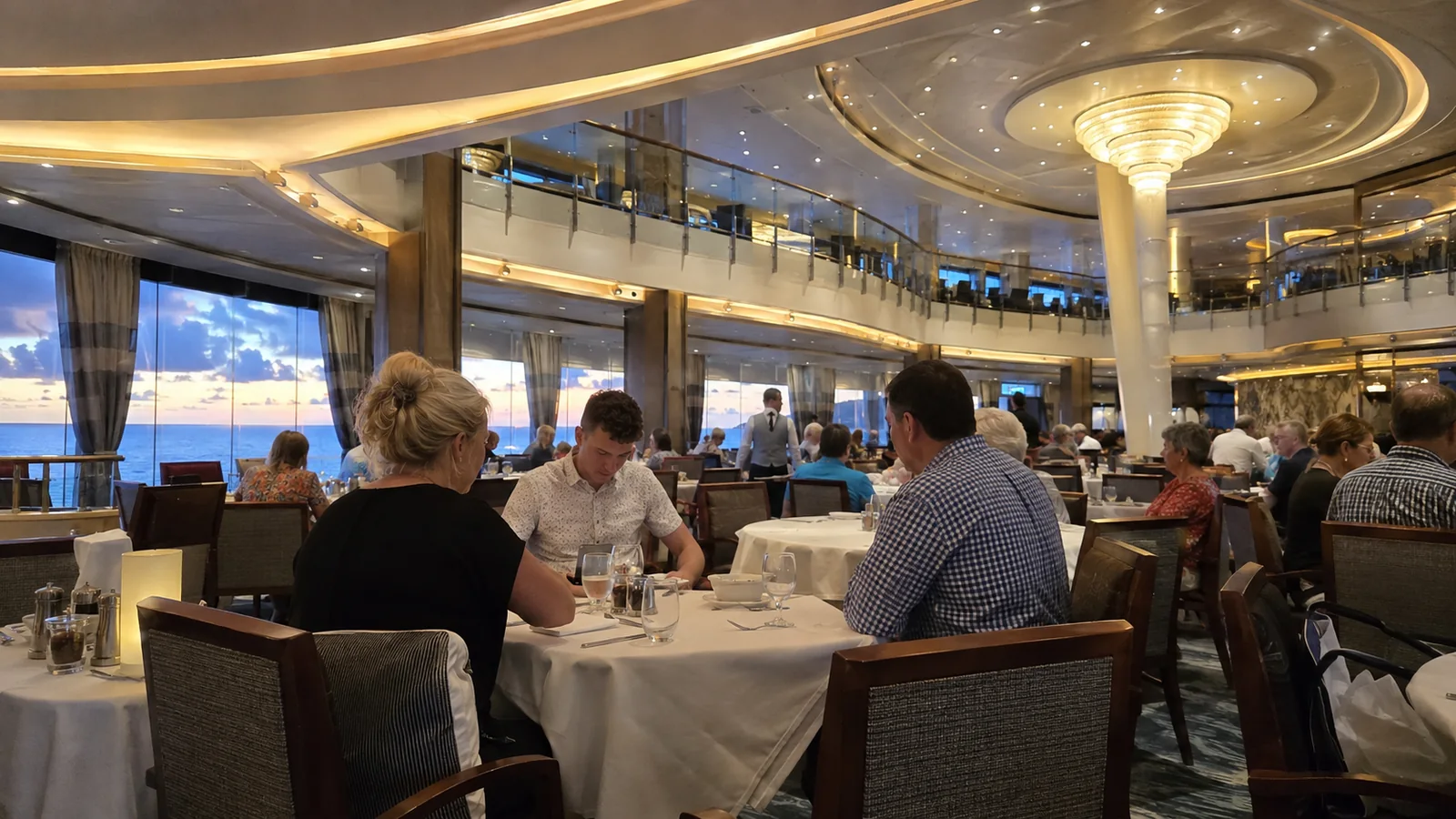
My quick dining-time choices
- Early dining: best when a regular dinner and earlier bedtime matter.
- Late dining: useful when you want more time after port and do not mind eating later.
- Flexible dining with reservations: my starting point for a varied itinerary.
- Walk-in dining: practical if you can tolerate a wait or eat outside the busiest period.
- A large group: choose a dependable shared arrangement before boarding rather than expecting a large table whenever everyone appears.
I would look at the port schedule and likely wake-up times before selecting a seating. A late dinner can feel very different when the next morning starts before sunrise.
Early dining protects the evening routine
An early seating puts dinner on the calendar before the night gets busy. It can suit families, early sleepers, and anyone who feels better eating well before bed.
The tradeoff is the return from port. A sightseeing day that ends late can leave little time to shower and change before an early dinner.
I would choose early dining if most port calls finish with a comfortable gap before the seating. If several days run late, flexible dining may save repeated decisions about whether to skip the main dining room.
An early meal can also leave time for an evening show or a quiet drink afterward. Check the actual performance schedule rather than assuming every ship offers every show twice.
Do not force a hungry child to wait through another activity because dinner is theoretically close. A suitable small snack can help, but your chosen seating should still fit the family’s normal rhythm.
Late dining leaves more room after port
Late seating can make a long afternoon ashore feel less hurried. You can return, clean up, rest, and then have dinner without turning the trip back to the cabin into a race.
I would favor it for adults who normally eat later and do not have repeated early excursions. It can be a poor fit if you are already tired before the first course arrives.
Think about the full meal, not only its starting time. A leisurely dinner beginning late may end well after you usually go to bed.
If you tend to get hungry much earlier, include a modest afternoon snack in the plan. Eating a full second meal first can make the late seating feel unnecessary.
I would not choose late dining purely because early seating is unavailable without considering the alternatives. Flexible dining or an included casual venue may suit you better.
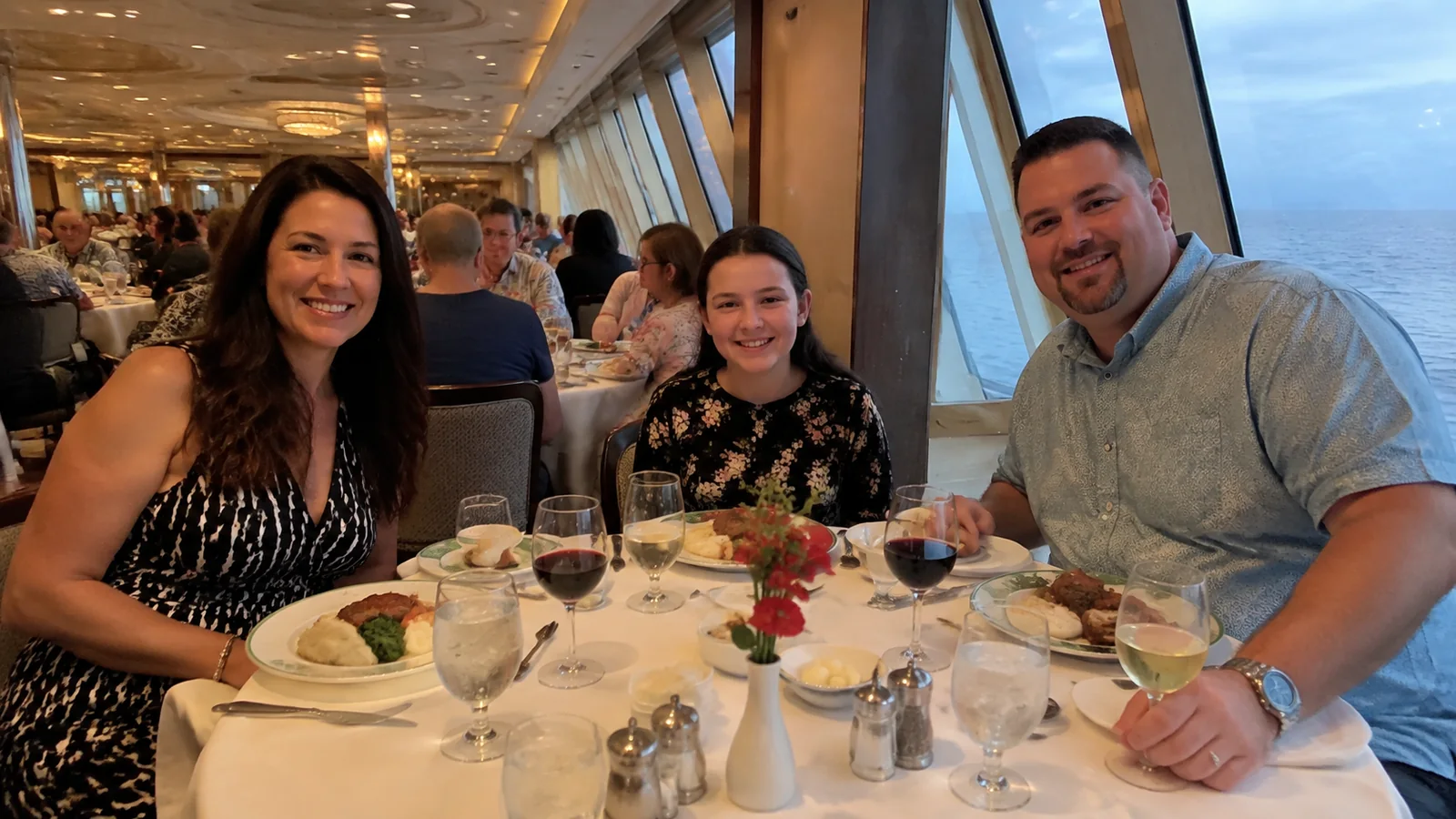
Flexible dining is not a promise of immediate seating
Flexible dining lets you choose among available times or arrive during the service window, depending on the ship’s system. It does not create an unlimited supply of tables at the most popular hour.
Royal Caribbean’s My Time Dining FAQ strongly recommends reservations to reduce seating delays. Requests for a particular table or server depend on availability.
I would book the times that matter, then leave lower-stakes evenings more flexible. That preserves the benefit without requiring a fresh dining decision every night.
If you walk in, ask for the realistic wait and decide whether you want to stay. A shorter wait later may be preferable to standing hungry at the entrance during the busiest period.
Do not make several speculative reservations for the same meal. Hold the time you intend to use and release it promptly if plans change.
Cruise lines use different dining systems
Royal Caribbean offers traditional early or late seating alongside My Time Dining. Its main dining room guidance explains that table assignments and requests can be discussed with dining staff after boarding.
Princess distinguishes traditional, reservable, and walk-in arrangements in its main dining room information. Check the choices offered for your ship and booking rather than assuming an old “anytime” description covers every current option.
Norwegian’s Freestyle Dining policy describes dining without fixed times or preassigned seating. That means the early-versus-late traditional seating decision does not apply in the same way.
I would use the actual reservation screen for the sailing to establish the available hours. Example times on a general FAQ are not a guarantee of your ship’s schedule.
A suite restaurant or another restricted dining room may follow its own system. Confirm those benefits before spending time making reservations you do not need.
Map dinner around the real port day
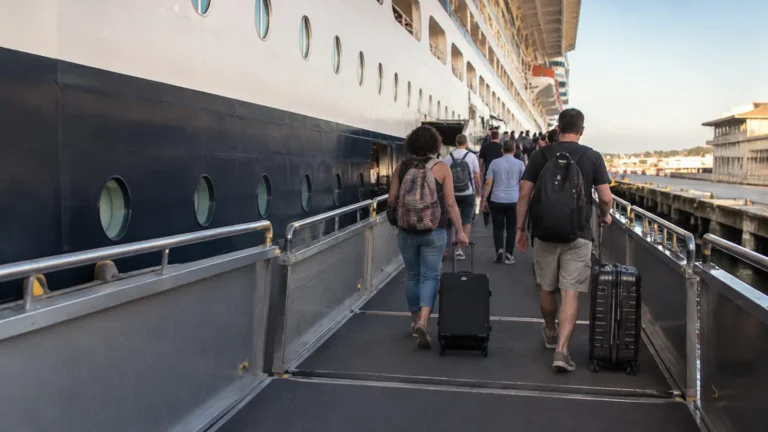
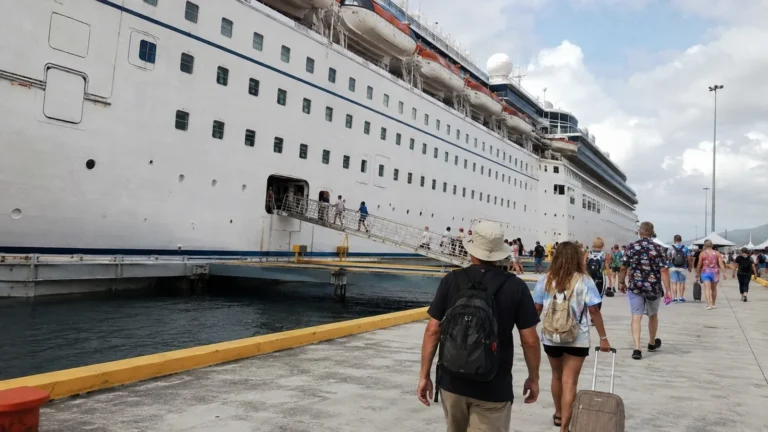
Start with all-aboard time, then add the time you expect to reach the cabin and get ready. If you are tendering, include the boat transfer instead of treating arrival at the shore landing as arrival aboard.
I would leave a larger gap after a distant excursion than after a walk near the pier. Road conditions, group drop-offs, and tender queues can change the last part of the afternoon.
My Naples port guide compares short local plans with trips farther away. The dinner choice that works after an easy city walk may be inconvenient after a long regional excursion.
On a day with a late sailing, consider whether you want dinner ashore where permitted and practical. If you do, release the onboard reservation rather than trying to use both meals.
For overnight calls, check the ship’s dining hours and access arrangements directly. An overnight itinerary does not establish that every restaurant stays open later.
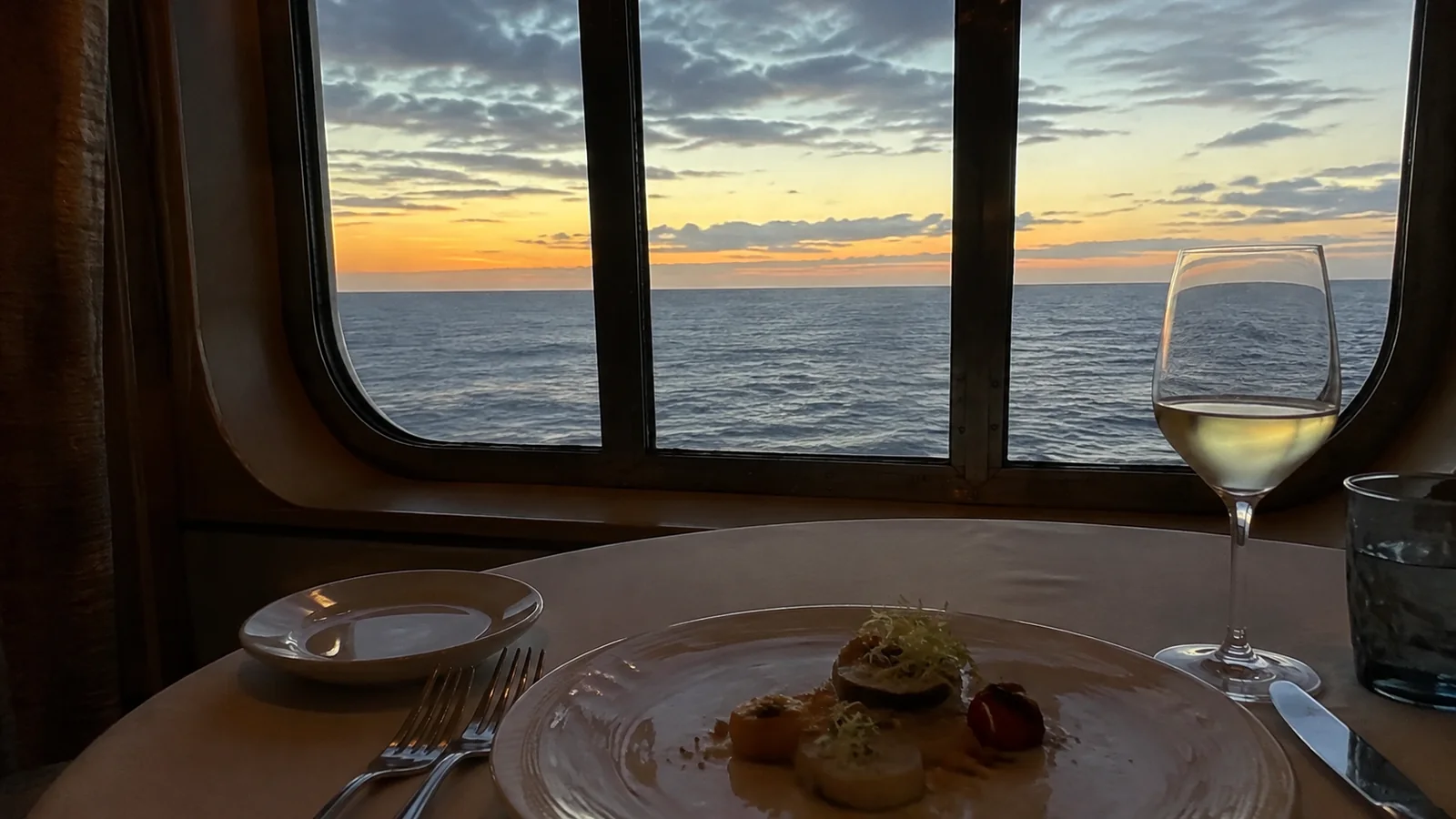
Leave breathing room before shows
Do not book dinner so close to a show that normal service feels slow. Allow time for the meal, walking to the venue, and any check-in or seating deadline.
I would protect the performance I care about most and choose dinner around it. On another night, I might prioritize a relaxed meal and skip a show rather than rushing both.
A show reservation may not be enough if late arrivals lose their seats. Read the venue’s arrival instructions before assuming you can turn up at the printed start time.
If you need a quicker meal, tell your server early and ask what is realistic. Do not wait until the main course arrives to announce that you have ten minutes left.
An included casual venue can be a better choice on a tightly scheduled evening. You do not need to use the main dining room every night to get value from your fare.
Families should choose the least demanding routine
For young children who normally eat early, I would start with early dining. A late seating may work on paper while making the whole table tired in practice.
For older children and teens, compare dinner with the activities they actually want to attend. Agree on which evenings are family meals and which can be more flexible.
My family cruise guide helps compare ship features, but the best dining arrangement is often the one that avoids daily negotiation. Predictability can be worth more than an extra hour by the pool.
Check whether youth-program hours and meal arrangements match your plans. Do not assume staff will collect children from dinner or provide a meal unless that service is confirmed.
I would let one demanding day have an easier dinner solution. A buffet or another included option can be more enjoyable than insisting everyone sit through a long meal.
Groups need a table plan before they need a menu
If several cabins want to dine together, ask the cruise line or travel advisor to link the relevant bookings for dining where supported. Linking reservations does not necessarily confirm one table, so check the assignment.
Agree on the time with the people who will attend most evenings. Choosing a slot that only suits one couple can create repeated friction for everyone else.
I would ask about nearby tables if the group is too large for a single comfortable arrangement. Being seated close together may work better than delaying dinner until a huge table becomes available.
Flexible dining can still work for groups, but make reservations for the correct party size. Do not arrive with ten people on a reservation for four and expect the staff to solve it immediately.
For mixed preferences, plan a few shared dinners and allow separate meals on other nights. A cruise does not require the entire group to follow the same schedule every day.
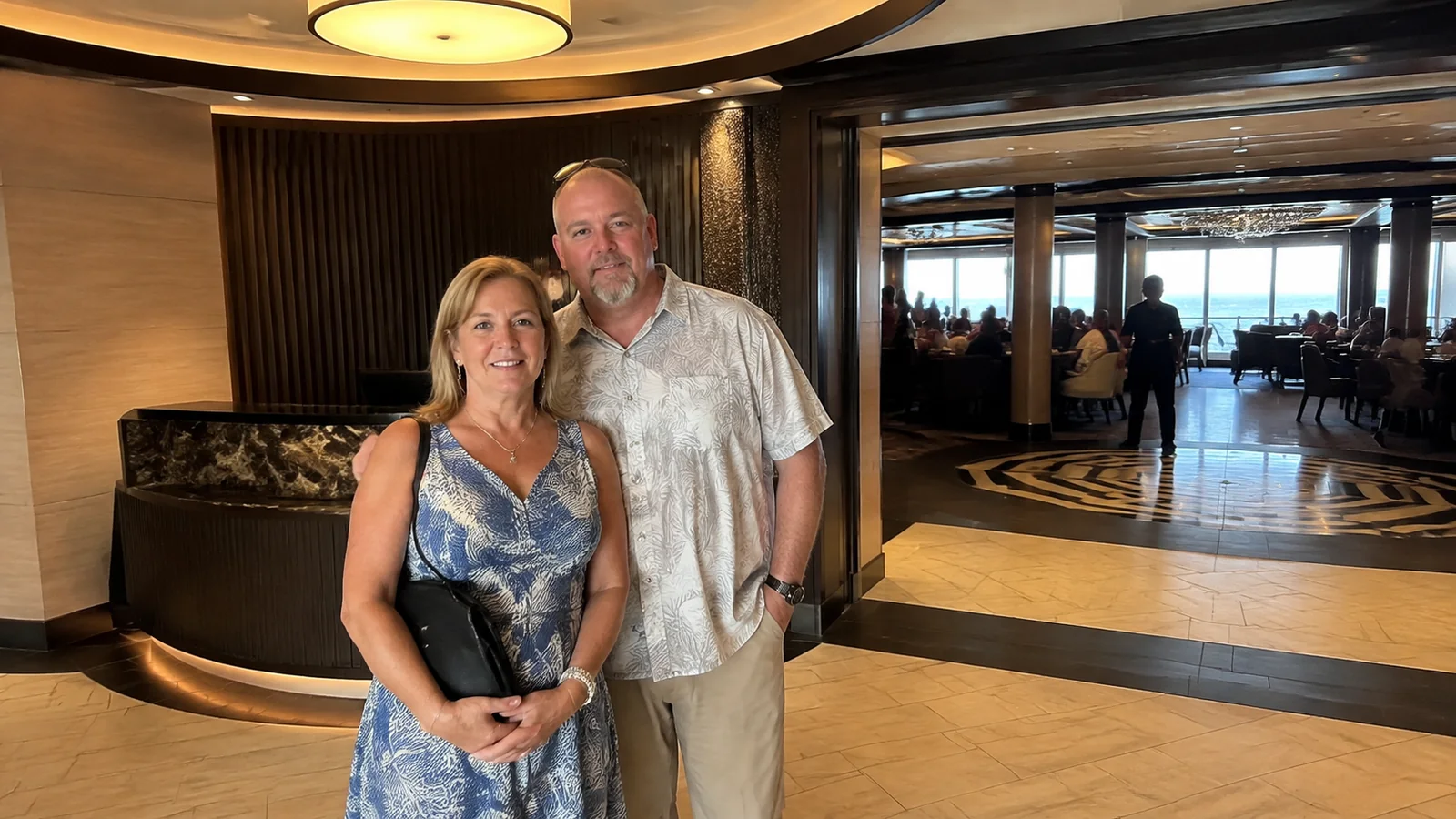
Tablemates and servers are separate preferences
Traditional dining commonly offers a consistent table assignment, which can make the evening feel familiar. If having the same team matters, discuss that preference rather than assuming flexible dining cannot provide any continuity.
A table for two may be available, but it is a request subject to the ship’s arrangements. Ask early if privacy at dinner matters to you.
I would be honest about whether I enjoy meeting other passengers over a meal. Shared seating is a benefit for some travelers and an unwanted obligation for others.
If the assigned table is not a good fit, speak calmly with the dining staff. Explain the practical issue instead of waiting several evenings and becoming increasingly frustrated.
Dietary needs and accessibility can affect the choice
Contact the line before sailing about significant dietary needs and confirm the onboard process. A consistent dining arrangement may make coordination easier, but it is not a substitute for direct communication with the staff.
If meal timing affects a medical routine, plan with your clinician and tell the dining team what accommodation you need. Do not rely on a walk-in queue resolving itself at the exact time you must eat.
For accessibility, consider the route from the cabin, waiting area, table clearance, and seating comfort. A convenient elevator route can matter more than a theoretical advantage of a particular dining time.
My deck-plan guide can help you understand the route between your room, restaurant, and theater. I would choose a manageable evening over a schedule that requires repeated trips across the ship.
Can you change your dining time onboard?
Ask as early as practical after boarding, especially if the assigned arrangement does not match your request. Availability may be limited, so bring a preferred alternative rather than insisting on one unavailable slot.
If you only need a different plan for one evening, ask about that night’s options. Changing the entire cruise’s seating may be unnecessary.
Cancel or modify app reservations through the proper channel and confirm the update. If the app is not working, ask dining staff rather than assuming a failed screen canceled the booking.
I would keep the initial request polite and specific: the number of guests, the evenings affected, and the time range that works. Staff can act more easily on that than on a general complaint that dining is inconvenient.
My final choice
For a varied itinerary, I would choose flexible dining and reserve the evenings tied to an early excursion, show, or celebration. For a family with a dependable bedtime, I would choose early seating and keep a casual alternative for long port days.
Late dining would be my choice only if it matches how I actually enjoy eating. A good dinner time should make the evening easier, not become another deadline the whole trip revolves around.