Cruising With Food Allergies: A Practical Dining Plan
I would choose a cruise with food allergies by the dining team’s ability to explain its procedures, not by the number of restaurants onboard. Notify the line early, discuss cross-contact explicitly, and carry the emergency medication and action plan prescribed for you.
A special request can improve preparation, but it does not make a ship allergen-free. The best plan covers breakfast, snacks, port meals, and emergencies as carefully as dinner.
The arrangements I would make before booking
- Send the exact allergens and relevant preparation needs to the line’s accessibility or dining team.
- Ask which venues can support those needs and whether advance meal ordering is required.
- Confirm the onboard contact who can discuss ingredients and cross-contact procedures.
- Review the travel plan with the clinician managing the allergy.
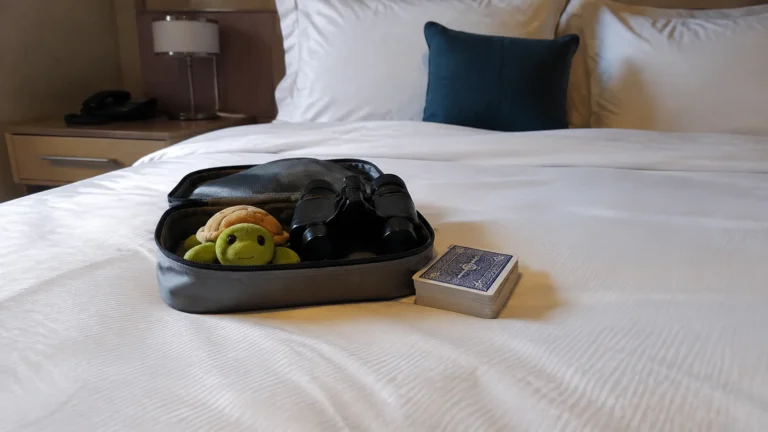
- Bring suitable permitted backup food and prescribed emergency medication.
If staff cannot answer a crucial preparation question, I would pause the booking and request a more specific response. “We have gluten-free options” does not answer a wheat-allergy question, and “vegan” does not establish that a dish is free of every relevant allergen.
Explain the allergy in useful detail
Give the cruise line a clear list of allergens using familiar ingredient names. Distinguish an allergy from an intolerance, celiac disease, or a dietary preference so the request goes through the appropriate process.
Describe what your clinician has advised about cross-contact and emergency treatment. Do not minimize the allergy to avoid seeming demanding, and do not invent additional allergies to simplify menu choices.
I would send a short written summary instead of a long history that buries the important details. Include the reservation, ship, sailing date, and contact information so the request can be linked correctly.
Ask whether the information covers everyone in the booking who needs support. Two family members with different allergies may require separate notes and meal arrangements.
Submit the request earlier than the minimum
Cruise lines use different deadlines and channels. Norwegian’s current dietary requirements page directs guests to the Access Desk at least 45 days before sailing.
I would contact the line at booking, especially for multiple allergies or unusual ingredients. Waiting until the minimum deadline leaves less room to clarify supplies, dining venues, or an unsuitable itinerary.
Save the reply and any form confirmation with the reservation. If you change ships, dates, or cabins, ask whether the request has transferred correctly.
A travel agent can help communicate, but I would still want the line’s own acknowledgment. A note in an agent’s file does not prove that the ship’s dining team has received it.
Ask about ingredients and cross-contact separately
An ingredient list tells you what goes into a recipe. Cross-contact concerns what can happen during storage, preparation, cooking, serving, and handling.
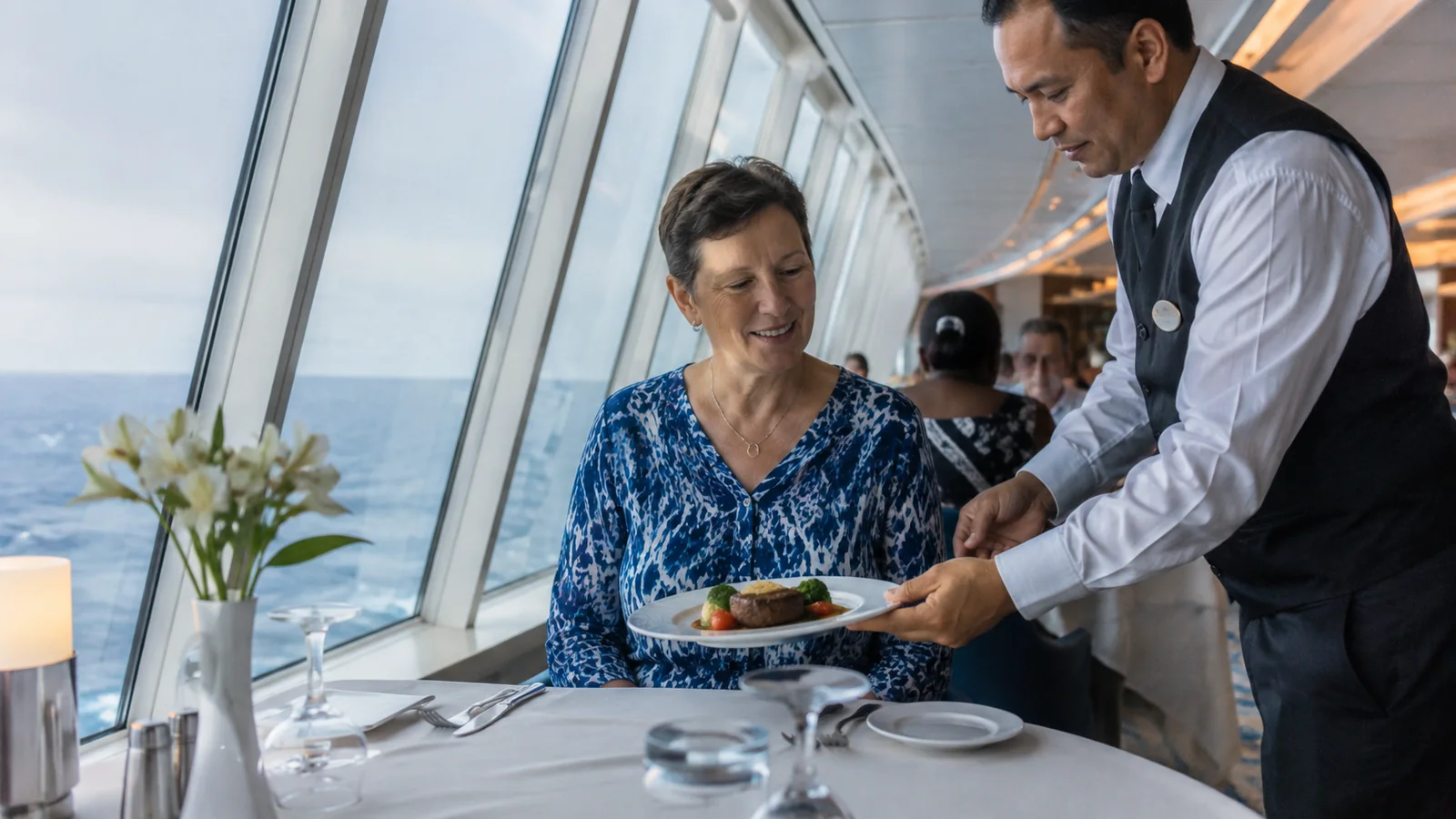
Ask how the kitchen handles separate utensils, preparation surfaces, shared fryers, grills, toasters, and serving equipment for the relevant allergen. The useful answer describes the process rather than simply promising to be careful.
For sauces, marinades, garnishes, and packaged components, ask staff to verify the ingredient information. I would not assume a plain-looking meal has only the ingredients visible on the plate.
If a dish arrives with an unwanted ingredient, ask for it to be assessed and remade appropriately. Removing the garnish at the table does not resolve every cross-contact concern.
Meet the dining team on the first day
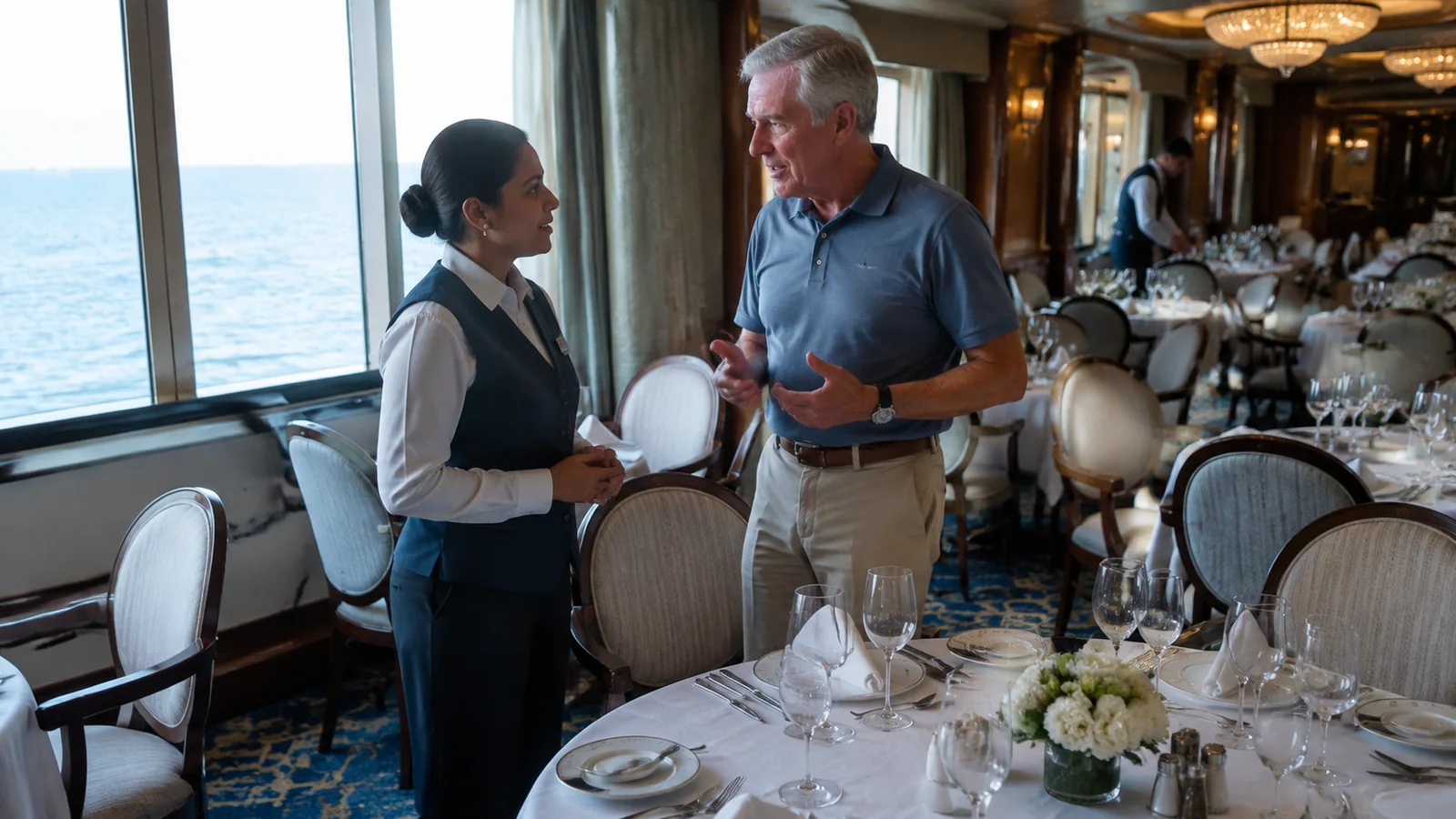
Ask when and where to meet the restaurant manager, head server, or chef responsible for special dietary requests. Bring the written summary so you are not explaining the entire situation from memory in a busy dining room.
Confirm how breakfast and lunch will work as well as dinner. A plan that only covers the evening leaves most of the day’s food decisions unresolved.
Ask whether you should review or order meals the day before and how to identify yourself at each venue. If dining is flexible, clarify how a new serving team accesses the request.
I would choose a predictable dining arrangement when it improves communication. Trying every restaurant is optional; having a workable meal routine is not.
Understand which venues can help
Disney’s special dietary requests guidance explains its request process and the limits of accommodating needs across venues. Check the current details for the restaurants and services you intend to use.
Specialty dining, room service, quick-service counters, and private-island meals may operate differently from the main dining room. I would ask about each rather than assuming an approved dinner request follows me everywhere.
A restaurant package is poor value if several included venues cannot support the required preparation. Confirm suitability before prepaying for meals that may be difficult to use.
For a celebration cake, tasting event, or chef’s menu, ask before making the reservation. A special occasion should not depend on the kitchen changing a fixed menu at the last moment.
Buffets deserve extra questions
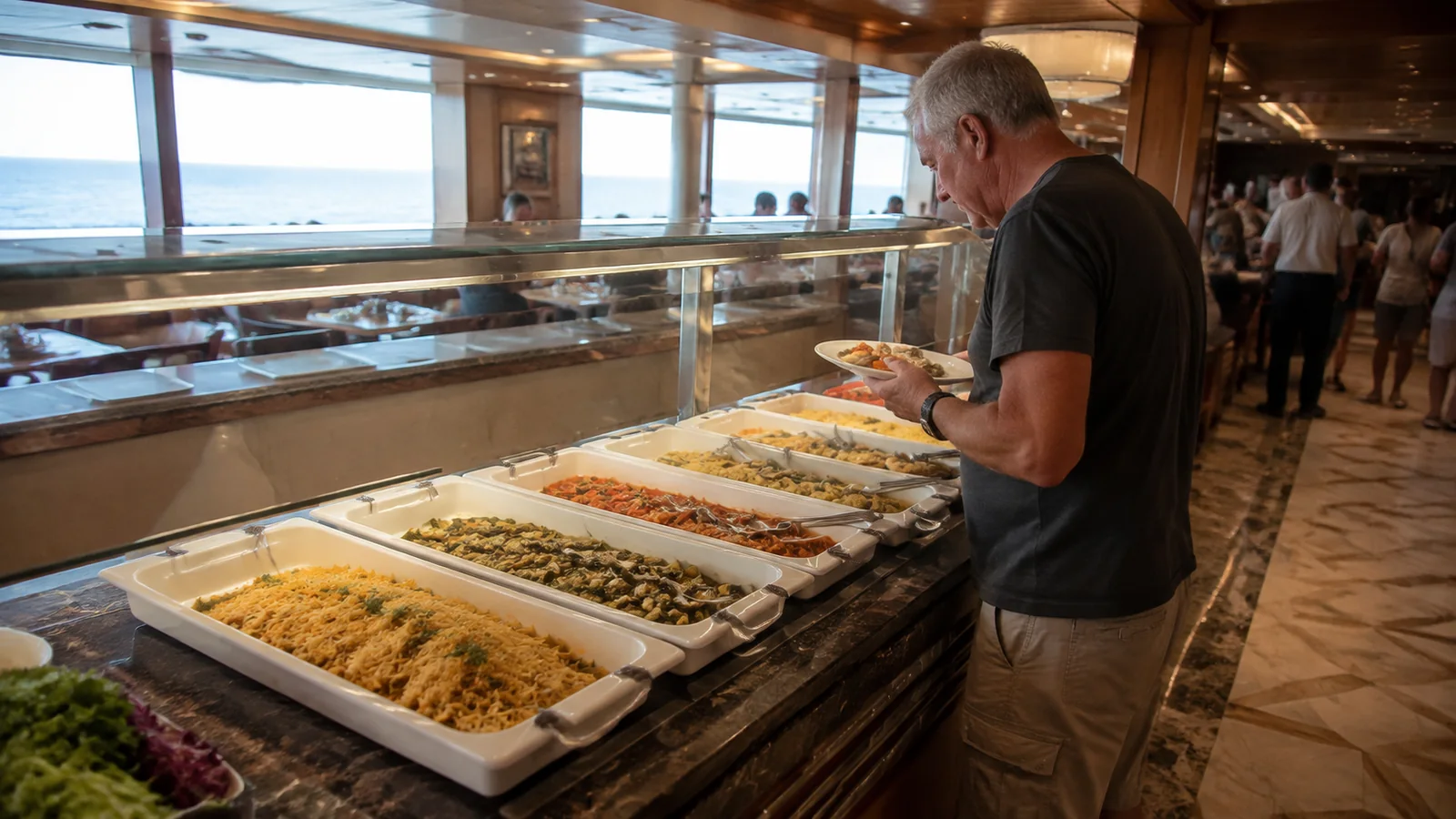
Shared serving utensils and food moved by other passengers make a buffet different from a meal prepared directly for you. A dish label alone cannot describe everything that happens after the tray reaches the counter.
I would ask the dining team whether a separately prepared meal or staff-assisted option is available. Let them explain the appropriate approach for the allergy instead of picking around neighboring foods.
At a crowded station, take the time to speak with someone who can verify the answer. A rushed guess from a well-meaning server is not enough when the ingredient or preparation method is uncertain.
Do not rely on another passenger to identify a dish. Recipes and suppliers can change even when the food looks familiar from an earlier sailing.
Carry an emergency plan that works at sea
Review the trip with the clinician managing the allergy, including the ship’s medical limitations and any remote ports. The CDC’s guidance for severely allergic travelers emphasizes an updated action plan, appropriate emergency medication, and preparation for limited availability abroad.
Carry prescribed emergency medication with you, including at meals and ashore. Do not leave the only supply in the cabin because the restaurant is a short walk away.
Ask your clinician how much to bring for the itinerary and possible delays, and check expiry dates before travel. Follow the product’s storage instructions during hot-weather excursions.
I would make sure companions know where the medication is and how to follow the traveler’s action plan. A short rehearsal at home is more useful than expecting everyone to learn during an emergency.
Know how to call for immediate help
FARE provides a clinician-completed Food Allergy and Anaphylaxis Emergency Care Plan. Use the instructions agreed with your clinician and learn the ship’s emergency number when you board.
For suspected anaphylaxis, use prescribed epinephrine as directed and call for emergency medical help immediately. Do not wait for an antihistamine to work or delay because the medical center is on another deck.
Tell responders the location, symptoms, allergen if known, and medication already given. Medical assessment remains necessary even if symptoms improve.
At ports, identify the local emergency number and how your tour operator would summon help. A short shore visit still needs its own emergency plan.
Children and youth clubs need a separate conversation
Tell youth staff about the allergy even if dining staff already have the information. Ask whether activities use food, whether snacks are served, and how medication and emergency communication are handled.
Confirm the line’s rules on staff administering medication and what the parent or caregiver must provide. I would not assume a children’s club can offer individualized medical supervision.
For a child old enough to participate, practice a simple way to decline food and tell an adult about symptoms. The goal is to support the child’s usual plan without making them responsible for managing everything alone.
My family cruise comparison can help narrow the ship choices, but allergy procedures deserve a direct check before the water slides decide the booking. A family-friendly label does not describe medical support.
Port meals should be chosen before you are hungry
Research a restaurant or excursion meal in advance and communicate the actual allergens. A translated allergy card can help, particularly where ingredient names or cooking methods may be unfamiliar.
Ask whether the operator can verify food preparation or whether you should arrange another option. I would skip an included lunch if nobody can give a dependable answer.
Check local rules before taking food off the ship. Some destinations restrict fresh food or other products even when they are intended as allergy-safe snacks.
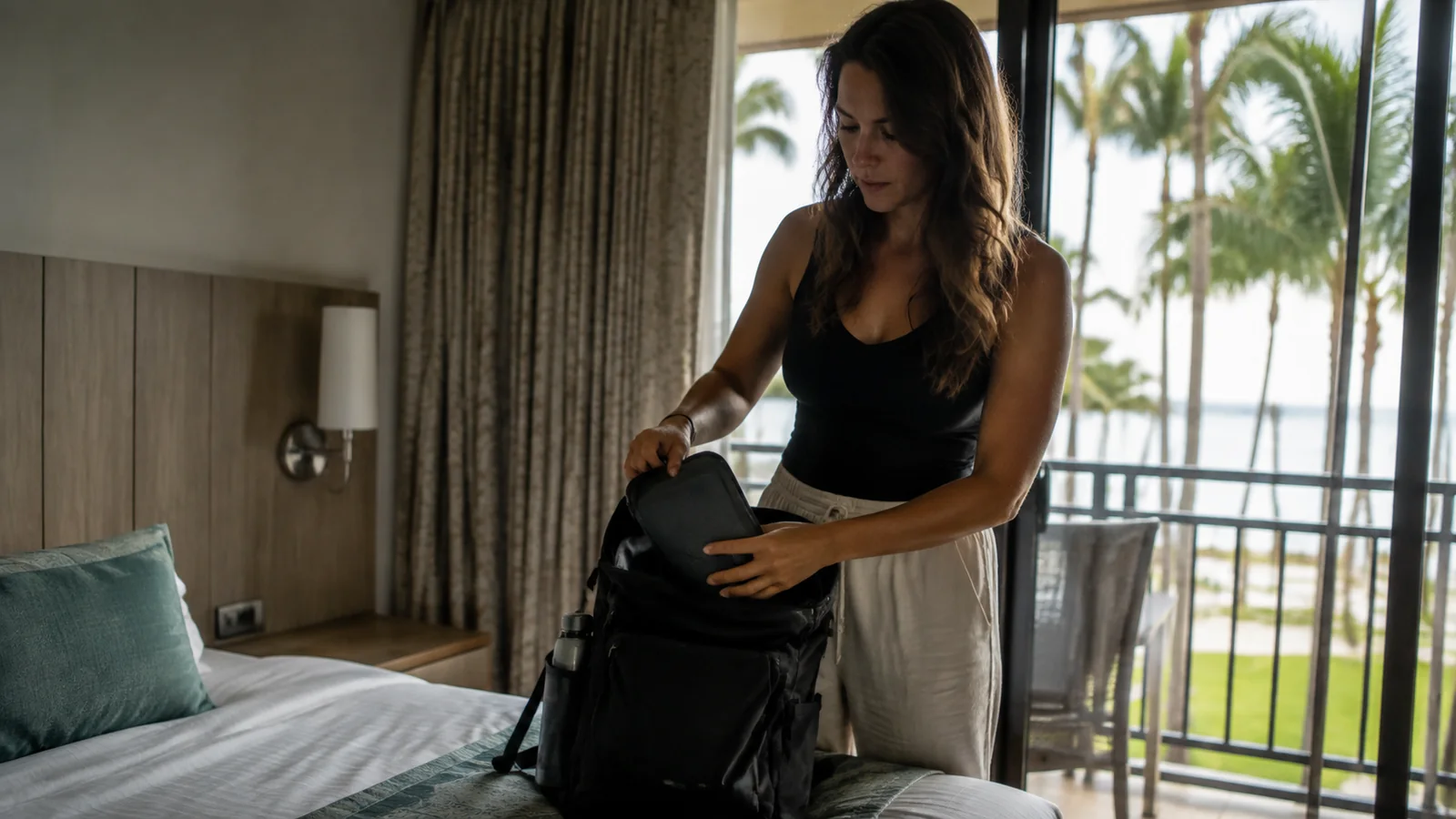
Pack permitted backup food for flights, transfers, and unexpected waits. My cruise packing list can help organize the day bag, with medication kept immediately accessible.
Keep the schedule easy enough to follow the plan
Leave time for dining conversations and any advance ordering the team requests. Rushing from a late excursion to a reservation makes it harder to check an unfamiliar meal carefully.
I would keep a suitable simple option in mind for a tiring evening. There is nothing wrong with repeating a meal that works instead of turning every dinner into a new negotiation.
Use my cruise planning tips to leave room between activities. The allergy plan should fit an ordinary vacation day, including when the ship changes the schedule.
My booking standard
I would book when the line can explain a workable dining process, the traveler has an individualized emergency plan, and port meals have sensible alternatives. I would never treat a request confirmation as a guarantee of an allergen-free environment, but clear procedures can make the daily decisions much more manageable.