Cruise Security Screening: What to Expect at the Terminal
Cruise security usually involves screening your carry-on bags and checking passengers before boarding, with additional inspection when staff need a closer look. Arrive with documents accessible, permitted items easy to identify, and no questionable packing shortcuts.
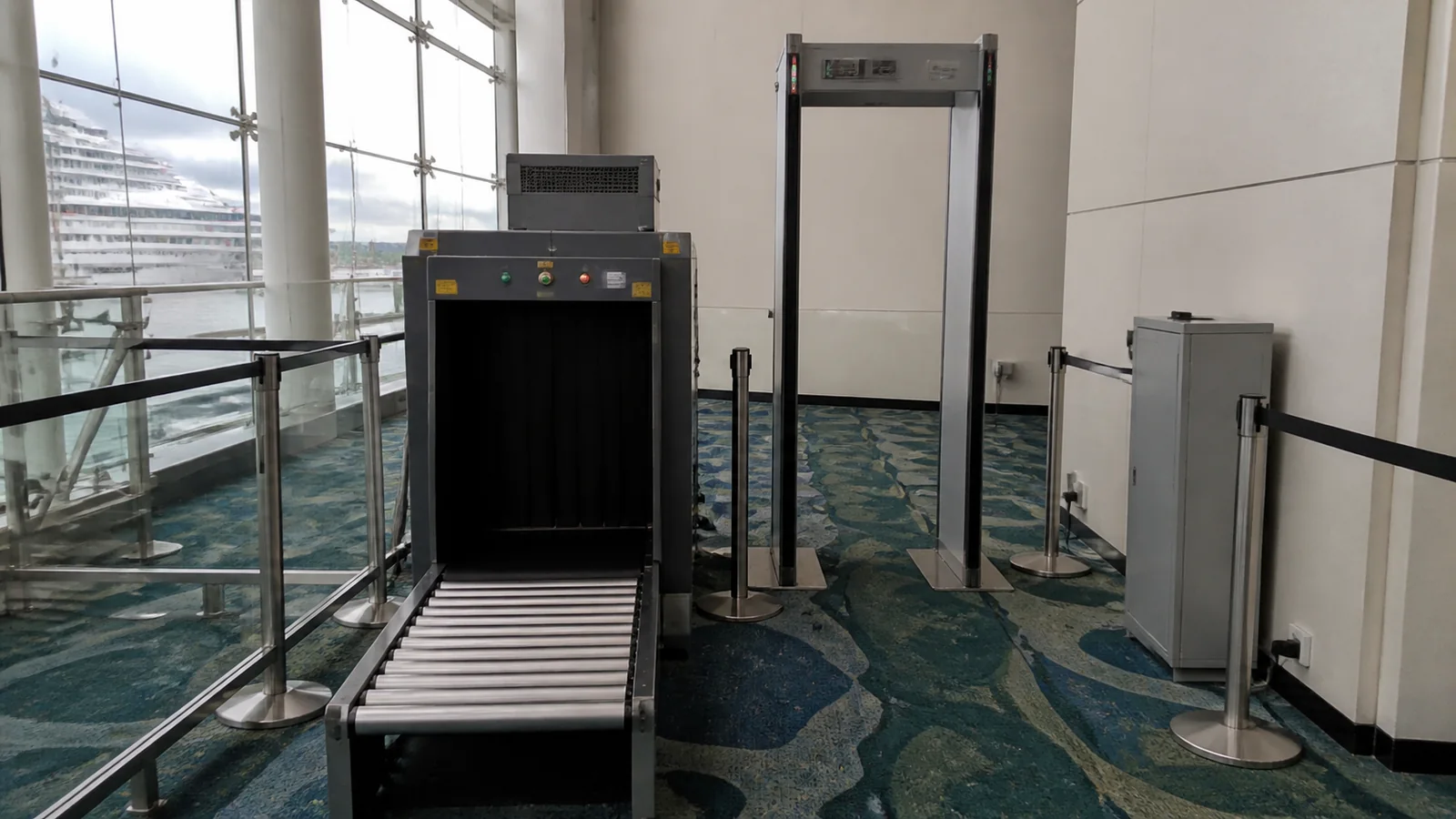
The equipment may look familiar from an airport, but cruise-line policies and the terminal’s instructions control what you can bring and how screening works.
The process to expect
- Follow the designated entrance and show boarding or identification documents when requested.
- Place bags and any items staff identify into the screening process.
- Follow instructions for passenger screening and any additional checks.
- Collect all belongings before leaving the area.
- Keep documents available for the next stage of check-in or boarding.
The order can differ by terminal. Follow the people directing the current sailing rather than assume a video from another port shows the exact process.
Pack for inspection before leaving home
Read the prohibited-items page for your cruise line and check it again before travel. Some items that seem ordinary at home, such as garment steamers or certain electrical adapters, may not be allowed onboard.
Look through every pocket of a bag you reuse for other trips. Forgotten tools, a pocketknife, or other restricted items can be more troublesome than the things you deliberately packed.
Keep original packaging or labels on items whose purpose may not be obvious. A clearly marked medical supply is easier to explain than an unidentified product moved into a plain container.
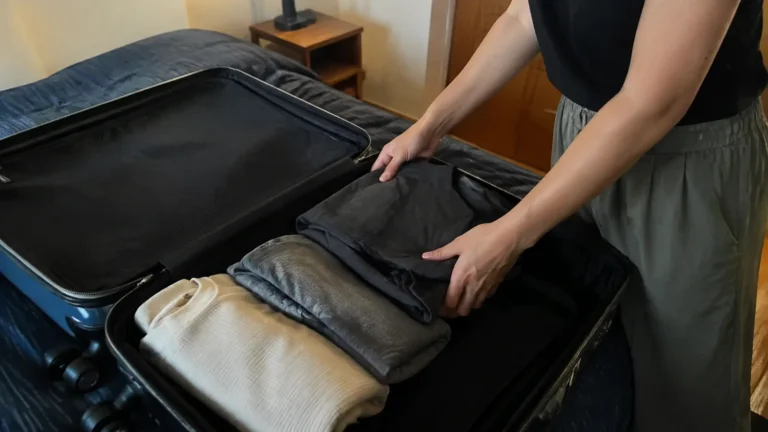
My cruise packing advice starts with separating essentials from checked luggage. For security, that also means organizing the carry-on so staff can inspect one item without emptying everything else.
Documents and security are related but separate
A terminal employee may check your boarding pass and identification before you reach the screening equipment. Another employee may verify travel eligibility later in the process.
Keep the original documents required for your citizenship and itinerary available until staff finish checking them. An accepted passport scan during online check-in does not remove that requirement.
Return the documents to the same secure pocket after each inspection. Placing them in whichever tray or jacket pocket happens to be nearby makes it easier to leave something behind.
A missing document and a questioned bag are different problems, so describe the issue clearly when asking for help. The staff member who screens bags may not be the person who resolves a reservation or citizenship-document question.
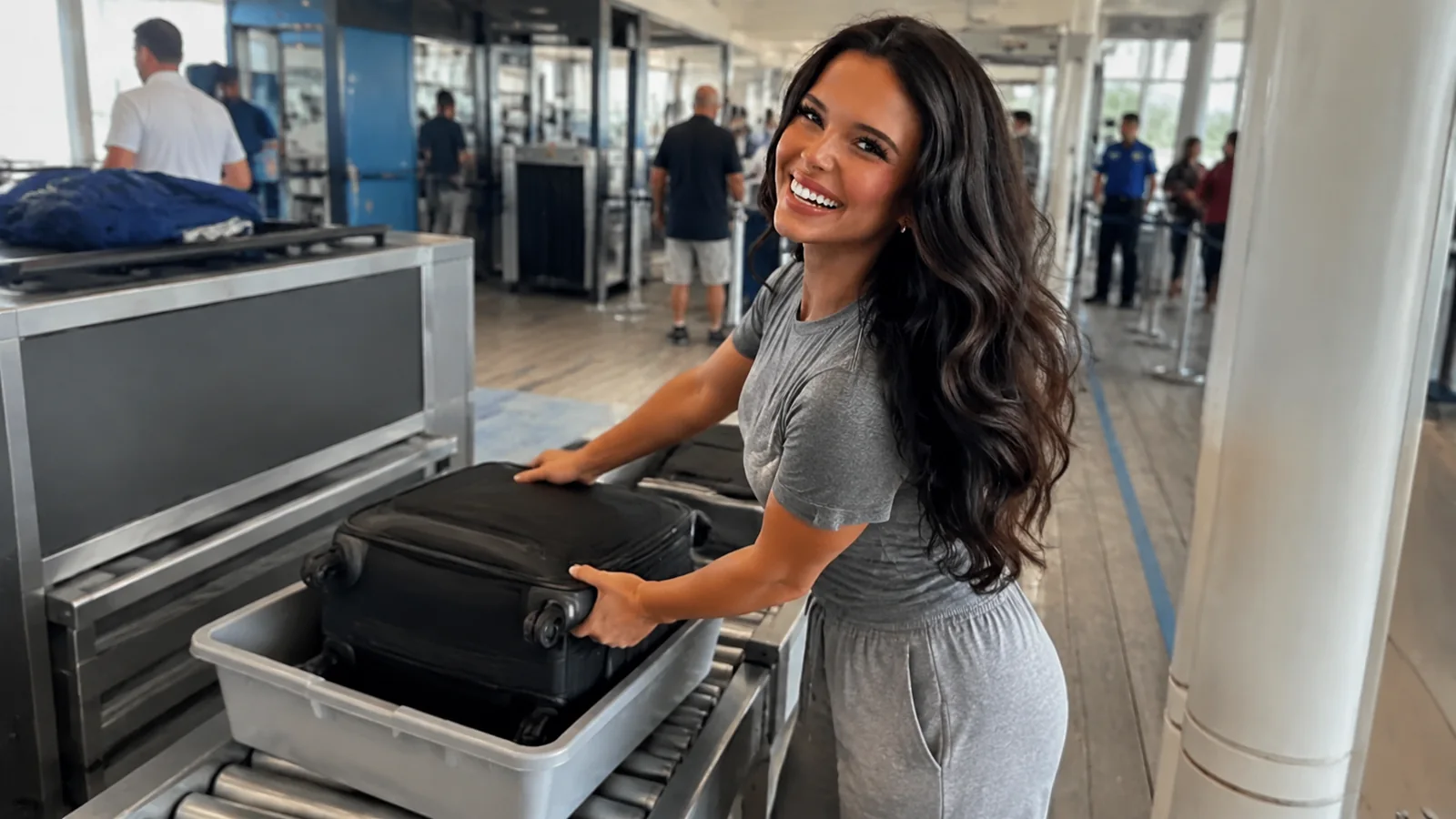
What happens to your carry-on?
Expect carry-on baggage to be screened, commonly through X-ray equipment. Staff may ask you to remove or reposition an item so they can inspect it more clearly.
Royal Caribbean’s luggage guidance notes that carry-on bags must fit through the port’s screening machines. Check the size rules before deciding to carry every suitcase onto the ship myself.
Follow local instructions for electronics, pockets, shoes, belts, or outerwear. Those details can change with equipment and screening procedures, so a blanket promise that you will never remove a particular item is unhelpful.
Keep an eye on your belongings as they move through the process, without stepping into restricted working space. If your bag is diverted for inspection, wait for the employee’s direction rather than reaching for it yourself.
Passenger screening and additional checks
You may pass through a detector or undergo another screening method used at the terminal. If an alarm or question arises, staff will direct the next step.
Empty pockets when asked and describe any relevant medical equipment before screening begins. Do not assume an alarm means someone has done something wrong.
Ask for clarification if you do not understand the instruction. A short question is better than guessing, particularly when movement, communication, or medical needs affect what you can do.
Royal Caribbean’s guest conduct policy makes participation in security screening a boarding requirement. Address a concern with staff rather than refuse the process and assume it can be skipped.
Medical devices and mobility assistance
Contact the line’s accessibility team before sailing if you need a particular screening or boarding arrangement. Explain the functional need and the equipment involved so the right team can advise you.
Carry essential medical supplies and any relevant approval or prescription information. Do not put equipment you need during boarding in a checked bag just to reduce the carry-on load.
If a device manufacturer gives specific screening instructions, have that guidance available and tell staff before the device reaches the machine. Not improvise medical-device advice based on how another passenger’s equipment was handled.
Royal Caribbean’s Guest Special Needs Form is one example of an advance request process. Use the corresponding service for your booked line and allow the notice period it specifies.
Someone who uses a wheelchair or scooter may follow a different physical route through screening. That does not mean document checks and inspection requirements disappear.
Food, beverages, and containers
Cruise beverage rules can differ sharply between lines. Quantity, container size, packaging, and whether an item must be carried on all matter.
Keep permitted drinks in the form the policy requires rather than move them into another container. A sealed bottle that one line accepts may be prohibited by another line’s cans-and-cartons rule.
Food also needs a separate check. Factory-sealed snacks, homemade meals, fresh produce, baby food, and medically required nutrition should not be treated as one category.
If staff ask to inspect a beverage or food item, show the packaging and answer the question directly. Do not describe it as medically necessary unless that is actually the case.
Keep documents separate from food and liquids in the bag. A leaking drink or a longer inspection should not make it difficult to produce your passport.
Electrical items are a common source of confusion
A power strip labeled cruise approved by a retailer is not automatically accepted by your ship. Read the actual line policy for surge protection, extension cords, multi-outlet devices, and permitted chargers.
Royal Caribbean’s current prohibited-items policy distinguishes prohibited electrical devices from specified charger exceptions. Check the device itself, including its markings, rather than rely only on the sales description.
A medical power need should go through the accessibility process. Do not assume putting a household extension cord next to a CPAP machine grants an automatic exception.
My forgotten cruise items guide is useful for the small essentials, but more gadgets are not always better. One permitted charger and the correct cables can be easier to manage than several uncertain adapters.
Checked luggage is screened too
Handing a suitcase to a porter does not bypass inspection. Checked baggage can be held if screening identifies something that needs further review.
Royal Caribbean explains its process in the guidance on luggage held by security. A suspected prohibited item can lead to additional onboard inspection.
If your suitcase does not arrive, check for messages or instructions before assuming it is lost. Ask whether there is an inspection issue or whether baggage delivery is still underway.
Avoid packing a borderline item simply because I hope checked luggage will receive less attention. The more practical choice is to leave it home or obtain a specific answer before departure.
If security will not allow an item
Ask what happens next under the line’s procedure. An item might need to be removed from your luggage, returned to a vehicle if that is permitted and practical, held, discarded, or referred to authorities depending on what it is.
Do not assume every item will be returned at the end of the cruise. The treatment of an ordinary prohibited appliance is different from illegal substances, weapons, or perishable food.
If something is retained for later return, ask whether you receive a receipt and where collection happens. Keep that information with your departure reminders.
Ask politely for a supervisor if there is a genuine conflict with written approval for an essential item. A calm explanation with the exact model and approval is more useful than arguing that a friend brought something similar.
Families can make the line easier to manage
Before reaching the equipment, decide who is helping each child and who is collecting the bags. Keep the group together unless staff direct a different arrangement.
Tell children in simple terms that their bag or toy may need to go through a machine and will come back. A familiar explanation can prevent a small surprise from becoming a difficult moment.
If a child or adult has sensory or communication needs, discuss them with the line ahead of travel and tell staff what assistance would help. Do not promise that every terminal offers the same quiet area or queue arrangement.
My guide to family cruises helps with ship selection, but the terminal plan should fit the actual travelers. A manageable bag and a clear adult role are useful regardless of which ship you choose.
Before walking away from the screening area
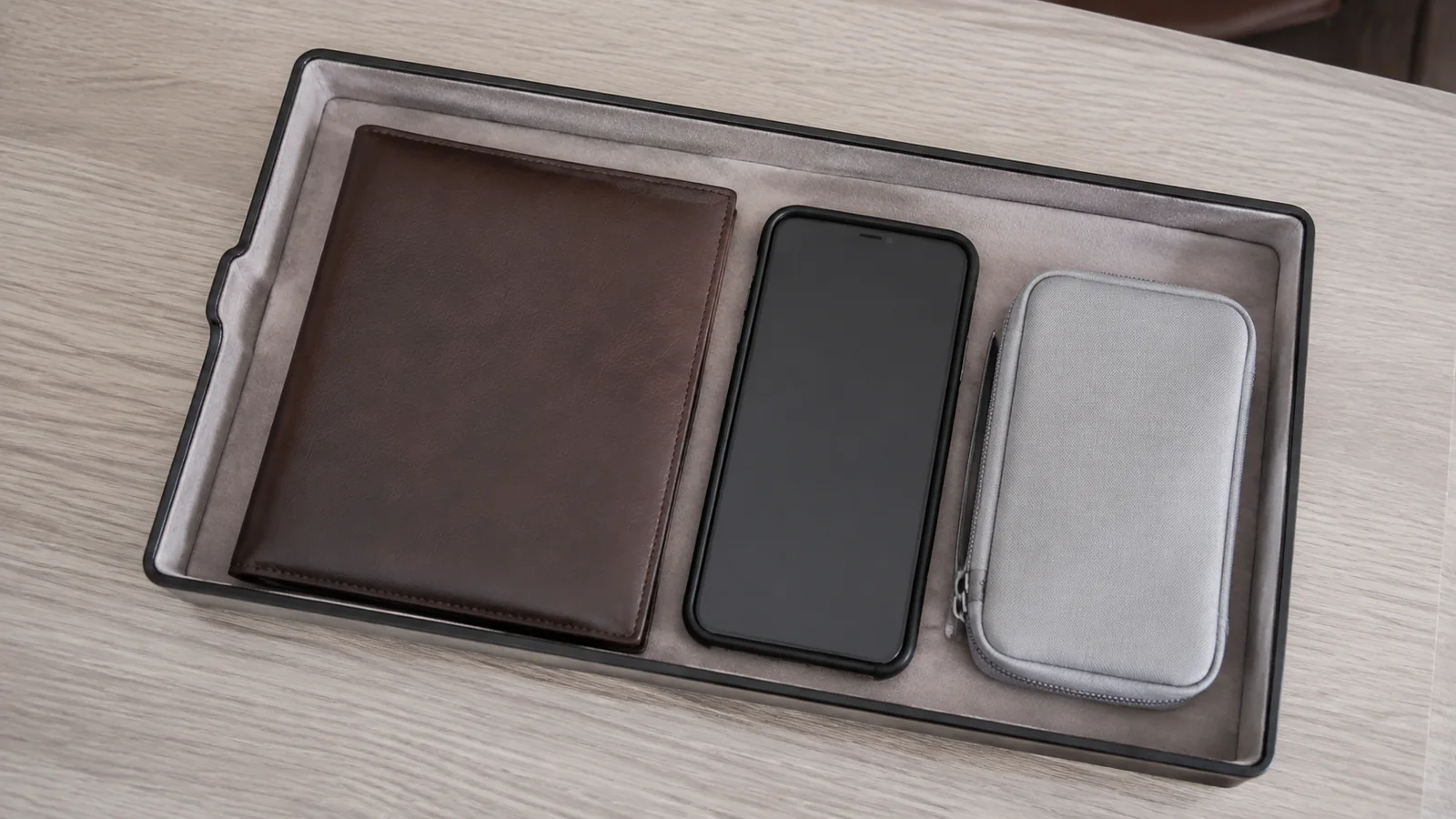
Check the tray, belt, pockets, and bag openings before moving on. Count phones, documents, wallets, and medical items rather than looking only for the largest suitcase.
Repack in the designated area so you are not blocking people behind you. If something seems missing, tell staff before leaving the checkpoint.
Keep your boarding information accessible for the next scan. Finishing the security portion does not necessarily mean you are ready to put every document away.
Is cruise security exactly like airport security?
No. Some equipment is similar, but the cruise line’s rules and the terminal procedure are separate from airline and airport rules.
Can I use TSA PreCheck to skip the cruise line?
Do not assume an airport program applies to cruise screening. Follow the terminal’s stated process and any benefit specifically listed for your sailing.
What if I am embarrassed about a personal item?
Ask whether a private discussion or inspection is available. Explain the concern briefly and let staff tell me how they can handle it.

My approach to the checkpoint
Pack clearly, check the current rules, and keep documents and essential supplies easy to reach. Once at the terminal, following the staff’s instructions is the fastest useful plan, with questions raised calmly when you need help.