Obstructed-View Cruise Cabins: When I Would Book One
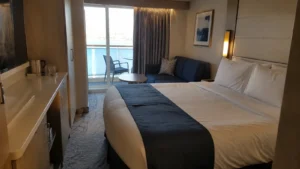
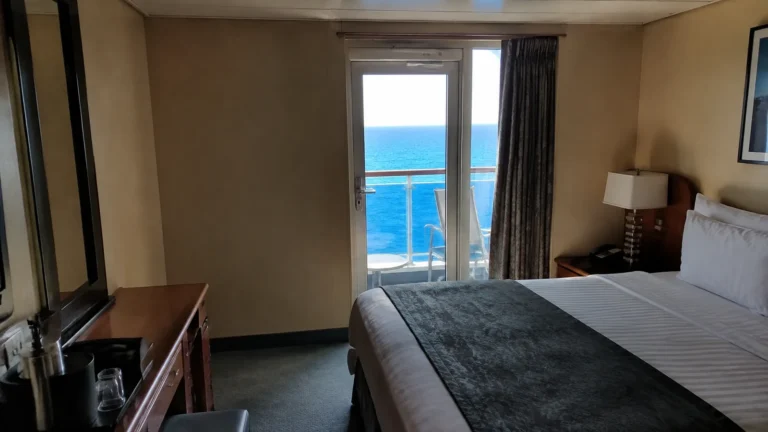
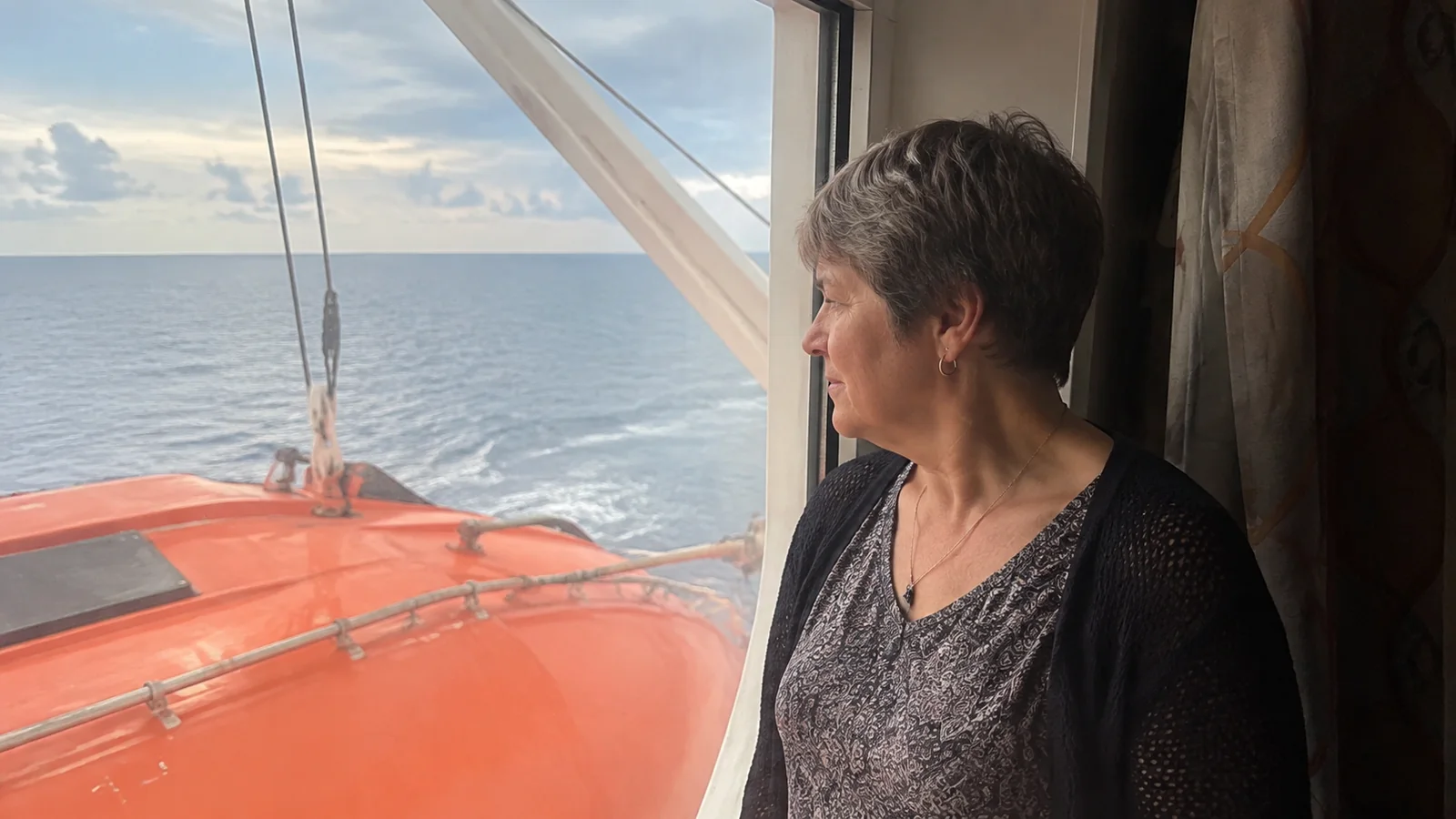
I would book an obstructed-view cabin only after identifying what blocks the view and seeing the room’s actual sightline. A lifeboat below your balcony, a steel railing in front of your chair, and a tender filling your window are very different compromises.
The best bargain is a room whose limitation you can comfortably accept, not simply the cheapest cabin with a window.
My quick test for an obstructed-view deal
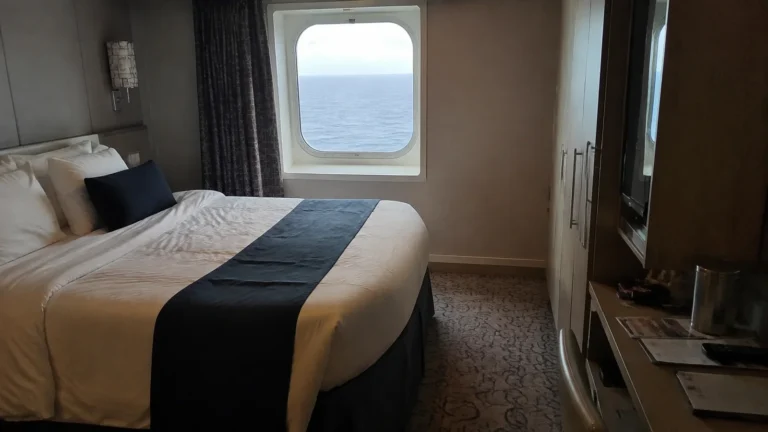
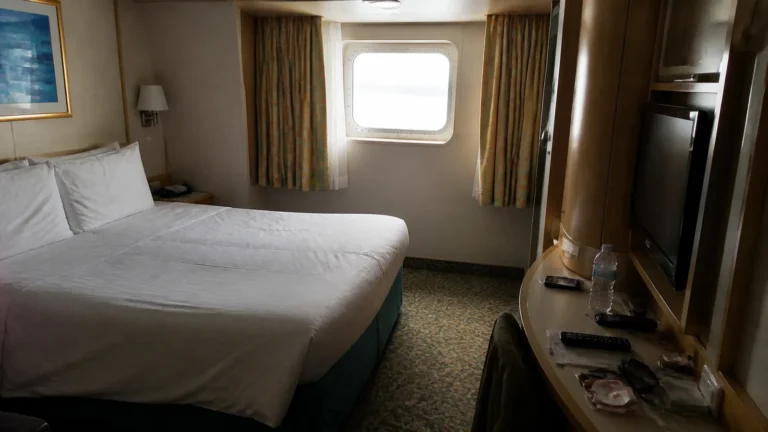
- For daylight at a low price, I would consider an obstructed oceanview if photographs show how much light reaches the room.
- For a balcony used mainly for fresh air, I might accept equipment below the railing if the forward view remains useful.
- For seated ocean watching, I would avoid a solid railing or boat at eye level unless the savings are substantial.
- For scenic cruising from the room, I would pay more for a verified clearer view.
- If the obstruction cannot be explained, I would choose a different known room or budget for the category as a whole.
An obstruction can be acceptable while the location is excellent for sleep. My guide to cruise cabins to investigate helps keep the view from overshadowing every other booking consideration.
Read the category code and the symbol together
Cruise lines do not use a universal obstruction code. A letter or number that means one thing on one line can mean something completely different elsewhere, and category assignments can change after a refurbishment.
I would record the full category name, its code, and the exact cabin number from the booking screen. Then I would match all three to the deck plan covering my sailing date.
The color of a room is not enough if the map also uses a separate obstruction symbol. Read the legend and any footnotes describing specific exceptions within a broader category.
Royal Caribbean’s official deck-plan guide explains how maps identify features including obstructed views. My deck-plan reading guide walks through the surrounding-location check once you have decoded those symbols.
I would not assume that a higher-priced subcategory eliminates every visual limitation. Ask what is physically outside the particular room rather than treating a category ranking as a promise of your preferred view.
Fully obstructed does not necessarily mean no daylight
A large object can block the ocean while leaving sky and daylight visible around it. That might still be a worthwhile improvement over an inside cabin if knowing when morning arrives is your main reason for paying more.
The reverse problem is a partially obstructed cabin whose blockage sits exactly where you want to look. A relatively narrow beam can interfere with a chair’s straight-ahead view even when much of the wider opening remains clear.
I would compare the window or balcony from the bed, the chair, and a standing position. A photograph taken with the camera pressed against the glass may be technically accurate while showing a view you will rarely use.
Do not treat percentages as a standardized measurement of enjoyment. If a booking page provides an obstruction percentage, ask what it describes and still request a photograph showing the object and your normal sightline.
Lifeboats, tenders, and davits create different problems
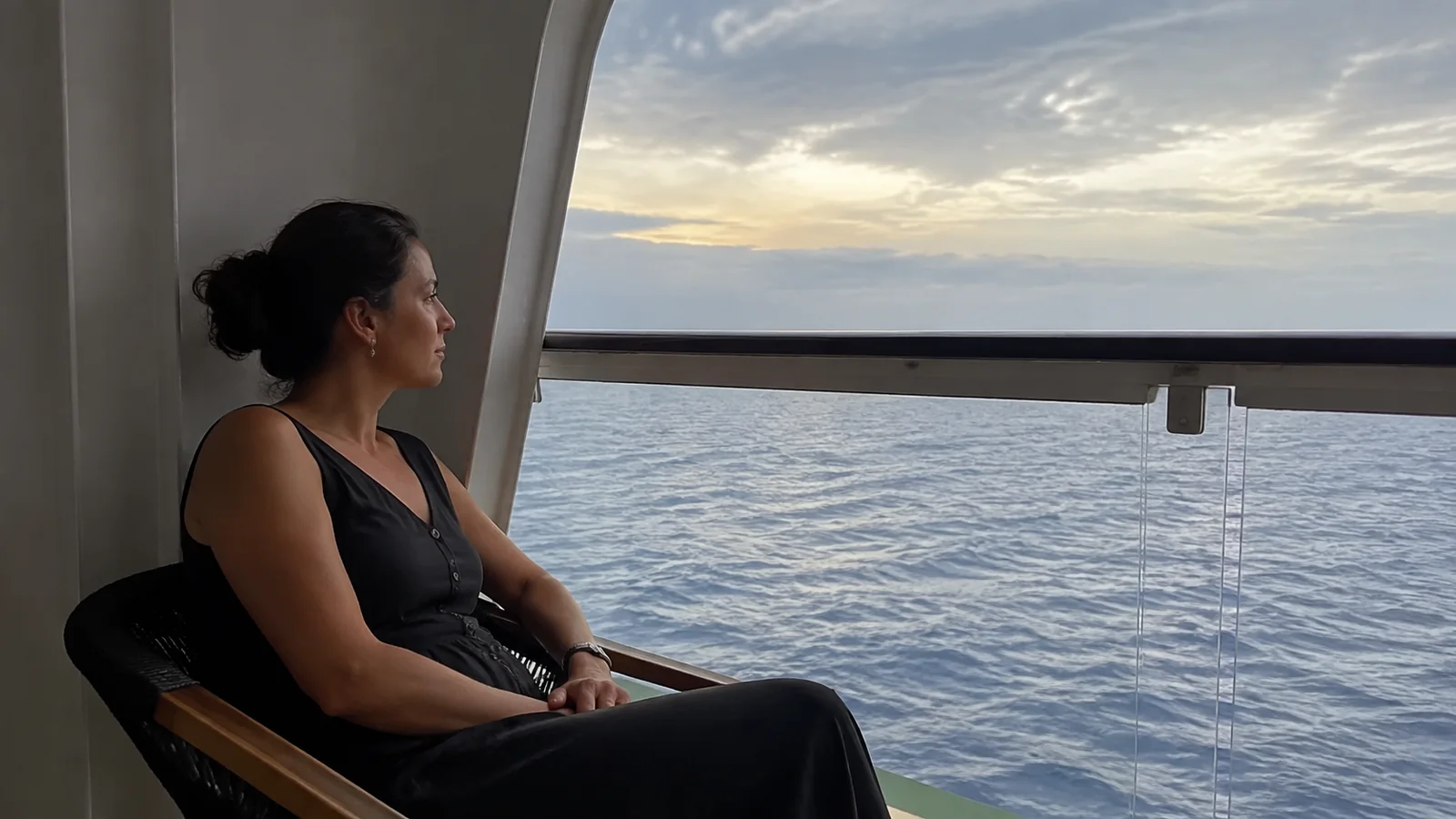
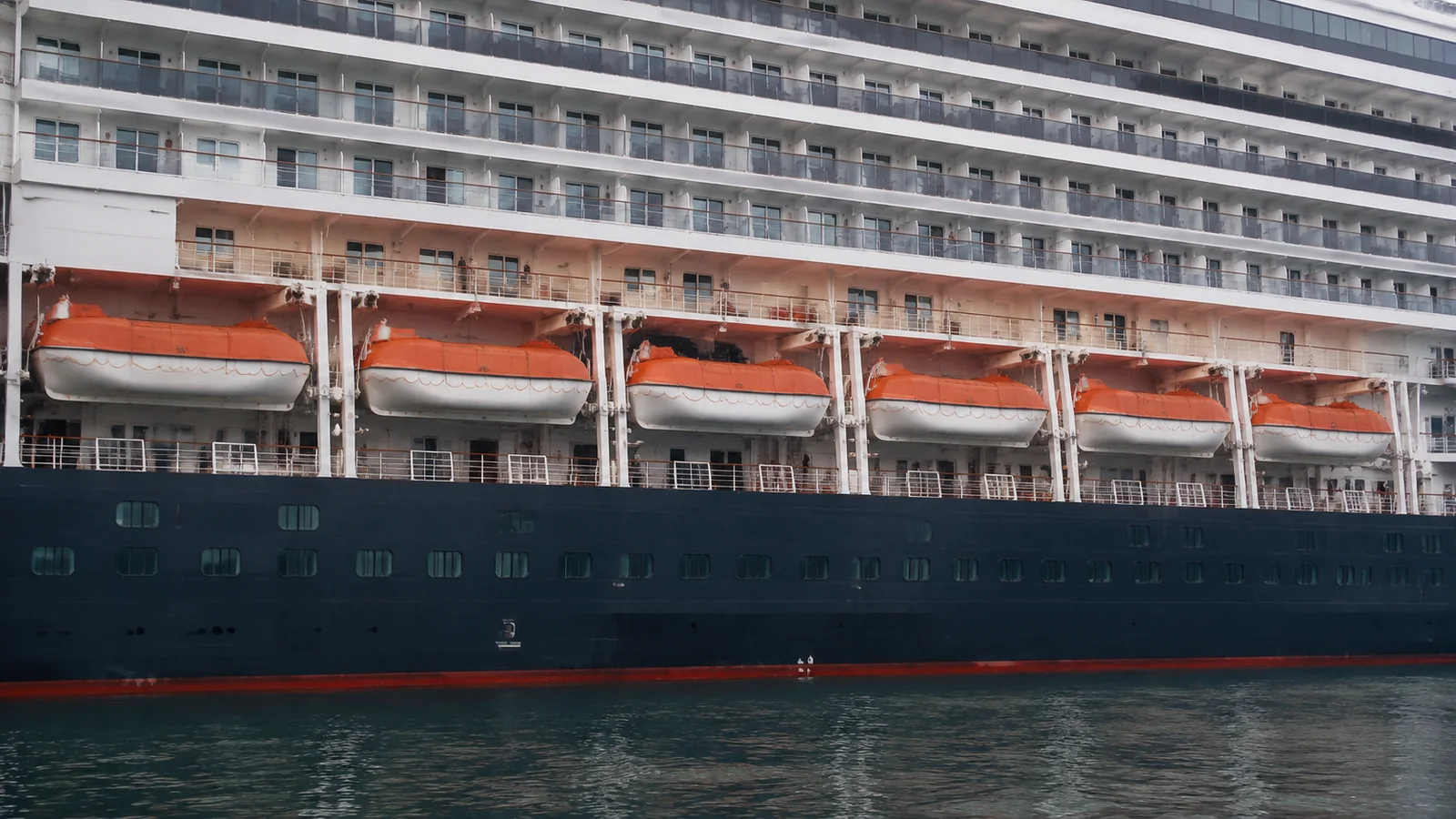
A boat below the balcony can block the view straight down without filling the horizon. A taller enclosed tender may reach much higher and take away a larger portion of the outward view.
The lifting equipment also matters. A cabin positioned near a gap between boats can still have a davit or other structure in front of it, so a general instruction to choose between lifeboats is incomplete.
I would look for a wide photograph including both the railing and the equipment. Close-ups of the sea beyond an opening are less useful than a plain view from the actual seating area.
If the obstruction sits below the railing and the fare is attractive, I would consider the cabin for a trip focused on ports. If I want to watch coastline from my chair for hours, I would be much pickier.
Remember that safety equipment is not a removable inconvenience. I would not plan around a boat being lowered or ask staff to move equipment for the view.
Steel fronts change the view while sitting down
A solid balcony front can leave an excellent standing view while hiding the water from a seated position. That is a design characteristic worth checking even when the listing does not use the word obstructed prominently.
Glass railings can also have framing, tint, reflections, or salt on their exterior. They usually provide a different visual experience from a solid wall, but the brochure’s perfect transparent panel is not the only possible condition.
I would compare the height of the solid section with the supplied chairs. This is especially relevant for a shorter traveler or someone who will enjoy the balcony from a wheelchair.
The right alternative might be another railing design rather than a higher deck. Moving upward does not solve a solid front if the replacement cabin has the same balcony structure.
Overhangs, beams, and recessed balconies
A deep overhang can reduce the amount of sky visible above you while providing shade. I would not automatically reject it on a hot-weather itinerary if I prefer reading outdoors without direct sun.
A balcony tucked behind the ship’s outer line may have restricted side angles. Its straight-ahead view can still be good, but it may not suit someone expecting a broad panorama along the coastline.
Forward hull sections and structural openings can create their own framing. Confirm whether you are looking through an opening in the ship’s structure or across a conventional open balcony.
I would choose the clear-view alternative when photography from several angles is a priority. For shaded fresh air and an occasional look outside, the less open room might be entirely adequate.
A neighborhood view is a different direction
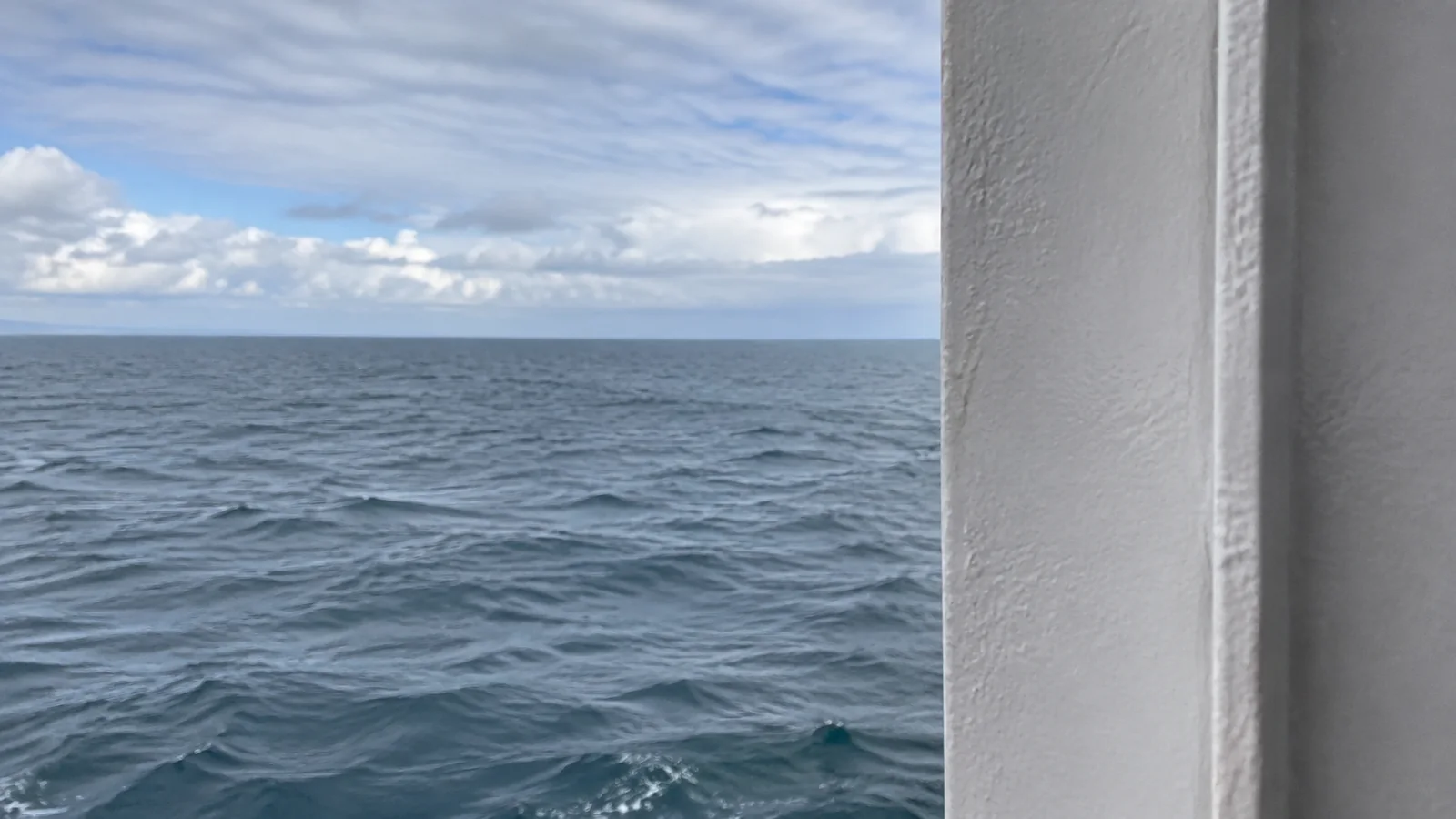
An inward-facing balcony is not necessarily an obstructed ocean-view balcony. Its intended view may be a garden, promenade, or family activity area, and that distinction should be explicit in the category you buy.
Privacy also deserves a separate judgment. People in opposite cabins or on a public walkway may see toward your balcony even when nothing physically blocks its view.
I would not pay an ocean-view premium for an inward category just because the word balcony appears in both descriptions. If watching the sea is essential, I would make outward-facing accommodation a requirement before comparing obstructions.
An ocean-facing room overlooking a public promenade creates yet another combination. The horizon may be clear while nearby foot traffic changes how comfortably you use the balcony or leave curtains open.
Use an official room example, not a fleetwide shortcut
Carnival Dream’s official accommodation descriptions list a Deluxe Ocean View category with obstructed views separately from its other oceanview options. That is a useful reminder that the room’s bathroom arrangement and capacity can remain attractive even when its outlook is compromised.
I would still investigate the exact cabin before booking it. A category description confirms the type of room, but it does not replace a photograph of the obstruction outside your window.
Never transfer a cabin-number recommendation from a sister ship without checking. Equipment placement, room numbering, and category boundaries can differ even when the overall vessels look nearly identical.
What photographs would convince me?
I would want the ship name, cabin number, and approximate date attached to the photograph or walkthrough. An anonymous image of a similar category is useful for general decor, but it is weak evidence for an exact obstruction.
Look for a slow pan from the doorway toward the window, followed by views from the chair and railing. That makes it harder for a flattering camera angle to hide the feature you are trying to assess.
Check both sides of the balcony where possible. A structure that blocks one direction may barely affect the other, which can be a fair compromise if you understand it in advance.
If all available images predate a refit, I would ask for current confirmation. I would rather say the evidence is incomplete than rely on a confident description of equipment that may have changed.
Compare three prices instead of two
Price the obstructed cabin against both an inside room and an unobstructed alternative. That tells you what you are paying for daylight or outdoor access, and what you would spend to improve the view.
Imagine an inside cabin costs $1,400, an obstructed oceanview costs $1,520, and a clear-view oceanview costs $1,860 for the same party and sailing. Those are hypothetical totals, but they show why the middle option can be sensible for someone who mainly wants natural light.
Now change the clear-view price to $1,580. I would be much more likely to pay the extra $60 for the whole trip if the locations and fare conditions were otherwise comparable.
Include the cabin’s surroundings in that comparison. A clear balcony under a busy outdoor venue is not automatically worth more to a light sleeper than a partially obstructed room buffered by cabins.
Guarantees require a different level of flexibility
With an assigned cabin, you can investigate one specific obstruction. With a guarantee, you may need to accept any eligible room within the terms, including a view limitation you would not personally have selected.
Royal Caribbean’s guarantee-stateroom policy explains that the line controls the exact room and location. I would read the precise category coverage before assuming a guarantee excludes obstructed or inward-facing options.
I would skip that fare if a clear seated horizon is nonnegotiable. The possibility of a better assignment is not a substitute for buying the feature you actually need.
Five-minute view check
- Record the cabin number, category code, and sailing-date plan.
- Identify the actual obstruction, not just its label.
- Find a dated view from a seated position.
- Check daylight, outward horizon, downward view, and privacy separately.
- Compare the total with both a cheaper room and a clearer-view option.
- Confirm whether you are selecting this exact room or buying a guarantee.
Questions worth asking before booking
Is a disclosed obstruction a reason to expect a free move?
I would not book on that assumption. If the cabin matches its disclosed category, a different room may require payment or may not be available.
Can a balcony still be useful with a limited view?
Yes, if you mainly want a private place for fresh air and the actual layout provides it. I would inspect usable seating space with the same care as the outlook.
Should I just book an inside cabin instead?
That can be the better value when the view is too compromised for you to use. My practical cabin organization tips can help make a smaller room work once you choose the layout you can afford comfortably.
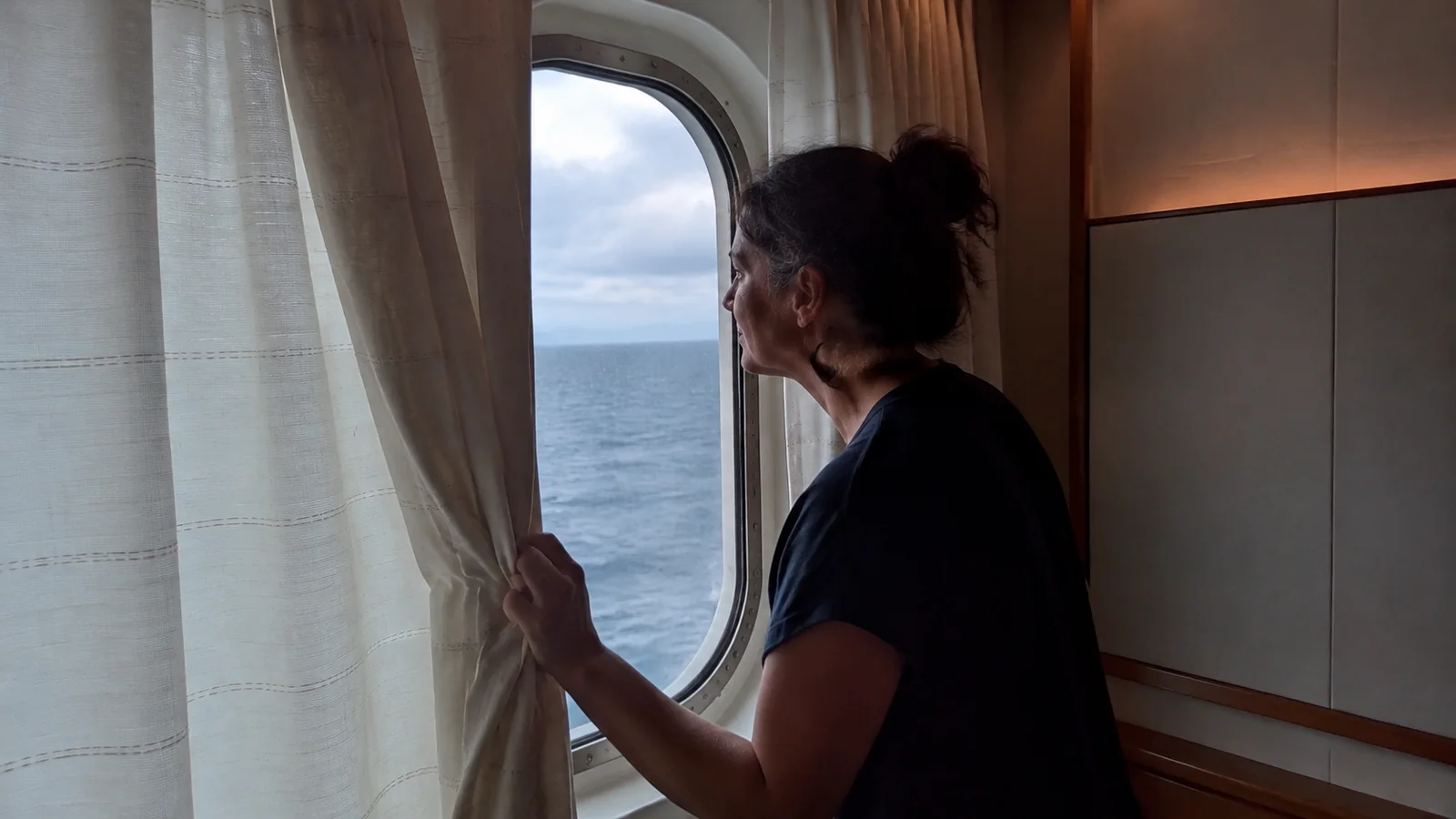
The obstructed room I would choose
I would buy a known cabin with a clearly documented, acceptable limitation and good sleeping surroundings. If the photographs cannot answer whether I will enjoy sitting there, I would spend my money on a clearer view or keep the savings with an inside room.