Alaska Weather in July: Temperatures, Rain, Daylight, and Packing
July gives Alaska travelers long days and the warmest normal temperatures of the main cruise season, but it is not a dry-weather guarantee. Ketchikan can be wet while Fairbanks is warm, a glacier cruise feels cold, and smoke affects an Interior extension that looked perfect on paper.
Alaska Weather in July: Temperatures, Rain, Daylight, and Packing
The useful answer is regional: expect mild, changeable coastal weather in Southeast, cooler wind on the water, moderate Southcentral conditions, and the broadest temperature swings in the Interior. Build every July day around layers and one dependable waterproof shell.
The climate numbers below come from NOAA’s 1991–2020 station normals, not a forecast or a statewide average. NOAA explains that climate normals describe typical conditions over a reference period, while your week can land far outside them.
July Weather by Alaska Route
Juneau and the northern Inside Passage
Juneau International Airport’s July normal daily high is 64°F and normal low is 50°F. Normal monthly precipitation is 5.14 inches, with measurable precipitation on about 19 days.
That does not mean 19 all-day washouts. Southeast rain often arrives as showers, drizzle, or a wet stretch interrupted by usable windows, but a strong system can still deliver sustained rain and low clouds.
Juneau weather matters for glacier viewpoints, whale-watching boats, helicopters, and mountain access in different ways. Low ceilings may disrupt a flightseeing excursion even when a walking tour operates normally.
Ketchikan and the wetter southern Inside Passage
Ketchikan International Airport’s July normals are a 65°F high, 53°F low, and 7.33 inches of precipitation. Measurable precipitation occurs on about 16 days in the normal month, so rain protection belongs in the day bag even under a bright morning sky.
Ketchikan can be slightly warmer at night than Juneau while receiving more total rain. That simple comparison is exactly why “Alaska averages 60 degrees” is not useful cruise advice.
Waterproof shoes help on docks, boardwalks, forest paths, and excursion boats. Choose traction over bulky insulation unless your activity operator specifies technical footwear.
Anchorage and Southcentral Alaska
Ted Stevens Anchorage International Airport’s July normals are 66°F for the daily high and 53°F for the low. Normal precipitation totals 1.82 inches, with measurable precipitation on roughly 12 days.
Anchorage is not an Alaska cruise port, but it is a common air and land-tour gateway for Whittier, Seward, Denali, and the Kenai Peninsula. Conditions can change sharply as you travel through mountain passes or toward the Gulf coast.
Do not pack for Anchorage and assume the same outfit will work on a Prince William Sound boat. Wind over cold water can make the marine day feel much colder than the city reading.
Fairbanks and the Interior
Fairbanks International Airport’s July normal high is 73°F and normal low is 53°F, with 2.26 inches of monthly precipitation. Measurable precipitation normally occurs on about 13 days, often with a different pattern from Southeast’s maritime rain.
The Interior can feel genuinely warm in the afternoon, then cool after rain or overnight. Air conditioning is not universal in every lodge or vehicle, so check accommodations if indoor heat affects sleep.
Fairbanks also has greater summer wildfire and smoke exposure than the Southeast cruise corridor. Smoke can reduce views and air quality hundreds of miles from an active fire, with no reliable month-long prediction.
What July Temperatures Feel Like
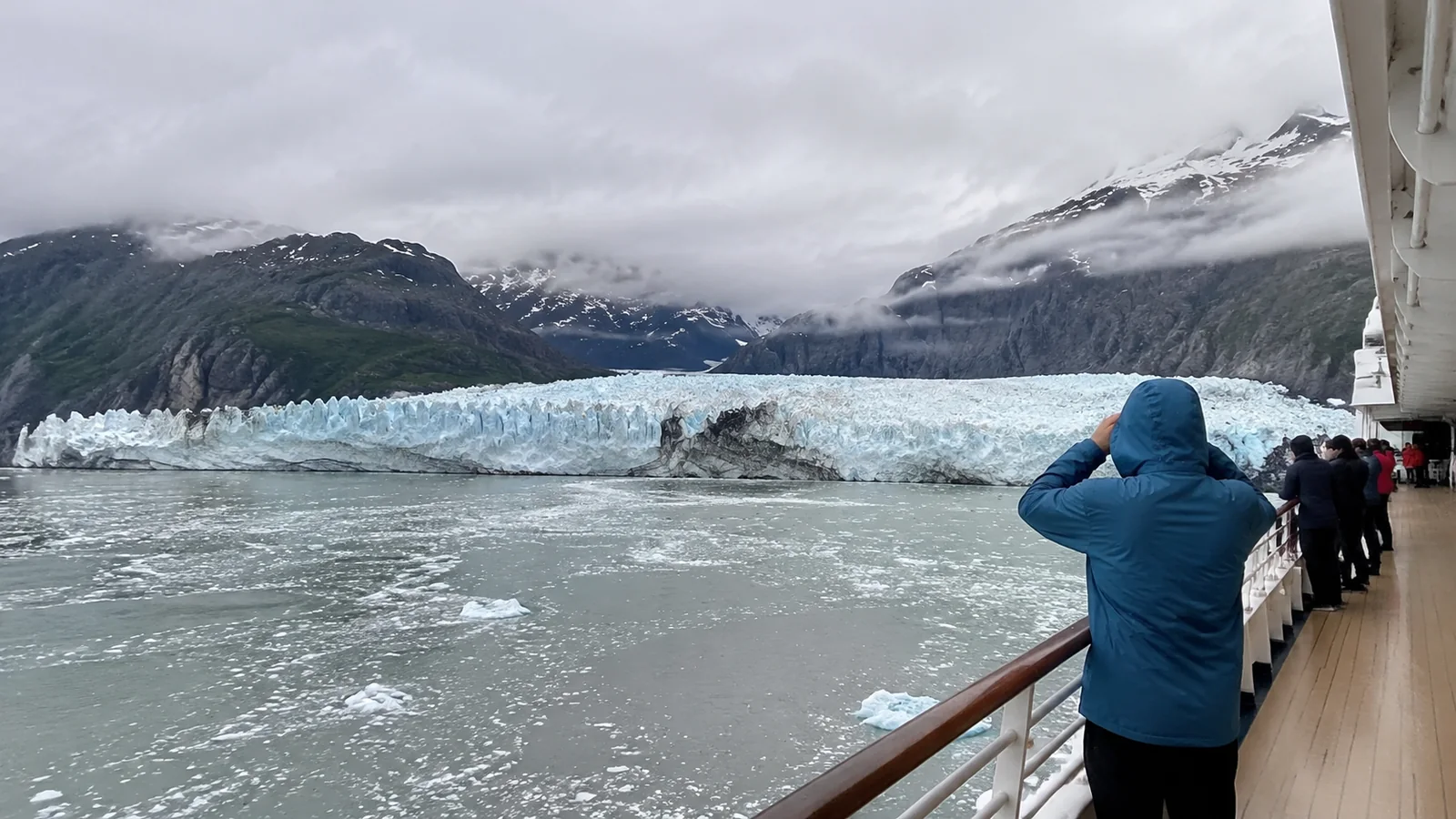
A 64°F port afternoon can feel pleasant in sun and chilly in rain with a breeze. On a moving boat, exposed deck, glacier-facing overlook, or shaded forest trail, the same thermometer reading can demand another layer.
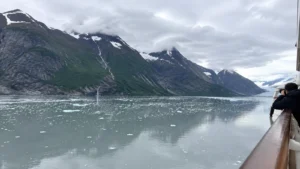
Glaciers cool nearby air, while tidewater viewing usually places you over cold water for hours. Pack a warm midlayer even if Anchorage or Fairbanks is forecast to reach the 70s.
Heat is also possible, especially inland. A short-sleeve base layer, sunscreen, water bottle, and hat belong beside the fleece and rain shell rather than being replaced by them.
July Rain Does Not Follow One Alaska Pattern
Southeast Alaska’s maritime route is the wettest part of many cruise itineraries, and Ketchikan’s normal July total exceeds Juneau’s. Anchorage and Fairbanks normally receive much less total precipitation, yet either can still have a wet travel week.
A monthly total cannot tell you whether rain falls overnight, during one storm, or in small daily amounts. It also cannot forecast cloud ceilings, which may be the deciding factor for aircraft and mountain scenery.
Use a packable rain shell with a hood instead of relying only on an umbrella. Wind, crowded sidewalks, tender boats, and hands-on excursions make an umbrella less useful than it looks at home.
July Daylight by Region
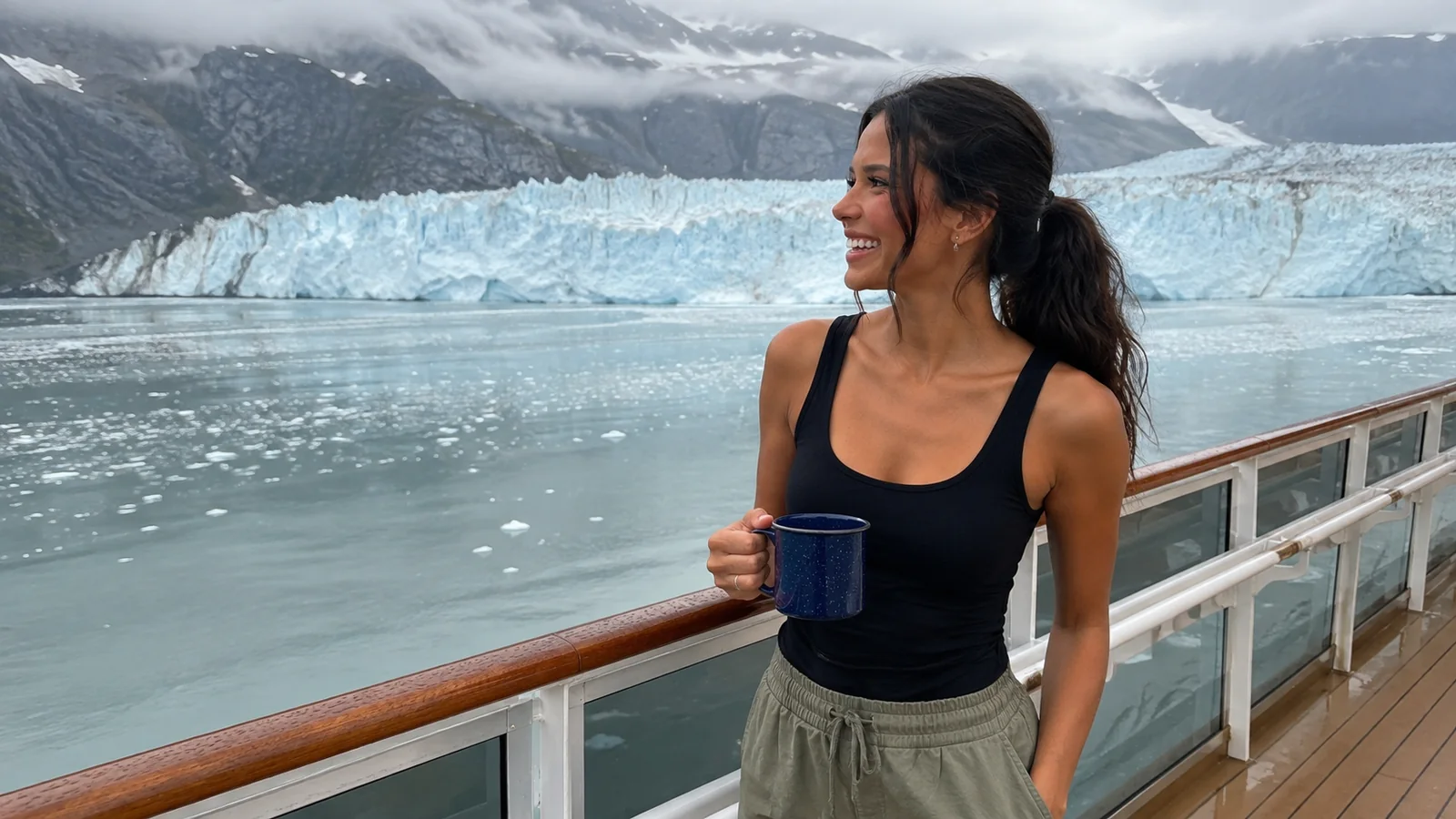
July remains wonderfully bright, but daylight decreases throughout the month after the June solstice. Juneau has roughly 18 hours of daylight at the start of July and about 16.5 hours near the end, while Anchorage drops from roughly 19 hours to a little over 17 hours.
Fairbanks starts July with more than 21 hours between sunrise and sunset and ends with about 18 hours. Civil twilight stretches the usable light further, so a dark sleep environment matters more than the clock suggests.
Those rounded values can be checked for exact dates and coordinates with NOAA’s solar calculator. Latitude, date, terrain, clouds, and a cabin’s orientation all affect what you actually see.
Pack an eye mask and close curtains before bed. Long light is excellent for an evening walk or scenery from the ship, but it can quietly steal sleep over several busy days.
Wind and Sea Conditions in July
July climate does not promise calm water. The protected Inside Passage, open Pacific segments from Seattle, Gulf of Alaska crossings, and small-boat excursions have different exposure to wind and waves.
Ships can change speed, scenic-cruising position, port order, or excursion operations for safety. Fog and low cloud may also affect arrival, visibility, and flight-based tours without producing dramatic wind at street level.
Check the National Weather Service Alaska marine forecast close to departure for current wind and wave information. A seasonal average should never replace the ship captain, harbor authority, or tour operator’s live decision.
If motion is a concern, choose a lower, more central cabin and pack any clinician-approved remedy before leaving home. A calm Inside Passage day does not guarantee the exposed portion of the route will feel the same.
Wildfire Smoke in July
Alaska’s official fire season runs from April 1 through August 31, and July can bring active fire and smoke, particularly to Interior and road-trip itineraries. Smoke location, wind direction, and intensity change too quickly for a generic July promise.
Consult the Alaska Division of Forestry’s official fire-season information and current incident resources near travel time. Travelers with respiratory or cardiovascular concerns should follow their clinician’s advice and monitor air-quality guidance.
Carry flexible plans for flightseeing, mountain views, and strenuous hikes. Smoke can affect visibility and aircraft operations even when the fire itself is nowhere near your hotel.
Excursion Access in July
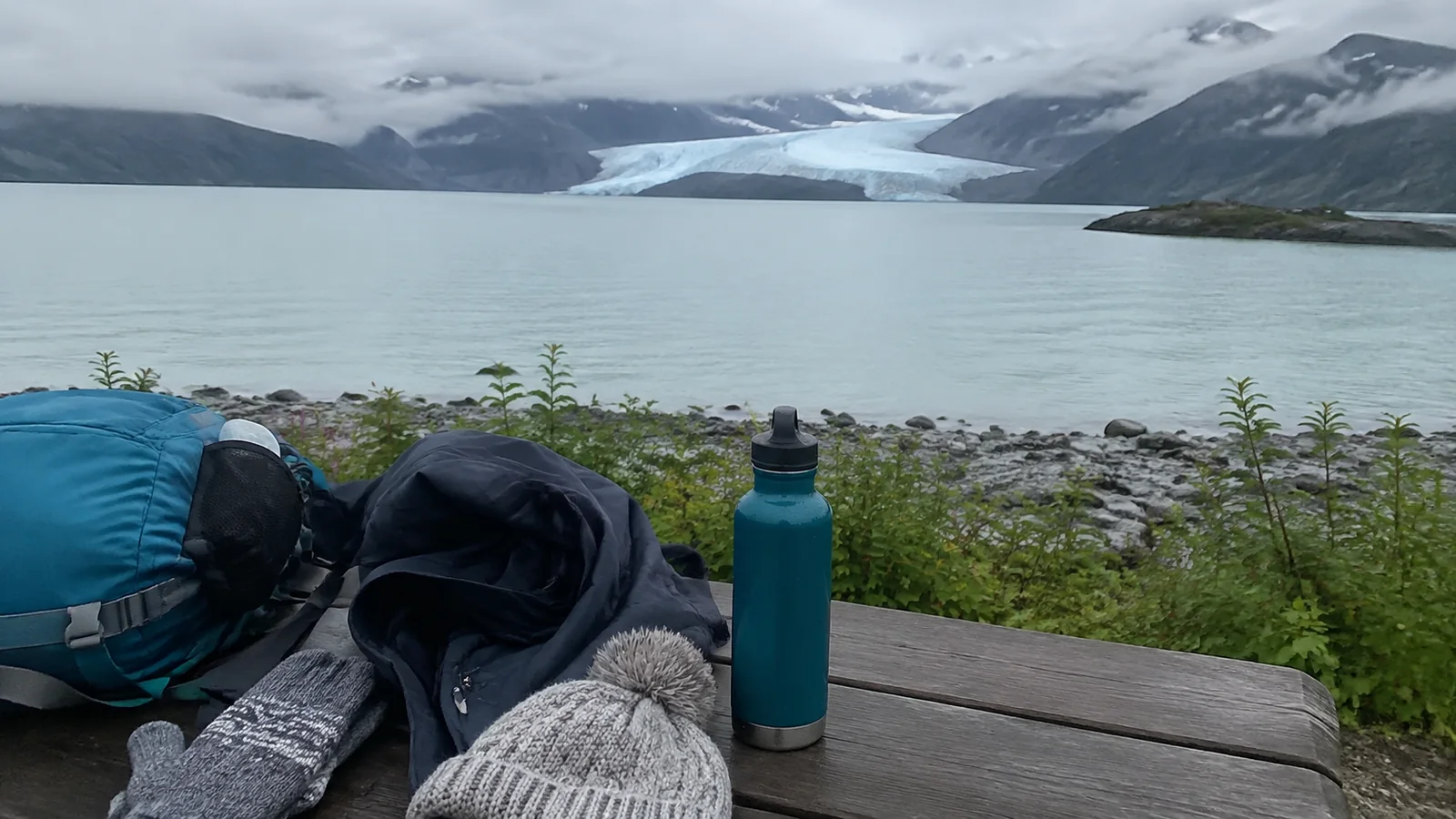
July sits in the center of the main visitor season, so more roads, tours, visitor services, and trailheads are usually operating than in May. “Usually” is doing important work because maintenance, flooding, landslides, wildlife, staffing, and weather can close access on any date.
Book capacity-limited excursions early, then verify cancellation terms. Helicopter landings, floatplanes, small boats, glacier walks, and long road tours each have different weather thresholds.
Denali’s operating information says summer brings long days and active wildlife, but park access and transportation remain date- and condition-specific. Check the National Park Service current Denali operating details instead of assuming a July booking reaches every mile of the park road.
Build one flexible backup in each port, such as a museum, town walk, or lower-elevation trail. That keeps a canceled marquee excursion from consuming the whole day emotionally.
July Wildlife: Good Opportunity, No Guarantees
Long daylight and active summer ecosystems create many wildlife-viewing opportunities, but animals are wild and sightings cannot be scheduled. NPS explicitly says Denali wildlife is neither caged nor trained and can never be guaranteed like a zoo.
Whale presence varies by species, feeding conditions, route, and day. Salmon timing varies by species and watershed, so “July is salmon season” is too broad to promise a specific run at a specific creek.
Bring binoculars, follow distance rules, and let the animal control the encounter. Never crowd a bear, moose, nesting bird, or marine mammal for a photograph.
What to Pack for Alaska in July
- Waterproof shell: Choose a hooded jacket that fits over layers and resists sustained rain.
- Warm midlayer: Fleece or a light insulated jacket handles boats, glaciers, and cool evenings.
- Flexible base layers: Pack short and long sleeves so a warm Interior afternoon does not become miserable.
- Water-resistant pants: Bring them for exposed boats, heavy rain, and wet trail vegetation.
- Two footwear options: Use grippy water-resistant shoes plus a dry backup pair.
- Compact warmth: Add a thin hat, light gloves, and dry socks for glacier days.
- Sun and sleep gear: Pack sunscreen, sunglasses, a brimmed hat, and an eye mask.
- Bug protection: Repellent and light coverage help around wetlands, forests, and the Interior.
- Day bag protection: Use a rain cover or waterproof liner for medication, electronics, and spare layers.
The separate Alaska cruise outfit planner turns those layers into repeatable combinations. Do not pack seven complete outfits when the same waterproof shell and midlayer can work every day.
July Cruise Versus July Land Tour
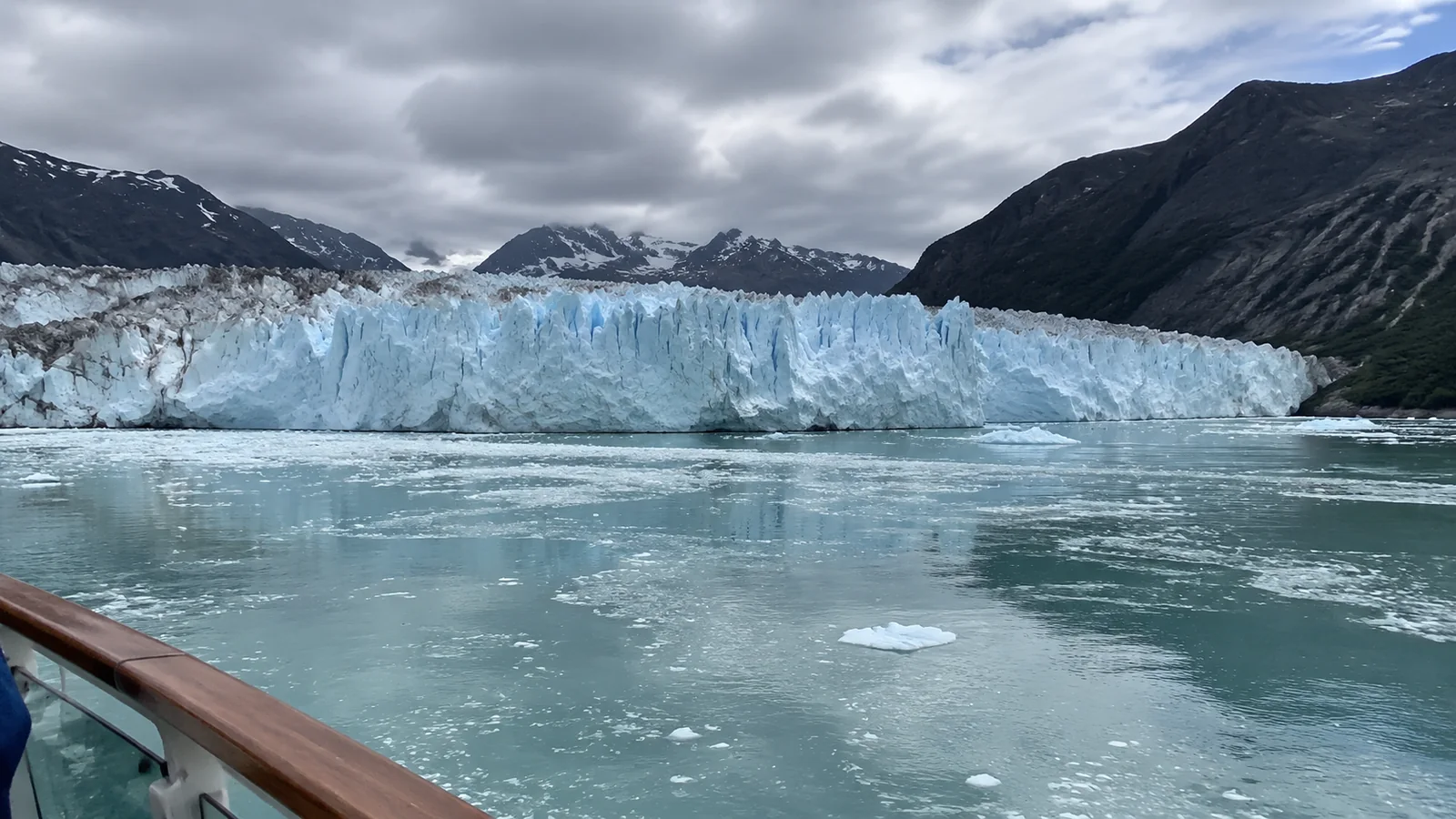
A cruise concentrates exposure along Southeast and Gulf waters, where damp air, wind, and marine cloud dominate packing decisions. A land extension adds Interior warmth, cooler nights, smoke potential, dust, mosquitoes, and longer stretches away from easy shopping.
One-way Gulf itineraries can combine both climates in the same week. The Alaska cruise route planner helps separate Inside Passage, Gulf crossing, and land-extension choices before you compare weather.
Travelers still deciding among May, June, July, August, and September can use the month-by-month Alaska cruise comparison. July is the strongest all-around convenience month for many first trips, but it can mean higher demand and no special protection from rain.
My July Weather Plan
I would book July for broad seasonal access, long light, and the easiest chance to combine cruise ports with an Interior extension. I would not pay a premium because someone promised dry skies, calm seas, visible mountains, or a bear sighting.
Ten days before travel, I would check each destination rather than one Alaska icon in a weather app. Forty-eight hours before a boat or flight excursion, I would check wind, ceiling, precipitation, smoke, and the operator’s update.
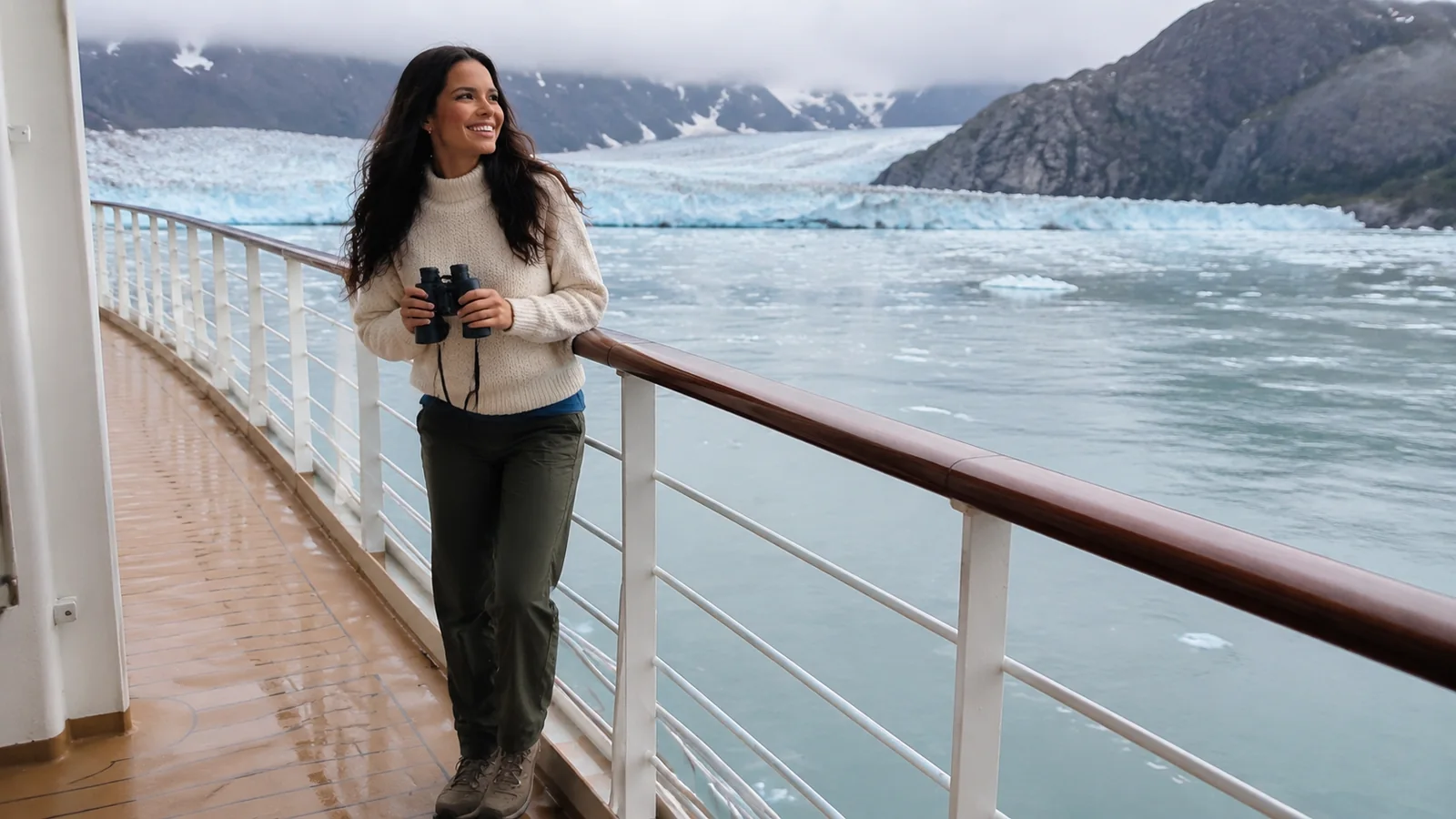
On the day, I would carry a shell, warm layer, water, sunscreen, and binoculars even if the morning looks flawless. July rewards travelers who can peel layers off, put them back on, and enjoy the version of Alaska that arrives.
Bottom Line
July is generally mild and bright, with normal highs from the mid-60s in Southeast and Anchorage to the low 70s in Fairbanks. Ketchikan is normally much wetter than Anchorage or Fairbanks, and marine conditions can feel colder than every city number suggests.
Choose July for access and long days, not for guaranteed weather. Pack waterproof layers, verify regional forecasts and operating status close to travel, and keep one flexible alternative for every weather-dependent excursion.