Little Corn Island, Nicaragua: The Honest Trip-Planning Guide
Little Corn Island is the Caribbean escape for travelers who value barefoot paths, reef time, and a small local community more than polished convenience. It is also a trip where one delayed boat can unravel a tight flight connection, so the smartest plan leaves room for island time in every sense.
Is Little Corn Island worth the journey?
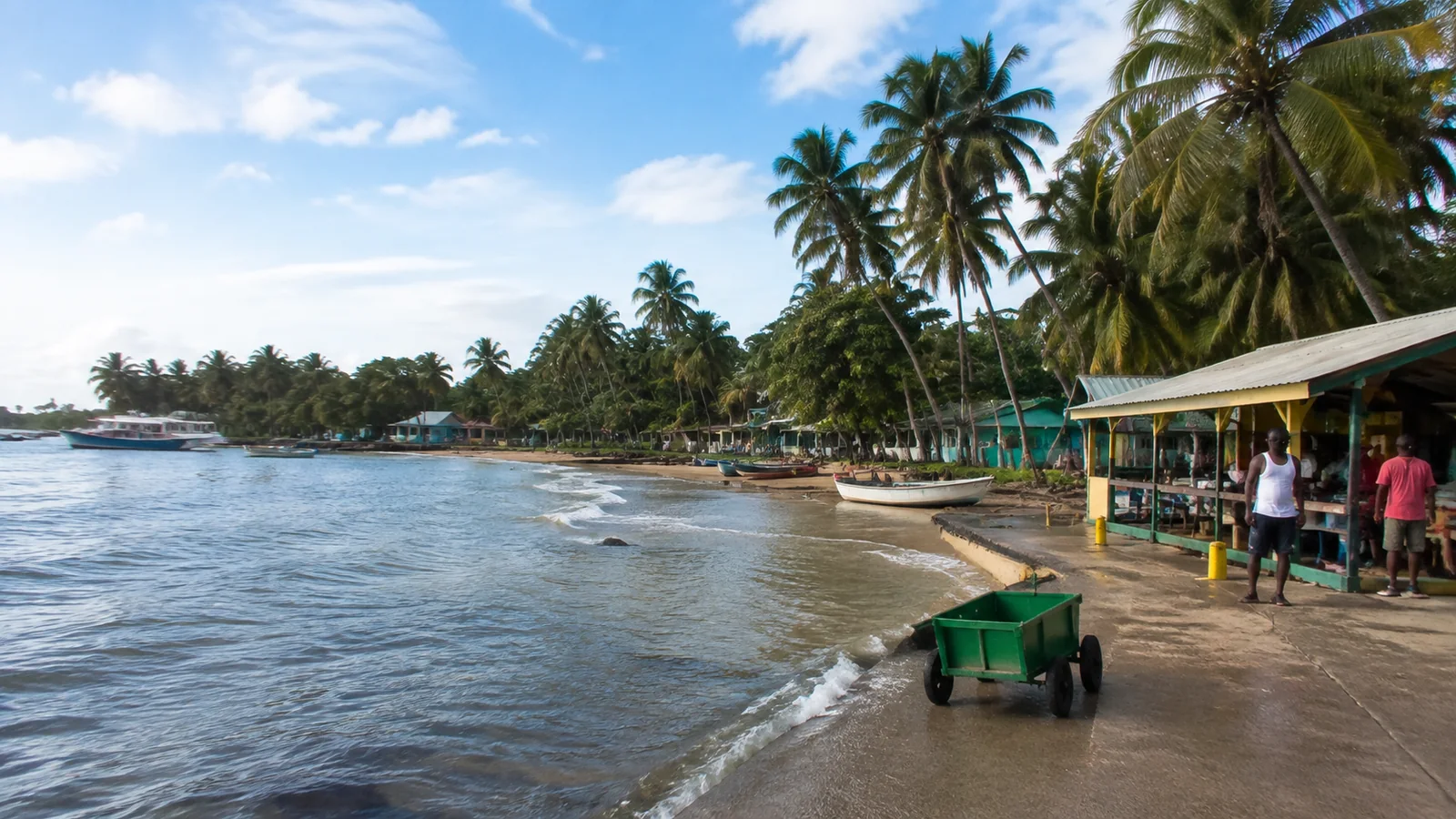
Yes, if you want a car-free island where walking, swimming, snorkeling, diving, and lingering over dinner can fill several days. Nicaragua’s tourism institute describes Little Corn as a tranquil, nature-focused destination, and that low-key character is its strongest selling point.
No, if you need predictable luxury, a broad restaurant scene, instant medical care, or easy airport transfers. This is a remote island reached by an open-water boat, not a resort district with a backup plan on every corner.
My practical minimum is four nights on Little Corn, plus a buffer night on Big Corn or the mainland before an important international flight. Two nights can work on paper, but a weather disruption can consume most of that visit.
Where Little Corn Island is and what it feels like
The Corn Islands sit in Nicaragua’s Caribbean, with Little Corn reached from larger Big Corn Island. Little Corn has no airport and no normal road traffic, so luggage moves by foot, handcart, or boat.
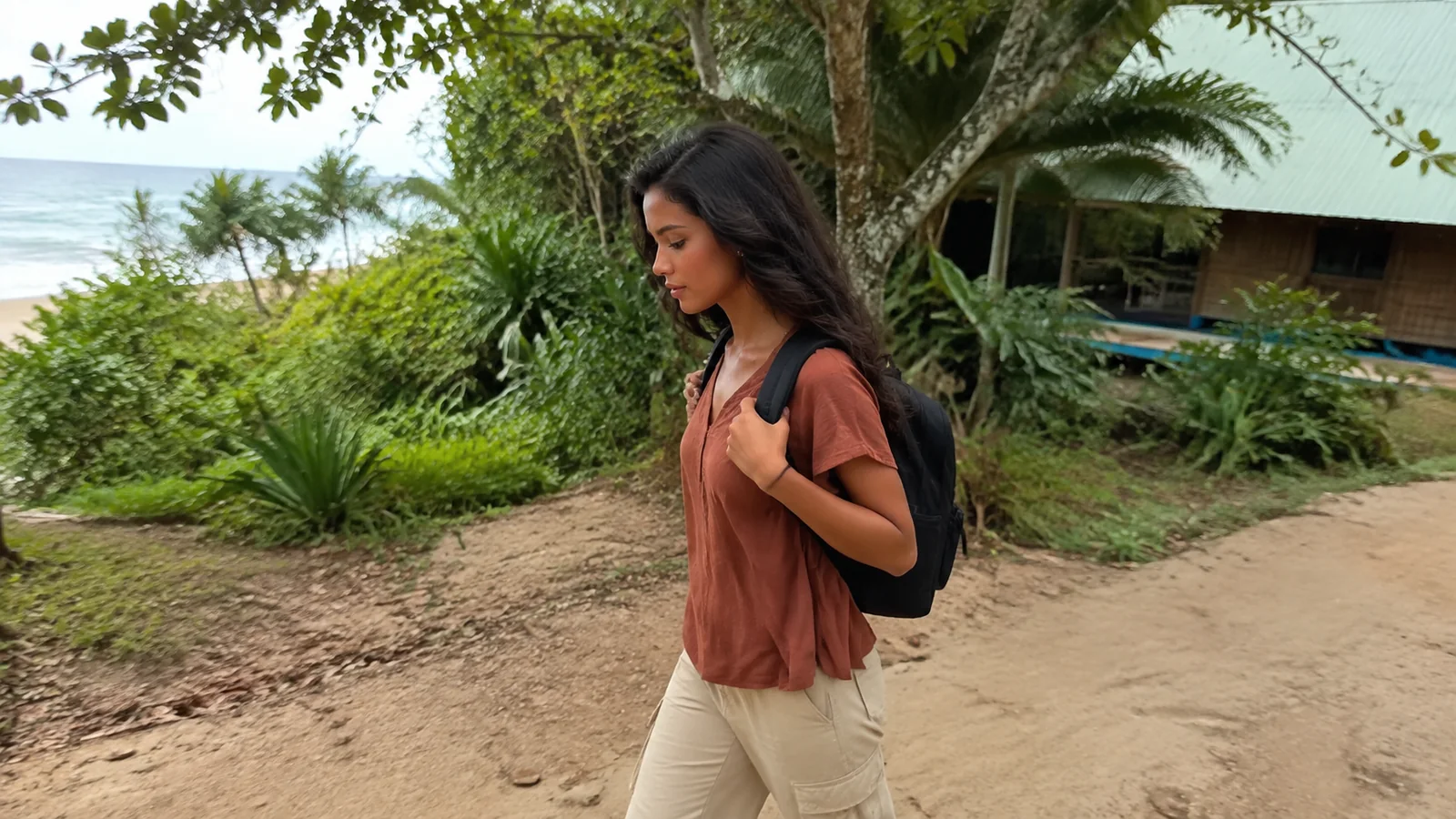
The village side has the dock, more everyday services, and the easiest access to restaurants. Paths lead through the interior toward quieter beaches and lodging on the north and east sides, where the tradeoff is a longer walk with bags.
Do not arrive expecting uninterrupted power, strong Wi-Fi, or card acceptance everywhere. Confirm electricity, generator, hot-water, and payment details directly with your lodging because standards vary sharply even within the same price band.
How to get to Little Corn Island
Step 1: Reach Big Corn Island
The simplest route is a domestic flight from Managua to Big Corn Island, then a boat to Little Corn. Check the operating schedule and baggage rules directly with La Costeña before buying an international itinerary, especially if you carry dive equipment.
An overland route through Bluefields and a passenger vessel to Big Corn can cost less, but it takes much longer and operates on limited days. Treat any timetable posted by a hotel or travel blog as a clue, then reconfirm locally shortly before travel.
Step 2: Take the panga to Little Corn
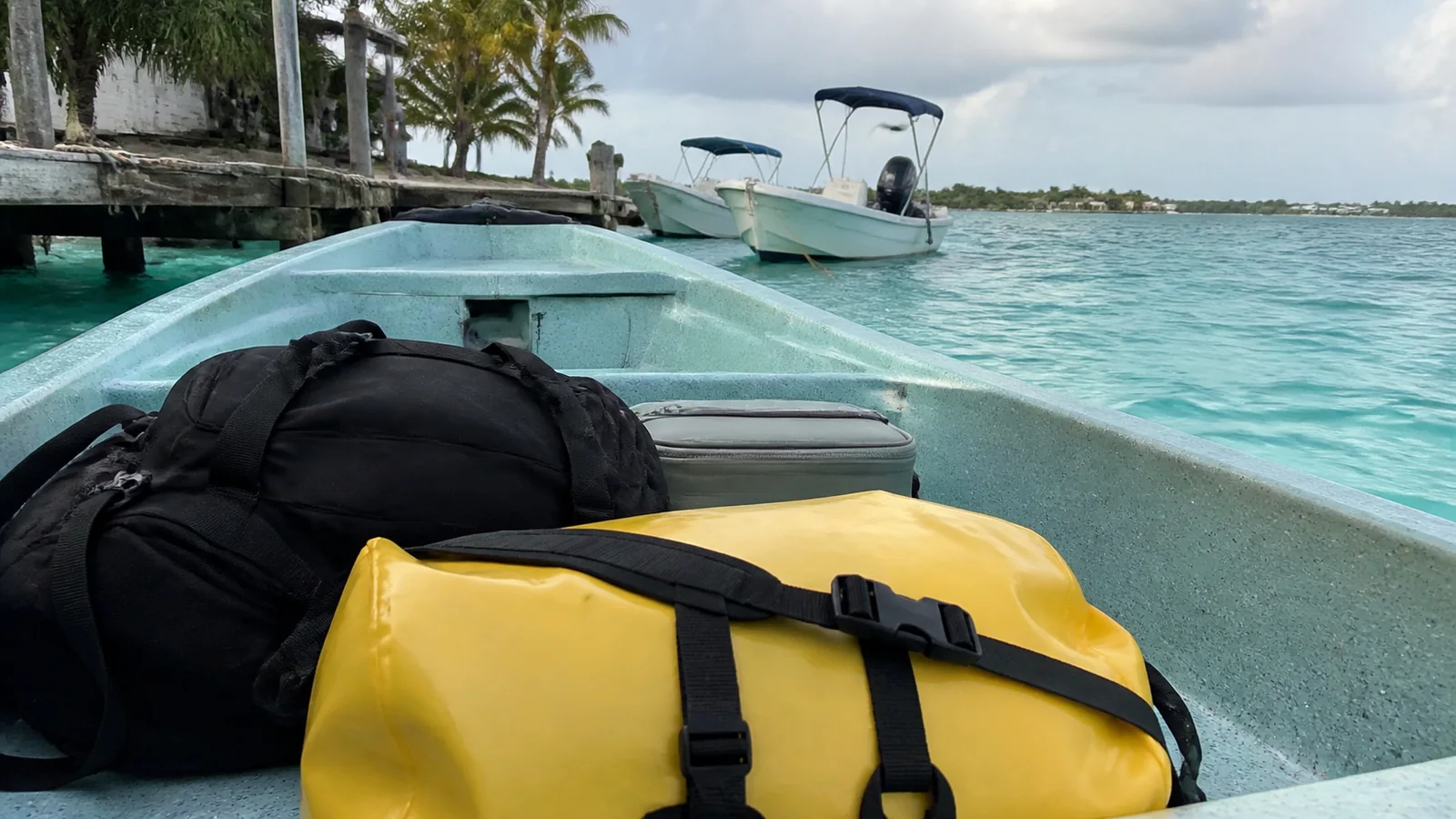
The final leg is normally a public panga, an open motorboat, from Big Corn to Little Corn. The crossing often takes roughly 30 to 40 minutes, but wind and sea state can make it wet, rough, delayed, or canceled.
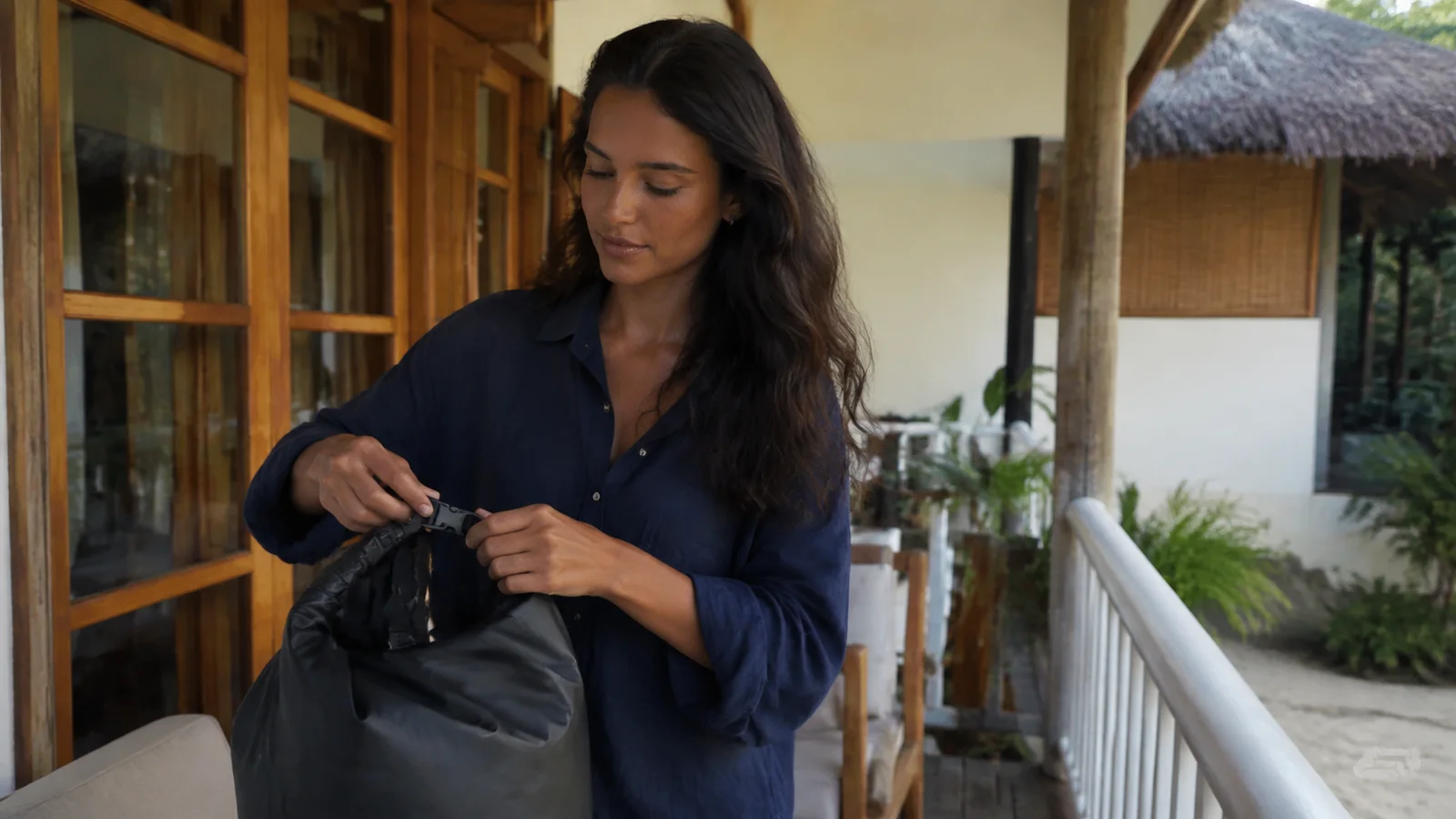
Put your passport, phone, medication, and dry clothes inside a true dry bag rather than relying on a suitcase zipper. Wear the provided life jacket, and ask before boarding if you need a child-size jacket or special assistance.
- Keep small Nicaraguan-córdoba notes available for local transport and dock purchases.
- Arrive early because capacity and departure practices can change.
- Do not book a same-day international departure after the return panga.
- Build an extra night into the trip during unsettled weather.
A current local transport update is useful for the latest pattern, but it is not a guarantee. One Little Corn dive operator’s arrival information shows why ferry maintenance and changing service need a last-minute check.
When to visit and how weather changes the trip
Little Corn is warm year-round, but tropical rain does not follow a neat vacation calendar. The wetter stretch generally builds from late spring through late year, while February through April often offers a better chance of drier conditions.
That does not make any month rainproof, and a sunny forecast on land says little about panga comfort. Wind and swell matter just as much as rainfall when your airport connection depends on a small boat.
The Atlantic hurricane season officially runs June 1 through November 30, with activity typically peaking from mid-August into October. Check the National Hurricane Center outlook before the island leg and follow local instructions rather than trying to interpret a storm track alone.
Rainy periods can bring lush scenery, fewer visitors, muddy paths, mosquitoes, and more transport uncertainty. Dry-season demand can raise lodging and flight costs, so book the scarce pieces first and keep the last night flexible.
The best things to do on Little Corn
Snorkel, but choose conditions over a pin on the map
Reef, seagrass, and clear shallows make snorkeling the island’s easiest headline activity. Visibility and current change with weather, so ask a reputable local operator which side is sheltered that day.
Do not stand on coral, chase turtles, take shells, or feed wildlife. The Corn Island archipelago’s protected marine landscape covers coral, seagrass, mangrove, turtle habitat, and fishing grounds, according to the Wildlife Conservation Society.
If you pack your own mask, prioritize fit over an oversized gear collection. The same small-island logic appears in our remote-island snorkeling advice: bring critical items, protect them from saltwater, and never count on a shop having your exact replacement.
Dive with a properly equipped operator
Little Corn supports reef dives for certified divers and introductory options for beginners. Ask about certification affiliation, emergency oxygen, boat communications, group size, recent equipment service, and the day’s site choice before paying.
A remote island is not the place to hide a medical condition or overstate experience. Leave adequate time before flying after scuba diving and follow the conservative guidance of your certifying agency and dive professional.
Walk the island
Walking is transportation and sightseeing here. Explore the village paths, interior greenery, and beaches in daylight first, then decide whether the route to dinner still feels comfortable after dark.
Pack a small flashlight or headlamp because paths can be dim and uneven. Closed-toe sandals or light trail shoes are more useful than a suitcase full of dressy resort footwear.
Take a slow beach day
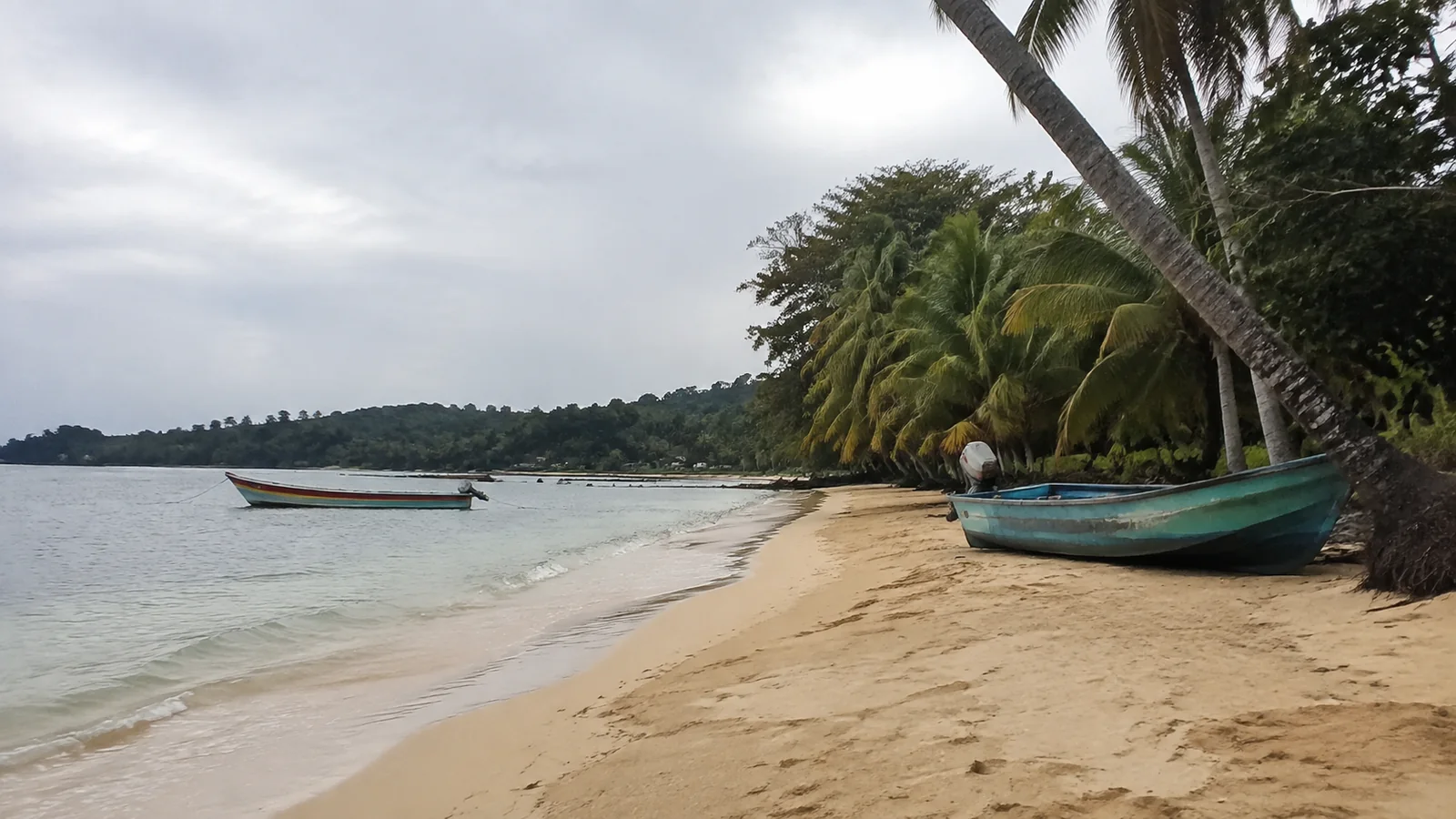
The island’s pleasure is not a checklist of landmarks. Choose a beach based on wind, sea conditions, shade, and walking distance, then make lunch and swimming the plan.
There may be no lifeguard, and calm-looking water can still have current. Swim with a partner, stay within your ability, and ask locally about the safest entry rather than copying where someone entered yesterday.
Where to stay
Village lodging favors convenience, dining choice, and a shorter bag carry from the dock. North- and east-side properties can feel more secluded, but transfers may involve a boat, a longer walk, or arrangements that depend on sea conditions.
Budget rooms may be simple and naturally ventilated, while higher-priced properties may add air-conditioning, backup power, transfers, breakfast, or a pool. Compare the complete package because a low nightly rate can lose its advantage after meals and private transfers.
Ask these questions before paying a nonrefundable deposit:
- How will staff meet the panga, and who pays for baggage help?
- Is power available all night, and is air-conditioning actually included?
- Is drinking water supplied or sold?
- Can the property process cards if the internet fails?
- What happens if weather prevents arrival?
Three concrete stays to compare
For easy evening meals and dive logistics, I’d start with Hotel Los Delfines in the village, next to Dolphin Dive. Its published packages describe private bathrooms, air-conditioning, and verandas, making it a practical conventional-room alternative to a remote beach bungalow.
For a more rustic east-shore stay, compare Little Corn Beach and Bungalow on Cocal Beach. Pick it for beach time and an on-site meal option, accepting the walk back from the village and checking the specific bungalow’s fan and power setup.
For extra comfort and a quiet northern setting, Yemaya Reefs lists air-conditioned beachfront rooms, some with plunge pools, and backup generation. Pay for it when the stay itself is the centerpiece, but its published minimum guest age is seven, so it does not suit a family traveling with younger children.
At any of these, compare the transfer and meal total as well as the room price. A remote room is less appealing if your ideal evening involves strolling between several village restaurants and then getting home without a dark trail walk.
What Little Corn Island really costs
Calling the island cheap ignores the flights and transfers needed to reach it. A realistic planning budget must include the international flight, Managua airport night if needed, domestic round trip, panga fares, lodging, food, activities, cash access, and weather buffer.
For a modest trip, start by testing a total of about $100 to $180 per person per day on the island before the international flight. A private air-conditioned room, restaurant meals, dives, fishing, or a resort transfer can push the daily figure well above $250 per person.
Those are planning bands, not quoted prices. Check live fares and cancellation terms, then add 15 to 20 percent for schedule changes, extra lodging, cash fees, or a private boat that becomes necessary rather than optional.
Travelers comparing Caribbean value should look beyond the room rate in our Caribbean trip-cost comparison. Little Corn can reward a longer stay because the expensive, fragile part is getting there.
Entry, safety, and health planning
Entry rules depend on nationality and travel history, so verify them before booking. U.S. travelers should review the current passport, onward-ticket, and exit instructions on the State Department’s Nicaragua page, along with its current security advisory.
The national advisory applies even when the island feels far removed from mainland politics. Avoid demonstrations, carry copies of documents, limit visible valuables, and keep a departure plan that does not depend on immediate consular help.
Medical capability on Little Corn is limited, and evacuation can depend on boats, weather, and flights. Buy insurance that explicitly covers your planned diving or boating activities and medical evacuation from a remote island.
The CDC’s Nicaragua traveler page advises travelers to discuss routine vaccines, food and water precautions, mosquito-borne disease, and malaria risk with a clinician. Bring enough prescription medication for delays, plus oral rehydration salts, insect repellent, sunscreen, and basic wound care.
Drink treated or sealed water and ask how ice is made. Mosquito protection matters after rain, and reef-safe behavior matters regardless of the marketing printed on a sunscreen bottle.
Cash, connectivity, and packing
Bring a mix of córdobas and clean U.S. dollars, stored in more than one place. There is no ATM on Little Corn Island, so obtain enough cash in Managua or on Big Corn before the panga crossing; Big Corn machines can also run out of cash.
Download tickets, insurance, maps, and lodging contacts before leaving dependable internet. Tell someone your route, and keep the Big Corn transfer contact available offline.
- Dry bag and waterproof phone pouch
- Light rain shell and quick-dry clothing
- Headlamp with spare batteries
- Reef-safe sun protection and mosquito repellent
- Closed-toe walking shoes plus water sandals
- Medication and a compact first-aid kit
- Reusable bottle and water-treatment backup
Our Koh Lipe planning guide has the same useful lesson for a very different island: protect the departure day before filling the itinerary with perfect beaches.
A realistic five-night plan
Spend the arrival afternoon checking into lodging, finding drinking water, and learning the nearest safe swimming access. Book the next day only after seeing the marine forecast.
Use the concrete shore plan below for the first three days, shifting a guided snorkel or dive to the calmest available window. Keep days four and five available for a repeat beach, another dive with the required no-fly buffer, or the outing weather canceled earlier.
Return to Big Corn on day six and sleep there before a critical flight connection. That buffer is not wasted time, because it turns a famously fragile transfer into a manageable travel day.
The first three days, with real stops
On arrival, learn the west-side village waterfront from the panga dock to Hotel Los Delfines and Dolphin Dive before taking a longer walk. Keep the first sunset on this side, with boats and landing areas treated as working waterfront rather than swimming lanes.
On day two, follow the signed inland route from the village toward Cocal Beach and Little Corn Beach and Bungalow. The property describes a roughly 10- to 15-minute walk from town, but I’d allow 20 to 30 minutes from the dock when finding the way or carrying beach gear.
Make Turned Turtle your breakfast or lunch stop, then enjoy Cocal’s sand before returning on the inland path. Its currently posted menu emphasizes breakfast and brunch through late afternoon, so I’d not build an evening dinner plan around an old review.
On day three, head north to the Otto Beach area by Yemaya, allowing roughly 30 to 45 minutes from the village as a cautious walking allowance. Ask your host to mark the inland route, go in daylight, and turn back if mud or unclear paths make the walk uncomfortable.
Reserve lunch at Yemaya’s restaurant when planning that northern beach day, checking whether nonguests need a reservation. The draw is a leisurely north-shore outing, while the reason to skip it is a difficult walk or weather that makes a nearer beach the better choice.
Which shore, and when to choose a boat
The west side wins for dock access, village meals, and a short return after dark; the east side puts Cocal Beach and reef-oriented stays together. The north suits a longer beach escape, but wind and swell can change the best swimming side, so I’d choose that morning’s water entry separately from the sightseeing route.
For a guided snorkel alternative, ask Little Corn Beach and Bungalow about its boat-trip arrangements instead of independently swimming toward Tarpon Channel. The property’s island FAQ specifically identifies that reef opening offshore, which is a useful reason to get local route advice before entering.
For scuba, Dolphin Dive offers training and certified dives from the village. Choose a nearby single-tank outing first and leave offshore Blowing Rock for the right experience level and sea conditions, since the operator lists it 16 miles away.
My honest verdict
Little Corn Island is best for adaptable travelers who can accept simple infrastructure in exchange for a small, walkable Caribbean island. It is a poor match for anyone trying to compress paradise between two nonrefundable same-day connections.
Book the scarce transport, choose lodging by location and backup systems, then leave the daily plan loose. The island becomes much easier to love once you stop asking it to run like a resort.