Ocean Liners 101: How They Differ from Cruise Ships
An ocean liner is built for scheduled transportation across open ocean, while a cruise ship is built primarily for a leisure itinerary. Both can carry vacationers and visit ports, but route, purpose, hull design, speed, outdoor space, and onboard rhythm reveal why the terms are not interchangeable.
What is an ocean liner?
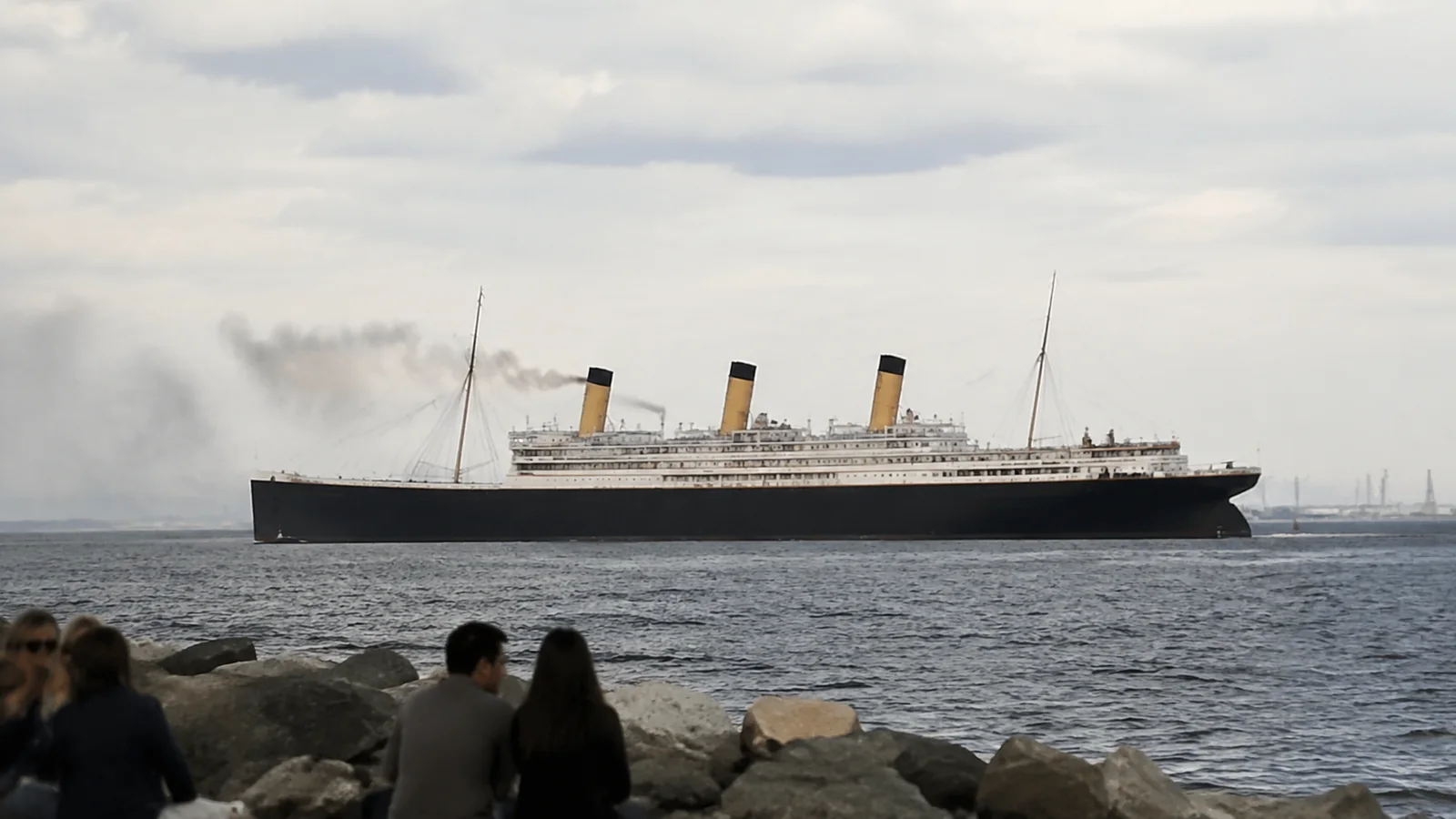
An ocean liner carries passengers and often mail or cargo on a regular point-to-point route according to a published schedule. Historically, liners connected continents before commercial aviation made long-distance flights routine.
The “line” refers to the line of scheduled service, not the ship’s shape. A vessel could make cruises between crossings and still be an ocean liner because it was designed and operated around demanding transport work.
Today, Cunard describes Queen Mary 2 as the world’s only ocean liner in regular transatlantic service. Other passenger ships cross oceans, but that alone does not turn them into liners.
Ocean liner versus cruise ship
Purpose
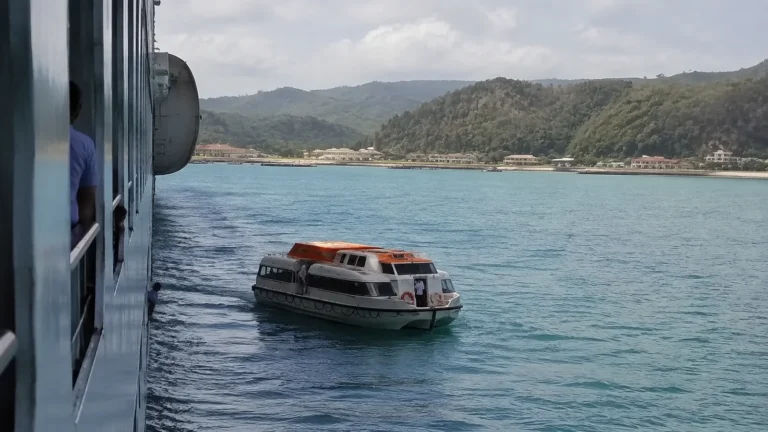
An ocean liner’s original job was to get people from one continent to another on schedule. A modern cruise ship’s job is to deliver a vacation, often returning passengers to the same homeport after a loop of destination calls.
A liner crossing can have no intermediate port between Southampton and New York. A cruise itinerary usually uses ports as major features and may slow-steam overnight because the next berth opens in the morning.
Hull and structure
A liner intended for repeated North Atlantic service needs strength, reserve power, seakeeping, and a hull suited to open-ocean weather. Its bow, draft, freeboard, and subdivision reflect that operating environment.
Cruise ships are also ocean-going passenger vessels built to modern standards, and many safely make transatlantic repositioning voyages. The distinction is design priority, not a claim that an ordinary cruise ship cannot cross an ocean.
Speed
Historical liners competed on reliable crossing time because passengers were buying transportation. Speed could be a commercial advantage, although luxury, comfort, and fuel economy also mattered.
Modern cruise ships often optimize fuel, port timing, and onboard comfort rather than maximum speed. Arriving six hours early has little value if a leisure ship’s berth is not available.
Outdoor space
Resort ships favor expansive pool decks, balcony cabins, water attractions, and outdoor dining because they follow warm-weather itineraries. A North Atlantic liner needs more protected promenades and indoor public rooms that remain useful in wind and cold.
That does not mean a liner lacks pools or open deck. It means the ship cannot depend on perfect sun for its core passenger experience.
Onboard rhythm
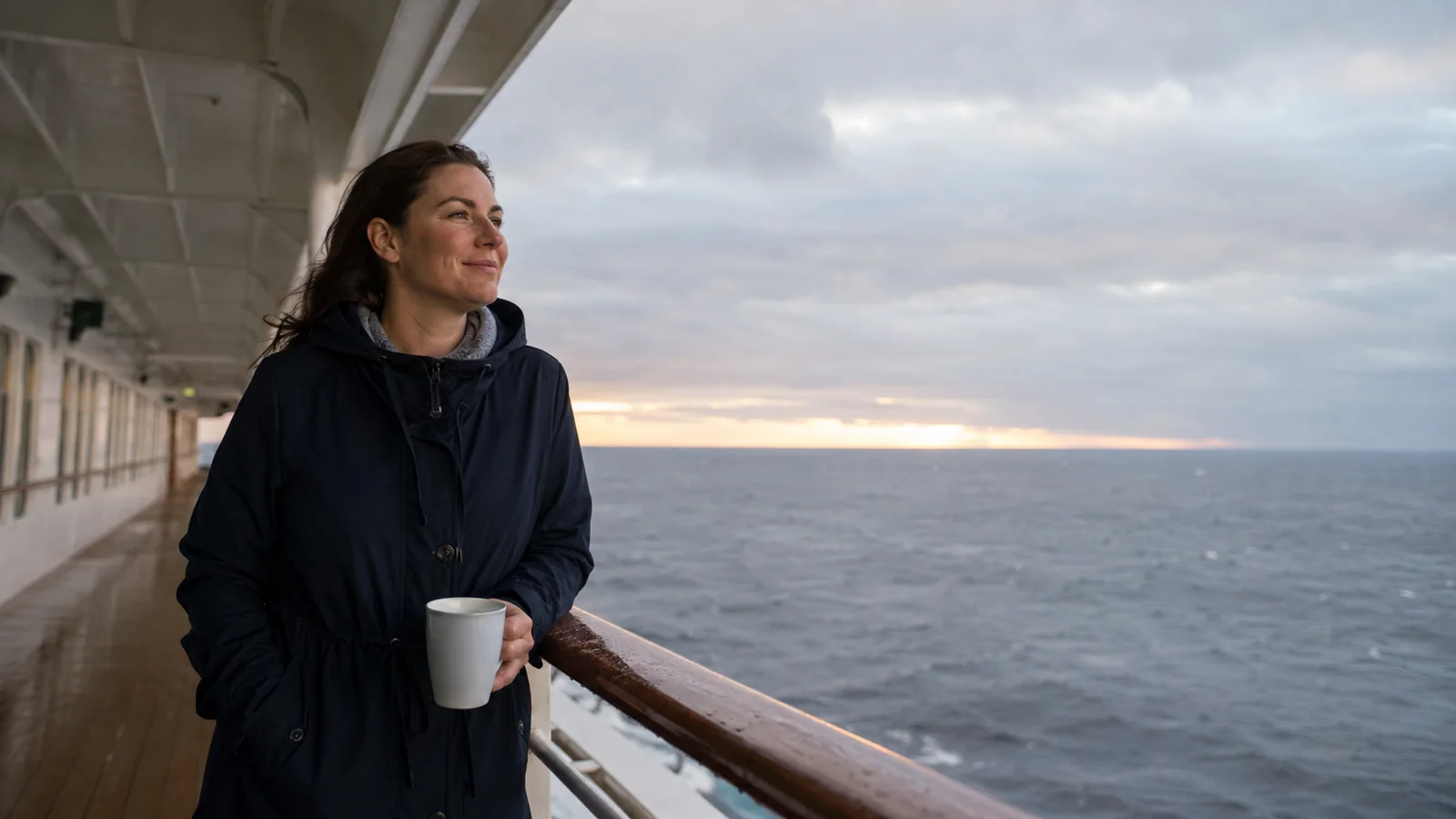
A crossing gives sea days the starring role. Lectures, reading, music, formal evenings, conversation, exercise, and the simple passage of the ocean replace a sequence of port excursions.
A port-heavy cruise can feel like a floating hotel that moves nightly. A liner crossing feels more like the voyage itself is the destination.
Queen Mary 2: the surviving liner
Cunard’s current crossing program calls Queen Mary 2 the world’s only ocean liner and schedules service between New York and Southampton. She also makes cruises and longer voyages, showing that “liner” describes design and primary service rather than one exclusive itinerary.
Queen Mary 2 is 1,132 feet long, carries thousands of guests and crew, and has a published service speed suited to ocean passages. Her deep draft, strong hull, high bow, power, and protected spaces distinguish her from resort ships of similar length.
She is not the largest passenger ship by gross tonnage. Current mega-ships are wider and contain more resort volume, which is why our guide to cruise ship dimensions warns against using length as the only comparison.
What a Queen Mary 2 crossing is like
A typical direct crossing is built around consecutive sea days rather than island calls. Travelers choose among dining, enrichment, music, theater, spa time, deck walks, and quiet hours with the horizon.
Cunard’s current program commonly lists seven-night New York-to-Southampton or reverse crossings, although dates and extended combinations vary. Always count nights, check direction, and confirm whether the voyage is a direct crossing or part of a longer itinerary.
Formal or gala evenings are part of the line’s tradition, but dress guidance and themes can change. Read the current sailing information instead of packing from an old passenger’s schedule.
Cabin location also matters on an open-ocean itinerary. Our Queen Mary 2 cabin guide separates structural facts from subjective motion and noise concerns.
A short history of ocean liners
Steam makes schedules possible
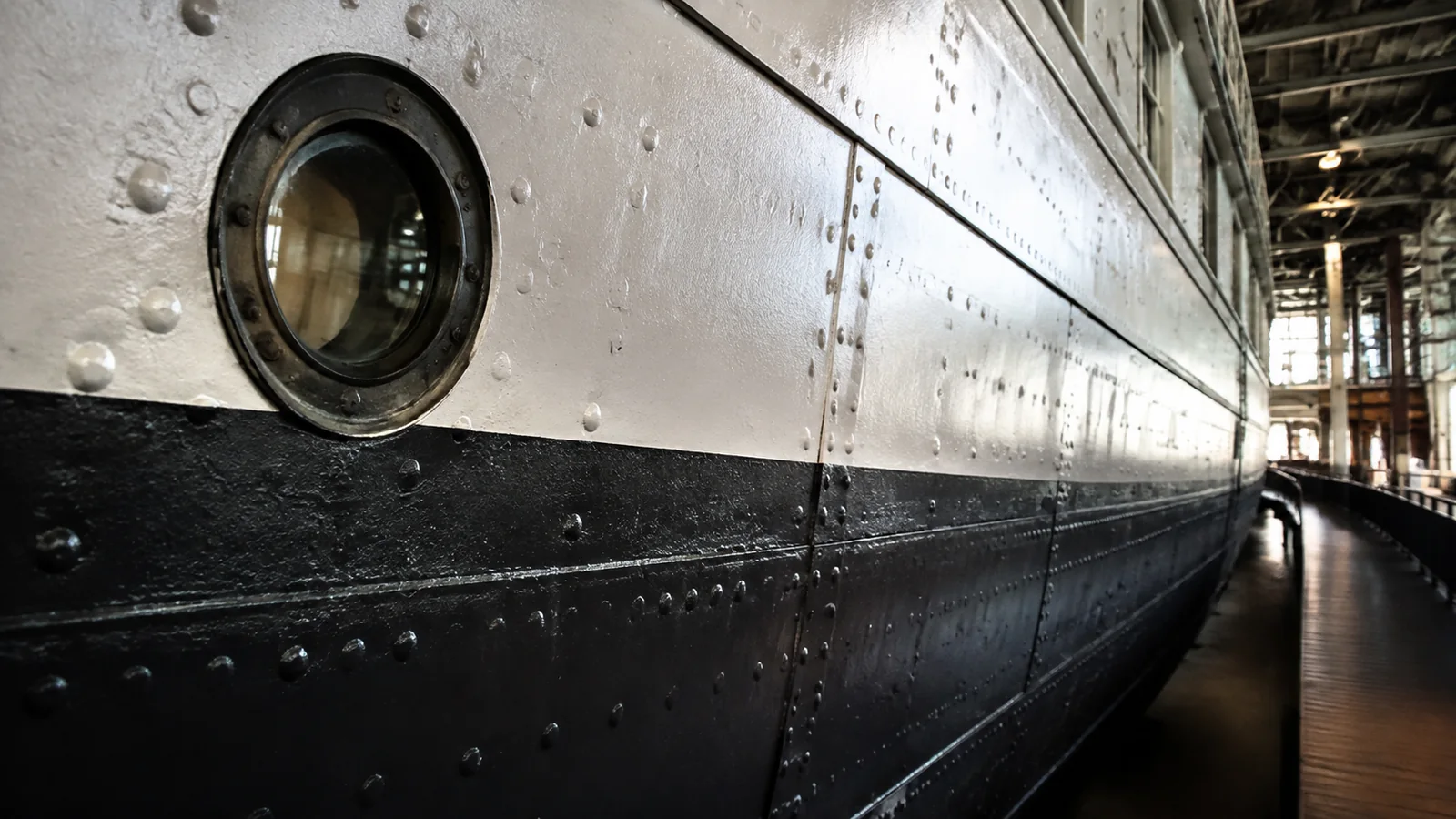
Sailing packets crossed the Atlantic before steam, but wind made timing uncertain. Steam propulsion allowed companies to sell more reliable schedules, turning ocean passage into organized transportation.
Nineteenth-century liners carried migrants, business travelers, mail, and cargo as well as wealthy passengers. Conditions differed dramatically by class, and the romantic posters rarely represent the experience of everyone aboard.
Competition creates speed and luxury
By the early twentieth century, companies competed with faster crossings, grand public rooms, improved cabins, and national prestige. Cunard’s Mauretania and Lusitania, White Star’s Olympic-class ships, French Line’s Normandie, and later Cunard’s Queen Mary became icons for different reasons.
Titanic was a liner built for the Southampton-to-New York trade, not a cruise ship. Royal Museums Greenwich describes her as a large-capacity workhorse for a competitive commercial route, even though her first-class spaces have dominated popular memory.
Our quantitative Titanic and modern cruise ship comparison shows how purpose changes the meaning of length, tonnage, capacity, and luxury.
Between wars and after World War II
Ocean liners served in wartime as troop transports, hospital ships, and other government-controlled roles. Their speed and capacity made them strategically valuable, while losses and conversions reshaped fleets.
After World War II, liners such as Queen Elizabeth, Queen Mary, United States, France, and Rotterdam combined transportation with increasingly vacation-like amenities. The Smithsonian notes that United States made a record eastbound Atlantic crossing in 3 days, 10 hours and 40 minutes in 1952.
Jet aircraft change the market
Commercial jet travel moved passengers across the Atlantic in hours rather than days. Scheduled liner demand collapsed, and shipping companies withdrew, repurposed, or scrapped many famous vessels.
The modern cruise industry grew from a different proposition: the ship and itinerary as a vacation rather than necessary transportation. Some former liners adapted to cruising, but their enclosed promenades and small cabins did not always match resort-market expectations.
Queen Elizabeth 2 bridges the eras
Queen Elizabeth 2 entered service in 1969 and maintained transatlantic service while also operating cruises and world voyages. Her long career helped preserve a liner tradition through the jet age.
Queen Mary 2 succeeded her in regular transatlantic work in 2004. Cunard states that QM2 completed her 400th crossing in 2024, a useful marker of how the service remains active rather than purely ceremonial.
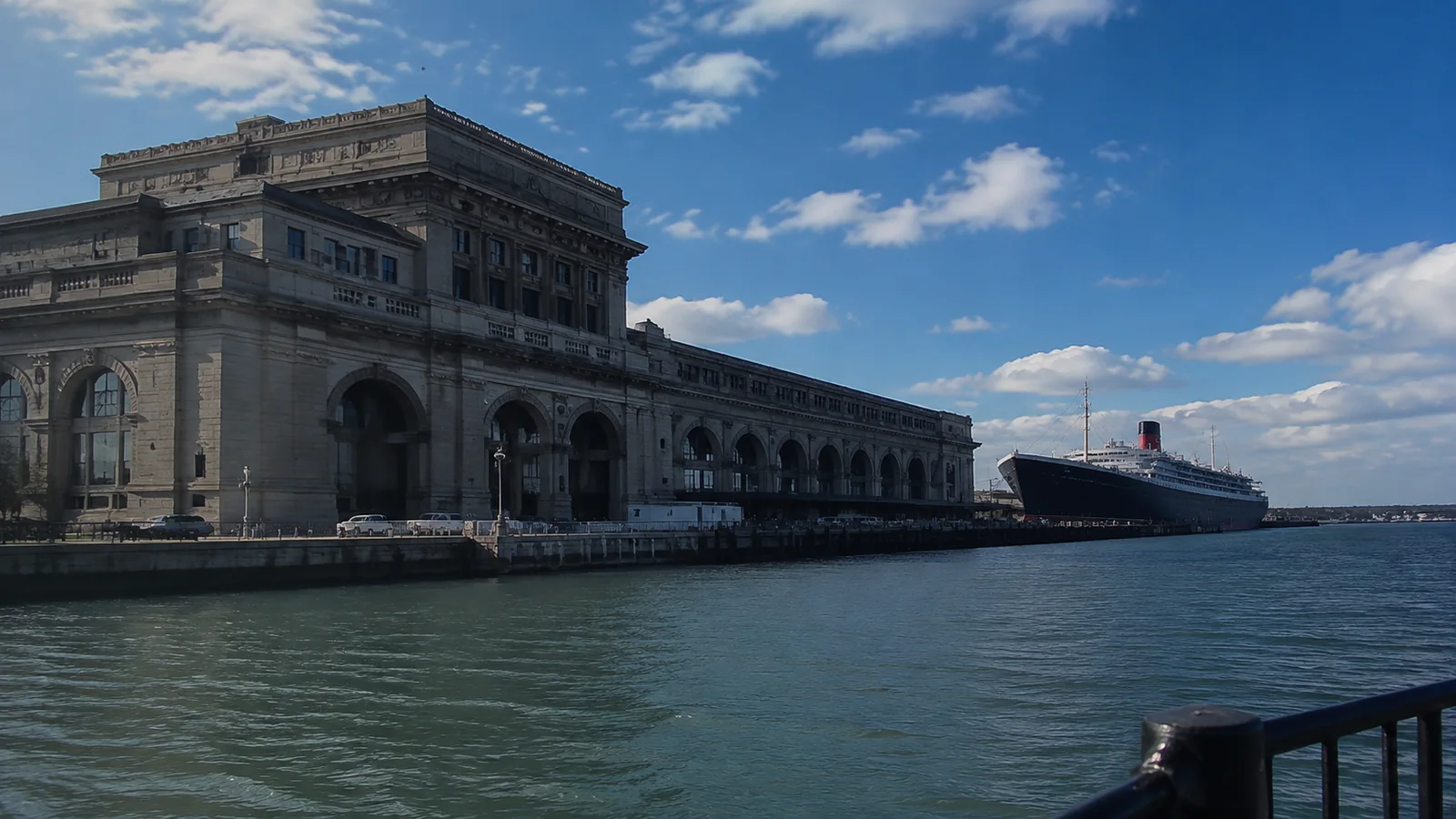
What does RMS mean?
RMS stands for Royal Mail Ship and indicated authorization to carry British mail under contract. Titanic’s RMS prefix reflects her mail-carrying role, not a special hull type or guarantee of luxury.
SS generally means steamship, MS or MV indicates motor ship or motor vessel, and other prefixes describe propulsion or role. Naming practice varies, and a prefix alone cannot classify a vessel as an ocean liner.
Are ocean liners safer than cruise ships?
A liner’s hull form and power may suit rough open-ocean service particularly well, but safety cannot be ranked from the label alone. Age, maintenance, crew training, route planning, equipment, regulation, weather, and operation all matter.
Modern international passenger ships fall under SOLAS requirements addressing construction, fire protection, life-saving appliances, radio communications, navigation, and safety management. The International Maritime Organization traces the first SOLAS convention to the Titanic disaster and the current framework to the 1974 convention as amended.
No responsible ship is “unsinkable.” Design layers reduce risk and improve survival, but passenger attention during the muster process still matters.
Do ocean liners handle rough seas better?
A purpose-built liner is designed for repeated open-ocean conditions, and Queen Mary 2’s hull, bow, draft, and power support that mission. That does not promise a motionless crossing.
Wave height and direction, wind, speed, loading, stabilizers, and cabin location all affect how motion feels. Even on a liner, a lower midship cabin is the cautious choice for a motion-sensitive traveler.
North Atlantic weather changes quickly, and crossings can be calm, rough, or both. Season influences probabilities without predicting an individual week.
Can a cruise ship be called a liner?
Casual writing often uses “cruise liner” for any cruise ship, and company names still contain the word “Line.” That usage is understandable but technically blurs purpose and design.
A ship does not become an ocean liner by making one repositioning crossing. Likewise, an ocean liner does not stop being a liner because it spends part of the year cruising.
The most honest classification asks what service the ship was designed to perform and how it is regularly operated. Marketing language is secondary.
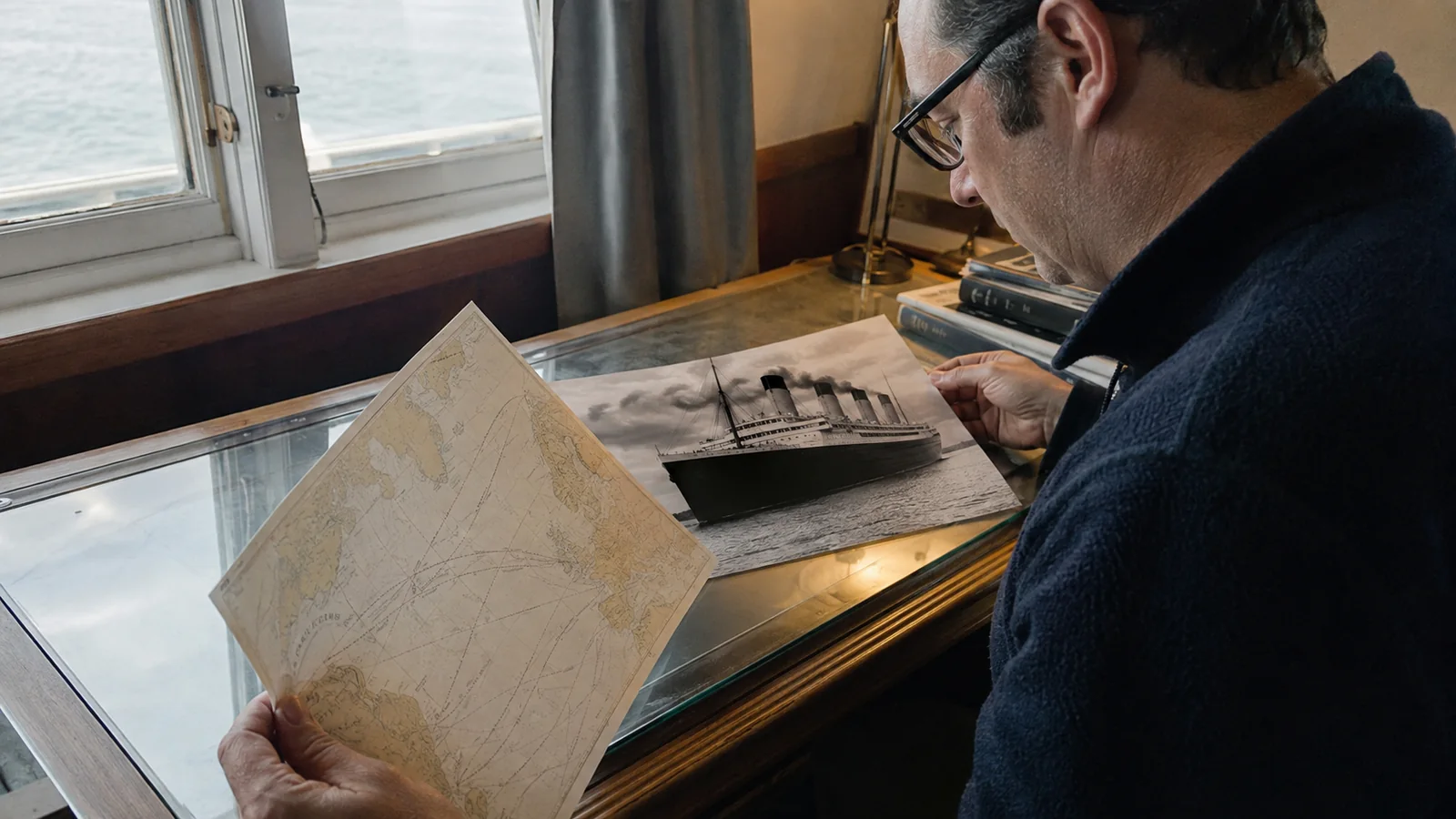
Famous ocean liners worth knowing
- Great Britain: An early iron-hulled, screw-propelled passenger steamship that helped change long-distance design.
- Mauretania: A Cunard speed holder and emblem of prewar Atlantic competition.
- Olympic: Titanic’s longer-lived sister, serving commercial and wartime roles.
- Normandie: A French Art Deco icon celebrated for design and speed.
- Queen Mary: A celebrated liner that also served as a troopship and survives as a stationary attraction.
- United States: The holder of the fastest westbound and eastbound transatlantic passenger-ship records.
- Queen Elizabeth 2: The bridge between classic liner service and modern cruising.
- Queen Mary 2: The only ship currently maintaining regular scheduled transatlantic liner service.
This is a starter list, not a ranking. Italian, German, Dutch, Canadian Pacific, Japanese, and other national fleets add many important ships and immigrant stories to liner history.
Should you book an ocean crossing?
Book one if consecutive sea days sound restorative, the Atlantic itself interests you, and you enjoy onboard structure without a new port every morning. It is especially satisfying as an alternative to one transatlantic flight when time permits.
Skip it if your favorite part of cruising is a dense sequence of shore excursions or reliable warm pool weather. A crossing can feel wonderfully spacious or frustratingly repetitive, depending on the traveler.
Crossing checklist
- Choose eastbound or westbound based on flights and clock changes.
- Check the exact number of consecutive sea days.
- Pack layers and wind protection for open decks.
- Review dress guidance for the sailing.
- Select a cabin with motion and walking distance in mind.
- Carry enough medication for delays.
- Arrive at the embarkation city at least one day early.
The simple definition to remember
An ocean liner is a transportation ship designed for regular, demanding point-to-point ocean service. A cruise ship is a vacation ship designed around leisure itineraries, even though it may cross the same ocean safely.
Queen Mary 2 keeps the distinction visible because her scheduled Atlantic crossing is both transport and experience. The magic is not that she belongs to a vanished age, but that a practical old idea still creates a compelling modern trip.