Best Cruises in November: Warm Escapes and Early Winter Routes
November sits between seasons in almost every cruise region. Caribbean risk is easing but not gone, Europe is quieter and cooler, Antarctica is opening, and Australia and New Zealand are entering spring cruise season just as South Pacific cyclone monitoring begins.
Is November a good month for a cruise?
November is a strong month for travelers who can avoid the Thanksgiving rush and accept transitional weather. The first half often offers the broadest value, while U.S. holiday sailings can fill with families and price very differently.
It is not a universal warm-weather month. You may find tropical heat in the Caribbean, wet spring conditions in New Zealand, cold Atlantic sea days from Europe, or snow at a northern embarkation port.
- Best easy warm escape: Caribbean and Bahamas, with hurricane-season caution.
- Best milestone trip: Antarctica from Ushuaia.
- Best mild-weather culture: Canary Islands and southern Europe.
- Best spring scenery: New Zealand and southern Australia.
- Best for sea-day lovers: Transatlantic and Hawaii repositioning routes.
Caribbean and Bahamas: the practical November favorite
For many North American cruisers, the Caribbean is November’s easiest answer. Multiple homeports, varied ship styles, and warm destinations make a short escape or full week simple to arrange.
Do not mentally end hurricane season on Halloween. The National Hurricane Center defines the Atlantic season as June 1 through November 30, and damaging late-season storms have occurred.
Risk usually eases from the September peak, but a calendar date cannot protect a sailing. The western Caribbean may still see heavy rain, and any tropical system can disrupt ports, flights, hotels, and roads even when a ship safely changes course.
I would choose a ship with enough indoor space and onboard activities to make a changed route tolerable. If one particular beach or island is nonnegotiable, November still asks for more flexibility than winter’s heart.
Bahamas weather is not identical to the deep Caribbean
The Bahamas sit well north of many Caribbean islands and can feel cooler or windier when fronts push south. Water and air may still be pleasant, but a late-November beach day is less dependable than a brochure suggests.
For a three- or four-night trip, the ship carries extra importance because one poor-weather day consumes a large share of the vacation. Compare the tradeoffs in our guide to three-day cruise vacations before picking solely by lowest fare.
Thanksgiving cruises: convenient, lively, and often costly
A Thanksgiving cruise solves the cooking problem and gives multigenerational families neutral territory. It also compresses demand into dates when schools and many workplaces close, so cabins for three or four people can disappear before double-occupancy rooms.
Expect more children than on a nearby nonholiday sailing, particularly on ships with water parks, youth clubs, and family cabins. That can be ideal for cousins traveling together and less ideal for adults seeking a quiet pool deck.
Holiday menus and special activities vary by line, ship, and itinerary. Confirm what matters after booking, and do not assume a social-media photo from a previous year describes your sailing.
Airports and highways add another layer of risk. Arrive at least a day early, and consider two nights if winter weather or multiple flight connections separate you from the ship.
Antarctica: November’s most distinctive cruise
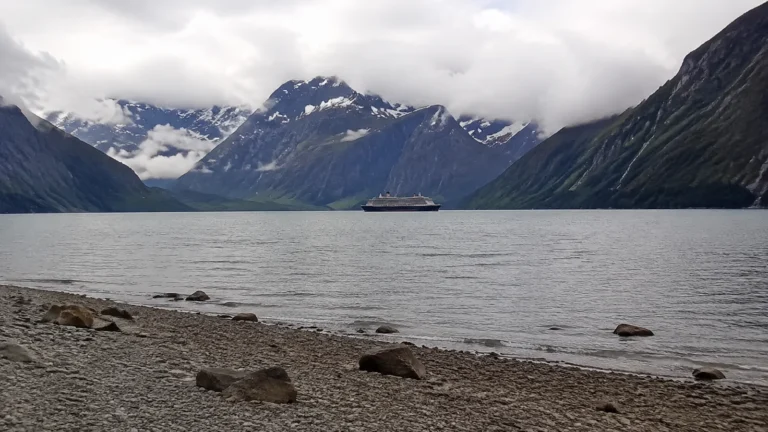
November marks the early part of the Antarctic Peninsula’s austral-summer visitor season. IAATO reporting shows that most Antarctic tourism focuses on the Peninsula during the summer operating window, with Ushuaia serving as the dominant gateway.
Early season can bring extensive snow, sculpted ice, and active courtship or nesting behavior for some species. None of those details is guaranteed at a particular site, and wildlife timing changes with species, location, weather, and year.
The biggest booking distinction is between an expedition voyage with planned landings and a cruise-only itinerary that sails in Antarctic waters without putting passengers ashore. Ship capacity, permits, site limits, sea conditions, and operator decisions all affect the landing program.
I would choose November because I value ice and early-season atmosphere, not because I expect to tick off named landing sites. Start with our practical explanation of Ushuaia to Antarctica cruises, then verify the operator, medical requirements, included clothing, and evacuation coverage.
The Drake Passage is a real trip consideration
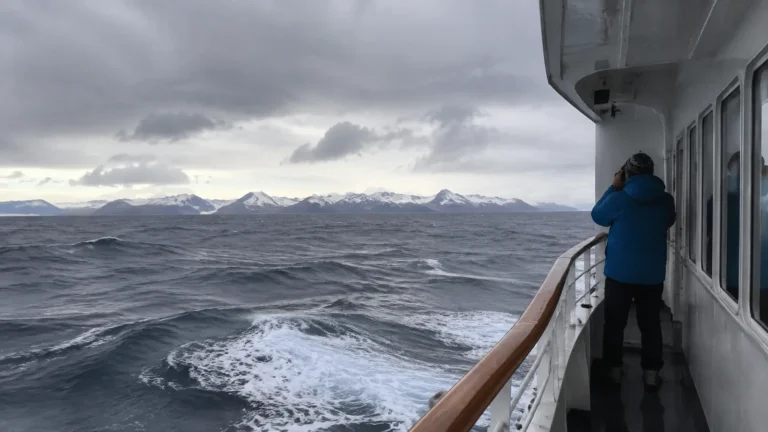
Conditions across the Drake can range from calm to very rough, and neither month nor ship can promise a smooth crossing. Discuss motion-sickness options with a clinician before travel if you are susceptible, and choose a cabin location that reduces your sensitivity.
Weather also controls landings and Zodiac operations. A responsible expedition team will change plans for safety or wildlife protection, which is a strength of the operation rather than a service failure.
Canary Islands and Madeira: November’s underrated warm route
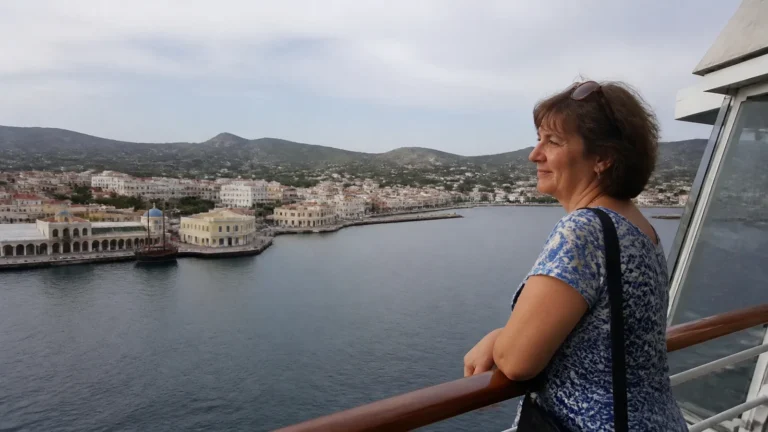
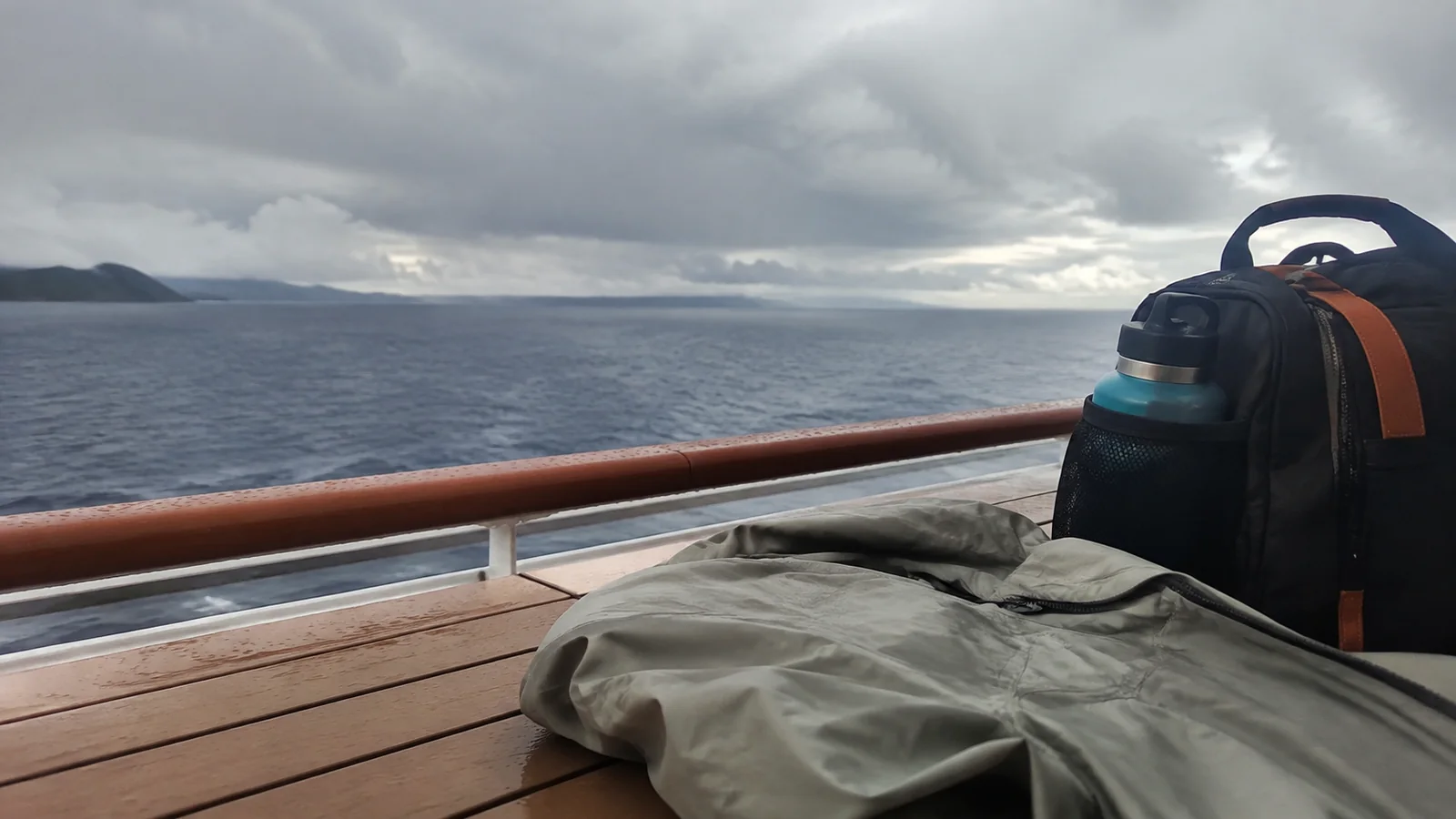
The Canary Islands and Madeira are compelling when you want milder weather, volcanic scenery, and European culture without a long Caribbean flight. Ports may include Tenerife, Gran Canaria, Lanzarote, Fuerteventura, and Funchal, depending on the route.
Departure point matters enormously. A round trip from Southampton includes several cool Atlantic sea days, while a fly-cruise beginning in the islands trades those days for airport logistics and potentially tighter baggage rules.
This is not guaranteed beach weather, especially on exposed coasts or at elevation. It is a better choice for travelers who would enjoy walking historic centers, visiting gardens, and seeing volcanic landscapes even when the wind makes swimming unattractive.
Mediterranean: quiet cities, fewer beach promises
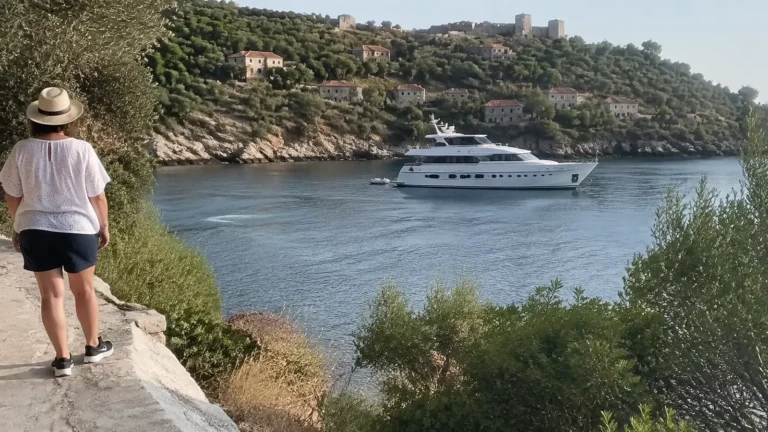
November Mediterranean cruises suit travelers who care about food, museums, archaeology, and city walks. Crowds may be lighter than in summer, but daylight is shorter, rain is more likely, and seasonal restaurants or boat services can reduce schedules.
I favor routes anchored by year-round cities such as Barcelona, Rome, Athens, or Istanbul. A schedule dominated by small resort islands is more vulnerable to closures and quiet streets after the summer season.
Check port hours carefully because an early sunset changes the value of a late arrival. Also verify whether “Rome” means Civitavecchia and “Florence” means Livorno or La Spezia, since long transfers consume limited daylight.
Pack a rain shell, closed-toe walking shoes, and a warm layer. A heated indoor pool or covered promenade adds more practical value in November than another sun deck.
Transatlantic crossings: long, peaceful, and weather-dependent
November still brings westbound repositioning cruises as ships move toward the Caribbean and the Americas. They can deliver an appealing nightly rate, but consecutive sea days, wind, and cool northern Atlantic weather are core features.
Choose the ship as carefully as the route. Enrichment, music, indoor lounges, spa access, and comfortable public space matter more when there is no port tomorrow.
A westbound itinerary often changes clocks gradually, which can make the arrival easier. One-way airfare, a European hotel, transfers, laundry, and the longer time away still belong in the real cost.
Travelers drawn specifically to formal ocean-liner tradition should distinguish a scheduled crossing from a port-heavy repositioning cruise. The onboard rhythm and weather exposure can be similar, but the purpose and port mix differ.
New Zealand and Australia: spring with cyclone awareness
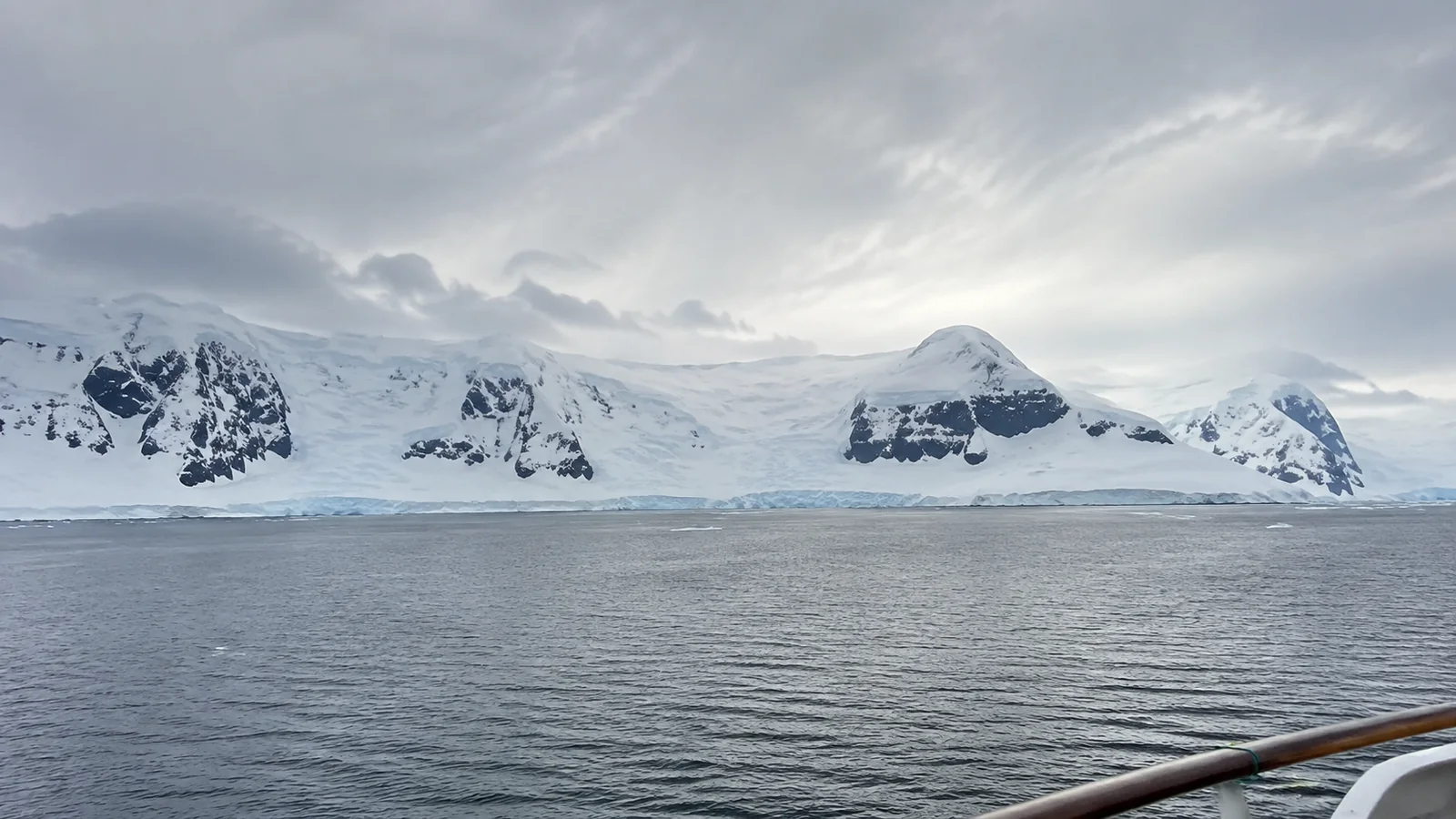
November brings spring cruising to Australia and New Zealand, with longer southern daylight and a growing selection of regional itineraries. New Zealand can move through sun, wind, and rain quickly, while Fiordland scenic cruising depends heavily on visibility and sea conditions.
Do not translate “spring” into reliably warm beach weather. Pack a waterproof layer and insulation for southern ports, then lighter clothing for northern Australia or subtropical calls.
November also starts official tropical cyclone monitoring periods. Australia’s Bureau of Meteorology defines its season as November 1 through April 30, and New Zealand’s MetService notes South Pacific systems can later affect New Zealand as ex-tropical cyclones.
Early-season risk is not a forecast that your cruise will meet a cyclone. It is a reason to follow official alerts, maintain flexible plans, and avoid treating port order as immutable.
Our New Zealand cruise guide breaks down route shapes, ports, and pre-cruise planning. I would add at least two land nights when flying that far, preferably more if Auckland, Sydney, or the South Island is part of the dream.
Hawaii from California: choose it for the sea days
Round-trip Hawaii cruises from California avoid a flight to the islands but spend many days crossing the Pacific. They work for travelers who enjoy a relaxed shipboard routine and have enough vacation time for a longer itinerary.
California departure and return days can be cool, and the Pacific may be active. The islands themselves have significant windward and leeward differences, so a rainy forecast for one side does not describe every port excursion.
Port calls are precious on a sea-day-heavy itinerary, yet tendering, weather, and operational needs can still change them. Our breakdown of Hawaiian cruises from California helps decide whether avoiding the transpacific flight is worth the extra days.
Southeast Asia: never assume one regional forecast
November can begin a drier period in parts of mainland Southeast Asia while other areas remain wet or enter different monsoon patterns. Singapore, Thailand’s two coasts, Vietnam, Malaysia, and Indonesia do not share one useful weather label.
Study the actual ports rather than accepting “Asia in November” as a forecast. Heat, humidity, sudden downpours, air quality, tides, and long transfers can shape shore days as much as temperature.
Choose a route with an overnight or generous hours in at least one major city. Bangkok and Ho Chi Minh City may involve lengthy transport from cruise terminals, so an eight-hour call can deliver surprisingly little independent touring time.

Christmas market cruises in late November
Some European river and ocean itineraries begin seasonal programming near the end of November. Market opening dates differ by city and year, and individual stalls or attractions may start later than the cruise schedule.
Verify official dates for each destination after schedules are published. If holiday atmosphere is the entire reason for traveling, early December generally offers a deeper selection than a departure that barely overlaps opening weekend.
How to pick your November cruise
Start with your tolerance for uncertainty
Caribbean travelers need itinerary flexibility, Antarctica travelers need landing flexibility, and Europe travelers need weather flexibility. New Zealand asks for all three in smaller doses.
Pick the uncertainty that bothers you least. A low fare cannot compensate for a trip style that clashes with your expectations.
Check the holiday calendar
Compare the same ship before, during, and after Thanksgiving, including airfare and hotels. Occupancy patterns can matter more than the headline cruise fare, especially for families needing adjacent rooms or cabins that sleep four.
Value indoor ship design
Covered pools, observation lounges, promenades, and multiple indoor dining spaces earn their keep in November. A ship designed mainly around exposed outdoor attractions may feel crowded when wind or rain sends everyone inside.
What to pack for a November cruise
- Caribbean: Quick-drying clothes, strong sun protection, a light rain shell, and one evening layer.
- Europe and crossings: Waterproof outerwear, warm layers, closed shoes, and a compact umbrella.
- Antarctica: Follow the operator’s exact gear list and confirm which parka, boots, and waterproof clothing are supplied.
- New Zealand: Packable rain protection, insulation, sun protection, and shoes suitable for wet paths.
- Multi-climate routes: Use layers and onboard laundry rather than packing separate wardrobes.
Medication, travel documents, chargers, and one change of clothes belong in your carry-on. Keep cold-weather essentials accessible when boarding in a chilly city rather than burying them in checked baggage.
My November verdict
For a simple warm escape, I would choose a Caribbean cruise outside Thanksgiving week and accept that hurricane season is not formally over. For a destination-first trip, Antarctica is the standout, while New Zealand offers the most appealing mix of spring scenery and city ports.
The Canary Islands are November’s clever middle ground, and a transatlantic is ideal only for genuine sea-day lovers. Whatever you choose, judge the ship, route, air logistics, and weather exposure together rather than letting one tempting fare make the decision.