Mediterranean Small-Ship Cruises: Complete Guide
Mediterranean small-ship cruises trade giant waterslides for stone harbors, island swims, late dinners, and ports where the ship may feel like part of the waterfront. The magic is real, but so are July heat, steep tender steps, tiny cabins, and itineraries that cross several immigration systems in one week.
Why choose a small ship in the Mediterranean?
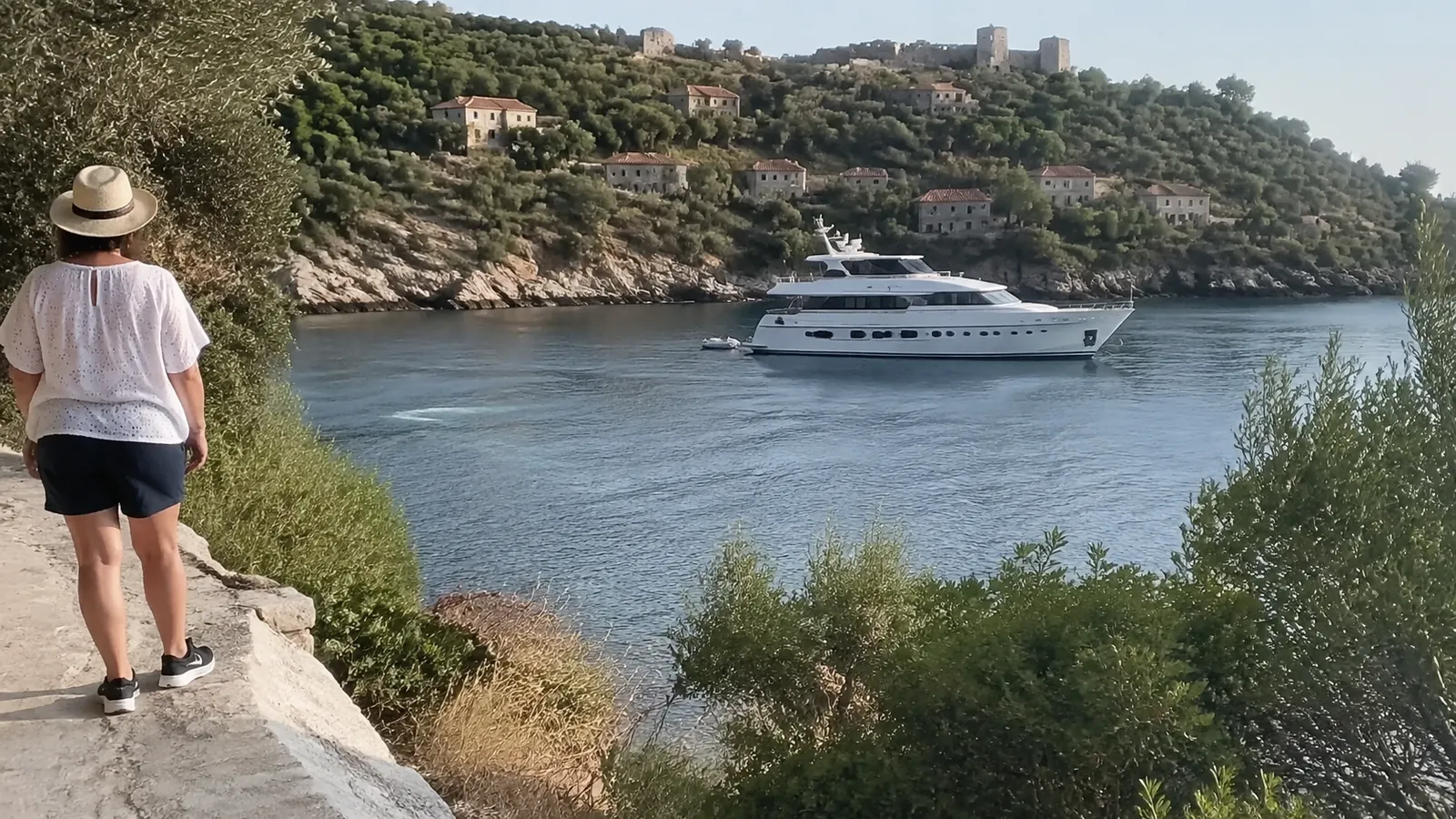
A smaller vessel can call at harbors that do not fit today’s largest cruise ships and may carry fewer people into a historic town. It can also anchor off beaches, use marina berths, and design routes around island groups rather than headline homeports.
The atmosphere often feels quieter and more destination-focused, with outdoor decks replacing acres of indoor entertainment. Some sailings stay later in port, but that depends on the berth, route, and exact departure rather than ship size alone.
Small ships do not make famous places private. Mykonos, Santorini, Dubrovnik, Venice, Capri, and Hvar can be crowded even when your own vessel carries fewer than 200 guests.
What “small ship” means here
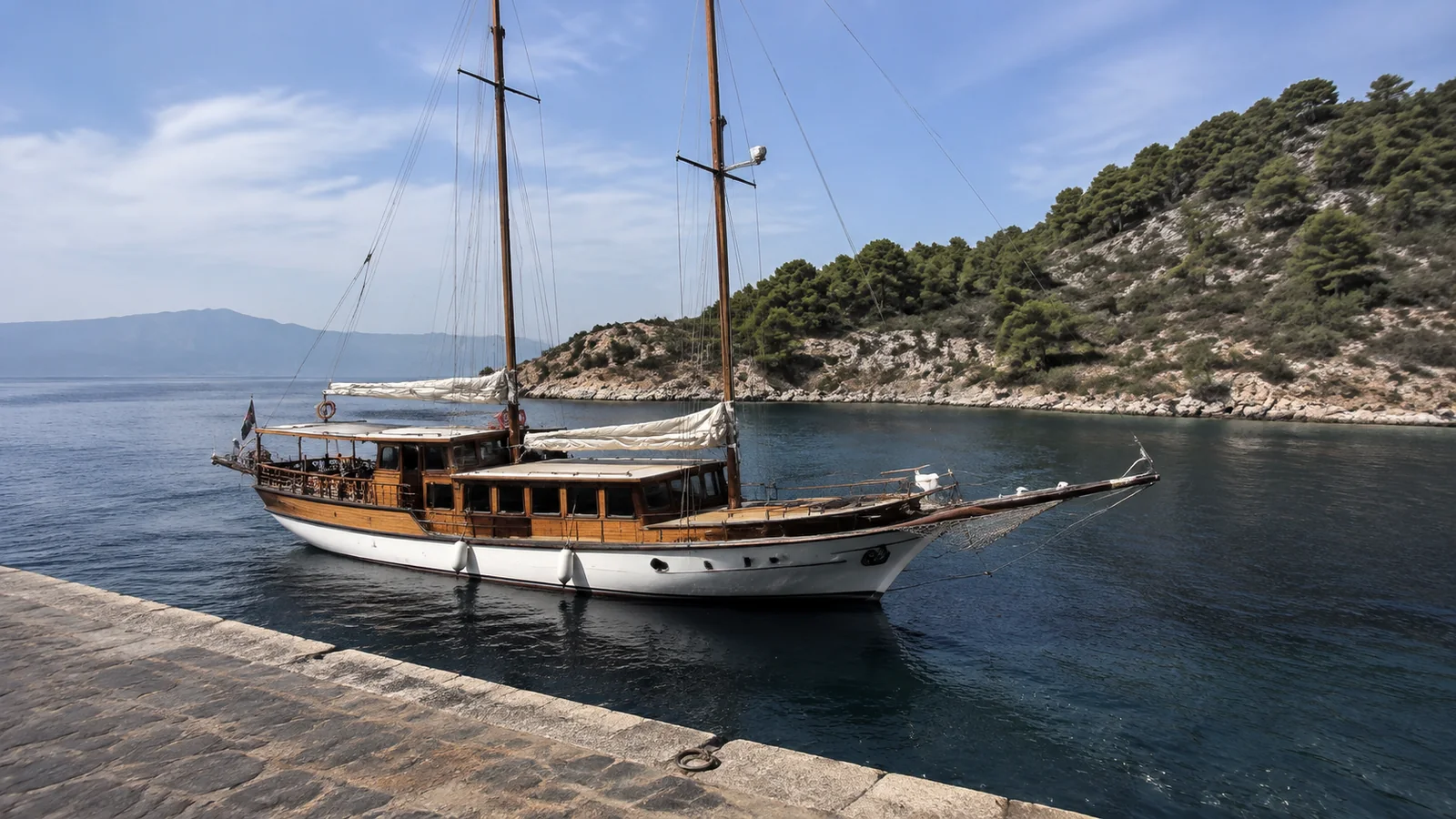
The Mediterranean category includes sailing ships, motor yachts, expedition-style vessels, local coastal cruisers, luxury yachts, and boutique ocean ships. Passenger counts can range from a few dozen to several hundred.
A traditional-looking sailing ship may use engines for most scheduled travel, while a yacht-style ship may be a compact cruise vessel rather than a private yacht. Ask how the exact ship operates instead of choosing by brochure language.
This small-ship cruise comparison explains the formats, cabins, activity levels, and general tradeoffs. For the Mediterranean, route and season become the next big decisions.
Three real products to put on your shortlist
These operator examples were checked September 5, 2026. Treat the routes as specific published examples, because the ship, direction, and calls can change between departures.
- Product: Katarina Line, One Way Wonders, Deluxe Croatia cabin cruise
- Who I’d choose it for: Swims, waterfront towns, and several dinners ashore
- What to accept: Confirm the assigned vessel and cabin category; a local motor cruiser has limited entertainment and can raft alongside other boats
- Product: Star Clippers, Star Flyer, Eternal Cyclades
- Who I’d choose it for: Travelers excited about a 166-passenger tall ship and smaller island calls
- What to accept: Compact cabins and stairs are part of the experience; the least expensive Category 6 uses upper/lower berths
- Product: Windstar, Wind Surf, Treasures of the Greek Isles
- Who I’d choose it for: A comfortable sailing-yacht trip with Greek sightseeing and later evenings
- What to accept: Generally a bigger spending commitment than a simple coastal cabin cruise; compare the base fare with the optional inclusive package
Route one: Croatia for swimming and evenings ashore
Katarina Line’s seven-night One Way Wonders runs from Trogir’s Marina Baotić through Bol and Vis/Komiža, Biševo’s Blue Cave and Hvar, Korčula, Mljet, Slano for Ston, and Dubrovnik, with disembarkation on day eight. The current start is Marina Baotić, so I’d not book a transfer to Split’s city harbor just because an older description says Split.
The published meal plan includes daily breakfast, six lunches, a welcome dinner, and a captain’s dinner, leaving other dinners available for town restaurants. Pick this for a couple who wants to swim, wander, and choose a waterside dinner without paying for a large onboard show program.
Route two: the Aegean for tall-ship atmosphere
Star Flyer’s September 25 to October 2, 2027, seven-night Eternal Cyclades sequence is Piraeus, Milos/Adamas, Chania, Santorini, Bodrum, Amorgos, Hydra, and Piraeus. That includes Türkiye as well as Greece, and I’d choose it for the contrast between a famous caldera and places such as Amorgos and Hydra.
Skip this particular ship if stairs or upper/lower sleeping berths were a problem, unless a suitable cabin and safe access had been confirmed. Wind Surf’s May 4 to 11, 2027, seven-night Treasures departure is my comparison for travelers who prefer a larger sailing yacht; the operator highlights full port days and later visits in Santorini, Kusadasi, Patmos, and Mykonos.
A transparent seven-night budget comparison
The following is an illustrative budget built September 5, 2026, for two adults, using assumed fares in euros to make the arithmetic comparable. These are planning inputs, not advertised prices, live quotes, or a claim that either operator currently sells at that amount.
- Cost for two adults: Assumed cruise fare
- Croatia cabin-cruise example: €2,000 each = €4,000
- Boutique yacht example: €4,000 each = €8,000
- Cost for two adults: Extra meals
- Croatia cabin-cruise example: €450 for five dinners
- Boutique yacht example: €0 assuming full board
- Cost for two adults: Excursions and drinks
- Croatia cabin-cruise example: €300 combined
- Boutique yacht example: €450 excursions + €350 drinks
- Cost for two adults: Tips and fees allowance
- Croatia cabin-cruise example: €200
- Boutique yacht example: €200
- Cost for two adults: Ground transfers
- Croatia cabin-cruise example: €200
- Boutique yacht example: €200
- Cost for two adults: One pre-cruise hotel night
- Croatia cabin-cruise example: €200
- Boutique yacht example: €200
- Cost for two adults: Illustrative total before flights and insurance
- Croatia cabin-cruise example: €5,350
- Boutique yacht example: €9,400
Replace every allowance with the quote’s actual inclusions, especially port taxes, local visitor fees, tips, excursions, and transfers. If drinks or gratuities are included, remove those allowances instead of paying for the same benefit twice in your comparison.
For my own planning, I’d start with the Croatia style when swimming and local evenings were the priority, then move to the yacht comparison only if its cabin, itinerary, and included services justified the difference. Skip a premium package whose main benefits I’d barely use on a week spent mostly ashore.
Best Mediterranean small-ship regions
Croatia and the Adriatic
The Dalmatian coast is ideal for small vessels because historic cities, walled towns, coves, and islands sit relatively close together. Split, Dubrovnik, Korčula, Hvar, Šibenik, Zadar, Vis, and smaller ports appear in many combinations.
Some coastal ships emphasize swimming and simple island hopping, while boutique vessels add guides, restaurants, and more polished cabins. Berths can raft ships together, meaning passengers cross neighboring vessels to reach the quay.
Routes may include Kotor in Montenegro or ports in Slovenia and Italy, adding border and currency considerations. These Dubrovnik port tips help plan the busiest call without pretending the old city will be empty.
Greece and the Aegean
Greek small ships can thread through the Cyclades, Dodecanese, Sporades, Saronic Islands, Crete, and the Peloponnese. The best itinerary is not automatically the one with the most island names.
Wind can cancel tenders, close exposed beaches, or change the route, especially in the Aegean. Choose a group of islands you would enjoy rather than making one port the entire emotional value of the fare.
Santorini and Mykonos bring iconic scenery and heavy demand, while islands such as Naxos, Milos, Syros, Patmos, and Hydra offer different landscapes and town life. Port access still depends on the vessel and local schedule.
Turkey and the Turquoise Coast
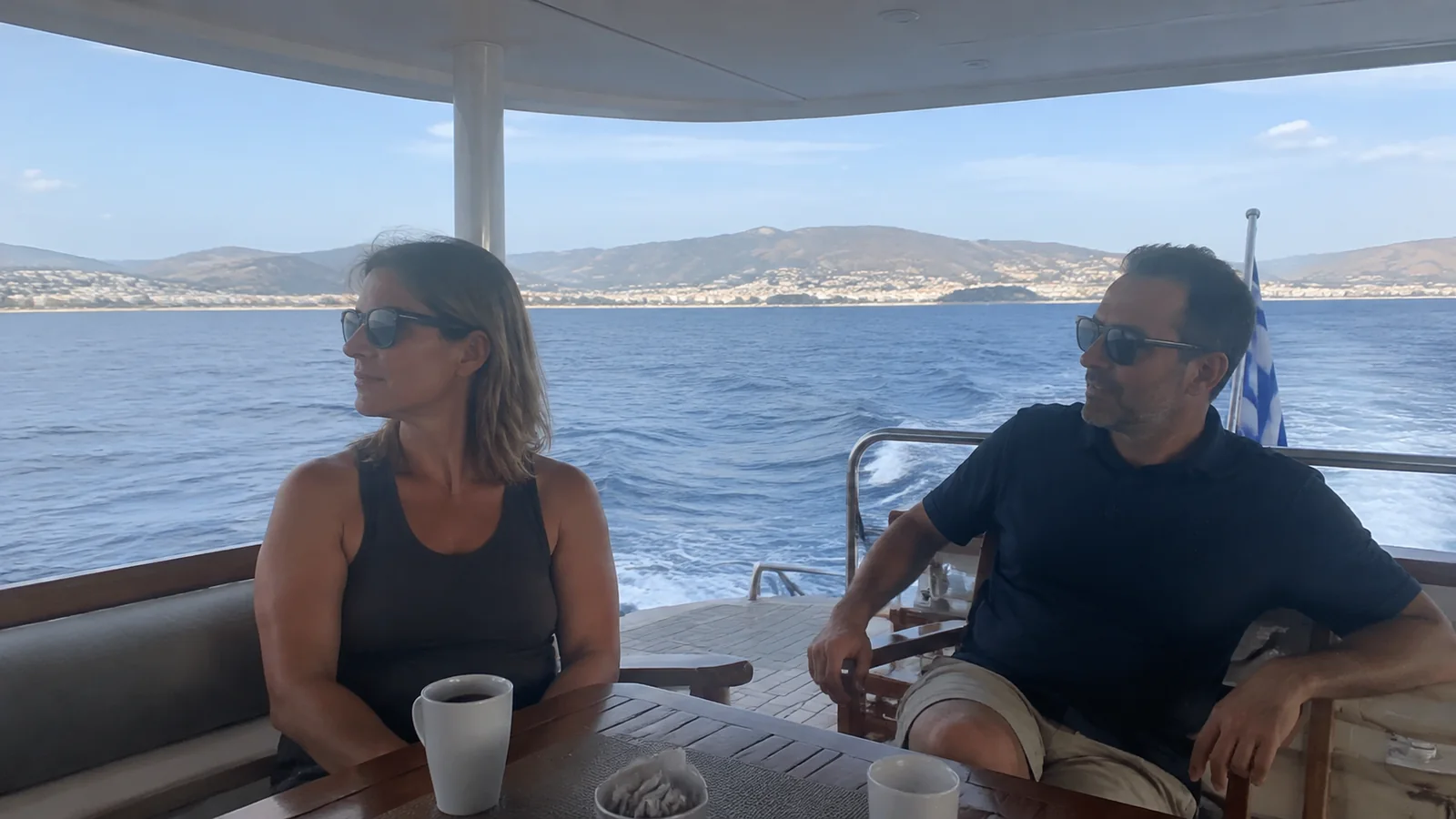
Traditional gulets and modern yachts explore coves, archaeological sites, and coastal towns between Bodrum, Marmaris, Fethiye, and Antalya. Some trips are cabin cruises with strangers, while others are whole-vessel charters.
Check air conditioning hours, generator noise, cabin bathrooms, meal plan, alcohol policy, crew gratuities, water sports, and shore transportation. “Gulet” describes a vessel tradition, not one consistent comfort level.
Turkey has its own entry rules and is not part of the Schengen Area. A route combining Greece and Turkey needs valid documents for both systems.
Italy, Malta, and nearby islands
Sicily, the Aeolian Islands, Malta, the Amalfi Coast, Sardinia, and southern Italy create routes rich in archaeology, food, volcanoes, and small harbors. Tender conditions and local boat restrictions can alter access around delicate coastlines.
Capri and Amalfi are famous but extremely busy in peak season. Lipari, Gozo, Ponza, Elba, and less-promoted ports can provide welcome contrast when included responsibly.
For a mainland gateway, these Livorno port-planning tips explain the long day-trip choices behind a simple port name.
Western Mediterranean islands and rivieras
Corsica, Sardinia, the Balearic Islands, the French Riviera, Liguria, and the Spanish coast suit ships that balance glamorous ports with coves and smaller towns. Distances can be longer and seas more exposed than an island-hopping map implies.
Best time for a Mediterranean small-ship cruise
May, June, September, and early October often provide the best balance of operating schedules, pleasant temperatures, and manageable crowds. Sea and air temperatures still vary dramatically by region and year.
July and August bring the fullest summer atmosphere along with intense heat, high prices, busy ports, and limited shade. Historic streets and archaeological sites can feel far hotter than a breezy ship deck.
April and later October can be lovely for culture-focused trips, yet swimming may be cool and weather more changeable. Some island restaurants, beach clubs, ferries, and tourism services reduce hours outside the core season.
Heat, wildfire, and smoke planning
Mediterranean heat waves can close archaeological sites, strain local services, and make a long walking tour unsafe. Wildfires and smoke may disrupt roads, ports, flights, and excursions with little notice.
The European Climate and Health Observatory’s wildfire information notes rising risk in Mediterranean regions. Follow local emergency instructions, never enter a closed area, and keep medication and documents ready in case the ship or hotel plan changes.
Book morning excursions in midsummer, carry water, use sun protection, and take shade breaks before anyone feels ill. Travel insurance should address wildfire, evacuation, missed ports, and independently booked arrangements.
Understand tenders and marina berths
Small ships may dock in town, anchor and tender, or use inflatable boats for a beach or small quay. Each method creates different mobility and weather limits.
A Mediterranean tender is not always a flat, step-free transfer. Ask about stairs, handholds, gap width, weight limits, wheelchair policy, and whether crew can safely assist.
When ships berth side by side, guests may cross gangways and decks of other vessels. This common coastal arrangement can be awkward for balance, vision, or mobility and deserves a direct question before booking.
Cabins can be very compact
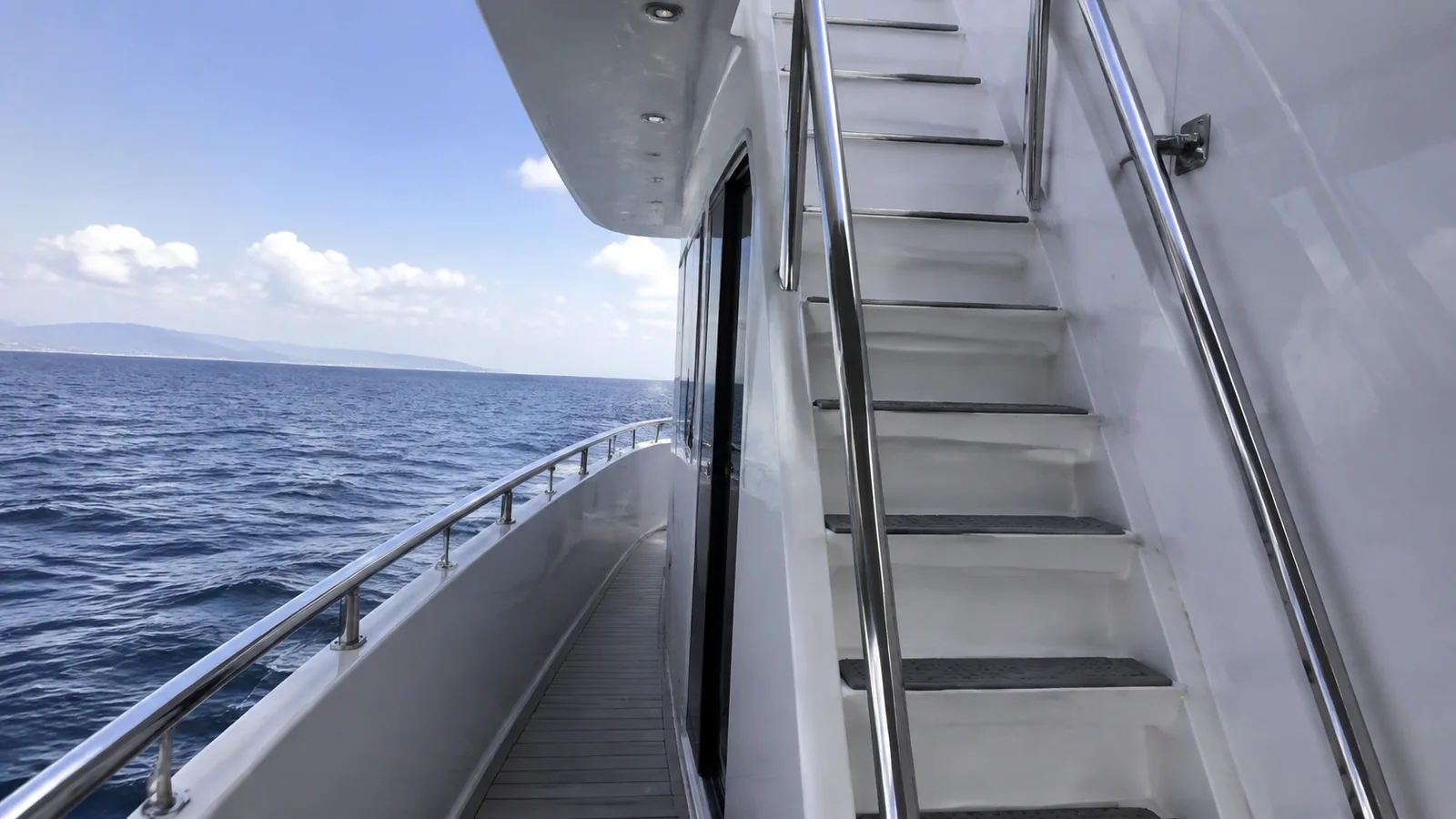
Check exact square footage, bed setup, storage, window type, bathroom, stairs, and air conditioning. A local coastal vessel can offer a wonderful route with a cabin closer to a sailboat than a hotel room.
Balconies are uncommon on the smallest ships and can reduce interior space when present. A generous shared deck may be more useful on a social, scenery-heavy route.
Meals and daily rhythm
Some fares include all meals, while others intentionally leave dinners open for local restaurants. Both models can be excellent, but they create very different budgets and evenings.
Ask whether water, coffee, alcohol, tips, port charges, and special meals are included. Dietary needs should be discussed before payment because tiny galleys have limited separation and storage.
Excursions and independent time
Small-ship fares may include guided walks and admissions, charge for every excursion, or provide almost no organized touring. Compare the actual inclusion list and the time available in each port.
Historic centers often sit close to the quay, which makes independent exploration easy. Remote beaches, archaeological sites, and inland wineries may still require taxis, buses, guides, or reserved vehicles.
Schengen time and Mediterranean borders
Many Mediterranean ports are inside the Schengen Area, but Turkey, Montenegro, Albania, and parts of the wider region follow separate entry systems. Cyprus currently applies national rather than Schengen visa rules.
For eligible short-stay visitors, time in Schengen is generally limited to 90 days in any rolling 180-day period. The European Commission’s official short-stay calculator helps long-term travelers count correctly.
The EU’s Entry/Exit System records relevant non-EU short-stay border crossings electronically, and procedures may add time at an external border. Check the official EES information before departure.
As of this guide’s review, the EU said ETIAS was expected in the last quarter of 2026 but had not provided a final start date. Use only the official ETIAS information and ignore websites selling premature authorization.
Passport validity, blank pages, visa rules, and permitted stay depend on nationality and every country visited, including transit. The cruise line’s boarding rule can be stricter than a border’s minimum.
How much do these cruises cost?
Prices range from relatively simple cabin cruises to ultra-luxury yachts, so one average is not useful. Calculate total cost per night after adding port charges, drinks, tips, excursions, transfers, Wi-Fi, hotels, and flights.
A charter price should specify the whole-vessel rate, tax, crew, fuel allowance, marina fees, food, beverages, and repositioning. “All inclusive” needs a written definition.
Solo travelers should compare single supplements, dedicated cabins, and roommate programs. Families need minimum ages, cabin occupancy, life-jacket sizes, railings, and swimming rules confirmed in writing.
How to choose the right operator and ship
First decide whether you want a social coastal cruiser, sailing romance, expedition interpretation, a private charter, or boutique hotel comforts. Then compare only ships in that lane.
Verify the operator’s legal identity, insurance, safety management, cancellation terms, payment protection, and recent ship history. A reseller should clearly identify the company actually operating the vessel.
Ask how long the captain and senior crew have worked in the region. Local experience cannot control weather, but it matters when berths, winds, and backup ports change.
Accessibility and fitness
Many small Mediterranean ships lack elevators and have steep exterior stairs, narrow corridors, raised door sills, and compact bathrooms. Old-town shorelines add cobbles, hills, heat, and steps.
Request measurements and photographs rather than accepting a general assurance. Confirm the evacuation plan, tender limits, gangway method, and which ports can be enjoyed without a strenuous transfer.
A less mobile traveler may still find the right boutique ship and itinerary with advance planning. The important word is “right,” not the assumption that every small vessel can adapt.
What to pack
- Passport and any required entry authorizations
- Lightweight clothing that covers shoulders and knees
- Swimsuit, sun hat, sunglasses, and sunscreen
- Light rain and wind layer
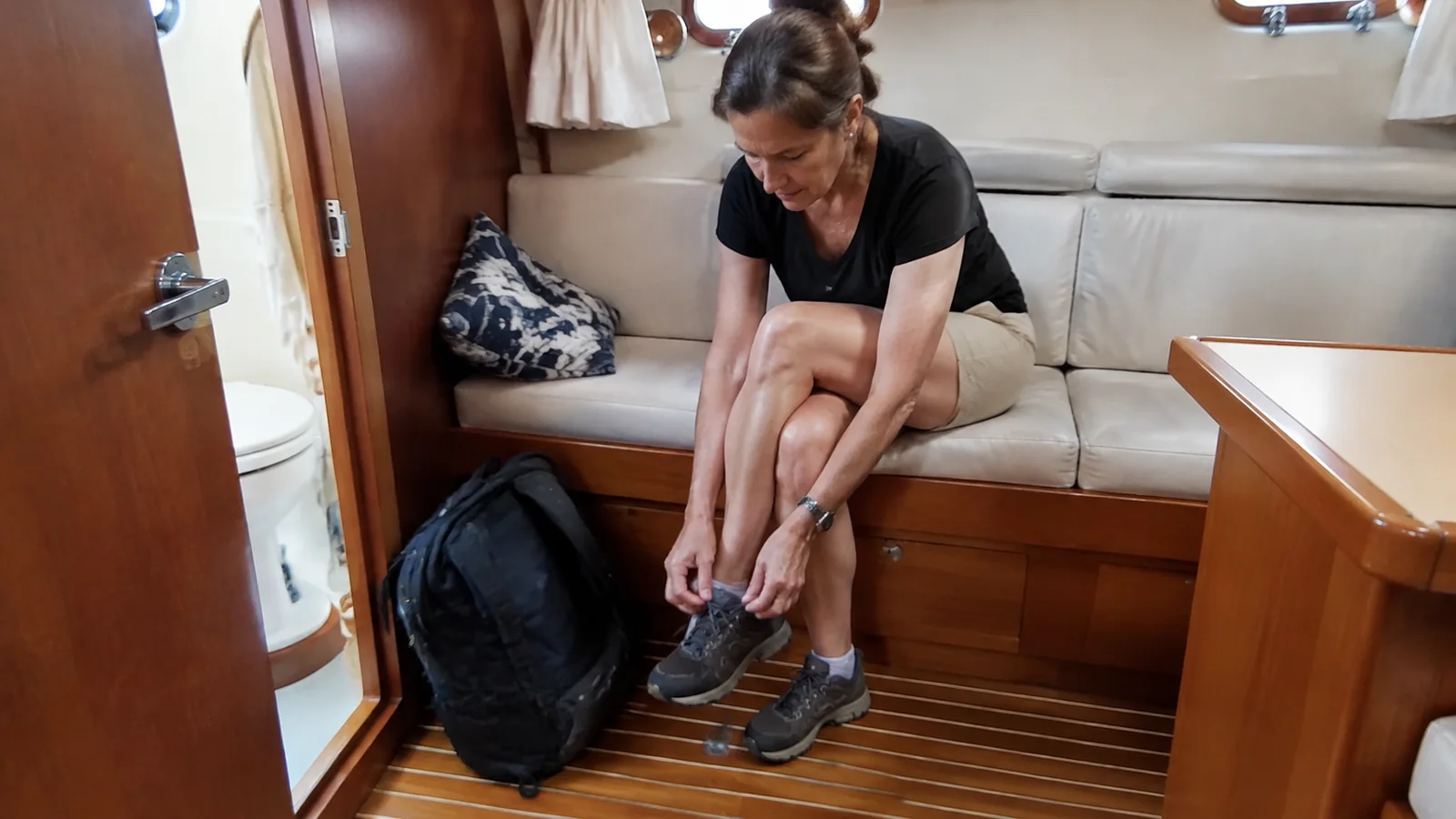
- Walking shoes with grip for stone streets
- Water shoes if beach landings are planned
- Small soft-sided bag if storage is limited
- European plug adapters appropriate to the ship and hotels
- Refillable bottle and personal medication
- Motion-sickness plan approved by a clinician
Dress codes usually lean relaxed, but churches and monasteries may require covered shoulders and knees. A light scarf or overshirt solves the problem without filling the suitcase.
A smart booking checklist
- Exact ship, operator, passenger count, and cabin dimensions
- Dock, tender, rafting, and wet-landing expectations
- Included meals, drinks, tips, excursions, and port fees
- Air conditioning and generator schedule
- Cancellation rights and itinerary-change terms
- Border, visa, and passport requirements for every call
- Mobility, medical, dietary, and family limitations
- Airport and hotel transfers at both ends
- Heat, wildfire, and weather insurance coverage
- Backup ports and typical response to strong wind
These unusual European cruise ports can help identify routes with something beyond the usual icons. Compare them by actual time ashore, not the number of pins on the itinerary map.
Mediterranean small-ship FAQs
Are small ships better for Greek islands?
They can reach smaller harbors and build island-heavy routes, but strong wind still disrupts tenders and schedules. The best choice depends on comfort, mobility, cabin needs, and tolerance for change.
Is a Croatia small-ship cruise all inclusive?
Not necessarily. Many coastal cruises include breakfast and lunch while leaving some dinners open, and drinks, port fees, or excursions may cost extra.
Which month is best?
May, June, September, and early October suit many travelers seeking warm weather with less peak-season intensity. Swimming temperature, rain, wind, and local openings still vary by region.
Final thoughts
A Mediterranean small ship should feel like a key to the coast, not a miniature version of a mega-ship. Choose the region, vessel style, and season together, then make sure your body and budget fit the gangway.
Leave room for wind to rearrange the islands and for heat to shorten a tour. The reward is a wonderfully close view of the Mediterranean, one harbor at a time.