Ushuaia to Antarctica Cruises: How to Choose the Right Expedition
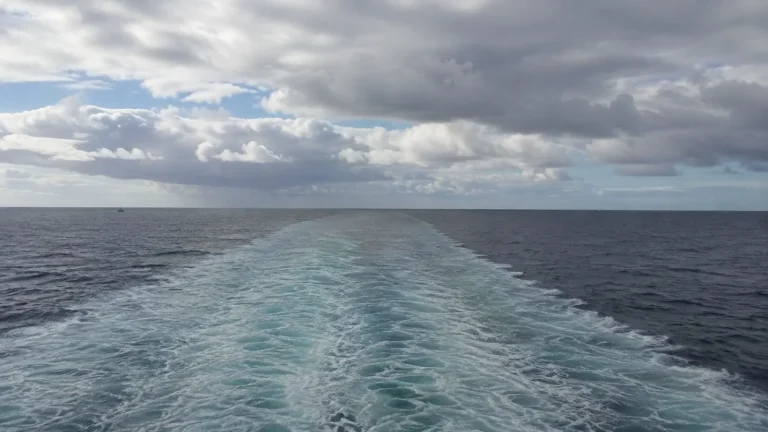
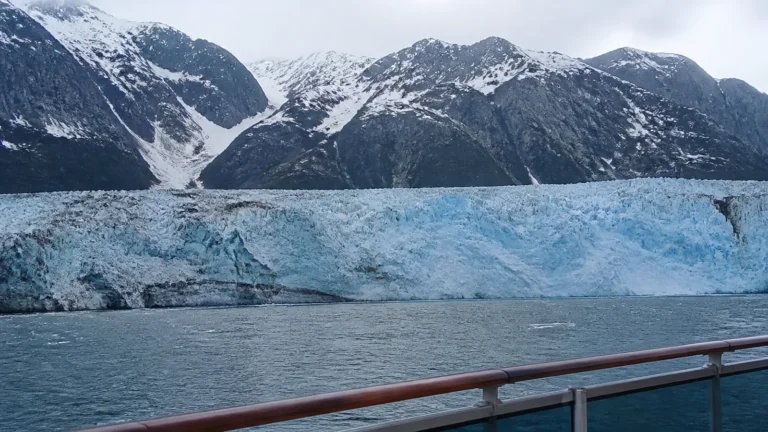
Ushuaia slips behind the stern, albatrosses take the wind, and the Drake starts collecting loose coffee cups. The classic sea route to Antarctica is wonderfully direct, but “Antarctica cruise” can mean a 100-passenger landing expedition, a 500-passenger rotation, or a large scenic voyage where nobody steps ashore.
Choose the operating format first. Everything else follows.
Why Most Antarctica Cruises Leave From Ushuaia
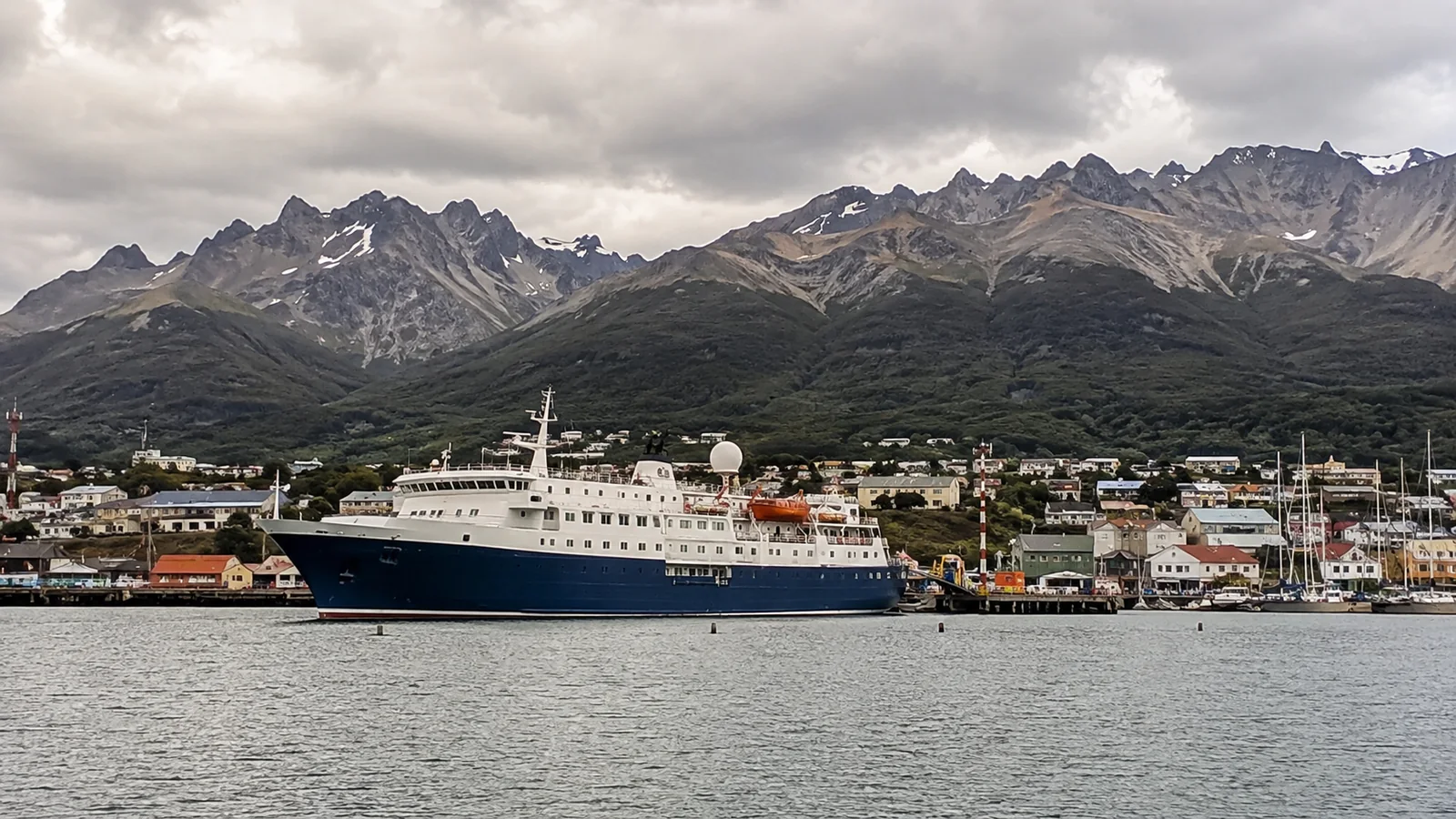
Ushuaia sits on Argentina’s Tierra del Fuego, beside the Beagle Channel and close to the sea route toward the Antarctic Peninsula. Its airport, hotels, port services, provisioning network, and concentration of expedition operators make it the most active maritime gateway to Antarctica.
Most itineraries sail east through the Beagle Channel, cross the Drake Passage, and reach the South Shetland Islands or Antarctic Peninsula in roughly two sea days when conditions cooperate. Weather, ice, ship speed, and the captain’s route can change that timing.
The Antarctic Treaty Secretariat says about 98 percent of Antarctic tourism voyages occur around the Peninsula during the seven-month austral summer from October through April. Ushuaia is not the only gateway, but it offers the broadest comparison of Peninsula departures.
First Decide Whether You Want to Land
This is the question that prevents the most expensive booking mistake. A ship can cross into Antarctic waters and deliver magnificent scenery without operating Zodiac landings, while another ship may build the entire day around getting passengers ashore.
IAATO categorizes traditional expedition vessels carrying 13 to 200 passengers as C1, mid-sized landing vessels carrying 201 to 500 as C2, and cruise-only vessels carrying more than 500 as CR. Vessels with more than 500 passengers are not allowed to land passengers in Antarctic waters.
The IAATO cruise FAQ explains these capacity categories and provides member and vessel directories. Verify the operating ship, not just the travel brand or brochure, because charter relationships and vessel assignments can change.
Ships carrying 200 or fewer passengers
Smaller expedition ships give the best odds of a landing-rich rhythm because fewer guests must rotate through boats and shore sites. They can also feel more active, less anonymous, and more responsive to a short wildlife opportunity.
The tradeoffs are usually price, less entertainment, fewer restaurants, tighter cabins, and potentially more noticeable motion. “Small ship” is not a synonym for luxury, stability, or private space, as this small-ship cruising comparison makes clear.
Ships carrying 201 to 500 passengers
Mid-sized expedition vessels can still make landings, but passenger groups must rotate. A strong operator fills off-ship time with Zodiac cruising, kayaking, lectures, wildlife viewing, and staggered shore access rather than leaving half the ship idle.
Ask for the actual daily rotation model and expedition-team size. A ship with more public space may suit travelers who value comfort, but it cannot place every passenger at a small landing site simultaneously.
Ships carrying more than 500 passengers
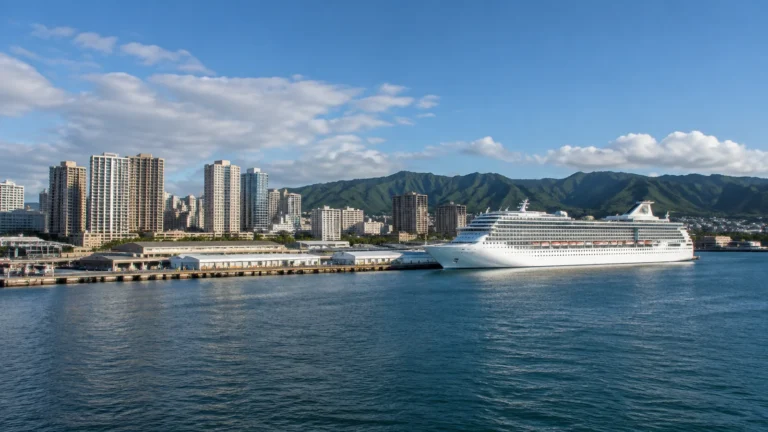
Large cruise-only vessels suit travelers who want Antarctic scenery, lectures, broad dining choice, and familiar ship amenities without Zodiac boarding or shore walking. They are also an option for travelers whose mobility or medical needs make a landing expedition inappropriate.
They do not deliver an Antarctic landing. If stepping onto land or sea ice appears anywhere on the wish list, do not book a cruise-only ship and hope an excursion will be added later.
Choose the Right Route
Classic Antarctic Peninsula
The classic round trip from Ushuaia commonly lasts about ten to twelve days, including the Beagle Channel, two Drake crossings, and several operating days around the South Shetland Islands and Peninsula. Actual landings, channels, bays, and research-station visits remain conditional.
This is the right first route for most travelers because it contains the core mix of ice, penguins, seals, whales, mountains, and expedition cruising without adding another week. A day printed with three place names is an intention, not a guarantee.
Antarctic Circle
Circle itineraries continue farther south in an attempt to cross 66°33′ south. They require more time and cost, and ice or weather can block the milestone even when the operator makes a serious attempt.
Choose this route for additional expedition days and the journey south, not for a certificate. A guaranteed latitude is the wrong expectation in an ice-led environment.
Falkland Islands, South Georgia, and Antarctica
Longer voyages can combine the Falkland Islands, South Georgia, and Antarctic Peninsula over roughly three weeks or more. South Georgia’s wildlife concentrations and expedition history can rival the Peninsula, while the Falklands add distinct landscapes, communities, and birdlife.
This is the strongest wildlife route and a poor choice for anyone already anxious about sea days. It adds open-ocean passages, higher total cost, more schedule risk, and a much longer absence from ordinary medical care.
Fly-cruise alternatives
Some programs begin with a flight from Punta Arenas, Chile, to the South Shetland Islands, reducing or removing one Drake crossing. They usually do not begin in Ushuaia, so compare them as a separate transport product rather than a premium version of the same departure.
Flights are weather-sensitive and luggage restrictions can be tighter. A fly-cruise suits severe sea anxiety only if the traveler also accepts the possibility of aviation delay.
What the Drake Passage Is Really Like
The Drake can be calm, rough, or somewhere unremarkable between the two. No operator, ship design, cabin location, forecast screenshot, or month can guarantee a “Drake Lake.”
Expect about two days each way without turning that estimate into a promise. The deeper Drake Passage planning guide explains the crossing, but the essential preparation is medical advice before travel and safe movement onboard.
- Discuss motion-sickness prevention with a healthcare professional well before departure.
- Choose a lower, more central cabin if motion matters more than view.
- Use handrails and follow crew restrictions on outside decks.
- Secure loose electronics, bottles, and cabin objects before sleep.
- Eat and hydrate according to medical advice rather than waiting until nausea peaks.
Stabilizers can reduce some movement but do not flatten the Southern Ocean. A larger ship may feel steadier in some conditions, yet capacity, hull, speed, heading, and sea state all matter.
When to Cruise From Ushuaia
October and November
Early season brings fresh snow, extensive ice, dramatic spring landscapes, and courtship or nesting activity for some seabirds and penguins. Colder conditions and heavier ice can restrict routes, especially farther south.
December and January
Midsummer offers very long daylight and the broadest holiday inventory. Penguin breeding activity is prominent, demand and prices can be high, and famous sites may feel busier even with coordinated visitation.
February and March
Later summer is often favored for whale interest and more open water, while penguin chicks develop and shorelines can lose their fresh-snow look. Shorter daylight and worsening late-season weather remain possible.
No month guarantees a species, a landing, the Antarctic Circle, or a calm Drake. Choose the broad seasonal character you prefer, then let the expedition leader adjust to conditions.
How to Compare Expedition Operators
Start with IAATO membership, the named ship, passenger capacity, Polar Class or ice-strengthening details, expedition-team composition, medical facilities, and emergency planning. IAATO members operate under agreed procedures for responsible travel, but membership does not make every cabin, activity, or price equivalent.
The Antarctic Treaty tourism page links the current visitor guidelines and explains that tourism is regulated through the Treaty system and national authorities. Operators submit plans and environmental assessments through a competent government authority rather than relying on a tourist visa for the continent.
Ask these questions before paying
- What is the exact ship and maximum passenger count?
- Is the voyage landing-capable or cruise-only?
- How are passengers divided for landings and Zodiac cruises?
- Which activities are included, capacity-limited, or extra-cost?
- Are boots, waterproof pants, parka, and trekking poles provided or rented?
- What insurance limits and evacuation coverage are mandatory?
- What medical questionnaire or physician approval is required?
- What happens if ice, weather, or a mechanical issue changes the voyage?
- Are gratuities, drinks, hotel nights, transfers, and charter flights included?
Kayaking, camping, snowshoeing, mountaineering, photography programs, and polar plunges vary by ship and departure. If one activity would define the trip, obtain written confirmation of capacity, skill requirements, cancellation terms, and whether participation is guaranteed.
What Landings and Zodiac Cruises Involve
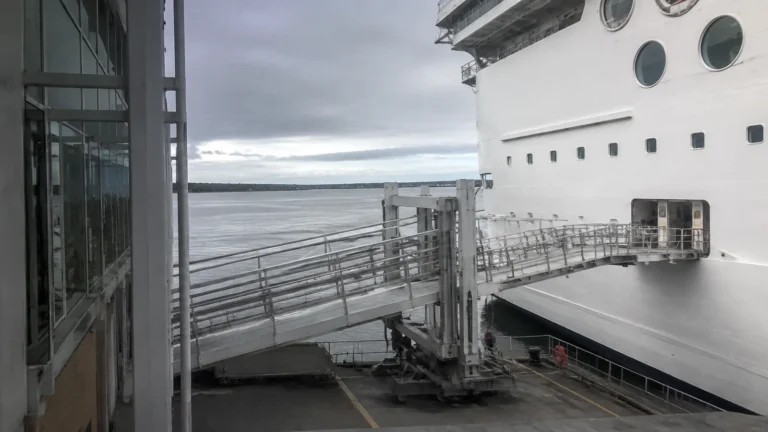
Passengers generally board rigid inflatable Zodiac boats from a marina or side platform, wearing required outerwear and flotation equipment. Transfers can involve steps, gripping crew members’ forearms, sitting on inflated tubes, spray, and moving surfaces.
Shore landings may be wet, rocky, snowy, muddy, steep, or slippery. A traveler who can walk through an airport independently may still need a frank mobility discussion with the operator.
Some days substitute a Zodiac cruise for a landing because ice, wildlife, wind, swell, or site capacity makes shore access unsuitable. That is not automatically a failed day; boat-level views of ice and wildlife can be the strongest part of an expedition.
Antarctic Visitor Rules Matter
Antarctica is not a place to approach wildlife for a better portrait, remove a pebble, sit on moss, or wander beyond flagged routes. Guides set distances and movement rules according to species, site, behavior, and current conditions.
IAATO’s visitor preparation hub emphasizes safe, respectful travel and links its guidelines library. Biosecurity procedures commonly include cleaning boots, packs, poles, tripods, and clothing before the first landing and between sensitive sites.
Recreational drone use is not allowed on IAATO member trips in coastal Antarctica. Leave the drone at home unless the operator has confirmed a permitted professional purpose within its authorization.
What an Ushuaia Embarkation Requires
Most international travelers reach Ushuaia through Buenos Aires, and the domestic flight may leave from a different airport than the international arrival. Treat the airport transfer, baggage rules, weather risk, and traffic as separate pieces of the journey.
Arrive in Ushuaia at least two nights before embarkation, and consider three when flights are separate tickets or winter weather remains possible in the shoulder season. An extra hotel night is cheaper than trying to catch a ship that has sailed.
The provincial government projected hundreds of calls for the 2025–2026 cruise season and describes Ushuaia as a major Antarctic gateway. The official season announcement also illustrates why port traffic, hotel demand, and ground services tighten on busy exchange days.
Confirm whether the operator includes an airport transfer, pre-cruise hotel, luggage pickup, charter movement, and terminal transfer. “Embarks in Ushuaia” does not mean every service begins at the airport.
Use the Buffer Days Well
Tierra del Fuego National Park, Beagle Channel navigation, the End of the World Museum, Martial Glacier area, and the city’s waterfront can fill one or two days. Avoid a long, weather-dependent excursion on the morning of embarkation unless the operator explicitly controls both movements.
Buy forgotten base layers or toiletries early, but do not assume specialist sizes and prescription items will be available. The port area is central, while lodging climbs the hills behind town, making baggage transfer more important than map distance.
Entry Documents and Insurance
Antarctica itself does not issue a conventional tourist visa, but travelers must satisfy Argentina’s entry rules and any requirements for Chile, the Falkland Islands, South Georgia, or transit countries on the itinerary. Nationality, residence, passport history, and route can change the answer.
Argentina’s migration authority publishes current tourist entry-document guidance. Check the operator’s passport-validity requirement too, since a cruise line can impose a stricter documentation deadline than border minimums.
Evacuation from Antarctica can be delayed, weather-dependent, and extraordinarily expensive. Buy the operator’s required medical, evacuation, interruption, and cancellation coverage, then read exclusions for preexisting conditions, expedition activities, polar regions, and separate flights.
What to Pack
Pack warm layers that can be adjusted between a heated ship, windy Zodiac, and active shore walk. A waterproof outer layer, warm hat, neck protection, gloves with a spare pair, wool or synthetic socks, polarized sunglasses, sunscreen, and a dry bag are core items.
Operators vary on loaned parkas, rubber boots, waterproof pants, and binoculars, so inventory the exact inclusions before shopping. The broader cruise packing checklist is useful for travel-day basics, but expedition-supplied gear controls the final polar list.
Bring prescription medication in hand luggage with extra supply, plus any physician documentation required. Checked baggage can be delayed between Buenos Aires and Ushuaia, and a ship cannot wait indefinitely for a missing suitcase.
How Much Does an Antarctica Cruise Cost?
There is no honest single price because route length, cabin sharing, ship size, balcony inventory, charter flights, activity inclusions, and booking terms differ enormously. A lower advertised fare can lose its advantage after mandatory insurance, hotel nights, domestic flights, boots, gratuities, drinks, and solo supplements.
Compare complete trip cost in the same currency and cabin occupancy. Late deals can exist in Ushuaia, but they suit travelers with flexible dates, correct gear, open cabin preferences, immediate funds, and no need to prearrange complex leave or flights.
Who Should Skip This Cruise?
Skip or postpone it if rough water is medically unsafe, evacuation coverage is unaffordable, mobility needs are incompatible with the chosen vessel, or missing a scheduled return would create a crisis. A scenic large-ship voyage or fly-cruise may be a better format, but neither removes all polar risk.
Also reconsider if the trip only feels worthwhile with a guaranteed landing, specific penguin colony, cloudless photograph, or Circle crossing. Expedition cruising offers possibilities, not a fixed attraction schedule.
Landing rotations and a real price reference
The Antarctic visitor guidelines limit passengers ashore from one vessel to 100 at a time, with at least one guide per 20 visitors and lower limits at some sites. Ships carrying more than 500 passengers do not make landings, which explains why passenger count changes the experience even when two ships advertise the same peninsula.
On a 200-passenger expedition, a workable model is two landing groups of up to 100, each requiring at least five guides ashore. One group may be on a Zodiac cruise while the other lands, but weather, wildlife, staffing, and the site’s rules determine the actual rotation, so I would ask how long each group usually gets ashore instead of counting only advertised landing attempts.
As sampled September 5, 2026, Quark’s 2026–27 featured offers advertised the 11-day Antarctic Explorer from US$15,961 per person, reduced from US$17,590. This is an advertised starting offer rather than a held cabin quote, and the exact departure, cabin category, sharing basis, discounts, and availability must be confirmed.
For an honest total, add your flights to the specified gateway, any unbundled hotel or transfer nights, required insurance, optional paddling or other adventures, gratuities, and personal spending. Solo travelers need a separate quote for sole occupancy or a confirmed sharing arrangement; I would also retain money for an extra gateway night after a weather-related delay.
The Bottom Line
For the most landing opportunity, choose an IAATO member voyage on a ship carrying 200 or fewer passengers, then compare the expedition team, cabin, activity capacity, and total cost. Choose a mid-sized ship for more onboard space with rotations, or a 500-plus-passenger vessel only when scenic cruising without landings is acceptable.
Arrive in Ushuaia two or three nights early, insure the full trip, and let weather write the daily route. Antarctica rewards preparation precisely because nobody can control it.