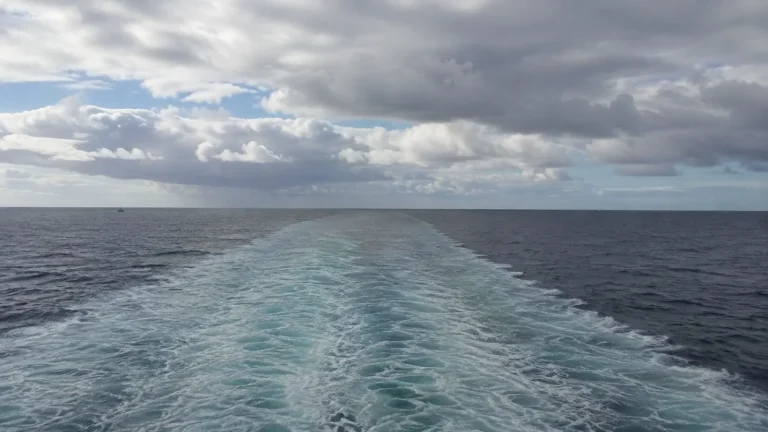
Best Cruises in February: Warm Routes, Weather, and Value
February looks like an easy month for a warm cruise, until school breaks, cyclone seasons, winter flights, and long-haul fares enter the picture. Choose the route for the vacation you want, then test its weather and total cost against your tolerance for surprises.
What is the best cruise destination in February?
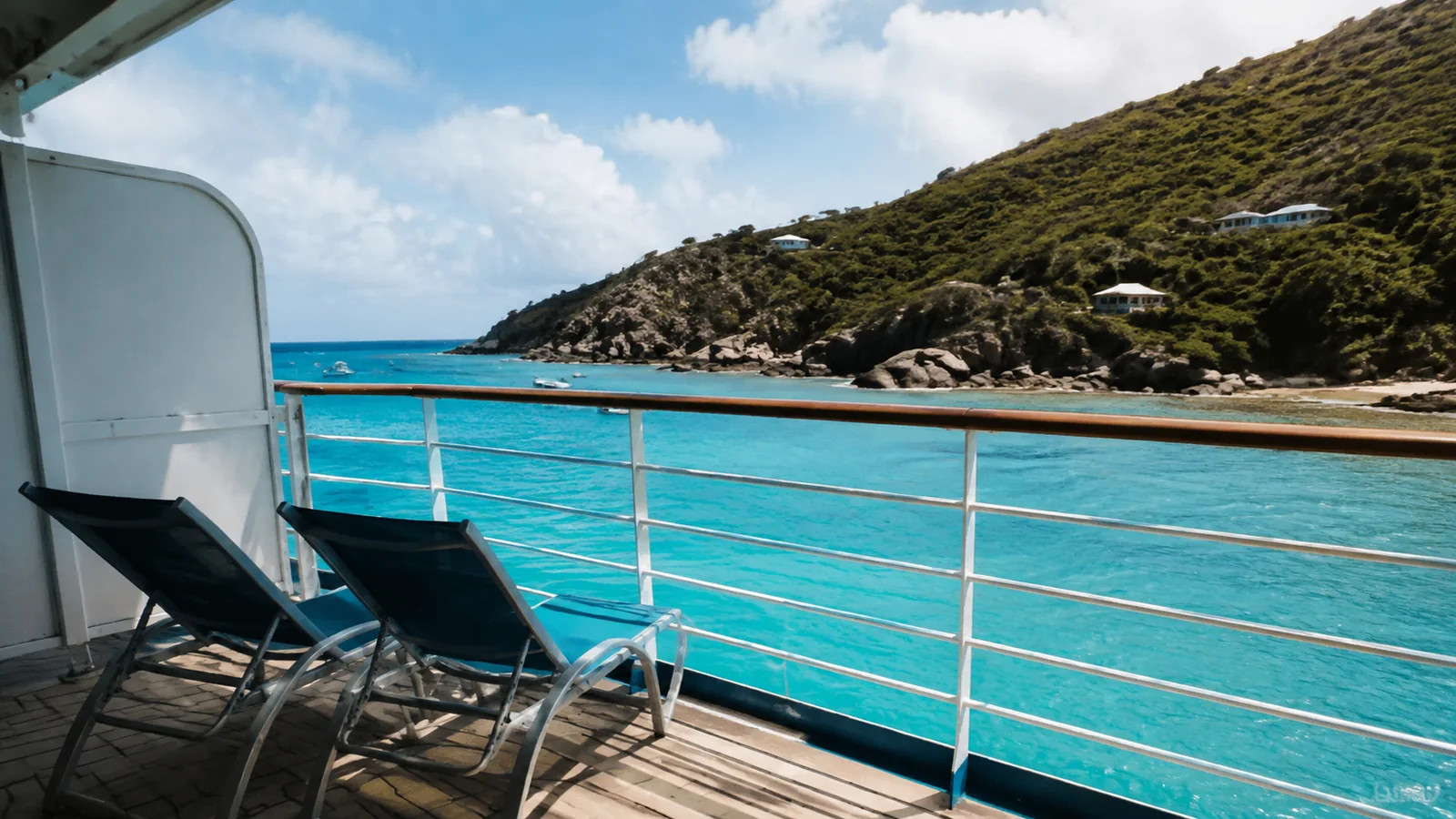
For the broadest mix of warmth and convenient departures, the Caribbean is the practical winner. For a more distinctive trip, February also opens doors to Southern Hemisphere summer, Antarctic expeditions, Hawaii’s winter wildlife season, and coastal Norway’s dark-sky possibilities.
- Best easy warm escape: Caribbean or Bahamas, with the southern Caribbean favored when heat is the priority.
- Best tropical scenery from the West Coast: Hawaii, if several sea days sound relaxing rather than restrictive.
- Best summer landscapes: New Zealand, Patagonia, or southern Australia.
- Best expedition: Antarctica, with weather-led plans and no guaranteed landings or wildlife.
- Best mild-weather alternative: Canary Islands and Madeira, especially for walkers who do not need tropical heat.
- Best winter atmosphere: Norway, if snow and darkness are part of the appeal.
February deployment changes from year to year, and cruise lines can alter itineraries for operational, safety, or weather reasons. Use these recommendations to choose a region, then verify the exact ship, ports, and dates you are actually buying.
Is February a good month to cruise?
Yes, if you choose the hemisphere carefully. It is winter in the Northern Hemisphere, summer in the Southern Hemisphere, outside the Atlantic hurricane season, and inside tropical cyclone season around Australia.
February can also be better for travelers who want to escape the first week of January’s holiday spillover. That does not make every sailing cheap, because Valentine’s Day, the U.S. Presidents’ Day period, regional school breaks, and date-shifting Carnival celebrations can increase demand.
Compare your exact week with the weeks on both sides of it. A one-day change in departure can affect airfare and cabin supply more than the word “February” suggests.
Best February cruises for reliable warmth
Caribbean: the strongest all-around match
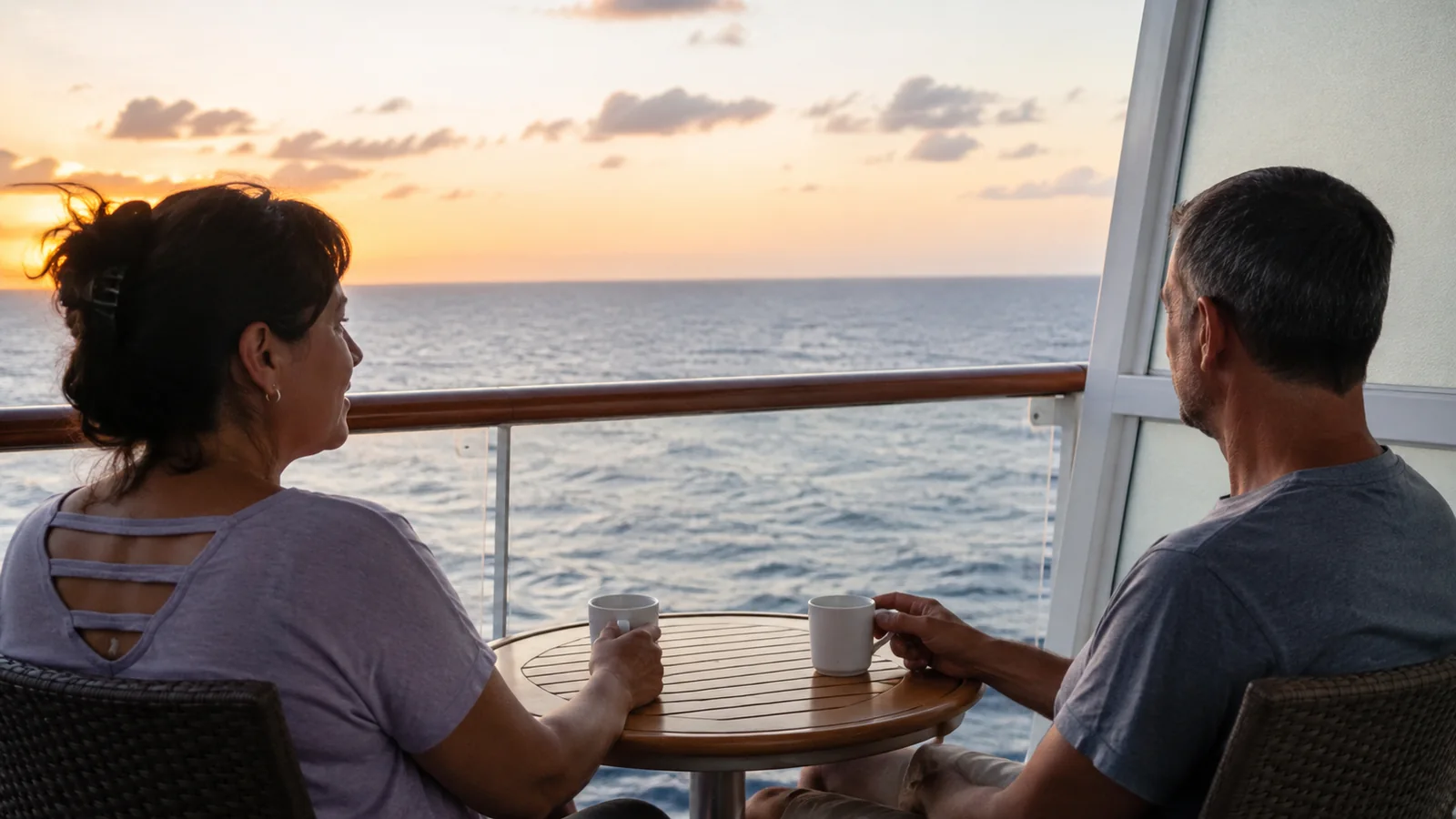
A February Caribbean cruise suits couples, families, first-time cruisers, and anyone who mainly wants to trade winter coats for swimwear. It also offers the widest range of trip lengths and departure cities, which helps control flight time and cost.
The National Hurricane Center defines the Atlantic hurricane season as June 1 through November 30. February is outside that official window, although cold fronts, trade-wind showers, rough water, and rare off-season systems remain possible.
Not every Caribbean itinerary feels equally warm. The Bahamas and northern islands can be breezy or cool behind a front, while southern routes to Aruba, Curaçao, and Bonaire are a better bet for travelers who rank heat above convenient sailing distance.
An eastern itinerary often favors beaches and island variety, while a western itinerary can emphasize reefs, ruins, and longer inland tours. Read each port day rather than choosing from a regional label.
Short Bahamas cruises can be convenient and lively, but February water or air may not match a midsummer pool fantasy. If a beach day is nonnegotiable, compare flexible resort passes and have a weather-proof backup.
Hawaii: warm islands with a sea-day commitment
Hawaii works for travelers who want volcanic landscapes, beaches, and winter wildlife possibilities without leaving the United States. Round trips from the West Coast require several sea days, while inter-island itineraries involve flying to Hawaii first.
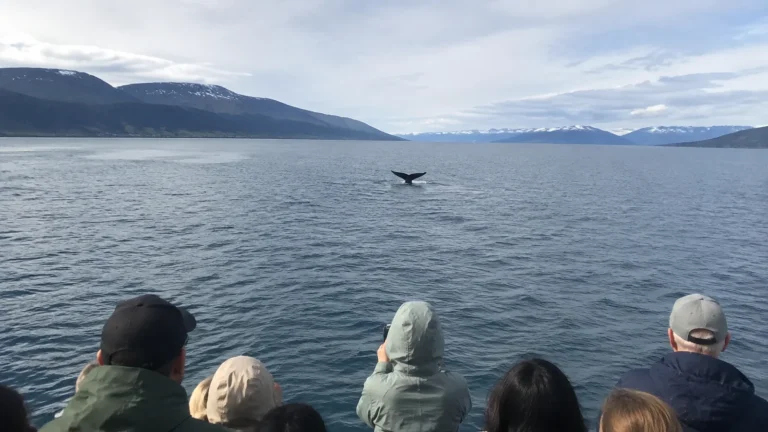
NOAA Fisheries explains that migratory humpback whales are found around Hawaii in winter, when they use warmer waters for breeding. That seasonal presence improves possibility, not certainty, and no ship, excursion, or February date can guarantee a sighting.
A sea-day-heavy crossing offers time to enjoy the ship but exposes you to cooler weather near California and open-ocean motion. Pack for the first and last days as well as for Honolulu.
Port times matter because each island offers more than one worthy plan and traffic can consume a surprising part of the day. Keep independent drives conservative, especially when the route has only one call at that island.
Panama Canal and Central America
February can suit a Panama Canal itinerary when you want tropical weather anchored by a major transit experience. Full transits, partial transits, and canal excursions are different products, so confirm what the ship actually does.
Do not choose only from the hero image of a lock. Compare old and new locks, canal-day narration, port hours, excursion transfer lengths, and whether the sailing begins and ends in different cities.
The Panama Canal planning details matter even more on a one-way itinerary because airfare and hotel nights become part of the route decision. Warm weather does not eliminate tropical showers, heat, or humidity.
Southeast Asia: good timing in selected places
February can align with drier patterns around parts of Thailand and the Malay Peninsula, but the region does not share one climate calendar. Singapore remains humid, different coasts receive rain at different times, and a “Southeast Asia” forecast is too broad to plan an excursion.
Choose this route for food, temples, cities, and coastal scenery rather than for a guaranteed string of beach days. Large commercial ports can sit far from the destination name, making transfer time as important as weather.
Hot, crowded sightseeing days reward breathable coverage, water, and a realistic schedule. One major attraction plus an unhurried meal often makes a better port day than three distant stops joined by traffic.
Best February cruises for Southern Hemisphere summer
New Zealand and southern Australia
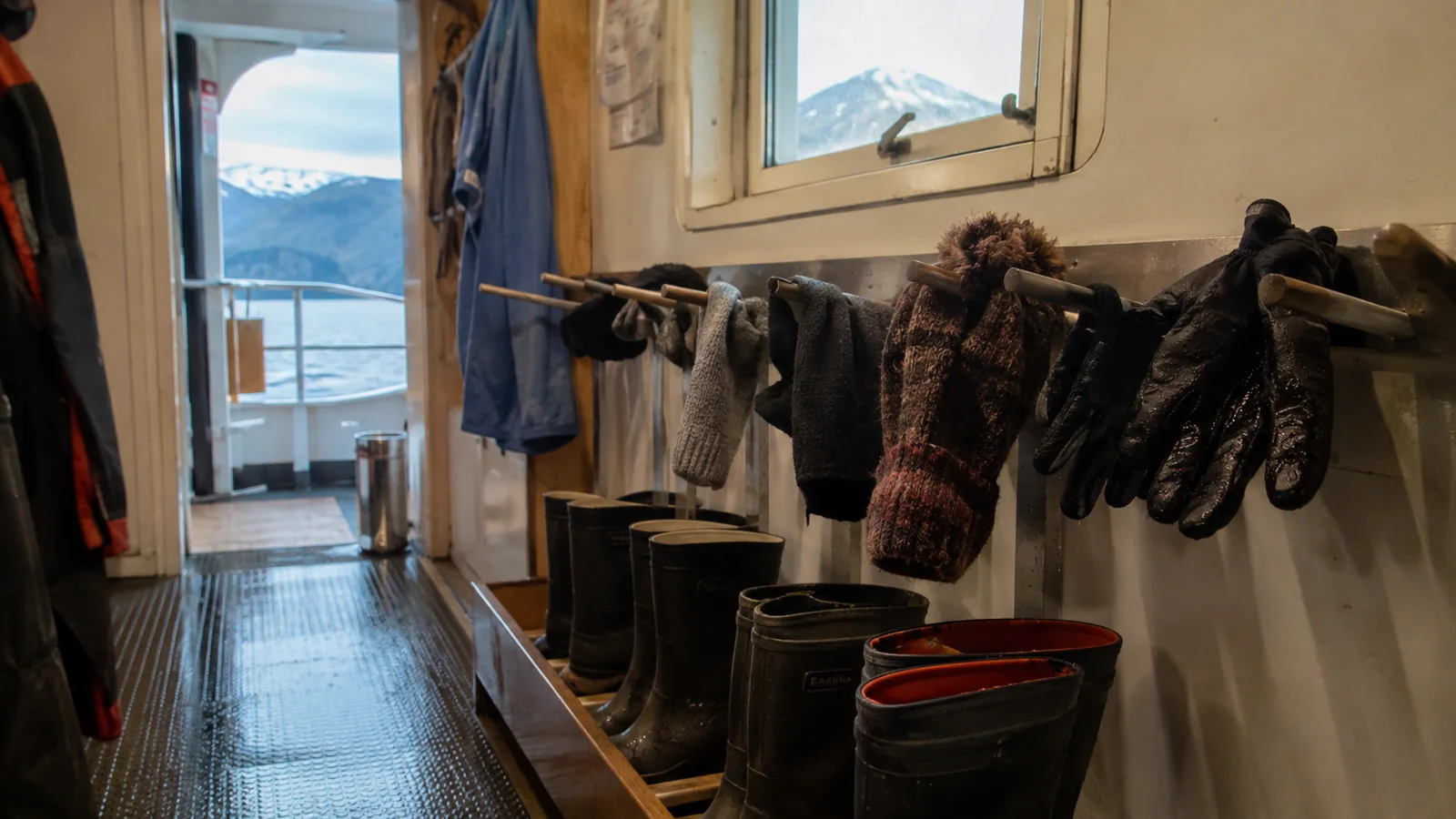
February can bring long days and late-summer conditions to New Zealand and southern Australia. It is a strong choice for fjords, city walks, wineries, and outdoor scenery, with fewer assumptions of tropical heat.
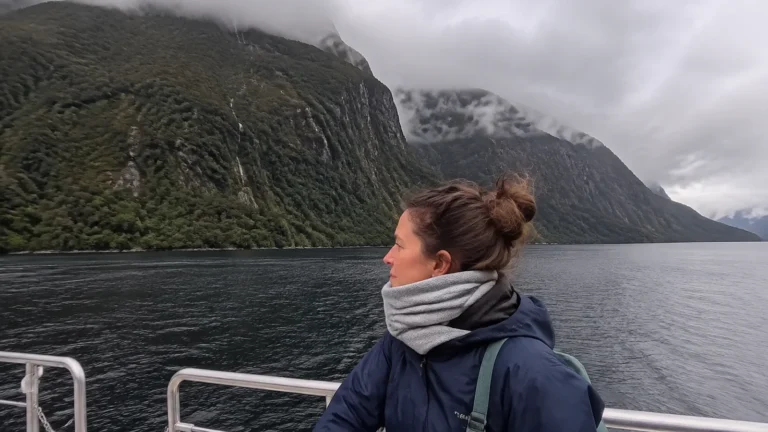
Fiordland is wet and changeable, the Tasman Sea can be lively, and southern ports may need a sweater even when Sydney feels hot. A sun hat and a waterproof layer belong in the same suitcase.
Northern Australia requires a separate risk check. The Australian Bureau of Meteorology says the official tropical cyclone season runs from November 1 through April 30 and that activity varies greatly between years.
February is therefore not the Southern Hemisphere equivalent of a cyclone-free Caribbean month. If a route includes tropical Queensland, the Top End, or nearby island regions, buy for the complete voyage rather than one irreplaceable port.
Patagonia and Cape Horn
Late summer makes February a logical time for Patagonia, the Chilean fjords, and routes around Cape Horn. Longer daylight helps, but wind, tender limits, and changeable coastal conditions remain central to the experience.
A Buenos Aires to Santiago itinerary can contain many sea days and enormous distances. Compare the actual scenic-cruising passages, tender ports, and hours ashore instead of judging from a map line.
This route is ideal for a traveler who values landscape over beach heat and can enjoy a revised plan. It is less satisfying when one remote landing carries all the emotional weight of the trip.
Antarctica in late summer
February remains within the principal visitor season for the Antarctic Peninsula. The Antarctic Treaty Secretariat reports that about 98 percent of Antarctic tourism voyages take place around the Peninsula during the October-to-April austral summer.
Some travelers associate later summer with particular ice or wildlife patterns, but conditions differ by year, site, and day. Never book on a promise of a specific whale, penguin behavior, landing, or channel transit.
First separate expedition voyages from cruise-by sailings. A vessel carrying Zodiacs does not guarantee every guest will land every day, while a cruise-by itinerary should be valued for shipboard viewing rather than shore access.
Insurance, medical requirements, waterproof gear, and flights to the embarkation city deserve the same attention as cabin price. Weather can disrupt the long journey before you even meet the ship.
Best February cruises for winter character
Coastal Norway
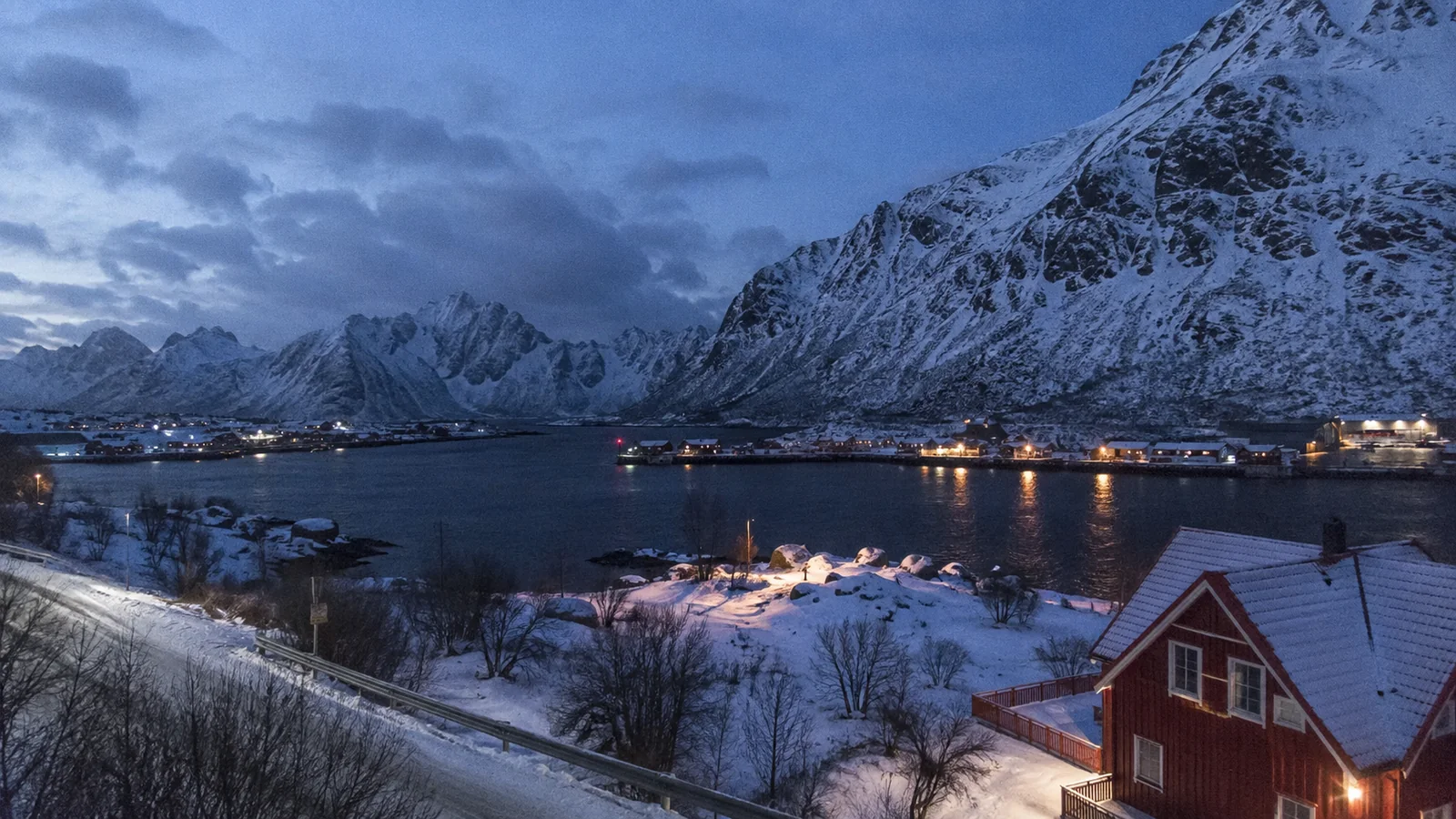
Norway in February is for snow, dark skies, coastal communities, and possible northern lights. The aurora depends on solar activity, darkness, and cloud cover, so it must be treated as a bonus rather than a delivered event.
Choose a voyage whose daytime ports, food, and landscapes still justify the trip under a cloudy sky. Waterproof winter footwear and traction can matter more than adding another formal outfit.
Coastal schedules and excursions can change in difficult conditions. That flexibility is a feature of responsible winter operations, not evidence that the route failed.
Canary Islands and Madeira
The Canaries and Madeira offer mild Atlantic-island weather when mainland Europe feels wintry. February is better framed as comfortable hiking and touring weather than as guaranteed tropical swimming weather.
Wind, showers, and elevation create major microclimates. A mountain viewpoint can be cool and cloudy while the port promenade feels pleasant.
This route often requires a European flight, and embarkation options vary. Price the hotel and air journey before comparing it with a shorter Caribbean trip from the United States.
Winter Mediterranean
A February Mediterranean cruise works for museums, architecture, food, and less intense heat. It also brings short daylight, cool rain, reduced seasonal services, and fewer deployed ships than summer.
Do not assume every landmark will be empty or every island will feel sleepy. School holidays, festivals, weekend crowds, and reservation systems still shape major attractions.
Build each port day around one priority and one flexible extra. Check official opening days close to departure, since seasonal schedules can change after you book.
February price and crowd traps
February is often described as a value month, but that shortcut hides expensive weeks. Valentine’s sailings can attract couples, Presidents’ Day can affect U.S. families and flights, and Carnival dates move from year to year.
Search at least three departure dates when your calendar allows it. The least expensive cabin week may carry the most expensive airfare, so always compare the complete trip.
- Include fare, taxes, port fees, and daily service charges.
- Add flights, baggage, transfers, parking, and a pre-cruise hotel.
- Price drinks, Wi-Fi, specialty dining, and excursions you will really buy.
- Add insurance that fits your itinerary and existing coverage.
- Account for expedition gear or winter clothing you do not own.
A solo supplement can overwhelm an attractive per-person headline, while a third-and-fourth-guest promotion can still require taxes, fees, and add-ons. Compare the final checkout total using the same cabin type and inclusions.
Late bookings can produce deals, but they are poor strategy when you need an accessible cabin, connecting rooms, a specific dining arrangement, or scarce long-haul flights. Flexibility is the real prerequisite for a last-minute bargain.
Winter travel can disrupt a warm cruise
The ship may be in bright Florida sunshine while your aircraft is sitting behind a deicing queue. The National Weather Service warns that snow, sleet, and freezing rain can affect the entire United States and paralyze transportation even in southern cities.
Fly in at least one day early for an ordinary cruise and consider two for an expedition or long-haul embarkation. A hotel costs less than chasing a moving ship through the next port.
- Prefer one protected air itinerary over separate tickets with a tight self-transfer.
- Keep passports, medication, chargers, and one change of clothes in your carry-on.
- Know how the cruise line handles delayed embarkation and missed ports.
- Leave sensible time before a post-cruise flight, especially from an unfamiliar terminal.
How to pick your February cabin
Weather and route decide more comfort than a marketing category, but location still matters. Motion-sensitive travelers should start low and near the ship’s middle, then inspect what sits directly above, below, and across the hall.
A balcony can be wonderful in Hawaii or the Caribbean yet see limited use on a winter Norway sailing. An inside cabin can free money for excursions, but total darkness may bother someone who wants a visual cue for morning.
Use a repeatable cruise floor-plan check before accepting a guarantee cabin. Look for theaters, clubs, pool decks, galleys, connecting doors, crew areas, and long walks that matter to your mobility.

What to pack for a February cruise
Pack to the itinerary’s coldest realistic moment, not its warmest promotional photo. A simple cruise clothing capsule uses layers that can repeat across sea days, dining, and shore excursions.
- Caribbean and Hawaii: swimwear, breathable clothing, sun coverage, rain protection, and a light sweater.
- Canaries and Mediterranean: walking shoes, knit layers, a waterproof jacket, and one polished mix-and-match outfit.
- Australia and New Zealand: strong sun protection, a wind layer, comfortable touring clothes, and a warmer southern-port layer.
- Norway and Antarctica: follow the operator’s technical packing list and confirm which waterproof or insulated gear is supplied.
Leave room for the practical pieces you will wear repeatedly. A second formal option is less useful than dry shoes after a wet excursion.
A February cruise decision checklist
- Choose your main goal: warmth, culture, scenery, wildlife possibility, or ship time.
- Match that goal to a region and its February climate pattern.
- Compare at least two weeks around holidays and school breaks.
- Calculate the total cost, including air and hotels.
- Check cyclone, winter-weather, daylight, and transfer risks.
- Confirm port hours, tender calls, and seasonal closures.
- Inspect the exact cabin location before payment.
If the month can move, compare the same route with a January cruise and with March. The broader best-time-to-cruise framework is useful when the destination matters more than a fixed school or work calendar.
Frequently asked questions
Is February hurricane season in the Caribbean?
No, February is outside the official Atlantic hurricane season. Ordinary storms, cold fronts, swells, and rare off-season tropical systems can still affect a sailing.
Is the Bahamas hot in February?
It can be warm and sunny, but fronts can bring cool, windy conditions and water may feel chilly to some swimmers. Choose a farther-south itinerary if high heat is essential.
Are February cruises crowded?
Crowds vary sharply by week, route, ship, and local festival calendar. U.S. holiday periods, school breaks, Valentine’s dates, and moving Carnival celebrations can all raise demand.
Can I see whales on a February cruise?
February overlaps winter whale presence in places such as Hawaii and parts of the Caribbean, but a sighting is never guaranteed. Pick the voyage for its complete itinerary and treat wildlife as a possible gift.
Is February good for Antarctica?
Yes, it remains within the main austral-summer tourism season around the Peninsula. Weather, ice, site rules, and operational decisions still control landings and the daily route.
My February recommendation
For a straightforward winter escape, choose a seven-night Caribbean route with ports you would enjoy in mixed weather. Choose Hawaii when sea days are part of the pleasure, and choose the Southern Hemisphere only after accepting its longer flights and region-specific cyclone or wind risks.
The best February cruise is not automatically the warmest or cheapest headline. It is the itinerary that still feels worthwhile after you price every piece and remove every promise that nature never made.