Celebrity Eclipse Cabins to Avoid: Exact Rooms & Better Picks
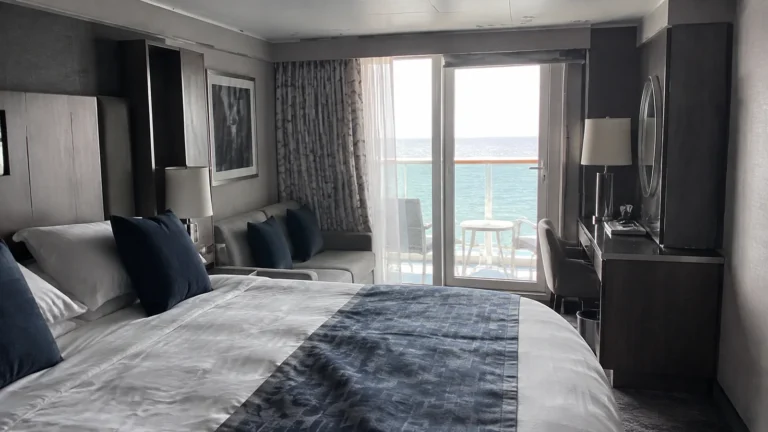
A veranda, a good book and nowhere to rush sounds like my kind of Celebrity Eclipse afternoon.
Before paying extra for that picture, I’d check these room numbers so a blocked view, an unexpected upstairs neighbor or the wrong kind of upgrade does not spoil it.
Celebrity Eclipse cabins to compare first
- 1001 and 1002: very forward Deck 10 rooms with view warnings, not low-deck cabins despite their numbers.
- 1547, 1549, 1552 and 1554: AquaClass rooms on Deck 11 whose obstruction notes deserve attention before paying for an open balcony outlook.
- 15101, 15103 and 15105: the small group of Deck 15 interiors near the youth and sports facilities, not high-deck rooms with panoramic windows.
- 2125 and 2127: aft Deck 12 examples beneath the Oceanview Café area, worth comparing with accommodation lower down for late mornings.
- Forward and central Deck 11: separate the fitness, spa and pool footprints overhead rather than assume AquaClass means a quiet ceiling.
My first choice would be a non-connecting midship veranda on Deck 7, 8 or 9 with cabins above and below. The view and room-type notes are fixed features; entertainment or dining nearby creates a possible sound concern, not a guarantee of disturbance.
Match the number and category to your sailing in the official Eclipse plans. A favorable category name should not replace a look at the actual room.
1001 and 1002: a forward view with a compromise
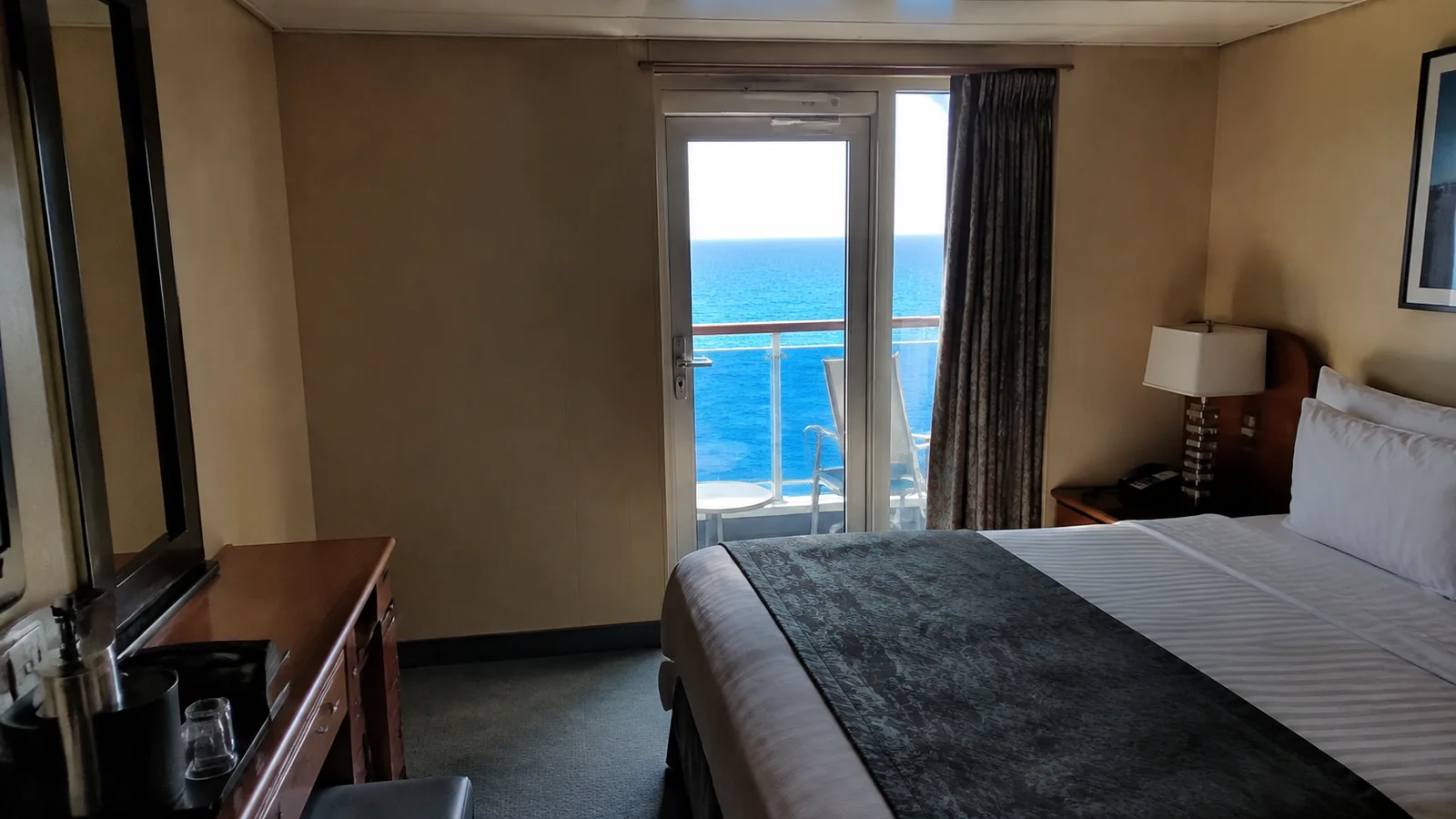
These rooms sit at the forward end of Sky Deck 10 and carry obstruction markings. Not book either from the standard veranda photograph and assume the outlook is identical to a clear-view cabin farther along the ship.
Ask what the restriction looks like from the balcony chair, not only while standing at the railing. The particular direction affected matters more than being told that you can still see the sea.
The forward position is a separate decision for movement and walking distance. A room can have an acceptable view but still be poorly placed for a traveler who prefers to stay near the middle.
My alternative: a confirmed clear-view room farther along the residential decks, keeping the same required beds. Pay a modest difference for the location and outlook I want before spending more on benefits I may not use.
For an appealing discount and occasional balcony use, either room could still make sense. Buy it because the actual compromise works for you, not because you expect the warning to be meaningless.
1547, 1549, 1552 and 1554: AquaClass perks do not clear the balcony view
These four AquaClass rooms are on Penthouse Deck 11, where their view notes need to be considered separately from the class benefits. A room that includes Blu can still have a balcony outlook you would not choose at a similar fare.
Ask for the actual view from the sitting position and along both sides of the balcony. Not attach one obstruction percentage or one supposedly identical object to all four numbers.
My alternative: another AquaClass room with its outlook confirmed when the dining and wellness benefits are important. There is no reason to abandon the whole category simply to avoid one particular view.
When those extras are not the attraction, a well-positioned ordinary veranda is a more useful comparison. The benefit package should earn its price through something you actually plan to enjoy.
The 1549 room details identify the AquaClass configuration, while the Eclipse accommodation overview separates its benefits from Concierge Class. The two premium-sounding categories are not interchangeable purchases.
15101, 15103 and 15105: three interiors in an unusual neighborhood
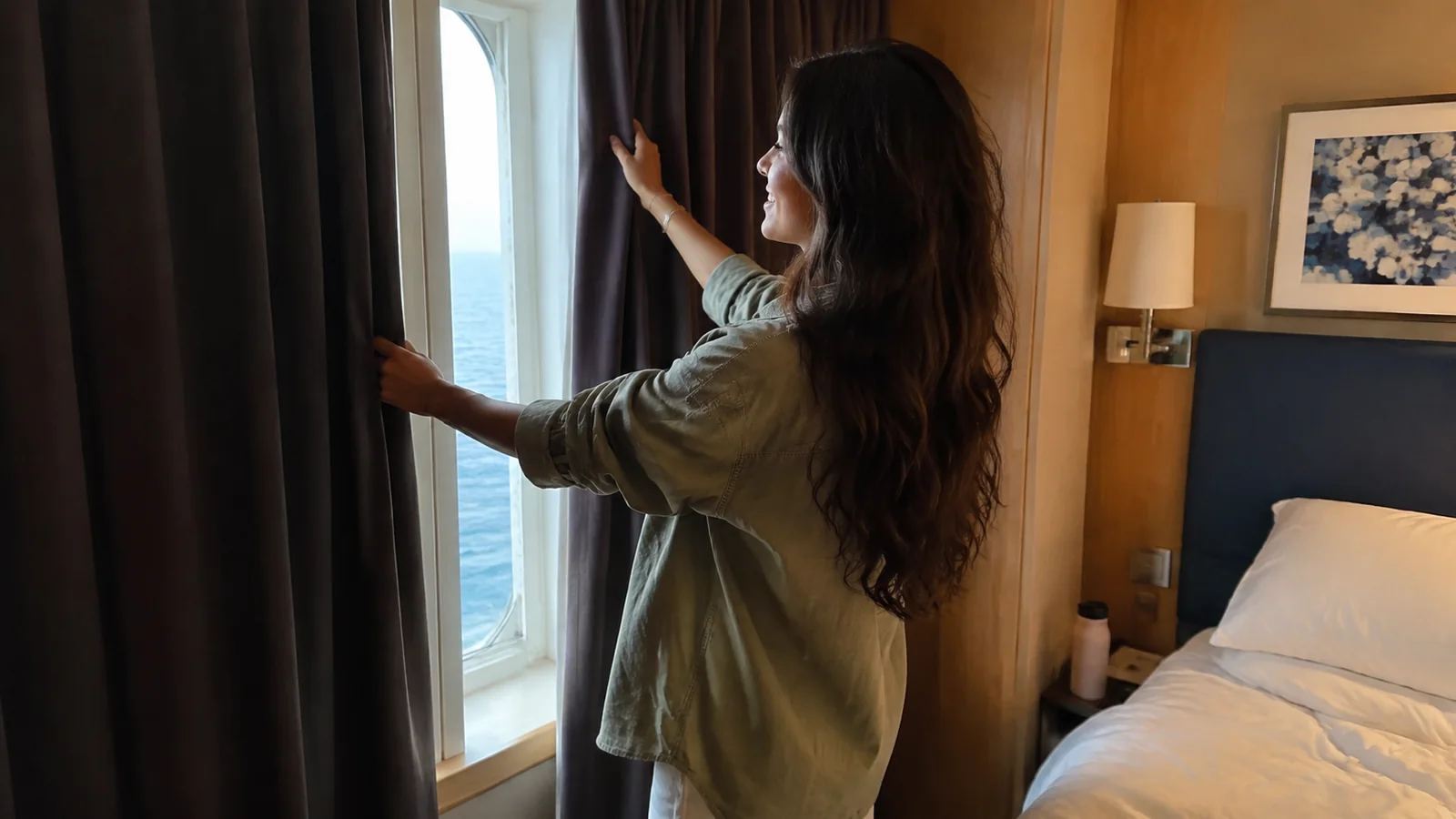
These are the three inside rooms in the small forward accommodation group on Lawn Deck 15. Their high position does not provide a window, balcony or panorama.
The nearby X Club, Fun Factory, sports area and elevator approach make the setting different from a long residential corridor. Choose another inside room for a couple who will not use those facilities and wants a more tucked-away base.
For a family making frequent trips to the youth spaces, the short route can be useful. That is a reason to compare the actual doors and entrances, not to describe every room near children as a bad choice.
My alternative: a midship interior on Deck 7, 8 or 9 with accommodation above and below. It can remove the shared-facility setting without requiring an expensive jump into a veranda category.
The numbered Eclipse diagrams show how small and distinct this cabin group is. They do not establish that all three receive noise from every nearby activity.
2125 and 2127: Oceanview Café is the ceiling to consider
These aft Deck 12 rooms are examples beneath the Oceanview Café area on Deck 14. Eclipse skips Deck 13, so there is no additional passenger deck between the bedrooms and the dining level.
For slow mornings, I’d compare a similar aft room on Deck 11 before choosing this higher position. Breakfast preparation and clearing can matter even when the buffet feels calm while you are eating.
The possible interruption is furniture and working activity, not a claim that every conversation in the restaurant reaches the room. Moving farther from a lift does not address an unwanted public-space ceiling.
My alternative: lower aft accommodation with another cabin immediately above, or a central residential-deck veranda. Keep necessary suite features in the comparison rather than trade away something your party genuinely needs merely to change decks.
An early riser who uses Oceanview frequently may reasonably prefer the convenience. The right choice depends on whether the short breakfast route improves your trip more than an extra accommodation layer would.

Deck 11: separate exercise rooms from pool furniture
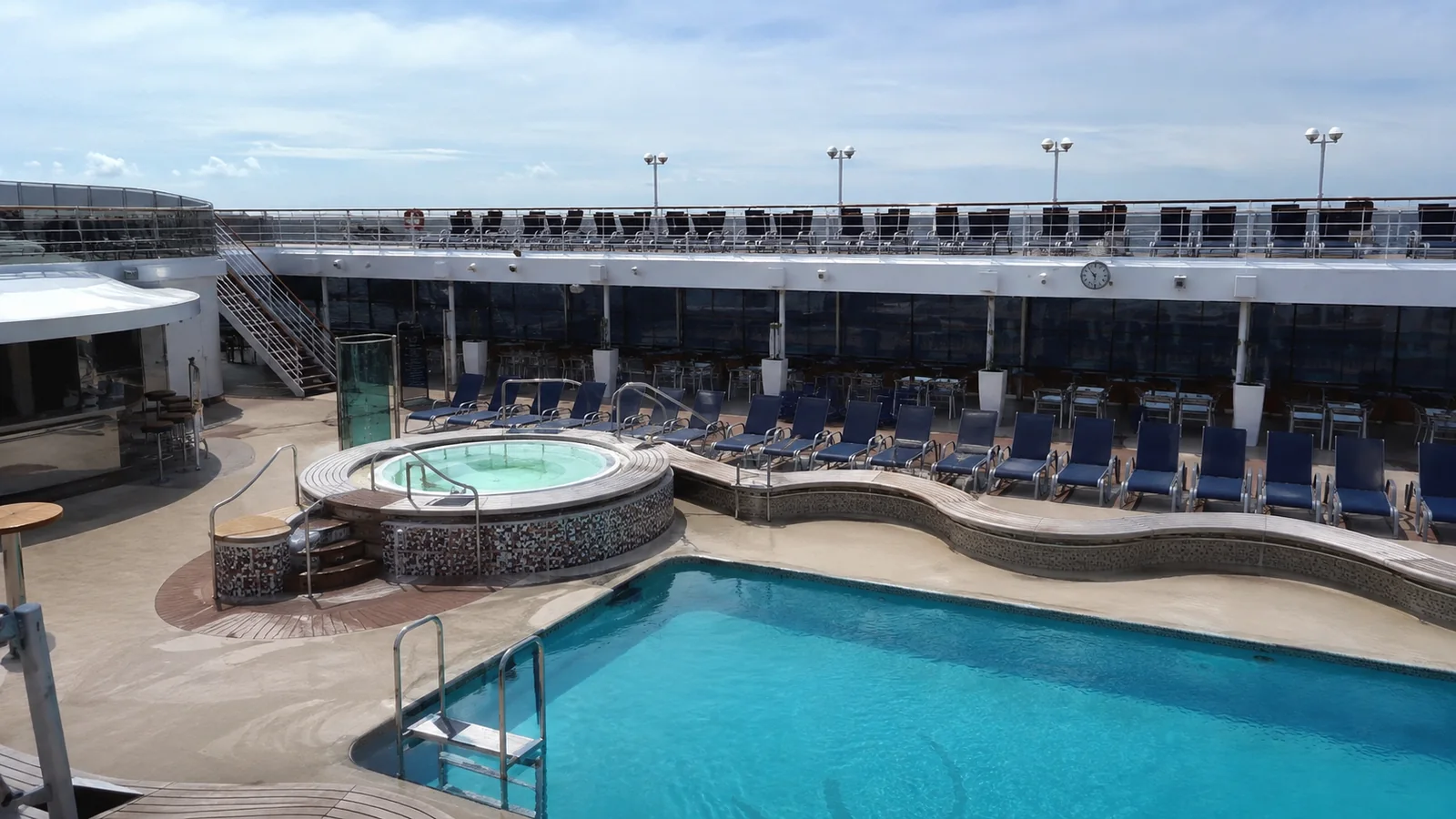
Deck 12 has the fitness center and spa forward, then the Solarium and main pool surroundings. These give forward and central Deck 11 rooms different upstairs neighbors.
Under exercise space, I’d consider workout activity and impact. Under pool seating, furniture handling and people moving around the deck are the more relevant possibilities.
Not label the whole spa complex equally concerning because treatment rooms and exercise areas operate differently. Nor would I assume a room is insulated from public activity simply because AquaClass sounds restful.
Farther aft, Deck 12 becomes accommodation, giving some Deck 11 rooms another bedroom overhead. That is a useful comparison when you want to remain on the same deck without accepting the same ceiling.
My floor-plan guide explains how to align the elevator banks across the levels. A good alternative changes the actual upstairs space, not merely the last two digits of the cabin number.
Lower verandas need separate view and entertainment checks
Deck 6 sits above public Deck 5, with the theater forward and different dining and social spaces farther aft. A lower veranda can have an attractive price while its downstairs venue conflicts with an early bedtime.
For sleep, I’d compare Deck 7 or 8 before choosing direct theater overlap. Rehearsals can make the same location relevant to someone planning an afternoon nap, not just an early night.
The balcony view is another question because boats, supports and rooflines can affect particular directions at the lower accommodation level. Do not treat the entire deck as one identical obstruction, or the absence of a dramatic warning as a promise that every seated view is ideal.
Ask about the exact outward, sideways and downward outlook before paying for scenery. A clearly understood compromise can be good value, but it should not be discovered only after you open the curtains.
Do not let a MoveUp offer undo a careful location choice
Consider a MoveUp offer only when the permitted rooms in the target category work for my priorities. A larger cabin under the buffet may suit me less than the ordinary veranda I chose with accommodation overhead.
AquaClass is worth comparing when Blu and the Persian Garden are features you plan to use. Concierge Class does not automatically supply those same benefits, and neither label guarantees a particular veranda outlook.
For an aft-facing room, the wake view can justify the location when it is something you really want. Check balcony cover and the elevator walk rather than assume every stern room is quieter than a central one.
My room-selection guide helps compare indoor space, outdoor time and daily convenience. Those practical benefits matter more than winning an upgrade to a category that sounds impressive.
Beds, accessibility and useful walking routes
Confirm the actual beds before reserving a room for several guests, including the nighttime space occupied by a sofa or upper berth. A room that looks comfortable with everything folded away may feel different during the morning rush.
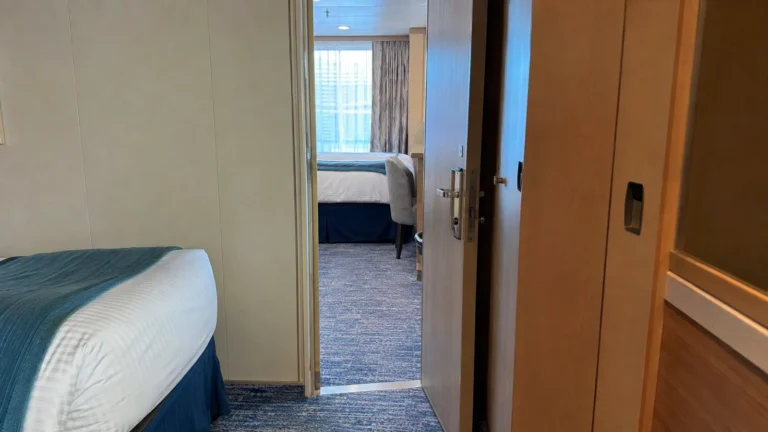
A genuine connecting pair can be useful for relatives, while an otherwise equal non-connecting room is my preference for one cabin. Not accept a worse ceiling or an inconvenient location solely to remove the extra door.
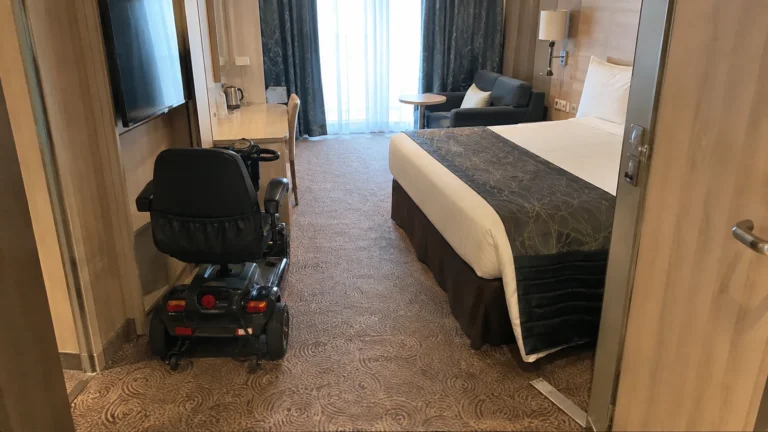
Keep required bathroom and mobility features ahead of optional view preferences, with the actual room confirmed by the cruise line. A short corridor turn from an elevator may be much more valuable than theoretical quiet at the far end of the ship.
For movement concerns, I’d favor a more central position before high forward accommodation. Possible maneuvering vibration at the stern should also be distinguished from evidence of continuous disturbance during ordinary sailing.
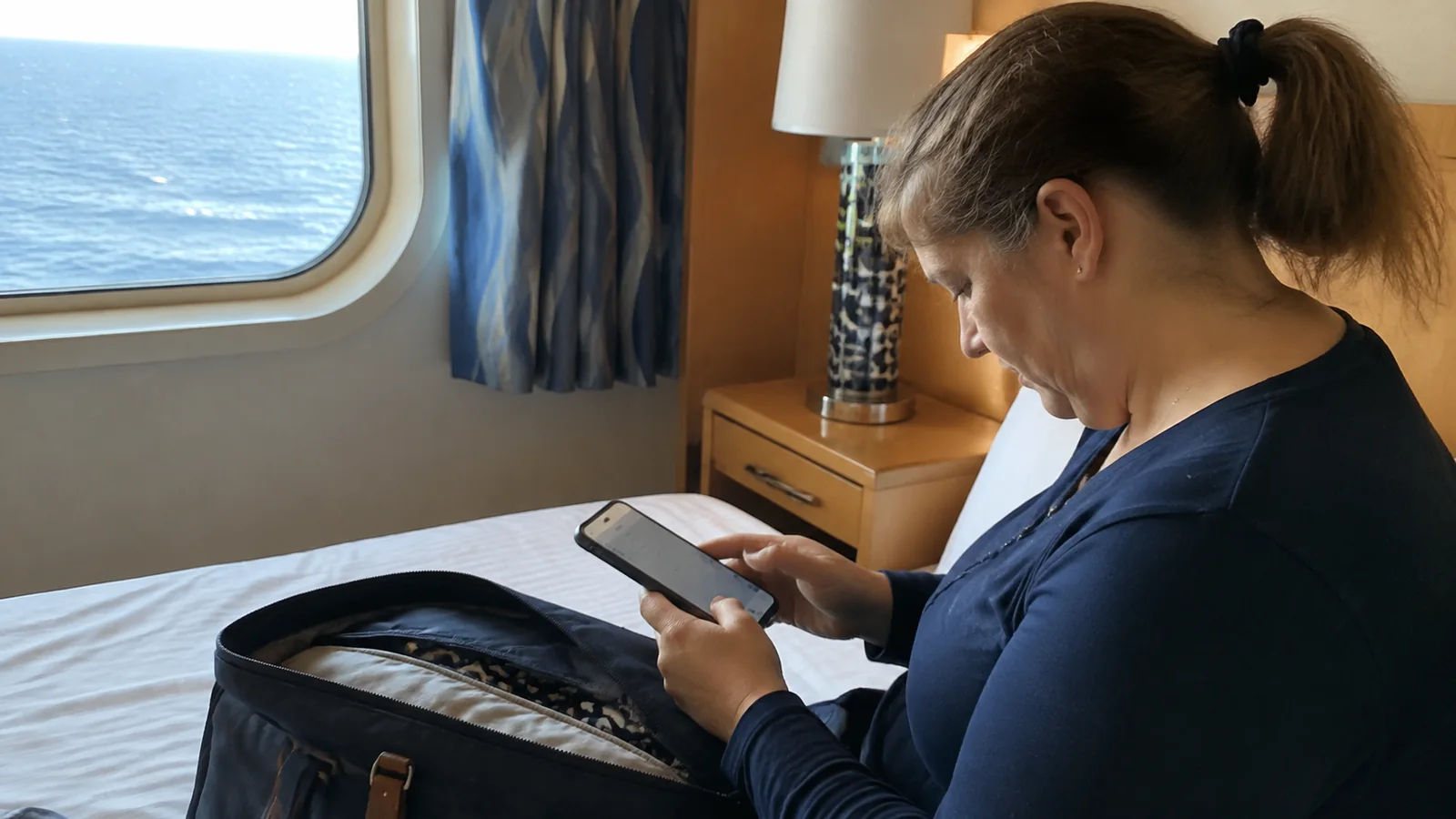
The Celebrity Eclipse cabin that makes the most sense
Begin with a non-connecting midship veranda on Deck 7, 8 or 9, the beds we need and a confirmed view from the chair. A similarly located interior is my budget comparison before paying for a balcony or public-space neighbor I already know I dislike.
Use my cabin-selection checklist before accepting a guarantee or a changed assignment. The useful upgrade is the one that improves your own week, not simply the one with the highest category.