Afghanistan Travel Risk and Heritage Context: Official Advice
The U.S. Department of State currently says not to travel to Afghanistan for any reason. Wrongful detention, terrorism, kidnapping, civil unrest, natural disasters, limited health facilities, and the absence of U.S. consular services make a leisure trip an unacceptable risk.
Should You Travel to Afghanistan Right Now?
No, not for tourism. The official U.S. travel advisory for Afghanistan is Level 4, Do Not Travel, and its February 20, 2026 notice applies to the entire country.
This is not a warning that can be solved by choosing a nicer hotel, joining an organized group, hiring a driver, or avoiding one province. The State Department explicitly says not to travel for any reason and warns that even registered business activity does not remove the high detention risk.
- Current U.S. advisory: Level 4, Do Not Travel
- Central risks: Wrongful detention, terrorism, kidnapping, unrest, crime, health limits, and natural disasters
- Consular reality: The U.S. Embassy in Kabul suspended operations in 2021
- Organized tours: They do not neutralize detention, kidnapping, or terrorism risk
- Responsible choice: Postpone tourism and engage with Afghan culture from outside the country
Why This Page Is Not a Conventional Itinerary
A normal destination guide would compare seasons, routes, hotels, and attractions. Publishing those details here would imply that careful shopping can make the trip acceptably safe, which current government advice does not support.
Afghanistan has profound cultural, historical, and natural significance, and reducing it to danger alone would be unfair to Afghans. Respect for the country also means refusing to market severe risk as an edgy adventure.
This page explains the warning, identifies common misunderstandings, and suggests ways to learn without entering Afghanistan. It should not be used to find a border crossing, tour fixer, visa workaround, or route around official controls.
What the Level 4 Warning Means
Level 4 is the State Department’s highest travel-advisory level. The current notice cites civil unrest, crime, terrorism, wrongful detention, kidnapping or hostage taking, natural disasters, and limited health facilities.
The advisory says multiple terrorist groups remain active and that U.S. citizens may be targeted for kidnapping, hostage taking, detention, or violence. It also says foreigners can be viewed with suspicion and reasons for detention may be unclear or arbitrary.
Canada separately tells its citizens to avoid all travel to Afghanistan because of the volatile security situation, terrorist attacks, armed conflict, kidnapping, and arbitrary arrest. The United Kingdom likewise advises against all travel, including travel with an organized tour group.
Those governments use different wording systems, but they reach the same practical conclusion. Nationality-specific advice matters because entry rules, diplomatic capacity, and detention risk can differ, so consult the government responsible for your passport rather than borrowing another country’s checklist.
Consular Help Is Severely Limited
The U.S. Embassy in Kabul suspended operations on August 31, 2021, and the Afghanistan Affairs Unit works from the U.S. Embassy in Doha. The State Department says the U.S. government cannot provide routine or emergency consular services inside Afghanistan.
It also reports that U.S. officials are not permitted to conduct welfare checks on detained U.S. citizens, even by phone. Detention can be lengthy, medical access can be limited or absent, and release is never guaranteed.
The British government says it has no embassy in Afghanistan and cannot provide in-person consular assistance there. Its current warning notes that officials may not even be informed when a British citizen is detained.
This is why “I will call my embassy if something goes wrong” is not a safety plan. Insurance, money, an emergency contact, and an experienced tour organizer cannot create diplomatic access that does not exist.
An Organized Tour Does Not Make the Risk Ordinary
A group may arrange vehicles, lodging, and a schedule, but it cannot guarantee that authorities, armed groups, or changing border conditions will honor those plans. Tour marketing is not an independent security assessment.
Travelers should be especially skeptical of social posts that use one completed trip as proof that the country is safe. An individual returning home without incident does not cancel official evidence about low-probability, high-consequence risks.
Do not interpret an issued visa, accepted payment, airport arrival, or local welcome as protection from later detention. Administrative permission to enter and a government recommendation to travel are completely different things.
Some Travelers Face Additional Dangers
U.S.-Afghan dual nationals and people with U.S. links
The State Department warns that U.S.-Afghan dual nationals and U.S. citizens linked to nongovernmental organizations face higher surveillance risk. It also identifies former interpreters, aid workers, faith-based workers, and people associated with past U.S. activity as potential detention targets.
A second passport does not guarantee that local authorities will recognize U.S. nationality or consular claims. Anyone facing family, legal, or work-related pressure to travel needs individualized professional advice, not a tourism blog’s reassurance.
Women
The official U.S. country information warns that women may be detained for traveling without a male relative and describes restrictive public dress expectations. It also identifies sexual assault and forced marriage as serious risks.
These are not inconveniences to solve with wardrobe tips. A guide should not package restrictions on women’s movement and autonomy as local color.
LGBTQ+ travelers and religious minorities
The State Department says same-sex conduct can bring the death penalty, flogging, or imprisonment and reports targeted violence and intimidation. It also warns that proselytizing, blasphemy allegations, or perceived criticism of Islam can lead to severe punishment.
Online anonymity and discretion cannot make those consequences predictable. No leisure experience justifies advising a traveler to conceal identity, beliefs, relationships, or ordinary expression under threat of detention or death.
Journalists, researchers, volunteers, and aid workers
A professional purpose does not turn the trip into normal tourism. Research, reporting, humanitarian, and faith-based work can draw surveillance or suspicion and should be governed by the traveler’s institution, security professionals, insurers, legal counsel, and official advice.
Good intentions do not substitute for authorization, training, duty of care, or an evacuation plan. Uncoordinated volunteering can also create risk and extra work for the very communities a traveler hopes to support.
Health, Earthquakes, and Infrastructure Add Risk
The State Department describes health facilities as limited and says ambulance services are not available throughout the country or consistently staffed and equipped. A serious injury or illness may therefore become a transport and access crisis very quickly.
Afghanistan is also seismically active and vulnerable to earthquakes, floods, droughts, and landslides. The 2026 advisory records that a magnitude 6.0 earthquake in eastern Afghanistan in September 2025 killed more than 1,100 people.
Natural hazards matter in any destination, but they become harder to manage when medical capacity, transport, communications, insurance, and consular help are already constrained. This combination is another reason not to treat a quiet news week as an opening for tourism.
Insurance Is Not a Loophole
Many policies limit or exclude coverage when a traveler goes against official advice, enters an active conflict environment, or takes part in an undeclared high-risk activity. The British warning explicitly notes that travel against its advice could invalidate insurance.
A policy document is not proof that evacuation, treatment, ransom response, or detention assistance can actually be delivered. Ask an insurer questions in writing, but do not use a favorable sales answer to override the Do Not Travel warning.
What If You Are Already in Afghanistan?
Use the current instructions from the government responsible for your passport and its designated Afghanistan contact point. The U.S. advisory urges citizens there to leave immediately and provides contact instructions through the U.S. mission operating from Doha.
Do not rely on a generic blog for live routes, open borders, demonstrations, checkpoints, or airport status. Conditions can change faster than an article can be edited, and public operational detail may create additional risk.
Keep trusted contacts informed and follow official alerts, but avoid broadcasting real-time location or movement publicly. If you are detained, threatened, or facing forced travel, seek government and qualified legal help as soon as safely possible.
How to Engage With Afghanistan Without Going
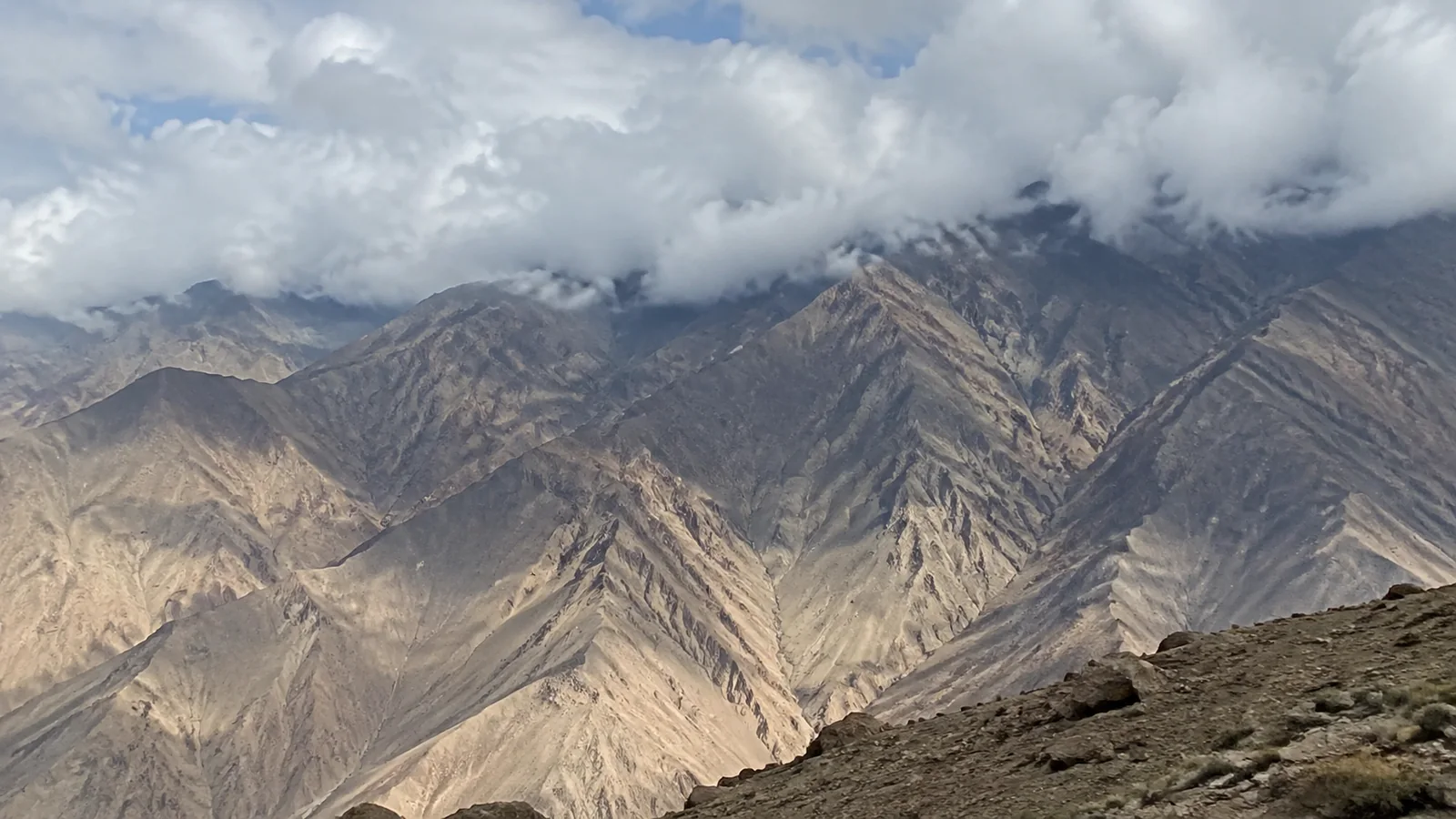
Learn from Afghan voices
Choose books, films, journalism, oral histories, lectures, and art created by Afghans from different regions, languages, genders, and generations. No single memoir or documentary represents an entire country.
Look for Afghan-owned restaurants, cultural organizations, bookstores, musicians, and artists in your own region. Pay for work rather than asking diaspora communities to provide personal history or political explanations for free.
Explore cultural heritage through trusted institutions
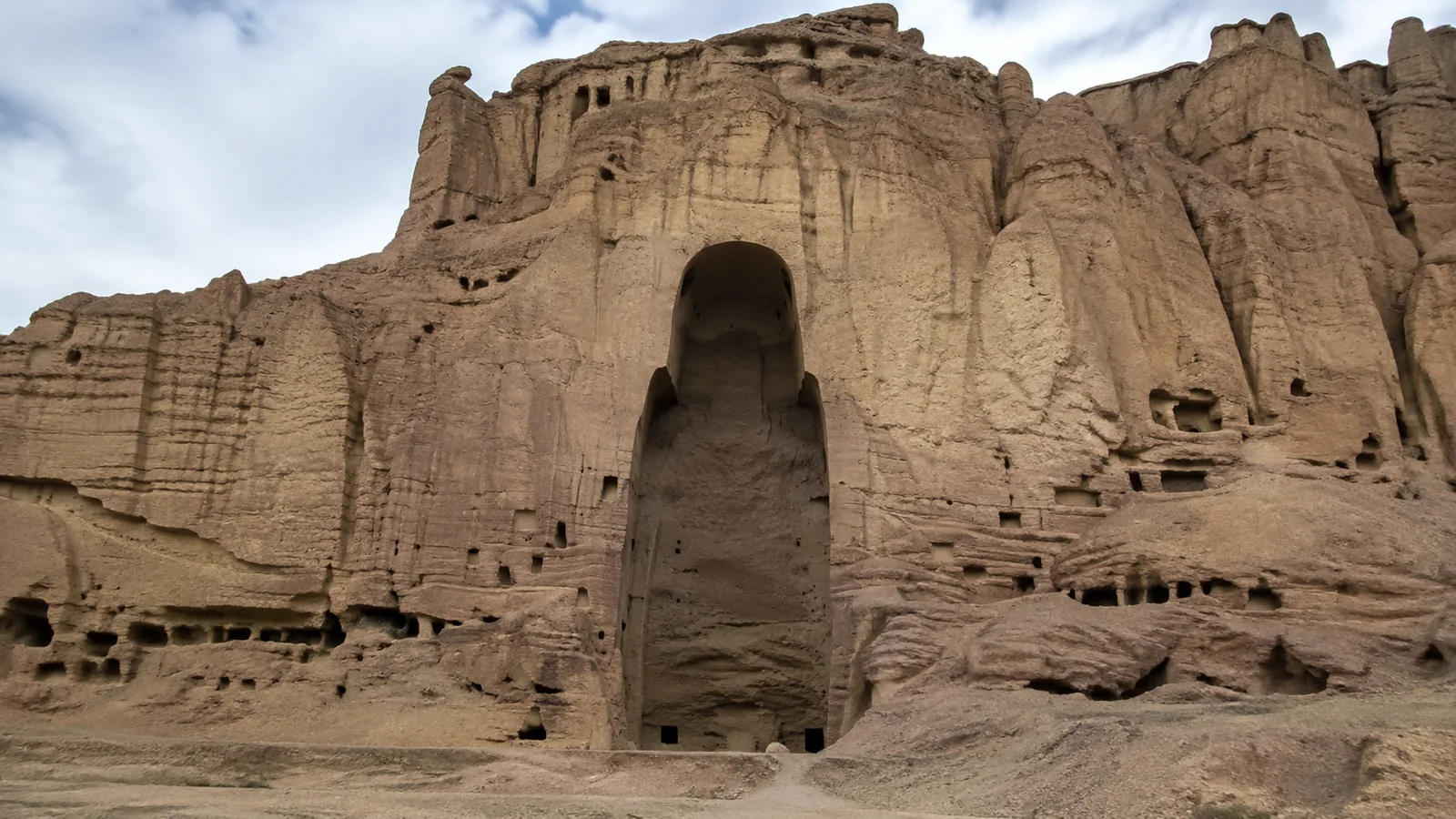
Afghanistan’s heritage includes the Bamiyan Valley, the Minaret and Archaeological Remains of Jam, historic Herat, archaeological collections, music, crafts, poetry, and many living traditions. UNESCO’s Afghanistan cultural heritage resources include films about conservation work and monumental sites.
Avoid buying artifacts or objects with uncertain provenance. Conflict and instability increase the danger of illicit trafficking, and an appealing market story is not evidence of lawful export or ethical ownership.
Support people, not danger tourism
If you want to help, evaluate established humanitarian organizations for transparency, safeguarding, independence, and the exact use of donations. Do not enter the country independently to distribute money, supplies, religious material, or media equipment.
Be wary of campaigns that expose beneficiaries’ names, faces, or locations without a clear protection reason. Responsible support should not turn another person’s vulnerability into travel content.
Safer Alternatives for a Meaningful Asia Trip
No destination can substitute for Afghanistan’s people or heritage, but you can choose a current trip that does not defy a nationwide warning. Compare countries by official advisory, entry rules, accessibility, season, and what you genuinely want to learn using this Asia destination guide.
For museums, historic neighborhoods, food, and efficient urban transportation, the Tokyo travel planner offers a logistically different but workable cultural trip. Travelers seeking food, islands, and short regional escapes can instead explore these Malaysia getaway ideas, after checking their own government’s latest advice.
Choose an alternative for its own merits rather than presenting a neighboring culture as “close enough.” Central Asia, South Asia, and East Asia contain distinct countries, languages, histories, and safety conditions.
What Would Need to Change Before Tourism Makes Sense?
A viral video, a newly advertised flight, or one reopened border is not enough. At minimum, your government’s nationwide warning would need to improve, credible consular access would need to exist, and independent insurers and transport providers would need to support the trip.
Entry and exit rules, detention patterns, medical access, internal transport, communications, and treatment of travelers with your identity and background would also need fresh review. Those checks belong close to a future departure date, not in a static wish list.
Save places and history that interest you, but do not reserve a speculative itinerary while the Level 4 warning remains. Postponement is not a judgment against Afghanistan or its people; it is a judgment about present conditions.
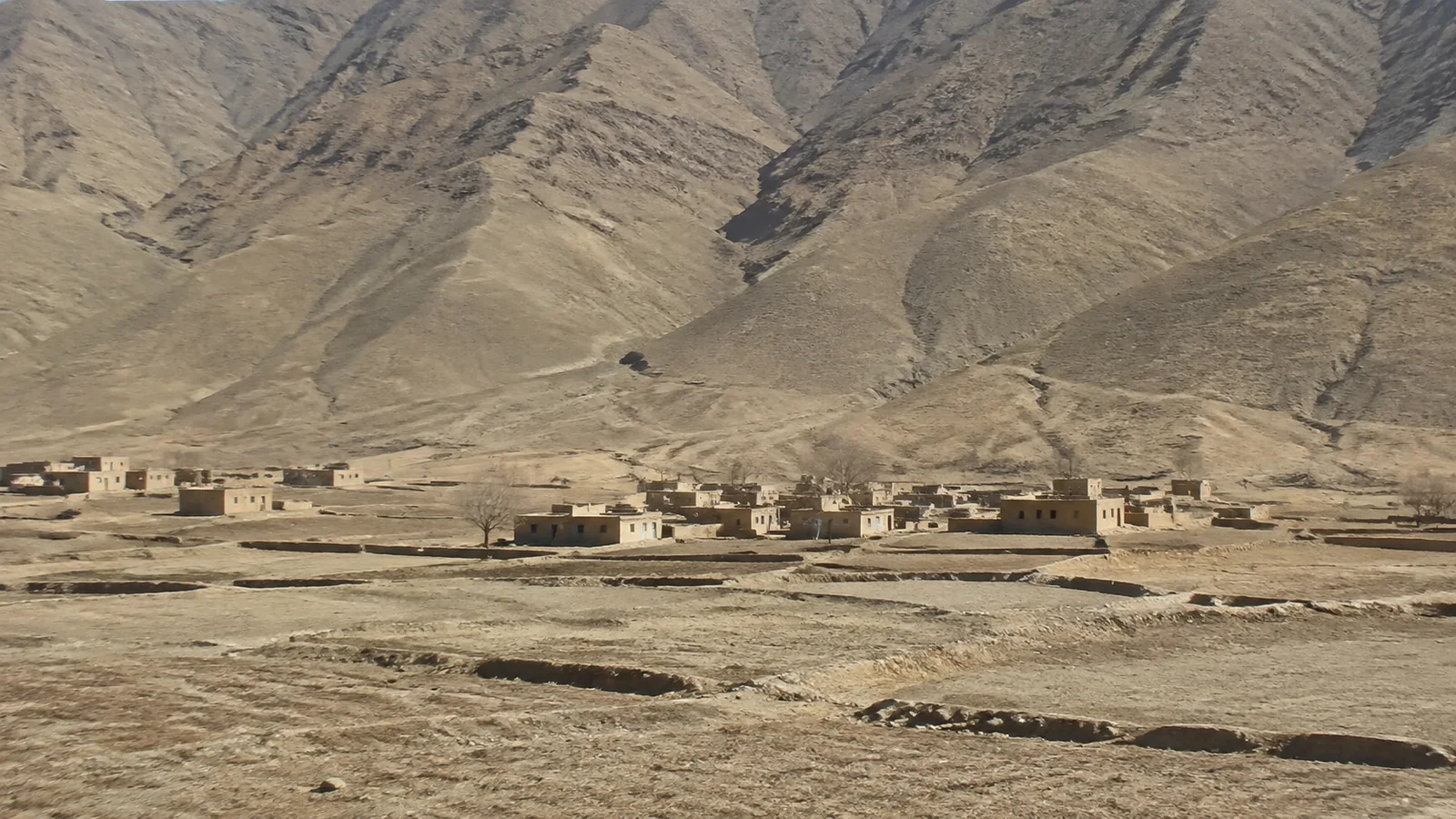
The Bottom Line
As of September 4, 2026, Afghanistan is not an appropriate leisure destination. The U.S. says Do Not Travel for any reason, Canada says avoid all travel, and the United Kingdom advises against all travel, even on an organized tour.
Honor your interest in Afghanistan through Afghan voices, ethical cultural learning, and carefully evaluated support from outside the country. Reconsider an in-person trip only if official warnings and the underlying conditions materially change.