15 Austria Landmarks Worth Building a Trip Around
Austria’s best landmarks do not fit one frantic loop. Vienna’s palaces reward museum time,
Salzburg’s old town works on foot, Hallstatt needs crowd strategy, and Alpine roads answer to weather, so I would choose one city pair and one regional add-on rather than collect famous names through a windshield.
Vienna Landmarks
1. Schönbrunn Palace
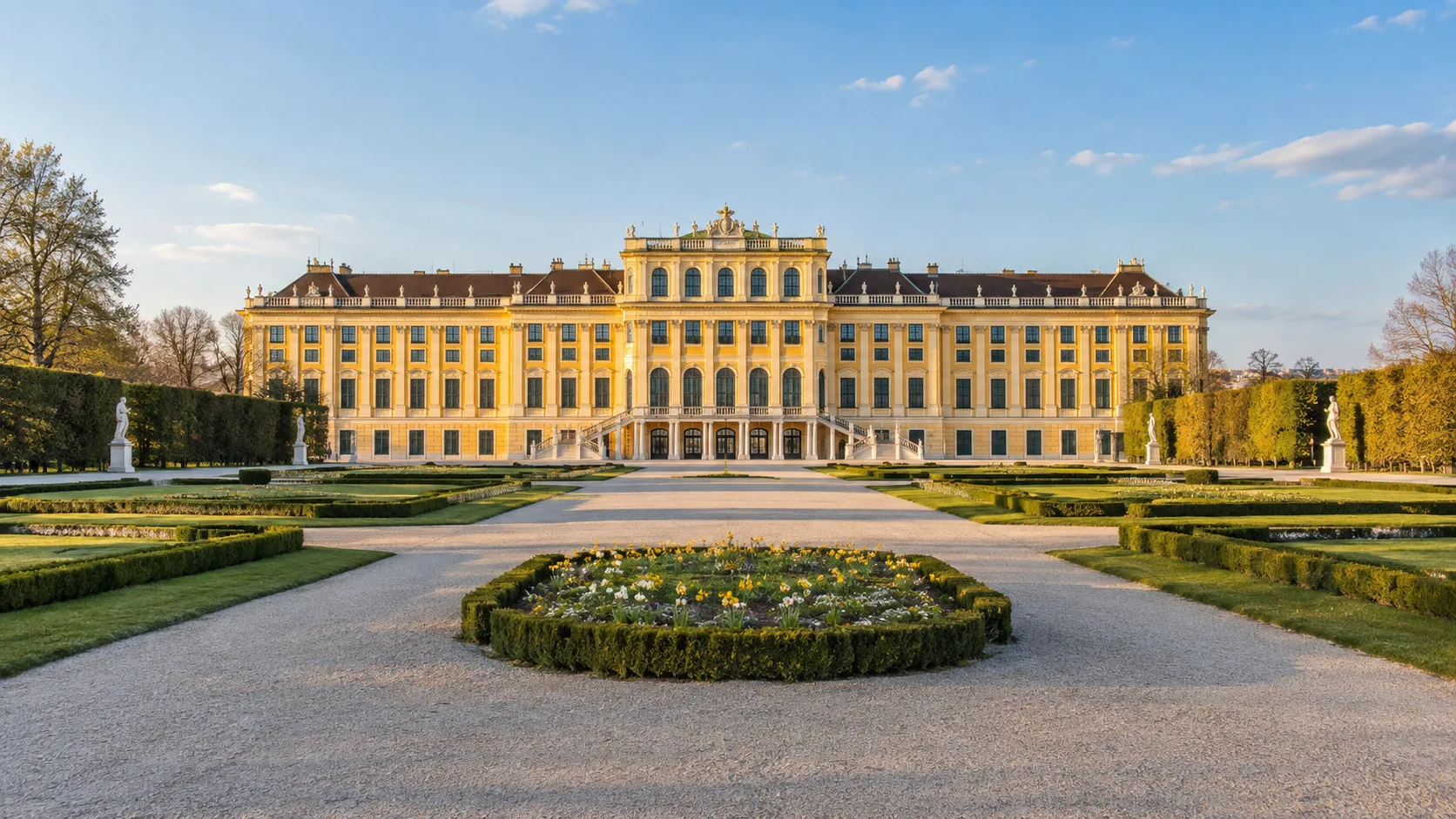
Schönbrunn is my strongest first-time landmark because the imperial rooms, formal gardens, hilltop Gloriette, and enormous grounds make it more than a single palace interior. Its scale also means that a two-hour gap between other attractions is not enough.
Interior access uses dated or timed products, and the free-to-enter garden areas do not include every paid feature. Use the official Schönbrunn site to choose the exact tour, language, accessibility, and entry time rather than buying an ambiguously named reseller ticket.
2. St. Stephen’s Cathedral
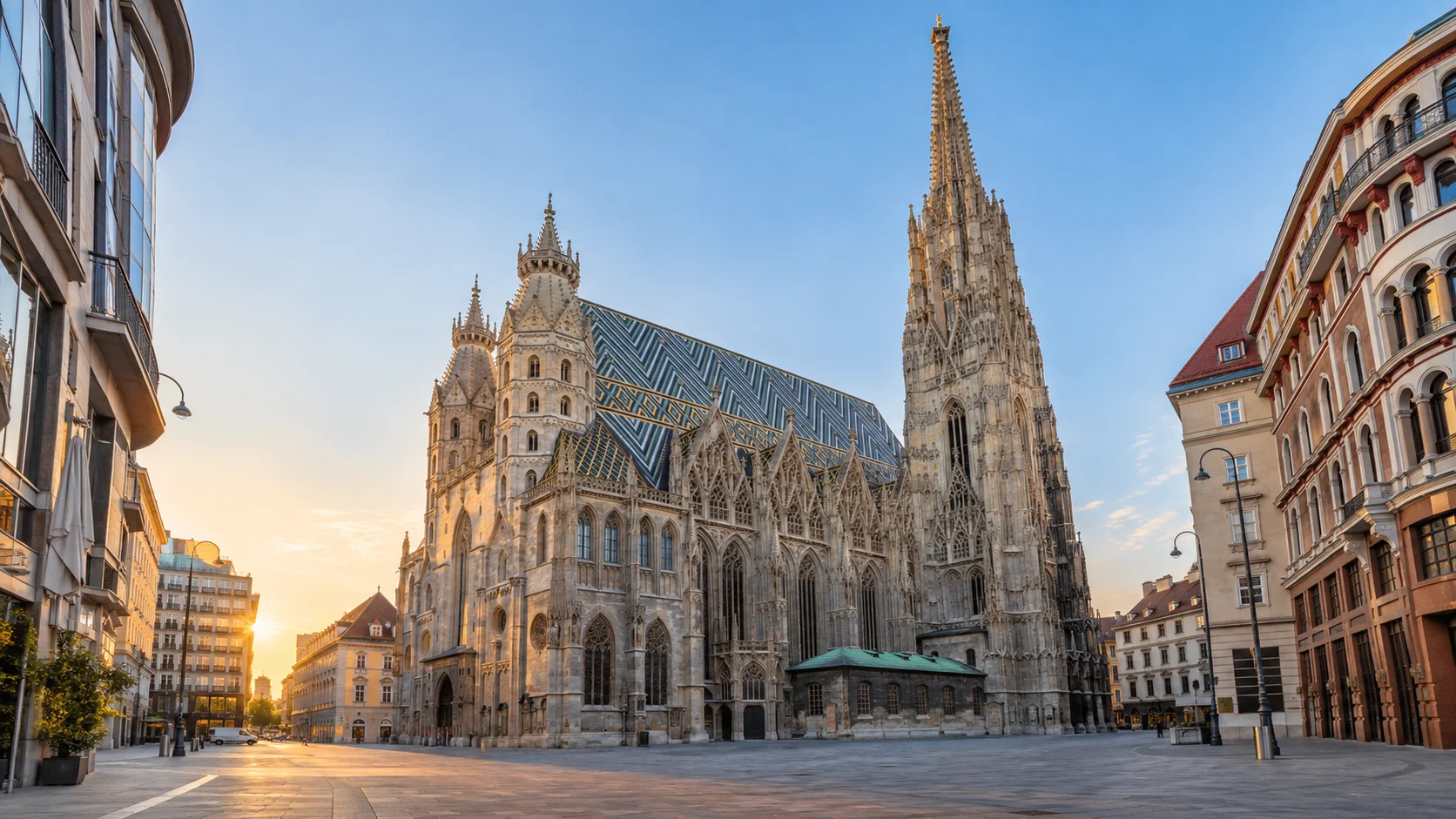
St. Stephen’s anchors the historic center with its patterned roof and Gothic south tower. See the main church first, then choose one paid add-on such as a tower, catacomb tour, or special interior section instead of assuming every area comes with one admission.
The cathedral remains an active religious site, so worship, funerals, concerts, and holidays can affect visitor access. Dress respectfully, keep photography quiet, and check stair requirements before committing to a tower.
3. Hofburg Palace
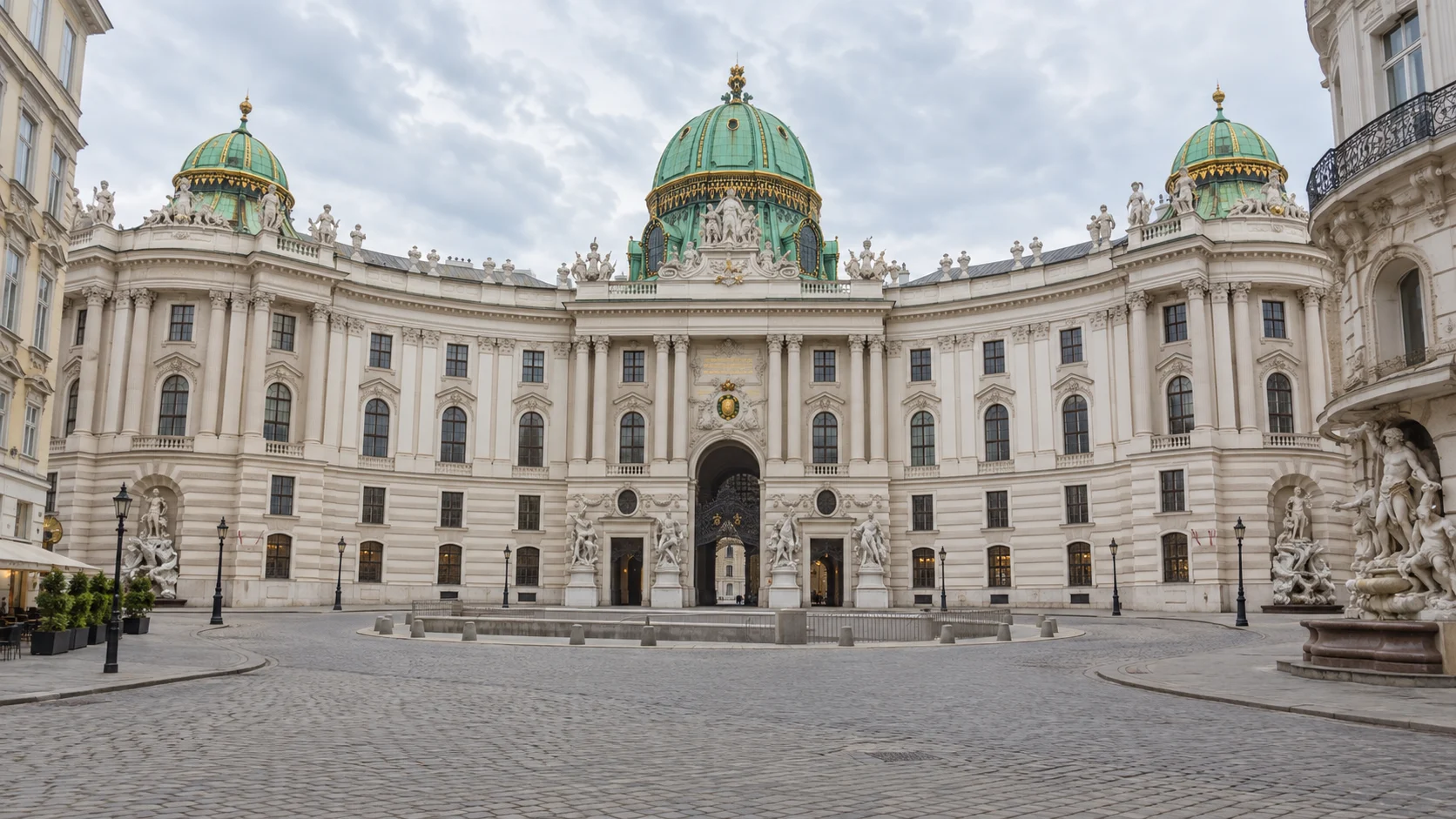
The Hofburg is a huge former imperial complex, not one neatly bounded museum. I would start with the open Sisi Museum and Imperial Apartments, while the Spanish Riding School, treasury, National Library, and other institutions use separate schedules and tickets.
The Sisi Museum’s current notice says the Imperial Silver Collection has been closed since April 1, 2023 until further notice. Do not include it in your sightseeing budget or expect access with the normal Hofburg visit unless that official notice changes.
Pick the collection that matches your interest and leave time for Michaelerplatz and the surrounding streets. Buying several disconnected Hofburg admissions can create an expensive indoor marathon.
4. Upper Belvedere
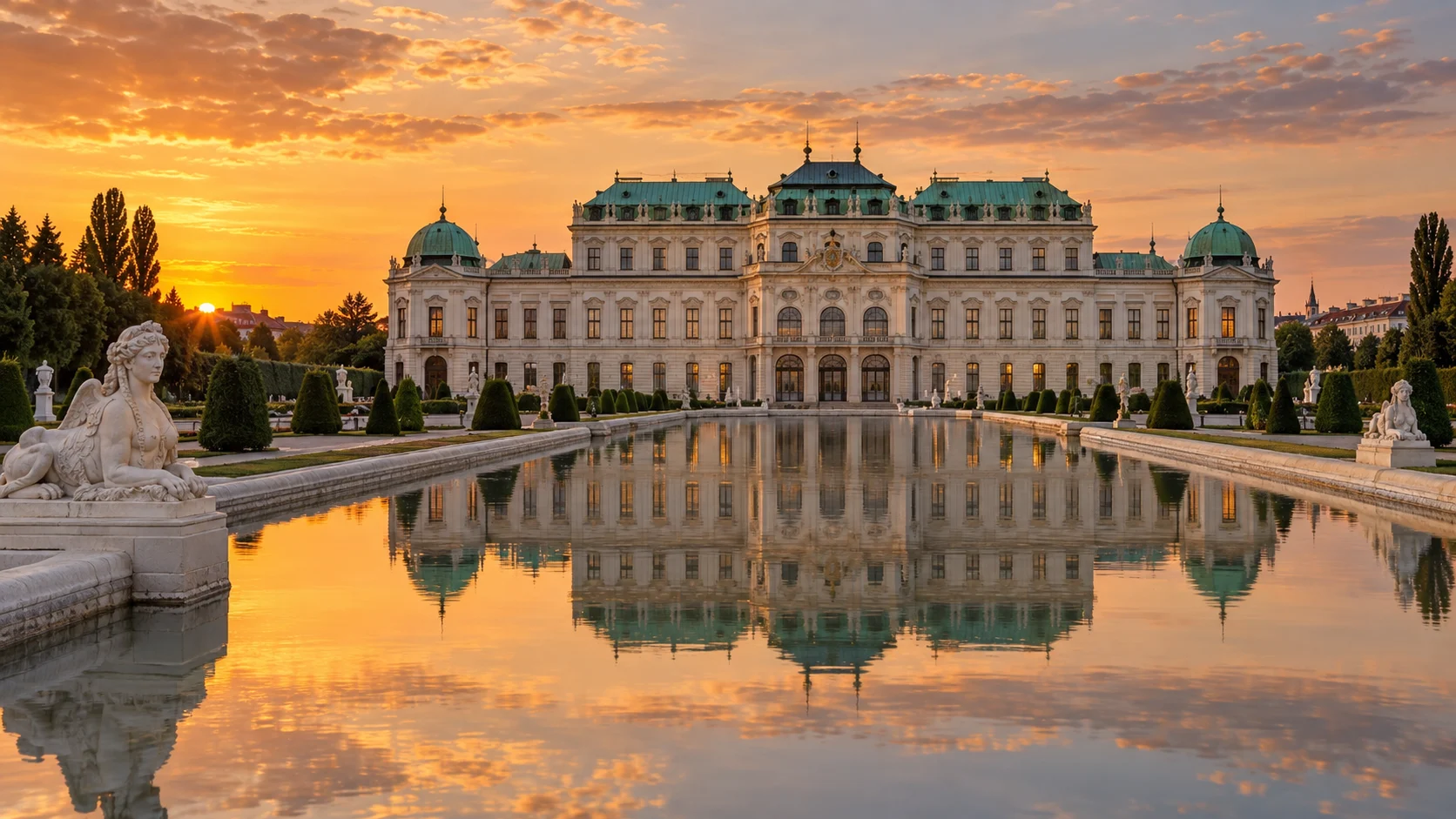
Upper Belvedere is the Vienna choice for travelers who want major art inside Baroque architecture. Gustav Klimt’s The Kiss is the headline work, but timed entry, gallery closures, conservation, and special exhibitions should be checked before planning around one painting.
Upper and Lower Belvedere are different venues, and the gardens stretch between them. One building plus the grounds is enough for many visitors, especially on a trip already heavy with palaces.
5. Vienna State Opera
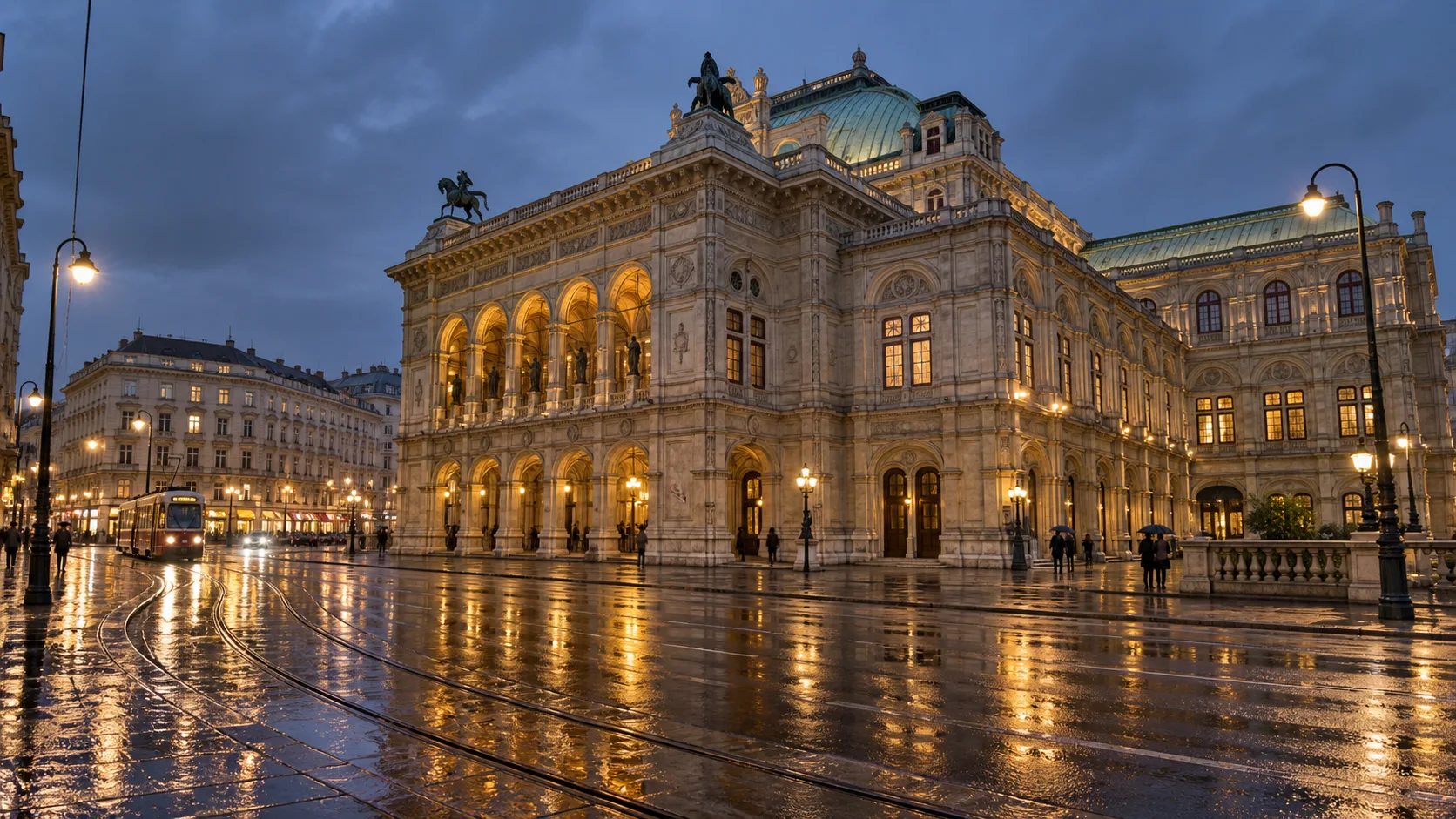
The State Opera is most satisfying as either a performance night or a guided-building visit, not a quick exterior photograph mistaken for the full experience. Performance tickets vary dramatically by date and seat, while standing-room procedures and tours have their own rules.
Book through the official operator and examine sightline information. A glamorous auditorium does not make every seat comfortable or unobstructed.
Vienna’s core sights are easy to link by subway, streetcar, bus, and walking, so a rental car usually adds parking stress rather than freedom. The official tourism portal explains that Vienna core-zone tickets cover Wiener Linien subway, streetcar, bus, night-bus, and S-Bahn travel under the product’s validity rules.
Salzburg Landmarks
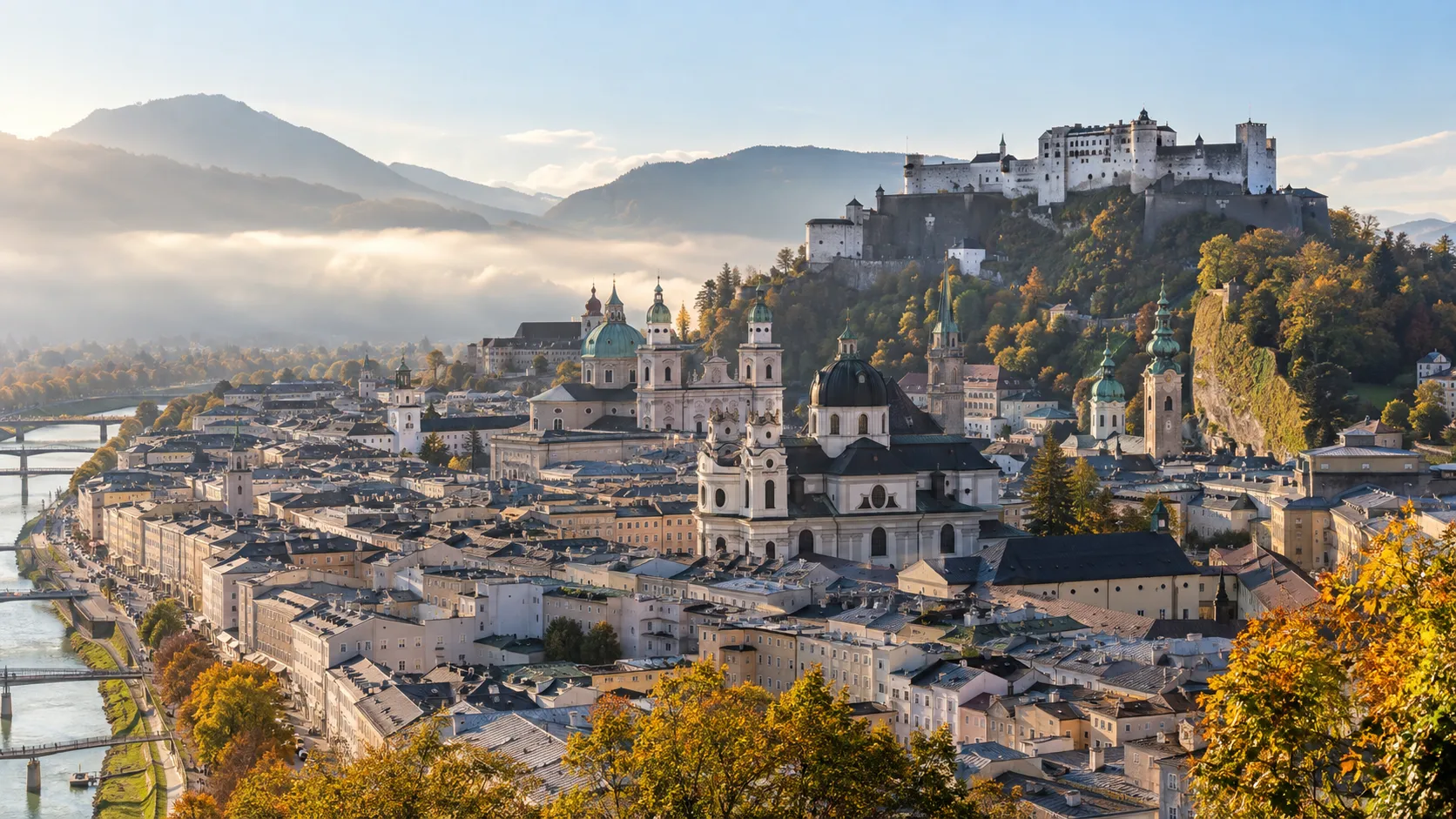
6. Hohensalzburg Fortress
Hohensalzburg gives you medieval rooms, city history, and the broadest classic Salzburg view in one stop. I would ride the funicular up to save energy for the fortress and Old Town, then walk down only if the path and weather suit everyone.
Basic, all-inclusive, panorama, and funicular combinations do not provide identical access. Check the official fortress information for 2026 hours and the exact ticket, particularly for an evening visit.
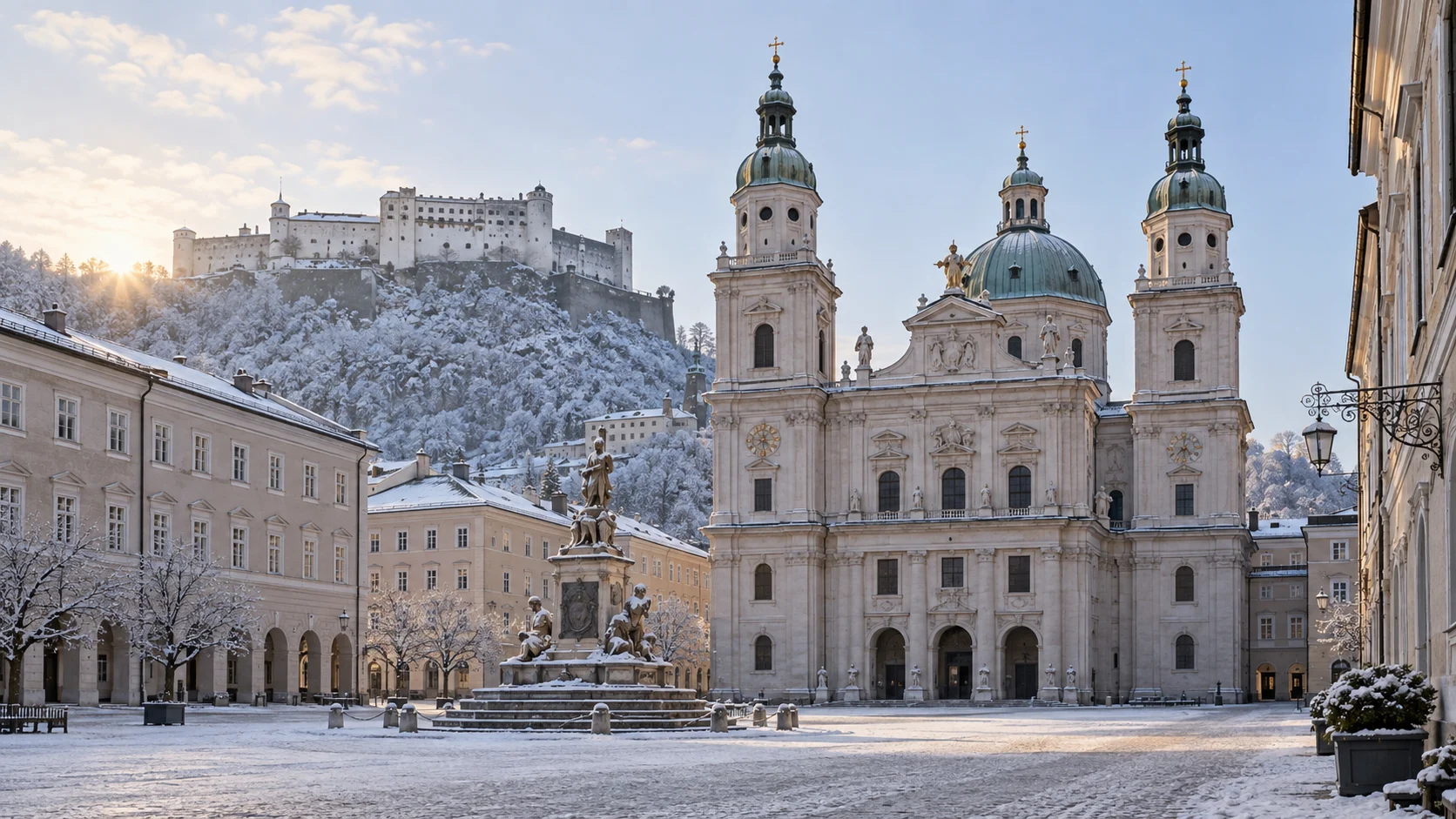
7. Salzburg Cathedral and Old Town
Salzburg Cathedral belongs to a larger pedestrian day through Residenzplatz, Kapitelplatz, Getreidegasse, and the lanes beneath Mönchsberg. UNESCO recognizes the historic center for an exceptionally rich urban fabric shaped by medieval development and its later Baroque city-state.
Services and religious observances take priority inside the cathedral. Allow time to wander without turning the Old Town into a straight line between Mozart-branded shops.
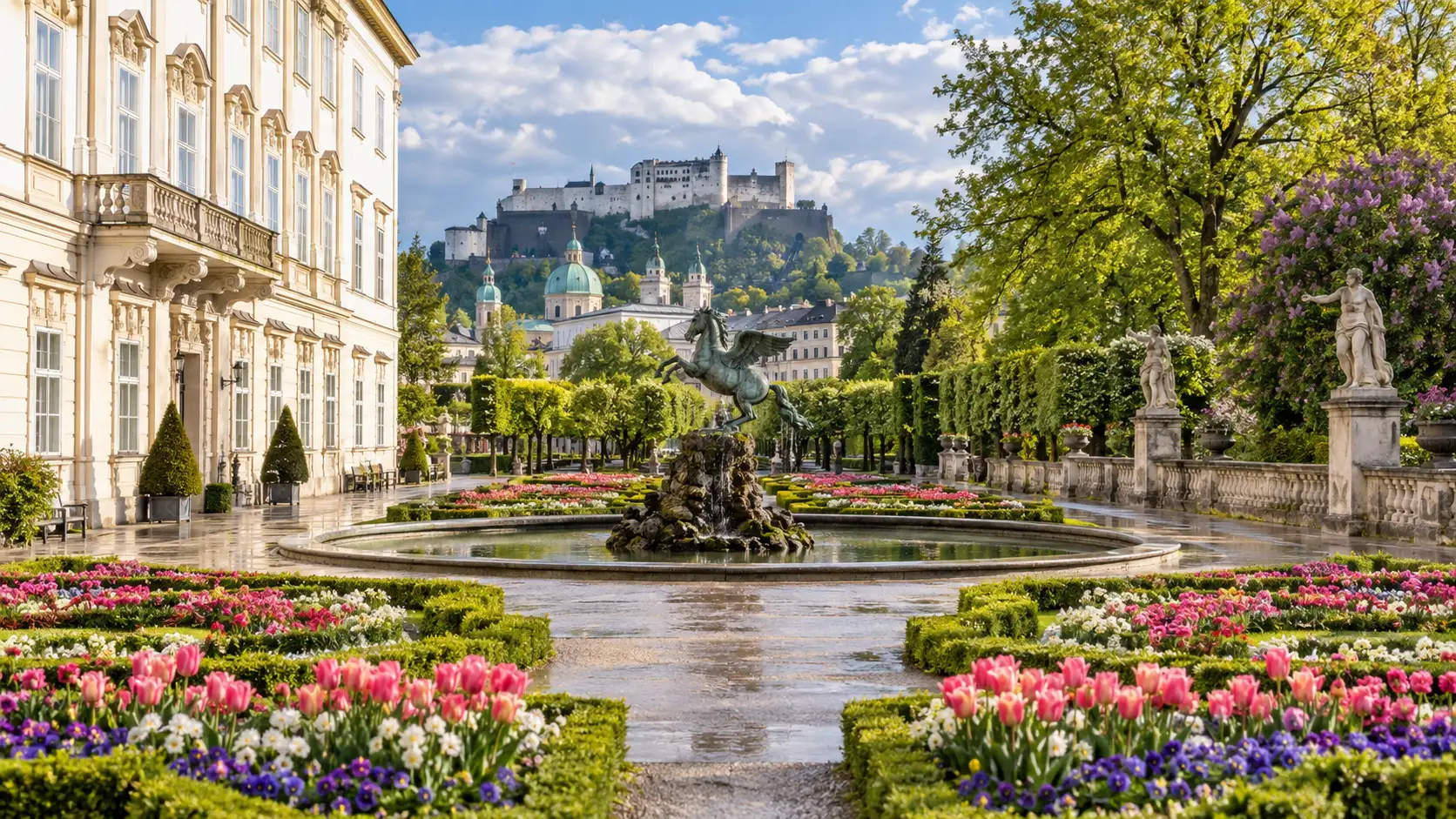
8. Mirabell Palace and Gardens
Mirabell Gardens offer a low-cost counterpoint to Salzburg’s paid interiors, with formal beds, sculpture, and a fortress view. The palace is a working civic and event building, so visitors should not assume every room is open simply because the garden gates are.
Go early for quieter paths or use the gardens as a pleasant connector between the station side of the river and Old Town. Winter planting, maintenance, events, and weather change the look considerably.
Hallstatt and the Salzkammergut
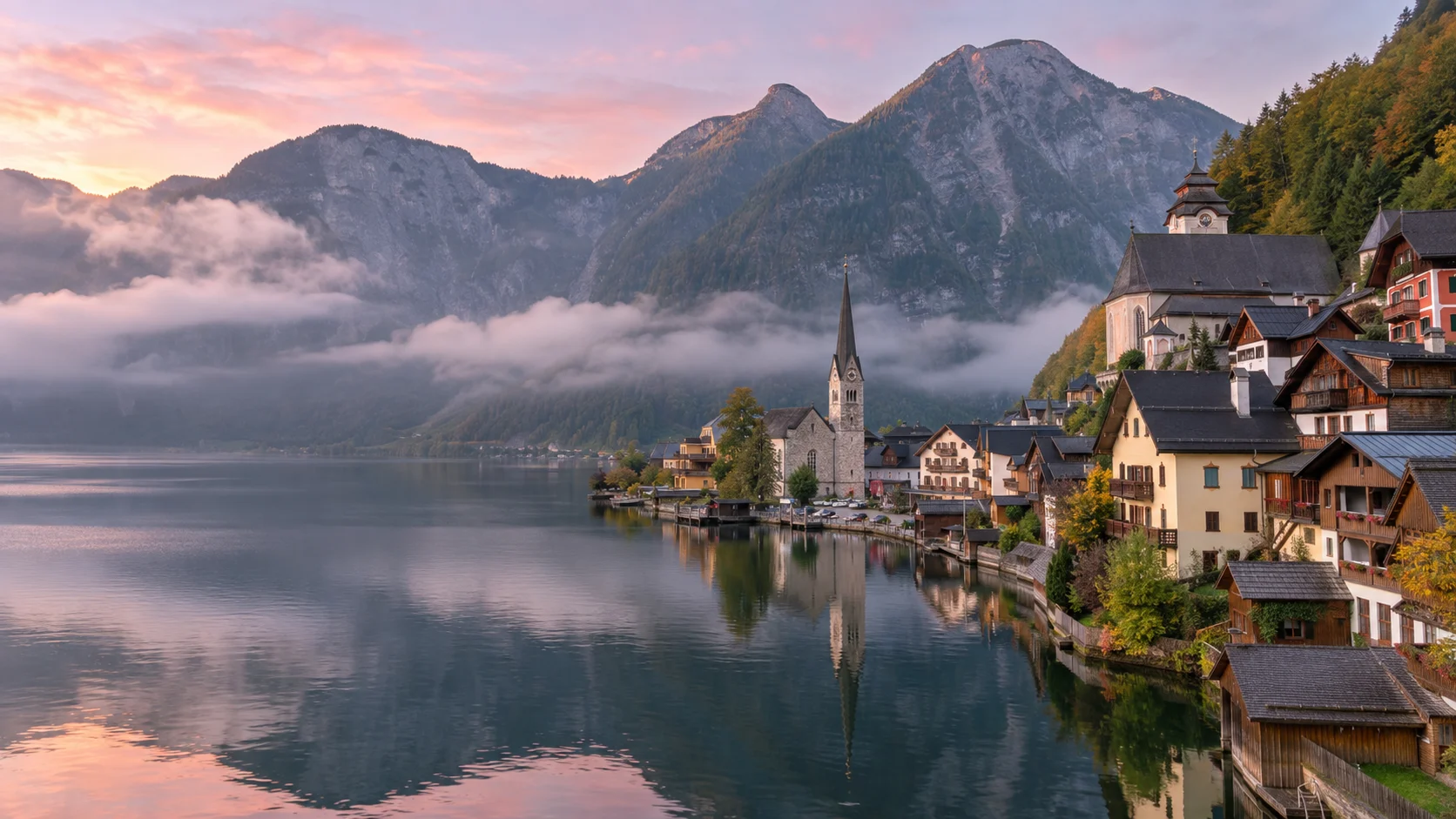
9. Hallstatt and Hallstätter See
Hallstatt’s lakeside setting, compact historic core, salt history, and surrounding mountains justify its fame. UNESCO’s property is the larger Hallstatt-Dachstein/Salzkammergut cultural landscape, not merely the waterfront photo angle.
Arrive by train and lake ferry or use designated parking outside the tight center, then stay at least one night if your budget allows. A midday coach excursion delivers the heaviest crowd and the least sense of the village.
Salzwelten Hallstatt, the new funicular, and the Skywalk reopened on August 29, 2026 after major construction. The operator’s Hallstatt page should control for seasonal hours, tours, capacity, clothing needs, and future maintenance.
Hallstatt is not the only beautiful lake stop in the region. Bad Ischl, St. Wolfgang, Gmunden, and quieter lakes can fit travelers who value space and a multi-night Salzkammergut stay over one famous viewpoint.
Danube Valley Landmarks
10. Melk Abbey
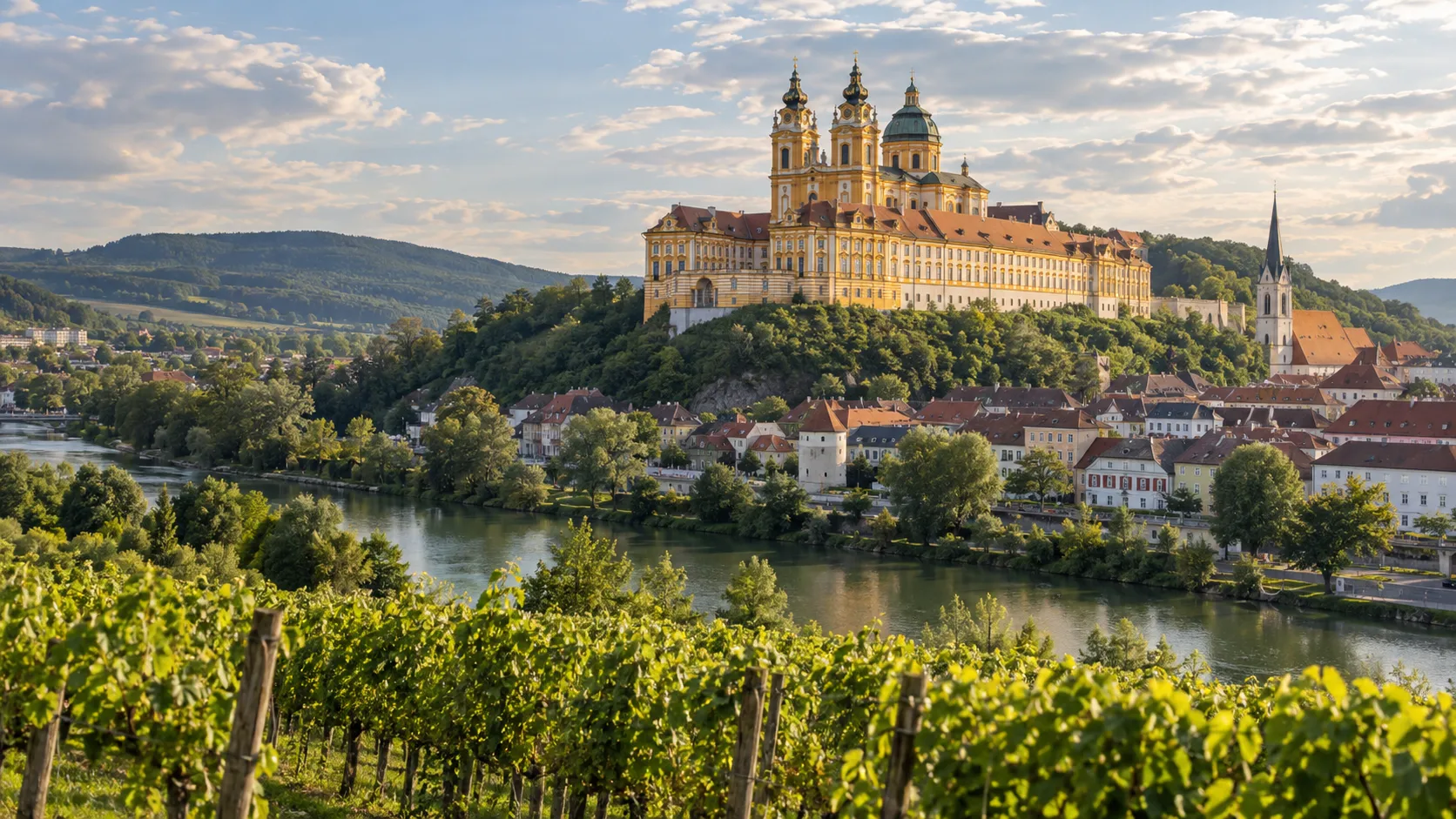
Melk Abbey rises above the Danube with a Baroque church, marble hall, library, museum, terrace, and seasonal garden. It is an excellent Vienna-to-Salzburg stop by rail, provided you store luggage properly and confirm whether independent visits or guided-only access applies on your date.
Operating patterns change outside the main season, and the abbey remains an active religious institution. Do not freeze a current ticket price or tour time into the itinerary.
11. Wachau Cultural Landscape
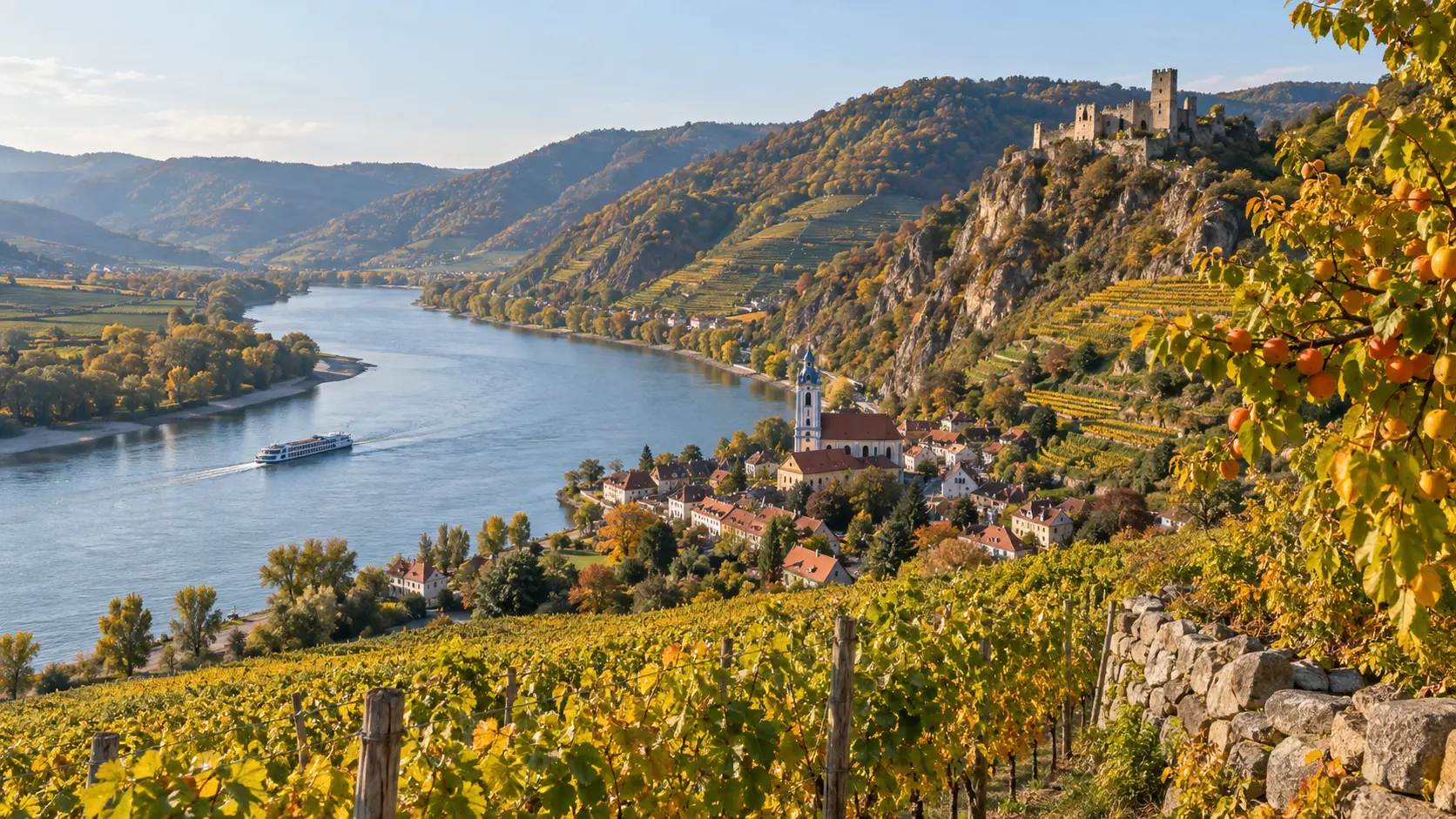
The Wachau is a Danube corridor of vineyards, apricot orchards, villages, abbeys, castle ruins, and river bends between Melk and Krems. Its strength is the relationship among landscape, settlement, and river rather than one must-see monument.
Choose a scenic boat, regional train, bike segment, or car, but check seasonal timetables and return logistics before setting out. Danube river-cruise travelers should remember that docking time and included excursions determine whether an independent landmark plan is realistic.
If Austria is part of a broader sailing, use these cruise-season tradeoffs to think about river level, daylight, heat, and shoulder-season schedules. A beautiful river route still needs a backup when navigation or weather changes.
Alpine Austria Landmarks
12. Grossglockner High Alpine Road
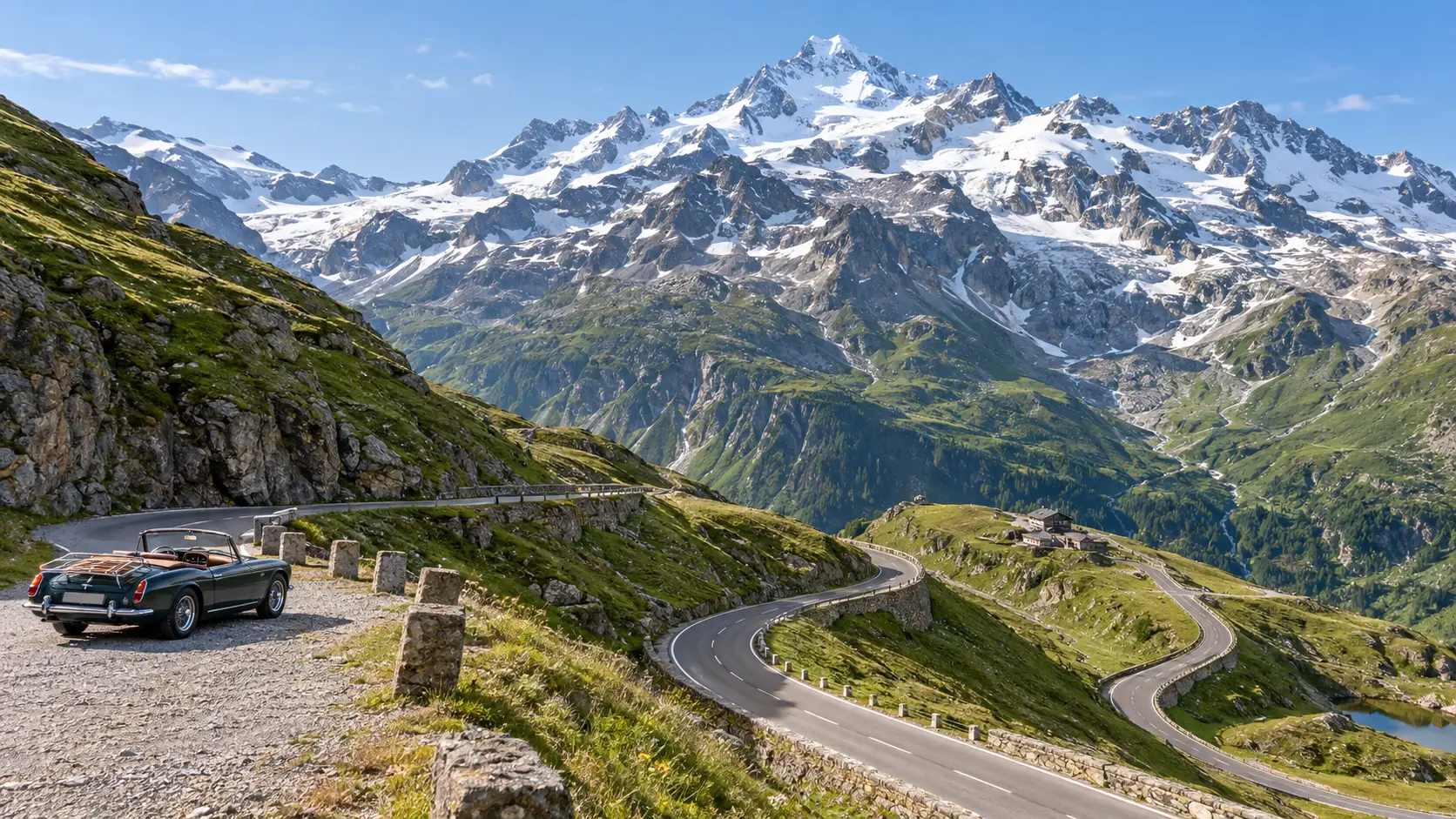
Grossglockner High Alpine Road is Austria’s landmark drive, climbing through Hohe Tauern scenery toward viewpoints associated with the country’s highest mountain and the Pasterze glacier area. It is a toll attraction as well as a transportation route, and it deserves most of a day.
The road is generally open from early May to early November, but snow, ice, weather, and operational decisions control. Check the live Grossglockner status and vehicle rules before departure, and never build a winter crossing around it.
Drivers should use low gears appropriately on descents, watch brakes, and stop only in designated areas. Motorhomes, motorcycles, cyclists, and nervous mountain drivers each face different demands.
13. Krimml Waterfalls
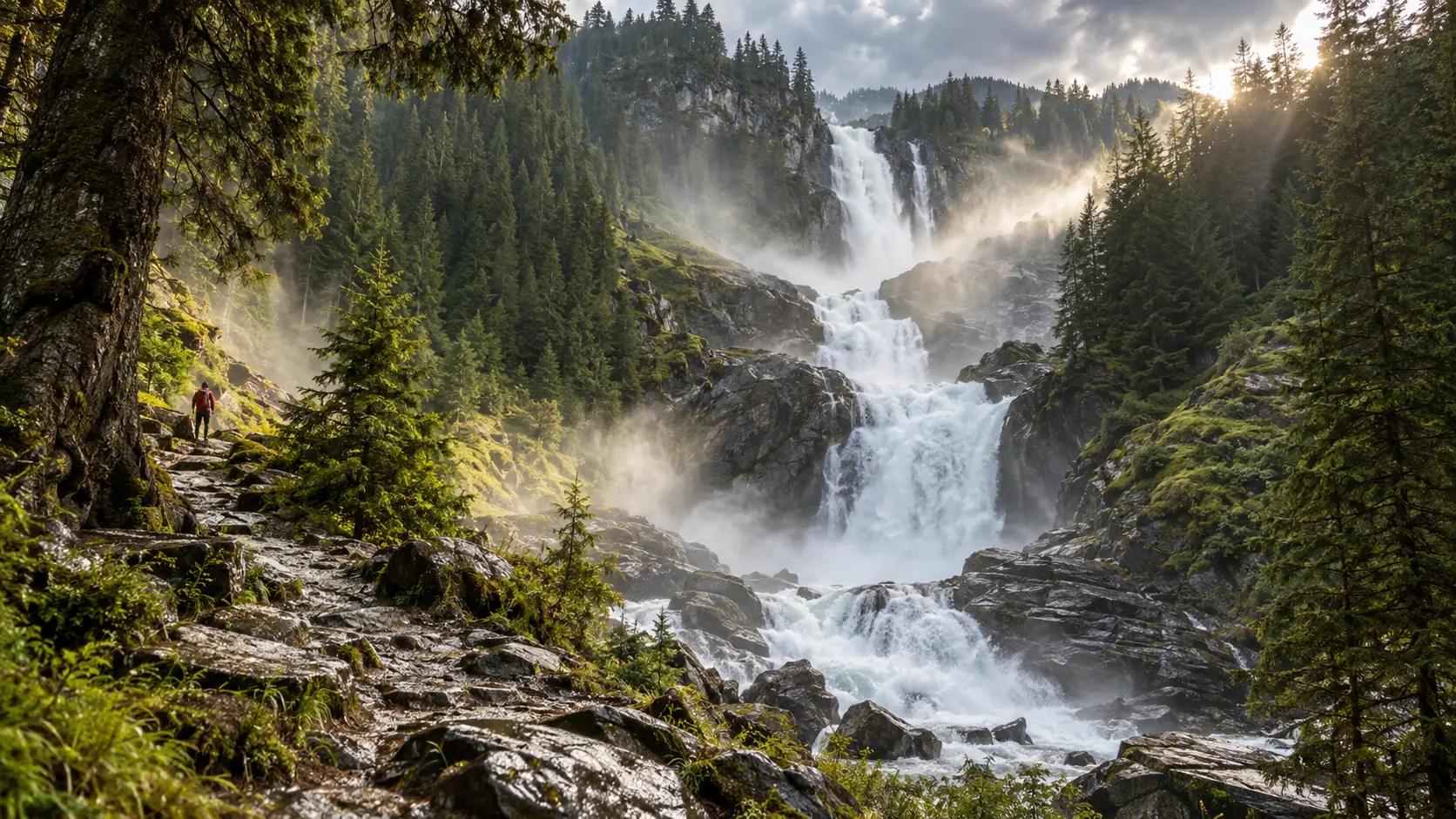
Krimml’s tiered waterfalls are a powerful natural landmark reached along a climbing waterfall trail. The lower viewpoint is not the same physical effort as completing the upper sections, so families should choose a turnaround point before fatigue makes it for them.
Spray, wet surfaces, summer crowds, and elevation gain affect the visit. Check seasonal access, parking, trail conditions, and entrance arrangements with the official local operator.
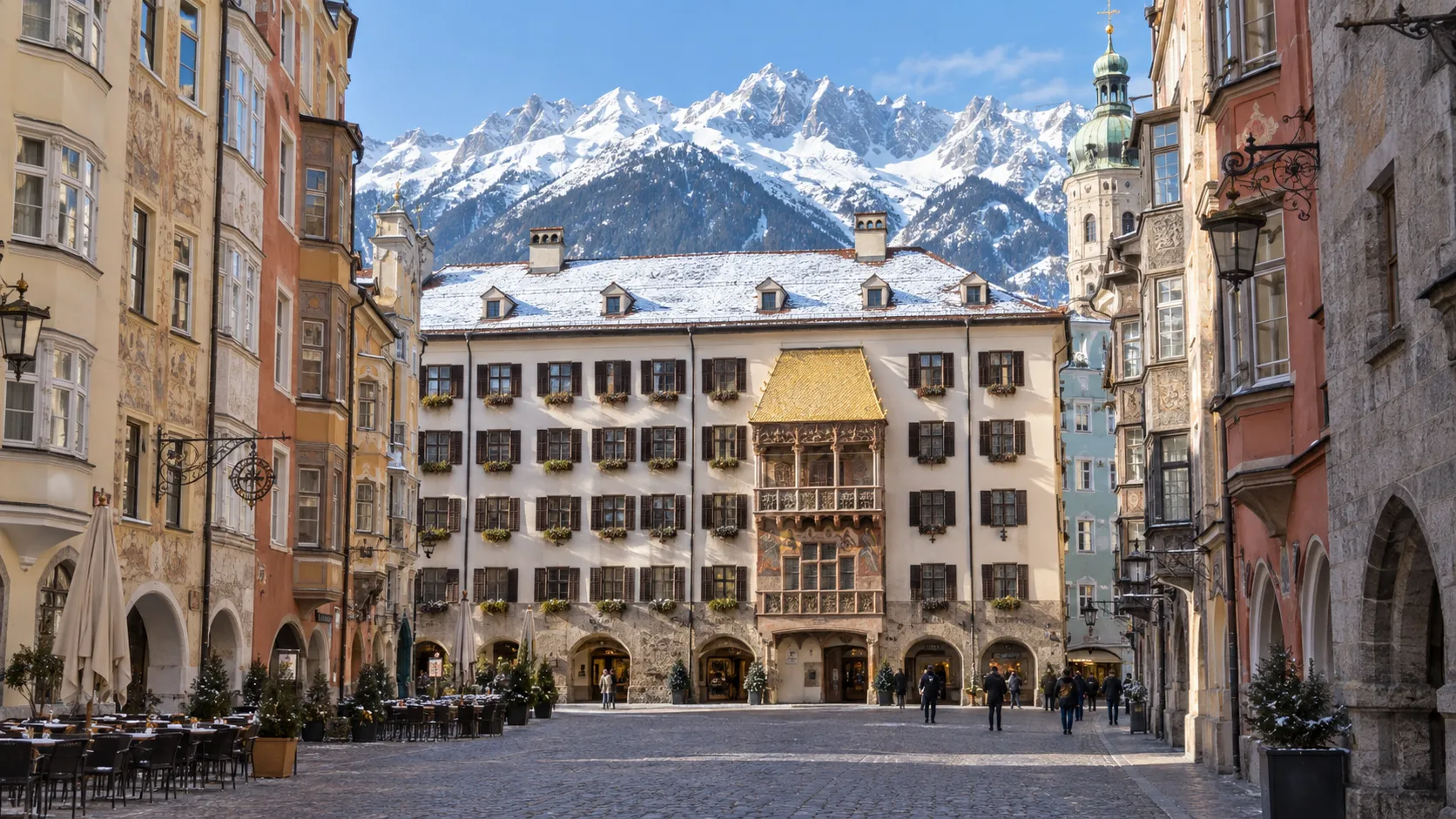
14. Golden Roof and Innsbruck Old Town
Innsbruck’s Golden Roof is a compact late-Gothic landmark in a city center framed by mountains. Pair it with the Imperial Palace, riverfront, or Nordkette lifts rather than crossing Austria for the roof alone.
Mountain transport adds altitude, changing weather, and maintenance schedules to an otherwise easy urban day. Carry a warm layer even when the old town is sunny and do not confuse a cable-car viewpoint with a prepared alpine hike.
Graz Landmark
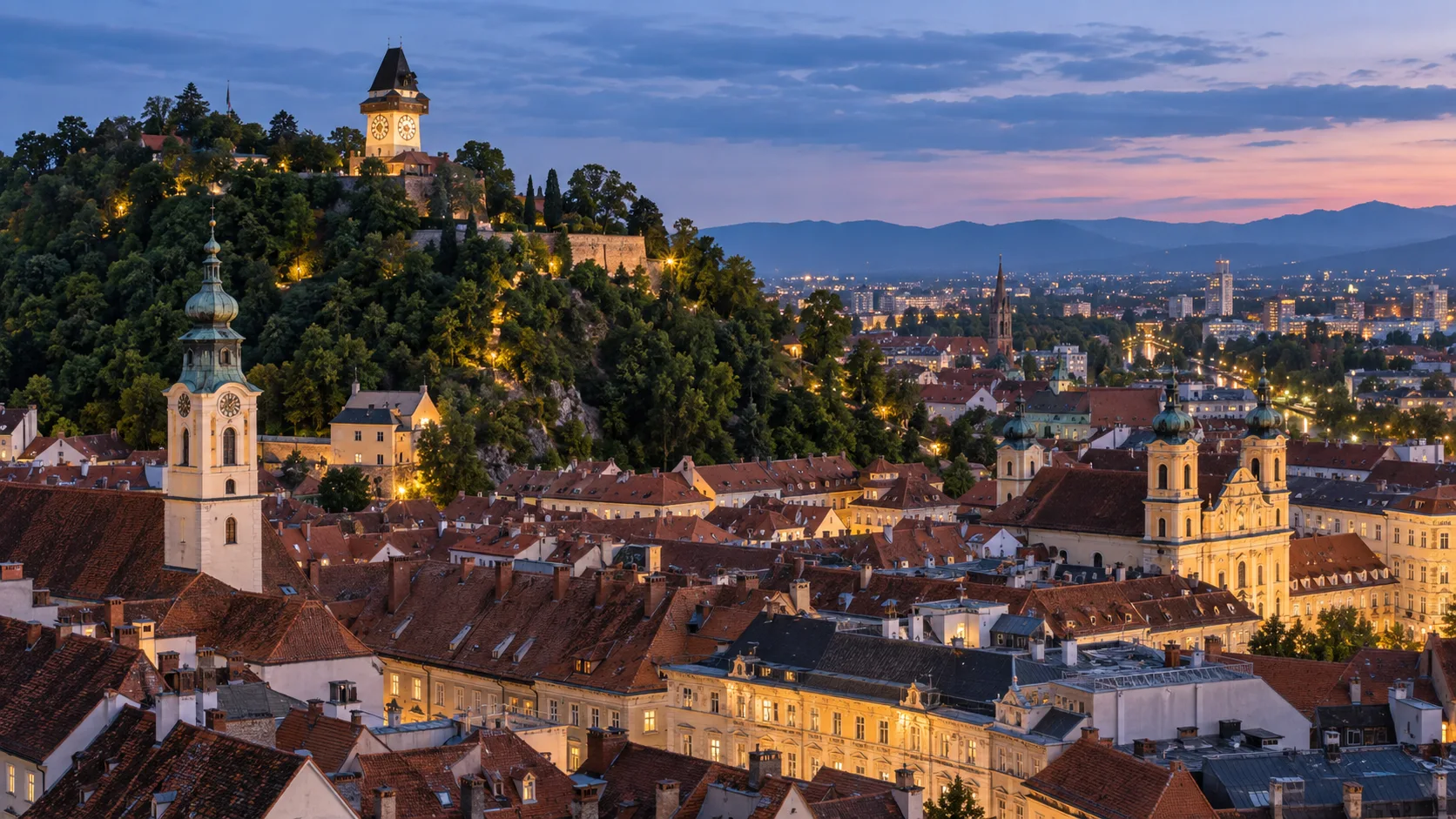
15. Schlossberg and Graz Old Town
Graz offers Renaissance courtyards, colorful facades, the Uhrturm clock tower, and hilltop views without Vienna’s scale. Reach Schlossberg on foot, by funicular, or by lift, choosing the option that matches mobility and weather.
Graz makes the most sense on a southern Austria or Slovenia route, not as a rushed day trip from Salzburg. For another Central European city-and-history itinerary, compare the pacing lessons in these Poland attractions.
A Realistic Seven-Day Austria Route
- Days 1 to 3: Vienna, with Schönbrunn, the historic center, one Hofburg collection, and either Belvedere or the opera.
- Day 4: Melk and part of the Wachau, or direct rail to Salzburg if you dislike transfer-day sightseeing.
- Days 5 and 6: Salzburg Old Town, Hohensalzburg, Mirabell, and one nearby landscape.
- Day 7: Hallstatt as an overnight extension, or depart without forcing an Alpine road.
Grossglockner, Krimml, Innsbruck, and Graz belong in a longer trip or an itinerary focused on their region. Austria’s rail network makes the Vienna-Salzburg spine easy, while a car becomes more valuable for a deliberate Alpine circuit.
When to Visit Austria’s Landmarks
Late spring and early fall balance city walking with longer daylight, but high Alpine access can still be seasonal. Summer brings the widest mountain operation and biggest crowds, while winter favors cities, concerts, markets, and ski regions rather than landmark road trips.
Christmas markets are events with exact annual dates, not permanent landmark features. If festive Austria is the goal, the tradeoffs in these Christmas getaway plans help with holiday closures, lodging prices, and early darkness.
Practical Mistakes to Avoid
- Booking multiple Vienna palaces without deciding which collections matter.
- Driving into historic centers when rail and transit are easier.
- Visiting Hallstatt only during the midday tour-bus peak.
- Assuming Alpine roads, lifts, caves, and trails operate year-round.
- Buying a city card before calculating the attractions you will truly enter.
- Planning a performance, palace, and train transfer with no queue margin.
My Austria Landmark Verdict
For a first trip, prioritize Schönbrunn, central Vienna, Hohensalzburg, Salzburg Old Town, and either Hallstatt or the Wachau. Add Grossglockner or Innsbruck only when the Alps are a central purpose, not because a map makes the distance look manageable.
Austria is at its best when architecture, landscape, rail, and café time share the itinerary. Reserve the few timed landmarks that matter, check mountain access close to travel, and leave enough space to see the country between them.