Dollar Lake Provincial Park: Camping, Beach and Day-Trip Guide
Dollar Lake Provincial Park is the rare Halifax-area escape where you can pitch a tent in the woods, swim from a sandy freshwater beach, launch a boat, and still keep the trip simple. Its limits matter too: campsites are mostly unserviced, swimming supervision is seasonal, and the gate, construction, fire rules, and facilities need a current check.
Is Dollar Lake Provincial Park Worth Visiting?
Yes, if your ideal Nova Scotia weekend centers on lake time rather than coastal sightseeing. The park’s strongest combination is a wooded campground, practical washrooms and showers, a public launch, four walking trails, and a beach close enough to Halifax for a day trip or two-night reset.
It is less suitable for travelers expecting a full-service RV resort, rental cabins, an on-site restaurant, or a packed attraction schedule. Dollar Lake is a bring-your-own-gear park where weather and water shape the day.
Where Dollar Lake Is and How to Arrive
The park address is 5265 Old Guysborough Road in Wyses Corner, north of the Halifax urban core and inland from the Eastern Shore. Use the official address rather than searching only for “Dollar Lake,” because Nova Scotia has many similarly named water features and rural roads.
A car is the practical choice for camping gear, groceries, and water equipment. Download the route before leaving reliable service, arrive in daylight, and top up fuel and food before the final rural section.
Do not schedule a tight airport connection after checkout. Halifax-area traffic, road work, weather, campsite packing, and a wrong rural turn deserve margin even though the park looks close on a regional map.
Operating Season and Reservations
Nova Scotia Parks lists Dollar Lake’s 2026 operating season as June 5 through October 12. That range is specific to 2026, and an open park does not guarantee that every washroom, campsite loop, lifeguard shift, trail, or water system is available.
Check the official Dollar Lake park page for advisories, closures, the campground map, accessible-facility detail, and current contact information. The park listed 117 unserviced campsites at the September 2026 check, with site A20 closed and improvement work affecting parts of the campground.
Campsites are reservable through the Nova Scotia Parks reservation system or by phone. A reservation covers the selected site and dates, not a particular weather outcome, private beach space, adjacent sites for friends, or early arrival.
Choose a Campsite Carefully
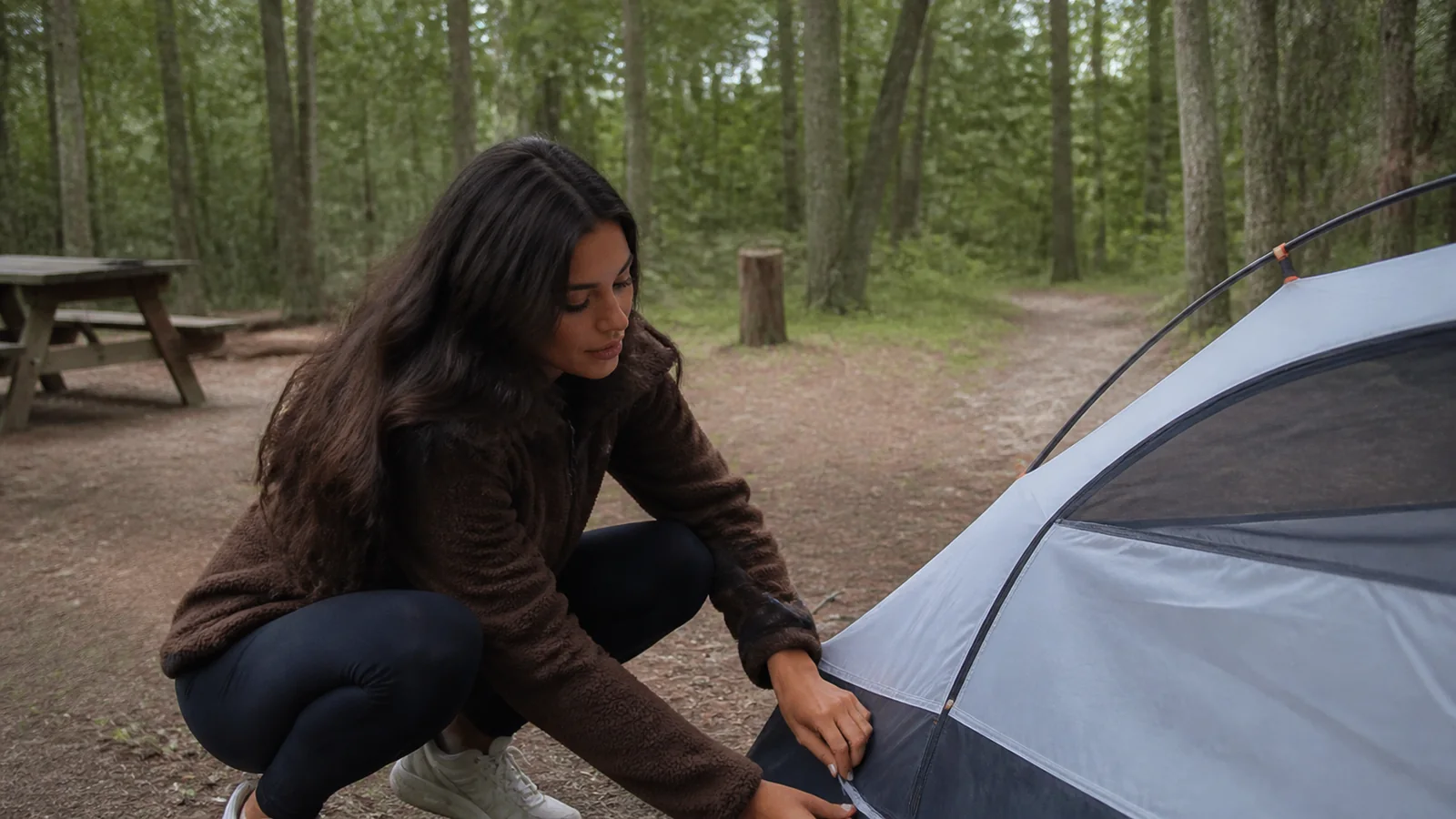
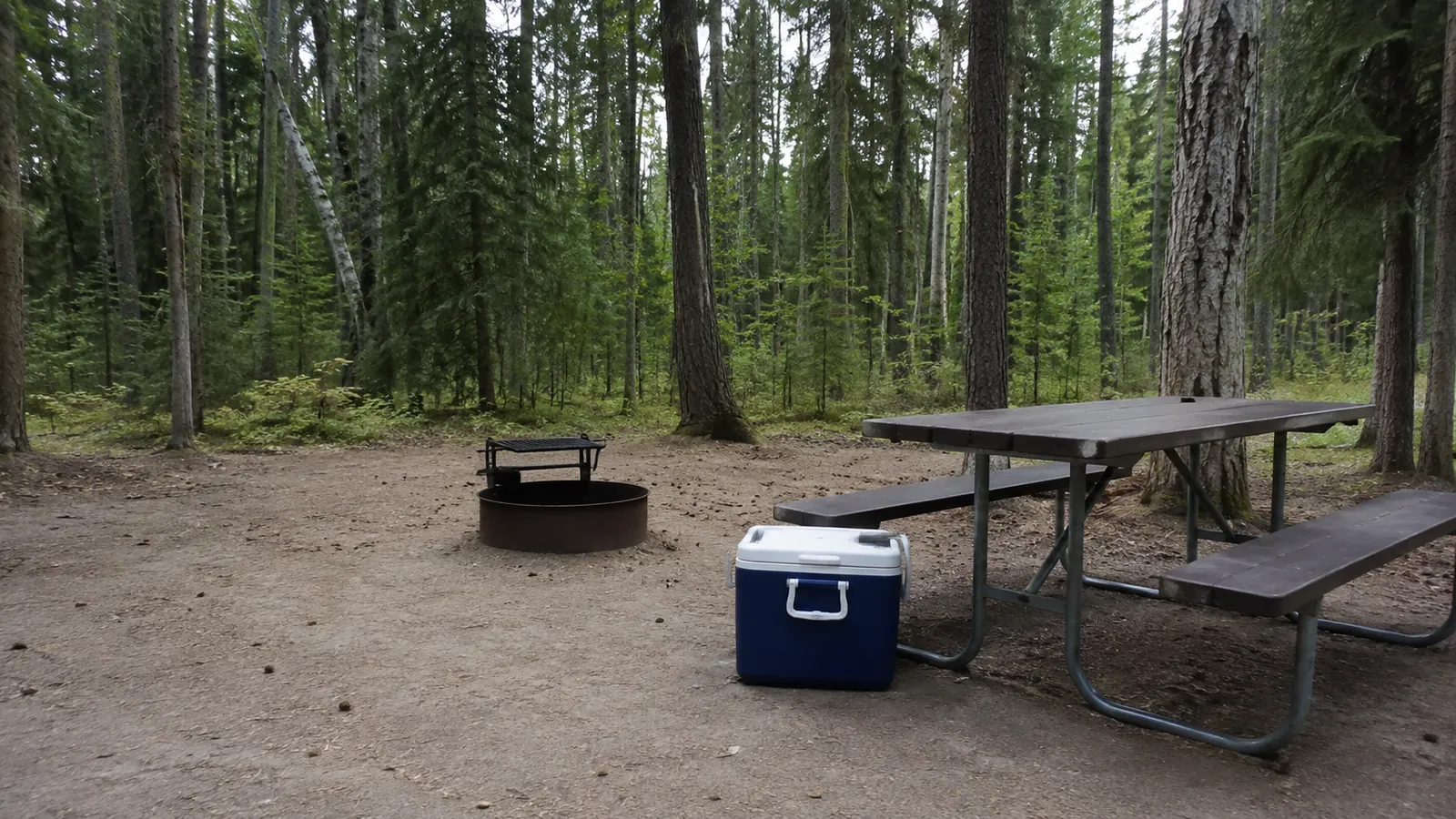
Dollar Lake’s standard sites are partly wooded or wooded and include parking, a picnic table, and a campfire ring or grill. “Unserviced” means you should not expect individual electrical, water, or sewer hookups unless the live reservation record explicitly shows a newly upgraded service.
The province has been redeveloping the park, including serviced-site, accessible-site, and washroom upgrades. Trust the booking system’s current site record and campground map over an old review, because loop labels and amenities can change during a multi-year project.
- Check driveway length, vehicle limit, tent pad, shade, slope, and nearby toilets.
- Confirm whether the site is unserviced or has a newly listed utility connection.
- Look at walking distance to the beach, launch, shower, and water tap.
- Ask about generator rules if power is medically or practically necessary.
- Reserve two nearby sites rather than assuming a large group fits on one.
The park has a separate group camping option that requires contact with the appropriate Natural Resources and Renewables office. It should not be treated as an overflow site or an automatic solution for an unregistered gathering.
Washrooms, Water, and RV Reality
The park lists restrooms with showers, flush toilets near day use, vault toilets around the park, drinking-water taps, and a trailer dump station. Loop-specific accessibility and construction differ, so identify the usable building closest to your site rather than assuming every loop is identical.
Bring a refillable container for carrying water from shared taps and enough drinking water for arrival. Never attach a hose or fill from a source unless the park identifies it as potable, and watch for boil-water or do-not-consume notices.
An unserviced campsite can work well for a modest RV with batteries and holding tanks, but it is not equivalent to a resort hookup. Conserve power and water, use the dump station correctly, and verify vehicle dimensions against the individual pad.
The Beach and Swimming
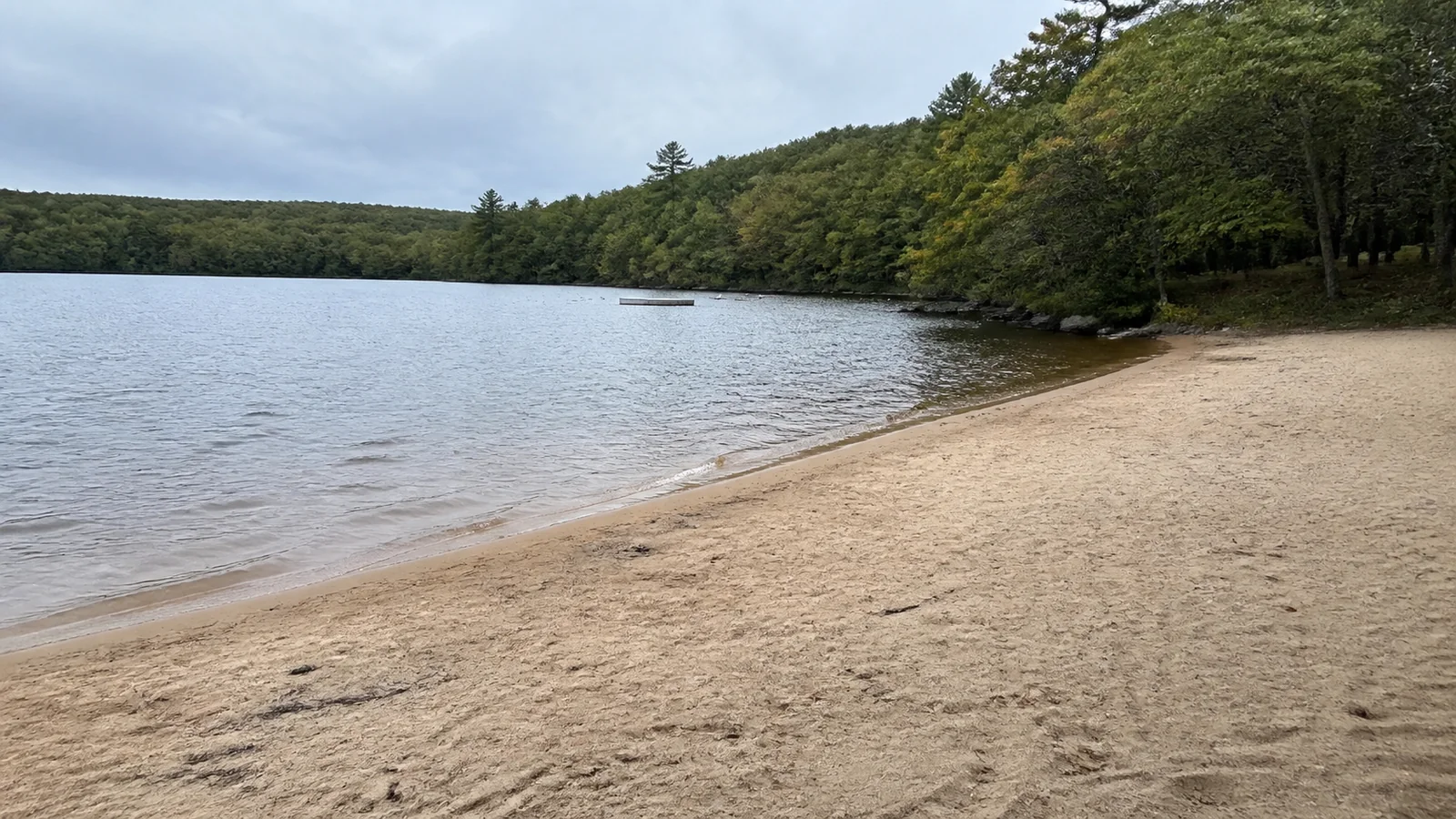
Dollar Lake’s sandy freshwater beach sits at the north end of the lake, with day-use parking, a change house, and flush toilets nearby. It is the park’s best family feature, but “freshwater beach” says nothing about today’s temperature, visibility, bacteria, algae, wind, or supervision.
The park currently lists lifeguard service in July and August, subject to change, and also labels swimming unsupervised outside covered times. Check the flag or posted status when you arrive, stay within the designated area, and keep children within immediate reach even when a lifeguard is present.
Do not dive without confirmed depth, swim across boat traffic, or rely on an inflatable toy as life-saving equipment. Leave the water during thunder, when visibility is poor, or when staff post an advisory.
Dogs must remain under control on a leash no longer than 6 feet throughout Nova Scotia provincial parks, including swimming areas. The current park rules also require owners to collect waste and prevent excessive noise.
Boating, Canoeing, and Kayaking
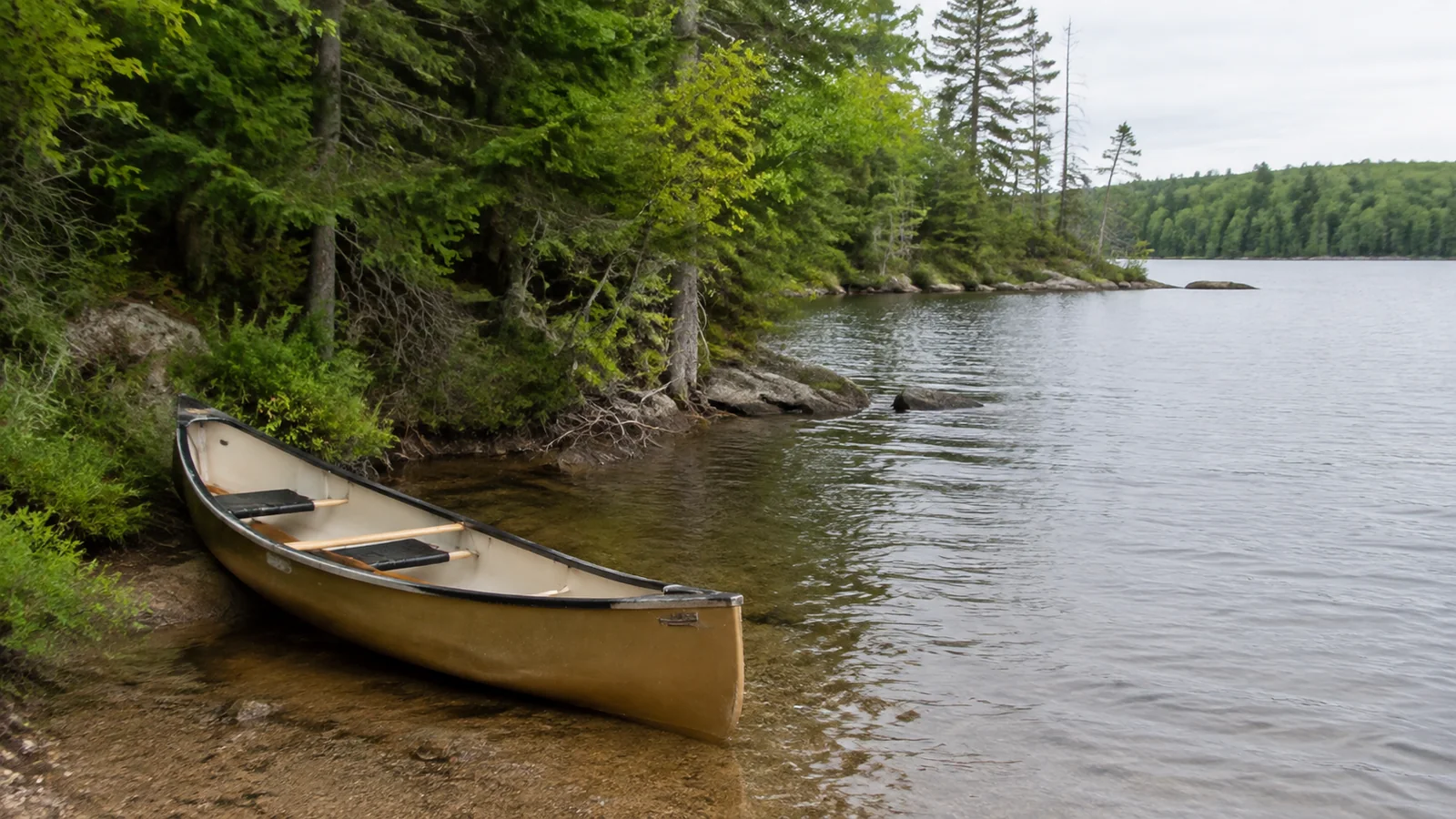
A public boat launch operates when the park is open, and the official page lists canoeing, kayaking, boating, and water-skiing among the lake activities. Follow on-site parking directions because the gate is locked when the park closes, which can trap a late-returning day-use vehicle.
The park does not currently promise boat or paddlecraft rentals on its facility page. Bring a legal, clean craft or confirm a current rental and delivery provider before arrival rather than assuming equipment waits at the beach.
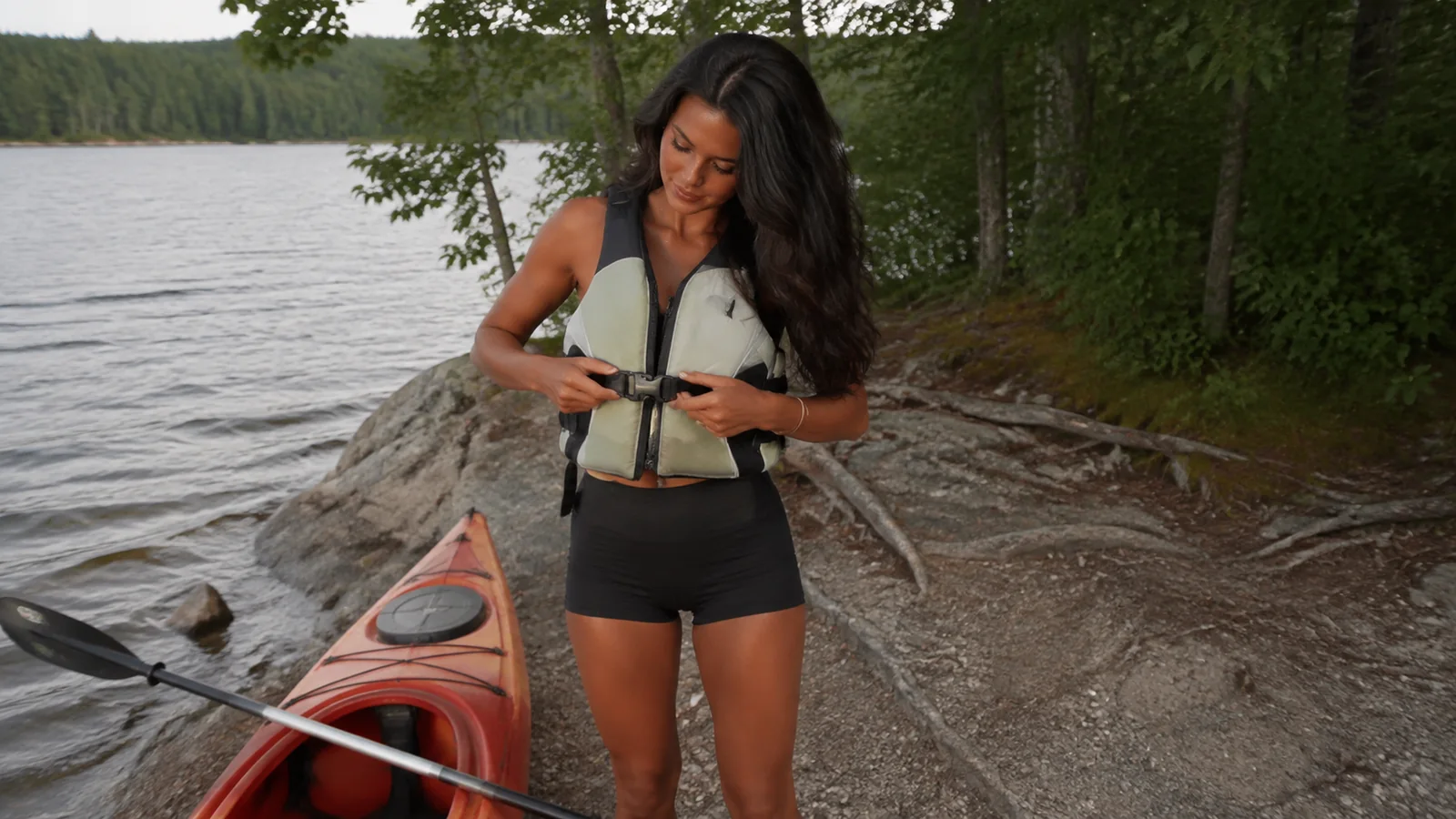
Wear a properly fitted, approved personal flotation device and carry the legally required safety equipment. Wind, cold water, thunderstorms, powerboat wakes, and reduced visibility can make a small inland lake hazardous surprisingly quickly.
Keep paddlers visible and away from the launch lane, swimmers, and water-skiing traffic. Clean, drain, and dry boats and gear before moving between lakes to reduce the spread of aquatic invasive species.
Fishing at Dollar Lake
Fishing is allowed with a Nova Scotia sportfishing license, subject to the current season, gear, species, and retention rules. The park does not guarantee a particular catch, and a historical stocking report should never be used as a current promise.
Use the provincial angling material linked from the Dollar Lake park page, identify the correct water, and confirm whether any special rule applies. Handle fish carefully, keep only legal fish, and dispose of line where wildlife cannot become tangled.
Walking Trails and Nature Time
Nova Scotia Parks lists four walking trails at Dollar Lake and provides a trail map. They are a useful counterweight to the beach, especially on a cool morning, but the park does not advertise them as long-distance backcountry hikes.
Wear shoes with grip, carry water, and expect roots, mud, insects, and uneven ground. Tell someone which route you are taking, bring the downloaded map, and turn around before a dark or stormy finish.
Nova Scotia has blacklegged ticks, so use repellent, tuck or cover clothing where practical, and perform a careful full-body check after wooded or grassy walks. Pack fine-tipped tweezers and follow current provincial health advice if one attaches.
A Realistic Two-Night Itinerary
Arrival Day
Buy groceries before the park, check in with enough light to assess the pad, and set up before visiting the water. Walk to the nearest washroom, drinking-water tap, beach exit, and emergency information point so nobody is learning the layout after dark.
If conditions are calm, take a short beach walk or nearshore paddle before dinner. Save the longer water session for a full day rather than launching tired or racing the closing gate.
Full Day
Use the quiet morning for paddling or fishing, return for lunch, then swim during posted lifeguard coverage if it is operating. Finish with one walking trail and an early dinner, leaving a rain option such as games, reading, or a short drive for supplies.
Families should alternate active and quiet blocks instead of forcing boating, fishing, hiking, and swimming into one continuous push. The park feels most restorative when the campsite is part of the trip, not just a place to collapse.
Departure Day
Pack before the site deadline, inspect for tent stakes and micro-trash, and dispose of waste in the correct stream. A last beach stop works only if you leave time to change, dry gear, and depart before any gate restriction.
Dollar Lake as a Halifax Day Trip
A day trip is worthwhile when the forecast favors swimming, picnicking, or paddling and you do not need campground atmosphere. Arrive early on a hot weekend because parking and beach space are finite, and bring everything needed for the day.
Halifax sightseeing and Dollar Lake should usually occupy separate days. Anyone arriving by cruise ship should not treat an inland beach day as a casual walk from the terminal, and a private transport plan must protect the ship’s all-aboard time.
For a wider look at provincial camping choices, compare the settings in this Nova Scotia camping roundup. Dollar Lake wins for accessible inland lake recreation near Halifax, while coastal parks deliver a very different weather and shoreline experience.
What to Pack
- Tent, waterproof ground protection, sleeping insulation, and warm layers
- Drinking-water containers and a simple food-storage system
- Approved life jackets and required boating safety gear
- Rain shell, sunscreen, insect repellent, and tick-removal tweezers
- Headlamps, power bank, first-aid kit, and offline park map
- Camp stove and fuel as a backup to any permitted fire
- Cash or alternate payment in case connectivity is unreliable
Fire, Weather, and Wildlife
A fire ring does not mean a campfire is allowed tonight. Check Nova Scotia’s BurnSafe restrictions for the current time window, follow park instructions, and extinguish every permitted fire until it is cold.
Secure food, coolers, trash, and scented items, and never feed wildlife. Raccoons and smaller campground animals can create expensive problems even when larger wildlife never appears.
Thunderstorms, heavy rain, wildfire smoke, heat, and cool shoulder-season nights all deserve a backup plan. The lake is not the place to wait out lightning, and a wet campsite can become hypothermia territory when wind and temperature fall.
Accessibility and Honest Limitations
The park lists accessible features at its office, beach access, certain washrooms, and campsite A31. Surfaces include gravel, individual shower dimensions vary, the office has a high counter, and construction can change the usable route.
Call the park before booking if transfer space, shower width, beach access, power, or a specific toilet configuration is essential. “Accessible features” should begin a conversation, not end the planning.
Travelers comparing freshwater parks can also consider Ellenwood Lake Provincial Park. For an oceanfront campground and a completely different swimming tradeoff, look at Graves Island Provincial Park.
My Dollar Lake Verdict
Dollar Lake is an excellent two-night campground for swimmers, paddlers, anglers, and families who can thrive without full hookups. It also works as a straightforward warm-weather day trip from the Halifax region when the beach and boat launch are the purpose.
Reserve the exact site, verify the live park advisory, and pack for an unserviced stay. Do that, and Dollar Lake delivers something increasingly valuable: a practical woodland break where the lake, not a schedule, runs the day.