Québec Road Trip: A Realistic 10-Day Itinerary
A Québec road trip can deliver cobblestone cities, St. Lawrence views, mountain hikes, farm stands, and whale country in one beautifully varied loop. The trick is resisting the urge to add Gaspésie, Saguenay, and every village at once, so this 10-day route keeps the driving rewarding instead of relentless.
Québec Road Trip Overview
- Route: Montréal, Mauricie, Québec City, Charlevoix, Tadoussac, then back toward Montréal
- Length: 10 days and roughly 850 to 1,000 miles, depending on day trips
- Best season: Late May through early October
- Best for: First-time visitors who want cities, food, landscapes, and wildlife
- Rental strategy: Explore Montréal without a car, then pick one up when leaving
- Important booking: Québec national-park access, popular lodging, whale trips, and any vehicle ferry
Québec is larger than many visitors realize, and its best-known regions are not one compact circuit. This itinerary focuses on the St. Lawrence corridor and a taste of Charlevoix rather than pretending you can comfortably loop the entire province in 10 days.
Before You Cross the Canadian Border
Entry rules depend on citizenship, travel purpose, and whether you arrive by air or land. U.S. citizens should carry a valid passport or another document accepted for their specific crossing, while permanent residents and other nationalities can have different requirements.
Use the Canada Border Services Agency traveler hub to confirm documents, declarations, restrictions, and border hours. A rental-car company may also restrict international travel, so get written permission if the car originates in the United States.
Travelers flying into Canada may need an electronic travel authorization or visa depending on passport, while U.S. citizens are treated differently. Never apply through a third-party site before checking the official Canadian government tool.
Day 1: Arrive in Montréal
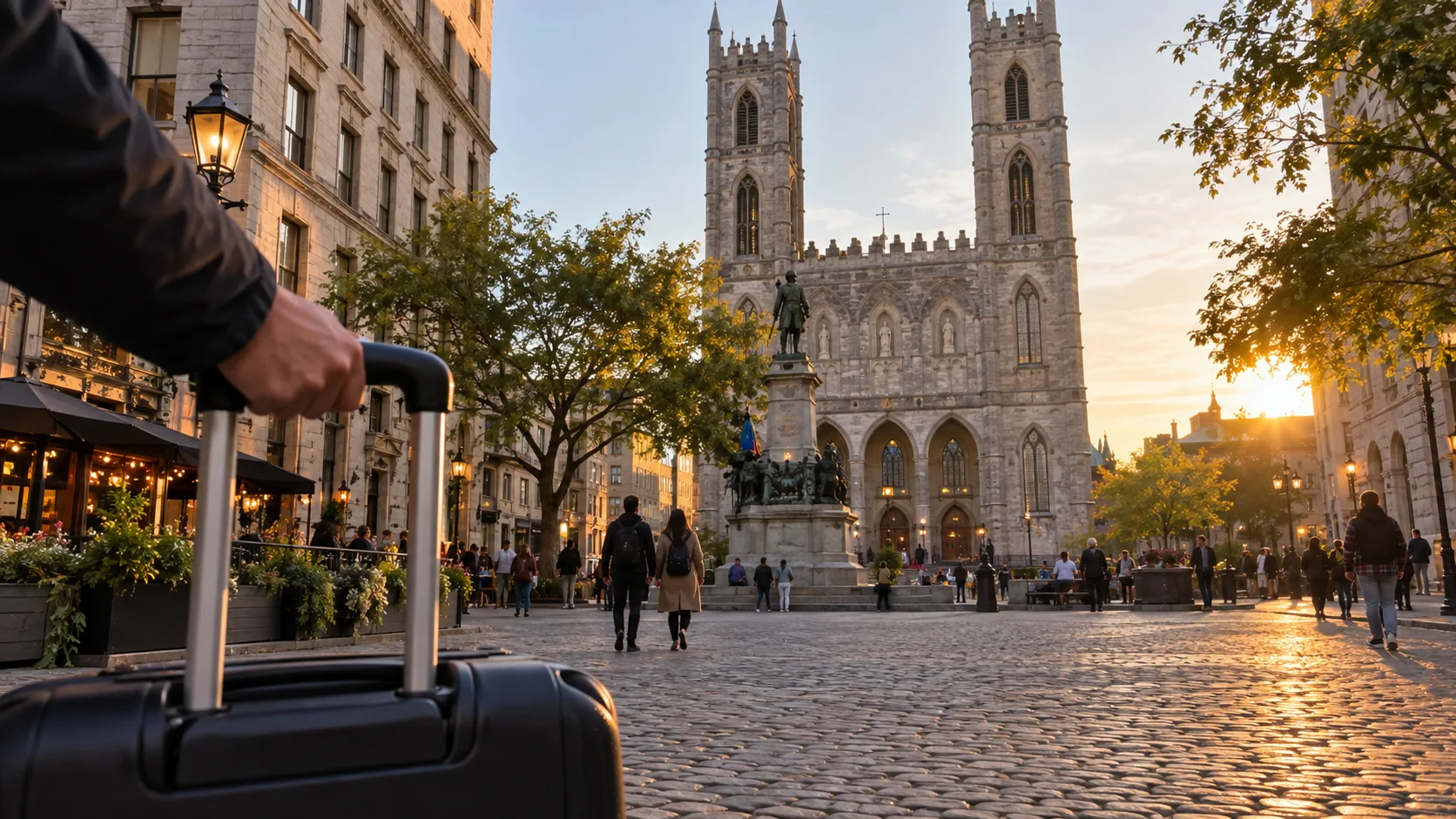
Stay in Old Montréal, Downtown, or near a useful Métro station and leave the rental car for later. Parking, one-way streets, construction, and hotel fees make a car more burden than benefit during a city stay.
Use the first day for a gentle loop through Old Montréal, the Old Port, and nearby streets, then eat well and sleep. An overnight flight plus a long driving day is a bad opening chapter.
Where to Stay
Old Montréal gives you atmosphere and easy evening walks, while Downtown improves transit and onward rental logistics. Plateau-Mont-Royal feels more residential and food-focused, but check luggage access and parking if you collect the car there.
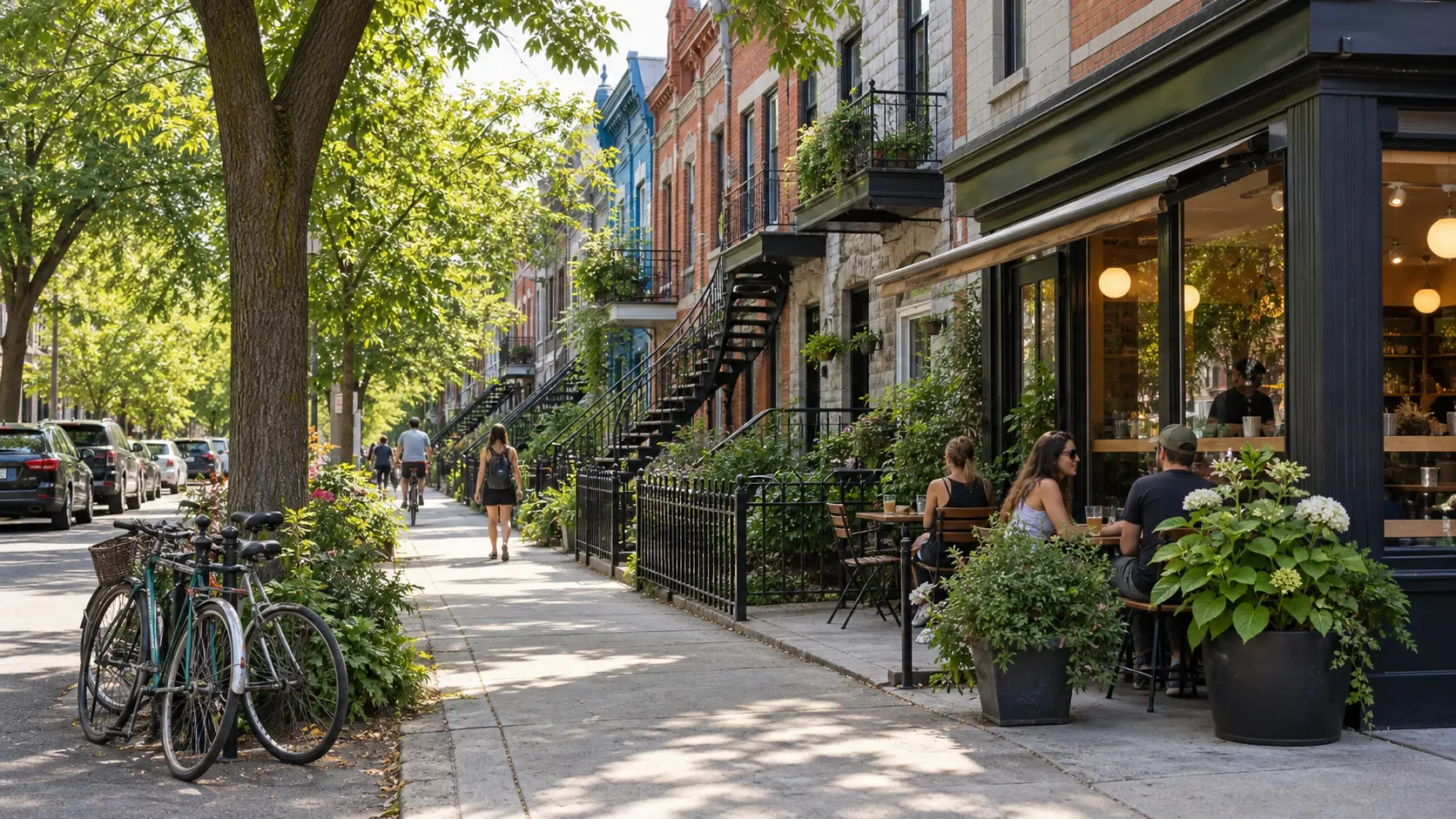
Day 2: Montréal Neighborhoods
Choose two areas rather than zigzagging across the island. Pair Old Montréal with Downtown, or combine Mile End, the Plateau, and Mount Royal according to your interests and energy.
Market lovers can choose Jean-Talon or Atwater, while architecture and history fans may prefer a guided walk. Leave enough appetite for bagels, pastries, cheese, smoked meat, or a proper restaurant rather than sampling everything in a three-hour sprint.
Reserve headline attractions when timed entry is offered, especially on summer weekends. Montréal rewards wandering, so one anchor reservation is enough for most days.
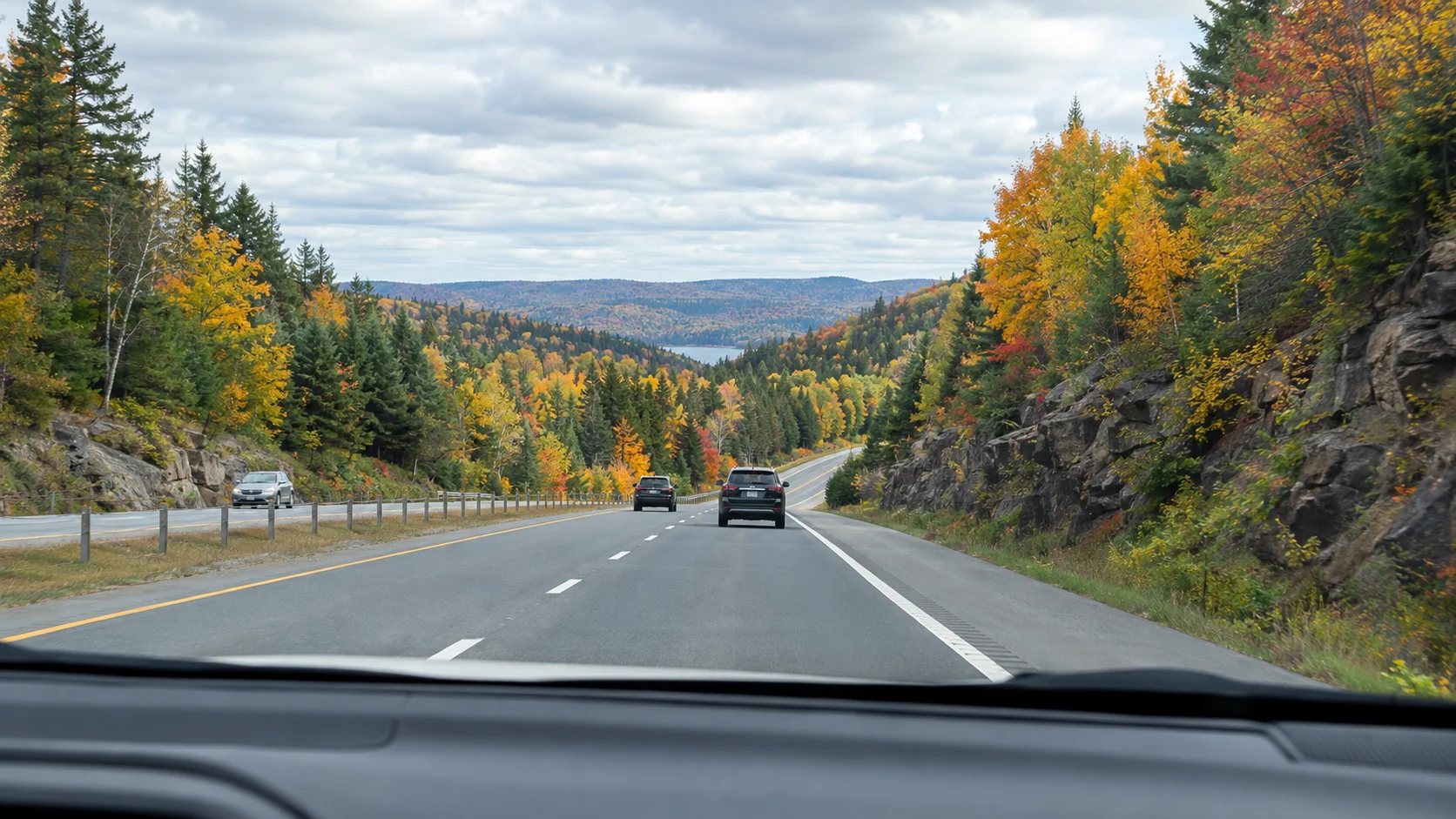
Day 3: Montréal to Mauricie
Pick up the car after breakfast and head northeast, using the heritage Chemin du Roy where time allows. Québec’s official tourism site describes this signed route along much of Route 138 between the Montréal region and Québec City.
Stop in Trois-Rivières for lunch and a riverfront walk, then continue to lodging near Shawinigan or Parc national de la Mauricie. The exact drive is modest, but your rental pickup, city exit, and village stops can easily fill the day.
The province promotes 17 signed tourist routes through its official Québec route collection. Blue route signage is helpful, but keep offline navigation because scenic roads can include detours and weak service.
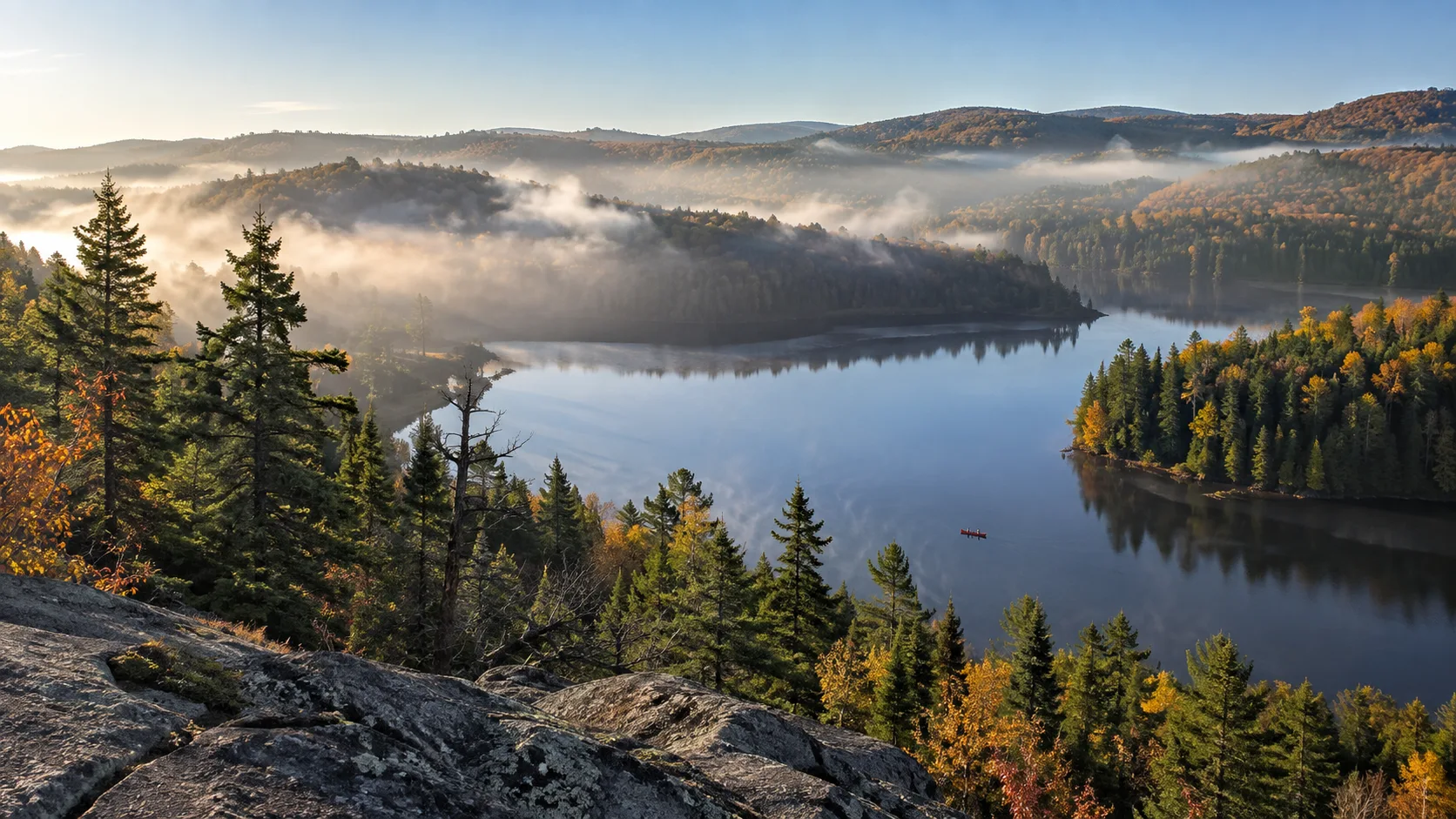
Day 4: Mauricie Nature Day
My default is Les Cascades from the Shewenegan Picnic Area: Parks Canada currently lists a 2.4-kilometer loop, 103 meters of gain, and about one hour. Allow 90 minutes with photos, then stay for a picnic and an easy lakeside afternoon rather than adding another long drive.
Follow the signed floating-footbridge approach between the former “M” bridge and the boat rental center, then the steps toward the cascades. The “M” bridge and the section beneath it remain closed in the current notice, so older loop directions may be wrong.
For a stronger hiking day, Les Falaises starts at Ruisseau-Brodeur and covers 4 kilometers with 268 meters of gain, officially around 90 minutes. I would allow two hours for its lake overlooks and choose it instead of the shorter loop if everyone enjoys climbing.
In steady rain, keep the day flexible with visitor information, short accessible stops that remain open, and time in Shawinigan. Skip slippery cascade rocks and do not turn a wet-weather fallback into a mandatory waterfall scramble.
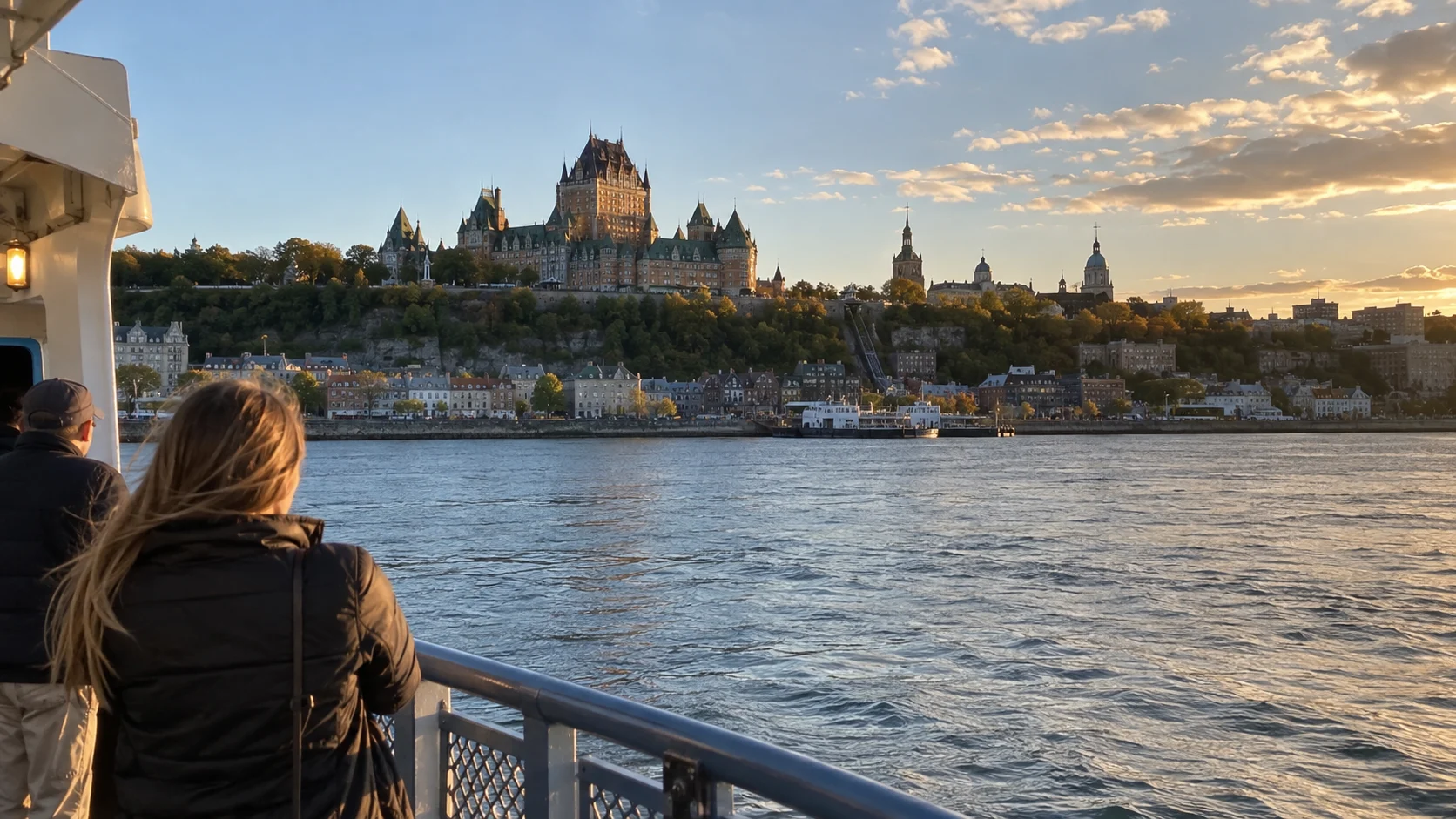
Day 5: Mauricie to Québec City
Continue along the St. Lawrence corridor to Québec City, arriving with time for a first walk through Old Québec. Return the car for two nights if the fee works, or choose lodging with confirmed parking and leave it parked.
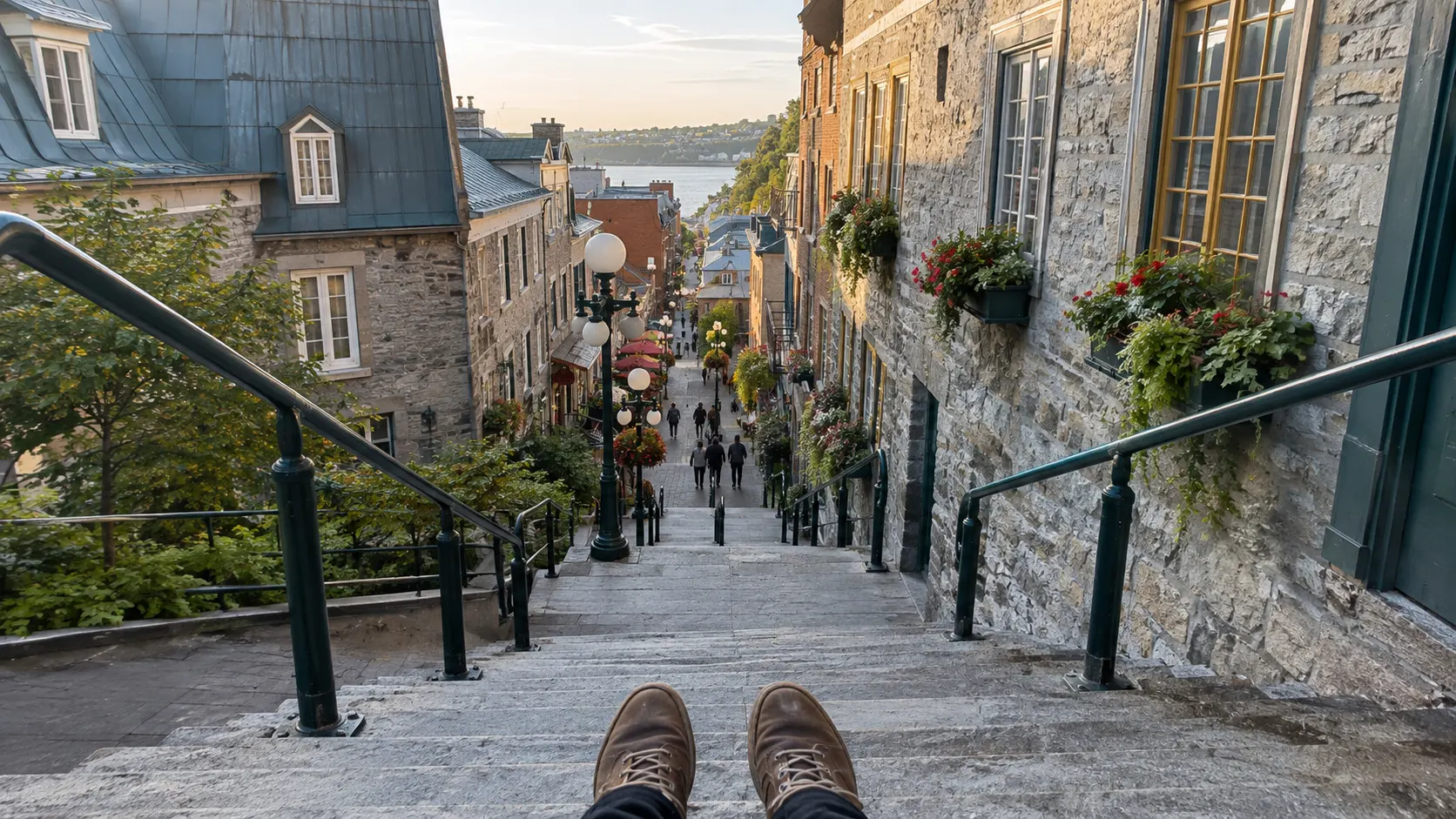
Spend the evening around the Upper Town, Dufferin Terrace, and the streets below, using the funicular only if it suits your route and mobility. Comfortable shoes matter because hills, stairs, and stone surfaces make distance feel longer.
Day 6: Québec City without the Car
Build the day around Old Québec, Petit-Champlain, Place Royale, and one museum or guided experience. Do not waste the most walkable day of the trip driving from parking lot to parking lot.
Food tours provide context and solve several snack decisions, while history walks help the fortifications and streets make sense. Confirm accessibility directly because old buildings and steep routes can create barriers even when the main entrance is step-free.
Montmorency Falls can fit this day or the next, but transport, crowds, and weather determine whether it feels easy. If Charlevoix is the priority, save your driving energy and enjoy the city properly.
Day 7: Québec City to Baie-Saint-Paul
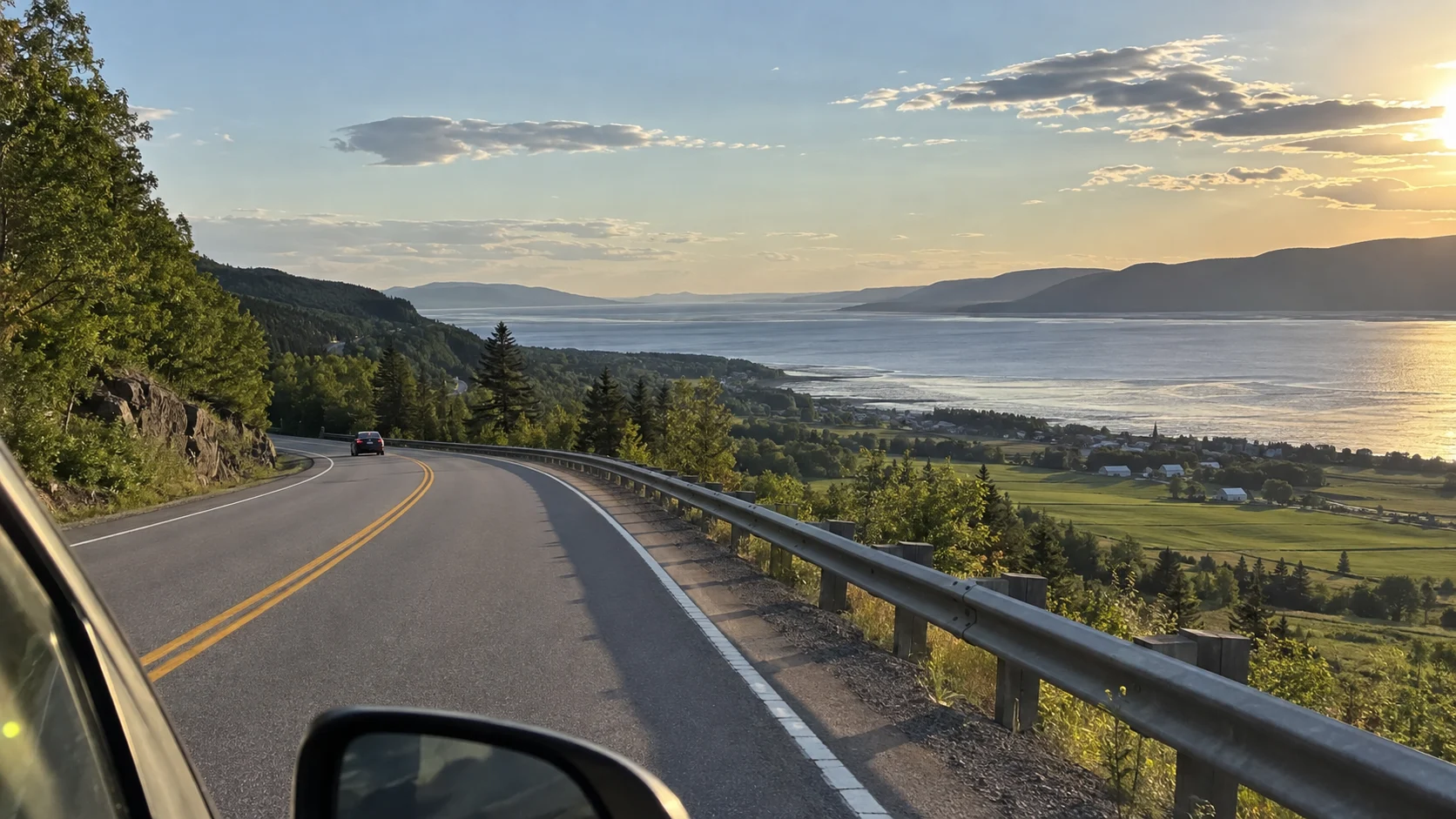
Retrieve the car and follow the St. Lawrence northeast into Charlevoix. Baie-Saint-Paul makes an appealing base for galleries, restaurants, regional food, and access to mountain scenery.
Stop at Montmorency Falls early if it is on your list, then continue through Sainte-Anne-de-Beaupré or scenic villages according to time. Choose two meaningful stops, because parking and overlooks turn a short map distance into a full day.
Allow a relaxed evening in Baie-Saint-Paul rather than driving farther after dinner. Deer, darkness, fatigue, and unfamiliar rural roads are a poor combination.
Day 8: Charlevoix Park Day
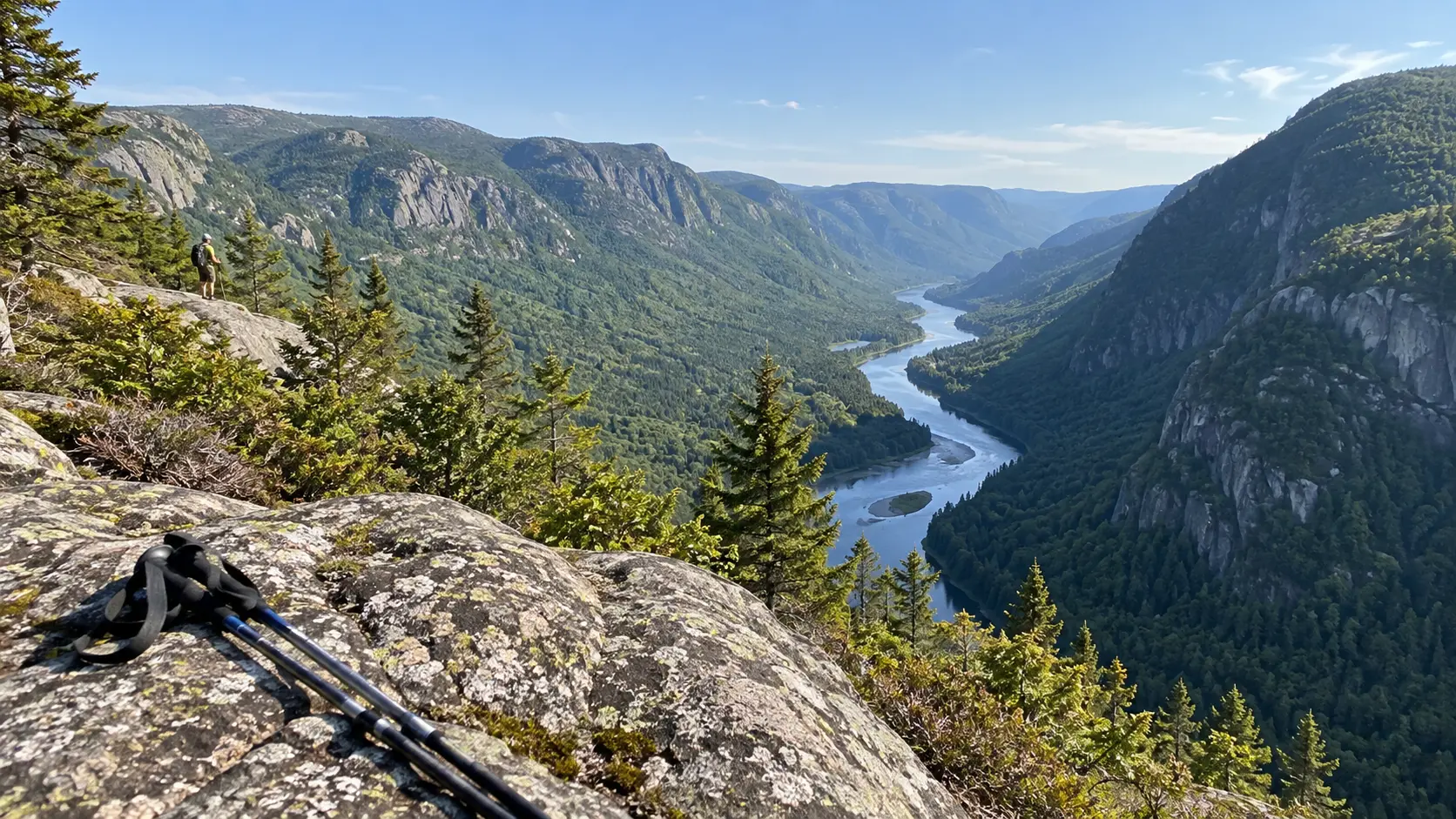
I would choose Grands-Jardins for hikers and make La Chouenne the first-timer default: 4.6 kilometers out and back, 230 meters of gain, and about two hours. Start from the Mont-du-Lac-des-Cygnes service center at kilometer 21 on Route 381, and allow extra time for the views.
Fit hikers with clear weather can choose Mont-du-Lac-des-Cygnes instead, an 8.6-kilometer return hike with 480 meters of gain and a four-hour allowance. Its exposed summit and fragile alpine vegetation deserve a calm forecast and careful adherence to the marked route.
For a mixed-mobility group, I would compare the seasonal boat outing and visitor-center access at Hautes-Gorges-de-la-Rivière-Malbaie before booking. Its valley scenery can work better without a summit hike, but confirm boarding, shuttle access, and accessible facilities for the person who needs them.
In heavy rain or low cloud, stay in Baie-Saint-Paul for galleries and cafés instead of driving to an invisible summit. If conditions are merely damp and staff approve, a short valley-level outing is more rewarding than committing to the longest trail.
Day 9: Baie-Saint-Paul to Tadoussac
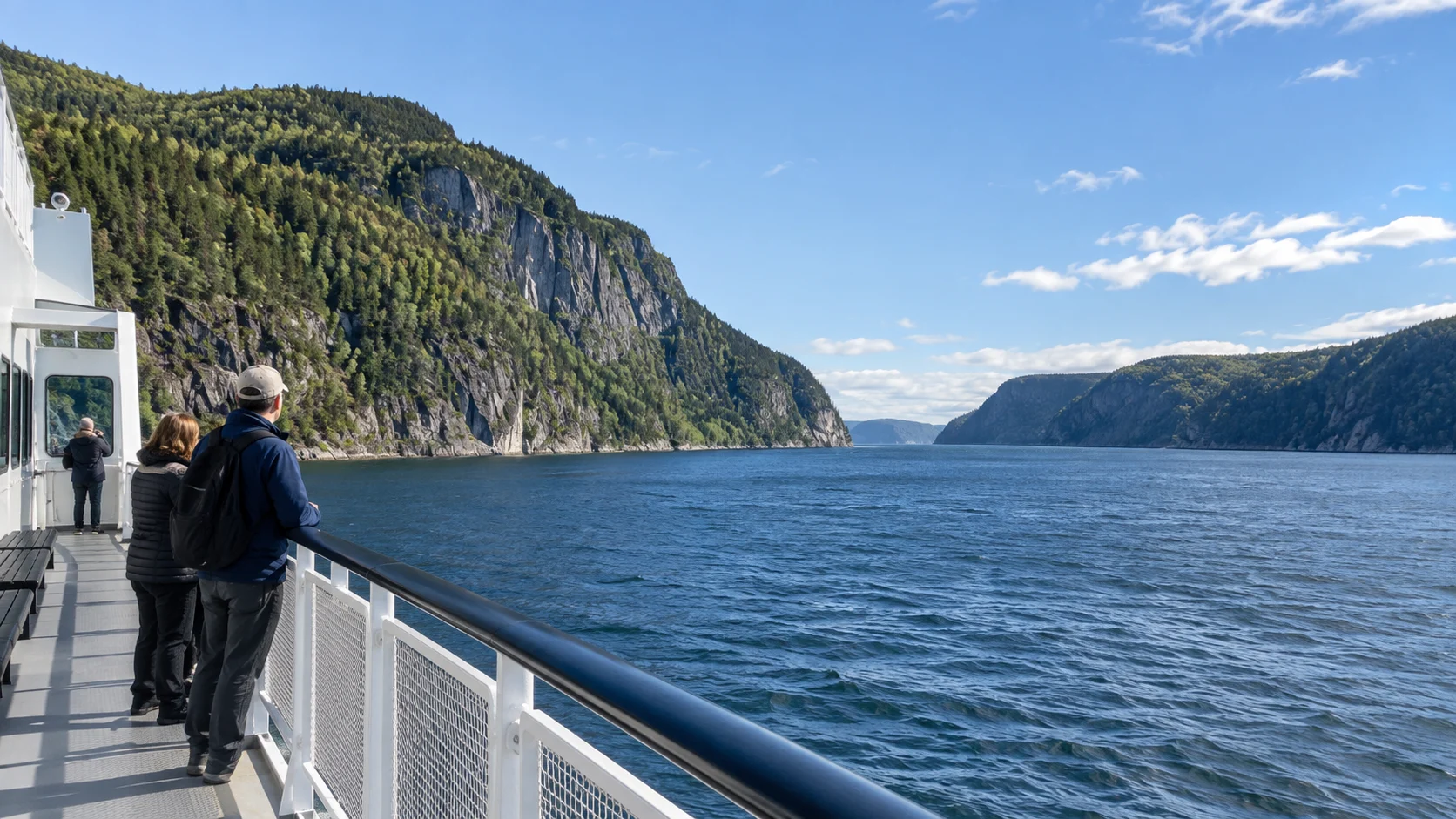
Drive through La Malbaie toward Baie-Sainte-Catherine and use the ferry connection across the Saguenay at Tadoussac. Confirm current operations and allow a queue buffer, especially in peak season.
Tadoussac is known for whale watching, but sightings and species are never guaranteed. Choose an operator based on vessel type, safety, naturalist quality, accessibility, and marine conditions rather than a promise of dramatic photos.
A rigid whale trip immediately after a long drive creates risk, so either depart Baie-Saint-Paul early or book the excursion for the next morning. Stay in Tadoussac or nearby and enjoy the village and shoreline without rushing.
Day 10: Return or Extend
Returning from Tadoussac to Montréal is a long final push, and it should not end with a tight international flight. Break the drive near Québec City or Trois-Rivières if you can add a night.
If you must finish in one day, leave early, share driving, schedule breaks, and stay near the airport before a morning departure. An open-jaw booking into Montréal and out of Québec City can reduce backtracking, though rental drop fees and flight prices may offset the gain.
How to Extend the Itinerary
Add Saguenay
Two or three nights around Saguenay Fjord create time for viewpoints, paddling, villages, and park trails. Do not treat the fjord as a drive-through add-on after whale watching.
Add Gaspésie
Gaspésie deserves at least five to seven additional days, not two exhausted nights. Route 132 circles a huge peninsula through Bas-Saint-Laurent, coastal villages, Percé, and mountain country.
The official tourism board’s Gaspésie loop shows why the region is a trip of its own. If wide-open Canadian scenery is your main goal, compare this with my Alberta trip planner before deciding where to spend a limited vacation.
Add the Eastern Townships
Two or three nights southeast of Montréal suit wineries, small towns, lakes, cycling, and a gentler final stretch. This is the easiest extension when you want less driving than Gaspésie.
Driving Rules and Rental-Car Details
Québec road signs are in French, distances and speed limits use kilometers, and fuel is sold by the liter. Download key French driving terms and remember that 100 kilometers per hour is about 62 miles per hour.
Right turns on red may be allowed after a complete stop unless prohibited, but they are prohibited on the island of Montréal. Check current provincial rules rather than copying driving habits from another Canadian province.
Ask the rental company about insurance, deductibles, second drivers, toll billing, roadside assistance, border travel, gravel roads, and ferry use. Inspect tires and photograph the car before leaving.
Winter tires are required on most Québec-registered passenger vehicles from December 1 through March 15, with defined exceptions. Visitors in rentals should confirm compliant equipment and use Québec’s official winter-driving guidance and Québec 511 for conditions.
Fuel, Ferries, and Phone Coverage
Refuel before remote stretches, especially at night or outside summer. A station shown on a map may have limited hours, and fuel range matters more once you leave the main corridor.
Ferry schedules, vehicle reservations, check-in deadlines, and weather policies differ by crossing. Verify each sailing with the operator and never schedule the last possible ferry before a flight or fixed tour.
U.S. phone plans may include Canada, but data limits and roaming terms vary. Download maps, reservation confirmations, and French addresses before rural park days.
Budgeting for the Road Trip
Your largest variables are lodging, one-way rental fees, fuel, parking, park access, whale tours, and restaurant meals. Montréal and Québec City hotel parking can make a cheaper room more expensive than a central car-free stay.
Book refundable rooms early for summer and fall color, then recheck rates. Mix restaurant dinners with bakery breakfasts, market lunches, and picnic supplies, but follow park food-storage rules.
Canadian prices are in Canadian dollars and taxes may appear separately from the displayed amount. Use a card without foreign transaction fees and keep a modest cash backup.
What to Pack
- Waterproof shell and warm layer
- Broken-in walking shoes
- Insect repellent and sun protection
- Refillable water bottles and road snacks
- Offline maps and charging cable
- Binoculars for wildlife viewing
- Reusable tote or small cooler
Spring and fall temperatures can shift sharply between cities, coast, and mountains. Pack layers rather than one bulky coat, and keep rain gear accessible in the car.
Common Québec Road-Trip Mistakes
- Renting the car for central Montréal days
- Adding Gaspésie to a 10-day first trip
- Ignoring ferry check-in and park reservations
- Underestimating fall-color and holiday demand
- Expecting every rural business to keep city hours
- Driving after an overnight flight
- Booking a departure flight after a long same-day return
My Bottom Line
This Québec road trip works because it alternates city days, short scenic moves, and two genuine nature anchors. Montréal, Québec City, Charlevoix, and Tadoussac are enough for 10 days, and the places you skip become a better second trip.
If provincial parks are the priority, my Saskatchewan parks guide offers a very different prairie comparison, while the Northwest Territories guide shows what truly remote Canadian logistics look like. In Québec, book the scarce pieces, keep one weather-flexible day, and let the St. Lawrence set the pace.