Discover Alberta: A Realistic 10-Day Road Trip
Alberta is not just Banff with an airport attached. A smart first trip gives the Rockies room to breathe, adds Calgary and the badlands, and treats every lake shuttle, mountain road, wildlife stop, and weather change as part of the logistics.
The Best First Alberta Trip at a Glance
Give Alberta 9 to 11 nights for Calgary, Banff, Lake Louise, the Icefields Parkway, Jasper, and Drumheller. That route still moves quickly, but it avoids turning the province into one endless check-in line.
- Best first base: Banff or nearby Canmore for three nights
- Best scenic drive: Icefields Parkway with a full daylight day
- Best for dinosaurs: Drumheller and the Canadian Badlands
- Best quieter Rockies alternative: Waterton Lakes with at least two nights
- Best car-free option: Calgary, Banff, and Lake Louise using scheduled transportation
- Best mistake to avoid: making Jasper a rushed round trip from Banff
When to Visit Alberta
Late May and June
Long days and strong waterfall flow make early summer appealing, but high trails and lakes can remain snowy or icy. Mountain access follows conditions rather than the date on a hotel reservation.
July and August
Summer offers the broadest road, trail, shuttle, and attraction access along with peak crowds and prices. Wildfire smoke, heat, storms, and full parking lots remain possible, so book scarce items early and keep one flexible day.
September and October
September can bring crisp hiking days and fall color, while snow may return quickly at elevation. Seasonal shuttles and visitor services wind down on different dates, making exact-calendar research essential.
November Through April
Winter works for skiing, skating, snowshoeing, city culture, and snowy scenery, but it requires a new itinerary. Short daylight, avalanche terrain, road closures, winter tires, and weather-dependent lake conditions make a summer checklist inappropriate.
A Realistic 10-Day Alberta Itinerary
Day 1: Arrive in Calgary
Stay in Calgary after a late flight instead of collecting a rental car tired and driving into the mountains at night. Use the evening for a neighborhood meal, supplies, and a careful weather and road review.
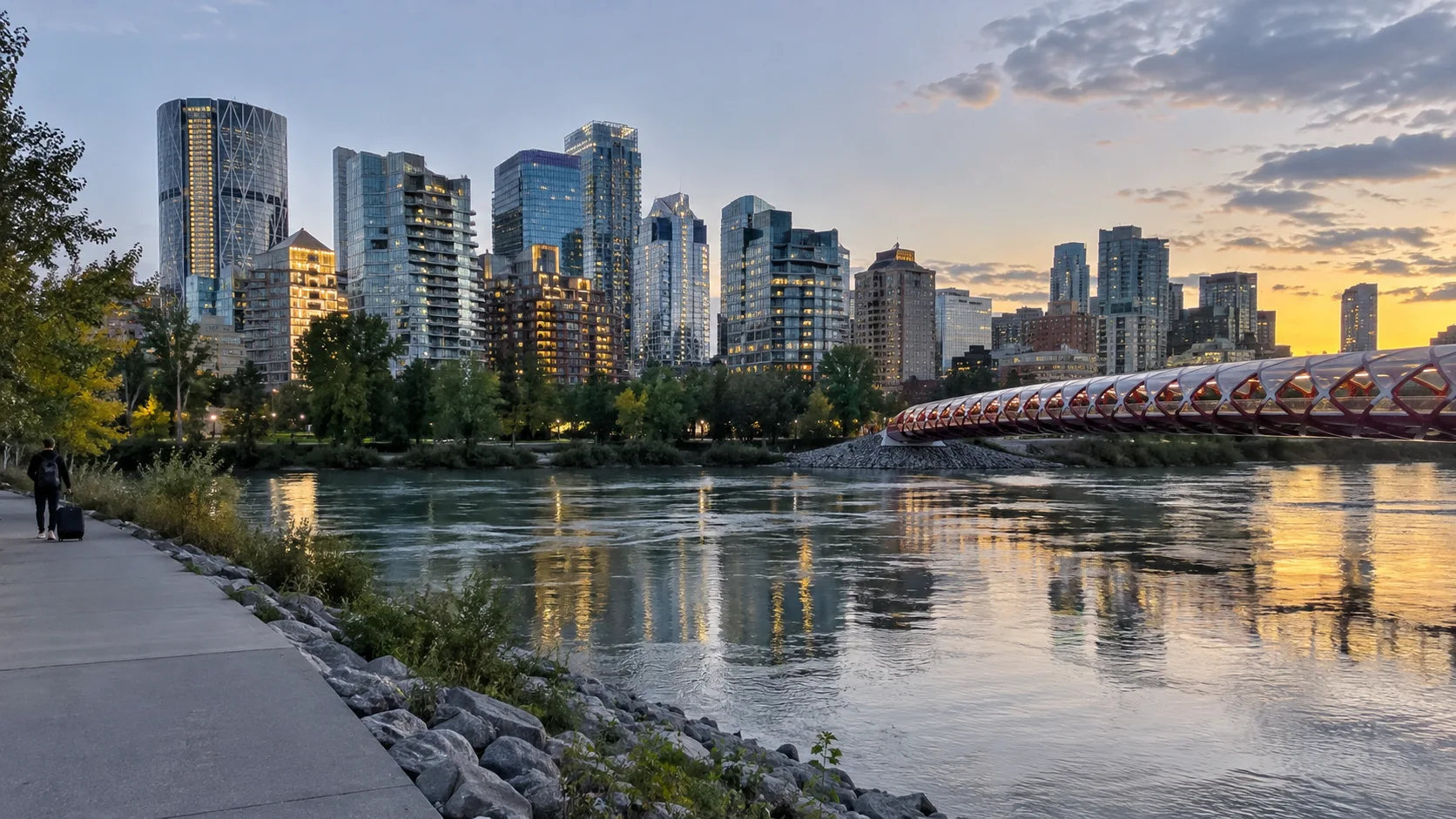
If you have a full day, add the downtown river paths, Studio Bell, the Central Library, or another interest rather than treating Calgary as a parking lot. The city also gives you a buffer for delayed luggage before outdoor days begin.
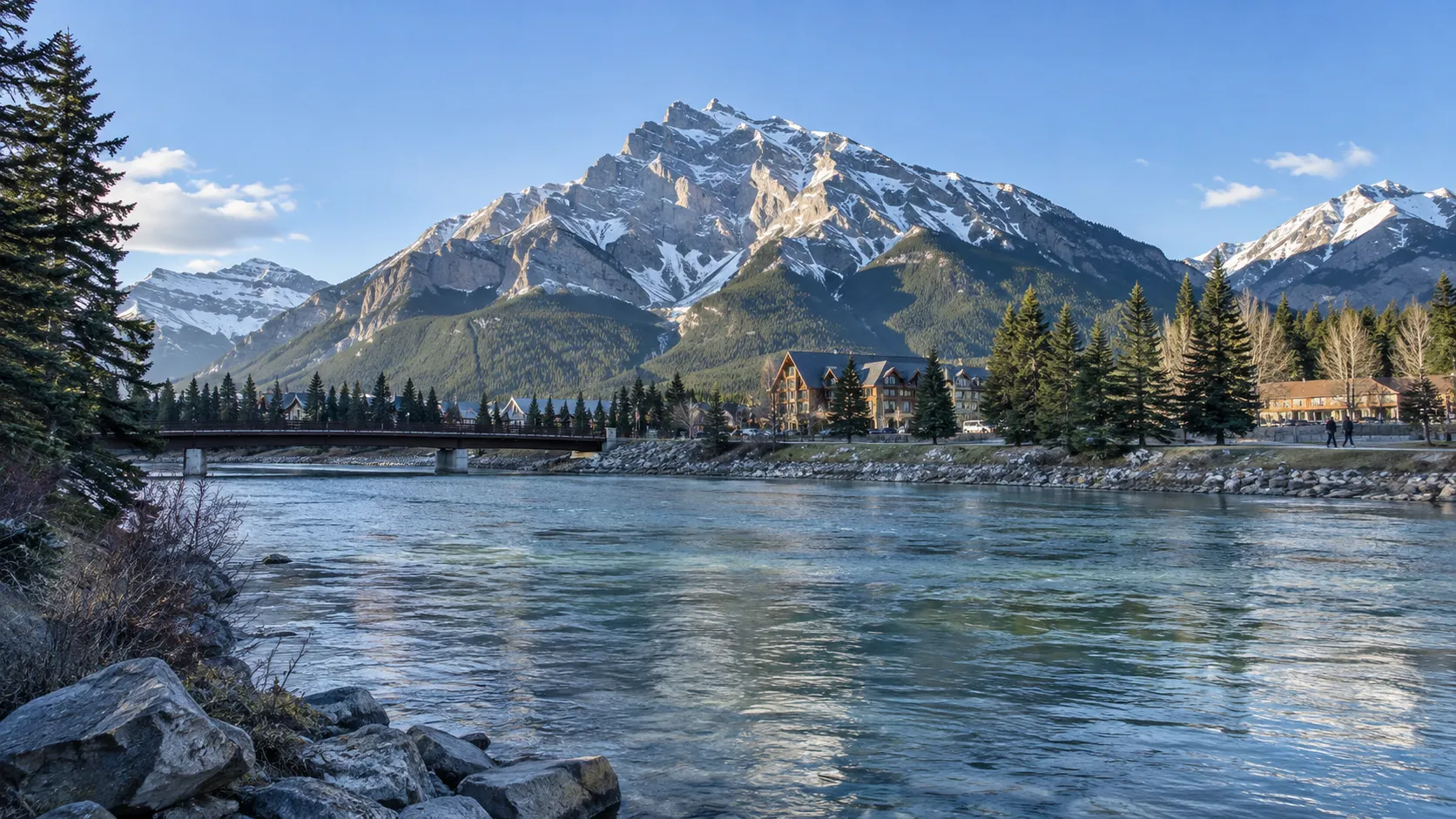
Days 2 and 3: Banff
Drive west in daylight, stop only where parking and road rules allow, and settle into Banff or Canmore. Banff puts you close to town transit and evening walks, while Canmore often provides more apartment-style lodging and easier access to Kananaskis.
Use one day for Banff town, Bow Falls, viewpoints, a gondola or hot-springs visit, and a manageable walk. Use the next for Johnston Canyon, Lake Minnewanka, or a condition-appropriate hike, but do not stack every corridor into one loop.
Wildlife sightings are never guaranteed and should not create a roadside traffic jam. Stay in the vehicle when directed, obey closures, give animals space, and never feed or approach them for a photograph.
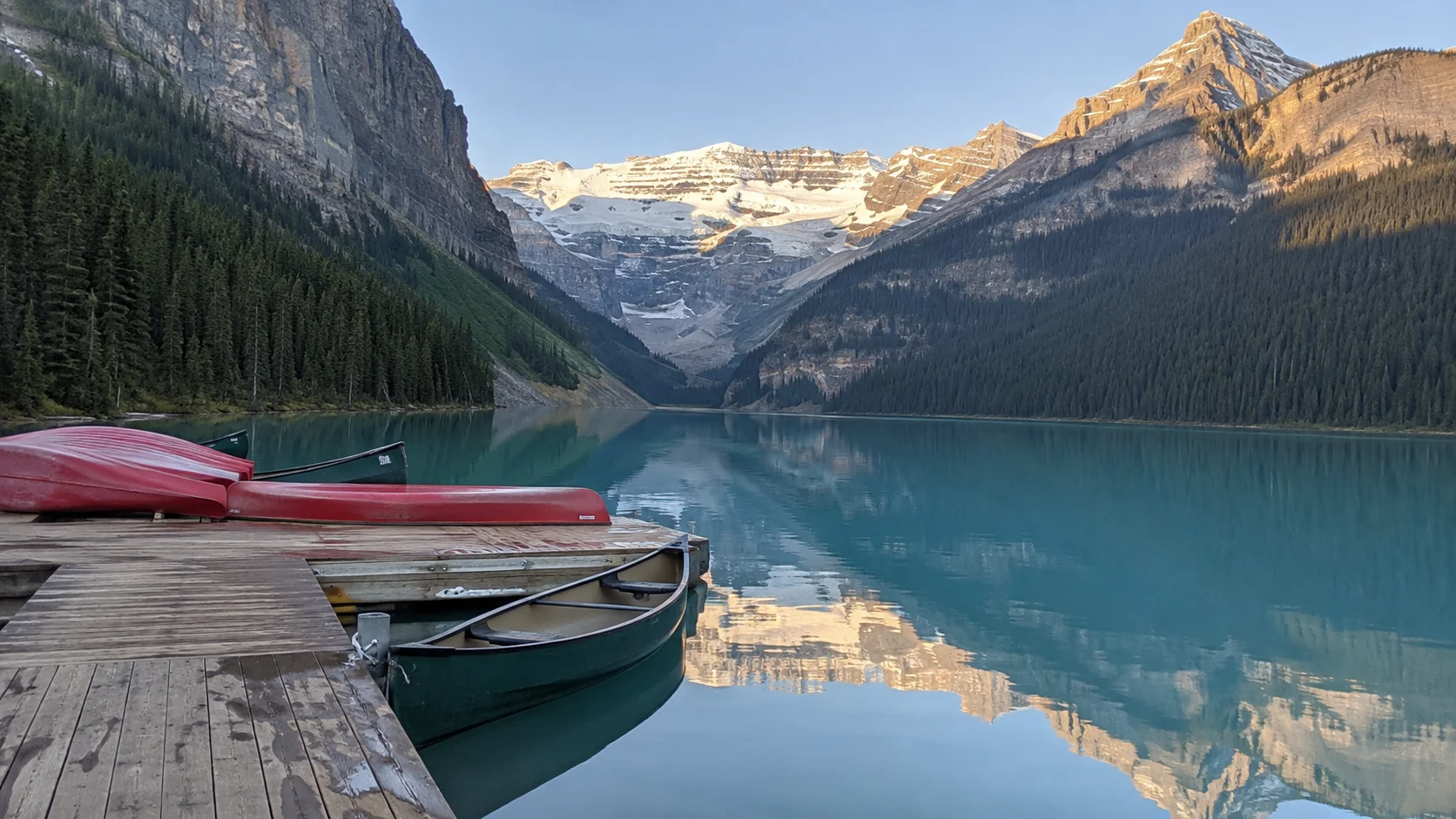
Day 4: Lake Louise and Moraine Lake
Moraine Lake Road is closed to personal vehicles year-round, with permitted seasonal access for Parks Canada shuttles, public transit, and commercial transportation. Parks Canada’s current Banff access page should decide your plan, not an old post showing a private car beside the lake.
Reserve the applicable shuttle or tour, confirm the departure hub, and allow time to park and check in. Lake Louise parking is limited and paid during busy periods, so a combined shuttle day can be more civilized than chasing two separate parking spaces.
Choose one meaningful walk at each lake according to current trail conditions and ability. Shoreline viewpoints can still be excellent when snow, smoke, crowds, mobility, or time make a larger hike a poor choice.
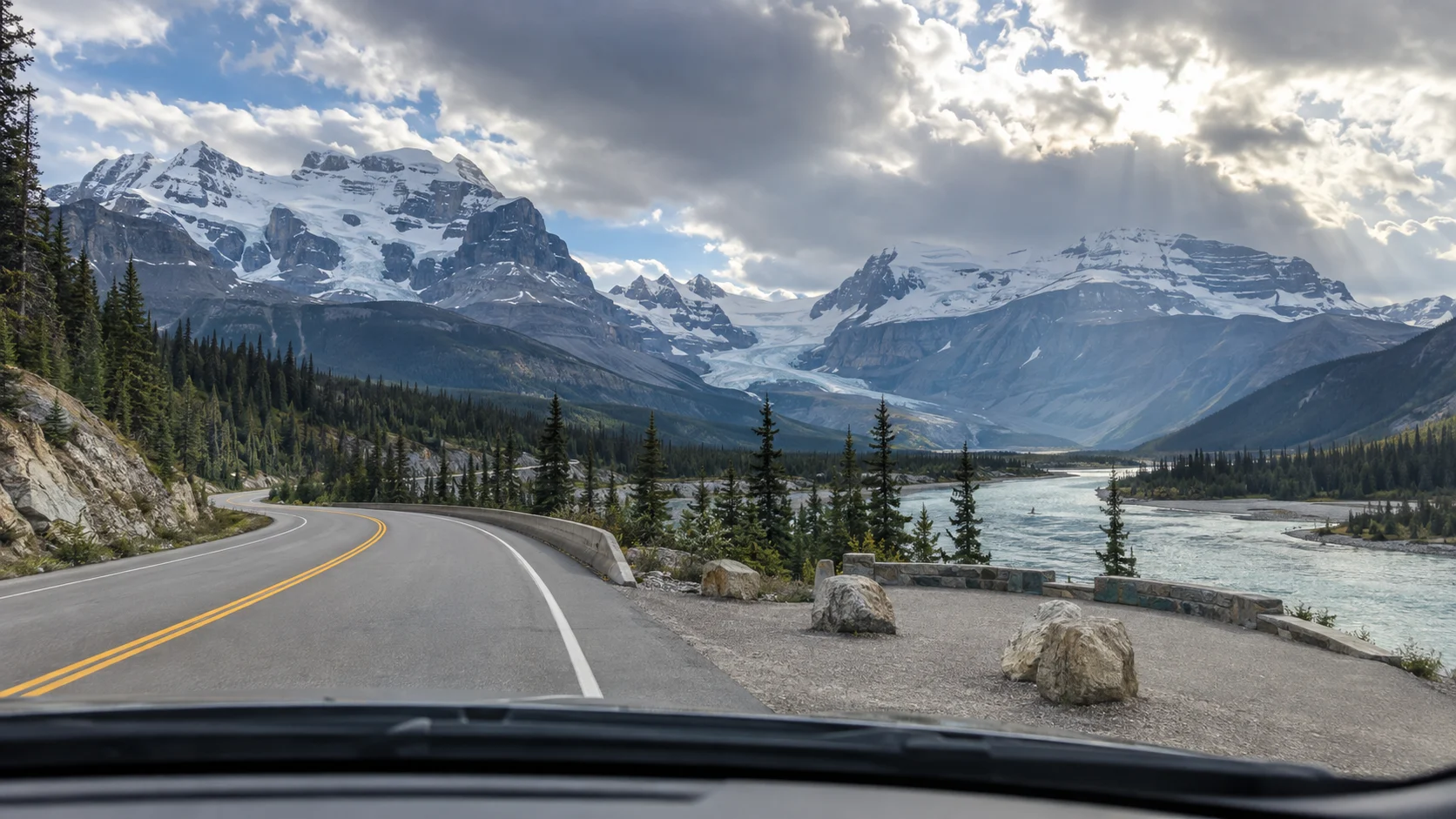
Day 5: Icefields Parkway to Jasper
Treat Highway 93 North as a full sightseeing day, not a three-hour transfer. Peyto Lake, glacier viewpoints, waterfalls, picnic stops, wildlife delays, and changing weather can fill the daylight quickly.
Fuel before the drive, carry food and water, download offline maps, and know that cell service is limited. Check Alberta 511 for live road conditions and Parks Canada notices for the national-park sections before departure.
Do not walk onto a glacier or cross a barrier without an authorized experience and current safety direction. Glacial terrain includes crevasses, unstable surfaces, cold, and fast-changing conditions that a roadside viewpoint does not reveal.
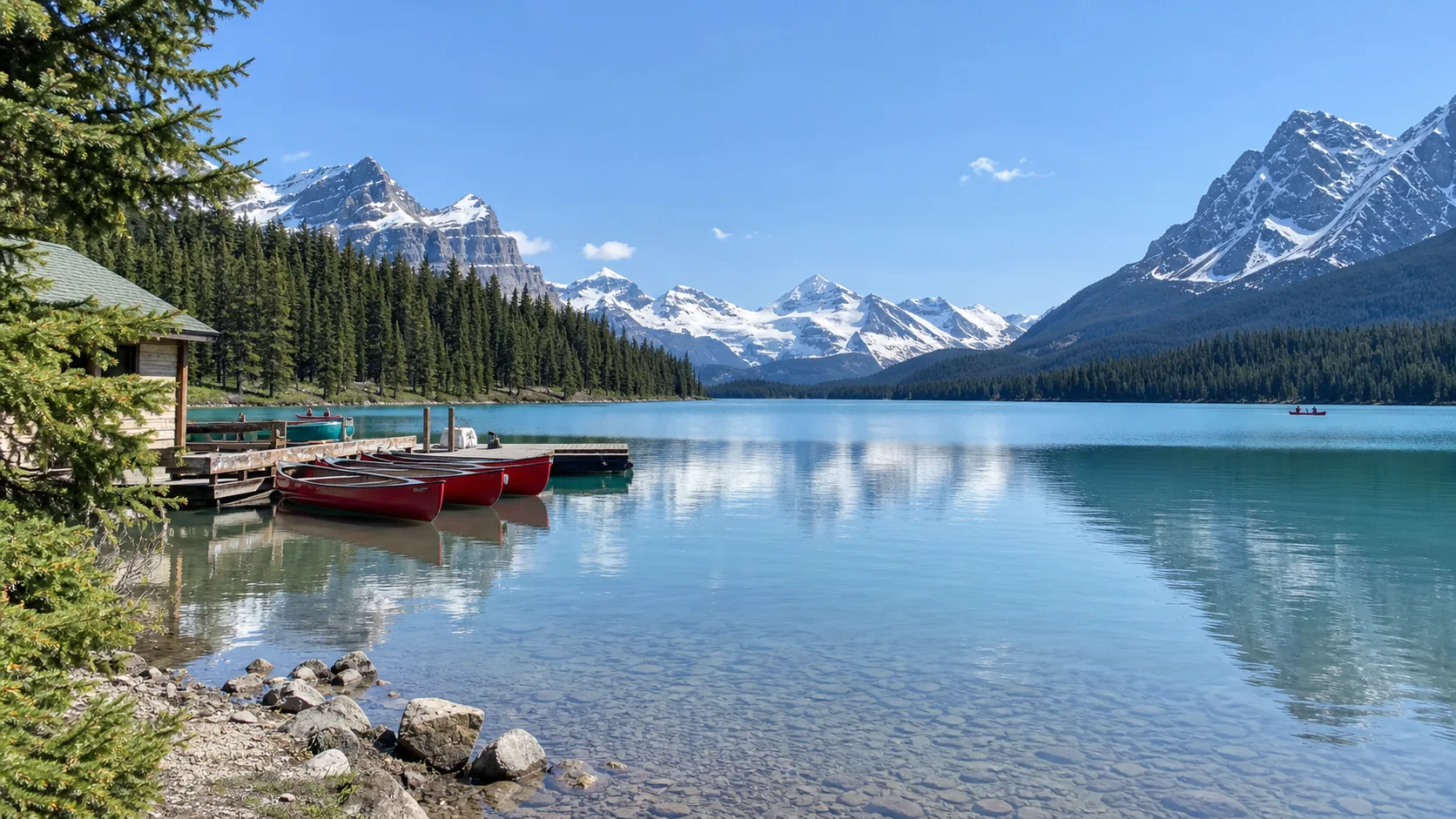
Days 6 and 7: Jasper
Jasper continues to recover and rebuild after the 2024 wildfire, so current openings matter more than a saved map. Verify lodging, trails, campgrounds, roads, businesses, and activity departures close to travel, then spend locally where services are operating.
Choose one major corridor per day, such as Maligne Lake and its lakeside stops or the Athabasca and Miette side of the park. Parks Canada lists Maligne Canyon as closed for the 2026 season; use the open Maligne Lake Boathouse picnic area for a gentle shore stop instead, and recheck the live closure list before driving.
Driving farther does not improve the day if you never have time to stop, walk, or respond to weather.
Jasper’s scale also rewards a quiet morning around town, nearby lakes, or an accessible trail. The Alberta waterfall list can help prioritize stops, but current closure and trail signs always win.
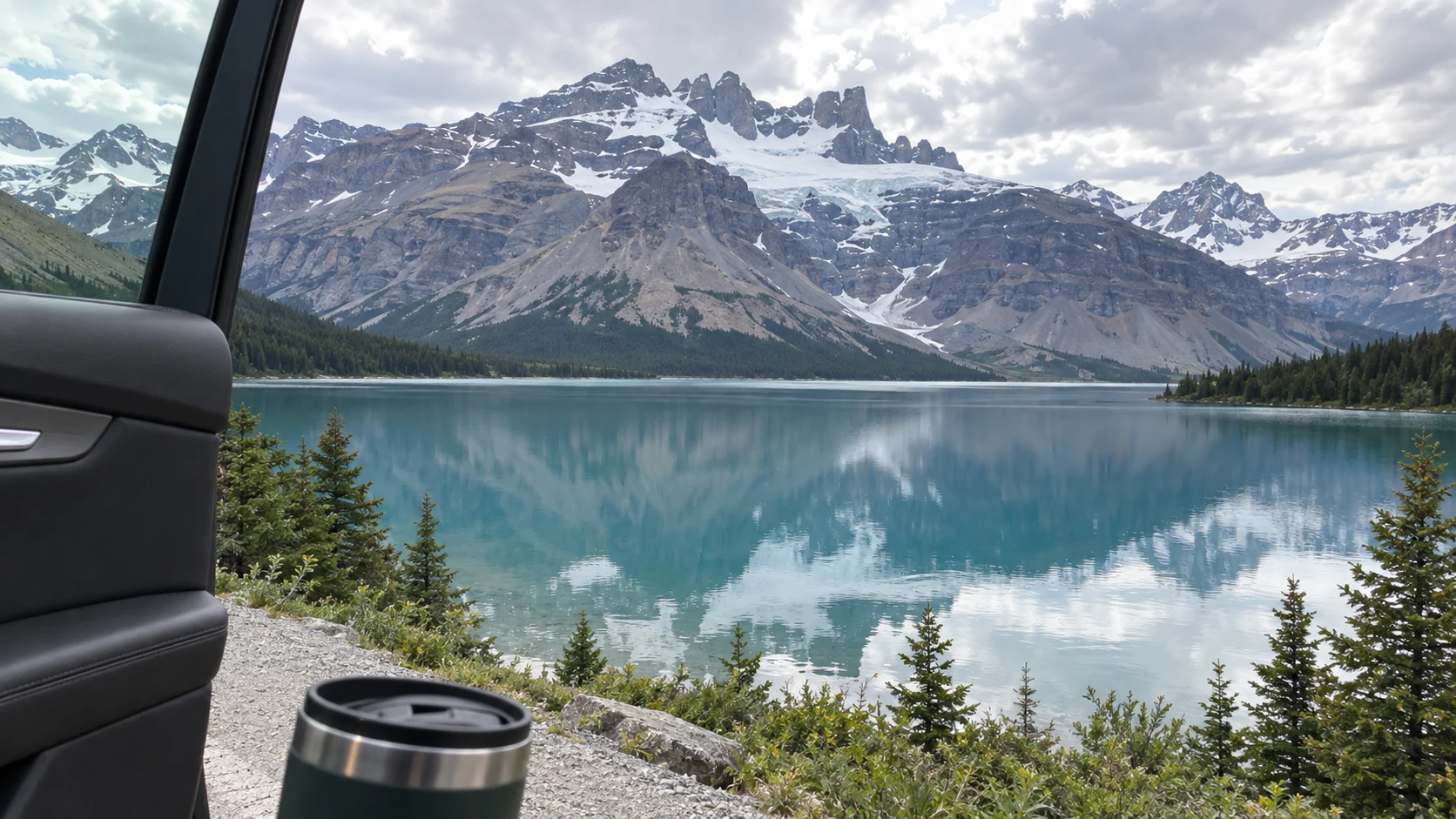
Day 8: Return South
Drive back toward Calgary with an overnight in Banff, Canmore, or another logical base. Repeating the Icefields Parkway is not wasted because light and weather change the views, but it still needs a full safety check.
If your flight leaves the next morning, continue to Calgary and sleep near the city or airport. Attaching the entire mountain drive to a separate international departure is a fragile way to end the trip.
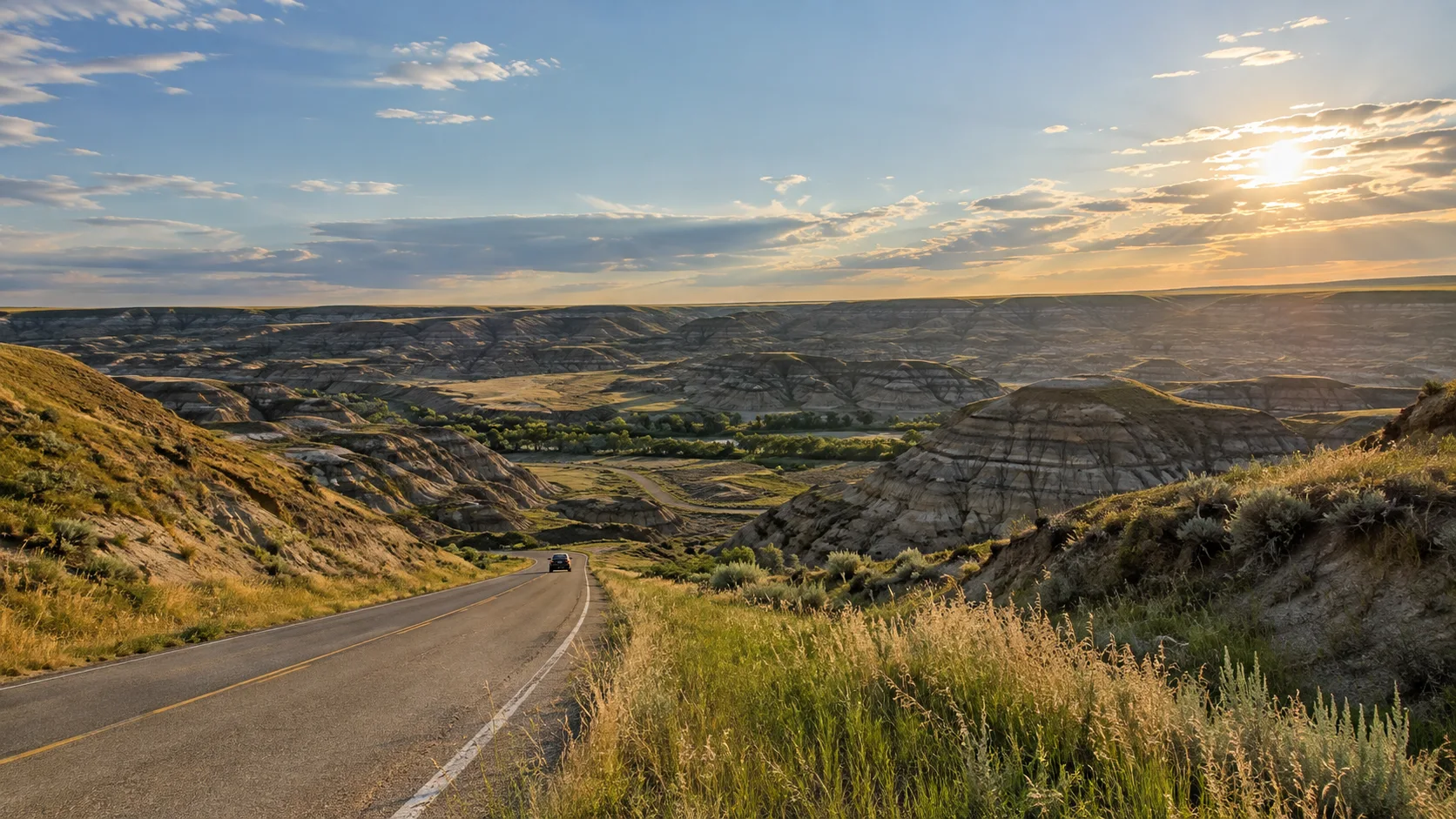
Day 9: Calgary to Drumheller
Drive into the Canadian Badlands for the Royal Tyrrell Museum, hoodoo landscapes, canyon viewpoints, and coal-mining history. Travel Alberta’s official badlands route estimates 272 miles across three days, which is a useful warning against compressing every regional stop into one afternoon.
Reserve the museum if required for your date, carry water, and respect barriers around fragile formations. Prairie heat, wind, thunderstorms, and unpaved side roads create a very different day from the Rockies.
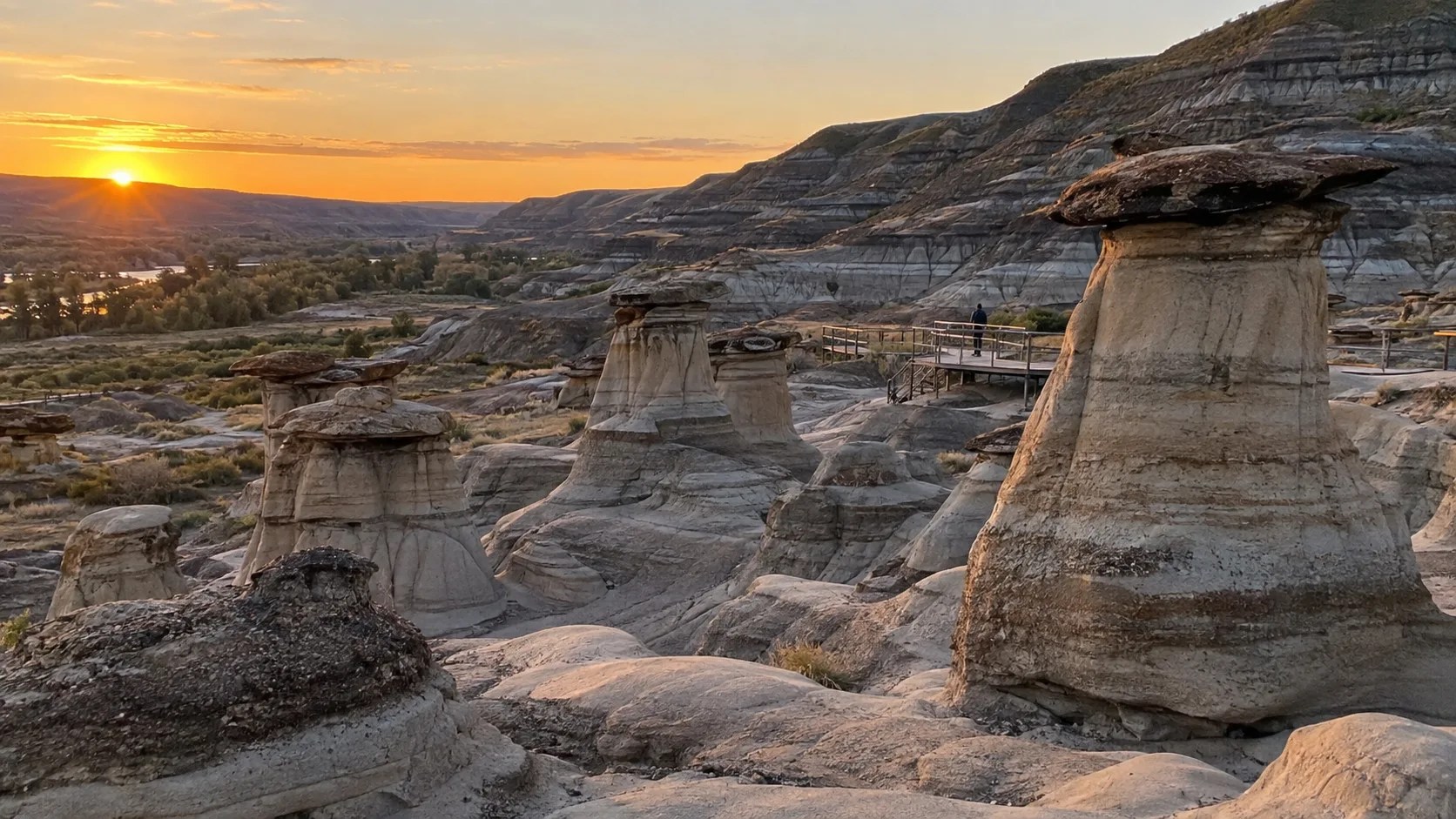
Day 10: Drumheller or Calgary
Finish missed badlands stops in the morning, then return to Calgary with flight margin. If paleontology is not your interest, use these two nights for Waterton, Edmonton, or extra mountain time instead.
Should You Stay in Banff or Canmore?
Banff is best for visitors who value walkability, national-park atmosphere, and easy town transit. Canmore is practical for larger accommodations, groceries, local restaurants, and Kananaskis, but every national-park day adds travel.
Compare the complete cost, including parking, park admission, fuel, shuttle departure points, and cancellation terms. A cheaper room can become expensive when it creates two additional hours of driving each day.
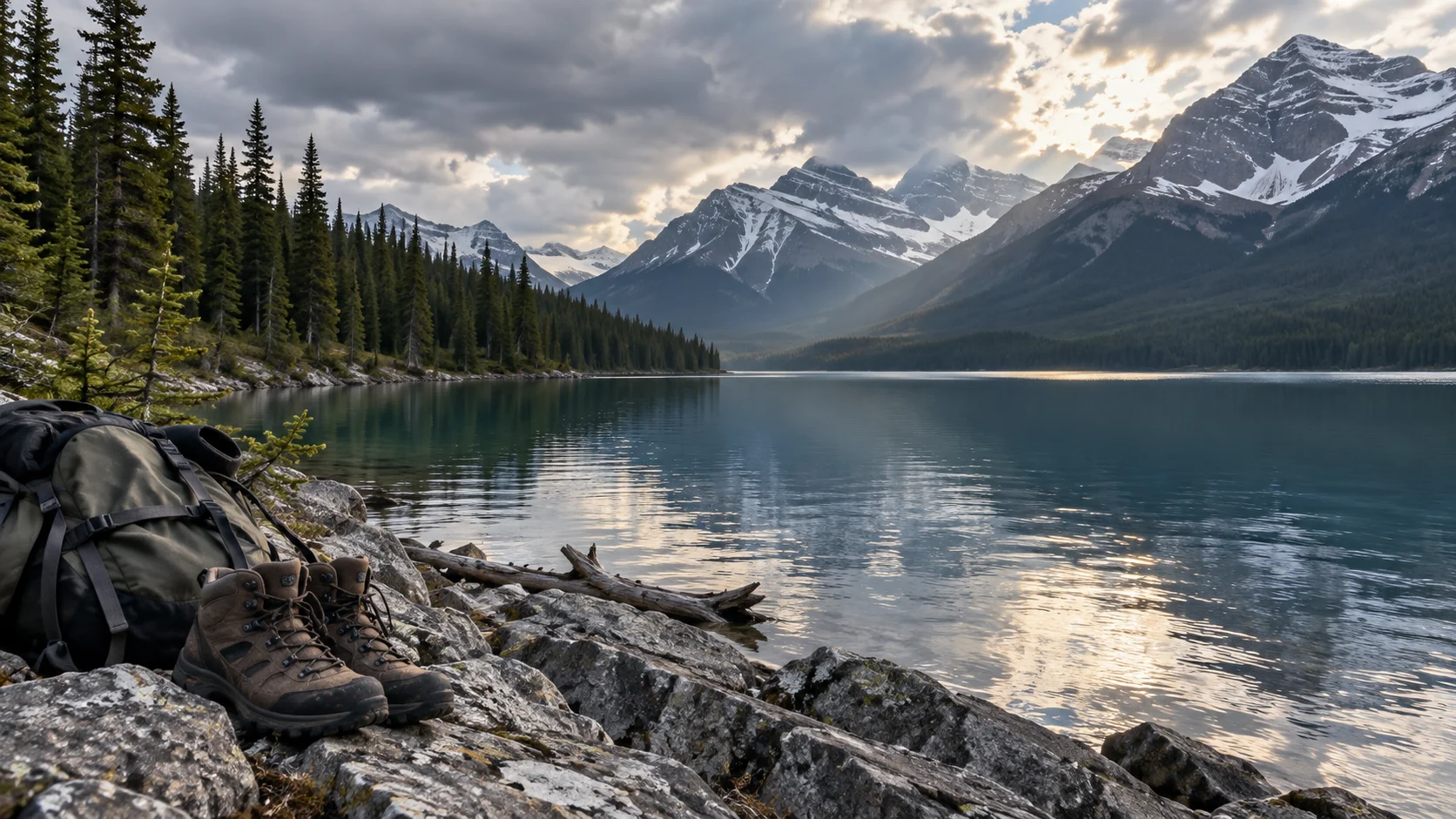
Kananaskis Requires Separate Planning
Kananaskis Country is not simply free overflow for Banff. Alberta requires a conservation pass for vehicles parked at provincial park and public-land sites in Kananaskis and the Bow Valley, with exemptions for through traffic and visitors arriving without a vehicle.
Register the license plate through the official pass portal and check the boundary map. The pass does not replace campground bookings, national-park admission, trail closures, or any activity-specific permit.
Can You Visit Alberta Without a Car?
Yes, if the trip focuses on Calgary, Banff, Lake Louise, and scheduled tours or transit. Airport coaches, regional buses, local transit, Parks Canada shuttles, and commercial operators can remove parking stress, but every rural connection must be confirmed by date.
Jasper, Waterton, and dispersed badlands stops become harder without a car, though selected tours and intercity services may operate. Do not build a car-free route from map proximity alone because seasonal frequency and the final mile decide whether it works.
Park Passes and Reservations
National-park admission, provincial conservation passes, campground reservations, shuttle tickets, and attraction bookings are separate products. Write each requirement beside the day it serves so one receipt does not create false confidence.
Book lodging first, then transportation to access-controlled lakes, then signature activities and campsites. Keep refundable choices where possible because smoke, road work, wildlife closures, and severe weather can alter a technically open route.
Wildlife and Hiking Safety
Carry bear spray where recommended, know how to use it, and keep it accessible rather than buried in luggage. Airline restrictions affect transport, so buy or rent locally and follow official storage and disposal guidance.
Check trail reports on the morning of every hike, tell someone the route, and turn around for weather, smoke, fatigue, wildlife, or poor footing. Easy social-media photos can hide elevation, exposure, snow, and the distance back to the car.
Bring layers, a waterproof shell, sun protection, food, water, and navigation for even a short mountain outing. This practical travel checklist is a useful base, then add park-specific safety equipment.
How to Keep an Alberta Trip Affordable
Stay longer in fewer bases, reserve a room with a refrigerator, and use grocery breakfasts or picnic lunches. Save money on geography before cutting the one guided activity or museum that gives the trip meaning.
Price the rental car with taxes, airport fees, insurance, fuel, parking, and one-way charges. A national-park pass may cover admission for its validity period, but it does not cover parking, shuttles, camping, or provincial passes.
Beyond the Classic Route
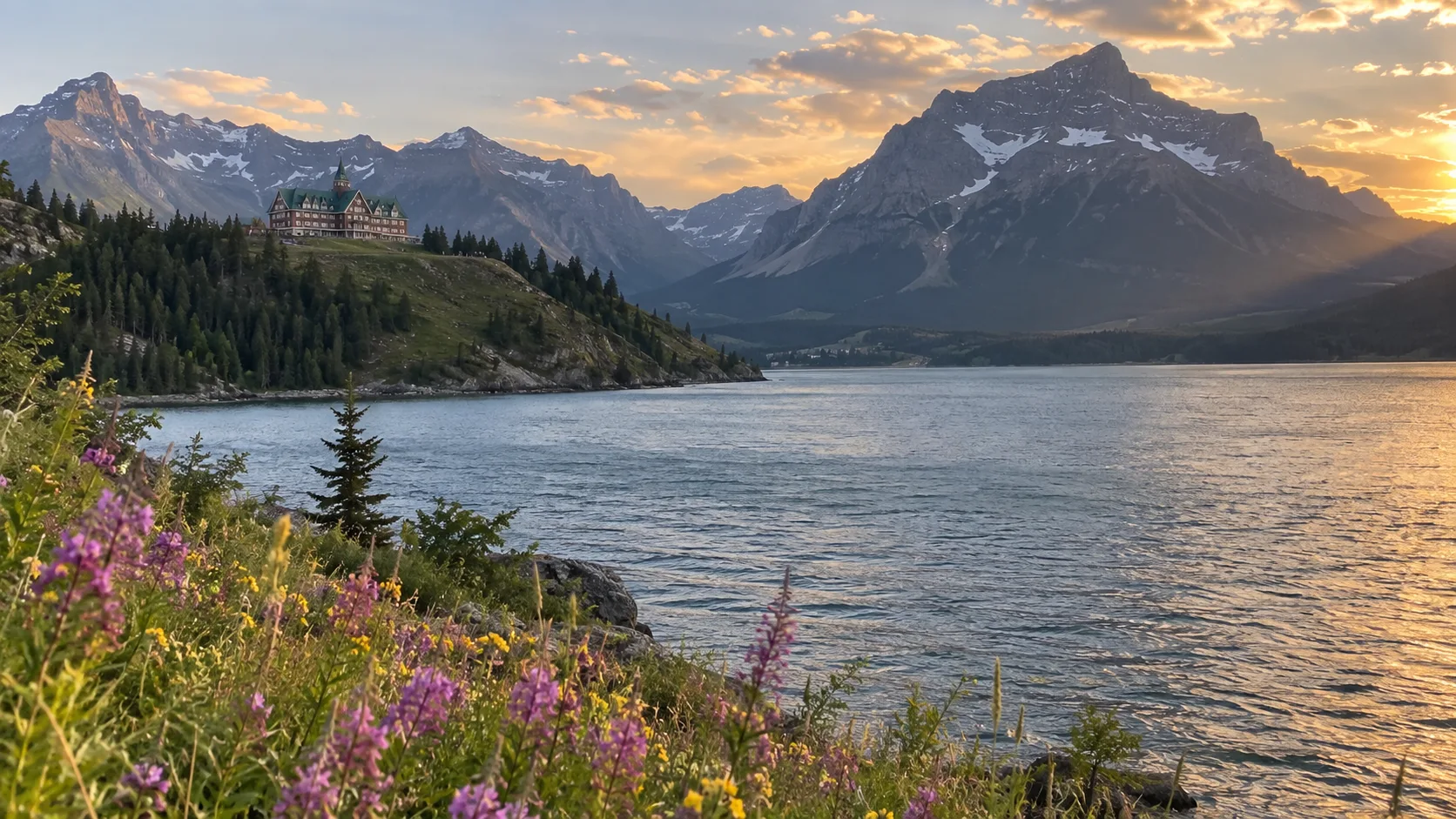
Waterton Lakes
Waterton combines prairie and mountain landscapes in Alberta’s southwest and deserves two or three nights. It pairs better with southern Alberta than with a rushed Jasper loop, and this collection of beautiful national parks explains why it can be the trip’s main event.
Edmonton
Choose Edmonton for festivals, museums, food, river-valley trails, or a northern flight connection. It should earn its nights through your interests rather than appear only because it is the provincial capital.
A Wider Canadian Road Trip
Alberta can connect west toward British Columbia or south toward Montana, but border and mountain routes add distance quickly. Use this Canada road-trip overview to compare regions before turning a focused vacation into a continental haul.
Common Alberta Planning Mistakes
- Trying to park a private car at Moraine Lake
- Driving the Icefields Parkway on flight day
- Assuming one pass covers every park and reservation
- Approaching wildlife or stopping unsafely
- Using summer hike advice during snow season
- Adding Drumheller as a quick stop between Banff and Jasper
- Ignoring Jasper’s current recovery-related changes
My Alberta Recommendation
Spend one or two nights in Calgary, three near Banff, one near Lake Louise if the budget works, three in Jasper, and one or two around Drumheller. That route delivers cities, mountains, lakes, wildlife habitat, glaciers, and badlands without making every day a race.
If you have only five nights, choose Calgary and Banff with one Lake Louise shuttle day. Alberta is enormous, and the best first visit is the one that leaves enough time to get out of the car.