Northwest Territories Travel Guide for First Trips
The Northwest Territories is not a place to connect with spare afternoon flights and wishful thinking. Pick one region, allow weather margin, reserve local expertise early, and expect the distances, limited services, and living Indigenous cultures to shape the trip.
Which Northwest Territories Trip Is Right for You?
- Best first trip: five nights in Yellowknife during an aurora season
- Best summer sampler: Yellowknife plus the Ingraham Trail
- Best road trip from Alberta: Fort Smith, Wood Buffalo, Hay River, and waterfalls
- Best Arctic road adventure: the Dempster Highway to Inuvik and Tuktoyaktuk
- Best expedition: a guided or charter-supported Nahanni journey
- Best planning rule: treat each region as its own vacation
Yellowknife is the easiest first base because it has scheduled flights, lodging, tours, restaurants, and nearby roads. It still rewards five nights because clouds do not care how much one aurora tour cost.
When to Visit the Northwest Territories
Late August to Early October
Fall aurora season combines darkening nights with open water, hiking, and generally milder conditions than deep winter. The territorial tourism board describes distinct fall and winter aurora seasons, but every sighting still depends on darkness, cloud, solar activity, and location.
November to March
Winter brings frozen lakes, snow activities, long darkness, and serious cold. Choose an operator that provides clear clothing guidance or rentals, and never substitute a fashion parka for a complete system of boots, mittens, face protection, and layers.
May to July
Late spring and summer are built around extraordinary daylight, camping, fishing, paddling, festivals, and road travel. Aurora is not the reason to book near the summer solstice because the sky does not become dark enough in the same way.
Breakup and Freeze-Up
Spring breakup and fall freeze-up can interrupt ferry routes before ice crossings are safe. Historical averages are useful for ideas, but only current ferry, winter-road, and highway status can support an actual driving day.
A Realistic 5-Night Yellowknife Itinerary
Day 1: Arrive and Settle In
Land with enough time to collect cold-weather gear, groceries, and rental-car supplies before businesses close. Keep the first evening flexible unless the flight schedule gives a generous buffer before an aurora pickup.
Stay downtown for easier restaurant and tour access, or near Old Town for character and lake views. Confirm whether the accommodation provides airport transfer, parking, breakfast, gear storage, and a safe late-night return.
Day 2: Yellowknife and Old Town
Use daylight for the Prince of Wales Northern Heritage Centre, the Legislative Assembly, Old Town, Bush Pilots Monument, galleries, and a meal featuring northern ingredients. Verify opening days because small businesses and cultural sites may keep seasonal or limited hours.
Book an Indigenous-led cultural experience when available and approach it as a hosted exchange, not a performance owed to visitors. Ask before photographing people, stories, ceremonies, artwork, or private spaces.
Night 2: First Aurora Tour
A fixed lodge offers warmth, facilities, and a stable base, while a mobile chase can move around local cloud. Neither method guarantees clear skies, so choose the experience and accessibility that suit you rather than a marketing success percentage.
Day 3: Rest and a Short Outdoor Day
Sleep after the late night, then choose a modest activity such as a city walk, dog-sledding program, snowmobile tour, paddling, fishing, or hiking according to season. Use a licensed local operator for unfamiliar conditions and ask exactly what clothing, insurance, and physical effort are required.
Night 3 or 4: Second Aurora Attempt
Place the second outing on the clearer forecast if cancellation terms allow. A five-night stay creates multiple independent chances, while a one-night package turns one cloud bank into the whole vacation.
Day 4: Ingraham Trail
Highway 4 runs east from Yellowknife past lakes, day-use sites, and territorial parks, with pavement giving way to gravel. The route is not a casual winter drive when visibility, ice, wildfire, road work, or animal activity raises risk.
Check the Government of Northwest Territories DriveNWT map before leaving, carry offline directions, and know where fuel and emergency help are available. DriveNWT displays current road conditions, advisories, construction, closures, ferries, cameras, and weight restrictions.
In summer, choose one or two parks for a picnic, walk, paddle, or overnight rather than racing to the highway’s end. In winter, never drive onto an ice road or frozen water unless it is officially open for your vehicle and current conditions.
Day 5: Buffer Day
Keep a fifth day for weather, a missed attraction, another tour, or simple city time. Remote travel becomes much more enjoyable when every hour is not responsible for saving the itinerary.
Day 6: Depart
Do not connect a weather-sensitive regional flight to a separate international departure with minimal time. An overnight in a southern hub may be cheaper than recovering from a missed ticket.
The Best Summer Road Trip From Alberta
A southern route can connect northern Alberta with Fort Smith, Wood Buffalo National Park, Hay River, Enterprise, Fort Providence, and the waterfall corridor toward Fort Simpson. Give it at least 8 to 10 days from an appropriate gateway, more if returning to the same airport.
Fort Smith is the practical base for the northern side of Wood Buffalo National Park, while Hay River offers Great Slave Lake access and community experiences. Sambaa Deh Falls, Lady Evelyn Falls, and other territorial parks make the highway more than a transfer.
Reserve campsites through the government’s NWT Parks portal, which lists 34 parks across nine road trips along with operating dates and permits. Open dates, fire bans, water service, showers, and potable-water status can change, so check each park separately.
Wood bison may stand on or beside highways and are dangerous to approach, especially after dark. Slow down, remain inside the vehicle when appropriate, and leave enough space for the animal to choose its route.
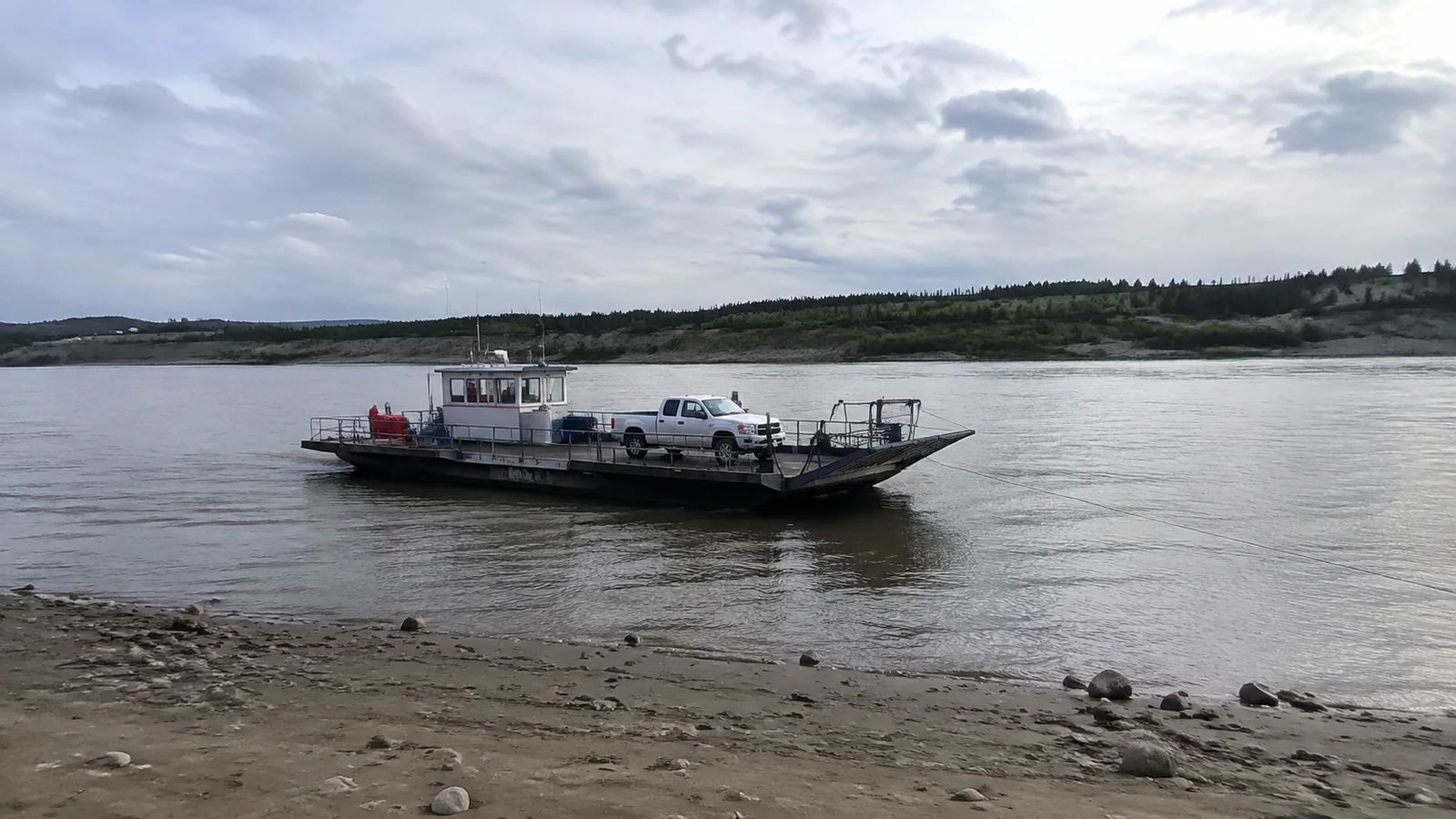
The Dempster Highway Is a Separate Expedition
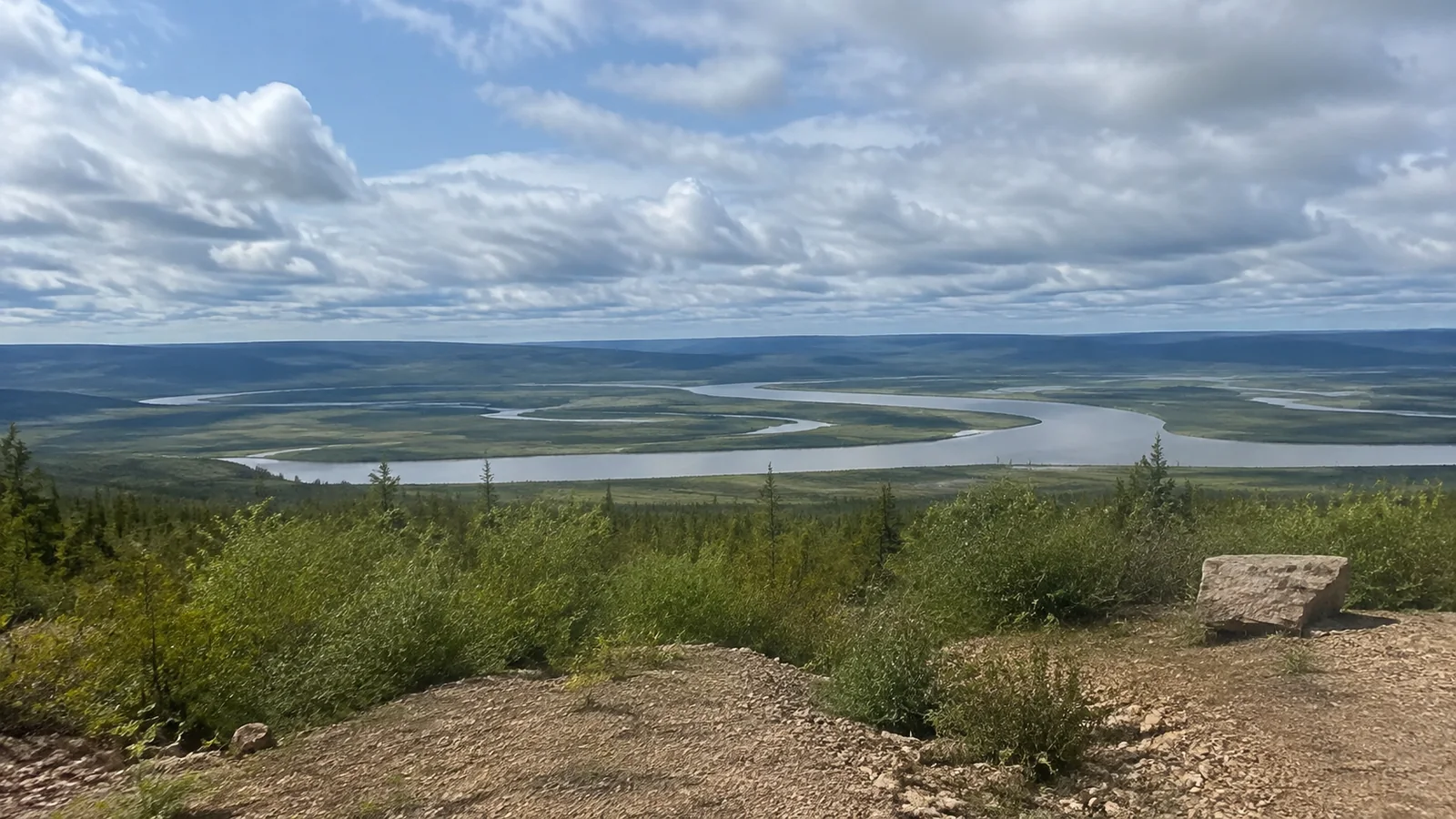
The Dempster begins in Yukon and continues across remote country to Inuvik, with the all-season road continuing to Tuktoyaktuk. It involves long gravel segments, limited fuel and repair services, river crossings, sharp-weather changes, dust, mud, tire damage, and major distances between help.
Give the round trip at least 10 to 14 days from Dawson City and carry two suitable spare tires when current local advice recommends them. Confirm rental-car authorization in writing because ordinary contracts may exclude northern gravel highways or charge for one-way recovery.
Ferries generally serve river crossings in the open-water season, while winter connections depend on officially opened ice roads. Freeze-up and breakup create gaps when neither mode operates, and the government’s highway map is the source that matters.
Flying to Inuvik and arranging a guided Tuktoyaktuk trip is a sensible alternative for travelers who want the Arctic coast without managing the entire Dempster. It costs more per mile but can cost much less than a damaged vehicle or rushed return.
Nahanni Is Not a Drive-Up Park
Nahanni National Park Reserve is typically reached by chartered floatplane, commonly from Fort Simpson, and day-use landings are limited to designated sites. Parks Canada states that an overnight trip reservation is mandatory for Nahanni and Nááts’įhch’oh.
A flightseeing day can reveal the scale without requiring a river expedition, but weather can delay or cancel it. Multi-day paddling belongs with an experienced outfitter or a genuinely qualified private team that understands registration, aircraft logistics, rapids, wilderness rescue, bears, and communications.
Recreational drones are prohibited in the park, and remote access does not weaken that rule. Confirm photography, fishing, camping, and landing requirements directly with Parks Canada.
Thaıdene Nëné and Łutsël K’é
Thaıdene Nëné protects a vast Indigenous cultural landscape around the East Arm of Great Slave Lake through linked Indigenous, federal, and territorial designations. The territorial government’s official description explains its shared management and the central role of Łutsël K’é Dene First Nation.
This is a fly-in or boat-supported trip that should be organized with local operators and community expectations at the center. Do not arrive assuming urban lodging, unrestricted camping, reliable cell service, or instant charters.
Driving and Rental-Car Reality
Distances are long, fuel can be unavailable after hours, and cell coverage is not continuous. Carry water, food, warm layers, a first-aid kit, offline navigation, emergency contacts, and the supplies recommended for the exact route.
Refuel earlier than you would in a city and tell someone your route and arrival plan. Satellite communication can be worthwhile on remote highways, but it does not make a closed ferry, wildfire evacuation, or unsafe ice crossing negotiable.
A broader Canada road-trip comparison helps show how different northern mileage is from a southern national-park loop. Here, one missed fuel stop or ferry can change the day completely.
Wildfire, Smoke, and Weather
Check territorial emergency, fire, air-quality, and highway sources every day in wildfire season. A community can remain open while a side road, campground, activity, or safe travel corridor changes.
Carry a plan for smoke-sensitive health needs and know the accommodation’s cancellation terms. Never enter a closure or delay evacuation to preserve a nonrefundable booking.
What to Pack
Pack by season and activity, not by the word “north.” Summer requires insect protection, sun protection, rain gear, and warm layers, while winter demands properly rated boots, mittens, face coverage, insulating layers, and an outer shell.
Keep essential medication, batteries, charging cables, documents, and one full warm layer in carry-on baggage. Start with this compact travel checklist, then follow the operator’s technical list exactly.
Budgeting for the Northwest Territories
The expensive pieces are often flights, rental vehicles, remote lodging, guided activities, charters, and food transport, not admission fees. Save by choosing one region, staying several nights, booking early, and avoiding emergency one-way changes.
Ask what tour rates include, especially winter clothing, hotel pickup, meals, taxes, park fees, tips, and weather rebooking. A cheaper base price can be a worse value when every necessary layer is an add-on.
Responsible Travel
The Northwest Territories is home, not an empty wilderness. Learn whose traditional territory you are visiting, use Indigenous-owned and local businesses, follow community photography rules, and buy art from the artist or an accountable seller.
Pack out waste, respect wildlife distances, obey fire restrictions, and never remove cultural or natural objects. The national-park inspiration list is useful for choosing landscapes, but northern protection starts with the rules of the specific place.
Common Northwest Territories Mistakes
- Booking one aurora night and expecting a guarantee
- Combining Yellowknife, Inuvik, and Nahanni in one week
- Using average ferry dates instead of live status
- Driving an ice road before it officially opens
- Assuming every rental car is allowed on the Dempster
- Underpacking for wind, cold, insects, or smoke
- Treating Indigenous culture as decoration rather than living community
A summer Ingraham Trail outing from Yellowknife
I would make Prelude Lake Territorial Park the main stop, 34 km from Yellowknife, then continue to Powder Point at 45 km as the turnaround. Allow roughly 40 to 50 minutes to Prelude with city traffic and park access, followed by another 15 to 20 minutes toward Powder Point, treating these as planning allowances rather than fixed driving times.
Park near Prelude’s boat launch and take the half-kilometer Panoramic Trail to its lake viewpoints, allowing 30 to 45 minutes with stops. Have a picnic near the day-use area, then continue to Powder Point’s waterside interpretive display for another short stop before returning by the same road.
This is a four-to-five-hour summer outing with roughly 90 km of main-road driving plus park access roads. Fuel up in Yellowknife, bring lunch and drinking water, and return with plenty of daylight; do not assume a park stop has fuel or a staffed shop.
Prelude’s developed operating season is May 15 through September 15, although road access is year-round, while Powder Point is listed year-round. In winter I would shorten the outing to a daylight drive only after checking road and park access, and book a guided snow or aurora activity separately; summer boardwalk access never establishes lake-ice safety.
My First-Trip Recommendation
Fly to Yellowknife for five nights in fall or winter, book two aurora outings, keep one weather buffer, and choose one cultural experience plus one condition-appropriate outdoor day. That is enough structure to feel purposeful without pretending the sky follows a schedule.
For summer road travelers, choose the southern waterfall and Wood Buffalo route or the Dempster, never both on a short trip. The Northwest Territories becomes extraordinary when distance is respected instead of defeated.