Cuba Travel Tips: Entry Rules, Money and Honest Planning
Cuba can be deeply rewarding, but it is not a carefree Caribbean booking for American travelers. U.S. sanctions, Cuban entry paperwork, cash-only realities, blackouts, shortages, and limited medical resources all need decisions before the music, architecture, beaches, and conversations can shape the trip.
Can Americans legally travel to Cuba?
U.S. law does not authorize ordinary tourist travel transactions in Cuba for people subject to U.S. jurisdiction. That group includes U.S. citizens and residents wherever they live, plus people physically in the United States regardless of nationality.
The Treasury Department’s OFAC Cuba guidance recognizes 12 categories of authorized travel-related activity, each with specific conditions. Examples include family visits, journalism, qualifying educational or religious activities, professional research, humanitarian projects, and support for the Cuban people.
A general license is not a document you purchase, and checking a box with an airline does not make an itinerary compliant. You must actually meet every condition of the applicable authorization, including any full-time activity requirements and transaction restrictions.
Travel through Canada, Mexico, or another third country does not avoid U.S. rules. OFAC states that persons subject to U.S. jurisdiction remain bound by the same restrictions when traveling indirectly.
Keep records connected to authorized Cuba travel for at least 10 years, reflecting OFAC’s 2025 extension of sanctions recordkeeping requirements. Save the itinerary, receipts, and documentation supporting the authorization together so the trip remains understandable years later.
If your circumstances are unclear, consult OFAC or a qualified sanctions attorney before booking.
Cuban entry requirements are separate
OFAC authorization addresses U.S. law, while a Cuban visa addresses admission to Cuba. Travelers who need both must satisfy both, and neither substitutes for the other.
The U.S. State Department’s Cuba country page currently advises U.S. passports valid for six months beyond arrival with two blank pages. Verify this with the Cuban consulate and airline because the carrier checks documents at boarding.
Cuba now operates an official electronic tourist-visa platform, with the visa linked to a valid passport. The published eVisa terms allow a single entry and a stay up to 90 days, with a possible extension, but eligibility and the correct issuing channel depend on the traveler.
Complete the required D’Viajeros immigration, customs, and health form within its current submission window and carry the resulting code offline. Confirm how your eVisa is linked before airport check-in rather than troubleshooting at the gate.
Cuba requires qualifying medical insurance, often included in tickets originating in the United States. Confirm the insurer, duration, exclusions, and proof with the airline, then consider separate evacuation coverage.
Extra warning for Cuban-born travelers
Cuba may treat Cuban-born U.S. citizens as Cuban citizens and require Cuban passports depending on residency status. This can also affect consular access and legal obligations.
Do not rely on a general vacation checklist if you were born in Cuba or hold Cuban nationality. Contact the Cuban consulate and review current U.S. State Department guidance for your exact status before buying a ticket.

Money in Cuba
U.S.-issued credit and debit cards do not work in Cuba, according to the State Department. Arrive with enough permitted cash for the trip plus an emergency margin, stored securely in more than one place.
The national currency is the Cuban peso, or CUP, but accepted payment currencies and rules can change. Use authorized banks, CADECA exchange offices, airports, or hotels for official exchange and obtain receipts.
Do not build the budget around an unofficial rate promised online. Street exchange creates scam, theft, counterfeit, and legal risks, while the price a traveler hears today may be irrelevant next month.
CUP generally cannot be converted outside Cuba, so avoid being left with a large balance at departure. Airport exchange facilities and payment systems can have limited hours, connectivity, or cash, which makes a last-minute conversion risky.
Cuba currently requires travelers to declare cash exceeding the equivalent of $5,000 on entry, and exit rules also apply above that level. Verify the limit before travel because currency regulations are changeable.
Budget for what is available, not a fixed price list
Inflation, shortages, multiple currencies, and different official and informal rates make old Cuba budgets unreliable. Price each confirmed lodging and transfer directly, then carry a larger contingency than a normal card-friendly trip.
Ask whether a quote is per person or per vehicle, which currency is expected, and whether tips, breakfast, luggage, or waiting time are included. Write totals down to avoid a language or decimal misunderstanding.
Support independent Cuban accommodations, restaurants, guides, and artists when permitted under your authorization. U.S. rules also restrict direct transactions with listed Cuban entities and certain accommodations, so screen every booking against current government lists.
Power outages and shortages are central planning issues
The current U.S. travel advisory warns of unreliable electricity and prolonged outages, including frequent cuts in Havana and longer disruptions elsewhere. Generator-backed properties can still lose power when fuel is scarce.
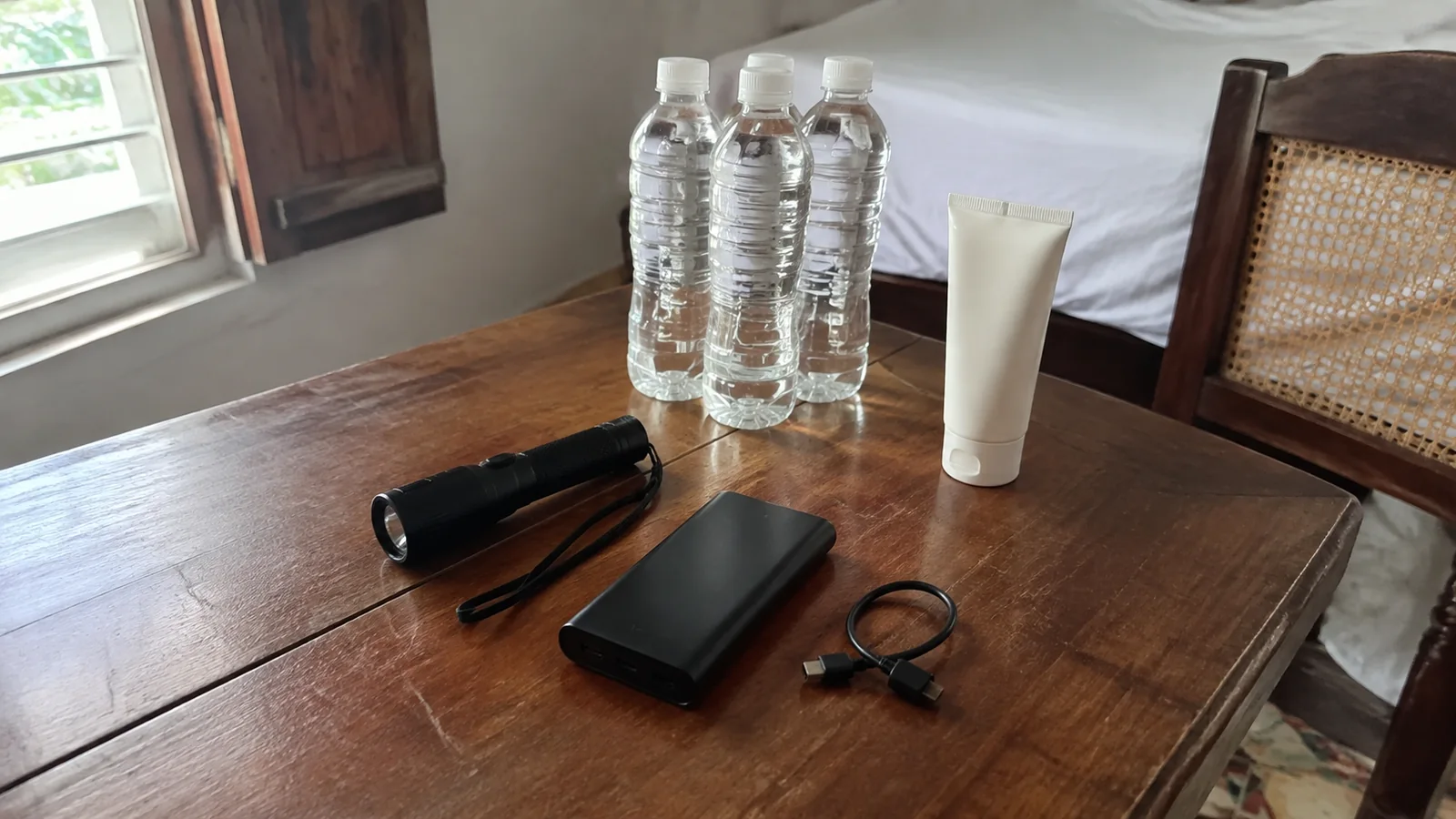
Pack a flashlight, charged power banks, spare batteries, and offline copies of essential documents. Ask lodging about water pumps, elevator operation, refrigeration, charging, and after-dark access during an outage.
Travelers who rely on powered medical devices or refrigerated medication need a verified backup plan. A promise that “the hotel has a generator” is incomplete without fuel, operating-hour, and failure details.
Food, bottled water, fuel, medicine, and basic supplies can be inconsistent. Carry every prescription and permitted over-the-counter essential from home, but never bring medicine for distribution without checking Cuban and U.S. law.
Current safety realities
Review the latest U.S. Cuba travel advisory immediately before departure. It currently highlights petty crime, rising violent crime, and unreliable electrical power.
Use marked taxis, keep valuables out of sight, secure the passport while carrying a copy, and avoid flashing a large cash reserve. Split money between discreet locations and count change carefully without exposing everything.
Do not physically resist a robbery. Avoid isolated streets after dark, watch drinks, and be cautious when a friendly stranger steers the conversation toward an urgent purchase or currency exchange.
Avoid demonstrations and political gatherings. Freedom of speech and peaceful assembly do not carry the same protections, and photographing police, military personnel, airports, harbors, rail facilities, or sensitive infrastructure can cause serious trouble.
Health and medical preparation
Medical supplies and pharmaceuticals may be unavailable, and emergency response outside major cities is limited. Bring a full supply of medication in original labeled packaging plus a reasonable delay buffer.
Review current destination guidance through the CDC travel-health portal and speak with a qualified clinician early. Mosquito-borne illness, food and water safety, heat, sun, and routine vaccines all deserve preparation.
Drink reliably treated water, use effective insect repellent, and carry oral rehydration supplies. Choose food that is thoroughly cooked and served hot while recognizing that even upscale accommodations cannot eliminate every stomach risk.
Buy insurance that covers treatment, interruption, and difficult medical evacuation from Cuba. U.S. health insurance and Medicare generally do not pay abroad, while Cuban providers may require payment before treatment.
Phone, internet, and navigation
Arrange current cellular options before depending on them, since roaming can be expensive or unavailable and local setup changes. Download maps, reservations, addresses, translation tools, and emergency contacts for offline use.
Public and hotel internet may be slow, intermittent, or affected by outages. Tell someone at home the itinerary and create check-in windows that allow for ordinary connection failures.
The State Department notes that standalone GPS devices are not allowed, although phone navigation apps are useful. Research routes because the shortest automated option may be poorly lit, rough, or impractical.
Getting around
Confirm every intercity transfer rather than assuming a timetable, vehicle, or fuel supply. Flights, buses, trains, shared taxis, private cars, and rental vehicles each carry different availability and reliability issues.
For private drivers, agree on the vehicle, route, stops, luggage, payment currency, and total price in writing. Ask whether the driver waits overnight or a separate provider handles the next leg.
Driving yourself adds road conditions, scarce fuel, unclear signage, limited lighting, vehicle maintenance, and strict accident consequences. Most first-time visitors will find a vetted driver simpler and safer.
Where to go on a first trip
Havana
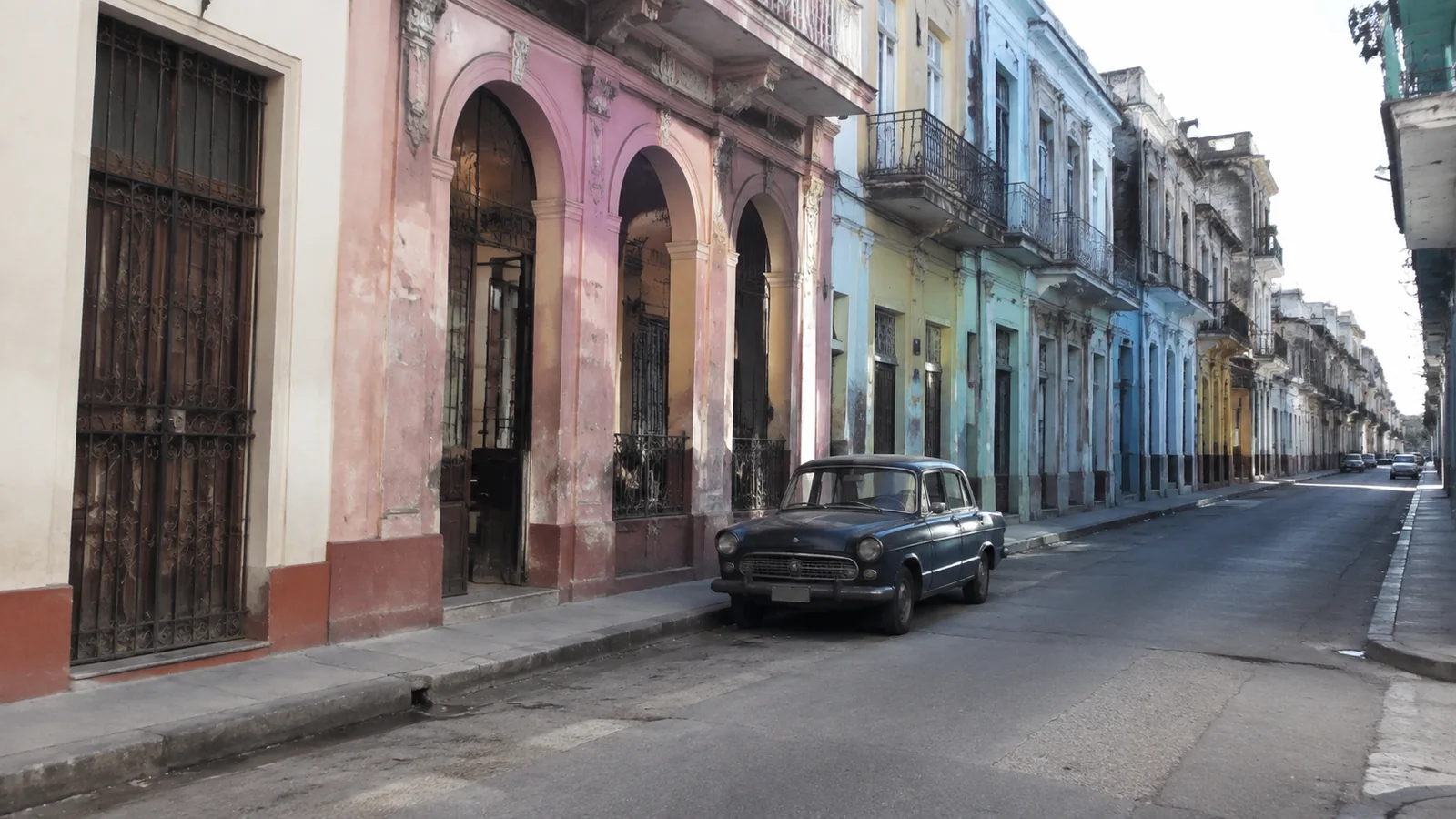
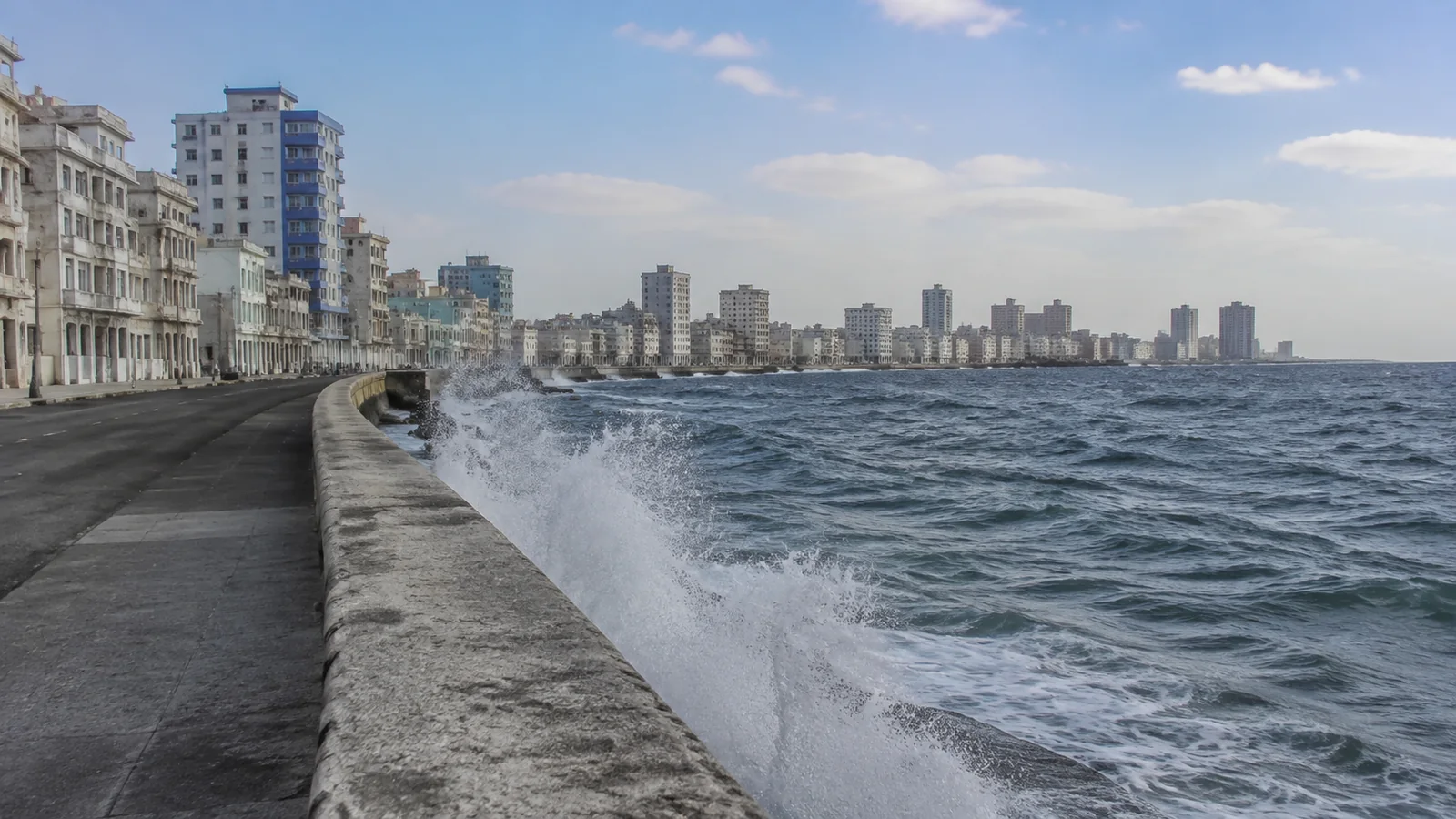
Havana offers architecture, museums, music, private restaurants, neighborhoods, the Malecón, and layers of colonial, revolutionary, Afro-Cuban, and contemporary history. Give it several days rather than reducing the city to vintage cars and colorful walls.
Use these Havana attraction ideas as a starting point, then verify openings locally. Blackouts, restoration, staffing, and closures can change the day’s plan.
Viñales
Viñales adds limestone hills, agriculture, caves, cycling, and rural guesthouses west of Havana. Book locally guided activities that respect farms and explain how payments benefit hosts.
Heat and sun can turn a relaxed-looking valley excursion into a demanding day. Carry water, a hat, insect protection, and cash while confirming the return ride.
Trinidad and central Cuba
Trinidad combines preserved streets, music, nearby valleys, and access toward the coast. Cobblestones, heat, steps, and inconsistent transportation should shape lodging and accessibility decisions.
Nearby Playa Larga and the Bay of Pigs region can add birding, snorkeling, diving, and modern history. Use licensed operators, check equipment carefully, and never treat protected habitat as a disposable beach backdrop.
Santiago de Cuba and the east
Eastern Cuba rewards travelers with distinct music, history, mountain landscapes, and Afro-Cuban cultural depth. The distance from Havana, fewer backup services, and possible transportation disruption demand more time.
Do not squeeze Santiago into a short trip simply to say you crossed the island. A focused western or central route is more resilient when fuel or transport changes.
A realistic first itinerary
Spend three or four days in Havana, then add two nights in Viñales and three nights around Trinidad or Playa Larga. Leave the final night near the departure airport to absorb transportation problems.
The itinerary must also match the full-time schedule and permitted transactions required by your OFAC authorization. A beautiful route is not automatically a legally compliant one.
What to pack
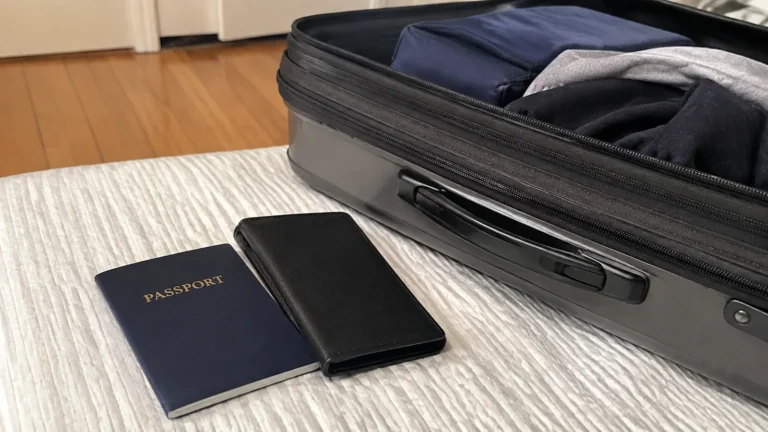
- Passport, eVisa details, D’Viajeros code, and OFAC records
- Proof of medical insurance and evacuation coverage
- Sufficient authorized cash divided securely
- Prescription and basic over-the-counter medicine
- Water treatment, oral rehydration supplies, and snacks
- Flashlight, power banks, spare cables, and batteries
- Sun protection and effective mosquito repellent
- Downloaded maps, confirmations, and emergency contacts
- Light clothing plus rain protection
- Small gifts only if legal, appropriate, and requested
The logistics in these packing essentials are useful even without taking a cruise because they prioritize documents and medication. Travelers comparing the region can also use these Caribbean destination costs while remembering Cuba’s cash and legal constraints make simple comparisons unreliable.
Cuba travel FAQs
Can Americans visit Cuba as tourists?
No. U.S. law prohibits ordinary tourist travel transactions, although qualifying travel may be authorized under general or specific OFAC licenses.
Do U.S. credit cards work in Cuba?
No, according to current State Department guidance. Bring sufficient permitted cash and confirm exchange and payment options before leaving.
Is an eVisa the same as an OFAC license?
No. The eVisa addresses Cuban entry, while OFAC authorization governs transactions and travel under U.S. sanctions law.
Is Cuba safe?
Many visits are completed safely, but crime, outages, limited emergency response, political restrictions, shortages, and medical constraints require active preparation. Check the current advisory for changes.

Final thoughts
Cuba deserves better than both romantic nostalgia and fear-based simplification. A responsible trip recognizes extraordinary culture and everyday warmth while taking law, scarcity, politics, and local pressure seriously.
Confirm authorization before spending money, bring a resilient cash and power plan, and keep the route flexible. The goal is not to outsmart Cuba’s complications, but to arrive prepared enough to engage with the country respectfully.