9 Affordable Caribbean Destinations Compared by Total Cost
A turquoise bay and a low room rate can look like a Caribbean bargain until the taxis, ferries, meals, and beach fees arrive. The cheapest destination is the one with a workable flight from your airport and a trip plan that does not require expensive movement every day.
My nine destinations worth pricing first
For the broadest chance at a lower total, start with Puerto Rico, the Dominican Republic, Jamaica, Curaçao, Aruba, Grenada, Trinidad and Tobago, Guadeloupe, and Belize. None wins from every U.S. airport, and several are affordable only when you choose the right base.
This comparison is deliberately broader than the six itinerary-style examples in Caribbean budget trips by real cost. Here, nine destinations compete under one method so airfare, transportation, lodging style, and the defining experience receive equal weight.
Use the total-cost method
Choose one set of dates, one departure airport, the same trip length, and the same luggage for every comparison. A seven-night vacation in a basic private room should not compete against a four-night all-inclusive package with no checked bag.
Build each total from these eight lines:
- Round-trip airfare, seat choice, and baggage
- Airport parking or transportation at home
- Airport transfer at the destination
- Lodging, taxes, mandatory fees, and deposits
- Local transportation for the complete stay
- Meals, drinks, water, and groceries
- One defining beach, nature, or cultural day
- Insurance, entry costs, card fees, tips, and a disruption buffer
Divide the final number by the number of travelers, then by nights. That per-person nightly total exposes the “cheap” apartment that requires a rental car and the package that becomes excellent value once meals and transfers are included.
Run the comparison again with your second-best week. Caribbean prices can swing sharply around Christmas, New Year’s, U.S. school breaks, festivals, and the drier winter high season.
1. Puerto Rico for an easy U.S. trip
Puerto Rico is often the first value check for U.S. travelers because San Juan has broad air service and U.S. citizens traveling directly from the mainland do not make an international border entry. The U.S. dollar, familiar phone plans, and ordinary card use also remove several small frictions.
The lowest-effort plan is four to six nights in San Juan or nearby Isla Verde with limited day trips. Old San Juan, urban beaches, inexpensive local food, and a shared El Yunque outing can fill a first visit without a weeklong rental car.
Public transportation is concentrated in the metropolitan area. Discover Puerto Rico’s current transportation overview notes that service is much more limited outside populated areas, so a bargain west-coast room may require a car.
Vieques and Culebra can still fit a value trip, but reaching the Ceiba ferry, parking, ferry tickets, and island transportation belong in the total. Choose San Juan plus one island rather than trying to collect both in a week.
2. Dominican Republic for package value
The Dominican Republic is the strongest package comparison because large resort inventories and frequent flights can bundle room, meals, drinks, and airport transfer efficiently. Punta Cana is easiest to price, but Puerto Plata can win from airports with good nonstop service.
An all-inclusive is not automatically cheaper. Compare the package with a smaller hotel only after adding every restaurant meal, grocery run, beach transfer, and activity you would buy independently.
Santo Domingo is the cultural value option for travelers who prioritize history, food, and city life over a resort beach. Pairing the capital with Punta Cana in a short trip usually adds enough transport to erase the savings.
Commercial air passengers must complete the Dominican Republic’s free electronic entry and exit form before airline check-in. Use the tourism ministry’s official E-TICKET information, not a lookalike site charging a service fee.

3. Jamaica when one coast is enough
Jamaica can be affordable as a package in Montego Bay or as a smaller-hotel stay in Negril, but only if you respect the island’s driving times. A cheap flight to Montego Bay does not make Ocho Rios, Port Antonio, and Negril one low-cost week.
Choose Montego Bay for the shortest airport transfer and resort convenience, Negril for a longer beach stay, or Kingston for music, food, and culture. Port Antonio rewards slower independent travel but usually creates more transportation work.
Compare an included shared transfer with a private car before booking the hotel. If your group plans waterfalls, rafting, and multiple cross-island days, transport can overtake the lodging savings.
Entry rules depend on citizenship, and Jamaica uses an online passenger declaration. The official tourism site keeps current entry requirements together rather than relying on an airline forum or paid form service.
4. Curaçao for apartments and independent beach days
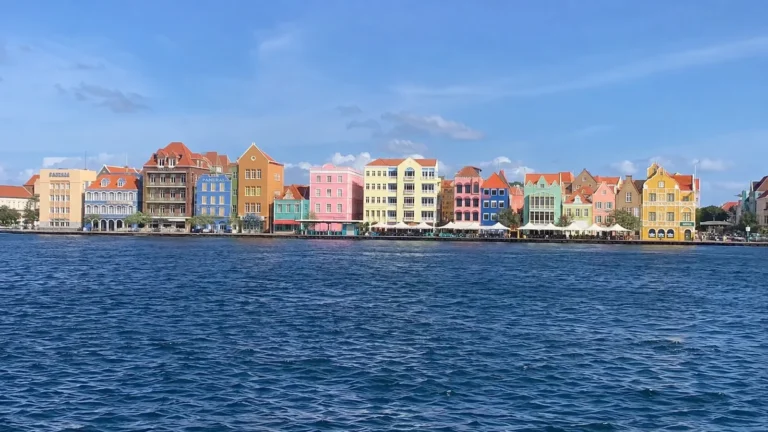
Curaçao is the best value candidate for travelers who will use a kitchen, split a rental car, and explore several coves. Willemstad supplies history, colorful architecture, restaurants, and walkable evenings, while west-coast beaches reward independent movement.
The hidden costs are the car, fuel, beach admission or chair rentals at some coves, and imported groceries. A central Willemstad stay without a car is simpler, but it changes a beach-hopping vacation into a city trip with selected excursions.
Choose five to seven nights and group west-coast beaches into one or two driving days. The longer planning sequence in this Curaçao island vacation guide helps separate Willemstad time, beach time, and car days.
Foreign visitors must complete Curaçao’s Digital Immigration Card, and the official portal states that the card is free. Save the confirmation from the official Curaçao entry portal instead of paying an unofficial processor.
5. Aruba when airfare beats island prices
Aruba is not a low-price island once restaurant meals, oceanfront hotels, and car rentals are included. It earns a place here because competitive flights, plentiful rooms, dependable urban services, and a compact geography can create a good total from some U.S. cities.
The budget version is an apartment inland from Eagle Beach, groceries for breakfast and lunch, and only selected car days. Staying at a premium Palm Beach resort and dining out three times a day belongs in a different comparison.
Aruba’s drier climate makes it attractive when travelers are nervous about a late-summer Caribbean trip, but no island is weather-proof. Price refundable terms and insurance instead of paying a large premium for a promise the forecast cannot make.
Choose the island when the flight is unusually good or four people can split a condo and car. The route in these Aruba attractions by area keeps beach, north-coast, and Oranjestad days from turning into repeated drives.
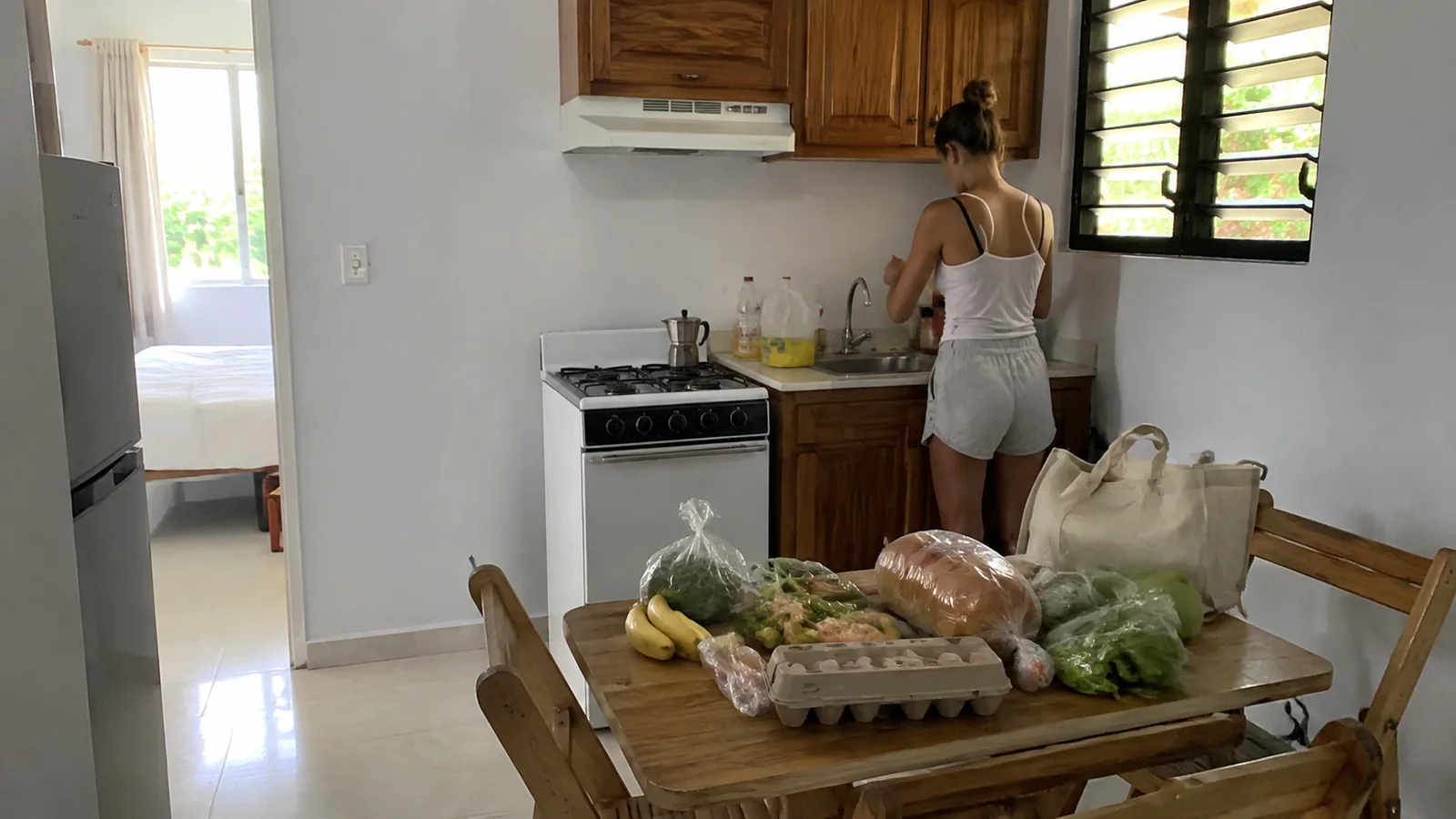
6. Grenada for public buses and a natural island
Grenada can beat more famous resort islands when you find a guesthouse near Grand Anse and use local food and public buses. Beach time is easy to combine with St. George’s, spice experiences, waterfalls, and a single guided island day.
The savings disappear if a remote hillside villa requires taxis for every meal and swim. Map the walk to the bus route, grocery, beach access, and restaurants before celebrating the view.
The Grenada Tourism Authority lists public buses, rental vehicles, water taxis, taxis, and tour companies in its official transportation overview. Use buses for the simple corridor and one tour for places that would require several connections.
Carriacou deserves more than a hurried add-on. Ferry or flight costs, weather, schedules, and another transfer make it a separate value calculation, not a free bonus island.
7. Trinidad and Tobago for food or beaches, not both at once
Trinidad offers the stronger food, nightlife, festival, and urban-culture trip, while Tobago is the easier beach and nature vacation. Trying to make both islands equally important in five nights adds an inter-island journey and another round of transfers.
Choose Trinidad for Port of Spain, markets, birding, and a culture-led itinerary. Choose Tobago for guesthouses, beaches, reefs, and a slower island base.
Carnival dates make Trinidad a completely different price category, so do not use an ordinary February week as a proxy for the festival. Tobago’s best value often comes from a longer stay that justifies the extra flight or ferry logistics.
8. Guadeloupe for villas, markets, and a car
Guadeloupe can be excellent value for travelers with useful air service, basic French, and a willingness to self-cater. Grande-Terre has beach towns and flatter drives, while Basse-Terre brings rainforest, waterfalls, and a more rugged landscape.
A rental car is part of the core trip, not an optional upgrade. Price an automatic transmission early if you need one, and include parking, fuel, card coverage, and the exchange rate because the euro is used.
The winning plan is usually one villa base, market breakfasts, simple beach lunches, and two or three paid experiences. Adding Les Saintes or Marie-Galante is lovely, but ferry tickets and island transport deserve their own line.
9. Belize for one mainland-and-water pairing
Belize combines Caribbean water with mainland wildlife, caves, and Maya sites, but moving between them is the budget challenge. Ambergris Caye has the largest tourism setup, Caye Caulker is more compact, and mainland bases serve completely different days.
For a week, choose three nights inland and four nights on one caye, or stay entirely on the coast if snorkeling and rest are the priority. Domestic flights are quick, while water taxis can cost less but require terminal transfers and more time.
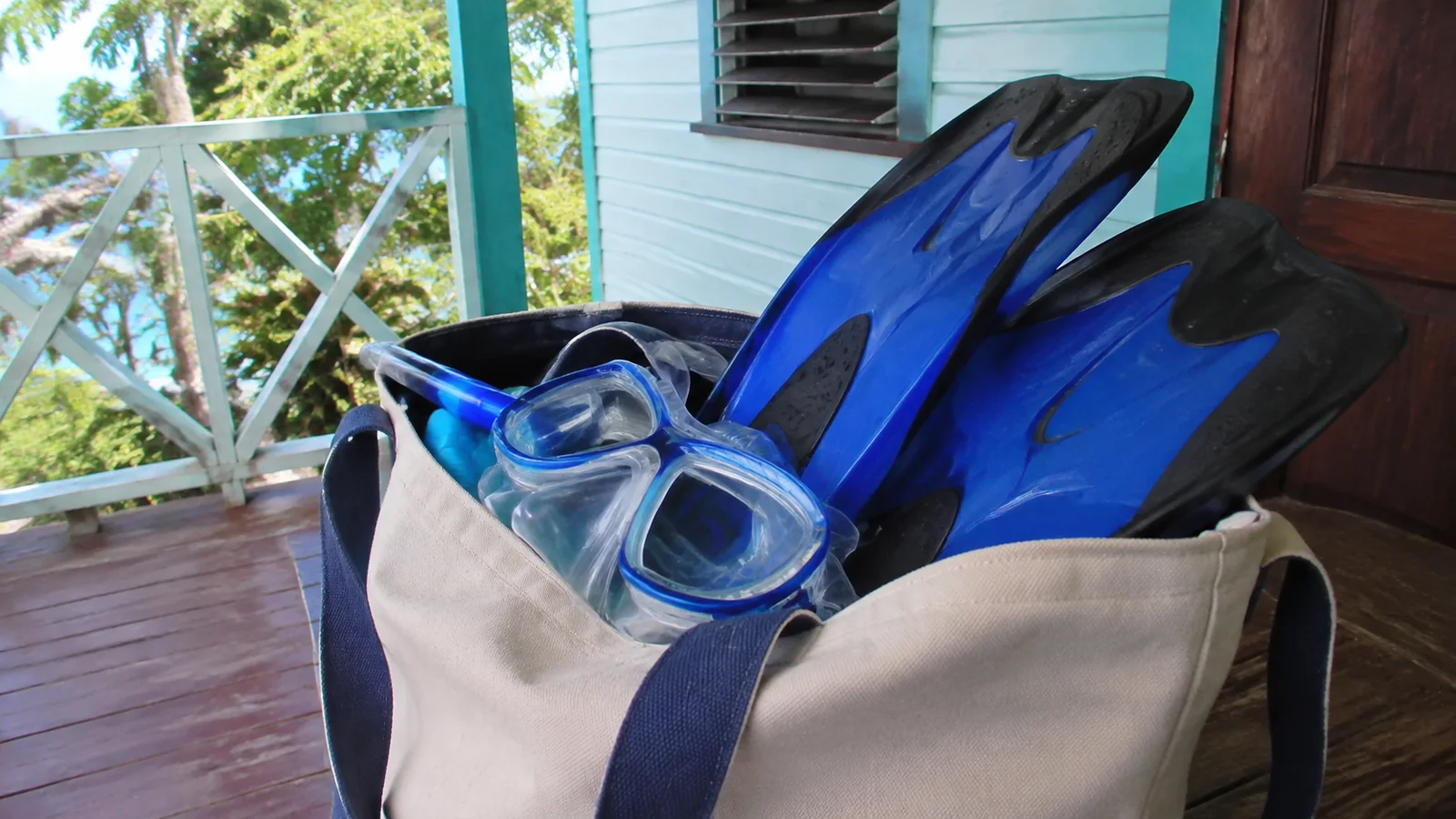
Reef tours are the defining expense, so protect that line before choosing a beachfront room. The cheap trip is not the one that reaches Belize and then skips the experience that justified the airfare.
A comparable five-night ground budget
Planning example: these are illustrative spending allocations in US dollars, not sampled hotel quotes or claims about current market averages. Each row uses two adults sharing one modest private room for 5 nights and 6 days, casual meals, local transportation, and the listed activity allowance, with airfare excluded.
Room allocations are whole-room nightly targets including taxes and mandatory lodging fees; food and local transport are daily totals for both people. Replace every target with an actual refundable quote for the same dates, including cancellation terms, before using the result to book.
- Base and defining outing: San Juan, Puerto Rico: forts and old-city walking
- Room per night: $140
- Food per day: $80
- Local transport per day: $20
- Activities, trip total: $60
- Ground total for two: $1,360
- Base and defining outing: Puerto Plata, Dominican Republic: historic center and beaches
- Room per night: $90
- Food per day: $60
- Local transport per day: $15
- Activities, trip total: $100
- Ground total for two: $1,000
- Base and defining outing: Negril, Jamaica: one-coast guesthouse stay
- Room per night: $100
- Food per day: $70
- Local transport per day: $20
- Activities, trip total: $100
- Ground total for two: $1,140
- Base and defining outing: Willemstad, Curaçao: apartment and beach drives
- Room per night: $110
- Food per day: $75
- Local transport per day: $40
- Activities, trip total: $60
- Ground total for two: $1,300
- Base and defining outing: Oranjestad, Aruba: apartment and public beaches
- Room per night: $140
- Food per day: $85
- Local transport per day: $30
- Activities, trip total: $60
- Ground total for two: $1,450
- Base and defining outing: Grand Anse, Grenada: beach and St. George’s
- Room per night: $100
- Food per day: $70
- Local transport per day: $15
- Activities, trip total: $80
- Ground total for two: $1,090
- Base and defining outing: Crown Point, Tobago: one-island beach stay
- Room per night: $100
- Food per day: $65
- Local transport per day: $25
- Activities, trip total: $100
- Ground total for two: $1,140
- Base and defining outing: Sainte-Anne, Guadeloupe: self-catering beach base
- Room per night: $110
- Food per day: $75
- Local transport per day: $40
- Activities, trip total: $80
- Ground total for two: $1,320
- Base and defining outing: San Ignacio, Belize: inland base with guided activity
- Room per night: $85
- Food per day: $60
- Local transport per day: $25
- Activities, trip total: $240
- Ground total for two: $1,175
I would use these totals as a screening tool: if a destination’s real room quote breaks the target, rerun the math before paying a deposit. A lower ground total can still lose once flights, checked bags, an airport hotel, and transfers from your own departure city are added.
Here is a package-versus-independent test for Puerto Plata: the independent example totals $1,000, while an illustrative five-night all-inclusive package at $1,100 plus $100 transfers would total $1,200 before airfare. The package would need to replace at least $200 of extras you actually want to justify its premium, and an airport transfer already included in the package should not be counted twice.
I would request the same room occupancy and travel dates for both versions, then compare baggage, resort fees, tips, drinks, and cancellation penalties. A resort week and a town-based stay can share a price comparison, but only you can decide whether leaving the resort is part of the vacation.
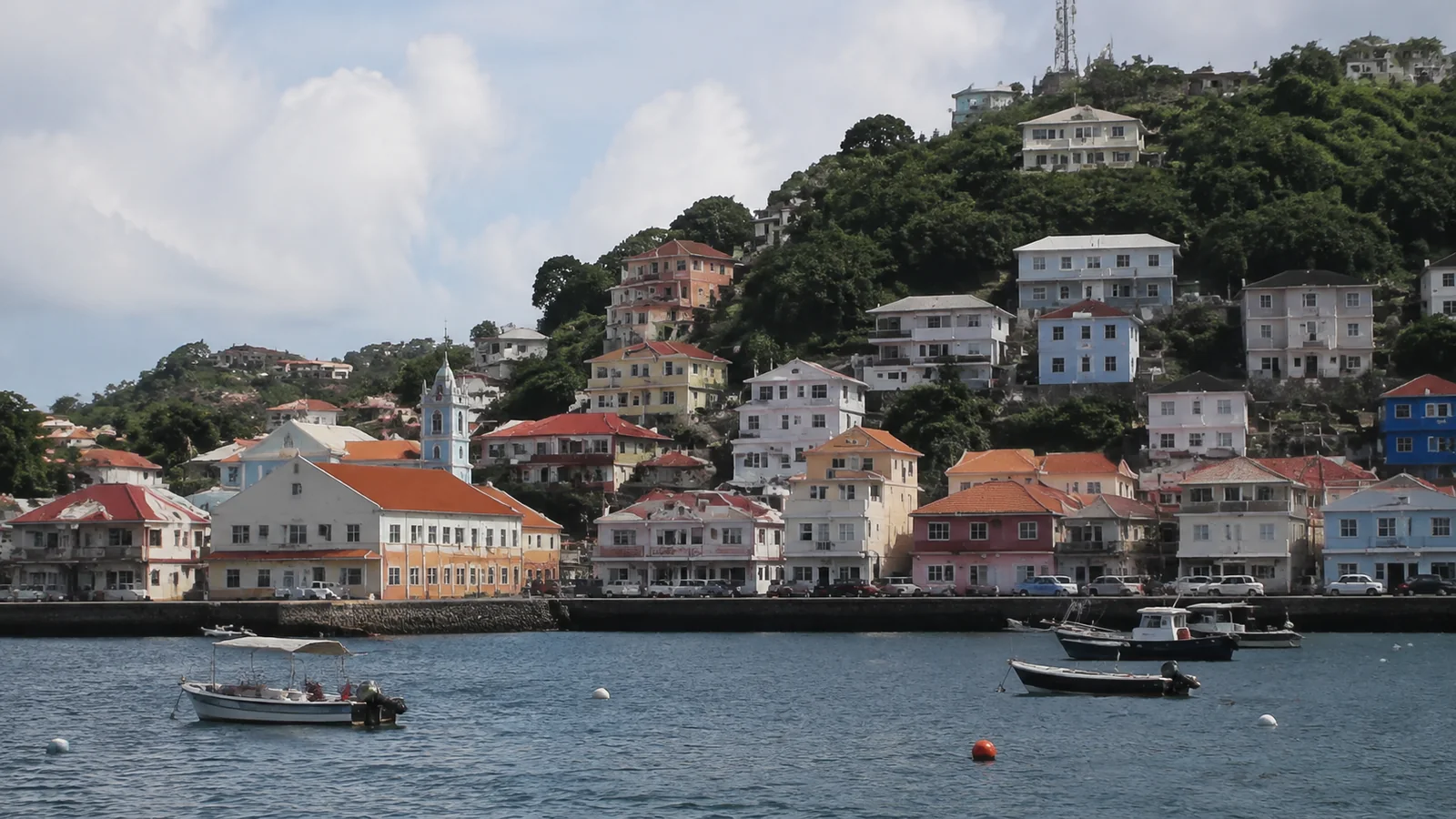
Which Caribbean destination is cheapest for your trip?
For couples
Compare Curaçao apartments, Grenada guesthouses, and Jamaica packages. Curaçao rewards sharing a car, Grenada rewards a well-located base near buses, and Jamaica rewards a package that includes the long airport transfer.
For families
Start with Puerto Rico and the Dominican Republic because flight and lodging inventory can work in your favor. A kitchen in Puerto Rico controls food costs, while a carefully priced Dominican all-inclusive controls decisions and daily spending.
For solo travelers
San Juan is the easiest first comparison because you can avoid a car and fill days independently. Curaçao’s Willemstad and Tobago can also work, but airport transfer and late-day transport need closer attention.
For beach lovers
Choose Negril, Aruba, Tobago, or a Dominican resort zone based on the airfare and room. Belize and Curaçao make more sense when snorkeling or beach-hopping matters enough to justify paid boats or a rental car.
For food and culture
San Juan, Santo Domingo, Kingston, Port of Spain, and Willemstad deliver stronger city days than an isolated resort. A central guesthouse can be better value than an all-inclusive when local meals are the point of the trip.
When cheaper dates carry more risk
Late summer and fall can bring lower room rates because they overlap hotter, wetter weather and Atlantic tropical-storm risk. Curaçao and Aruba sit farther south than many islands, but refundable bookings and insurance still matter.
Review the policy for hurricane disruption, medical care, evacuation, and supplier failure rather than buying the cheapest checkbox. A policy can exclude the exact reason you assumed it covered.
Shoulder weeks in May, early June, late October, and November can offer a better trade when air schedules and local businesses are operating normally. Check festival dates, seasonal closures, ferry schedules, and sea conditions before committing.
How to book the best-value Caribbean trip
Start with Google Flights or an airline calendar only to identify viable dates, then price the identical dates directly with carriers and lodging. Record the total with bags and cancellation terms, not the teaser number.
Place the hotel on a map and calculate every necessary ride. A room that saves $35 nightly but adds two $25 taxi trips is not a bargain.
Ask the lodging which fees are mandatory, how payment works, and whether the quoted total includes taxes. For apartments, confirm cleaning, electricity, security deposits, and whether air conditioning is included throughout the unit.
Check current entry requirements and the U.S. State Department destination page before paying a nonrefundable rate. Government forms change, and unofficial websites can charge for applications that are free on the official portal.
The honest winner
Puerto Rico is my first price check for an easy independent trip, and the Dominican Republic is my first package check. Curaçao and Grenada are strongest for travelers willing to plan transportation carefully, while Jamaica can win when one coast and one transfer are enough.
Aruba wins only when flight or lodging inventory offsets higher daily costs. Trinidad and Tobago, Guadeloupe, and Belize reward travelers whose interests match their transport puzzle rather than someone searching for the lowest room on any island.
Run all nine through the same total-cost sheet and protect one defining experience. The cheapest Caribbean destination is not a permanent fact, but this method will reveal the cheapest trip you would actually enjoy.