Dominican Republic Travel Tips: Entry, Money and Safety
The Dominican Republic is much bigger and more varied than a Punta Cana resort map suggests. A smart trip starts with the free government e-Ticket, a realistic money plan, careful transportation, and the right region for your interests, whether that means beaches, colonial streets, waterfalls, or mountains.

Dominican Republic entry requirements
Through December 31, 2026, U.S. tourists benefit from a Dominican immigration passport-validity exception: the passport must remain valid throughout the stay and departure. Six months of validity is a conservative planning cushion, not the actual minimum for eligible U.S. tourists during this exception.
Carry your return or onward ticket, accommodation address, and evidence of funds, and check your nationality and transit-country requirements with the airline. For travel after December 31, 2026, confirm whether the exception has been extended before relying on it.
The tourist-card charge for qualifying air visitors is generally included in the airline ticket, and ordinary tourist admission covers up to 30 days under current U.S. State Department guidance. Longer stays require the appropriate extension or departure payment process, not an assumption that an overstay is harmless.
The State Department’s Dominican Republic country page consolidates current entry, safety, health, legal, and emergency information. Check it again shortly before travel because passport and health rules can change.
The e-Ticket is mandatory and free
Each passenger must truthfully complete the Dominican Republic’s digital e-Ticket for entry and exit. It combines migration, customs, and related declarations and produces a code to present during the travel process.
Use the official government e-Ticket service, which states that the form costs nothing. Websites charging a processing fee are third parties, not proof that payment is required.
Save the confirmation code as a screenshot and print a copy if that reduces stress. Complete it with the passport, flight, and lodging information at hand so a typo does not become an airport problem.
Dominican Republic money basics
The official currency is the Dominican peso, abbreviated DOP. U.S. dollars are accepted in many tourist settings, but paying everything in dollars can produce an unfavorable merchant exchange rate.
Use pesos for local meals, shops, transportation, and smaller purchases, while keeping a modest dollar reserve. Exchange at a bank or authorized exchange office and count money discreetly.
Cards are widely accepted at many resorts, established restaurants, and larger businesses, but cash remains useful. Tell the bank about travel if required, use an ATM attached to a bank during operating hours, shield the PIN, and inspect the reader for tampering.
Choose to be charged in Dominican pesos when a card terminal offers home-currency conversion. The convenient-looking dollar total can include a poor conversion rate set by the payment provider.
Travelers carrying $10,000 or more, or its equivalent, must declare it on entry and exit under current guidance. Verify the rule and complete customs declarations honestly.

Is the Dominican Republic safe?
The current U.S. travel advisory is Level 2, exercise increased caution, because of crime. Violent crime is a concern even though tourist areas often have more police and private security.
Keep jewelry and expensive watches out of sight, avoid displaying a phone near traffic, and use a hotel safe for valuables that are not needed. Carry only the spending money and cards required for the outing.
Meet app contacts in busy public places, tell someone where you are, and arrange your own transportation. Never leave a drink unattended or accept an open drink from someone you do not trust.
If robbed, do not resist. Property can be replaced, and a phone’s theft protections should be activated before the trip rather than after it disappears.
Dial 911 for emergencies where coverage operates and contact the tourist police, POLITUR, when appropriate. Save the current numbers for your hotel, insurer, embassy, and transportation provider offline.
Resort safety still requires judgment
A gated resort reduces some street exposure but does not eliminate theft, assault, food illness, drowning, or unsafe excursions. Lock balcony doors, verify staff before opening the room, and use the official transportation desk or a vetted provider.
Book adventure activities by safety record rather than the cheapest beach seller. Ask about insurance, guide training, helmets, life jackets, equipment inspection, age limits, weather cancellation, and emergency response.
Drink moderately, stay with trusted companions, and know how to reach the room without help from a stranger. Report suspicious behavior to resort security and local authorities.
Airport transfers and taxis
Arrange the first transfer before landing, especially at night. Confirm the driver’s name, company, vehicle, price, meeting point, and whether tolls or waiting are included.
Ignore unsolicited helpers who cannot verify the reservation and do not hand over luggage until the correct driver is identified. Use official airport taxi channels or a reputable prebooked company.
Ride apps operate in some areas, but pickup rules and driver availability can vary around airports and resorts. Match the license plate and driver inside the app before entering.
Driving in the Dominican Republic
Renting a car offers freedom, but traffic patterns, motorcycles, animals, inconsistent lighting, potholes, speed changes, and aggressive passing make it a serious decision. Avoid driving after dark whenever possible.
Confirm the rental’s liability coverage, deductible, tire and glass terms, roadside assistance, fuel policy, and deposit before signing. Photograph the entire car and every existing mark at pickup and return.
Wear seat belts, keep doors locked, leave space around motorcycles, and never drink before driving. At a checkpoint, stay calm and keep the license, rental agreement, and passport available as required.
A private driver is often better for a day trip that includes unfamiliar roads, trailheads, or a late return. Obtain a written total and do not assume the driver is also a licensed nature or history guide.
Choosing the right region
Punta Cana and Bávaro
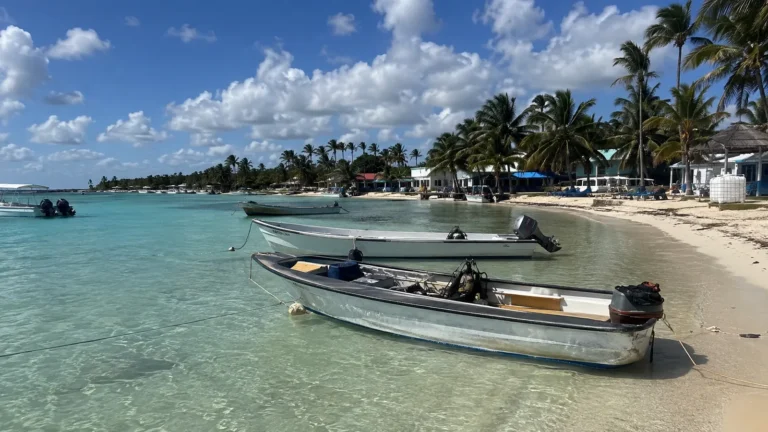
The eastern resort coast is easiest for direct flights, all-inclusive stays, broad beaches, golf, and organized excursions. It works well when vacation simplicity matters more than independent city life.
Sargassum, wind, waves, and beach width vary by season and even by property. Ask for a recent beach update and judge a hotel on more than promotional water color.

Santo Domingo
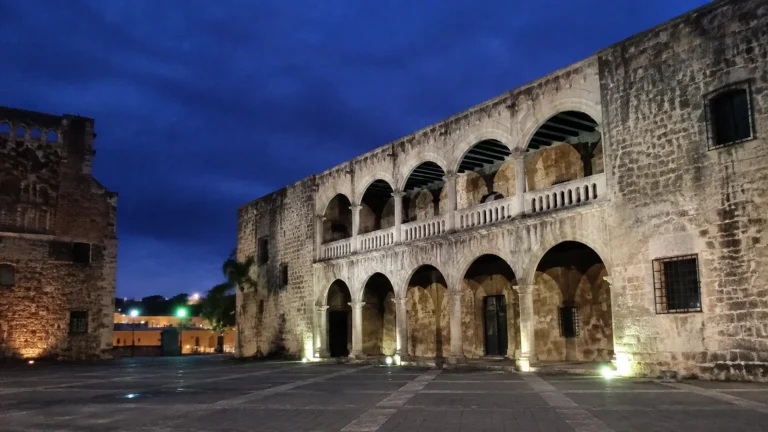
The capital suits travelers interested in museums, food, nightlife, architecture, and the Colonial City. It offers a fuller urban perspective but requires normal big-city attention to traffic, neighborhoods, and personal security.
Use a guide who can discuss Indigenous Taíno history, colonization, enslavement, dictatorship, and modern Dominican life without turning the city into a collection of “first in the Americas” claims. History becomes more useful when power and people stay visible.
Samaná Peninsula
Samaná combines green hills, beaches, waterfalls, small towns, and seasonal humpback-whale activity in the bay. Choose regulated whale-watching operators and accept that behavior and sightings remain wild.
Road curves, boat conditions, and excursion transfers add time. Stay in the peninsula rather than attempting every attraction as a punishing day trip from Punta Cana.
Puerto Plata and the north coast
Puerto Plata offers historic architecture, resorts, beaches, and access to north-coast activities. Cabarete draws wind-sport travelers, while conditions that delight an expert can overwhelm a beginner.
Use qualified instructors, properly fitted equipment, and realistic swimming ability. Never rent a board or kite because the beach looks calm from the hotel balcony.
Jarabacoa and Constanza
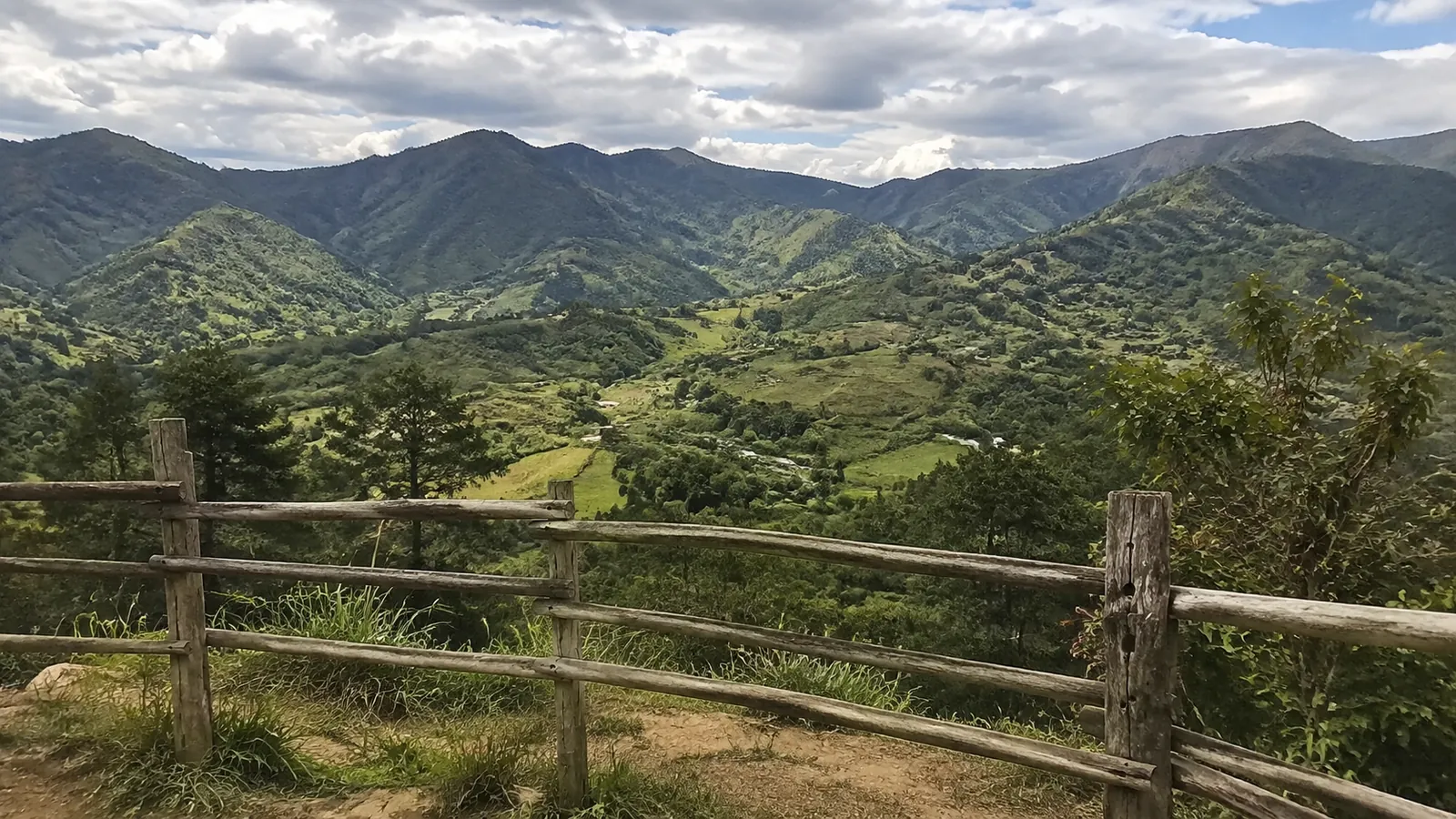
The central highlands trade tropical beach heat for mountains, rivers, farms, hiking, and adventure sports. Cooler evenings and elevation deserve a layer that never appears in a Punta Cana packing photo.
Rafting, canyoning, and mountain routes require vetted guides and weather judgment. Heavy rain upstream can change a river even when the local sky looks acceptable.
Barahona and Pedernales
The southwest offers striking coast, dry forest, mountains, lagoons, and less-developed tourism. It rewards extra time, a reliable vehicle, and guides who understand protected areas and current road conditions.
Do not treat proximity to Haiti as an invitation for an improvised border excursion. Conditions and official border operations can change, while embassy assistance near the border is limited.
The Ministry of Tourism’s official destination pages provide a useful regional overview. Verify individual attraction access with the local operator because a countrywide map hides long transfers.
Health advice that applies beyond the resort
Review the CDC’s current Dominican Republic traveler guidance several weeks before departure. Recommendations vary by itinerary and can include routine vaccines, food and water precautions, mosquito protection, and malaria medication for certain areas.
Use effective insect repellent, sleep in screened or air-conditioned rooms when possible, and remove standing water around longer stays. Mosquito-borne illness does not respect resort wristbands.
Drink sealed or reliably treated water and use it for brushing teeth when local guidance recommends. Choose food that is cooked thoroughly and served hot, then carry oral rehydration supplies for the problems no one wants to discuss on vacation.
Ocean, waterfall, and pool safety
Ask about rip currents and swim near a lifeguard when available. Resort staff setting out chairs are not automatically trained water-safety personnel.
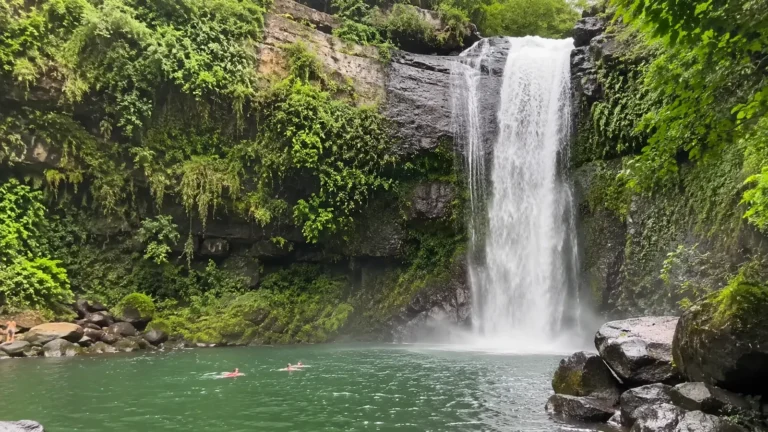
Do not climb or jump at waterfalls unless an authorized guide confirms the exact route and conditions. Rock becomes extremely slippery, water depth changes, and flash flooding can occur beyond the visible forecast.
Never dive into unknown water or mix heavy drinking with pools and the ocean. Properly fitted life jackets belong on boats even when the ride is marketed as relaxed.
Hurricanes, rain, and sargassum
Tropical storms and hurricanes can bring dangerous wind, flooding, surf, outages, and flight disruption. Travel during Atlantic hurricane season needs insurance purchased before a storm is named and a plan for following official instructions.
Rain patterns differ by coast and elevation, so a countrywide monthly icon is limited. Build flexibility into outdoor days and never cross flowing water on foot or by car.
Sargassum affects some beaches unpredictably, especially along exposed Caribbean coasts, but conditions can change quickly. Request a current, unedited beach view rather than relying on a seasonal promise.
Language and cultural courtesy
Spanish is the national language, and a few polite phrases make transportation, food, and everyday exchanges much easier. Download offline translation but greet people before pointing a phone at them.
Ask permission before photographing anyone, particularly children, vendors, and workers. Dress for the setting, use beachwear at the beach, and avoid treating poverty as content.
Dominican identity is racially and culturally complex, and casual assumptions about appearance, Haiti, or migration can be offensive. Listen, learn, and avoid asking strangers to carry an entire country’s politics into a vacation conversation.
What to pack
- Passport, e-Ticket screenshot, return details, and insurance proof
- Dominican pesos, backup dollars, and at least two cards
- Sun protection and effective insect repellent
- Personal medications and oral rehydration supplies
- Light rain layer and quick-drying shoes
- Warm layer for the central highlands
- Waterproof phone pouch without a neck-strangulation hazard
- Portable charger and offline maps
- Small secure day bag
- Reusable bottle for reliably treated water
Use these Dominican Republic attraction ideas to build the fun half of the itinerary. These Caribbean destination comparisons help with regional costs, while relaxed spring vacation options are useful if the goal is rest rather than a packed cross-country route.
Dominican Republic FAQs
Is the Dominican Republic e-Ticket free?
Yes. The official government e-Ticket service charges no fee, so avoid third-party forms unless you intentionally want paid assistance.
Should you use dollars or pesos?
Pesos usually make sense for local purchases, while dollars provide a useful backup in tourist areas. Always confirm the price and exchange basis before paying.
Is it safe to leave an all-inclusive resort?
Independent outings can be rewarding with vetted transportation, researched neighborhoods, daylight timing, and normal security habits. A resort excursion desk is convenient but not the only legitimate option.
How long should a first trip be?
Seven nights suits one primary region and a few outings. Ten to fourteen nights makes combining Santo Domingo, a beach area, and mountains or Samaná much more comfortable.

Final thoughts
The best Dominican Republic trip begins by choosing the right slice of the country. Punta Cana, Santo Domingo, Samaná, the north coast, and the highlands solve very different vacation wishes.
Complete the free form, carry pesos, arrange safe transport, and give weather a vote. Once those practical pieces are settled, the country has far more personality to share than any resort bracelet can contain.