Bali Black Sand Beaches: An Honest Coast-by-Coast Guide
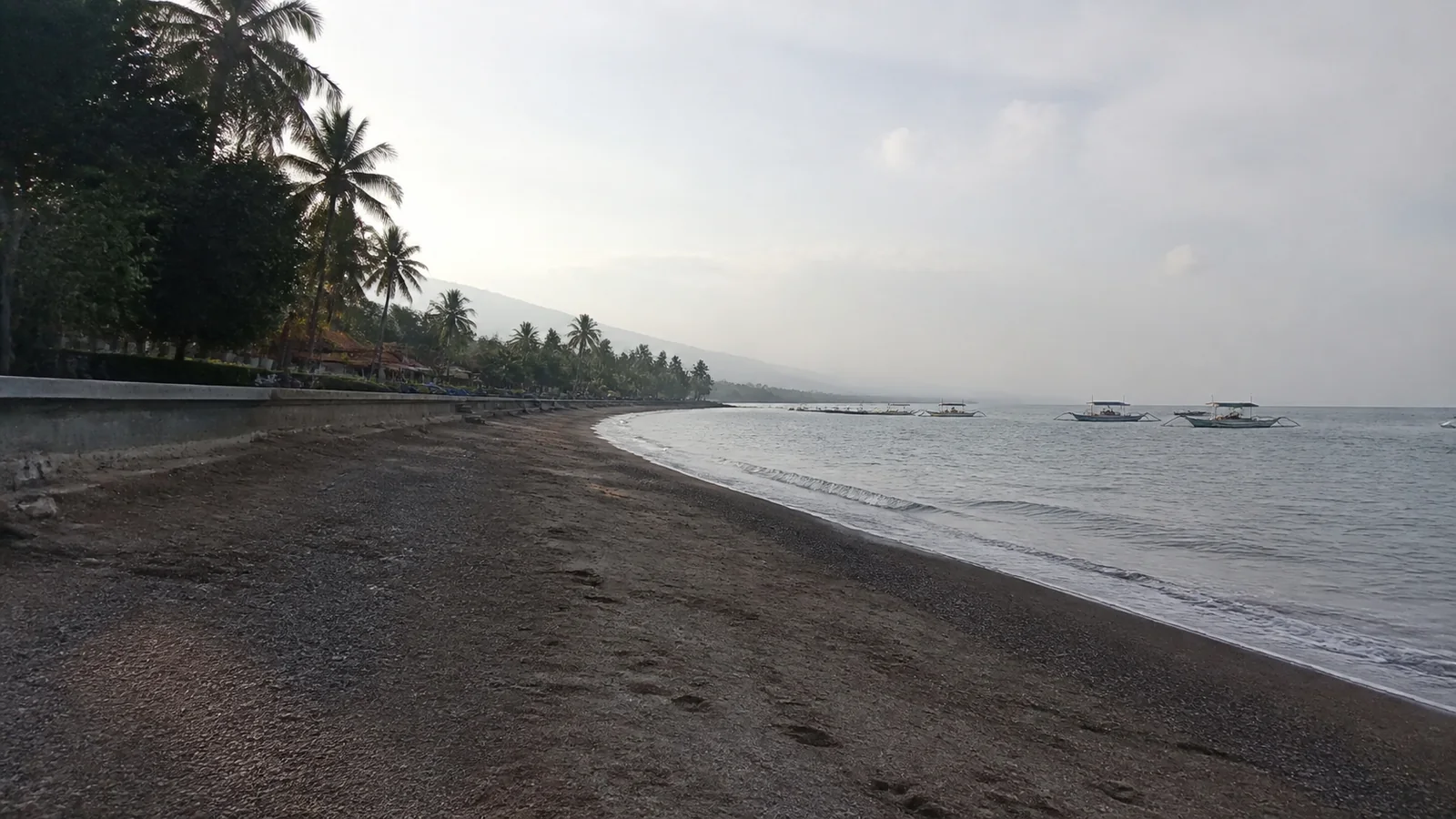
Bali’s black sand beaches are dramatic, but they are not interchangeable. Some are working fishing shores, some are serious surf breaks, and others are rocky gateways to reefs, so the right choice depends on whether you want to swim, snorkel, surf, walk, photograph, or simply watch the coast do its moody volcanic thing.
Why Bali has black sand beaches
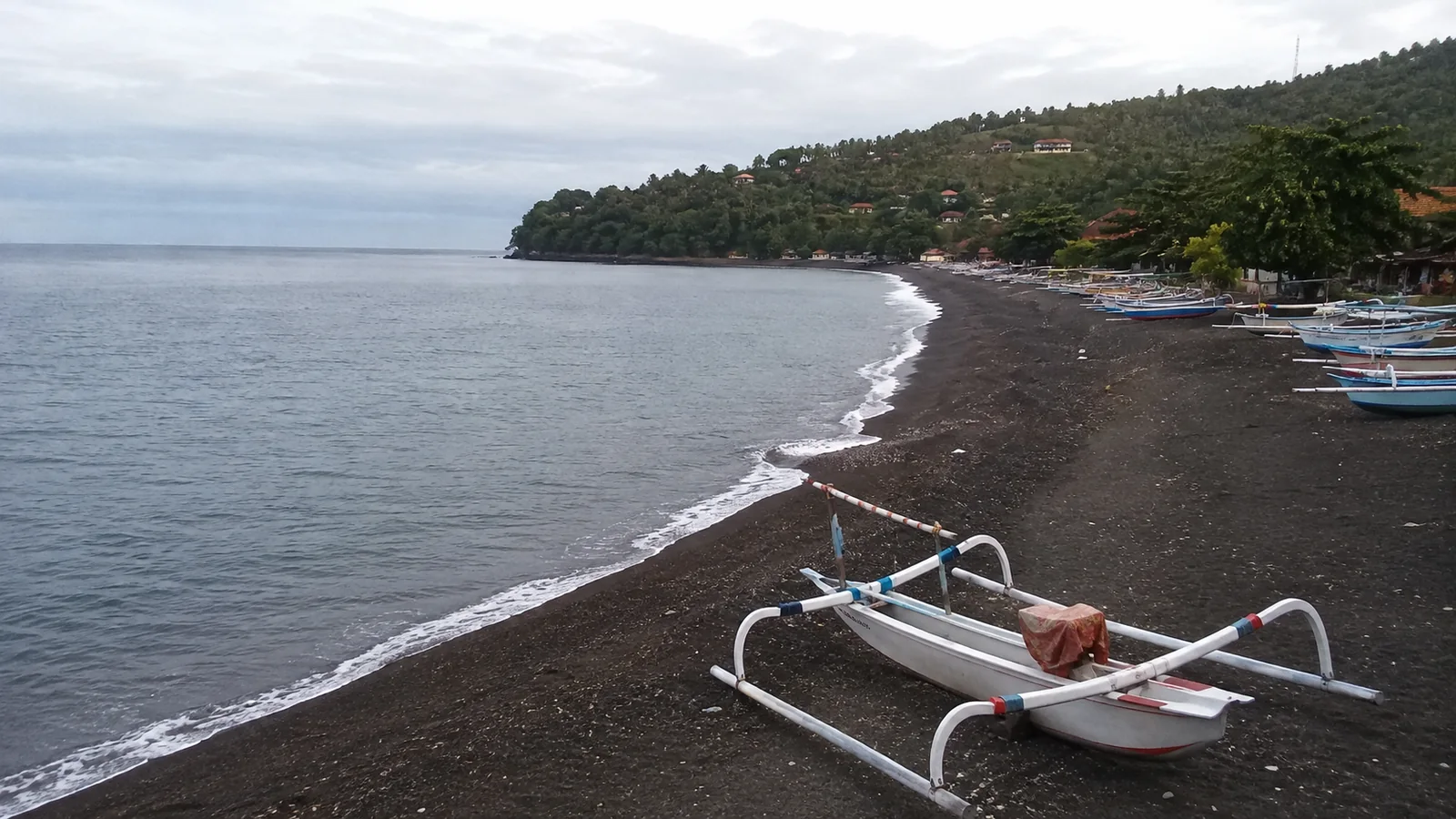
Bali’s volcanoes supplied dark mineral-rich material that rivers, erosion, and waves distributed around much of the island. The result ranges from fine charcoal sand to gray grains, black pebbles, cobbles, and mixed beaches that change with season and tide.
The darkest shores cluster along the east, north, and west coasts rather than the pale-sand Bukit Peninsula. They often feel less manicured than southern resort beaches, which is part of the appeal and also a clue to bring realistic expectations.
Choose your coast before your beach
- East Bali: Amed and Tulamben for snorkeling, diving, fishing villages, and volcanic pebbles
- North Bali: Lovina for a gentler resort base and early-morning boat activity
- West coast: Balian and Soka for surf, sunsets, and long shoreline views
- Southeast coast: Keramas, Saba, Purnama, Lebih, and Kusamba for surf, walks, local life, and sunrise
Best black sand beaches in Bali
1. Amed and Jemeluk Bay
Amed is a chain of coastal villages rather than one perfectly bounded beach. Its shore varies among dark sand, pebbles, working boat areas, and small bays, with Jemeluk among the better-known snorkeling bases.
Indonesia’s official tourism site highlights snorkeling and diving at Jemeluk Bay and Lipah Beach, plus traditional fishing and salt-making along the coast. Its Amed overview is a useful starting point, but conditions and entry points still need local confirmation.
Choose Amed for several slow days, not merely for a sand color. Shore entries can be stony, fishing outriggers called jukung occupy parts of the beach, and snorkeling quality depends on wind, waves, visibility, boat traffic, and the precise bay.
Use a reputable local dive or snorkeling operator, ask where swimmers enter, and keep fins and feet off coral. The separate Amed attractions planner helps turn the coast into a realistic stay rather than a very long round-trip photo stop.
2. Tulamben
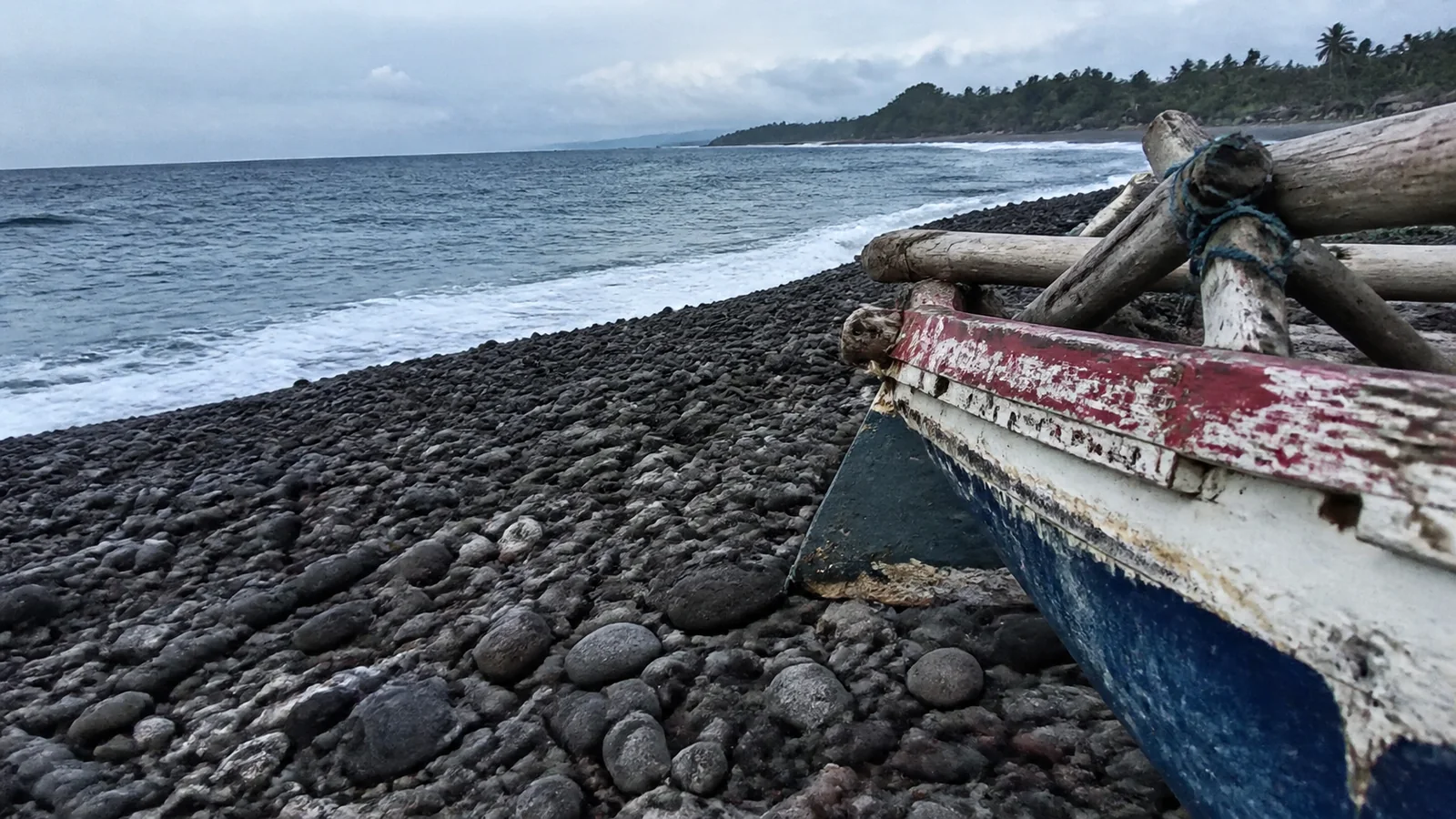
Tulamben is the practical choice for divers, not for travelers dreaming of powdery sand and a cocktail balanced beside the lounger. Much of the shore is made of dark volcanic stones and cobbles, and entries can be awkward when waves move those stones underfoot.
The major draw is the offshore USAT Liberty wreck, along with Coral Garden and other sites listed by Indonesia’s official Tulamben diving page. Site suitability varies by certification, experience, surge, visibility, current, entry, and operator procedures.
Book a qualified dive center, disclose when you last dived, and request appropriate help with the shore entry if needed. Certified divers packing for this coast can use the scuba equipment checklist while still following the operator’s final gear and exposure-protection advice.

3. Lovina
Lovina is the most conventional stay on this list, with accommodations, restaurants, beach access, and a broad north-coast identity. Official tourism information describes its sand as gray and black volcanic material and promotes both underwater activities and early-morning dolphin excursions.
The north can feel calmer than Bali’s surf-exposed south and west, but “calmer” never means every beach segment is safe at every hour. Ask locally about currents, boat lanes, visibility, and the best supervised swimming area rather than entering wherever breakfast happens to face the water.
Dolphin watching needs particular care because many small boats may converge at dawn. The official Lovina destination page explains the traditional jukung trips, while current national tourism advice recommends choosing an operator that maintains respectful distance.
Ask the operator not to chase, encircle, feed, touch, or cut across wildlife. A sighting is never guaranteed, and an empty patch of ocean is preferable to turning wild dolphins into the morning commute.
4. Balian Beach
Balian on the west coast is a dark-sand surf town with a river mouth, casual accommodations, and sunset appeal. It fits surfers and travelers who want a quieter coastal base better than families expecting protected lagoon swimming.
Breaks, current, river discharge, tides, and crowd patterns require local knowledge. Beginners should arrange a qualified instructor and suitable conditions, while nonsurfers can enjoy the broad beach without treating someone else’s successful paddle-out as a personal safety assessment.
5. Soka Beach
Soka is a west-coast roadside stop known for dark sand, rock formations, local shoreline activity, and sunsets. It works best as a scenic break on the Denpasar-to-Gilimanuk route or as part of a western Bali itinerary.
Choose it for walking and photography unless current local advice clearly supports swimming. Strong surf, shifting sand, rock, and limited supervision make “look first, decide second” the useful order.
6. Keramas Beach
Keramas in Gianyar is a surf-first black-sand beach, known for powerful waves rather than easy recreational bathing. It is convenient enough for a coastal stop from parts of south or central Bali, but the water requires more judgment than the road access.
Experienced surfers should still consult a reputable local surf provider about swell, tide, reef, crowd etiquette, and suitable entry. Everyone else has an excellent seat for watching skilled people do difficult things while remaining comfortably attached to land.
7. Saba and Purnama
Saba and Purnama are long, dark southeast-coast beaches suited to walks, horse activity in some sections, dawn light, and photography. Their open-ocean exposure and surf mean they should not be promoted as universally easy swimming beaches.
These are also community spaces where fishing, offerings, ceremonies, and religious activity may occur. Give processions room, dress beyond swimwear when leaving the immediate beach, and ask before photographing people or rituals.
8. Kusamba and nearby working beaches
Kusamba is most meaningful as a working coastal landscape where fishing, boat transfers, and traditional salt production shape the shore. Indonesia’s tourism authority specifically notes its black sand and early-morning salt harvesting.
Observe from a respectful distance, request permission for close photographs, and purchase salt or services directly when appropriate. Do not step through drying areas, handle equipment, or frame people’s work as a visitor prop.
Which beach fits your trip?
For swimming
Start with a sheltered section around Lovina or an appropriate Amed bay, then ask locally about the exact entry and current conditions. No coast earns a permanent “safe for swimming” label, and unguarded beaches demand extra caution.
For snorkeling
Amed offers the strongest black-shore snorkeling proposition, provided visibility, current, boats, and your ability align. Use a guide when unfamiliar with the bay, never stand on coral, and wear a bright surface marker or flotation device when the operator advises one.
For scuba diving
Tulamben and Amed are the clear candidates, with different sites for different experience levels. Diving should be planned around certification, medical fitness, recent experience, local briefings, surface conditions, and adequate time before flying or ascending to altitude.
For surfing
Keramas and Balian have the strongest surf identity in this shortlist. A lesson does not make every swell beginner-friendly, so let the instructor choose the break and day rather than booking around a cinematic forecast screenshot.
Ocean safety in Bali
Rip currents, shore break, reefs, boat traffic, river runoff, and rapidly changing weather are different hazards and require different responses. Check conditions at the actual beach, follow lifeguards and local authorities, and stay out when the water is closed or clearly beyond your ability.
Indonesia’s meteorological agency warns that rip currents can sweep away even strong swimmers and that high waves on Bali’s exposed coasts can endanger beach users. Check current BMKG weather and maritime information close to the visit rather than relying on an annual “best season” rule.
Never swim alone or at an isolated beach simply because the surface looks smooth. If caught in a rip current, conserve energy, do not fight directly against it, signal for help, and move parallel to shore when able before returning at an angle.
Keep children within immediate reach near the waterline because steep shore break can knock down an adult. Alcohol, darkness, and unfamiliar surf are an especially unhelpful trio.
When to go
Bali broadly has wetter and drier patterns, but rain and waves vary by coast, month, and year. The Bali office of BMKG divides the province into multiple climate zones, which is a useful reminder that one islandwide forecast cannot settle every beach decision.
For sunrise, favor the east and northeast; for sunset, choose the west coast. Leave the beach before dark unless you know the exit, transport, tide, and shoreline well.
Transport and realistic timing
A private car with a licensed driver is often the easiest way to reach these scattered shores, particularly for Amed, Tulamben, Lovina, Soka, and Balian. Confirm whether the quote includes waiting, parking, tolls, and a late return.
Only ride a scooter if properly licensed, insured, helmeted, and genuinely experienced in Bali’s traffic and road conditions. The provincial visitor rules require legal and safe driving, and a beach plan is not improved by roadside paperwork or a preventable injury.
Choose one coastal cluster per day, or sleep in the region. Travelers building a wider country itinerary can compare distances and cultural stops through these Indonesia landmarks instead of treating Bali as the entire archipelago.
Beach etiquette and current visitor rules
Bali’s government asks foreign visitors to respect customs, ceremonies, sacred places, communities, and the environment. The current Love Bali travel guidelines also call for modest dress in sacred settings, licensed services, lawful driving, and proper waste disposal.
- Wear more than swimwear when entering villages, shops, temples, or ceremony areas.
- Do not climb shrines, move offerings, interrupt processions, or pose on sacred objects.
- Ask before photographing salt makers, fishers, worshippers, or close-up ceremonies.
- Pack out trash and refuse unnecessary single-use plastic.
- Do not remove sand, stones, coral, shells, or cultural objects.
- Keep drones grounded unless local rules, privacy, ceremony, and aviation requirements all allow the flight.
International visitors should also confirm the current Bali tourist levy and payment method on the official Love Bali portal, plus Indonesia’s separate entry requirements for their passport. Avoid unofficial payment links sent through messages or social media.
What to pack
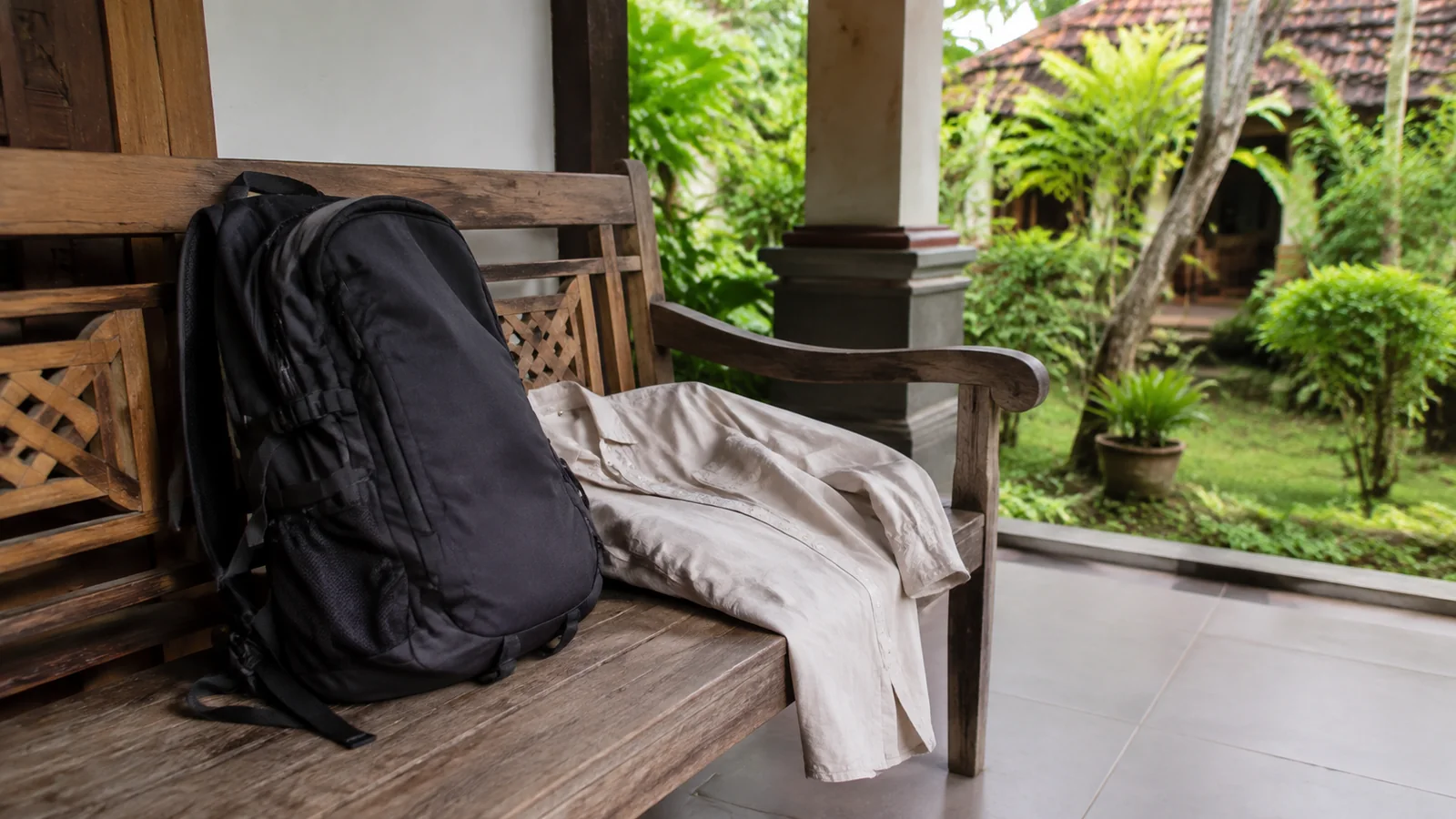
- Water shoes or sturdy sandals for hot sand, pebbles, and rocky entries
- A rash guard, hat, sunglasses, and broad-spectrum sunscreen
- A reusable water bottle and compact trash bag
- A dry pouch for phone, cash, and a copy of identification
- A modest cover-up or change of clothing for villages and sacred areas
- A light rain layer and a fully charged phone
Bring your own mask only if it fits well, but rent activity-specific safety gear from a reputable provider. An online packing list cannot replace a local briefing, correctly sized flotation, or professionally maintained scuba equipment.
If volcanic shores are the main theme of a larger trip, compare Bali’s coast with the black sand beaches of Tenerife. The shared color is geological; the access, surf, culture, and beach services are wonderfully different.
A sensible black sand itinerary
Spend two or three nights around Amed or Tulamben for water activities, or base in Lovina for north-coast ease. From south Bali, choose one southeast beach for a half-day, while Balian and Soka make more sense within a westward route.
The best Bali black sand beach is the one that supports the activity you came to do and the conditions you actually find. Pick the coast first, verify the water second, and let the sand color be the beautiful bonus.