8 Best Black Sand Beaches in Tenerife: A Practical Guide
Tenerife’s dark volcanic beaches range from easy urban strands with showers and lifeguards to wild coves reached by steep stairs. The prettiest photo is not always the best swimming stop, so choose by coast, mobility, sea conditions, and the kind of beach day you actually want.
Why Tenerife has black sand beaches
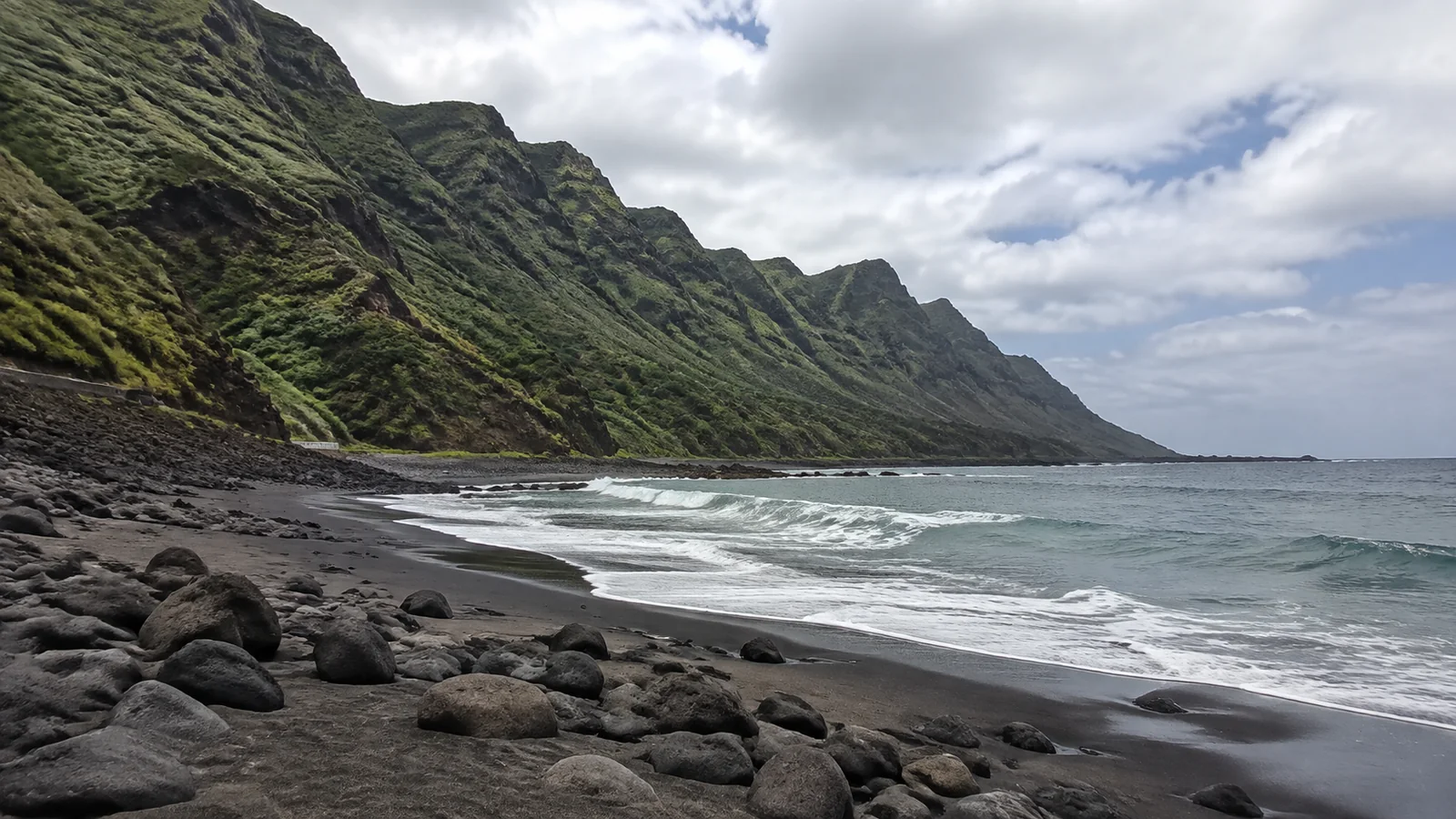
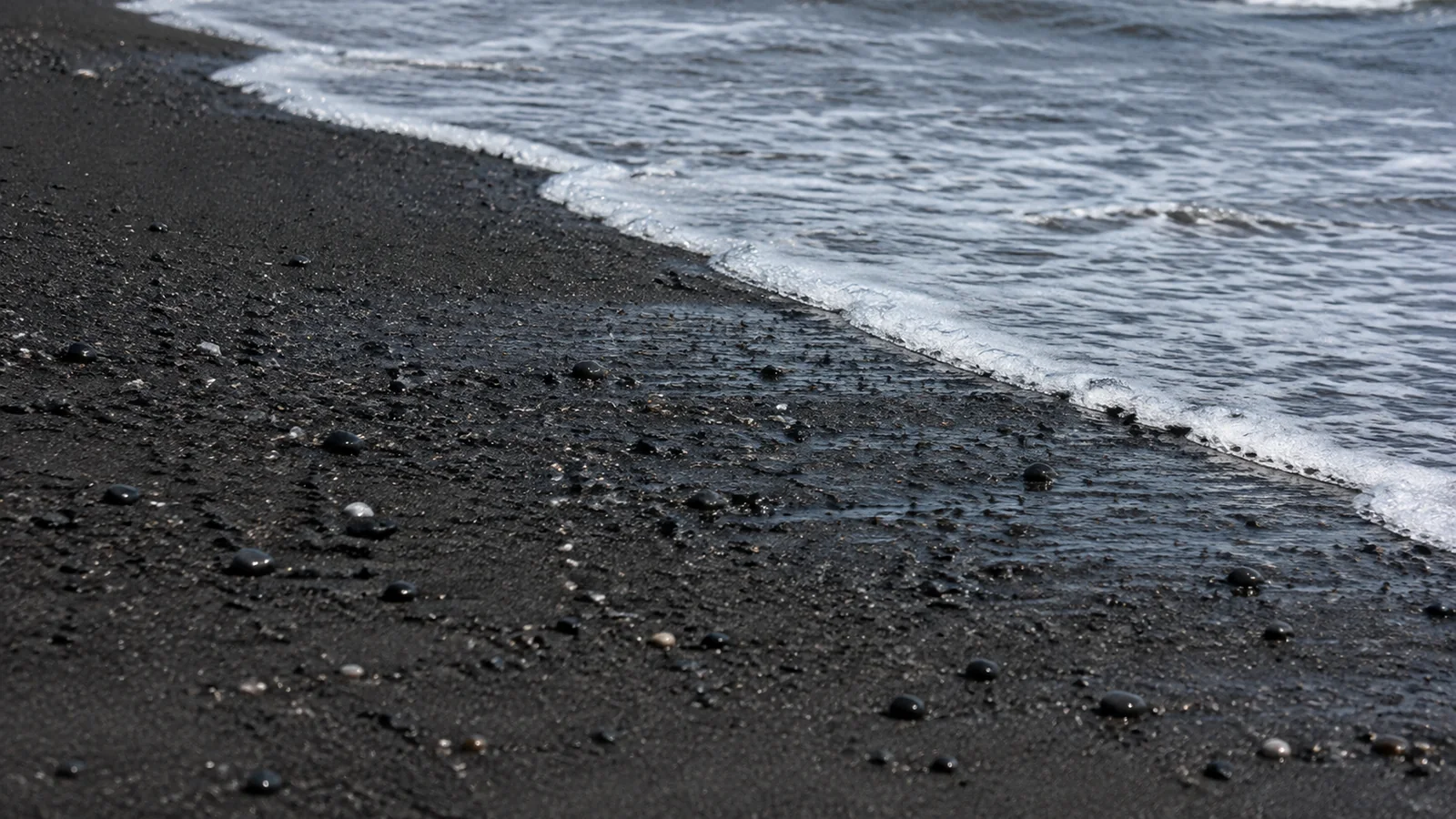
Tenerife is volcanic, and much of its natural beach material comes from dark lava and eroded volcanic rock. Depending on the beach, the shore may be fine black or gray sand, pebbles, gravel, or a seasonal mixture rearranged by waves.
That distinction matters under bare feet and beach towels. Fine dark sand can become remarkably hot in direct sun, while rounded stones make water shoes more useful than an ambitious attempt at graceful tiptoeing.
Not every famous Tenerife beach is naturally dark. The pale sand at Las Teresitas was imported, while many resort beaches in the south have been modified or supplemented, so a natural black shore often comes with fewer facilities and stronger Atlantic exposure.
Which black sand beach should you choose?
- Easiest full beach day: Playa de La Arena in Puerto Santiago
- Best town-based option: the Playa Jardín complex in Puerto de la Cruz
- Best for surf atmosphere: El Socorro, when the supervised conditions suit your ability
- Best dramatic viewpoint: Benijo in Anaga, with beach access closed
- Best quieter natural cove: El Bollullo near La Orotava
- Best low-key local stop: Las Eras in Fasnia
A family with a stroller, a traveler relying on buses, and a photographer chasing a rugged sunset should not receive the same recommendation. Use the list below as a fit check, not a beauty ranking.
Best black sand beaches in Tenerife
1. Playa de La Arena, Puerto Santiago
For the least complicated introduction, start with Playa de La Arena on the southwest coast in Santiago del Teide. The official Tenerife beach listing describes an urban black-sand beach with road and foot access, accessible facilities, showers, toilets, lifeguard service, restaurants, parking, and sunbed rentals.
Those services make Playa de La Arena a sensible choice for families and travelers who do not want a cliff staircase between them and lunch. The shore still faces an ocean, so the posted flag and lifeguard direction outrank its convenient setting.
Puerto Santiago also works well as a base for whale-watching and the Los Gigantes area. Do not confuse this beach with another Playa de La Arena in Tacoronte on the north coast when entering directions.
2. Playa Jardín, Puerto de la Cruz
Playa Jardín is a landscaped urban complex encompassing Playa Jardín, Playa Chica, and the Punta Brava sector. Its gardens, promenade, services, and proximity to Puerto de la Cruz make it easier to combine with a town day than a remote cove.
Water status deserves a fresh check here. The municipality says the complex reopened on June 17, 2025 after monitoring and corrective work, and it reported excellent bathing-water results in July 2026.
Playa Jardín broadly reopened in June 2025, but individual bathing zones can still close when water-quality results require it. Punta Brava received a temporary closure notice on August 12, 2026, so check the latest municipal notices, beach signs, and flags for the exact section you plan to use rather than relying on an old open-or-closed screenshot.
The city’s July water-quality update explains the ongoing official and independent sampling program. Choose this complex for urban convenience, not for a promise that every sector will be swimmable on every visit.
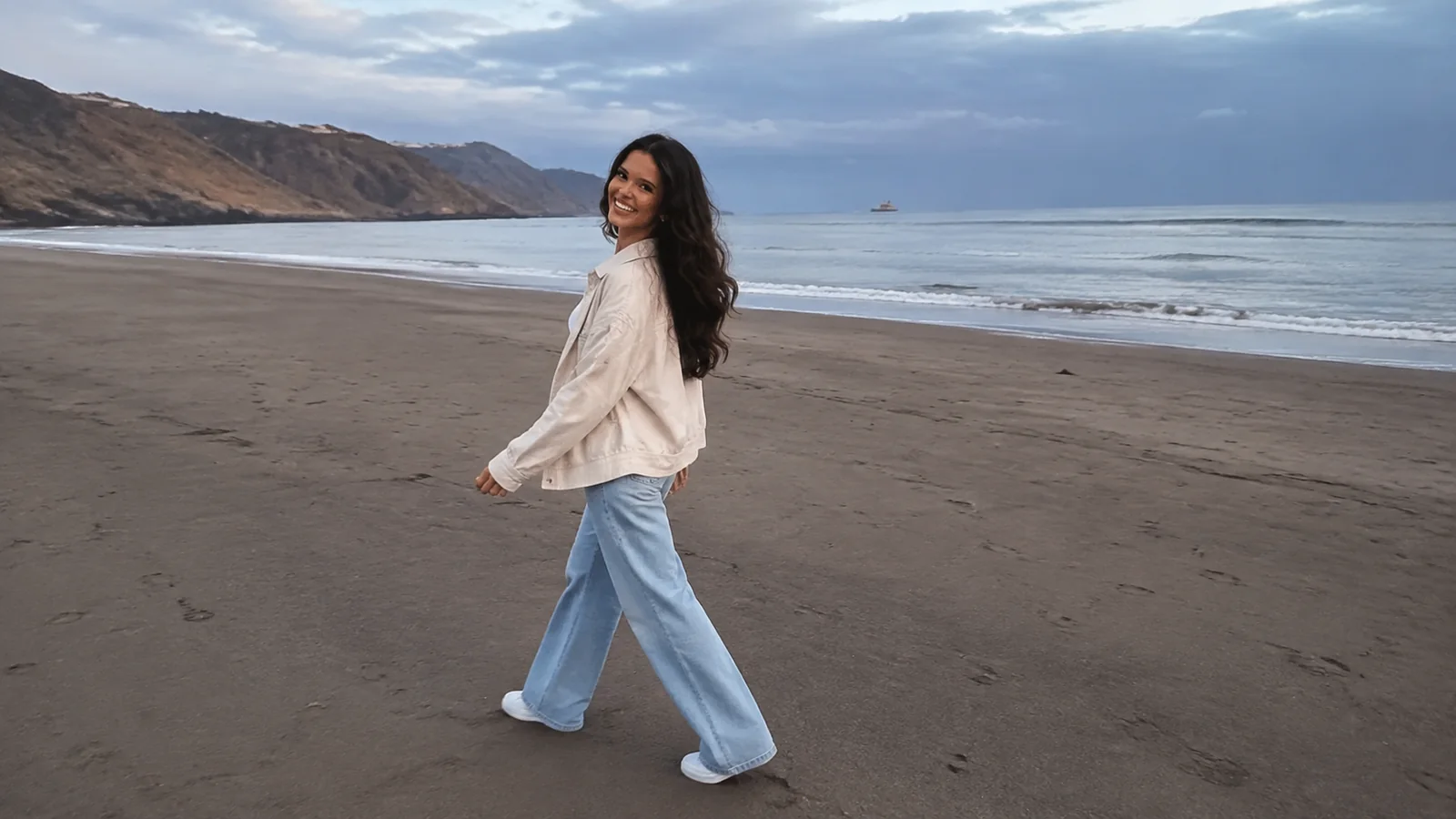
3. El Socorro, Los Realejos
El Socorro has fine dark-gray volcanic sand, a lively surf identity, and more infrastructure than its natural setting first suggests. Tenerife’s official listing includes toilets, showers, a beach bar, lifeguard station, surf zone, parking, bus service, and accessible facilities.
That makes El Socorro attractive for people who want to watch surfers or book suitable instruction. A designated surf area is not an invitation for an inexperienced swimmer to enter rough water, and conditions can change within a day.
Arrive early in busy periods because the road and parking can feel tight. If the flag says no bathing, enjoy the sand and the view without trying to negotiate with the Atlantic.
4. El Bollullo, La Orotava
El Bollullo delivers the classic north-coast combination of dark sand, green cliffs, banana-growing country, and a sense of separation from the resort strip. Reaching it involves a walking route with steps and slopes, and nearby parking is limited and can be privately managed.
This is better for mobile travelers carrying a light beach bag than for strollers, wheelchairs, or anyone who dreads a hot uphill return. Bring water, protect valuables, and confirm the current access route because coastal paths and services can change.
The beach can have powerful waves and currents, especially when north-coast swell arrives. Treat it as a scenic sand stop unless current flags and on-site supervision clearly support swimming.
5. Benijo, Anaga
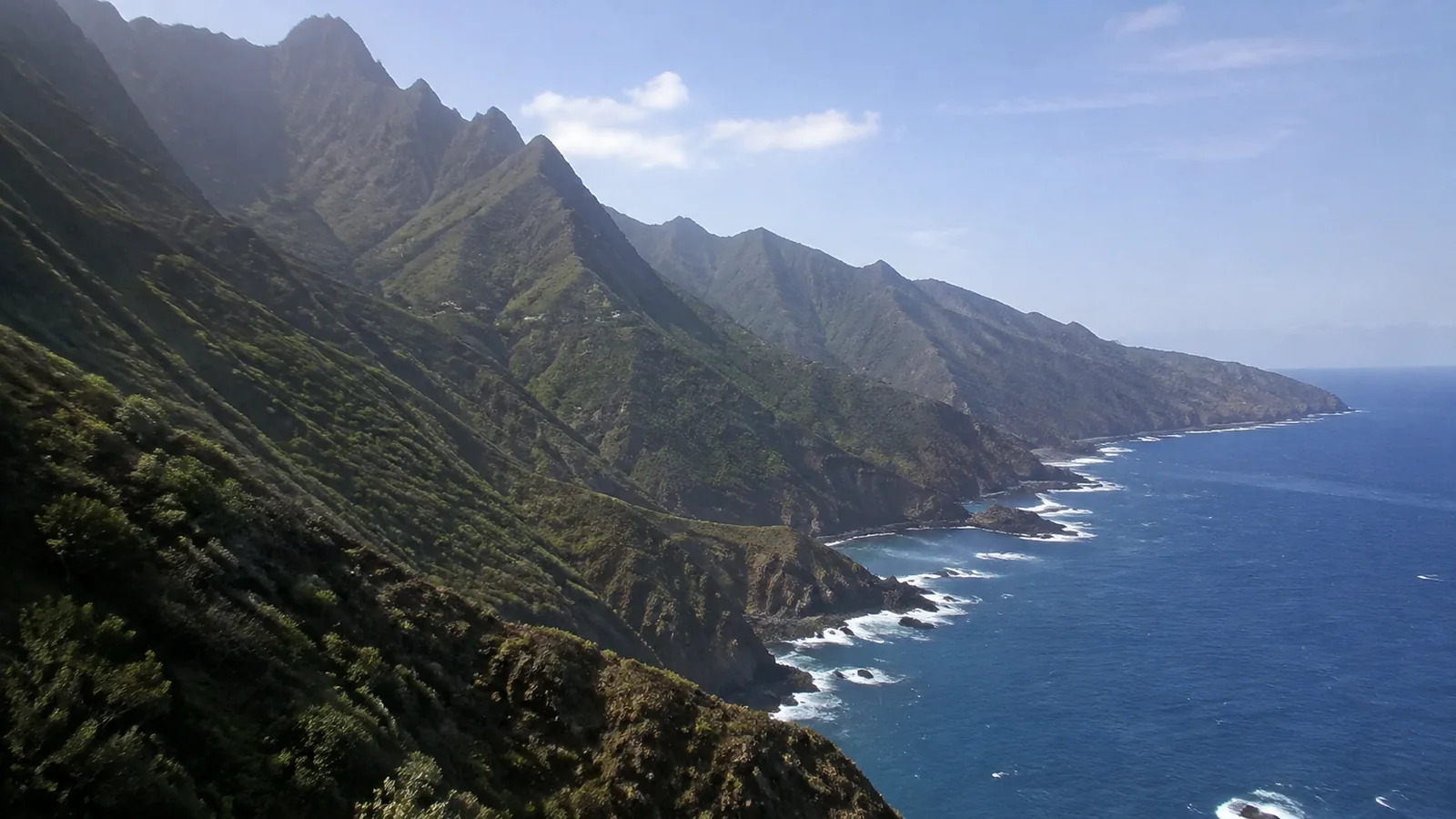
Benijo frames offshore rocks beneath Anaga’s mountains, but the municipality still lists the access closure imposed after rockfalls, and July 2026 municipal reporting said the beach had remained closed for two years. The municipal beach page and posted barriers should take precedence over tourism descriptions of the old staircase.
I would treat Benijo as a scenic stop from a lawful roadside viewpoint, only where stopping and standing are permitted. Do not descend the stairs, bypass barriers, or plan a beach afternoon unless the municipality confirms reopening.
6. Roque de las Bodegas, Anaga
Roque de las Bodegas is an easier Anaga alternative near Taganana, with roadside access and restaurants close by. Tenerife’s tourism authority calls it more family-oriented than nearby Almáciga and Benijo because waves are often lower, while also warning that currents and unexpected waves are frequent.
That qualification is important: “more family-oriented” is relative, not a safety certificate. Choose it for a scenic meal-and-shore combination, then make the water decision from the day’s flag, lifeguard advice, and what the sea is visibly doing.
7. Playa de La Arena, Tacoronte
Tacoronte’s Playa de La Arena gives the north another dark-sand option, paired with a solarium and a more local atmosphere. Official information lists easy road and foot access, parking and bus service, but identifies the beach as not accessible for reduced mobility.
Double-check the municipality in your map search because the identical name causes avoidable wrong-coast adventures. The drive may be pretty, but discovering your beach is 55 miles away is not the island tour most people intended.
8. Las Eras, Fasnia
Las Eras is a small east-coast village beach made up of dark sand and gravel. It suits travelers seeking a modest local stop rather than rentals, entertainment, and a long menu of beach clubs.
Official tourism information lists straightforward road and foot access, limited parking, bus service, cleaning, bins, and an accessible approach. Pack water shoes and build flexibility into the plan because the sand-to-stone balance and usable shoreline shift with tide and wave action.
How to plan by region
Tenerife looks compact on a map, but volcanic terrain, mountain roads, parking searches, and scenic stops stretch drive times. Group beaches by coast instead of collecting them like refrigerator magnets.
Southwest resort base
From Costa Adeje or Los Cristianos, Playa de La Arena in Puerto Santiago is the logical dark-sand day. It pairs cleanly with a Los Gigantes viewpoint or harbor activity without requiring an Anaga mountain crossing.
If Tenerife is one stop in a larger island trip, compare the pace and transport tradeoffs in this island-planning overview. An overnight base changes what is realistic far more than a pin-covered map suggests.
North-coast base
Puerto de la Cruz puts Playa Jardín close at hand, with El Socorro and El Bollullo as separate outings. Check north-coast swell before choosing, because a calm southern beach and a rough northern one can exist on the same day.
Anaga day
Roque de las Bodegas can anchor an Anaga beach outing, while Benijo is currently a viewpoint-only possibility. Leave generous daylight for narrow mountain roads and confirm the return bus before staying for sunset.
Travelers comparing warm-weather school breaks can also use these spring break destination ideas to judge whether Tenerife’s road-trip style fits their group. A beach vacation here is often active and exploratory rather than resort-bound.
Ocean safety is the deciding factor
Canary Islands emergency guidance is unambiguous: a red flag means bathing is prohibited. Its coastal hazard advice also tells people to avoid piers, breakwaters, and places where waves can strike or sweep them away.
Use supervised beaches when possible, stay within your swimming ability, and keep children at arm’s reach near moving water. Never turn your back on surf for a photo, and do not enter an isolated cove merely because other visitors are doing it.
Green does not mean risk-free, while yellow requires extra caution and red closes the water to bathing. Flags can differ between beaches and change after you checked an app, so the signal physically posted at the beach controls the decision.
Winter and shoulder-season swells can make a photogenic north-coast beach unsuitable for swimming. If your trip centers on reliable water time, choose a serviced base, preserve backup plans, and let a rough-sea day become a hike, museum, viewpoint, or long lunch.
What to pack for volcanic beaches
- Secure sandals or water shoes for hot sand, gravel, and rocky entries
- A compact towel or beach mat that does not absorb half the shoreline
- Broad-spectrum sunscreen, a hat, sunglasses, and a light cover-up
- Plenty of drinking water, especially for stair-access beaches
- A dry bag or zip pouch for phones, keys, and bus tickets
- A small trash bag because remote coves may have limited bins
- A warm layer for wind, sunset, or the cooler north coast
Dark sand clings enthusiastically, so keep clean clothes in a separate bag and use showers where provided. Do not remove sand, stones, shells, or other natural material as a souvenir.
For a different volcanic-beach comparison, see how access and ocean use change at Bali’s black sand beaches. Similar color does not create identical currents, facilities, culture, or transport.
Accessibility, buses, and parking
“Bus access” may still leave a walk, steps, uneven ground, or a limited timetable. Confirm the stop, return schedule, and final approach through the current TITSA journey planner before committing to an isolated sunset.
For reduced mobility, start with clearly serviced options such as Playa de La Arena in Puerto Santiago or El Socorro, then verify that the specific facilities you need are operating. Sand itself remains a variable surface even where an official listing marks a beach accessible.
Drivers should avoid blocking residents, farm entrances, or emergency access near small coves. If legal spaces are gone, continue to a backup beach instead of improvising a parking rule with hazard lights.
A simple one-day black sand plan
From a southwest base, spend the morning at Playa de La Arena, take lunch in Puerto Santiago, and add Los Gigantes rather than driving north. From Puerto de la Cruz, check conditions and choose one primary beach among Playa Jardín, El Socorro, or El Bollullo.
For Anaga, I would choose Roque de las Bodegas for an accessible shore stop and nearby lunch, subject to the day’s conditions. Keep Benijo to permitted viewpoints while its descent is closed, and allow plenty of time for the mountain road.
Final booking and beach-day checks
- Check the same-day weather, coastal warnings, tide, and beach flag.
- Verify municipal notices for temporary water-quality or access closures.
- Confirm whether lifeguards and accessible services operate on your date.
- Save the exact municipality and parking point, especially for duplicate beach names.
- Carry a non-swimming backup plan for rough conditions.
Tenerife’s best black sand beach is the one that matches your coast, mobility, and ocean confidence on that particular day. Let the volcanic scenery provide the drama, and keep the swimming decision pleasantly boring.