Yukon Travel Guide: Routes, Parks and Seasons
Yukon rewards travelers who respect its scale. Whitehorse, Kluane, Dawson City, Tombstone, and the Arctic Circle may fit on one map, but they do not fit into one hurried long weekend.
This guide helps you choose a workable first route, the right season, and the preparation level your trip actually needs. The strongest first visit is often smaller than the dream itinerary.
Yukon at a Glance
- Best easy first trip: Whitehorse and Kluane National Park and Reserve
- Best history addition: Dawson City with at least three extra nights
- Best road-trip season: Generally June through early September
- Best northern-lights window: Darker nights from late summer through winter, with no guarantee
- Best transport: A rental car for a summer Whitehorse-Kluane trip
- Biggest mistake: Underestimating distance, road conditions, fuel gaps, and limited cell coverage
Choose Your Yukon Trip Before Booking Flights
For six or seven days, combine Whitehorse with Haines Junction and the accessible edge of Kluane National Park and Reserve. This route offers culture, trails, lakes, mountain views, and manageable driving without pretending you can see the entire territory.
With nine to 11 days, add Dawson City by road or a seasonal flight, then give the town at least two full days. Driving Whitehorse to Dawson is a substantial travel day each way, not a casual side trip.
The official Klondike-Kluane loop itinerary combines Dawson and Kluane through roads that can cross Alaska and depend on seasonal border and highway operations. Treat it as a route framework, then verify every segment for your dates.
Save the Dempster Highway, Tombstone Territorial Park, and an Arctic Circle drive for a dedicated plan. Gravel, weather, tires, rental restrictions, sparse services, and emergency communications make that journey fundamentally different from sightseeing around Whitehorse.
A Practical Seven-Day First Yukon Itinerary
Days 1 and 2: Whitehorse
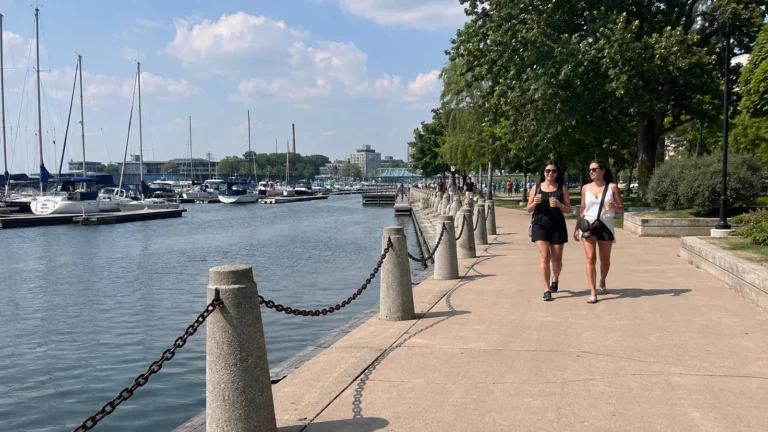
Use arrival day to settle in, buy groceries, confirm the vehicle, and walk part of the Yukon River waterfront. A long northern drive is a poor cure for flight fatigue.
On your full Whitehorse day, balance territorial history with living culture. The Kwanlin Dün Cultural Centre stands on the riverfront as a gathering place celebrating Kwanlin Dün heritage and contemporary life, while local museums add transportation and regional context.
Do not frame Yukon history as if it began with the Klondike Gold Rush. Yukon is home to 14 distinct First Nations and eight language groups, according to Indigenous Yukon’s respectful-travel guidance.
Use the official cultural-center listings to see what is open and welcoming visitors, then follow local photography and access guidance. A cultural center, artist, or guide offers a better starting point than treating every community as an attraction.
Day 3: Whitehorse to Haines Junction
Pick up food, drinking water, and fuel before leaving Whitehorse, even when the map shows services ahead. Stop only at safe pullouts, and leave wildlife plenty of room instead of braking unpredictably for a photo.
Haines Junction is the practical base for Kluane’s eastern side. Start at Da Kų Cultural Centre, which houses both a Champagne and Aishihik First Nations cultural presence and the Parks Canada visitor center.
Ask staff about current trails, bear activity, smoke, weather, road work, and closures. Their same-day advice is worth more than a saved itinerary from last summer.

Day 4: Kathleen Lake and an Easy Kluane Day
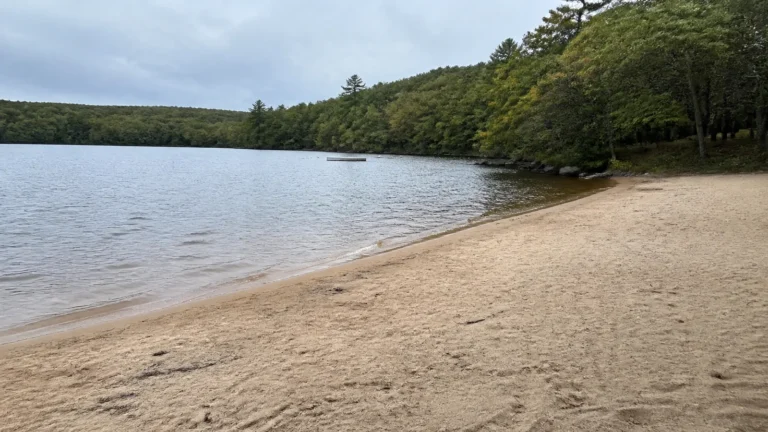
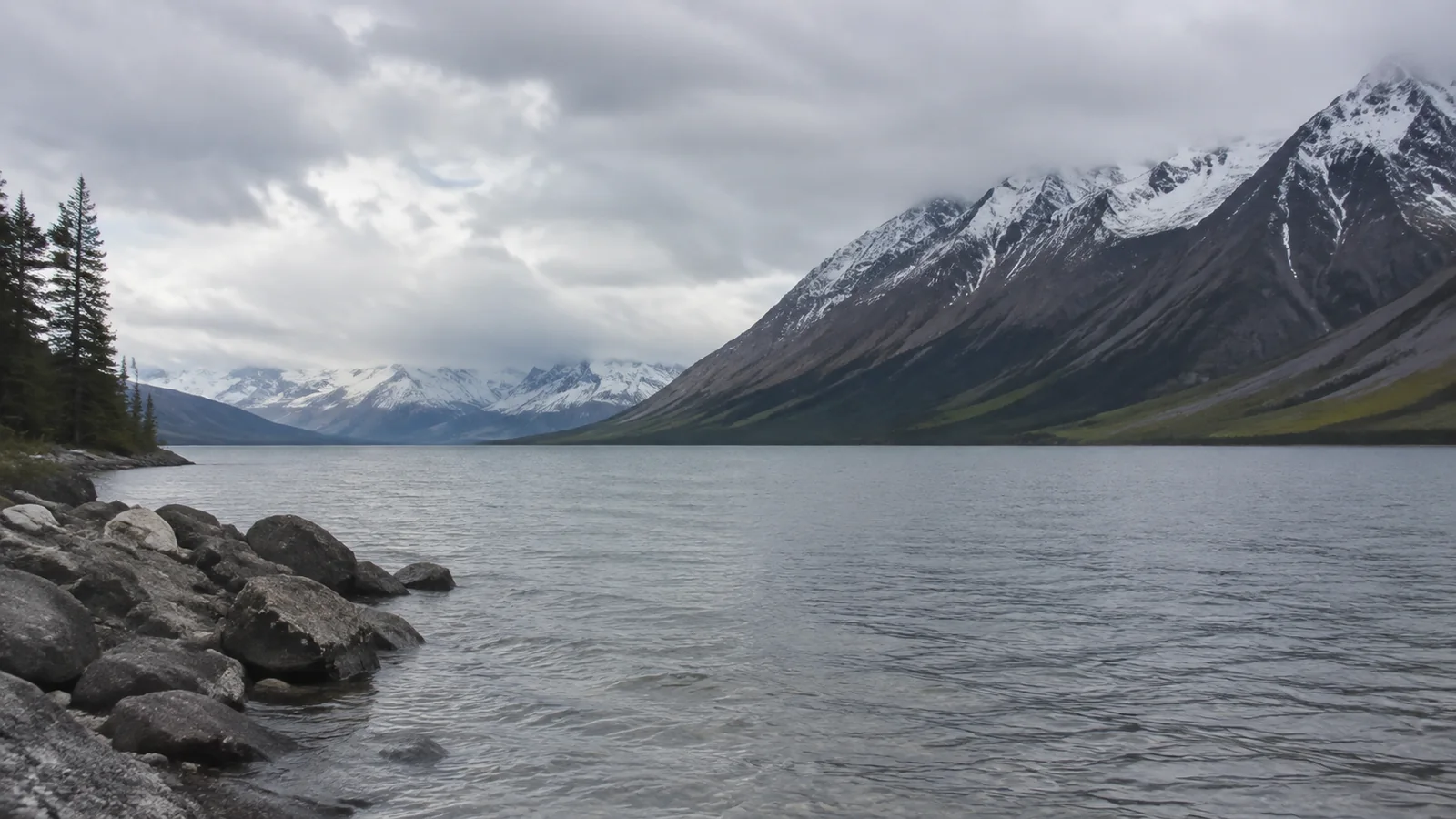
Build your first park day around Kathleen Lake and one trail matched to your group. Shoreline time, a picnic, and a shorter walk can be a complete day when clouds obscure higher peaks.
Parks Canada’s Kluane page covers current activities, visitor services, camping, rules, and safety notices. Kluane protects immense mountains and icefields, but ordinary roads reach only limited edges rather than penetrating the park’s interior.
Mount Logan and the great icefields are not roadside stops. Flightseeing can reveal them in suitable conditions, but weather may cancel or reroute a trip, so do not make one expensive flight the only reason your vacation feels successful.
Day 5: Choose a Trail, Cultural Program, or Scenic Drive
Active travelers can choose a longer signed trail after checking its current condition and wildlife advice. Easier alternatives include another lakeshore stop, a guided cultural program, or a scenic drive with controlled pullouts.
Parks Canada recommends bear spray on Kluane trails and notes that cell service is absent in much of the park. Learn how to carry and use spray, hike in a group when possible, make noise appropriately, and never approach wildlife.
A satellite messenger becomes increasingly sensible as you leave busy corridors or attempt longer hikes. It does not replace a route plan left with a reliable person and a clear time for them to seek help.
Day 6: Return to Whitehorse Slowly
Use the return for stops you skipped because of rain, fatigue, or poor visibility. This buffer is valuable in a territory where the weather can rearrange a perfectly neat schedule.
Back in Whitehorse, choose a local restaurant, an art stop, or a quiet river walk rather than squeezing in another long excursion. If skies are dark and clear, join a properly equipped aurora outing or watch from a safe location away from traffic.
Day 7: Weather Buffer and Departure
Keep the final morning flexible for a delayed activity, laundry, shopping from Yukon artists, or an easy trail near town. Avoid committing to a distant drive before an afternoon flight.
A seven-day trip may look modest on paper, but it provides five useful sightseeing days without dangerous pressure to keep moving. That is a much better introduction than collecting town names through a windshield.
How to Add Dawson City
Dawson deserves two full days between travel days. Walk the historic core, learn how the gold rush changed the region, visit Dänojà Zho Cultural Centre, and see the Yukon and Klondike river landscape rather than making the casino your entire impression.
My Dawson City planning guide separates historic sites, cultural interpretation, seasonal businesses, and scenic stops. Check current openings because many visitor services do not run on a big-city, year-round schedule.
If driving both ways, plan an overnight strategy only if it genuinely improves safety and enjoyment. A cheaper room does not help if it creates another rushed day or strands you far from food and fuel.
Flying one direction can save time, but schedules and baggage rules require current confirmation. Compare the full cost against the rental car’s one-way policy and the transport you will need in Dawson.
When to Visit Yukon
Summer for Road Trips and Long Days
June through early September is the simplest window for a first driving trip, with long daylight and the broadest seasonal visitor services. That does not guarantee warm, dry weather, open trails, or smoke-free skies.
Near the summer solstice, darkness may be too limited for strong aurora viewing even if solar activity is present. Choose summer for roads, paddling, hiking, and daylight rather than a guaranteed lights show.
Late Summer and Fall for Color and Darkness
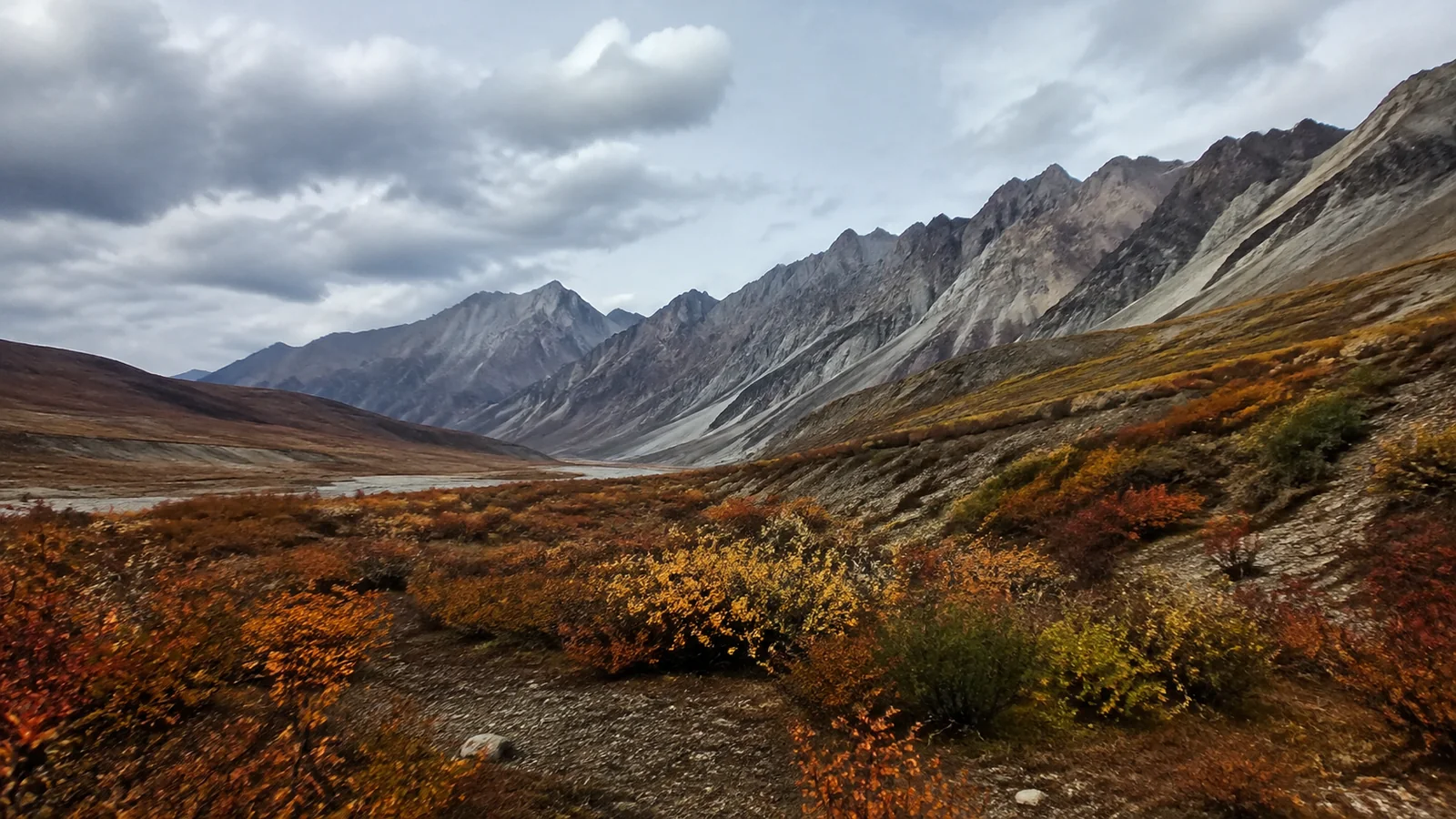
Late August and September can bring fall color and enough darkness for aurora watching. It also brings cooler nights, shorter business seasons, and an increasing chance of frost or early snow.
Confirm accommodations, tours, campgrounds, visitor centers, and ferry or border operations individually. “Open in fall” means little without an exact date.
Winter for a Purpose-Built Cold-Weather Trip
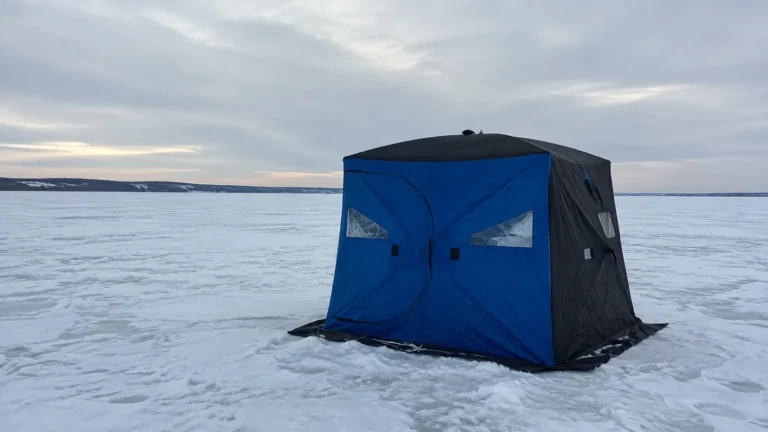
Winter can suit aurora viewing, dog sledding, skiing, and snowy landscapes, but it is not the summer road trip with a warmer coat. Cold, limited daylight, road hazards, frozen equipment, and reduced services demand winter-specific transport and clothing.
Book experienced operators and leave room for weather disruption. If Alaska is part of the wider northern plan, this August Alaska weather guide shows why neighboring regions still need route-by-route expectations.
Driving, Fuel, and Road Conditions
Check 511 Yukon before every substantial drive for conditions, restrictions, weather, rest areas, pullouts, and border information. Download or screenshot what you need before losing service.
Never assume the next community has late-night fuel, food, lodging, repairs, or cell coverage. Top up early, carry water and snacks, and tell someone your route and expected arrival.
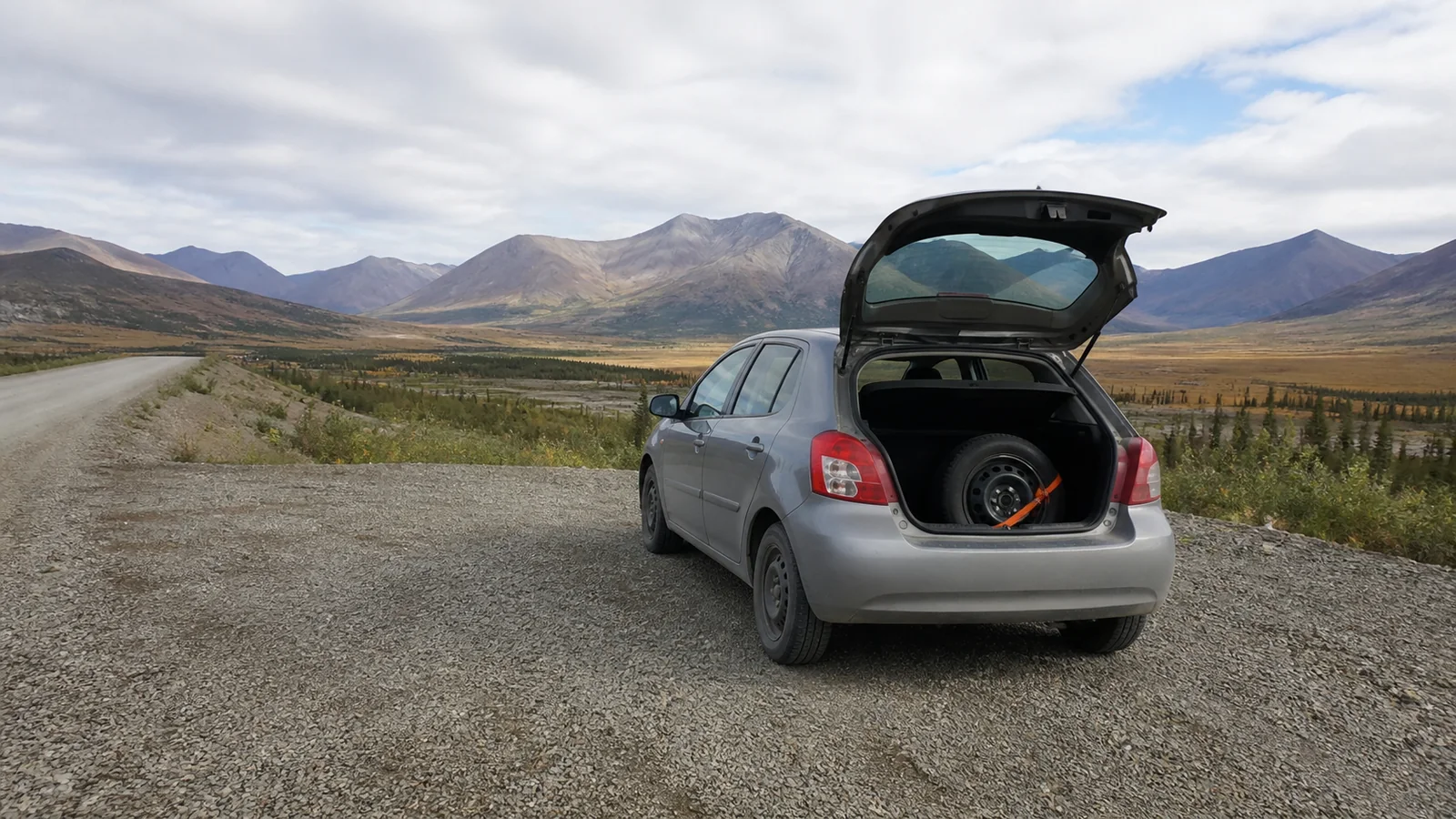
Read the rental agreement for gravel roads, the Dempster, the Top of the World Highway, Alaska crossings, tire damage, towing, and geographic limits. A vehicle being physically capable of a road does not mean the contract allows it.
Cracked windshields and damaged tires are realistic gravel-road costs, so understand the coverage rather than accepting or rejecting it automatically. Keep extra time for construction, dust, washboard, wildlife, and slow vehicles.
Wildlife and Backcountry Safety
Bears, moose, bison, and other animals are not roadside props. Stay in the vehicle when appropriate, never feed wildlife, use a long lens, and move on if your presence changes an animal’s behavior.
For hiking, carry layers, water, navigation, first aid, and emergency communication matched to remoteness. Bear-resistant food storage and registration rules can apply to overnight travel, so a backcountry trip needs direct planning with the responsible park or land manager.
Wildfire smoke and closures can change a route quickly. Keep one indoor or lower-risk alternative for every major outdoor day and follow government emergency information rather than social-media rumors.
Costs and Booking Priorities
Yukon is not automatically a budget destination. Rental vehicles, fuel, limited-inventory lodging, flights, guided experiences, groceries, insurance, and satellite communication can outweigh savings from free viewpoints and trails.
Book flights, the vehicle, and small-town lodging first, especially for summer. Then reserve any must-do flightseeing, paddling, Indigenous-led experience, or limited-capacity activity while keeping weather-dependent pieces flexible.
If you are connecting Yukon to a much larger drive, use this Canada road-trip framework to calculate days by region rather than drawing one heroic line across the country. Northern distances punish wishful scheduling.
What to Pack
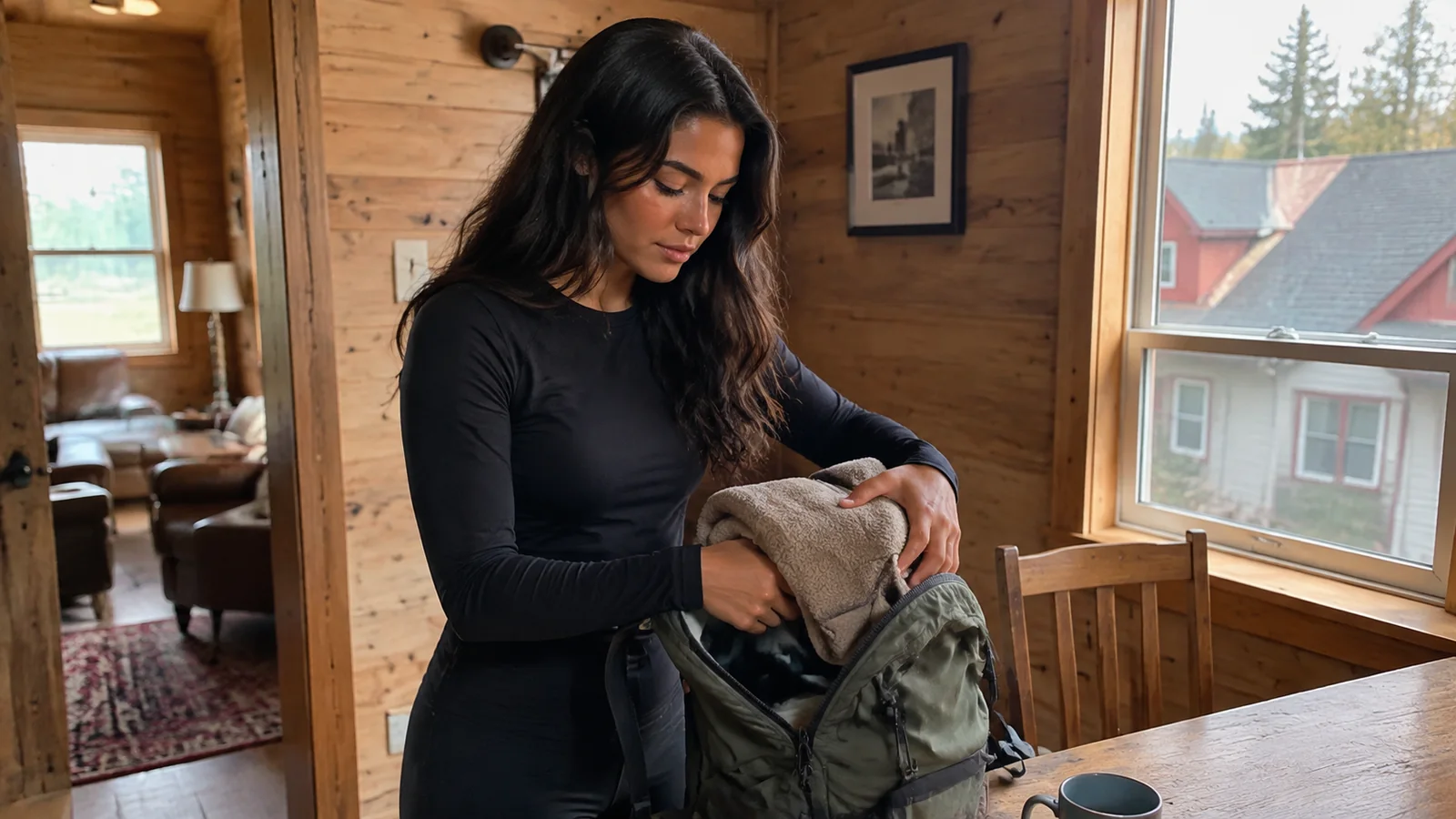
- Waterproof shell and warm insulating layer, even in summer
- Comfortable walking shoes with dependable grip
- Sun protection, insect repellent, and a head net when appropriate
- Refillable water bottles and road snacks
- Paper map plus offline maps
- First-aid kit and vehicle emergency basics
- Bear spray acquired and carried legally, with training
- Satellite messenger for remote routes or longer hikes
Airlines and borders have rules for bear spray and other hazardous items, so do not pack it casually in luggage. Buy, transport, and dispose of it through legal local channels.
Two Kluane hiking days from Haines Junction
Allow roughly two hours to drive the approximately 100 miles from Whitehorse to Haines Junction, plus stops, then check conditions at the visitor center before committing to tomorrow’s hike. I would sleep in Haines Junction for both Kluane nights so the second day starts with breakfast instead of another highway transfer.
Main hiking day: Auriol Trail is a 15 km (9.3-mile) return outing with a loop portion, 400 m (1,300 feet) of gain, and a four-to-six-hour allowance. Its signed trailhead is 7 km south of Haines Junction on the Haines Highway, making it practical from this base for hikers already comfortable with a full day on foot.
Easier second day: drive 44 km south to Rock Glacier Trail, a 1.6 km (one-mile) out-and-back with 90 m (300 feet) of gain and a 30-minute-to-two-hour allowance. The boardwalk and upper rocks can be slippery, so the short distance does not make this a smooth accessible walk.
For a gentler fallback, use the Kokanee boardwalk from Kathleen Lake’s day-use area: Parks Canada lists 1 km, about 3 m of gain, and 10 to 30 minutes. Check the current trail report for bear activity, closures, and weather effects, and keep the existing cultural-center time when conditions shorten an outdoor day.
The Bottom Line
For a first Yukon trip, I would choose seven days split between Whitehorse and Haines Junction, then add Dawson only with three or four more days. That plan delivers culture, mountains, lakes, trails, and river history without treating distance as dead time.
Yukon’s scale is part of its appeal, not an obstacle to defeat. Plan fewer places, verify current conditions daily, and give the land and its communities the attention they deserve.