Dawson City, Yukon: Tr’ondëk-Klondike History and Trip Planning
Dawson City is small enough to explore on foot, yet layered enough to justify several unhurried days. Come for the crooked boardwalks and Klondike stories, but make room for Tr’ondëk Hwëch’in culture, the Yukon River, and the practical realities of a remote northern town.
Is Dawson City Worth Visiting?
Yes, if you enjoy living history, characterful towns, and road trips where the journey matters. Dawson suits curious travelers far better than anyone chasing a polished resort experience or a packed checklist.
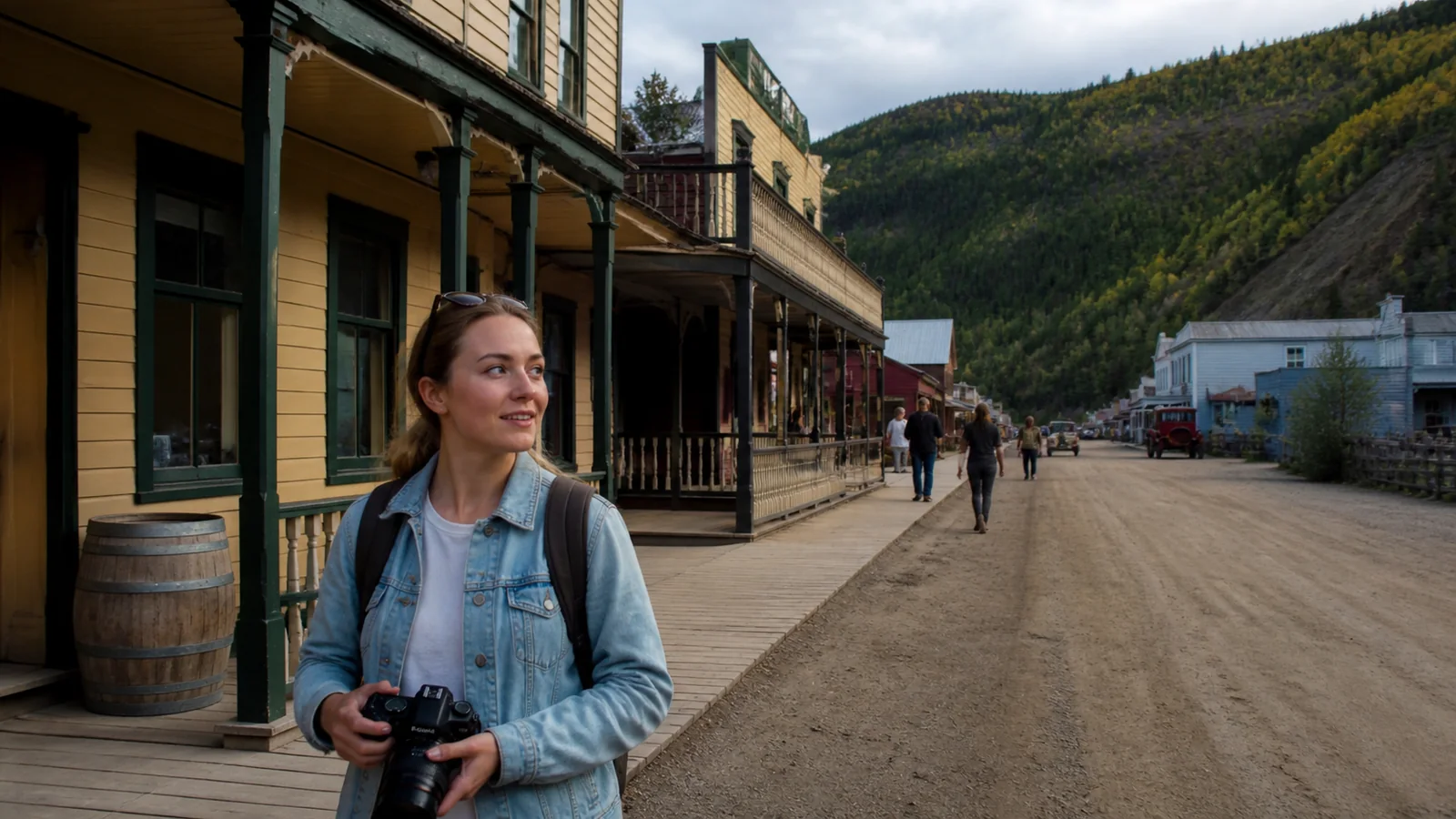
The town’s strongest feature is not one landmark. It is the rare ability to walk among protected gold-rush buildings, learn what that upheaval meant for the people already living here, and look across a broad northern landscape in the same day.
- Best for: History, Indigenous culture, photography, road trips, and slow evenings
- Ideal stay: Three nights, giving you two full days
- Easiest season: June through August, when visitor services are most available
- Best value: A simple room or campground booked early, with several free walks and viewpoints
- Not ideal for: Travelers needing big-city dining choices, guaranteed cell coverage, or tightly timed connections
Start With the Place, Not the Gold Rush Costume
Dawson stands in the Traditional Territory of the Tr’ondëk Hwëch’in at the meeting of the Klondike and Yukon rivers. Gold-rush interpretation is important, but it is only responsible when paired with the community that lived here before the stampeders and continues to govern and shape the region today.
Make the Dänojà Zho Cultural Centre one of your first stops when its seasonal visitor programming is open. The Tr’ondëk Hwëch’in describe it as a gateway to their heritage and a meeting place for cultural activities, performances, and events.
Listen for guidance about photography, events, and culturally sensitive places. A map pin or an old travel post never grants permission to enter Settlement Land, private property, archaeological areas, or community spaces.
When to Visit Dawson City
Summer is easiest for a first trip
June through August offers long daylight, the broadest selection of tours, and the simplest road-trip logistics. It is also peak season, so reserve a room, rental car, and any must-do program instead of expecting last-minute availability.
Pack a light-blocking eye mask because a bright northern night can disrupt sleep. Bring layers and rain protection too, since long daylight does not equal constant warmth.
May and September reward flexible travelers
Shoulder season can mean quieter streets, cooler nights, and better darkness for possible aurora viewing. It can also mean reduced hours, tour schedules ending, frost, smoke, ferry changes, or businesses closing for the season.
Never build the entire visit around seeing the northern lights. Darkness, cloud, solar activity, and your viewing location all matter, so an aurora is a bonus rather than a bookable attraction.
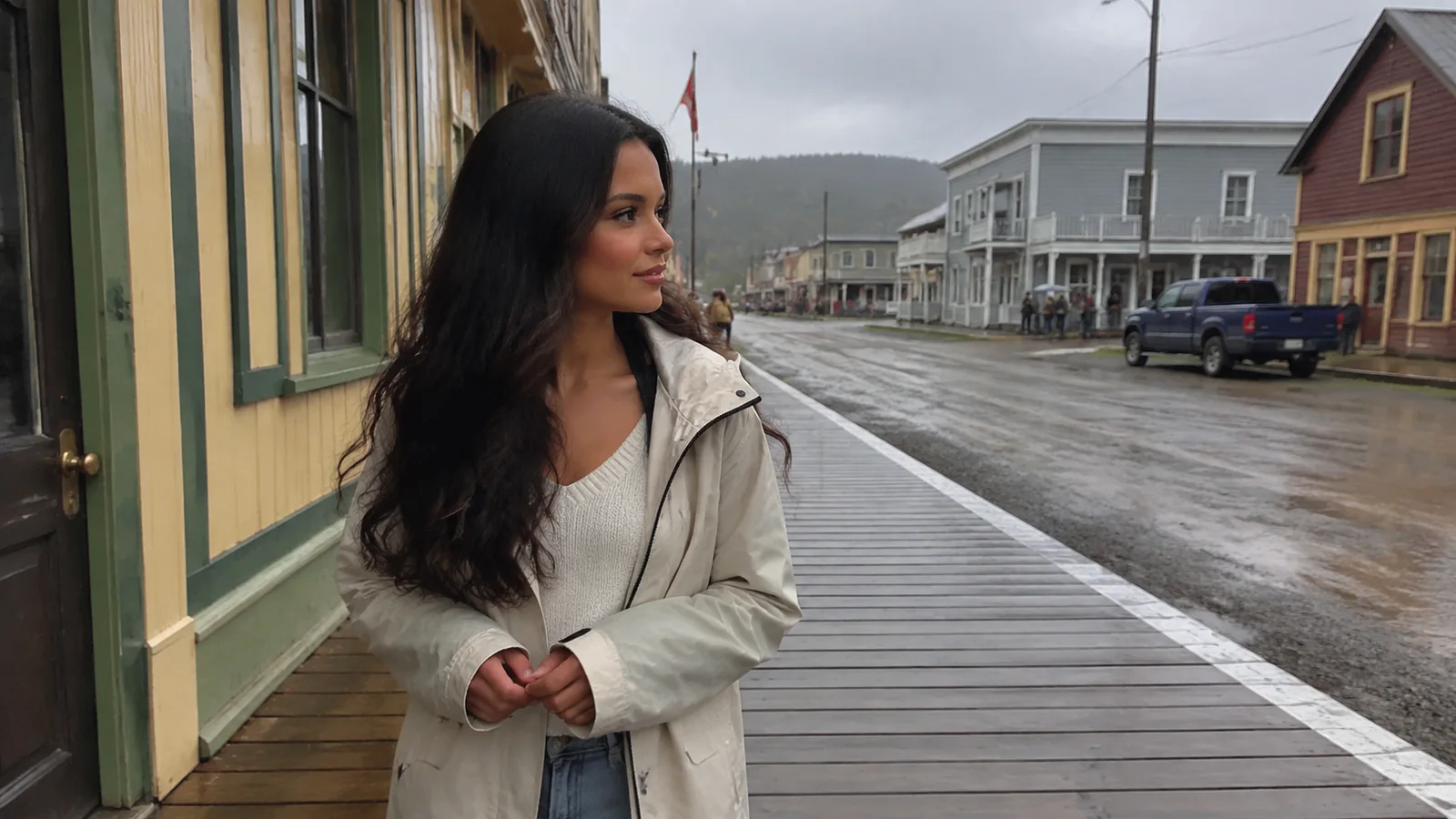
Winter is a different trip
Winter Dawson can appeal to experienced cold-weather travelers who have confirmed transportation, accommodations, food, and suitable clothing. It is not simply the summer itinerary with a heavier coat.
Daylight shrinks, temperatures can become dangerous, some businesses close, and the Yukon River crossing operates under different conditions. Plan directly with current local providers and leave plenty of recovery time around flights or long drives.
How to Get to Dawson City
Drive from Whitehorse
The North Klondike Highway is the standard road approach from Whitehorse, covering roughly 330 miles. Allow a full day and more time than a navigation app suggests, since fuel, construction, weather, wildlife, and scenic stops can all change the pace.
This is where the broader Yukon travel guide helps: choose a corridor before adding parks and side trips. Dawson is not a casual evening detour from Whitehorse.
Download maps, confirm fuel hours, and check the entire route through 511 Yukon shortly before leaving. A road marked all-season can still have active hazards, construction, poor visibility, or difficult surfaces.
Fly and simplify
Scheduled air service can turn Dawson into a stand-alone trip or shorten a Yukon itinerary, but schedules vary by date. Confirm baggage rules, airport transfers, and the consequences of a weather delay before booking separate onward tickets.
A car is not essential for central Dawson, where many historic buildings and riverfront stops are walkable. You will need a vehicle, taxi, or tour for sites in the goldfields, and availability is limited enough to arrange before arrival.
Do not assume the Alaska route is open
The Top of the World Highway route uses the George Black Ferry across the Yukon River and the seasonal Little Gold Creek border crossing. The Government of Yukon ferry page directs travelers to current status, and both the ferry and border must work for your plan.
Bring the correct border documents and verify rental-car permission for gravel roads and cross-border travel. If this segment is essential before a flight or nonrefundable booking, add a buffer rather than trusting a historic opening date.
The Best Things to Do in Dawson City
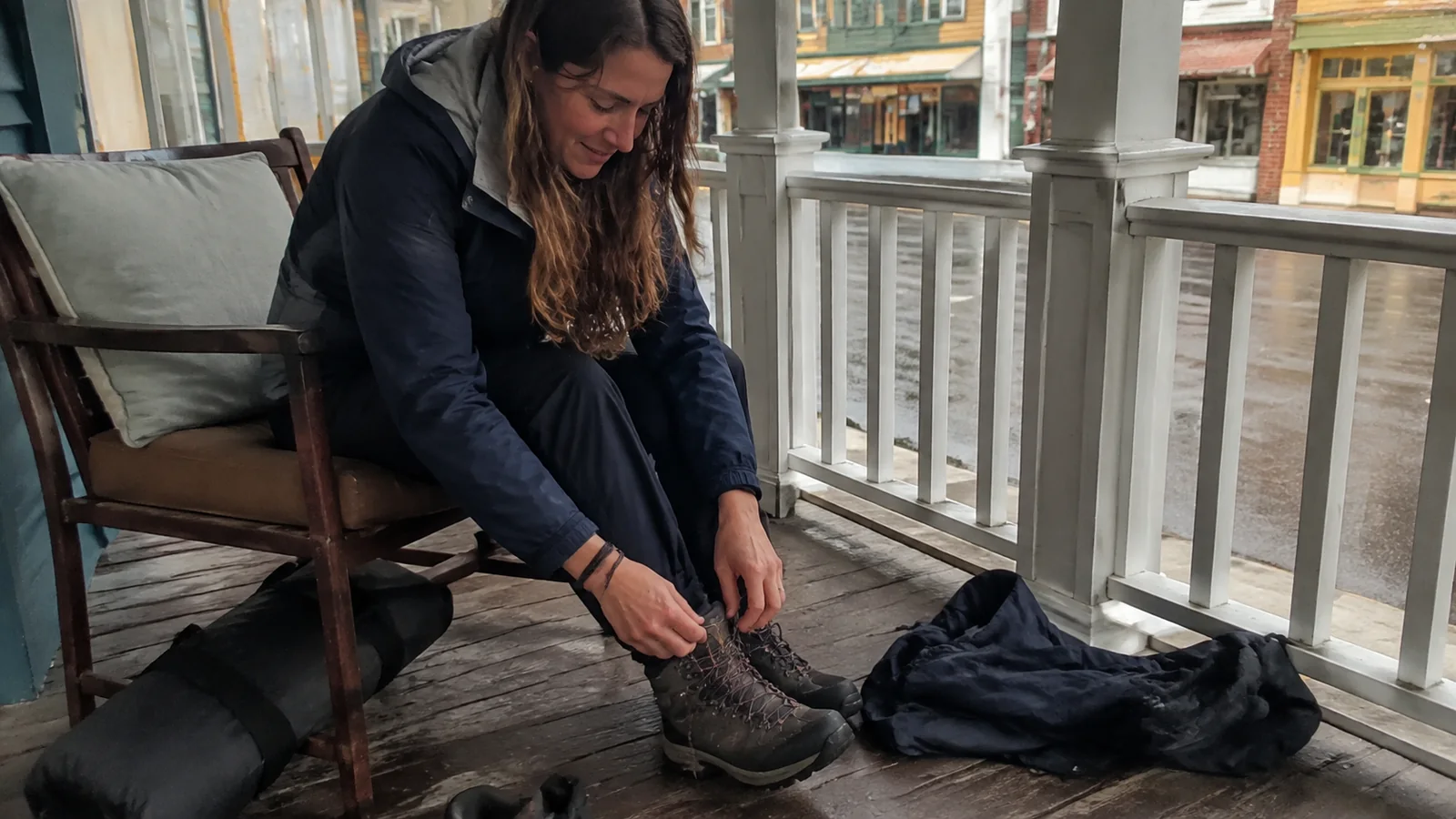
Tour the Klondike historic sites
Parks Canada manages five national historic sites in and around Dawson, including the Dawson Historical Complex and Dredge Number 4. Its Klondike National Historic Sites hub publishes current hours and programs, with visitor services generally concentrated from May through September.
A guided building tour adds details that storefront photography cannot supply. Dredge Number 4 is about 12 miles from town, so treat its scheduled tour and transportation as a separate outing rather than a quick downtown stop.
Walk the riverfront and old streets
Downtown rewards wandering, especially along Front Street and the boardwalk-lined blocks behind it. The uneven ground and raised wooden walks create atmosphere, but they also make sturdy shoes more useful than dressy ones.
Stop at the visitor information center early for current tour times, closures, and a walking map. A self-guided route works well for budget travelers, while one paid interpretive program gives the architecture much more meaning.
See the view from Midnight Dome
The road-accessible viewpoint above town frames Dawson, the river junction, and the surrounding ridges. Visit in clear conditions and give the edge proper respect, especially if wind, smoke, mud, or lingering snow affects the road or trails.
Late-evening light can be beautiful in summer, but fatigue still counts even when the sky stays bright. Save enough energy and attention for the drive back down.
Choose entertainment with your eyes open
Dawson’s evening scene often includes live music, seasonal performances, and legalized gambling, but schedules and admission rules change. Check the actual event calendar and decide whether the activity fits your interests rather than treating a famous ritual as mandatory.
You can have a memorable evening with a riverfront walk and a local meal. Travelers who avoid alcohol, gambling, crowds, or staged antics will not run out of reasons to visit.
Use Dawson as a Dempster gateway carefully
The Dempster Highway junction lies south of Dawson, but the highway is its own remote-road undertaking. Gravel, tire damage, limited fuel, weather, weak communications, and rental restrictions deserve a separate plan.
If the Arctic Ocean is the goal, compare that commitment with this detailed Tuktoyaktuk travel guide. Do not tack hundreds of remote miles onto a Dawson weekend because the route looks close at continental scale.
A Practical Three-Night Itinerary
Arrival day: Get oriented
Check in, walk the riverfront, and visit the information center if it is open. Keep dinner flexible because a long highway day or delayed flight can easily consume the afternoon.
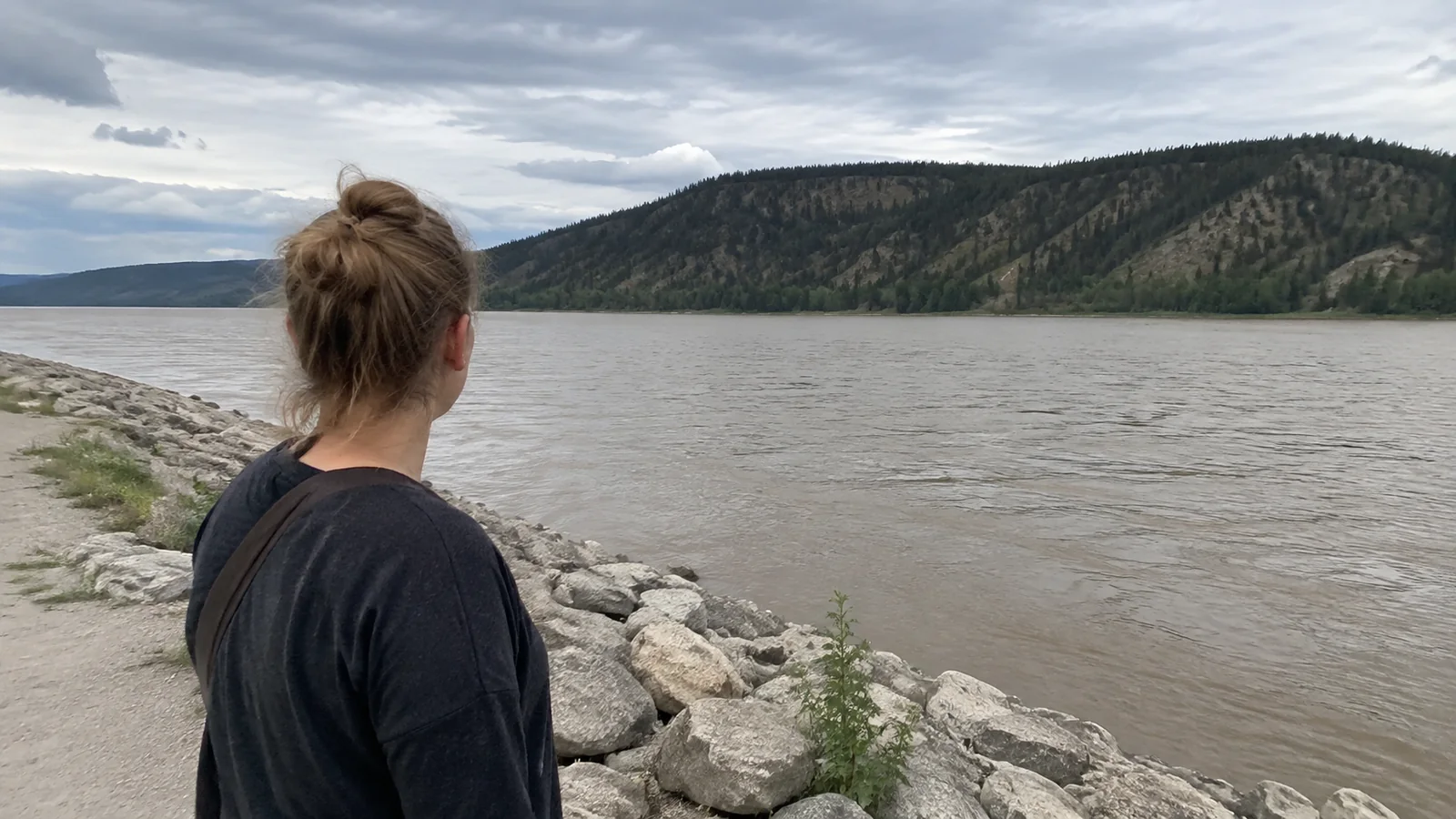
Day one: Learn the town’s full story
Begin at Dänojà Zho, then take a Parks Canada building tour and continue with a self-guided downtown walk. This order provides context before the most theatrical gold-rush imagery takes over.
Use the evening for a performance, live music, or the riverfront. Book only one fixed event so the day still breathes.
Day two: Goldfields and the Dome
Reserve a Dredge Number 4 program or another authorized goldfields experience, then return to town for the museum or a slow lunch. Visit Midnight Dome when visibility and road conditions are favorable.
If you have no car, arrange this day before the trip. Local capacity can be much smaller than demand during major events.
Departure day: Protect the connection
Leave margin for fuel, the highway, ferry status, or aviation weather. A flexible breakfast and short walk are wiser than squeezing in a distant final tour.
Where to Stay and What to Budget
Stay downtown if walkability and evening atmosphere matter most. Choose a campground or outlying property if you value space and lower prices, but confirm transportation, potable water, check-in hours, and river-crossing dependence.
Rates swing with summer demand and special events, so a fixed dollar promise will age badly. Compare the full trip cost, including the flight or long drive, rental permissions, fuel, food, tours, and cancellation terms.
Budget travelers can lean on walking, viewpoints, and self-guided interpretation, then pay for one high-value cultural or historic program. This is usually a better compromise than racing through every attraction or skipping context entirely.
Food, Packing, and Everyday Logistics
Dawson has cafes, restaurants, groceries, and seasonal businesses, but not the redundancy of a large city. Travelers with allergies or strict diets should identify workable options in advance and carry a backup snack.
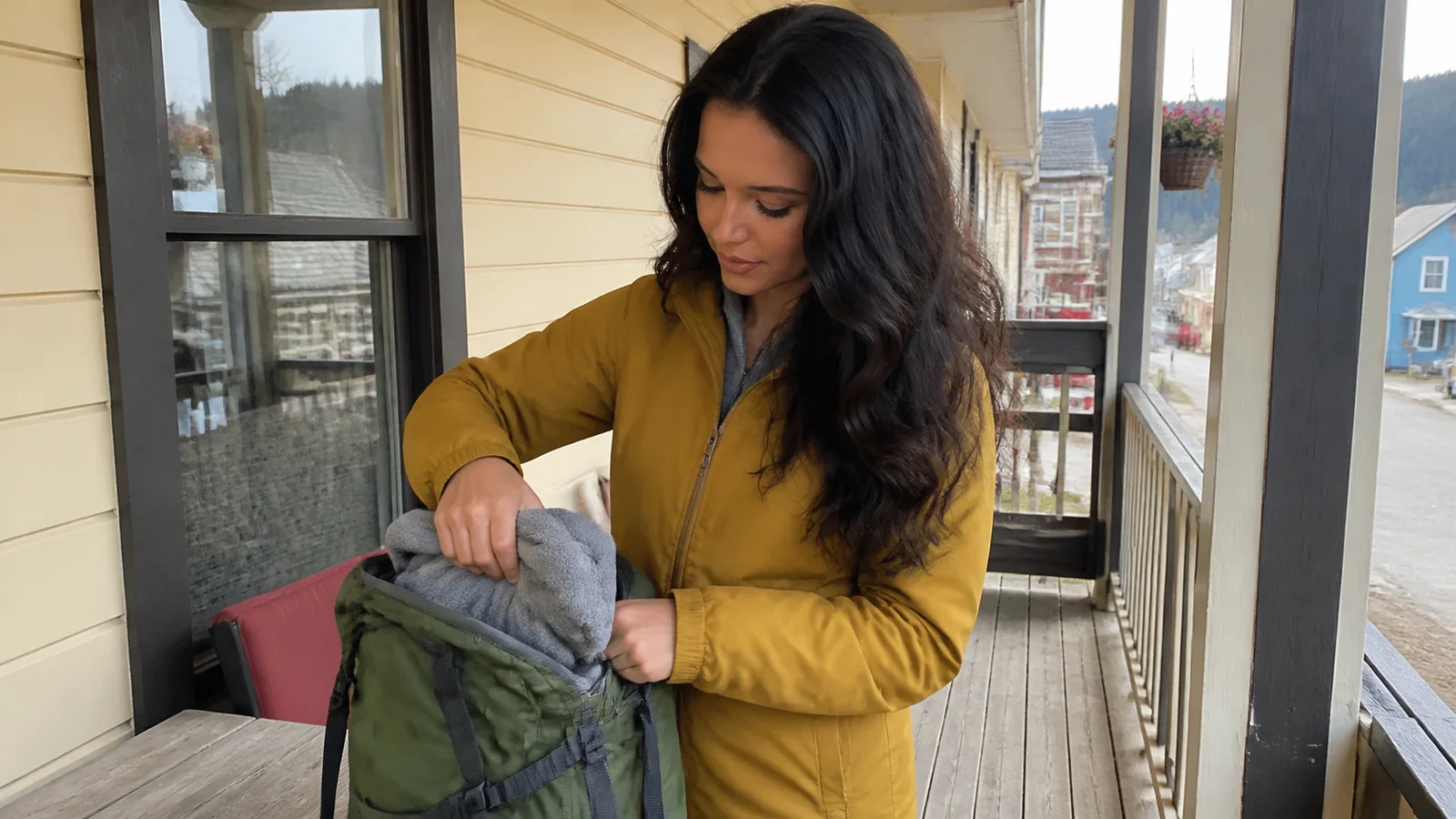
Pack walking shoes, warm layers, a rain shell, sun protection, insect repellent, and a refillable bottle. Add an eye mask in summer, serious cold-weather gear in winter, and road-specific supplies when driving beyond town.
Cell service and Wi-Fi should not be your only navigation or reservation record. Save maps, lodging details, tour confirmations, emergency numbers, and key addresses offline.
Responsible Travel Matters Here
Ask before photographing people, ceremonies, or cultural activities, and buy art from identifiable artists or authorized sellers. Do not remove artifacts, enter old structures, walk onto mining claims, or assume a quiet road is public access.
Keep wildlife wild, store food securely, and follow current fire restrictions. The general principles in this Canada road-trip planner still apply, but northern distance and limited services raise the consequences of poor preparation.
The Bottom Line
Dawson City deserves at least two full days and a story broader than gold-rush nostalgia. The best visit combines Tr’ondëk Hwëch’in interpretation, protected historic places, a riverfront walk, and one landscape experience without rushing the long journey in or out.
Choose summer for the easiest first trip, shoulder season only with flexible expectations, and winter with specialist-level planning. Verify roads, ferries, tours, and lodging close to departure, then let Dawson be small, complicated, and wonderfully unlike anywhere else.